Are you looking to make your home smarter and more efficient?
If you’re interested in incorporating cutting-edge technology and convenience into your living space, creating a smart home could be the perfect solution for you. By designing an advanced home automation control center, you can streamline various aspects of your daily routine, enhance security, save energy, and increase overall comfort.
Why should you consider implementing a home automation control center?
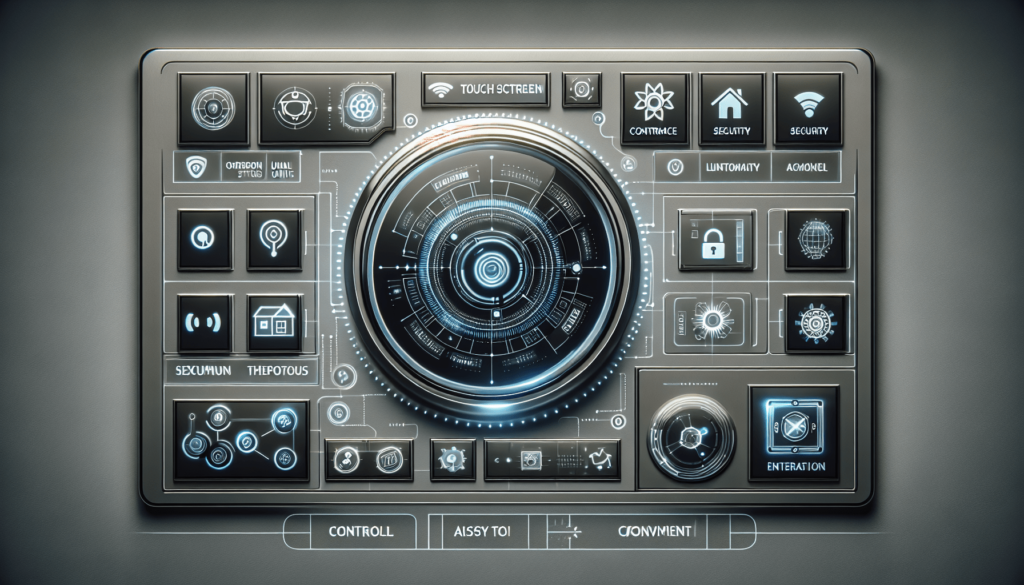
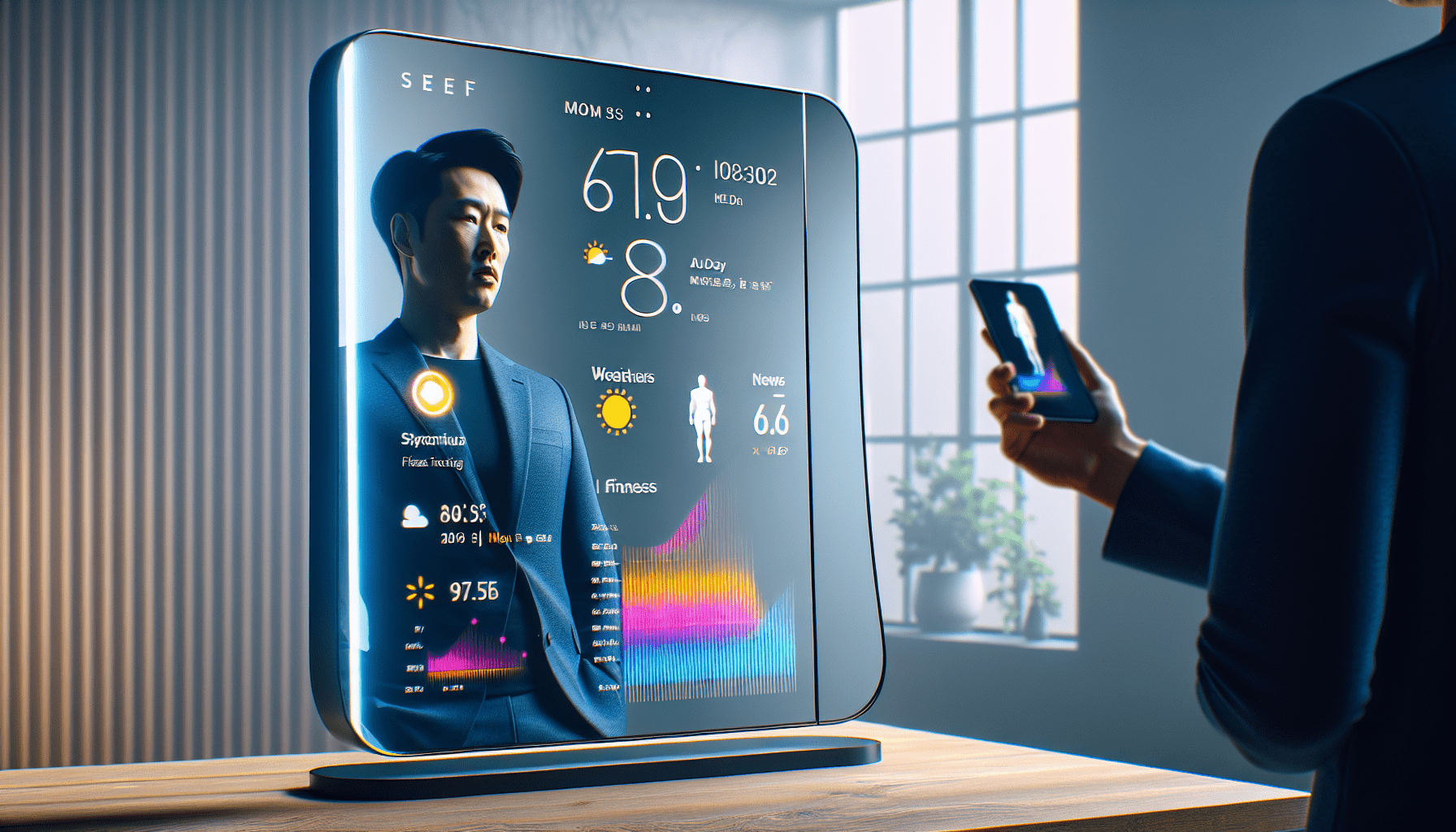
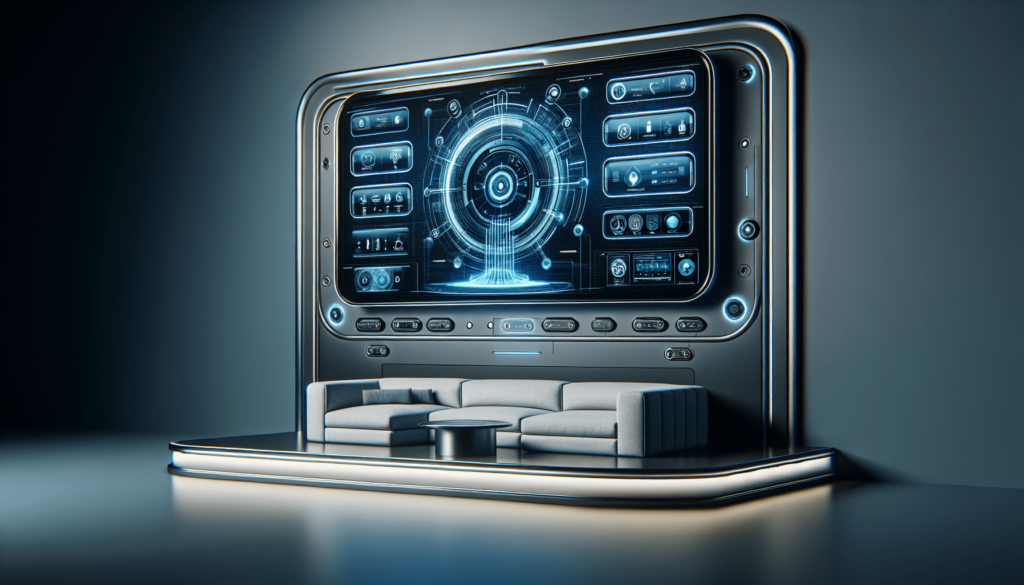
Integrating a home automation control center allows you to centralize the management of your smart devices, making it easier to control and monitor your home’s systems. From adjusting lighting and temperature settings to managing security cameras and entertainment systems, a centralized control center offers unparalleled convenience and efficiency.
Planning and designing your home automation control center
When it comes to creating a smart home, proper planning and design are crucial to ensure that your automation control center meets your needs and enhances your lifestyle. Before diving into the installation process, take the time to carefully consider the following factors.
Determining your automation goals
Before designing your home automation control center, it’s essential to establish clear goals and objectives. Are you looking to increase energy efficiency, enhance security, or simply make your life more convenient? By defining your priorities, you can tailor your automation system to meet your specific needs.
Assessing your existing infrastructure
Evaluate your home’s current infrastructure, including your electrical wiring, internet connectivity, and smart devices. Determine which components can be integrated into your automation system and identify any potential limitations that may require upgrades or modifications.
Establishing a budget
Setting a realistic budget is key to ensuring that your home automation control center aligns with your financial resources. Consider the costs of equipment, installation, and ongoing maintenance, and prioritize essential features based on your budget constraints.

Choosing the right automation technologies
With a wide range of automation technologies available on the market, selecting the right devices and systems for your home automation control center can be overwhelming. To simplify the decision-making process, consider the following factors when choosing your automation technologies.
Smart lighting solutions
Smart lighting systems offer customizable control over your home’s lighting, allowing you to adjust brightness, color, and scheduling according to your preferences. Consider installing smart bulbs, switches, or fixtures that can be integrated into your automation system for enhanced convenience and energy efficiency.
Climate control and HVAC automation
Automating your heating, ventilation, and air conditioning (HVAC) system can help regulate indoor temperatures, improve energy efficiency, and enhance overall comfort. Smart thermostats and sensors enable you to create personalized climate schedules and monitor energy usage in real-time.
Security and surveillance systems
Enhancing home security with automation technologies such as smart cameras, door locks, and alarms can provide peace of mind and deter potential intruders. Integrated surveillance systems allow you to monitor your property remotely, receive alerts for suspicious activities, and maintain a secure environment for your family.

Implementing your home automation control center
Once you have planned and selected the appropriate automation technologies for your smart home, it’s time to implement your home automation control center. Follow these steps to ensure a smooth and successful installation process.
Designing your control interface
Create a user-friendly control interface that allows you to manage all your smart devices from a centralized platform. Consider using a smart hub or controller that supports multiple protocols and can be customized to suit your preferences.
Installing and configuring your devices
Carefully install and configure each automation device according to manufacturer instructions and safety guidelines. Ensure that your devices are connected to your home network and compatible with your control interface to enable seamless communication and operation.
Testing and optimizing your automation system
After installing your devices, test each component individually to ensure proper functionality and connectivity. Adjust settings, schedules, and automation routines as needed to optimize performance and address any issues that may arise during the initial setup.

Monitoring and maintaining your smart home
To ensure that your home automation control center remains efficient and reliable over time, it’s essential to monitor and maintain your smart devices regularly. By implementing proactive maintenance practices, you can prevent potential issues and maximize the performance of your automation system.
Monitoring system performance
Regularly monitor the performance of your automation system, including device status, network connectivity, and energy consumption. Use monitoring tools and analytics to track usage patterns, identify inefficiencies, and optimize settings for improved performance.
Updating software and firmware
Stay current with software updates and firmware upgrades for your automation devices to access new features, security patches, and bug fixes. Regularly check for updates from manufacturers and install them promptly to ensure the stability and security of your automation system.
Troubleshooting and troubleshooting
Prepare for potential issues by familiarizing yourself with common troubleshooting techniques and resources for automation devices. Keep user manuals, support contact information, and online forums handy for quick reference in case of technical difficulties or malfunctions.
Conclusion
Designing an advanced home automation control center can transform your living space into a smart, efficient, and secure environment that enhances your daily life. By implementing automation technologies, planning and designing your system effectively, choosing the right devices, and following best practices for installation and maintenance, you can create a personalized smart home that meets your needs and preferences. Embrace the opportunities that home automation offers and enjoy the convenience, comfort, and peace of mind that come with a smart home environment tailored to you.