

Are you a landlord looking to attract remote workers as tenants? One of the keys to success in today’s real estate market is adapting rental properties to meet the demands of remote work. In this article, we will explore how you can make your rental properties more appealing to those who work remotely.
Understanding the Demands of Remote Workers
Before you can adapt your rental properties to meet the needs of remote workers, you must first understand what those needs are. Remote workers require certain amenities and features in a property to be able to work effectively from home. These may include high-speed internet access, dedicated workspaces, and quiet environments conducive to productivity.
High-Speed Internet Access
One of the most crucial aspects of remote work is a reliable high-speed internet connection. Remote workers need to be able to video conference, download/upload large files, and access cloud-based applications without interruption. As a landlord, you can attract remote workers by offering properties with high-speed internet included in the rent or by ensuring that the property is located in an area with access to reliable internet service providers.

This image is property of images.pexels.com.
Dedicated Workspaces
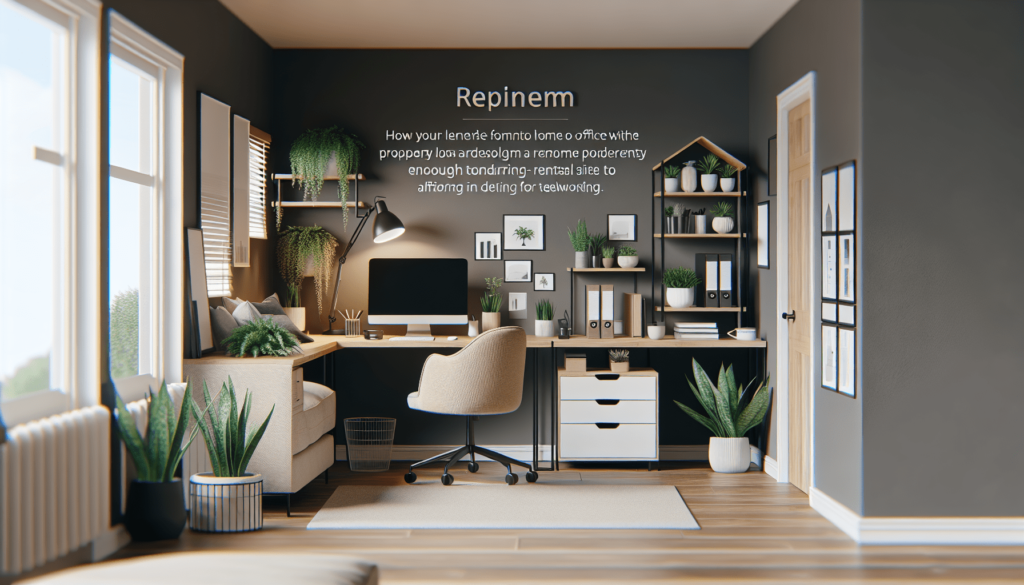
Remote workers often need a designated area in the home where they can set up their workstation and focus on their tasks. To appeal to this demographic, consider creating dedicated workspaces within your rental properties. This could be a spare bedroom, a nook in the living room, or a converted office space. Providing a ready-made workspace will make your property more attractive to remote workers who need a professional environment to be productive.
Quiet Environments
Another essential requirement for remote workers is a quiet environment that is free from distractions. Loud neighbors, street noise, and other disruptions can hamper productivity and make it difficult to concentrate. To cater to remote workers, look for properties in quiet neighborhoods or consider making improvements to reduce noise levels within the property. This could include installing soundproofing materials, upgrading windows and doors, or implementing quiet hours in shared spaces.

This image is property of images.pexels.com.
Creating Flexible Living Spaces
Remote workers often value flexibility in their living arrangements. They may need the ability to use one room as a home office during the day and as a leisure space in the evenings. To accommodate this need, consider designing multifunctional living spaces within your rental properties. This could involve using modular furniture that can be easily rearranged, creating open floor plans that offer versatility, or providing storage solutions to keep clutter to a minimum.
Offering Smart Home Technology
In today’s digital age, remote workers are increasingly looking for properties equipped with smart home technology. Smart thermostats, lighting systems, security cameras, and voice-controlled assistants can enhance convenience and security for tenants who work from home. By incorporating these features into your rental properties, you can appeal to remote workers who value the latest technological advancements and want to streamline their daily routines.

This image is property of images.pexels.com.
Providing Outdoor Spaces
Remote workers who spend the majority of their days indoors often appreciate access to outdoor spaces where they can relax, exercise, or take a break from work. Consider offering rental properties with balconies, patios, gardens, or communal outdoor areas that provide a connection to nature. Outdoor spaces can improve the overall well-being of tenants and make your properties more attractive to remote workers seeking a healthy work-life balance.
Enhancing Security and Privacy
Security and privacy are top priorities for remote workers who want to feel safe and protected in their homes. To meet these needs, ensure that your rental properties are equipped with secure locks, surveillance cameras, and well-lit common areas. Additionally, consider implementing security measures such as keyless entry systems, alarm systems, and privacy hedges to give tenants peace of mind while they work from home.
Offering Flexible Lease Terms
Remote workers often value flexibility in their living arrangements, especially if they have unpredictable schedules or need to travel frequently for work. Consider offering flexible lease terms, such as month-to-month rentals or short-term leases, to cater to the needs of remote workers. This can attract tenants who are looking for temporary housing solutions or who want the option to extend or shorten their stay based on their work requirements.
Implementing Remote-Friendly Policies
To attract and retain remote workers as tenants, consider implementing remote-friendly policies within your rental properties. This could include providing maintenance services during non-working hours, offering virtual tours for prospective tenants, or allowing tenants to work with interior designers to customize their living spaces. By demonstrating that you understand the unique needs of remote workers, you can establish long-term relationships with tenants who value flexibility, convenience, and support.

Conclusion
Adapting rental properties to meet the demands of remote work is essential for landlords looking to attract and retain remote workers as tenants. By understanding the needs of remote workers, offering amenities such as high-speed internet access and dedicated workspaces, and creating flexible living spaces with smart home technology, outdoor areas, and enhanced security and privacy, you can make your rental properties more appealing in today’s competitive market. With the rise of remote work shaping tenant demands, landlords have the opportunity to adapt their properties accordingly and create innovative solutions that meet the evolving needs of the modern workforce.