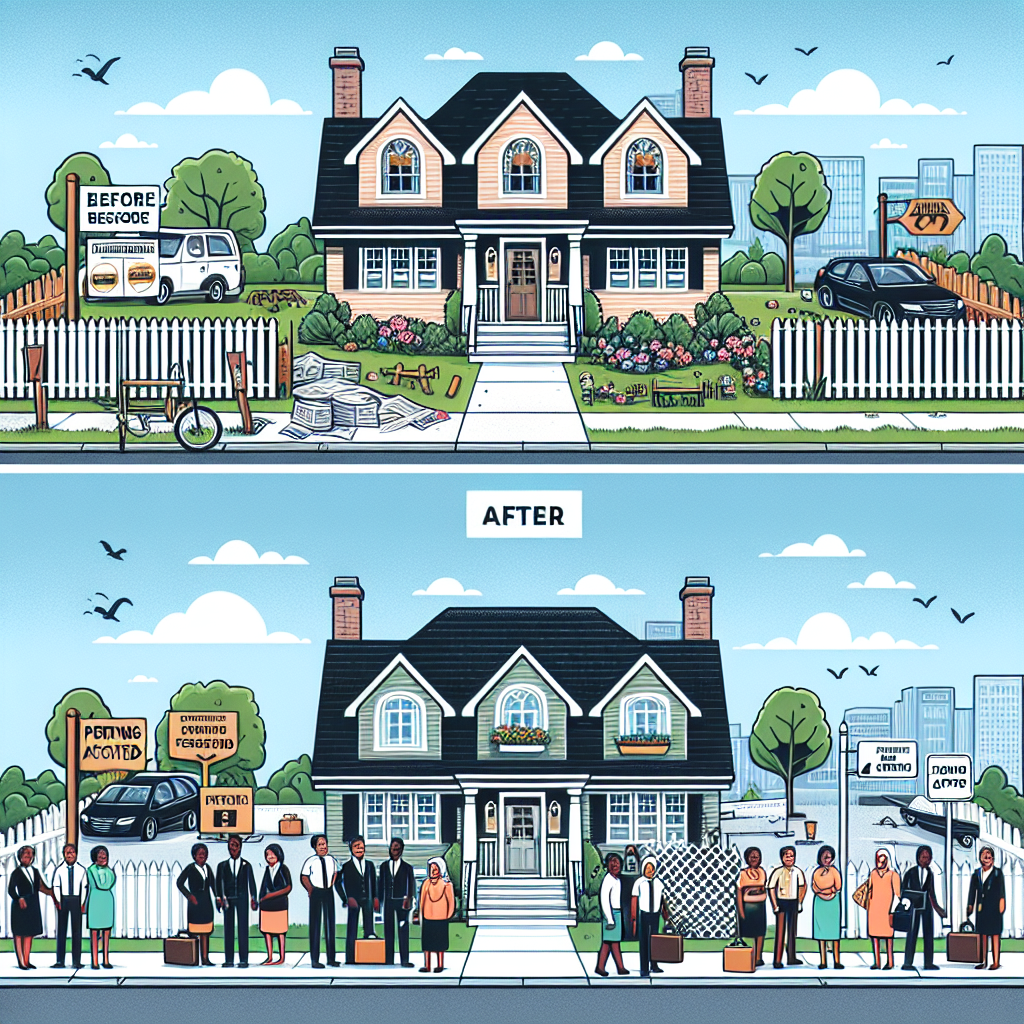
Have you ever wondered if it’s possible to legally change the use of your property from residential to commercial? You might be curious about the regulations and restrictions surrounding this process, and whether or not it’s within your rights. In this article, we’ll explore the topic of changing the use of your property and provide you with some valuable information to help you navigate this potentially complex situation. So, if you’re interested in learning what you can and cannot do with your property, keep reading!
Zoning Laws and Regulations
Understanding Zoning Laws
Zoning laws are a set of regulations that dictate how land and properties can be used in a particular area. These laws are put in place by local government authorities to ensure that there is order and organization in the development and use of land. Understanding zoning laws is crucial for property owners as they outline what can and cannot be done with a property. By familiarizing yourself with these laws, you can avoid potential legal issues and conflicts.
Types of Zoning Regulations
There are several types of zoning regulations that govern different aspects of property use. The most common types include residential, commercial, industrial, agricultural, and mixed-use zoning. Residential zoning is typically for areas primarily used for housing, while commercial zoning designates areas for business and commercial activities. Industrial zoning is for manufacturing and industrial purposes, and agricultural zoning allows for farming and agricultural activities. Mixed-use zoning combines different types of land uses within one area.
These zoning regulations help to maintain the harmony and balance of the community and protect property values. They ensure that incompatible land uses are separated and provide guidance for future development. By understanding the different types of zoning regulations that apply to your property, you can make informed decisions about how to best utilize your land.
Zoning Restrictions on Property Use
Zoning laws impose various restrictions on property use. These restrictions can cover aspects such as density, setbacks, and height limits. Density regulations specify the maximum number of units or buildings that can be constructed on a piece of land. Setback requirements determine the minimum distance between the property’s boundaries and any structures built on it. Height limits restrict how tall a structure can be. These regulations ensure that the character of a neighborhood is maintained and that there is sufficient space between buildings.
Zoning restrictions also include rules about signage, parking, and landscaping. For example, commercial zoning may specify the size and location of signage, the number of parking spaces required, and the amount of green space that must be maintained. It’s essential to be aware of these restrictions to avoid violations and potential penalties.
Permits and Applications
Obtaining the Necessary Permits
Before making any significant changes or renovations to your property, you will likely need to obtain permits from your local government. Permits ensure that all construction and modifications comply with zoning laws and other regulatory requirements. The specific permits required will vary depending on the scope and nature of the project. Common permits include building permits, electrical permits, plumbing permits, and demolition permits.
To obtain the necessary permits, you will typically need to submit an application and pay the required fees. It’s important to start this process early to avoid delays in your project. Failing to obtain the proper permits can result in fines and orders to halt construction. By diligently following the permit process, you can ensure that your property modifications are legal and meet all necessary standards.
Application Process
The application process for permits involves submitting paperwork and plans outlining your proposed project. This documentation will often include architectural drawings, site plans, and engineering specifications. It’s crucial to provide accurate and detailed information to help expedite the approval process. Depending on the complexity of the project and local regulations, the time it takes to obtain permits can vary. It’s advisable to consult with the local building department or hire professionals familiar with the permit process to navigate it successfully.
Documentation Required
When applying for permits, you will need to provide specific documentation to support your application. This documentation may include property surveys, detailed architectural plans, proof of ownership, contractor licenses, and insurance certificates. Additionally, you may need to provide environmental impact studies, especially for projects that may have significant effects on the surrounding environment. The required documentation may vary depending on the project and local regulations. It is best to consult with the local authorities or professionals experienced in the permitting process to ensure you have all the necessary documents.

This image is property of images.unsplash.com.
Special Exceptions and Variances
When Special Exceptions Apply
In some cases, property owners may seek special exceptions to zoning regulations. Special exceptions allow for certain land uses that are not typically permitted under the existing zoning laws. For example, if you want to convert a residential property into a bed and breakfast, you may need a special exception as it deviates from the permitted residential use. Special exceptions are typically granted if they align with the overall goals and visions of the community, do not negatively impact neighboring properties, and meet specific criteria outlined in the zoning regulations.
Obtaining a Variance
On the other hand, variances provide relief from specific zoning requirements. Property owners may request a variance if strict adherence to the regulations would cause undue hardship or unreasonable restriction on the property’s use. For example, if a property has unusually shaped boundaries that make it difficult to comply with setback requirements, a variance may be sought. Variance requests must demonstrate that the proposed use will not significantly impact the surrounding properties and that the variance is the minimum necessary to achieve a reasonable use of the property.
Criteria for Granting Variances
To grant a variance, authorities will consider various factors. These may include the uniqueness of the property, the impact on neighboring properties, the intent and purpose of the zoning laws, and the hardship imposed on the property owner if the variance is not granted. It is essential to note that granting variances is not common practice, as zoning regulations are in place to ensure orderly development. Requests for variances should be supported by sound arguments and evidence to demonstrate that strict adherence to the regulations would cause undue hardship.
Environmental Impact
Environmental Regulations
Addressing environmental concerns is a vital aspect of land use regulations. Environmental regulations aim to safeguard natural resources, protect ecosystems, and mitigate potential harm from development. These regulations cover various aspects, including air and water quality, soil erosion control, waste management, and protection of endangered species. Compliance with environmental regulations is necessary to ensure sustainable development and minimize adverse impacts on the environment.
Impact Studies
Before embarking on certain projects, particularly those with potentially significant environmental impacts, conducting impact studies may be required. Environmental impact studies assess the possible effects of a project on the environment and provide recommendations for mitigation measures. These studies evaluate factors such as air and water pollution, noise, habitat disruption, and ecosystem health. By conducting thorough impact studies and implementing the recommended mitigation measures, property owners can navigate environmental regulations successfully.
Addressing Environmental Concerns
It is crucial for property owners to address any environmental concerns raised by local authorities or the community. This may involve modifications to the project plans, incorporating eco-friendly designs, or implementing sustainable practices. By proactively addressing environmental concerns, property owners demonstrate their commitment to responsible and sustainable development. This not only helps preserve natural resources but also enhances the long-term value of the property.

This image is property of images.unsplash.com.
Property Rights and Eminent Domain
Private Property Rights
Private property rights are fundamental to the legal framework of most countries. These rights grant property owners the exclusive use, enjoyment, and disposal of their properties, subject to applicable laws and regulations. While zoning laws and other regulations impose restrictions on property use, property owners generally have the right to use their properties within the confines of the law. It’s essential to understand your property rights and the limitations set by zoning laws to ensure compliance and avoid potential legal disputes.
Eminent Domain Overview
Eminent domain is the power of the government to acquire private property for public use, provided fair compensation is given to the property owner. This power is typically used for projects that serve the public interest, such as road expansions, public infrastructure, or urban renewal. Government entities must follow specific procedures and offer just compensation when exercising eminent domain. However, property owners have the right to challenge the acquisition or negotiate for fair compensation with the government.
Taking and Compensation
If your property is subject to a government taking under eminent domain, you have the right to receive fair compensation. Fair compensation generally encompasses the market value of the property, including any improvements or structures on the land. The government entity involved must assess the property’s value through professional appraisals and offer just compensation. If you believe the compensation offered is inadequate, you can contest the valuation or negotiate for a higher amount. Seeking legal counsel is advisable to protect your rights and ensure fair compensation.
Historic and Heritage Designations
Historic Preservation Laws
Historic preservation laws aim to protect buildings and sites of historical significance. These laws recognize the cultural, architectural, and historical value of certain properties and seek to preserve them for future generations. Designation as a historic or heritage property can provide legal protection, including restrictions on alterations or demolition, as well as incentives for preservation and restoration. It’s important to understand the specific regulations and processes in your jurisdiction if your property has historical significance or if you plan to acquire such a property.
Designation Process
The process of designating a property as historic or heritage varies depending on the jurisdiction. It typically involves submitting an application to a governing body responsible for historic preservation. The application should include information about the property’s history, architectural significance, and any proposed alterations. Public hearings and review by preservation boards or commissions may be required. Designation as a historic property can provide recognition for its cultural value and ensure its long-term preservation.
Restrictions on Alteration
When a property is designated as historic or heritage, specific restrictions on alterations may apply. These restrictions are in place to preserve the property’s historical character and significance. Property owners may need to seek approval or permits for any proposed changes or renovations. Alterations that are not in line with the property’s historical context may be denied, or alternative design solutions may be required. It’s important to work closely with preservation officials and professionals experienced in historic preservation to ensure compliance with the restrictions while maintaining the property’s integrity.

This image is property of images.unsplash.com.
Health and Safety Regulations
Building Codes and Regulations
Building codes and regulations are essential for the safety and well-being of individuals occupying structures. These codes define the minimum standards for construction, including structural integrity, fire safety, plumbing, electrical systems, and accessibility. Compliance with building codes is necessary for obtaining permits and ensuring that structures are safe for occupancy. Property owners must adhere to these regulations during construction, renovation, and maintenance.
Fire Safety Standards
Fire safety standards are a critical component of building codes. These standards include requirements for fire-resistant materials, emergency exits, fire alarms, and sprinkler systems. Compliance with fire safety standards is essential to protect occupants from the risks of fire and to minimize property damage. Regular inspections by fire authorities may be required to ensure ongoing compliance with fire safety regulations.
Occupancy Limits
Zoning laws and building codes often impose occupancy limits, which determine the maximum number of people allowed in a structure based on its size, design, and intended use. These limits are in place to ensure that buildings are not overcrowded, and that there is sufficient space and resources to support the occupants. Adherence to occupancy limits is essential for the safety and well-being of individuals occupying a property. Failure to comply with these limits can result in penalties, fines, or even closure of the property.
Public Approval and Community Impact
Public Notification Requirements
Zoning regulations often require public notification and hearings for certain types of projects. These requirements ensure that the community has an opportunity to provide input and express concerns about proposed developments that may affect the neighborhood. Public notification typically involves posting signs on the property, sending notices to neighboring property owners, and publishing announcements in local newspapers. The notification period allows time for interested parties to review the plans, attend public hearings, and voice their opinions.
Community Input
Community input plays a significant role in the decision-making process for certain projects. Public hearings provide an opportunity for community members to express their support, opposition, or concerns regarding proposed developments. Local authorities take community input into consideration when making decisions about zoning changes, variances, or special exceptions. Engaging with the community and addressing their concerns can help build goodwill and increase the chances of a smooth approval process.
Addressing Concerns
When concerns or opposition arise from the community regarding a proposed project, it is essential to address them thoughtfully and considerately. Engaging in open communication, addressing concerns directly, and seeking mutually acceptable solutions can help mitigate conflicts and build positive relationships with the community. This may involve modifying plans, incorporating design elements that blend with the neighborhood, or implementing measures to minimize any potential negative impacts. Proactively addressing community concerns can lead to greater public acceptance and smoother project approval.

Impact on Property Value and Taxes
Impact on Property Value
Zoning regulations can have a significant impact on property values. The type of zoning in an area, such as residential, commercial, or industrial, can directly affect the demand and market value of properties. Property values may be higher in areas with desirable zoning, such as residential neighborhoods with well-regulated commercial zones nearby. On the other hand, certain industrial or mixed-use zoning may decrease property values due to noise, pollution, or congestion concerns. Understanding zoning laws and their impact on property values is crucial when considering property investments or making changes to existing properties.
Tax Implications
Zoning laws can also affect property taxes. Different zoning regulations may have varying tax rates or assessment processes. For example, commercial properties may have higher tax rates compared to residential properties due to higher income-generating potential. Changes in zoning or property use may result in different assessed values and subsequent tax adjustments. It is important to consult with local tax authorities or professionals familiar with property taxation to understand the potential tax implications of zoning changes or property modifications.
Reassessment and Revaluation
Zoning changes or significant modifications to properties may trigger reassessment or revaluation processes. Reassessment involves reviewing the assessed value of a property based on changes in zoning or other factors. Revaluation is a comprehensive reassessment of all properties within a jurisdiction. These processes are typically carried out by tax authorities and may result in adjustments to property tax assessments. It’s important to be aware of the potential for reassessment or revaluation when making changes to your property to avoid any unexpected financial implications.
Consulting Professionals
Hiring an Attorney
Navigating zoning laws and regulations can be complex, and legal advice is often necessary to ensure compliance and protect your rights as a property owner. Hiring an attorney experienced in land use and zoning can provide valuable guidance throughout the process. An attorney can help interpret zoning laws, assist with permit applications, represent you in hearings, and address any legal issues that may arise. Their expertise can help streamline the process and ensure that your property interests are well-protected.
Engaging a Real Estate Agent
Real estate agents who specialize in land use and zoning can provide valuable insights and assistance when it comes to understanding and navigating zoning regulations. They can help identify properties with desirable zoning or potential for rezoning, provide market analysis, and offer guidance on property investments. Real estate agents can also connect you with professionals such as attorneys, architects, or environmental consultants, making the process more efficient and comprehensive.
Consulting with Architects
Architects play a crucial role in ensuring that property developments comply with zoning regulations and building codes. They can assist with designing structures that meet all necessary requirements while taking into account the property’s specific zoning constraints. Architects can also help prepare construction drawings and plans required for permit applications. By consulting with an architect experienced in land use and zoning, you can ensure that your project is planned and executed in compliance with all applicable regulations.
In conclusion, understanding zoning laws and regulations is essential for property owners to ensure compliance, avoid legal issues, and make informed decisions about land use. From obtaining the necessary permits to addressing environmental concerns, property owners need to navigate various aspects of zoning regulations. Consulting with professionals such as attorneys, real estate agents, and architects can provide valuable guidance and expertise throughout the process. By adhering to zoning laws and engaging in responsible development practices, property owners can contribute to the orderly growth and development of their communities.