Are you looking for an exciting way to improve your home fitness experience?
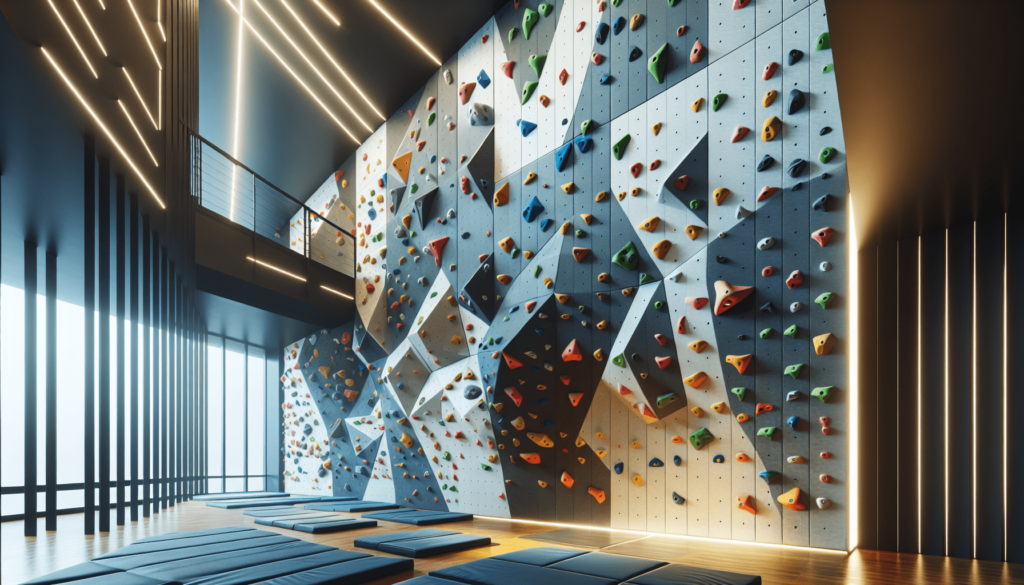
Indoor climbing walls are a great way to add a fun and challenging element to your workout routine. Not only do they provide a full-body workout, but they also offer a unique way to improve your strength, balance, and coordination. In this article, we will explore how you can create an exciting home fitness experience with an indoor climbing wall.

What are the benefits of having an indoor climbing wall at home?
Having an indoor climbing wall at home offers a wide range of benefits for your physical and mental well-being. Climbing walls provide a great cardiovascular workout, help in improving muscle strength, enhance flexibility, and boost overall endurance. Climbing is a great stress reliever and can help improve problem-solving skills and increase self-confidence.
How much space do you need for an indoor climbing wall?
The amount of space you need for an indoor climbing wall depends on the size of the wall and the type of climbing you want to do. A basic bouldering wall can be as small as 6 feet by 6 feet, while a more elaborate top-rope or lead climbing wall might require a larger space. Make sure to choose a location with a high ceiling to accommodate taller climbs and ensure there is enough clearance around the wall to prevent accidents.
What materials do you need to build an indoor climbing wall?
Building an indoor climbing wall requires a few essential materials to ensure its safety and durability. You will need plywood sheets to construct the climbing surface, T-nuts and bolts to attach climbing holds, climbing holds of different shapes and sizes, crash pads or mats to cushion falls, and climbing rope or harness for safety. It is essential to invest in high-quality materials to ensure the longevity of your climbing wall and prevent any accidents.
How to design your indoor climbing wall?
When designing your indoor climbing wall, consider your skill level, climbing preferences, and available space. Determine whether you want a bouldering wall, top-rope climbing wall, or lead climbing wall. Create a layout that includes varying degrees of difficulty, different climbing routes, and diverse climbing holds to keep the experience challenging and engaging. Incorporate safety features such as crash pads, harnesses, and helmets to prevent injuries.

Building your indoor climbing wall
Building your indoor climbing wall can be a fun and rewarding DIY project that allows you to customize the wall to your liking. Start by installing the plywood sheets on the designated wall using T-nuts and bolts. Place climbing holds strategically on the wall to create different climbing routes and levels of difficulty. Test the wall for stability and make any necessary adjustments to ensure safety. Add crash pads or mats at the base of the wall to cushion falls and protect climbers.
Maintaining your indoor climbing wall
To ensure the longevity and safety of your indoor climbing wall, it is essential to perform regular maintenance and inspections. Check the bolts and T-nuts regularly to ensure they are secure and replace any damaged or worn-out climbing holds. Inspect the plywood surface for any signs of wear and tear and make necessary repairs. Clean the climbing wall regularly to remove dirt, chalk, and sweat buildup that can affect the grip of the holds. By maintaining your climbing wall properly, you can enjoy a safe and enjoyable climbing experience for years to come.
Safety tips for indoor climbing
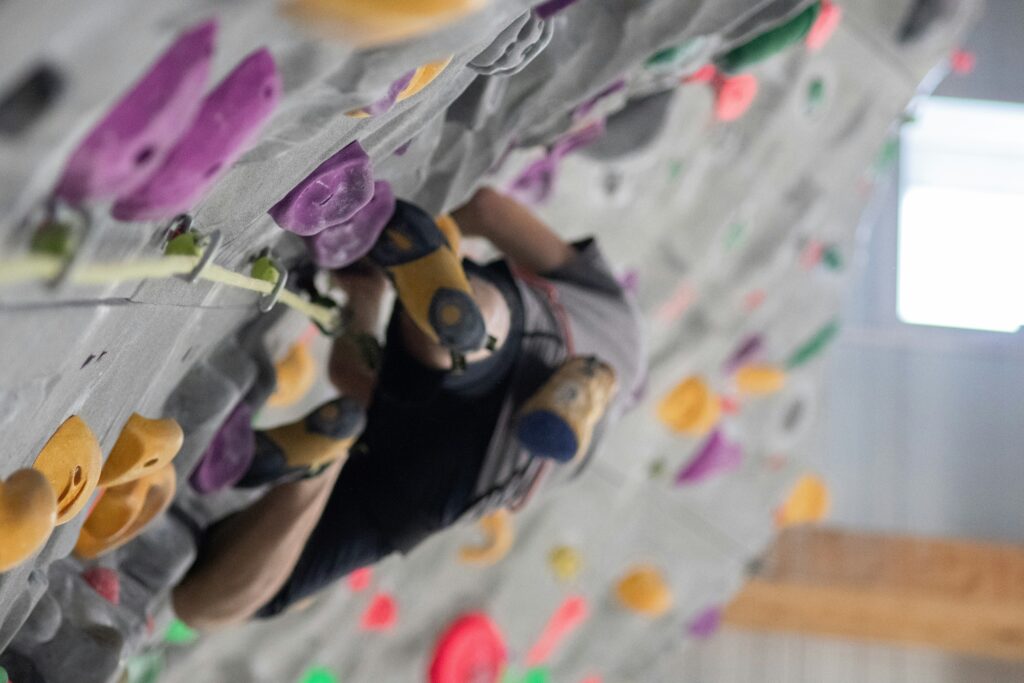
Indoor climbing can be a fun and challenging activity, but it is essential to prioritize safety to prevent accidents and injuries. Always warm up before climbing to prepare your muscles and prevent strains or sprains. Use proper climbing techniques and techniques to avoid falls and ensure a secure grip on the holds. Wear appropriate climbing shoes, clothing, and safety gear such as harnesses, helmets, and crash pads. Avoid climbing alone and always have a spotter or belayer to assist you. Listen to your body and take breaks when needed to prevent fatigue and overexertion. By following these safety tips, you can enjoy a safe and rewarding climbing experience at home.
Conclusion
Creating an exciting home fitness experience with an indoor climbing wall can add a fun and challenging element to your workout routine. The benefits of indoor climbing include improved strength, balance, coordination, and mental well-being. By following the tips and guidelines outlined in this article, you can design, build, and maintain a safe and enjoyable indoor climbing wall at home. So why not take your home fitness to new heights with an indoor climbing wall today?