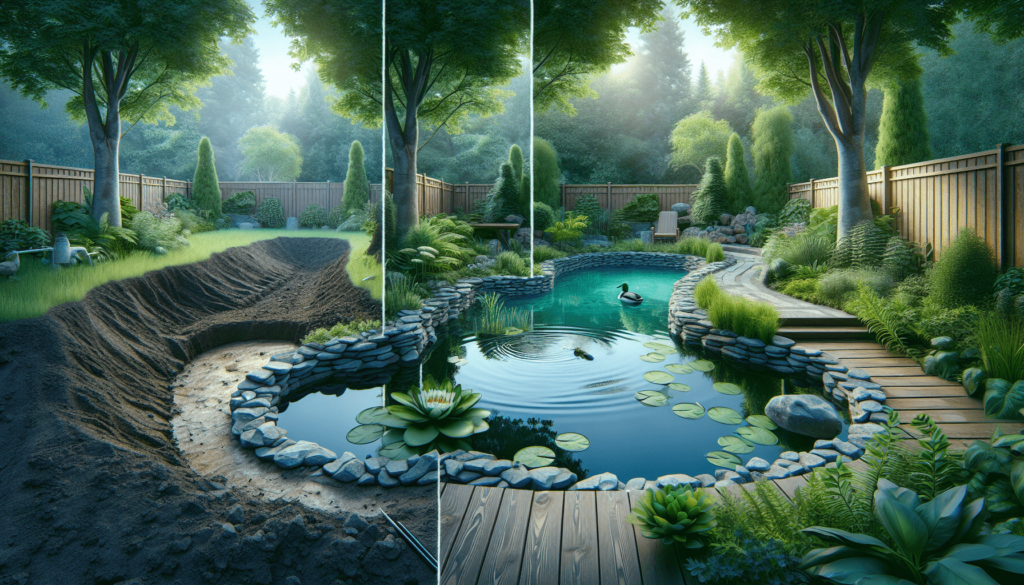
Have you ever dreamed of having your own serene oasis right in your backyard? A place where you can relax and unwind surrounded by the soothing sounds of nature? If so, building a pond for your outdoor retreat may be just what you need. Not only can a pond add a touch of tranquility to your space, but it can also attract wildlife, enhance your landscaping, and provide a sense of calm and peace. In this article, we will guide you through the process of creating your own pond and help you turn your outdoor space into a peaceful sanctuary.
Planning Your Pond
Before you start digging and installing equipment, it’s crucial to plan out your pond carefully. Consider the size, shape, location, and style that will complement your outdoor space. Whether you want a small, minimalist pond or a large, elaborate water feature, planning is key to achieving the perfect oasis.
When planning your pond, think about the following:
- Size: How much space do you have available for your pond? Consider the scale of your landscape and choose a size that fits harmoniously.
- Shape: Do you want a traditional round or oval pond, or are you looking for a more unique shape? The shape of your pond can add visual interest and create a focal point in your outdoor space.
- Location: Where in your yard do you want to place your pond? Consider factors such as sunlight, proximity to trees, and accessibility for maintenance.
- Style: What aesthetic are you going for with your pond? From naturalistic ponds that blend seamlessly with the environment to modern, geometric designs, your pond’s style should reflect your personal taste and complement your outdoor decor.
Choosing the Right Location
Selecting the perfect spot for your pond is crucial to its success. Make sure to choose an area that gets a good balance of sunlight and shade, as excessive sun exposure can lead to algae growth, while too much shade can inhibit plant growth. Additionally, avoid placing your pond near trees with invasive roots, as they can damage the pond liner and cause leaks.
When considering the location of your pond, think about the following:
- Sun exposure: How much sunlight will your pond receive throughout the day? Aim for a location that gets a mix of sun and shade to promote a healthy ecosystem.
- Proximity to trees: Are there any trees nearby that could pose a threat to your pond? Avoid planting your pond close to trees with invasive roots that could damage the pond liner.
- Access to utilities: Will your pond require access to water and electricity? Choose a location that allows for easy access to these utilities to make maintenance and operation more convenient.
Planning out these details will ensure that your pond fits seamlessly into your outdoor space and provides you with a peaceful retreat for years to come.
Building Your Pond
Now that you’ve planned out your pond and selected the perfect location, it’s time to start building. From excavation to installation, each step in the construction process plays a crucial role in creating a beautiful and functional pond. Follow these steps to bring your serene oasis to life.
Excavation
The first step in building your pond is excavation. Use a shovel or a backhoe to dig out the shape of your pond, making sure to create a level base for the pond liner. Remember to include shelves or ledges in your design to provide habitat for aquatic plants and wildlife.
Excavating your pond can be a physically demanding task, so make sure to take breaks and work at a pace that is comfortable for you. It’s also important to double-check the measurements and shape of your pond before moving on to the next step to ensure everything fits according to plan.
Installing a Pond Liner
Once you’ve finished excavating your pond, it’s time to install a pond liner to prevent leaks and maintain water retention. Choose a high-quality pond liner made of durable materials like EPDM rubber or PVC to ensure long-lasting performance. When laying the liner, make sure to remove any wrinkles or folds and secure it in place with rocks or soil along the edges.
Installing a pond liner is a critical step in building a pond, so take your time and carefully position the liner to prevent any tears or punctures. Additionally, consider adding an underlayment beneath the liner for added protection against sharp rocks or roots.
Adding Filtration and Circulation
To keep your pond water clean and healthy, it’s essential to incorporate filtration and circulation systems into your design. Consider adding a biological filter to remove debris and harmful bacteria, as well as a pump to circulate and aerate the water. Aeration is crucial for maintaining oxygen levels in the water and promoting a balanced ecosystem for fish and plants.
When selecting filtration and circulation equipment, choose options that are appropriate for the size and depth of your pond. Regular maintenance of these systems is also important to ensure optimal performance and water quality.
Landscaping and Planting
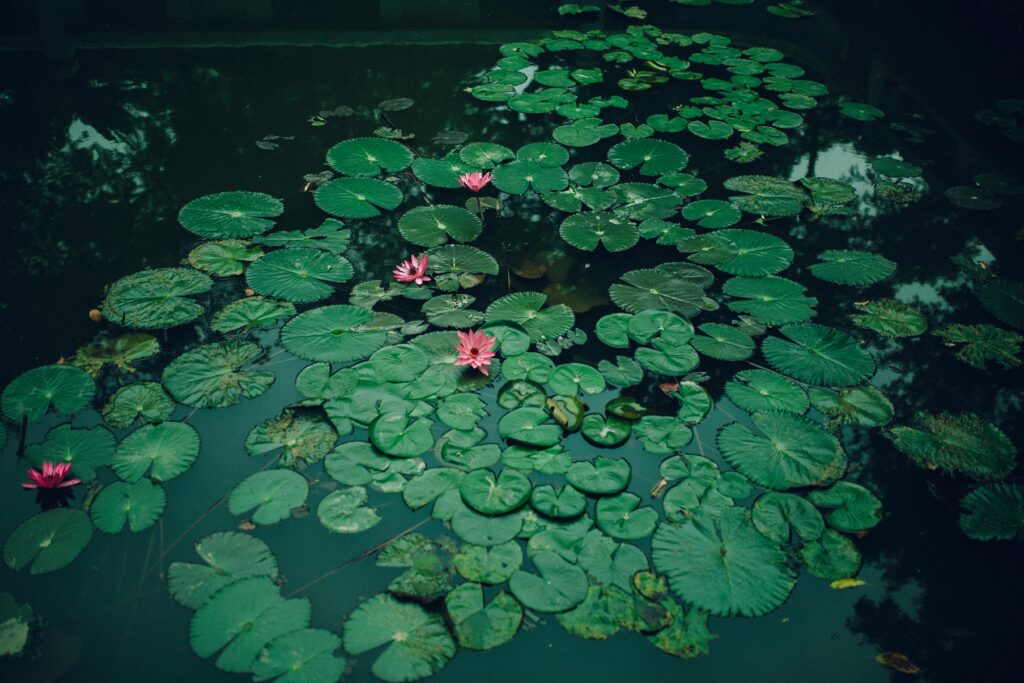
Enhance the beauty of your pond by incorporating landscaping and aquatic plants into your design. Water lilies, lotus, and irises are popular choices for adding color and texture to your pond, while submerged plants like hornwort and anacharis help oxygenate the water and provide habitat for fish and other wildlife.
When planting around your pond, consider the following tips:
- Use a variety of plants to create depth and visual interest in your pond.
- Place plants strategically to provide shade, shelter, and food for aquatic animals.
- Trim and prune plants regularly to prevent overgrowth and maintain a balanced ecosystem.
By incorporating landscaping and plants into your pond design, you can create a naturalistic and vibrant outdoor environment that invites relaxation and tranquility.
Maintaining Your Pond
After you’ve built your pond and added all the finishing touches, it’s important to establish a maintenance routine to keep your oasis in top condition. Regular care and attention will help prevent issues like algae growth, water quality problems, and equipment malfunctions. Follow these maintenance tips to ensure your pond remains a beautiful and peaceful retreat.
Water Quality Testing
Regularly test the water quality of your pond to monitor levels of ammonia, nitrites, nitrates, and pH. Imbalance in these parameters can lead to poor water quality, algae blooms, and stress for fish and plants. Use test kits or electronic monitors to keep track of water conditions and make adjustments as needed.
Cleaning and Removing Debris
Remove leaves, twigs, and other debris from your pond regularly to prevent clogging of filters and pumps. Use a skimmer or net to skim the surface of the water and a pond vacuum to clean the bottom. Prune and thin out plants as necessary to maintain a healthy balance and prevent overgrowth.
Monitoring Equipment
Check and clean filtration systems, pumps, and aerators on a regular basis to ensure they are functioning properly. Inspect for leaks, clogs, or other issues that could affect the performance of your pond. Replace or repair any damaged equipment promptly to prevent further damage or complications.
Seasonal Care
Adjust your maintenance routine based on the season to accommodate changes in weather and plant growth. In colder months, prepare your pond for winter by installing a de-icer to prevent freezing or moving sensitive plants indoors. In warmer months, monitor water temperature and oxygen levels to prevent issues like algae blooms or fish stress.
Fish Care

If you have fish in your pond, be sure to provide proper care and nutrition to keep them healthy and thriving. Feed fish appropriate diets, avoid overfeeding, and monitor for signs of illness or stress. Consider adding aeration or shading to provide a comfortable environment for your fish year-round.
Maintaining your pond may require time and effort, but the rewards of a beautiful and healthy outdoor retreat are well worth it. By following these maintenance tips, you can enjoy your serene oasis for years to come and create a haven for relaxation and rejuvenation.
Conclusion
Building a pond for your outdoor retreat is a rewarding and fulfilling project that can transform your backyard into a serene oasis. By planning carefully, constructing thoughtfully, and maintaining diligently, you can create a peaceful sanctuary that enhances your outdoor space and provides a place for relaxation and reflection. Whether you’re a seasoned gardener or a novice DIY enthusiast, building a pond is a wonderful way to connect with nature, promote biodiversity, and add beauty and tranquility to your home. So grab your shovel, roll up your sleeves, and start creating your very own pond paradise today. Your serene oasis awaits.