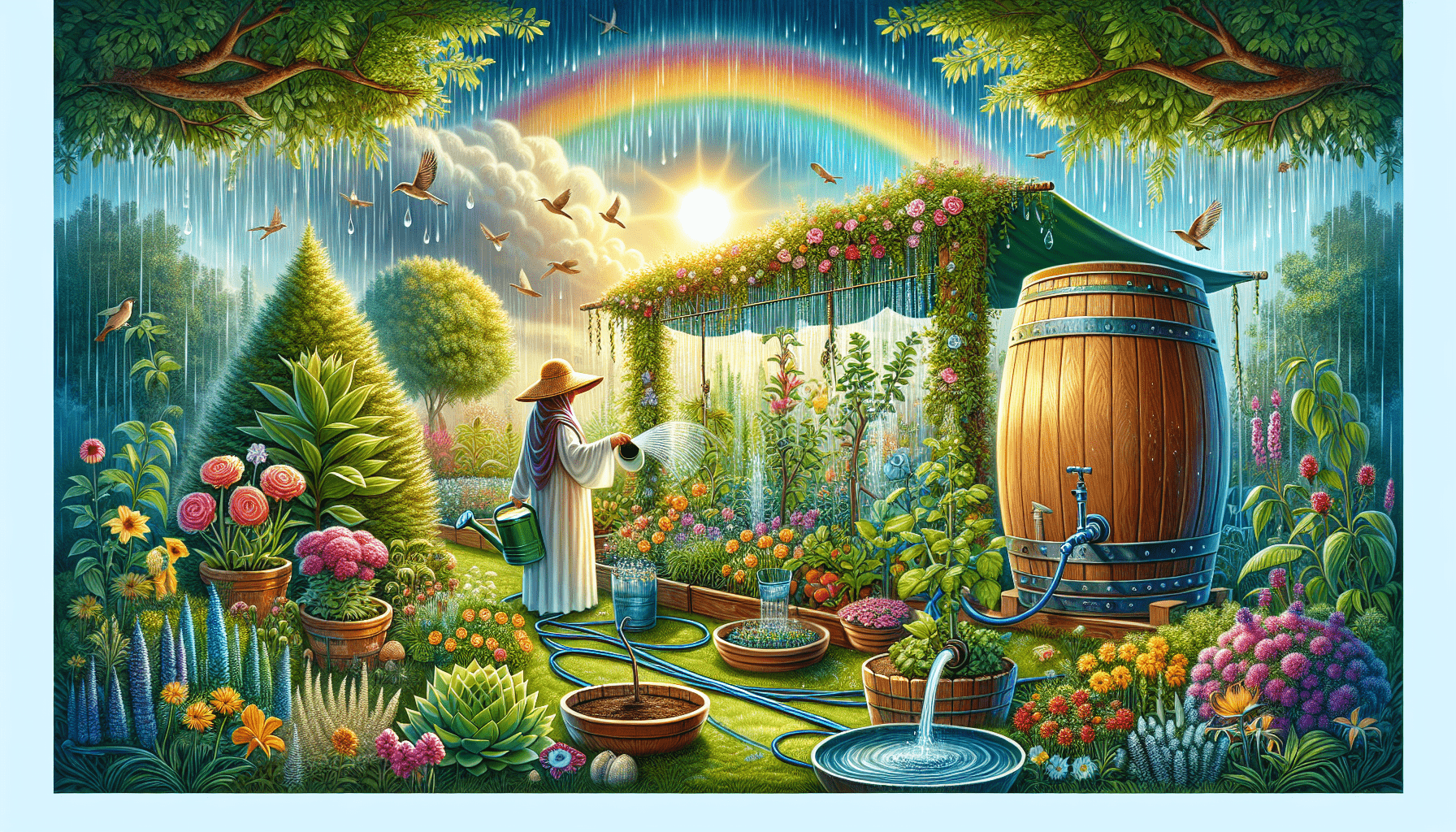
Imagine a garden where vibrant plants thrive without relying on city water and irrigation systems. Picture a space where you can take pride in your sustainable gardening practices and conserve water in the process. In this article, we will explore the concept of creating a sustainable garden with rainwater harvesting. By implementing a simple yet innovative rainwater harvesting system, you can transform your garden into an environmentally friendly oasis that not only benefits the planet but also provides you with a sense of satisfaction and fulfillment. Discover how this cost-effective and efficient method can revolutionize the way you care for your plants, without compromising on beauty or functionality. Get ready to embark on a journey towards a greener and more self-sufficient garden.

Benefits of Rainwater Harvesting
Reduces water bills
One of the main benefits of rainwater harvesting is that it helps reduce water bills. By collecting rainwater and using it for tasks such as watering your garden or cleaning your car, you can significantly lower your reliance on municipal water sources. With less water being used from these sources, your water bills will decrease, saving you money in the long run.
Sustainable and eco-friendly
Rainwater harvesting is a sustainable and eco-friendly practice. It allows you to utilize a natural resource – rainwater – instead of relying solely on water from the municipal supply. This reduces the strain on local water sources and helps conserve water for future generations. Additionally, rainwater harvesting systems can be designed to be environmentally friendly, with the use of filtration and purification systems that ensure the collected water is clean and safe for use.
Improves soil health and plant growth
Using collected rainwater for irrigation can greatly benefit the health of your soil and the growth of your plants. Rainwater is free from the chemicals and additives often found in municipal water, such as chlorine and fluoride. This means that when you water your plants with rainwater, you are providing them with pure and natural hydration, which can result in healthier, more vibrant plants.
Reduces stormwater runoff and erosion
One of the often-overlooked benefits of rainwater harvesting is its ability to reduce stormwater runoff and erosion. When it rains, water usually flows off paved surfaces and into storm drains, carrying pollutants with it. By collecting and storing rainwater, you can prevent excessive stormwater runoff and the erosion it causes. Instead of contributing to the problem, you can become part of the solution by capturing rainwater and using it beneficially.
Conserves groundwater resources
Rainwater harvesting also plays a vital role in conserving groundwater resources. In many parts of the world, groundwater is the primary water source for homes and agriculture. By collecting rainwater for non-potable uses like gardening and washing, you reduce the demand on groundwater, helping to preserve this precious resource. Conserving groundwater is essential for ensuring a sustainable water supply for future generations.
Planning and Designing the System
Determine water requirements
Before installing a rainwater harvesting system, it’s crucial to determine your water requirements. This involves assessing how much water you need for your garden, cleaning tasks, and other non-potable uses. By estimating your water consumption, you can ensure that your rainwater harvesting system is appropriately designed to meet your needs.
Assess available space
Next, assess the available space in your garden or property for the rainwater harvesting system. Consider the size and dimensions of the area where you plan to install the storage tanks and other components. Ensure that the space is accessible for maintenance and that it doesn’t obstruct any existing structures or pathways.
Choose the right rainwater harvesting system
Selecting the right rainwater harvesting system is crucial for its effectiveness and efficiency. There are various types to choose from, such as roof-based systems, ground-based systems, and even underground systems. Consider factors such as your water requirements, available space, and budget when deciding which system is best suited for your needs.
Consider local regulations and permits
Before installing a rainwater harvesting system, it’s important to check local regulations and obtain any necessary permits. Some areas may have specific guidelines regarding the installation and use of rainwater harvesting systems. By ensuring you comply with these regulations, you can avoid any legal issues and promote sustainable practices within your community.
Design the storage and distribution system
Designing the storage and distribution system involves determining the location and capacity of your storage containers and planning how the collected rainwater will be distributed to different parts of your garden or property. Factors such as gravity flow, pipe sizing, and pressure requirements must be considered to ensure an efficient distribution system.
Install necessary filtration and purification systems
To ensure that the collected rainwater is safe for use, it’s essential to install necessary filtration and purification systems. This may include filters to remove debris and sediments, UV sterilization units to eliminate bacteria and pathogens, and other treatment methods depending on the quality of the collected rainwater. Regular maintenance of these systems is also important to ensure their ongoing effectiveness.
Collecting Rainwater
Optimal collection surfaces
When collecting rainwater, it’s important to choose optimal collection surfaces. Generally, roofs are considered the most efficient surface for rainwater collection. Roofs made of materials such as metal, tile, or asphalt shingles are suitable for harvesting rainwater. Avoid collecting rainwater from roofs made of materials that can contaminate the water, such as asbestos or treated wood.
Directing rainwater towards collection points
To ensure efficient rainwater collection, it’s important to direct the flow of water towards collection points. This can be achieved by adjusting the slope of your roof or installing gutters and downspouts that guide the water towards your storage containers. Properly channeling the rainwater will maximize the amount captured and reduce the potential for runoff.
Use of gutter systems
Gutter systems play a crucial role in rainwater harvesting. They collect rainwater from the roof and direct it towards downspouts, which then transport the water to the storage containers. Install gutter systems that are sturdy, properly sloped, and free from debris to ensure optimal rainwater collection.
Installing a rain barrel or cistern
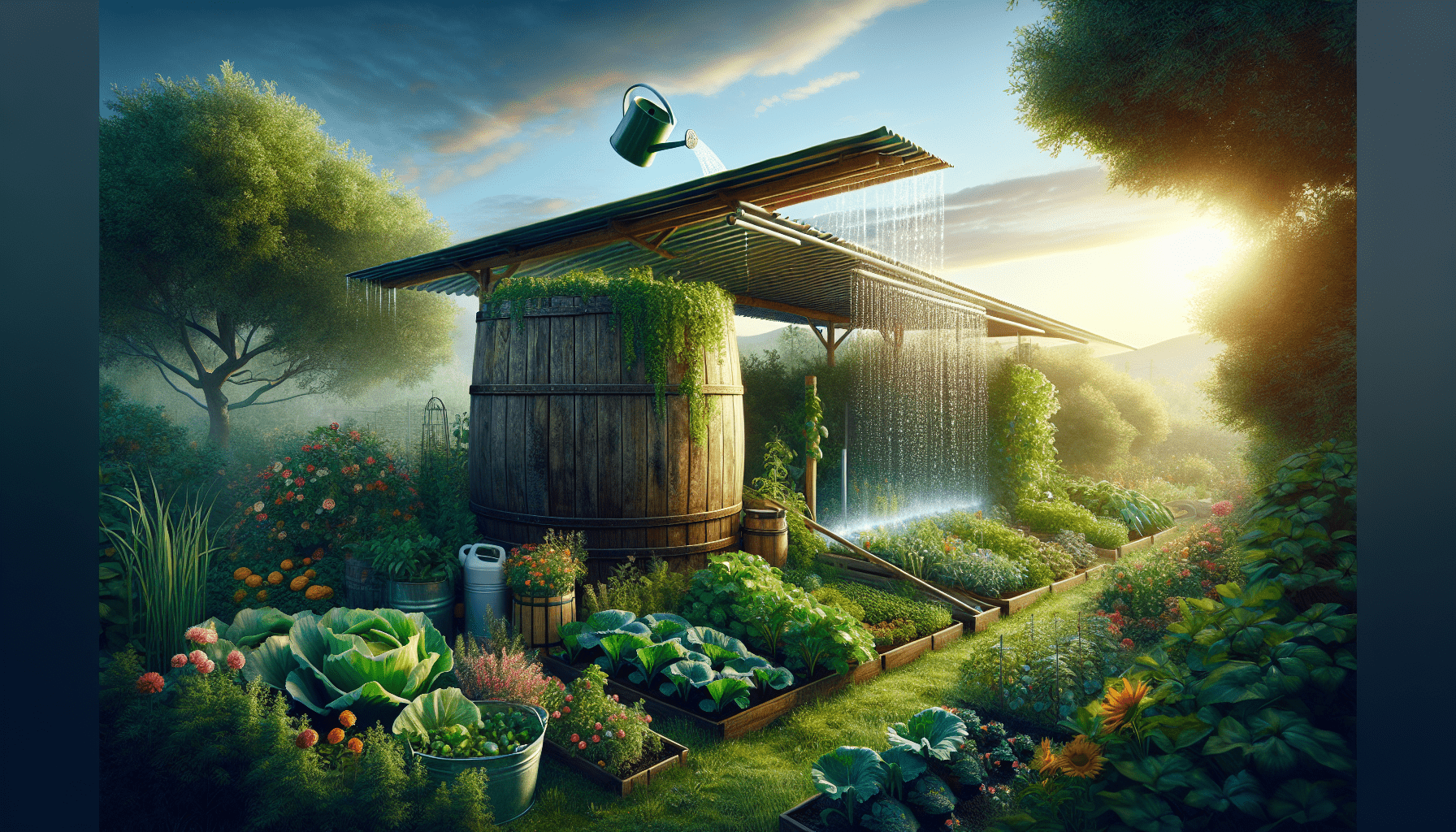
A rain barrel or cistern is a common method of collecting and storing rainwater. These containers are typically placed under downspouts and can range in size from a few gallons to several hundred gallons. When choosing a rain barrel or cistern, consider factors such as capacity, durability, and ease of access for maintenance.
Utilizing roof runoff
Roof runoff can be an excellent source of rainwater for collection. By installing a diversion system, you can direct the initial flow of rainwater away from the storage containers to flush out debris and contaminants. Once the water is clear, it can be redirected to the storage containers for use. This helps ensure that the collected rainwater is of high quality and minimizes the need for additional filtration.
Storing and Managing Rainwater
Selecting appropriate storage containers
Choosing the right storage containers for your rainwater is essential. Consider factors such as capacity, durability, and ease of maintenance. Common options include rain barrels, large above-ground tanks, and underground cisterns. Select containers that are made from food-grade materials and are properly sealed to prevent contamination and evaporation.
Calculating storage capacity
Calculating the necessary storage capacity for your rainwater harvesting system requires an estimation of your water needs, the average rainfall in your area, and the size of your collection surface. Aim to have enough storage capacity to meet your needs during periods of low or no rainfall. It’s generally recommended to have a minimum of 500 gallons of storage capacity for small to medium-sized gardens.
Preventing contamination and mosquito breeding
To ensure the quality of the stored rainwater, it’s important to take preventive measures to avoid contamination. Keep the storage containers tightly sealed to prevent debris, insects, and animals from accessing the water. Consider installing screens or mesh over inlet openings to further prevent contamination and to inhibit mosquito breeding.
Managing overflow and excess water
During heavy rainfall or when the storage containers reach capacity, overflow management is crucial. Install overflow outlets or diverters to direct excess water away from the storage containers and prevent flooding. This can be achieved by directing the overflow into a dry well, rain garden, or other designated area where it can be absorbed by the ground.
Maintaining the storage system
Regular maintenance is essential to keep your rainwater storage system functioning optimally. Inspect the containers for leaks or damage, clean out any debris, and periodically check the water quality. It’s also important to maintain the surrounding area, ensuring proper drainage and preventing any vegetation from obstructing the collection surfaces or storage containers.

Distribution and Irrigation
Selection of irrigation methods
When utilizing rainwater for irrigation, consider different methods depending on your specific needs and the types of plants you have. Options include sprinklers, drip irrigation, and soaker hoses. Each method has its advantages and considerations, such as water efficiency, ease of installation, and the ability to target specific areas or individual plants.
Using gravity-fed irrigation
One of the simplest and most cost-effective ways to distribute rainwater for irrigation is through gravity-fed systems. These systems rely on the force of gravity to move the water from the storage containers to the irrigation points. By placing the containers at a higher elevation than the plants, you can take advantage of gravitational force to ensure a steady and even flow of water.
Installation of drip or soaker hoses
Drip irrigation and soaker hoses are efficient methods for watering plants with rainwater. These systems allow for slow, targeted delivery of water directly to the roots, reducing water loss through evaporation and runoff. Install the drip or soaker hoses strategically, ensuring that they are placed near the base of the plants and covered with a layer of mulch to further conserve water.
Watering schedule and frequency
Establishing a watering schedule and frequency is important to ensure that your plants receive adequate hydration without overwatering. Factors such as the type of plant, soil moisture levels, and the weather conditions should be considered when determining the appropriate watering schedule. Monitor your plants closely and adjust the schedule as needed to promote optimal plant health.
Integration with existing irrigation systems
If you already have an existing irrigation system in your garden, consider integrating it with your rainwater harvesting system. This can be done by diverting the rainwater into the existing irrigation system or by using a combination of rainwater and municipal water, depending on the availability and needs of your plants. Integrating the systems allows for flexibility and ensures efficient use of water resources.
Water Conservation Techniques
Mulching and soil moisture retention
Mulching is an effective water conservation technique that helps retain soil moisture and reduce evaporation. Apply a layer of organic mulch around your plants to minimize water loss, suppress weed growth, and regulate soil temperature. Mulching also improves soil health by adding organic matter and nutrients over time.
Implementing smart irrigation controllers
Smart irrigation controllers can help conserve water by intelligently adjusting irrigation schedules based on real-time weather data, soil moisture levels, and plant water requirements. These controllers use sensors and algorithms to optimize irrigation and reduce water wastage. Install a smart irrigation controller as part of your rainwater harvesting system to automate and optimize your watering practices.
Water-saving plant selection
Choosing water-saving plants can significantly reduce your water consumption in the garden. Look for native or drought-tolerant plant varieties that are well-suited to your local climate conditions. These plants have adapted to survive with less water and will require minimal irrigation, even during dry periods. Additionally, grouping plants with similar water needs together can further enhance water efficiency.
Proper watering techniques
Practicing proper watering techniques can help conserve water and prevent overwatering. Water your plants in the early morning or late evening when temperatures are cooler, reducing evaporation. Aim to water the soil rather than the foliage to minimize water loss through evaporation. Deep watering, allowing water to reach the deeper roots, encourages plants to establish stronger root systems and reduces the need for frequent watering.
Implementing rainwater use restrictions
To maximize the benefits of rainwater harvesting, consider implementing rainwater use restrictions. Determine which tasks and areas in your garden can be effectively supported by rainwater and make a plan to limit the use of municipal water for those purposes. By strategically allocating rainwater and minimizing the use of other water sources, you can further conserve water and reduce your overall water consumption.

Maintenance and Troubleshooting
Regular inspection and cleaning
Regular inspection and cleaning of your rainwater harvesting system is essential to keep it functioning properly. Inspect the collection surfaces, gutters, downspouts, and storage containers for any debris or blockages. Clean out any accumulated leaves, dirt, or sediment to ensure optimal water flow and prevent contamination.
Checking for leaks and damages
Check for any leaks or damages in the rainwater harvesting system. Inspect the storage containers, pipes, fittings, and valves for any signs of leakage or wear and tear. Identifying and addressing these issues promptly will help prevent water loss and ensure the longevity of your system.
Monitoring water quality
Regularly monitor the quality of the collected rainwater to ensure that it remains safe for use. Perform tests for pH levels, bacteria, and other contaminants to ensure that the water meets acceptable standards. If necessary, install additional filtration or purification systems to maintain water quality.
Addressing system malfunctions
If you encounter any malfunctions in your rainwater harvesting system, promptly address them to ensure its continued effectiveness. This may involve troubleshooting issues such as pump failures, clogged filters, or damaged pipes. If you are unable to resolve the problem yourself, seek assistance from a professional rainwater harvesting system expert.
Ensuring proper drainage
Proper drainage is crucial for the effective functioning of your rainwater harvesting system. Ensure that the storage containers have adequate outlets and that any excess water can drain away properly. Regularly inspect the drainage outlets and clear any blockages to prevent overflow or flooding.
Rainwater Harvesting Tips and Tricks
Maximizing rainwater collection efficiency
To maximize the efficiency of your rainwater collection, consider several tips and tricks. Optimize the slope and surface area of your collection surfaces to capture as much rainwater as possible. Regularly clean your gutters and downspouts to prevent blockages. Consider installing additional rainwater collection points such as rain chains or diverters to capture water from various areas of your property.
Supplementing with greywater usage
In addition to rainwater harvesting, consider supplementing your water needs with greywater usage. Greywater refers to gently used water from sources such as sinks, showers, and washing machines. With proper filtration and treatment, greywater can be safely used for tasks such as toilet flushing and irrigation, reducing the demand for both rainwater and municipal water.
Using rainwater for household purposes
While rainwater harvested from your garden is typically used for outdoor purposes, it can also be utilized for certain household tasks. Consider using rainwater for activities such as washing your car, cleaning outdoor furniture, or even flushing toilets. By expanding the use of rainwater to these everyday tasks, you can further reduce your reliance on municipal water.
Utilizing rainwater in composting
Rainwater can also be beneficial for your composting efforts. Adding rainwater to your compost pile helps maintain optimal moisture levels, promoting decomposition and preventing the pile from drying out. The natural minerals present in rainwater can also enhance the nutrient content of your compost, resulting in richer and more fertile soil for your garden.
Learning from experienced gardeners
Take the opportunity to learn from experienced gardeners who have successfully implemented rainwater harvesting in their own gardens. Seek out advice from local gardening clubs, attend workshops or webinars on rainwater harvesting, and connect with others in your community who share a passion for sustainable gardening. Their insights and experiences can provide valuable guidance and inspiration.
Costs and Return on Investment
Initial setup and installation costs
The initial setup and installation costs of a rainwater harvesting system can vary depending on the size, complexity, and components chosen. Factors such as the number of collection surfaces, storage capacity, filtration systems, and distribution methods all contribute to the overall cost. However, it’s important to remember that the initial investment is offset by the long-term savings and benefits associated with rainwater harvesting.
Long-term savings on water bills
One of the significant advantages of rainwater harvesting is the potential for long-term savings on water bills. By utilizing collected rainwater for tasks such as irrigation, cleaning, and other non-potable uses, you can reduce your reliance on municipal water sources. This can result in substantial savings over time, especially in areas with high water costs or where water scarcity is a concern.
ROI considering plant health improvement
When calculating the return on investment (ROI) for a rainwater harvesting system, it’s important to consider the potential improvement in plant health. By providing plants with pure and natural rainwater, you can promote better growth and reduce the need for chemical fertilizers. Healthier plants can result in a more vibrant garden, increased property value, and enhanced overall satisfaction with your outdoor space.
Financial incentives and rebates
In some areas, there may be financial incentives and rebates available for installing a rainwater harvesting system. These incentives can help offset the initial setup and installation costs, making the system more affordable. Research local government programs, water conservation organizations, and utility companies to see if there are any incentives or rebates available in your area.
Comparing different rainwater harvesting systems
When considering the costs and return on investment for a rainwater harvesting system, it’s important to compare different options. Evaluate the costs, benefits, and long-term savings associated with various systems to determine which one will provide the greatest value for your specific needs. Consider factors such as installation costs, maintenance requirements, and the estimated lifespan of the system.
Educating and Promoting Sustainability
Sharing sustainable gardening practices
As someone who has implemented rainwater harvesting and experienced its benefits firsthand, you can share your knowledge and promote sustainable gardening practices. Take the opportunity to educate others in your community by hosting workshops, giving presentations, or writing articles about rainwater harvesting and its impact on sustainability. Encourage others to embrace these practices and become stewards of the environment.
Raising awareness on water conservation
Through your rainwater harvesting efforts, you can help raise awareness about the importance of water conservation. Highlight the benefits of rainwater harvesting, share statistics about water scarcity and the strain on water resources, and empower others to take action. By raising awareness, you can inspire more individuals to adopt sustainable practices and contribute to the conservation of water.
Encouraging community participation
Community participation is vital in promoting rainwater harvesting and sustainability. Encourage your neighbors, friends, and local organizations to participate in rainwater harvesting initiatives. Organize community events such as rain barrel workshops or neighborhood gardening projects that showcase the benefits and ease of implementing rainwater harvesting systems. By working together, you can create a stronger and more sustainable community.
Promoting rainwater harvesting workshops
Hosting rainwater harvesting workshops is an effective way to educate and engage others in sustainable practices. These workshops can cover topics such as system design, installation, maintenance, and water conservation techniques. Provide hands-on demonstrations, distribute educational materials, and create a collaborative learning environment that empowers participants to implement rainwater harvesting in their own homes.
Inspiring others to adopt similar practices
By actively practicing rainwater harvesting and leading by example, you can inspire others to adopt similar practices. Share your personal experiences, successes, and challenges with others, highlighting the impact rainwater harvesting has had on your garden and lifestyle. Through your enthusiasm and passion, you can motivate others to take action and contribute to a more sustainable future.
In conclusion, rainwater harvesting offers numerous benefits. By implementing a rainwater harvesting system in your garden, you can reduce water bills, contribute to sustainability efforts, improve plant growth, reduce stormwater runoff, and conserve groundwater resources. Proper planning, design, collection methods, storage management, and distribution techniques are crucial for a successful rainwater harvesting system. Through education and promotion, you can encourage others to adopt this sustainable practice, ultimately creating a greener and more water-efficient future.