
Welcome to an article all about creating an eco-friendly composting system for organic waste. In today’s world, sustainability is an important aspect of everyday life. A composting system not only helps reduce waste going to landfills, but also produces nutrient-rich fertilizer for your garden. By designing a sustainable composting system, you can make a positive impact on the environment while also enhancing your personal wellness and contributing to a more sustainable future. Let’s explore some ideas on how to create a composting system that is both efficient and beneficial for you and the planet. Hey there! Have you been looking for ways to reduce your carbon footprint and decrease the amount of waste you produce? One fantastic solution is to create an eco-friendly composting system for your organic waste. Not only will this help the environment, but it will also provide you with nutrient-rich soil for your garden. Let’s dive into the world of composting together and explore how you can easily set up your own system at home.
Why Compost?
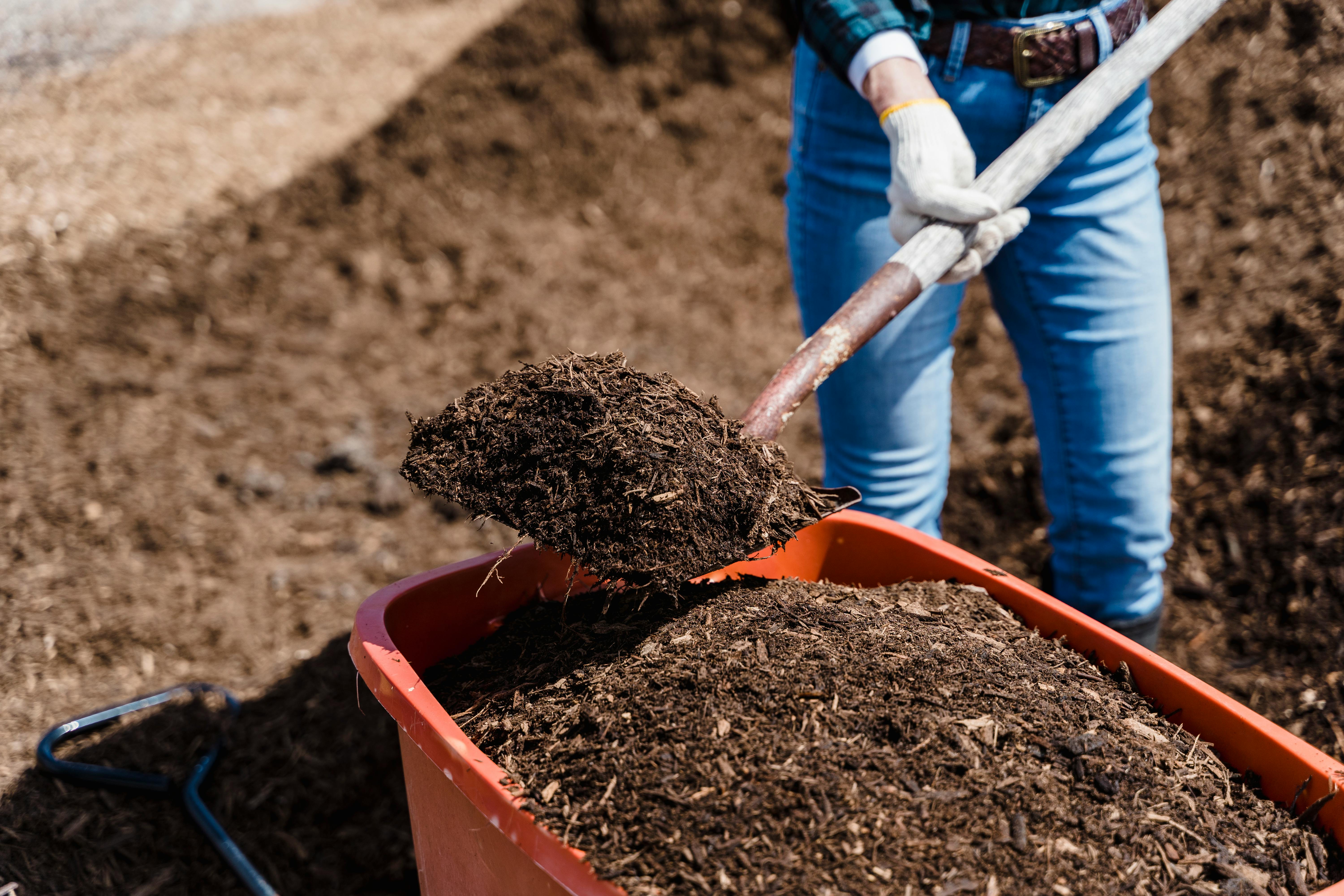
Composting is a fantastic way to reduce waste, improve soil quality, and help the environment. By composting organic waste such as food scraps, yard trimmings, and other biodegradable materials, you can divert these items from the landfill where they would release harmful greenhouse gases as they decompose. Instead, composting allows these materials to break down naturally and create nutrient-rich soil that can be used to fertilize plants and gardens.
Benefits of Composting:
Composting has a wide range of benefits, including:
- Reducing landfill waste
- Decreasing greenhouse gas emissions
- Improving soil structure and fertility
- Enriching plant growth
- Saving money on store-bought fertilizers
Choosing a Composting Method
There are several different methods of composting, each with its unique benefits and requirements. The most common methods include traditional composting, vermicomposting (composting with worms), and bokashi composting.
Traditional Composting:
Traditional composting involves creating a pile of organic waste in a designated area and allowing it to decompose naturally over time. This method is simple and requires minimal maintenance, making it an excellent option for beginners.
Vermicomposting:
Vermicomposting uses worms to break down organic waste quickly and efficiently. Worms consume the waste, turning it into nutrient-rich compost. This method is ideal for those with limited outdoor space or who want a faster composting process.
Bokashi Composting:
Bokashi composting involves fermenting organic waste using a special bokashi bran mixture. This method is ideal for those who want to compost meat, dairy, and other items that may not break down easily in traditional composting systems.
Setting Up Your Composting System
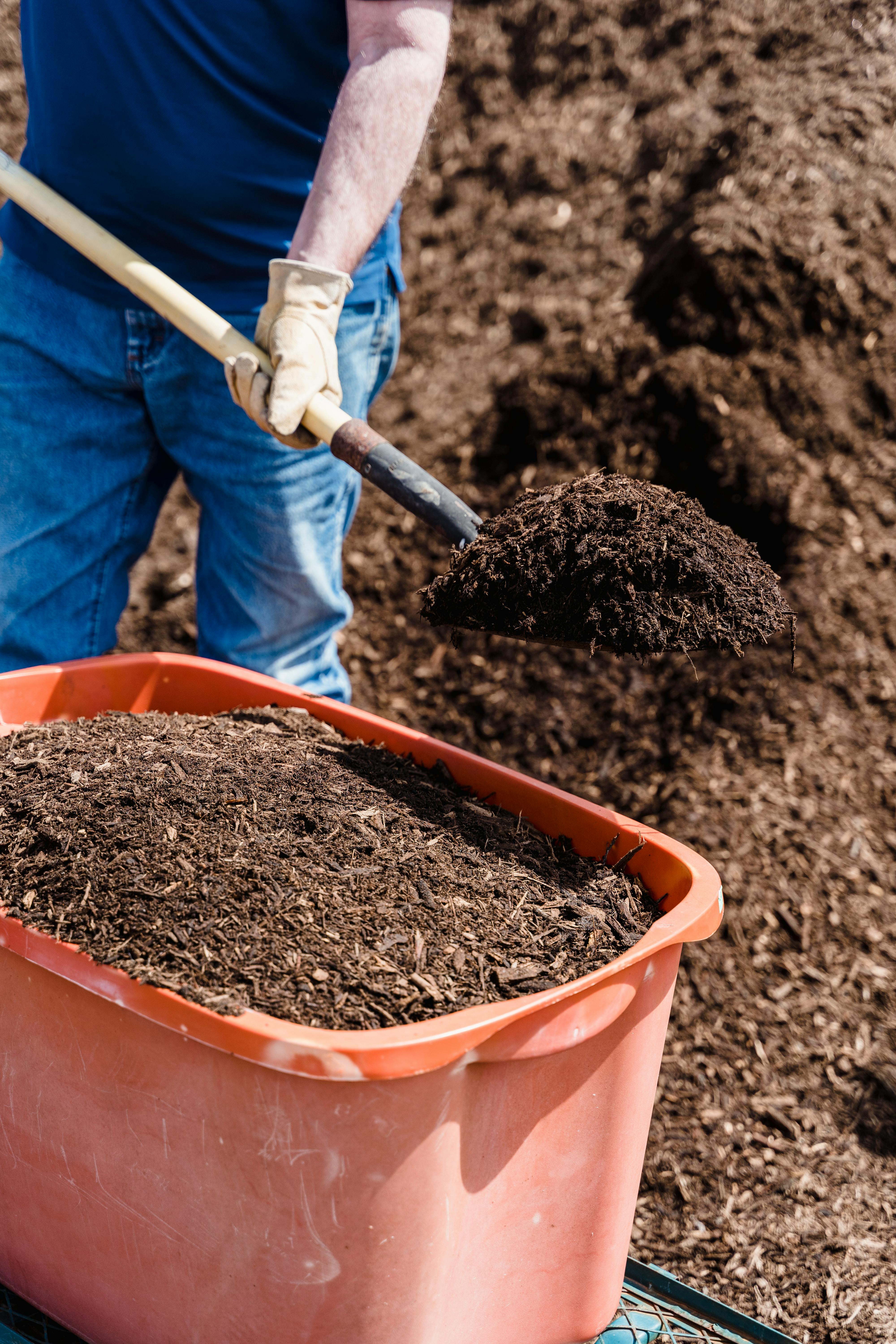
Now that you’ve chosen a composting method, it’s time to set up your composting system. Here are the steps you’ll need to follow to get started:
Step 1: Choose a Location
Select a well-drained spot in your yard or home for your composting system. Make sure it is easily accessible and receives a good amount of sunlight.
Step 2: Get a Compost Bin
Choose a compost bin that suits your composting method and the amount of waste you produce. There are many options available, from traditional open bins to sealed containers for vermicomposting.
Step 3: Add Organic Waste
Start adding organic waste to your compost bin. Be sure to include a mix of green materials (such as fruit and vegetable scraps) and brown materials (such as leaves and paper). This balance will help your compost decompose properly.
Step 4: Monitor and Maintain
Regularly check on your compost pile to ensure it is decomposing properly. Turn the pile occasionally to aerate it and add water if it becomes too dry.

Composting Tips and Tricks
To make your composting experience even more successful, here are some tips and tricks to keep in mind:
Keep a Balance:
Maintain a good balance of green and brown materials in your compost pile to ensure proper decomposition.
Chop or Shred:
Chop or shred larger materials before adding them to your compost bin to speed up the decomposition process.
Monitor Moisture:
Keep an eye on the moisture levels in your compost pile. It should be damp, like a wrung-out sponge, but not soggy.
Add Aeration:
Turn your compost pile regularly to provide oxygen to the microorganisms breaking down the waste.
Troubleshooting Common Composting Issues
If you run into any problems with your composting system, don’t worry – it’s all part of the learning process. Here are some common issues and how to address them:
Smelly Compost:
If your compost pile smells bad, it may be too wet or have too much nitrogen-rich material. Add more dry materials and turn the pile to aerate it.
Slow Decomposition:
If your compost is taking longer than usual to break down, it may be lacking nitrogen. Add more green materials to speed up the process.
Pest Problems:
If pests such as flies or rodents are attracted to your compost, bury food scraps deeper in the pile or use a sealed compost bin to deter them.
Conclusion
Congratulations on taking the first step towards creating an eco-friendly composting system for your organic waste! By composting at home, you are not only helping the environment but also improving the health of your soil and plants. With a little time and effort, you can enjoy the benefits of nutrient-rich compost while reducing waste and greenhouse gas emissions. So, roll up your sleeves, grab your compost bin, and start composting today!
Remember, composting is a continuous process that requires patience and care, so don’t get discouraged if you encounter any bumps along the way. With practice and dedication, you’ll soon be on your way to becoming a composting pro. Happy composting!