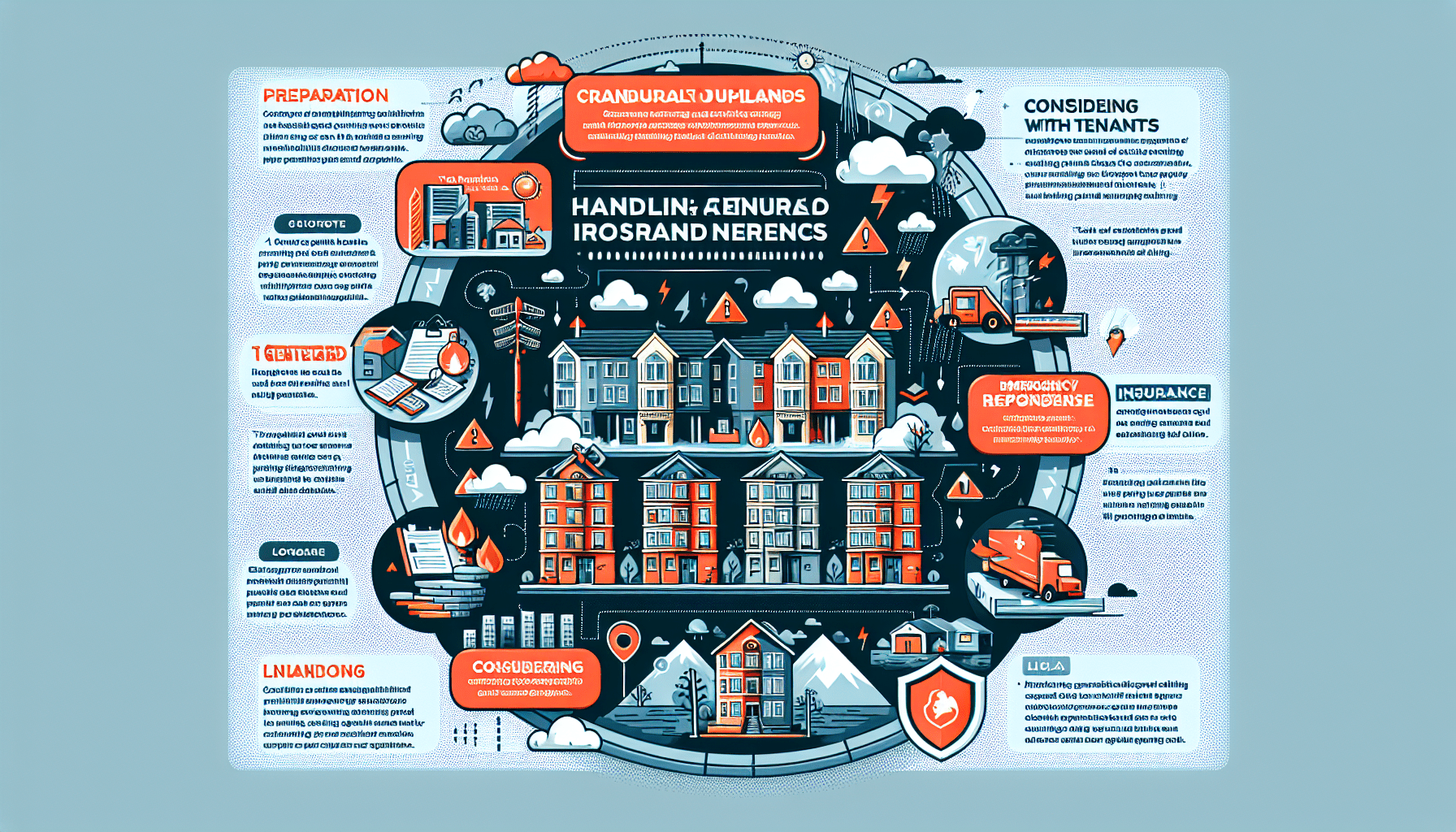
In “Crisis Management: A Landlord’s Guide to Handling Natural Disasters and Emergencies,” you will find a comprehensive and practical resource that equips landlords with the necessary tools and knowledge to effectively handle unforeseen events that may impact their rental properties. From preparing for hurricanes and floods to managing power outages and fires, this guide offers invaluable advice to ensure the safety of tenants, minimize property damage, and navigate through challenging situations with confidence and ease. Whether you’re a seasoned landlord or new to the field, this article will empower you to proactively address crises and protect your investments.
Crisis Management for Landlords: Handling Natural Disasters and Emergencies
As a landlord, it is crucial to be prepared for and effectively handle natural disasters and emergencies that may impact your rental properties. By creating an emergency plan, reviewing insurance coverage, maintaining and inspecting your property, and implementing proper protocols, you can ensure the safety of your tenants and minimize property damage. In this comprehensive guide, we will walk you through each step to help you navigate through crisis situations with ease.
Creating an Emergency Plan
Identify potential risks
The first step in creating an emergency plan is to identify the potential risks that your rental property may face. Consider the geographical location and climate of your property, as well as any past incidents in the area. Common risks include floods, hurricanes, earthquakes, wildfires, and severe storms. By understanding the specific threats in your area, you can tailor your emergency plan to address these risks effectively.
Establish a communication plan
A communication plan is essential for ensuring the safety and well-being of your tenants during a crisis. Define clear lines of communication and establish multiple methods of contact, such as phone calls, text messages, emails, and social media. Assign specific roles to individuals responsible for communicating with tenants, emergency services, and relevant stakeholders. Regularly review and update your contact information to ensure its accuracy.
Create an emergency contact list
Compile a comprehensive emergency contact list that includes the contact information for local emergency services, utility companies, insurance providers, contractors, and any other relevant parties. Share this list with your tenants and post it in a highly visible location within the property. Additionally, make sure to update the list regularly to reflect any changes.
Develop evacuation procedures
Develop clear and concise evacuation procedures that outline the steps tenants should take in the event of an emergency. Include evacuation routes, assembly points, and any specific instructions based on the nature of the crisis. Communicate these procedures to your tenants through written instructions, visual aids, and regular reminders. Conduct practice drills periodically to ensure everyone understands and can execute the evacuation plan effectively.
Designate emergency meeting points
In the event of an emergency, it is crucial to designate specific meeting points where tenants can safely gather and be accounted for. Identify multiple meeting points both on and off the property, ensuring they are easily accessible and well-known to all residents. Clearly mark these locations and include them in your evacuation procedures, emergency contact list, and any relevant notifications.
Insurance Coverage
Review existing insurance policies
Regularly review your existing insurance policies to ensure they provide adequate coverage for potential natural disasters and emergencies. Understand the scope of coverage, deductibles, and liability limits. Assess whether your coverage is comprehensive enough to protect your property, belongings, and liability in various crisis scenarios.
Ensure appropriate coverage
Based on the risks identified for your specific property, confirm that your insurance coverage aligns with those risks. Consider additional coverage, such as flood insurance or earthquake insurance, if necessary. Consult with your insurance provider to understand any limitations or exclusions in your policy and make informed decisions regarding additional coverage options.
Consider additional riders or endorsements
Depending on the location and nature of your rental property, you may need to consider additional riders or endorsements to your insurance policy. These specific add-ons can enhance coverage for high-value items, business interruption, loss of rental income, or other essential aspects that may be vulnerable during a crisis. Discuss these options with your insurance provider to determine the most suitable course of action.
Document property prior to disaster
To support insurance claims and ensure a smooth claims process, it is essential to document the condition of your property before a disaster strikes. Take detailed photographs or video footage of each room, including valuable items and structural elements. Keep these records in a safe place, preferably off-site or in a cloud storage service. This documentation will be instrumental in demonstrating the pre-damage state of the property, aiding in the claims process.
Understand the claims process
Familiarize yourself with the claims process of your insurance provider, including the reporting deadlines and required documentation. Communicate these details to your tenants, emphasizing the importance of reporting any damage promptly. Encourage tenants to document their personal belongings and maintain records of their possessions to support their own insurance claims.

This image is property of images.unsplash.com.
Property Maintenance and Inspection
Regularly inspect the property
Regular inspections of your rental property are essential to identify potential hazards, maintenance issues, or vulnerabilities that can lead to emergencies or worsen during a crisis. Implement a schedule for routine inspections and address any concerns promptly. Look for signs of water leaks, electrical issues, structural integrity problems, or any other potential risks. Maintain detailed records of all inspections and the actions taken to address any identified issues.
Maintain trees and landscaping
Well-maintained trees and landscaping can help minimize risks and potential damages during natural disasters. Regularly trim trees, remove dead branches, and inspect for signs of disease or instability. Ensure that shrubs, bushes, and other plants are properly maintained and do not interfere with the property’s infrastructure. Consider consulting with a professional arborist or landscaper to ensure optimal safety measures.
Secure loose items
Loose items, such as outdoor furniture, signage, or equipment, can become dangerous projectiles during high winds or storms. Secure these items or store them in a safe location when not in use. Implement proper storage solutions, such as anchoring heavy objects or utilizing storage sheds. Encourage tenants to secure any personal belongings that could pose a risk during a crisis.
Check and maintain safety equipment
Regularly check and maintain safety equipment throughout your rental property, including smoke detectors, fire extinguishers, and carbon monoxide detectors. Replace batteries as needed and conduct regular tests to ensure proper functionality. Educate your tenants on the location and purpose of these devices, as well as the necessary steps to take in case of an emergency.
Ensure proper drainage systems
Proper drainage systems play a vital role in preventing water damage during heavy rainfall or flooding. Regularly inspect and maintain gutters, downspouts, and drains to ensure they are clear of debris and functioning effectively. Address any drainage issues promptly to prevent water accumulation, which can lead to structural damage or mold growth. Consider installing additional drainage systems if necessary.
Preparing for Natural Disasters
Educate tenants on preparedness
Take an active role in educating your tenants about the importance of preparedness prior to a natural disaster. Provide them with resources, guidelines, and checklists on how to create their own emergency plan and assemble emergency supply kits. Share information about local emergency services, shelters, and evacuation routes. By empowering your tenants with knowledge and preparedness tools, you can enhance their safety and minimize their anxiety during a crisis.
Secure the property
Prior to the onset of a natural disaster, secure your rental property by reinforcing vulnerable areas and implementing preventive measures. Board up windows, install storm shutters, or utilize impact-resistant glass to protect against wind and debris damage. Strengthen doors, particularly those leading to the exterior, with reinforced hardware or additional locks. Seal any potential entry points for water, such as cracks or gaps around windows and doors.
Install storm shutters or reinforce windows
If your rental property is located in an area prone to hurricanes or severe storms, consider installing storm shutters or reinforcing windows to protect against high winds and flying debris. Storm shutters can be permanently installed or temporary panels that can be quickly deployed when needed. Reinforcing windows with impact-resistant film or laminated glass is another effective measure to fortify your property.
Stock emergency supplies
Maintain a sufficient supply of emergency provisions within your rental property to sustain tenants during a crisis. These supplies should include non-perishable food items, bottled water, first aid kits, flashlights, batteries, blankets, and any other essential items. Periodically check expiration dates and restock as needed. Communicate the location of these supplies to your tenants and encourage them to supplement the stock with their own personal items.
Develop a generator plan
Consider installing a generator for your rental property to ensure essential systems, such as lighting, refrigeration, or medical equipment, can remain operational during a power outage. Designate a specific location for the generator and educate your tenants on its proper usage and safety measures. Communicate the generator plan to your tenants, including any restrictions or guidelines regarding its usage.

This image is property of images.unsplash.com.
Responding to Natural Disasters
Ensure tenant safety
The safety and well-being of your tenants should be your top priority when responding to a natural disaster. Promptly communicate any evacuation orders or emergency alerts to your tenants, providing clear instructions on what to do and where to go. Regularly check on your tenants to verify their safety and address any immediate concerns they may have. Offer reassurance and support during these challenging times.
Contact emergency services
In the event of a natural disaster or emergency, contact the appropriate emergency services immediately. Report any hazardous situations, injuries, or property damage to ensure prompt assistance. Maintain open lines of communication with emergency services throughout the crisis and follow their instructions for the safety of your tenants and property.
Assess property damage
Once it is safe to do so, assess the extent of property damage caused by the natural disaster. Conduct a thorough inspection and document any visible damage through photographs or videos. Contact your insurance provider and report the damage promptly, providing all necessary documentation. Consult with professionals, such as contractors or restoration experts, to evaluate the necessary repairs and cleanup.
Coordinate repairs and cleanup
Coordinate repairs and cleanup efforts in a timely manner to restore your rental property to its pre-damage condition. Obtain multiple quotes from reliable contractors to ensure competitive pricing and quality workmanship. Prioritize repairs based on their urgency and impact on tenant safety or comfort. Communicate the repair timeline and any necessary access requirements to your tenants, providing regular updates on the progress.
Communicate updates to tenants
Keep your tenants informed throughout the recovery process by providing regular updates on the status of repairs, restoration efforts, and any changes in property conditions. Utilize multiple communication channels, such as email, phone calls, or text messages, to ensure all tenants receive the information. Address any concerns or inquiries from your tenants promptly and offer support or resources as needed.
Dealing with Utility Outages
Contact utility companies
In the event of utility outages, such as power, water, or gas, contact the respective utility companies to report the issue and inquire about the estimated restoration time. Provide your tenants with any relevant updates or information received from the utility companies. Maintain open lines of communication with the utility providers throughout the restoration process to monitor progress.
Inform tenants about outages
Promptly inform your tenants about any utility outages affecting the property. Clearly communicate the expectations regarding usage limitations or safety precautions during the outage. Provide alternative arrangements, such as temporary accommodations, if necessary. Establish a designated point of contact for your tenants to report issues related to utility outages, ensuring their concerns are addressed promptly.
Provide alternative arrangements
During utility outages, particularly prolonged ones, it may be necessary to provide alternative arrangements for your tenants. This could include offering temporary housing options, such as emergency shelters or hotel accommodations, if the property becomes uninhabitable. Clearly communicate these arrangements to your tenants and provide assistance in accessing the available resources.
Monitor restoration progress
Stay informed about the progress of utility restoration efforts and communicate any updates to your tenants. If necessary, communicate any new guidelines or restrictions issued by the utility providers. Regularly check with your tenants to ensure their access to essential services has been restored and address any outstanding issues promptly.
Coordinate repairs with utility companies
In cases where property damage is directly related to utility outages, coordinate repair efforts with the respective utility companies. Document any damage caused by the utility outage and maintain records for insurance purposes. Communicate with the utility companies regarding the necessary repairs and ensure that work is completed in a timely manner.

This image is property of images.unsplash.com.
Supporting Displaced Tenants
Assess tenant needs
In the aftermath of a natural disaster, some of your tenants may be displaced or require additional assistance. Conduct a thorough assessment of your tenants’ individual needs, including housing, finances, and emotional support. Establish open lines of communication and offer resources or referrals to aid them in overcoming these challenges.
Provide temporary housing options
If the rental property is deemed uninhabitable due to extensive damage, work with local emergency agencies or organizations to provide temporary housing options for displaced tenants. This may include emergency shelter placements, hotel accommodations, or assisting with the relocation process. Communicate these options to your displaced tenants to ensure they have a safe place to stay during the recovery period.
Offer financial assistance
In cases where tenants are facing financial hardships due to the natural disaster, consider offering financial assistance to aid with immediate needs. This could include waiving rent for a certain period, providing reimbursement for emergency expenses, or offering flexible payment plans. Assess each tenant’s situation individually and offer support accordingly.
Assist with insurance claims
Guide your displaced tenants through the insurance claims process to ensure they receive the necessary compensation for their losses. Provide them with information and resources to help them navigate through the claim filing procedure. Offer assistance in documenting damage, completing claim forms, or coordinating with insurance adjusters. Ensure open lines of communication are maintained throughout the claims process.
Communicate regularly with displaced tenants
Regular and transparent communication is vital when supporting displaced tenants. Provide updates on the progress of repairs, restoration efforts, and any relevant information that may impact their return to the property. Maintain empathy and understanding, addressing any concerns or questions they may have. Help them feel supported and assured during this challenging time.
Communication and Documentation
Establish a communication protocol
Develop a clear and efficient communication protocol to streamline communication during emergencies and natural disasters. Assign specific roles and responsibilities to individuals responsible for communicating with tenants, emergency services, insurance providers, and contractors. Clearly define the preferred communication channels and ensure all parties are aware of their roles in the communication process.
Document all communications
Maintain thorough documentation of all communications related to emergencies, natural disasters, repairs, and insurance claims. Keep copies of emails, letters, or any other correspondence exchanged with tenants, emergency services, or service providers. These records provide a chronological account of the actions taken and can serve as crucial evidence or references in the future, especially when dealing with insurance claims or legal matters.
Inform tenants about property damage
Communicate the extent of property damage to your tenants promptly, providing them with a clear understanding of the impact on their living conditions. Share photographs, videos, or written reports to illustrate the damage. Educate them about the repair process and assure them that their safety and comfort are your top priorities.
Provide updates on repairs and progress
Regularly update your tenants on the status of repairs and the overall progress of the restoration efforts. Communicate any changes or delays that may arise during the process. Be transparent about the timeline and address any concerns or questions they may have. Regular communication will help ease their anxieties and ensure they feel informed and included throughout the recovery period.
Maintain records for insurance purposes
Keep thorough and organized records of all relevant documentation, including photographs, videos, inspection reports, repair bills, and any other evidence related to property damage or insurance claims. Store these records in a secure location, either in physical or digital format, and ensure easy accessibility when required. Utilize these records to support your claims and ensure fair compensation.
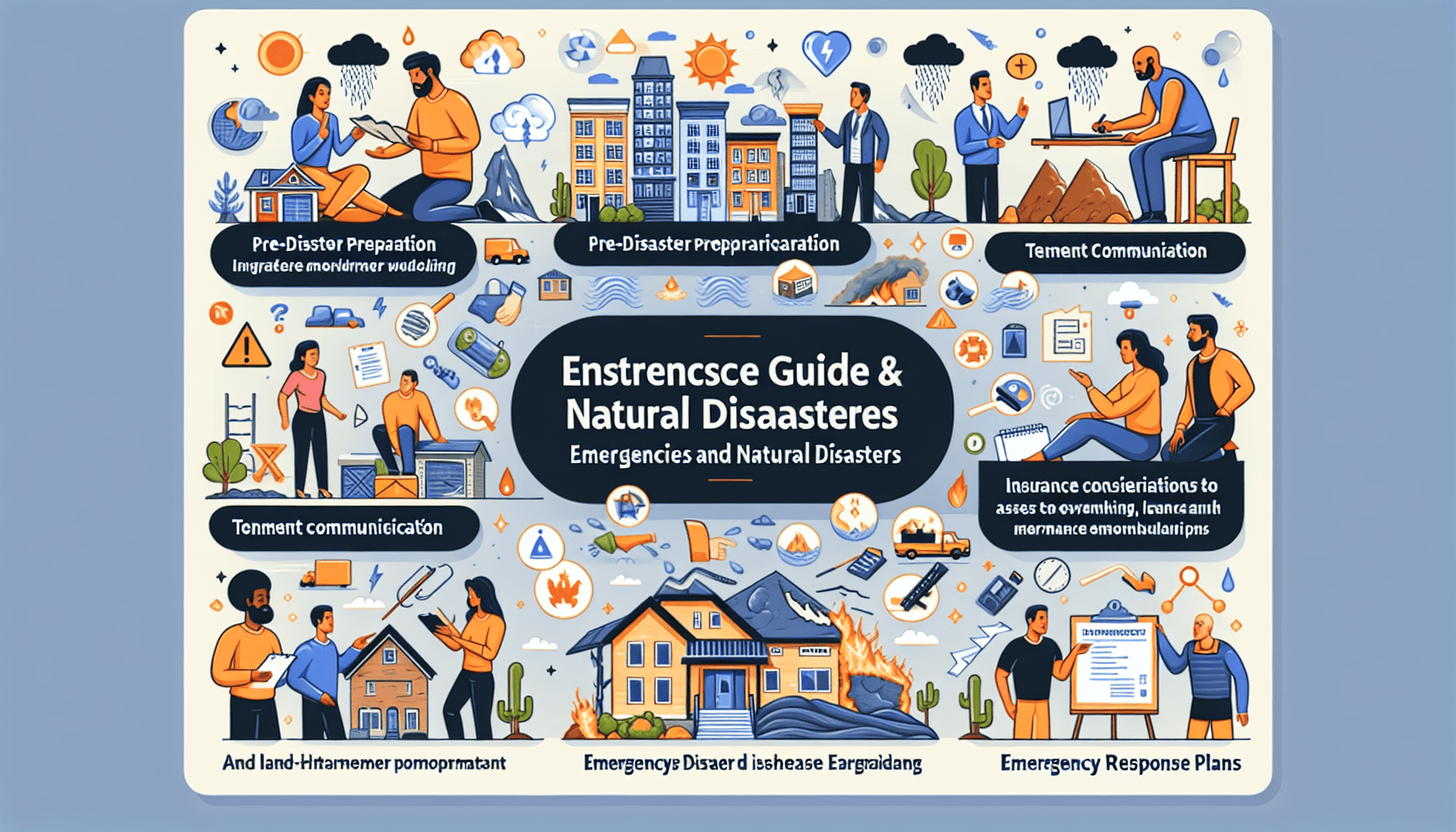
Working with Contractors and Service Providers
Establish relationships with reliable contractors
Develop a network of reliable contractors and service providers to rely on during emergencies and natural disasters. Vet potential contractors thoroughly, checking their licenses, insurance, and references. Develop a working relationship based on trust, reliability, and quality workmanship. Establish clear expectations and maintain open lines of communication throughout your partnerships.
Maintain a list of preferred vendors
Create a comprehensive list of preferred vendors, including contractors, plumbers, electricians, restoration experts, and other service providers. Include their contact information, qualifications, and areas of expertise. This list will serve as a valuable resource during emergencies, allowing you to quickly access the necessary expertise and expedite the repair process.
Obtain multiple quotes for repairs
When faced with property repairs, obtain multiple quotes from different contractors to ensure competitive pricing and quality service. Evaluate each quote based on their completion timeline, cost, experience, and reputation. Conduct interviews or meetings with potential contractors to discuss the scope of work and clarify any concerns. Ultimately, select the contractor that offers the best value for your property and aligns with your expectations.
Ensure proper licensing and insurance
Verify that all contractors and service providers are properly licensed and insured to perform the required work on your property. Request copies of their licenses and insurance certificates, ensuring they are valid and up-to-date. This step is crucial for protecting yourself, your tenants, and your property from potential liabilities or subpar workmanship.
Review contractor workmanship
Regularly review the workmanship and services provided by your contractors. Inspect completed repairs to ensure they meet your expectations and adhere to established quality standards. Address any concerns or issues promptly with the contractors and collaborate on finding appropriate solutions. Building a collaborative relationship with your contractors promotes accountability and ensures the longevity of the repairs.
Review and Learn from the Experience
Evaluate the effectiveness of the emergency plan
After experiencing a natural disaster or emergency, evaluate the effectiveness of your emergency plan. Analyze how well it addressed the specific crisis and identify any areas for improvement. Solicit feedback from your tenants, emergency services, and other relevant stakeholders to gain insights into the plan’s strengths and weaknesses. Make necessary adjustments to enhance the plan’s preparedness and effectiveness moving forward.
Identify areas for improvement
Based on your evaluation, identify areas for improvement in various aspects, such as communication protocols, property maintenance procedures, or emergency response plans. Assess the effectiveness of each step and determine if modifications are needed. Continuously learning and adapting your approach will help you better prepare for future emergencies and protect your property and tenants.
Update insurance and emergency contact information
Regularly update your insurance policies and emergency contact information to reflect any changes. Review coverage limits and assess if adjustments are necessary to align with your property’s current value and potential risks. Maintain accurate and up-to-date contact information for emergency services, insurance providers, utility companies, and other relevant parties.
Educate tenants about lessons learned
Share the lessons learned from past emergencies and natural disasters with your tenants. Provide them with information on how they can better prepare themselves and their families for future crises. Offer resources, guidelines, or recommendations to help them enhance their own emergency plans. By spreading awareness and knowledge, you contribute to a more resilient and prepared community.
Prepare for future emergencies
Use the insights gained from your experiences to further fortify your preparation for future emergencies. Continuously educate yourself on emerging best practices, technologies, or resources that can enhance your emergency plan. Engage with local emergency management agencies or community organizations to stay informed and collaborate on strategic initiatives. Remember, preparedness is an ongoing process, and your commitment to it will ensure the safety and well-being of your tenants.
In conclusion, by actively preparing for and effectively managing natural disasters and emergencies, landlords can ensure the safety and security of their rental properties and tenants. Creating a comprehensive emergency plan, reviewing insurance coverage, maintaining and inspecting the property, preparing for natural disasters, and establishing clear communication protocols are crucial steps in navigating the challenges posed by crisis situations. By following the guidelines outlined in this guide, landlords can confidently handle natural disasters and emergencies while minimizing property damage and supporting their tenants’ well-being.