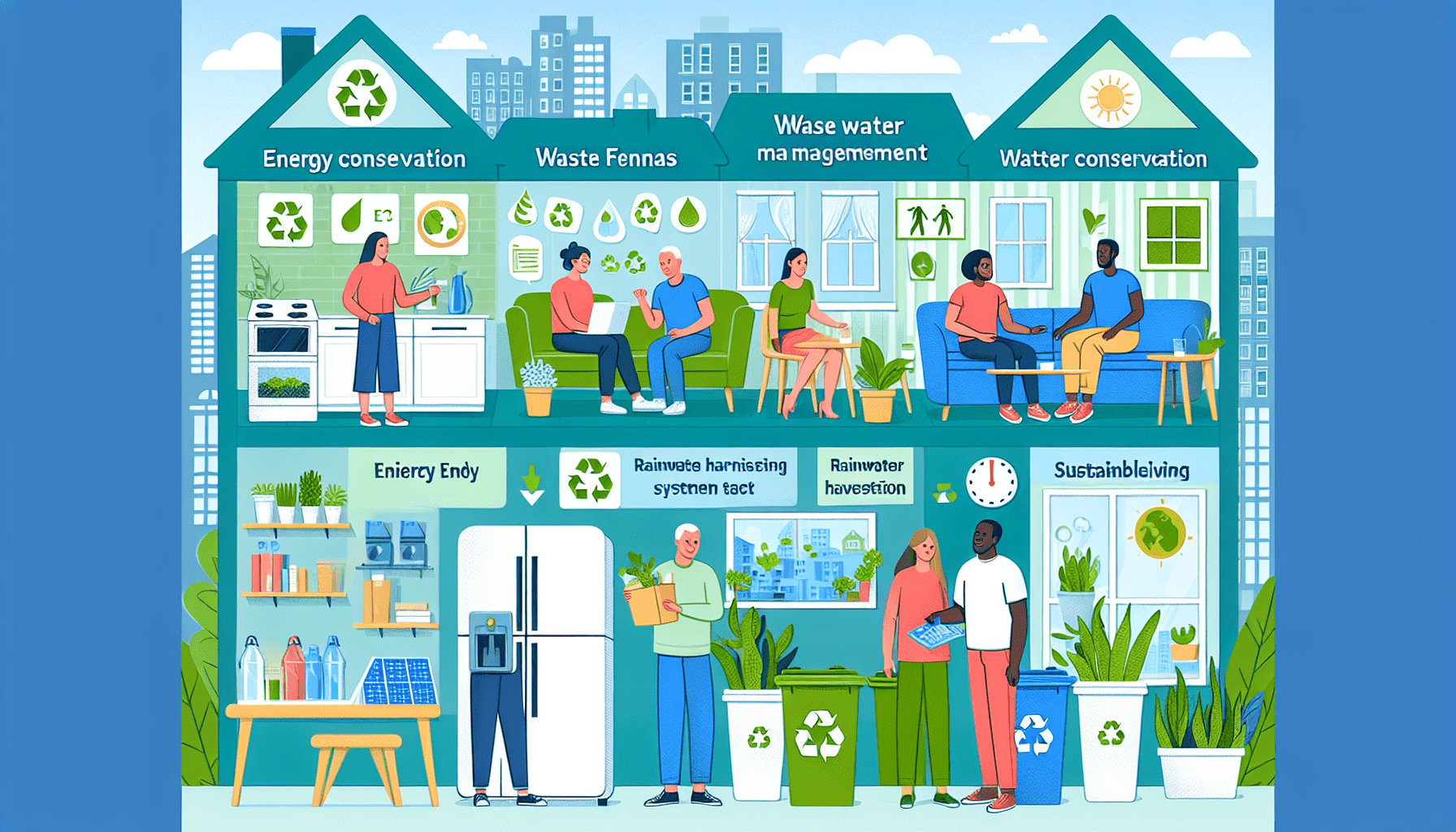
Are you a landlord or tenant looking to make a positive impact on the environment? In this article, we will explore some practical and easy-to-implement eco-friendly tips for rental homes. By adopting sustainable practices, both landlords and tenants can create a greener living environment that reduces waste, conserves energy, and ultimately leads to a more sustainable future. Whether you are interested in reducing your carbon footprint or simply want to save money on utility bills, this article will provide valuable insights on how to go green in your rental home.
Green Living: Implementing Sustainable Practices in Rental Homes
In today’s world, it’s more important than ever to prioritize sustainability and reduce our impact on the environment. This applies not only to homeowners but also to individuals living in rental homes. By implementing eco-friendly practices, both landlords and tenants can contribute to a greener future and create a sustainable living environment. Here are some valuable tips and strategies for reducing energy consumption, conserving water, minimizing waste, using eco-friendly cleaning products, creating a sustainable garden, promoting sustainable transportation, reducing plastic usage, optimizing heating and cooling systems, educating tenants on green practices, and engaging with eco-friendly landlords.

This image is property of images.pexels.com.
Reducing Energy Consumption
Switch to energy-efficient light bulbs
One of the simplest yet most effective ways to reduce energy consumption in a rental home is by switching to energy-efficient light bulbs. By replacing traditional incandescent bulbs with energy-saving LED or CFL bulbs, you can significantly decrease electricity usage and extend the lifespan of your light fixtures. Plus, energy-efficient bulbs consume up to 80% less energy, allowing you to reduce your carbon footprint while saving on utility bills.
Unplug electronics when not in use
Did you know that even when electronics are turned off, they can still consume energy? This is known as standby power or “phantom load.” To minimize this wastage, make it a habit to unplug electronics such as TVs, computers, printers, and chargers when they are not in use. Alternatively, you can use power strips with surge protectors to easily turn off multiple devices with a single switch. By curtailing standby power, you can make a significant difference in your energy consumption.
Use natural lighting whenever possible
Harnessing the power of natural lighting is not only beneficial for the environment but also for your well-being. Whenever possible, make use of natural daylight by opening curtains or blinds during the day. This can help reduce the need for artificial lighting, ultimately leading to lower electricity usage. Additionally, natural lighting can create a warm and inviting atmosphere in your rental home, enhancing your overall living experience.
Insulate windows and doors
Inefficient windows and doors can contribute to significant energy loss, leading to higher heating and cooling costs. To combat this, consider insulating your windows and doors. Simple measures like weatherstripping and caulking can help prevent drafts, keeping warm air inside during winter and cool air in during summer. Additionally, you may want to explore the option of using window films or installing double-glazed windows for enhanced insulation. These small steps can go a long way in reducing energy consumption and creating a comfortable living space.
Conserving Water
Fix leaky faucets and pipes promptly
Water leaks not only waste our precious natural resource but also result in higher water bills. Whether you are a tenant or a landlord, it is important to promptly fix any leaky faucets or pipes in your rental home. Check for drips and make necessary repairs to prevent water wastage. Simple actions like replacing worn-out washers or tightening connections can help save gallons of water each day.
Install water-saving devices
To further conserve water in your rental home, consider installing water-saving devices. Low-flow showerheads and faucet aerators can significantly reduce water usage without compromising water pressure. These devices work by limiting the flow of water while maintaining satisfactory performance. Additionally, dual-flush toilets provide the convenience of different flushing options, allowing for the appropriate amount of water to be used for liquid or solid waste. By incorporating these devices into your rental property, you can play a part in water conservation efforts.
Take shorter showers
Long, luxurious showers may be tempting, but they also consume a significant amount of water. Encourage shorter showers among tenants or adopt this practice if you are the occupant of a rental home. Reducing shower time by just a few minutes each day can make a remarkable impact on water conservation. Consider using a timer or play your favorite song to help keep track of time and make showering a more efficient and eco-friendly habit.
Collect rainwater for gardening
Rainwater is a free and natural resource that can be utilized for various purposes, including garden irrigation. If you have outdoor space, consider installing a rain barrel to collect rainwater from your gutters. The collected water can then be used to water plants, wash outdoor surfaces, or even flush toilets. Not only does this reduce the demand for treated water, but it also ensures that rainwater, which is typically cleaner, is put to good use.
Minimizing Waste
Reduce paper usage by going digital
One of the simplest ways to minimize waste in a rental home is by reducing paper usage. Embrace technology and opt for digital alternatives whenever possible. Instead of printing documents, consider saving them electronically or using cloud storage. Use e-mail or messaging applications for communication, and opt for online billing and payments. By embracing a digital lifestyle, you can significantly reduce paper waste and contribute to a more sustainable future.
Recycle paper, plastic, and glass
While reducing paper usage is important, it is equally crucial to properly recycle the paper, plastic, and glass products you do use. Take the time to familiarize yourself with the recycling guidelines in your area and educate your tenants accordingly. Set up designated recycling bins for easy separation and disposal of recyclable materials. If your rental home does not have a recycling program, explore nearby recycling centers or services where you can drop off recyclables. By going the extra mile to recycle, you can prevent valuable resources from ending up in landfills.
Compost organic waste
Food scraps and other organic waste make up a significant portion of household waste. Instead of disposing of this valuable material, consider composting it. Composting is a natural process that converts organic waste into nutrient-rich compost, which can be used to enrich the soil in your garden or potted plants. Whether you have a backyard or a small balcony, you can engage in composting by using a compost bin or a worm composting system. By diverting organic waste from landfills and creating natural fertilizers, you can contribute to a healthier environment.
Donate or sell unwanted items instead of throwing them away
Instead of simply discarding unwanted items, explore alternative options such as donation or selling. Many items that you no longer need can be used by someone else. Consider donating clothes, furniture, electronics, and household goods to local charities or organizations. Additionally, you can sell items through online marketplaces or organize garage sales. By extending the lifespan of these items, you can minimize waste and promote a culture of reuse.
Using Eco-Friendly Cleaning Products
Choose natural cleaning solutions
When it comes to cleaning your rental home, opt for natural cleaning solutions instead of traditional chemical-based products. Many natural cleaning solutions such as vinegar, baking soda, and lemon juice can effectively clean various surfaces in your home. Vinegar, for example, can be used to remove stains and odors, while baking soda works wonders as a non-abrasive scrub or deodorizer. By choosing natural alternatives, you avoid harsh chemicals that can be harmful to both the environment and your health.
Avoid products containing harsh chemicals
When purchasing cleaning products, be mindful of the ingredients they contain. Harsh chemicals, such as ammonia, chlorine, or phosphates, can have detrimental effects on the environment when they are washed down the drain. Look for eco-friendly cleaning products that are biodegradable and have minimal impact on water systems and aquatic life. By making this conscious choice, you can contribute to cleaner waterways and a healthier ecosystem.
Make your own cleaning products using vinegar, baking soda, and lemon juice
If you prefer a more hands-on approach, consider making your own cleaning products using readily available household items. Vinegar, baking soda, and lemon juice, as mentioned earlier, can be combined to create effective and environmentally friendly cleaning solutions. From all-purpose cleaners to glass cleaners, there are numerous DIY recipes available online that utilize these ingredients. By making your own cleaning products, you have full control over the ingredients used and can ensure a safe and eco-friendly cleaning experience.
Dispose of hazardous waste properly
Certain cleaning products and other household items may contain hazardous materials that need to be disposed of properly. Avoid pouring these substances down the drain or throwing them in the regular trash. Instead, take the time to research local hazardous waste disposal facilities or collection events in your area. By disposing of hazardous waste properly, you prevent these chemicals from harming the environment and contribute to a safer living environment for all.

This image is property of images.pexels.com.
Creating a Sustainable Garden
Plant native and drought-resistant plants
When it comes to gardening in a rental home, choose native and drought-resistant plants. Native plants are well-adapted to the local climate and require less water and maintenance compared to exotic species. By planting native plants, you support local biodiversity, conserve water, and attract native wildlife to your garden. Additionally, consider incorporating drought-resistant plants that can thrive in dry conditions and reduce the need for excessive watering.
Use organic fertilizers and pesticides
Maintaining a healthy garden does not mean resorting to harmful chemical fertilizers and pesticides. Opt for organic alternatives that promote soil health and pose minimal risks to the environment. Organic fertilizers, such as compost or manure, provide essential nutrients to plants and improve soil structure. Similarly, organic pesticides based on natural ingredients can effectively control pests without harming beneficial insects or contaminating water sources. By prioritizing organic gardening practices, you can create a flourishing garden while preserving the overall ecosystem.
Install a rain barrel or drip irrigation system
Watering your garden efficiently is key to conserving this valuable resource. Consider installing a rain barrel to collect and store rainwater for irrigation purposes. This allows you to utilize natural rainfall for watering plants, reducing the demand for treated water. If you have limited space, consider implementing a drip irrigation system that delivers water directly to the roots of plants. This method minimizes water loss through evaporation and ensures efficient water usage, leading to healthier plants and a greener garden.
Start a compost pile for natural soil enrichment
Composting not only benefits your garden but also reduces the amount of waste sent to landfills. Establish a compost pile in your rental home to recycle kitchen scraps, yard waste, and fallen leaves. As the organic materials decompose, you will create nutrient-rich compost that can be used to amend soil in your garden. Whether you have a small bin or a designated outdoor compost area, engaging in composting allows you to close the nutrient loop and improve soil health naturally.
Promoting Sustainable Transportation
Choose public transportation or carpooling
Reducing the reliance on personal vehicles can have a significant positive impact on the environment. When feasible, opt for public transportation as your mode of commuting. Buses, trains, or trams are generally more fuel-efficient and produce lower emissions compared to individual cars. If public transportation is not a viable option, consider carpooling with colleagues, friends, or neighbors who travel in the same direction. Carpooling helps reduce traffic congestion, save fuel, and decrease air pollution.
Invest in bikes for short-distance travel
For short trips within your neighborhood or nearby areas, consider using bicycles as a means of transportation. Biking not only provides an eco-friendly alternative to cars but also offers numerous health benefits. With the availability of bike-sharing programs in many cities, you can easily access a bicycle even if you don’t own one. By embracing biking for short-distance travel, you contribute to reduced traffic, lower emissions, and improved personal fitness.
Use electric or hybrid vehicles if possible
If you have the means and opportunity, consider investing in an electric or hybrid vehicle. Electric vehicles (EVs) produce zero tailpipe emissions and significantly reduce greenhouse gas emissions compared to conventional internal combustion engine vehicles. Hybrid vehicles combine electric motors and gasoline engines, offering improved fuel efficiency and lower emissions. As the infrastructure for EVs continues to expand, the transition to greener transportation options becomes more feasible and accessible.
Encourage walking and biking in the neighborhood
When it comes to the local community, promote walking and biking as preferred modes of transportation. Encourage tenants to walk or bike to nearby amenities such as grocery stores, schools, or parks. Support the development of pedestrian-friendly infrastructure and bike lanes within your neighborhood. By fostering a walkable and bike-friendly environment, you contribute to a more sustainable and vibrant community.

This image is property of images.pexels.com.
Reducing Plastic Usage
Bring reusable bags for shopping
Plastic bags contribute to widespread pollution and pose significant threats to wildlife and ecosystems. Make it a habit to bring reusable bags whenever you go shopping. Keep a stash of reusable bags in your car or backpack, ensuring that you always have them handy when needed. By refusing single-use plastic bags, you actively reduce plastic waste and protect the environment.
Avoid single-use water bottles
Single-use plastic water bottles are a major contributor to plastic pollution. Instead of purchasing bottled water, opt for reusable water bottles and fill them with tap water or filtered water at home. Many rental homes are equipped with water filtration systems, allowing you to access clean drinking water conveniently. By choosing reusable water bottles, you minimize plastic waste and save money in the long run. If you live in an area with poor tap water quality, consider investing in a water filter pitcher or faucet-mounted filter for an eco-friendly water solution.
Choose products with minimal packaging
Excessive packaging often contributes to unnecessary waste. When shopping for everyday items, opt for products with minimal packaging or those packaged in eco-friendly materials. Choose brands that prioritize sustainability and promote responsible packaging practices. By consciously supporting products with minimal packaging, you encourage the industry to adopt greener practices and reduce waste generation.
Use reusable containers for food storage
Avoid using single-use plastic containers or plastic wrap for food storage. Instead, invest in reusable containers and wraps made from materials like glass, stainless steel, or beeswax. These alternatives offer an eco-friendly way to store leftovers, pack lunches, or store pantry staples. By using reusable containers, you eliminate the need for disposable plastic and reduce the amount of plastic waste generated.
Optimizing Heating and Cooling Systems
Set thermostats to energy-saving temperatures
Heating and cooling consume a significant amount of energy in a rental home. To optimize your heating and cooling systems, adjust your thermostats to energy-saving temperatures. During winter, lower the thermostat by a few degrees and wear warm clothing or use blankets to stay comfortable. In summer, raise the thermostat setting and utilize fans or natural ventilation to maintain a comfortable indoor temperature. These small adjustments can lead to substantial energy savings and contribute to a greener home.
Regularly maintain heating and cooling equipment
Proper maintenance of heating and cooling equipment is essential to ensure optimal performance and energy efficiency. Regularly change air filters in your HVAC (Heating, Ventilation, and Air Conditioning) system to ensure unrestricted airflow. Keep outdoor units free from debris and ensure that indoor vents are not blocked by furniture or other objects. Additionally, schedule periodic inspections and tune-ups by HVAC professionals to detect and address any potential issues. By maintaining your heating and cooling systems, you can extend their lifespan and maximize energy efficiency.
Maximize natural ventilation and airflow
Whenever weather conditions permit, make use of natural ventilation and airflow to cool or heat your rental home. Open windows strategically to take advantage of cool breezes during summer. Utilize window coverings such as curtains or blinds to control sunlight and minimize heat gain. In colder months, open curtains during the day to allow sunlight to heat your space naturally, and close them at night to retain heat. By intelligently managing natural ventilation and airflow, you can reduce the reliance on mechanical heating and cooling systems.
Invest in energy-efficient appliances
When it is time to replace or upgrade appliances in your rental home, opt for energy-efficient models. Look for the ENERGY STAR label, which indicates that the appliance meets or exceeds stringent energy efficiency standards. Energy-efficient appliances, such as refrigerators, washing machines, and dishwashers, consume less electricity overall. These appliances not only reduce energy consumption but also lower utility bills for both landlords and tenants. By making this investment, you contribute to a greener home and promote sustainable living.
Educating Tenants on Green Practices
Provide information on recycling and composting
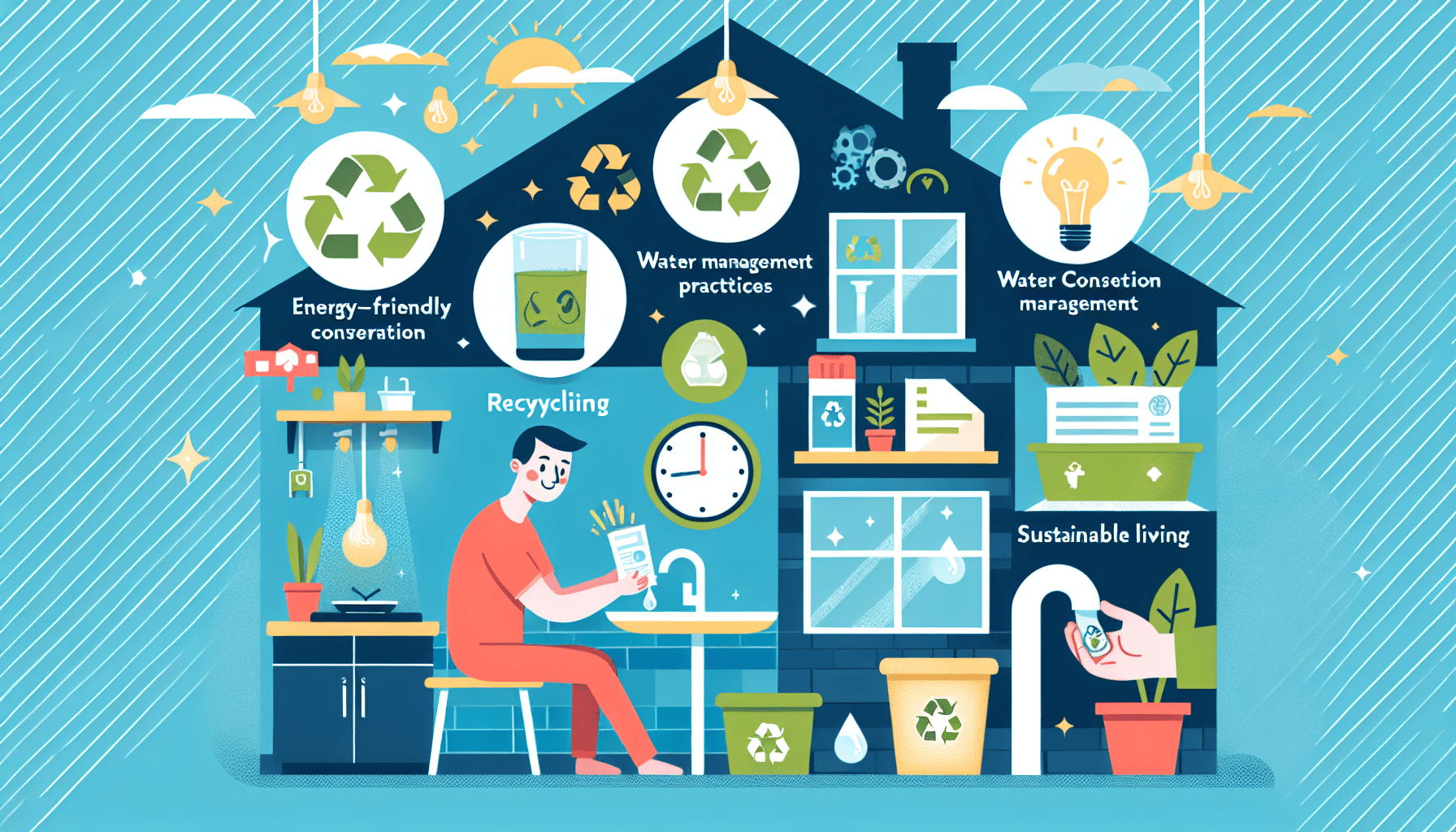
Education plays a crucial role in promoting sustainable practices among tenants. As a landlord, provide clear and concise information on recycling and composting guidelines specific to your rental home. Highlight the importance of separating recyclable materials from general waste and emphasize the benefits of composting organic waste. By equipping tenants with knowledge, you empower them to actively participate in sustainable waste management efforts.
Organize workshops or events focused on sustainability
To further engage with tenants and enhance their understanding of eco-friendly practices, consider organizing workshops or events focused on sustainability. Invite local experts or organizations to conduct sessions on topics such as energy conservation, water management, or waste reduction strategies. These interactive sessions can educate tenants, address their questions, and motivate them to adopt sustainable habits. By fostering a sense of community and mutual learning, you create a rental environment that champions green living.
Share tips for eco-friendly habits in the rental community
Regularly communicate tips and suggestions for eco-friendly habits within your rental community. Utilize newsletters, notice boards, or online groups to circulate information on sustainable practices. Discuss topics like energy-saving tips, water conservation strategies, and waste reduction techniques. Encourage open dialogue and the sharing of personal experiences among tenants, fostering a collaborative environment that promotes sustainability.
Offer incentives for tenants who embrace green practices
Rewarding and incentivizing tenants can be an effective way to encourage the adoption of green practices. Offer incentives such as reduced rent or utility bill discounts for tenants who actively participate in energy-saving or waste reduction initiatives. Recognize and appreciate their efforts by highlighting their contributions in newsletters or on social media pages. By recognizing eco-friendly habits, you motivate tenants to continue their sustainable practices and inspire others to follow suit.
Engaging with Eco-Friendly Landlords
Look for landlords who prioritize sustainability
As a tenant, one of the most impactful steps you can take towards green living is to choose landlords who prioritize sustainability. Before signing a lease, do some research to identify environmentally conscious landlords or property management companies. Look for buildings or developments that have obtained green certifications, such as LEED (Leadership in Energy and Environmental Design) or ENERGY STAR. By renting from landlords who prioritize sustainability, you are aligning yourself with individuals who share your values and are committed to reducing their environmental impact.
Discuss green initiatives before signing a lease
When engaging with potential landlords, take the opportunity to discuss their existing or planned green initiatives. Inquire about energy-efficient appliances, insulation, or available recycling programs. Ask if the rental property allows for sustainable practices like composting or rainwater harvesting. Be open about your own eco-friendly preferences and discuss any specific requirements you may have. By addressing these topics before signing a lease, you ensure that your living space aligns with your sustainability goals.
Encourage green upgrades in rental properties
If you are a tenant interested in sustainable living but your rental home lacks certain green features, don’t hesitate to discuss potential upgrades with your landlord. Identify areas where energy efficiency can be improved, such as insulation, lighting, or appliances. Share resources or information about available incentives or rebates for implementing green upgrades. By initiating these conversations, you contribute to a culture of sustainability and encourage landlords to invest in environmentally friendly improvements.
Share success stories and inspire others to go green
Whether you are a tenant or a landlord, sharing success stories and personal experiences can inspire others to go green. Consider sharing your sustainability journey with fellow tenants or engaging with other landlords in your community. Share your challenges, triumphs, and the positive impact your eco-friendly practices have had. By telling these stories, you motivate others to embrace green living and create a network of individuals dedicated to sustainability.
In conclusion, implementing sustainable practices in rental homes is not only achievable but also essential for creating a greener and healthier environment. By following the tips and strategies outlined in this article, both landlords and tenants can contribute to reducing energy consumption, conserving water, minimizing waste, using eco-friendly products, creating sustainable gardens, promoting sustainable transportation, reducing plastic usage, optimizing heating and cooling systems, educating tenants on green practices, and engaging with eco-friendly landlords. By making conscious choices and adopting eco-friendly habits, we can create a sustainable living environment for present and future generations.