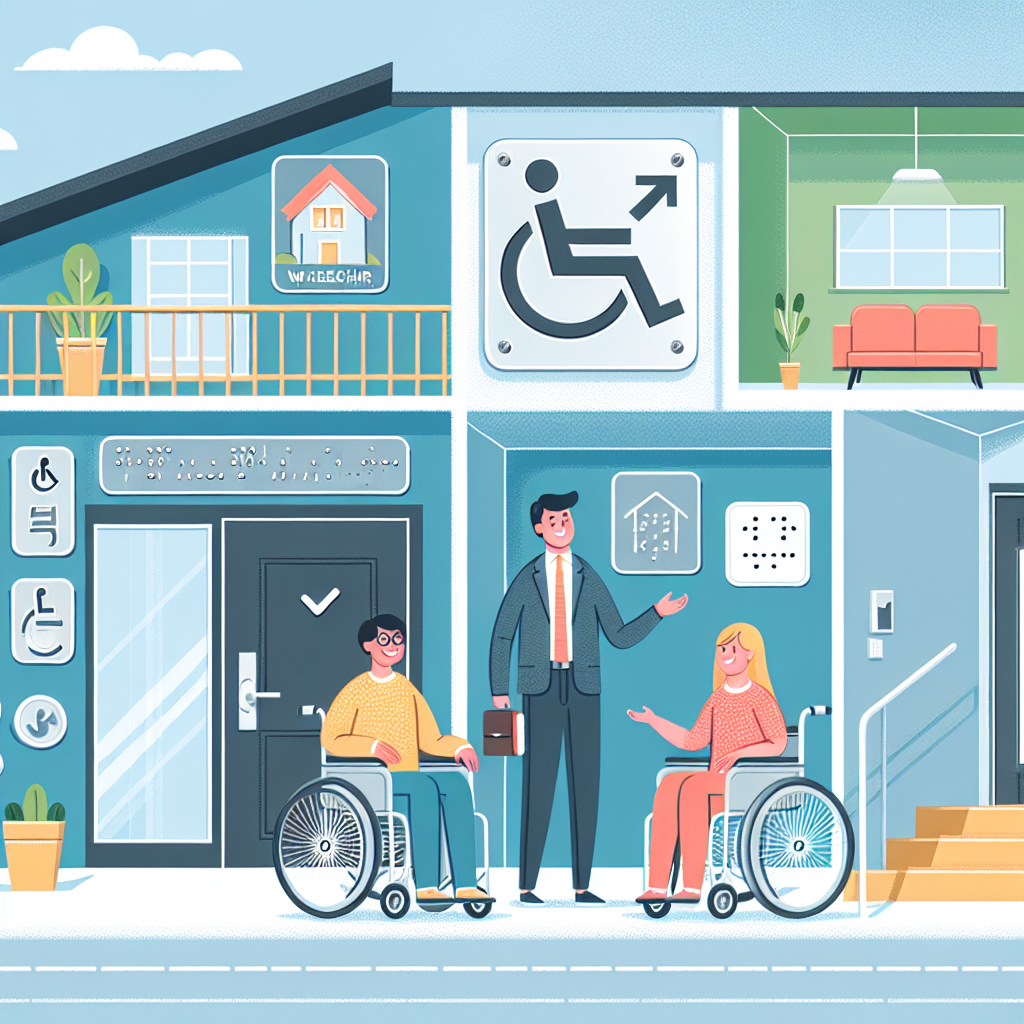
Have you ever wondered how you can ensure accessibility and disability accommodations in your rental property? It’s an important consideration that can greatly impact the lives of individuals with disabilities. By taking a few simple steps, you can make your rental more inclusive and welcoming for all tenants. In this article, we will explore different strategies and resources that can help you address accessibility and disability accommodations in your rental, creating a more inclusive living space for everyone.
Understand the Legal Obligations
Ensuring accessibility and disability accommodations in your rental property is not just the right thing to do, but it is also a legal requirement. Before you begin making any modifications or implementing accommodation measures, it is crucial to fully understand your legal obligations. This involves researching local laws and regulations, familiarizing yourself with fair housing laws, and knowing the Americans with Disabilities Act (ADA). It’s always a good idea to consult with a legal professional who specializes in disability law to ensure you are well-informed and compliant with all legal requirements.
Conduct an Accessibility Evaluation
To effectively address accessibility and disability accommodations in your rental, it is essential to conduct a thorough evaluation of the property. This evaluation should cover physical accessibility, communication accessibility, and potential accommodation needs. Start by assessing the physical accessibility of the property, including entrances, pathways, and common areas. Evaluate whether all aspects of the property are easily accessible for individuals with disabilities. Next, assess the communication accessibility by considering the availability of alternative communication methods such as Braille or sign language interpretation. Finally, determine potential accommodation needs by understanding the specific requirements of different disabilities. If necessary, seek expert advice from disability advocates or accessibility consultants to ensure a comprehensive evaluation.

This image is property of images.pexels.com.
Make Necessary Modifications
Once you have identified areas that require improvement, it is time to make the necessary modifications to your rental property. This includes ramp and entrance modifications to provide wheelchair accessibility, widening doorways to accommodate mobility devices, and installing grab bars and handrails for extra support. Lowering countertops and cabinets can make kitchen areas more accessible, while adapting bathroom features, such as installing accessible shower stalls and grab bars, can greatly enhance accessibility for individuals with disabilities. Improving lighting and color contrast can also increase visibility and enhance accessibility for individuals with visual impairments. Additionally, it is important to invest in communication accessibility by providing text-to-speech devices or offering sign language interpretation services. Don’t forget to ensure there is accessible parking available for tenants with disabilities.
Offer Flexible Lease Terms
Creating flexibility in lease terms is a crucial aspect of addressing accessibility and disability accommodations in your rental. By allowing reasonable modification requests, such as installing grab bars or lowering countertops, you are enabling individuals with disabilities to adapt the space according to their specific needs. Consider offering extended lease terms for tenants who may require additional time for modifications or accommodations. It is also important to permit assistance animals in accordance with the law, as these animals may provide essential support for individuals with disabilities. Lastly, ensure that accessible parking spaces are available for tenants who require them.

This image is property of images.pexels.com.
Communicate Accommodation Options
To attract prospective tenants with disabilities, it is essential to effectively communicate the accommodation options available in your rental property. Start by including detailed accessibility information in your rental listings. Provide information about the modifications and accommodations you have implemented to make the property accessible. During showings, highlight these accommodations to potential tenants and answer any questions they may have regarding accessibility. By openly addressing accessibility concerns and being transparent about the accommodations you offer, you can boost tenant confidence and attract a wider pool of applicants.
Establish an Accessible Complaint Process
It is important to establish a clearly outlined complaint process to address any accessibility concerns or issues that may arise. Set up a procedure that makes it easy for tenants to submit complaints and clearly communicate how and where they should submit their concerns. Respond promptly and professionally to all complaints, acknowledging the issue and outlining your plan to address it. It is essential to follow through with the necessary actions to rectify the problem and ensure that it does not reoccur. By establishing and adhering to a complaint process, you ensure that tenant concerns regarding accessibility are heard, taken seriously, and resolved promptly.

This image is property of images.pexels.com.
Training and Awareness
Educating yourself and your staff on disability rights, accommodations, and etiquette is vital to creating an inclusive and accessible rental environment. Invest in disability awareness training programs that provide information on disability rights, accessible communication, and appropriate interactions with individuals with disabilities. This training will enable you and your staff to better understand the needs and rights of individuals with disabilities, ensuring a respectful and inclusive rental experience. Continuously improving your knowledge and awareness of accessibility issues will help you stay up to date with any changes in legislation or best practices.
Consider Professional Assistance
If you are unsure about the best course of action or need guidance in making your rental property more accessible, consider consulting with accessibility consultants or disability organizations. These professionals specialize in assessing accessibility needs and can provide expert advice on modifications and accommodations. They can guide you in prioritizing areas of improvement and help you navigate complex accessibility requirements. By seeking professional assistance, you can ensure that your rental property meets the highest standards of accessibility and complies with all relevant regulations.
Utilize Available Resources
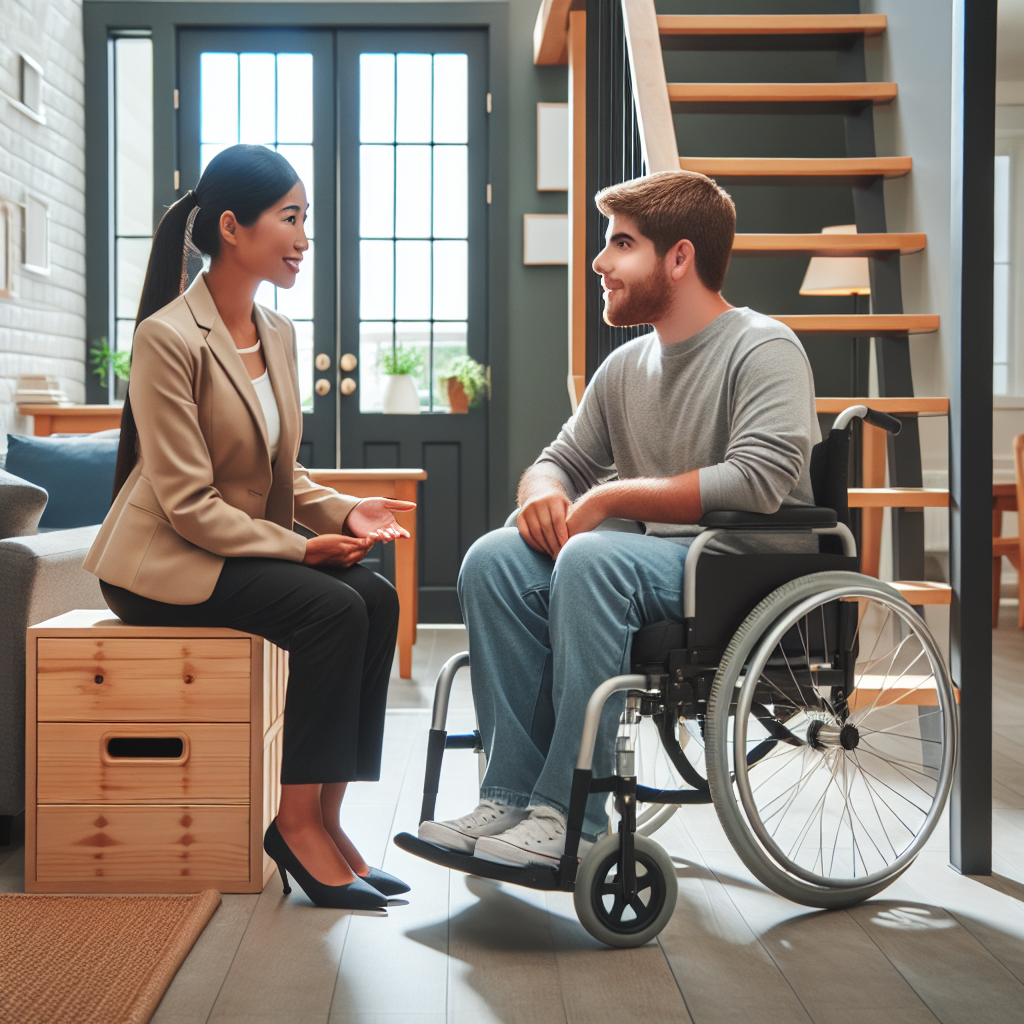
There are various government assistance programs, nonprofit organizations, and grants or funding opportunities that can support you in making accessibility modifications to your rental property. Explore these available resources to access financial aid or receive assistance in navigating the process of improving accessibility. Government assistance programs, such as tax credits or grants, can provide financial support for accessibility modifications. Nonprofit organizations often offer resources, guidance, and even financial aid to landlords looking to make their properties more accessible. Researching and utilizing these resources can make the process more affordable and manageable.
Document Accommodation Efforts
Throughout the process of addressing accessibility and disability accommodations in your rental property, it is important to maintain thorough documentation. Keep records of all accommodation request correspondence, including the specific modifications or accommodations requested and the actions taken to address them. This documentation will serve as evidence of your compliance with accessibility laws and as a reference for future inquiries. Additionally, keep records of all accessibility modifications made to the property, along with the associated costs and any relevant permits or inspections. Lastly, document staff training and education on disability rights and accommodations, including the dates, topics covered, and attendees. Maintaining comprehensive documentation ensures transparency, accountability, and legal compliance.
Addressing accessibility and disability accommodations in your rental property is not only a legal requirement but also a moral responsibility. By understanding your legal obligations, conducting a thorough evaluation, making necessary modifications, offering flexible lease terms, effectively communicating accommodation options, establishing an accessible complaint process, investing in training and awareness, seeking professional assistance, utilizing available resources, and documenting your efforts, you can create a welcoming and inclusive environment for individuals with disabilities. By prioritizing accessibility, you not only enhance the quality of life for tenants with disabilities but also contribute to a more inclusive society.