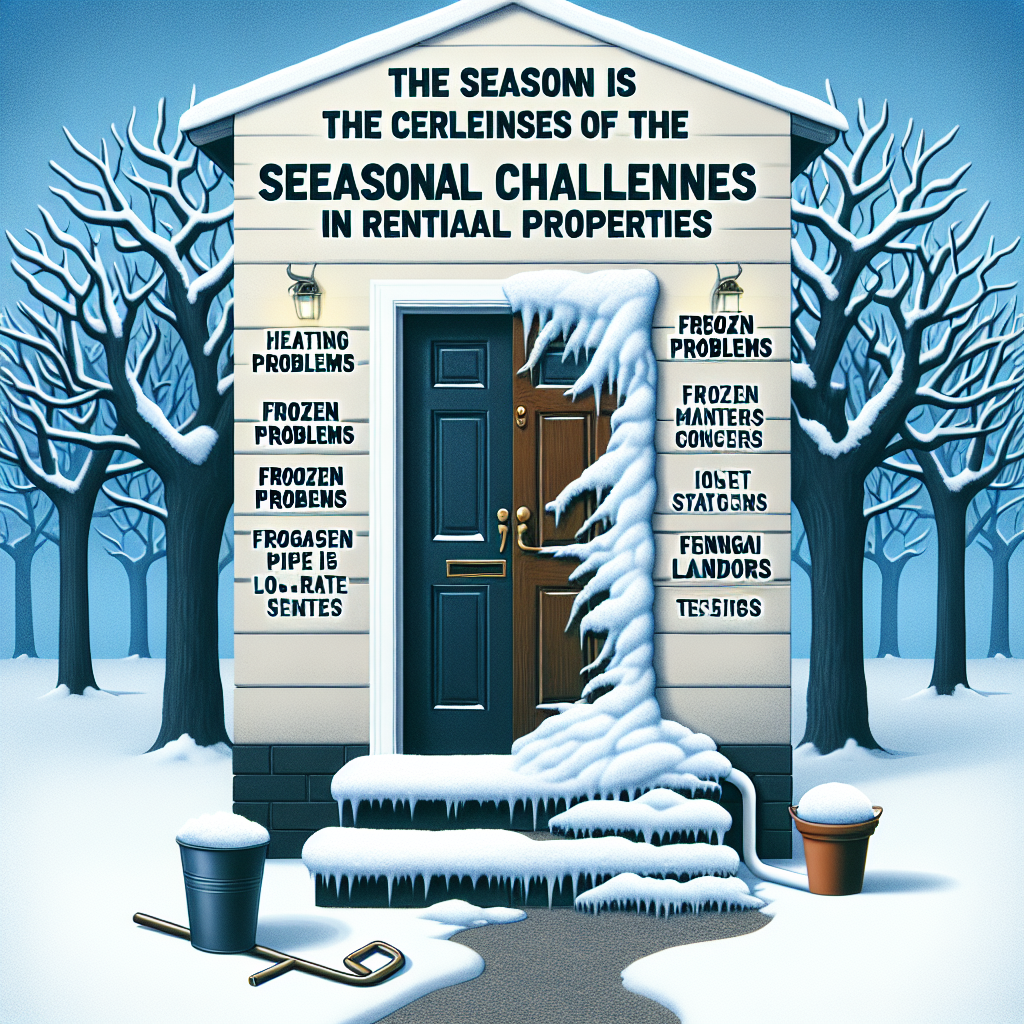
Owning a rental property can be a rewarding investment, providing a steady stream of income throughout the year. However, as the seasons change, so do the challenges that come with managing and maintaining your property. From the scorching heat of summer to the bitter cold of winter, each season presents its own set of issues that need to be addressed to ensure the comfort and satisfaction of your tenants. In this article, we will explore some practical tips and strategies to help you effectively address these seasonal challenges and keep your rental property in top-notch condition all year round. So, let’s dive in and discover how you can tackle these seasonal hurdles with ease!

This image is property of images.unsplash.com.
1. Maintaining the Exterior
1.1 Cleaning and repairing gutters
To maintain the exterior of your rental property, it is important to regularly clean and repair the gutters. Clogged gutters can result in water damage to the property, including the foundation, walls, and roof. By cleaning the gutters at least twice a year, you can prevent water from overflowing and causing costly repairs.
1.2 Winterizing pipes and outdoor faucets
Before the winter season arrives, it is crucial to winterize the pipes and outdoor faucets of your rental property. Freezing temperatures can cause pipes to burst, leading to extensive water damage. To avoid this, ensure that all outdoor faucets are turned off and any hoses are disconnected and properly stored. Additionally, insulate exposed pipes with foam pipe insulation or heat tape to further protect them from freezing.
1.3 Clearing snow and ice from walkways and driveways
Maintaining safe walkways and driveways is essential to ensure the safety of your tenants during the winter season. Regularly clearing snow and ice from these areas not only prevents slips and falls but also helps to avoid any potential liability issues. Provide your tenants with the necessary tools, such as snow shovels or ice melt, to assist them in keeping these areas clear.
1.4 Inspecting and maintaining the roof
Regularly inspecting and maintaining the roof is crucial in addressing seasonal challenges with your rental property. Check for any signs of damage, such as loose or missing shingles, leaks, or weakened areas. Addressing these issues promptly can prevent further damage and costly repairs. Consider hiring a professional roof inspector to conduct a thorough examination on a regular basis to ensure the longevity of your property.
1.5 Checking and sealing windows and doors
Properly sealed windows and doors are crucial for maintaining energy efficiency and preventing drafts in your rental property. Check for any cracks, gaps, or damaged seals and promptly repair or replace them. Sealing these openings not only helps in temperature control but also reduces energy costs. Consider using weatherstripping or caulking to ensure a tight seal and prevent any air leaks.
2. Managing Heating and Cooling Systems
2.1 Ensuring proper insulation
Proper insulation is key to maintaining a comfortable indoor environment and reducing energy consumption. Ensure that your rental property is adequately insulated, especially in attics, walls, and basements. Consider adding insulation to the property if needed, as it can significantly contribute to energy efficiency and tenant satisfaction.
2.2 Installing programmable thermostats
Installing programmable thermostats in your rental property can help in managing heating and cooling systems efficiently. These thermostats allow tenants to set specific schedules for temperature adjustments, ensuring optimal comfort while minimizing energy wastage. By encouraging your tenants to use these thermostats, you can help them save on energy costs and reduce the overall environmental impact.
2.3 Regularly servicing HVAC systems
Regular servicing of heating, ventilation, and air conditioning (HVAC) systems is crucial to ensure their optimal performance. Schedule professional maintenance inspections and cleanings at least once a year to address any potential issues and ensure that the systems are operating efficiently. Promptly address any tenant-reported HVAC concerns to keep your tenants comfortable throughout the year.
2.4 Using energy-efficient heating and cooling methods
In addition to regular maintenance, consider implementing energy-efficient heating and cooling methods in your rental property. This can include installing energy-efficient appliances, such as Energy Star-rated HVAC systems or smart thermostats. Additionally, encourage your tenants to adopt energy-efficient habits, such as closing curtains during hot summer days or using ceiling fans instead of air conditioning whenever possible.
2.5 Monitoring energy consumption
To effectively manage heating and cooling systems in your rental property, it is essential to monitor energy consumption. Keep track of energy bills and analyze usage patterns to identify areas for improvement. If you notice any significant spikes in energy consumption, investigate the cause and take appropriate measures to address the issue. Providing energy consumption guidelines to your tenants can also help in promoting responsible energy usage.
3. Preventing Pest Infestations
3.1 Sealing cracks and holes in walls and foundation
Preventing pest infestations starts with sealing any cracks and holes in the walls and foundation of your rental property. Pests, such as rodents and insects, can enter through these small openings, causing damage and health hazards. Conduct regular inspections and promptly seal any openings with caulk or other suitable materials to prevent pests from entering.
3.2 Removing outdoor debris and overgrown vegetation
Outdoor debris and overgrown vegetation can attract pests to your rental property. Keep the exterior clean and tidy by regularly removing debris such as fallen leaves, branches, or garbage. Additionally, trim overgrown vegetation and maintain a well-kept lawn to deter pests from finding shelter or food sources near the property.
3.3 Storing food securely
Securely storing food is essential in preventing pest infestations. Advise your tenants to keep all food items in sealed containers or pantry shelves, and to promptly clean up any spills or crumbs. Proper food storage reduces the likelihood of attracting pests such as ants, cockroaches, or rodents that can cause significant damage.
3.4 Regularly inspecting and treating for pests
Regularly inspecting your rental property for signs of pest infestations is crucial in addressing potential problems promptly. Look for signs of pest activity, such as droppings, nests, or chewed materials. If you notice any indications of pests, promptly contact a professional pest control service to assess the situation and implement appropriate treatments.
3.5 Hiring professional pest control if necessary
If the infestation is severe or persists despite preventive measures, it may be necessary to hire professional pest control services. Engaging professional pest control can effectively eliminate pests and prevent future infestations. Ensure that your tenants are aware of your commitment to addressing any pest issues promptly and encourage them to report any concerns in a timely manner.
4. Dealing with Seasonal Property Maintenance
4.1 Performing regular property inspections
Regular property inspections are crucial in maintaining the overall condition of your rental property. Conduct inspections at least twice a year to identify any maintenance or repair needs. Look for issues such as damaged walls, floors, or fixtures, as well as any signs of potential hazards or safety concerns. Promptly address any identified issues to ensure the safety and satisfaction of your tenants.
4.2 Cleaning or replacing air filters
Properly functioning air filters are essential for maintaining good indoor air quality and the efficient operation of HVAC systems. Set a schedule for cleaning or replacing air filters in your rental property as recommended by the manufacturer. This will help prevent the buildup of dust, allergens, and debris, ensuring clean and healthy air for your tenants.
4.3 Checking safety devices such as smoke detectors and carbon monoxide detectors
Safety devices, such as smoke detectors and carbon monoxide detectors, play a crucial role in protecting your tenants. Regularly check these devices to ensure they are in good working condition, and replace batteries as needed. Conduct tests to verify that the alarms are functioning properly, providing your tenants with peace of mind and maintaining compliance with safety regulations.
4.4 Cleaning and maintaining outdoor amenities (patios, decks, pools)
Outdoor amenities, such as patios, decks, and pools, require regular cleaning and maintenance to ensure their longevity and safety. Clear any debris, such as leaves or dirt, from these areas, and regularly inspect for any damage or wear. Promptly address any repairs or necessary upgrades to ensure that your tenants can enjoy these outdoor spaces to the fullest.
4.5 Repairing and repainting walls and surfaces as needed
Walls and surfaces are prone to wear and tear over time, especially in rental properties. Regularly inspect walls and surfaces for any damage, such as scratches, holes, or peeling paint. Promptly address any needed repairs or repainting to maintain the aesthetics of your rental property and keep it in excellent condition.

This image is property of images.unsplash.com.
5. Managing Tenant Responsibilities
5.1 Communicating seasonal maintenance expectations
Establish clear lines of communication with your tenants by clearly communicating your expectations regarding seasonal property maintenance. Provide them with a comprehensive list of tasks they are responsible for during different seasons, such as snow removal, yard maintenance, or reporting any maintenance issues promptly. Encourage open communication and address any questions or concerns they may have.
5.2 Providing guidelines for snow removal and yard maintenance
Snow removal and yard maintenance are common responsibilities for tenants during the winter and warmer months. Provide your tenants with guidelines on how to properly remove snow, including shoveling techniques, using de-icing products, and ensuring safe pathways. Similarly, establish guidelines for yard maintenance, including mowing the lawn, weeding, and watering plants, to ensure the property’s curb appeal.
5.3 Offering resources and suggestions for energy-efficient practices
Help your tenants reduce their energy consumption and utility bills by offering resources and suggestions for energy-efficient practices. Provide information on simple changes they can make, such as using LED light bulbs, adjusting thermostat settings, or unplugging electronics when not in use. Encourage them to practice responsible energy usage to benefit both the environment and their wallets.
5.4 Addressing tenant complaints or concerns promptly
Promptly addressing tenant complaints or concerns is essential in maintaining a positive landlord-tenant relationship. Actively listen to their concerns and work with them to find feasible solutions. Whether it’s a maintenance issue, pests, or any other concern, make sure to take appropriate actions in a timely manner to address their needs and ensure a comfortable living environment.
5.5 Enforcing lease terms related to property care
Lease terms related to property care serve as a binding agreement between you and your tenants. Clearly state the responsibilities of the tenants regarding property maintenance and care, and ensure that they understand and comply with these terms. Enforce lease terms consistently to maintain the integrity of the property and protect your investment.
6. Handling Winter Rental Vacancies
6.1 Preparing the property for a vacant period
When facing winter rental vacancies, it is important to properly prepare the property for the vacant period. Take steps such as shutting off the water supply, draining the pipes, and setting the thermostat in a suitable range to prevent frozen pipes and excessive energy consumption. Clean the property thoroughly and ensure that all windows and doors are properly sealed to maintain its condition during the vacancy.
6.2 Marketing the property effectively in the off-season
Marketing the rental property effectively during the off-season is crucial to attract prospective tenants. Highlight any unique features or amenities that make the property desirable during winter months, such as a fireplace or proximity to winter recreational activities. Utilize various advertising platforms, both traditional and online, to reach potential tenants who may be searching for a rental property during the winter season.
6.3 Adjusting rental rates or offering incentives
During the winter season, rental demand may decrease, making it necessary to adjust rental rates or offer incentives to attract tenants. Evaluate the local rental market and consider competitive pricing strategies. Offering discounted rental rates or incentives, such as a month of free rent or waived application fees, can entice prospective tenants to choose your property over others.
6.4 Conducting regular check-ins and maintenance during extreme weather events
During extreme weather events, it is important to conduct regular check-ins and maintenance on the property, especially if it is vacant. Monitor weather forecasts and be prepared to address any potential issues, such as snow accumulation or ice damage. Arrange for snow removal and, if necessary, hire professionals to conduct periodic inspections to mitigate any risks or problems caused by extreme weather conditions.
6.5 Setting clear expectations for winter lease terms
Before entering into winter lease agreements, it is important to set clear expectations for both you and the tenants regarding winter-related responsibilities. Clearly outline who is responsible for snow removal, ice control, and any additional maintenance tasks specific to the winter season. Draft a winter addendum or supplement to the lease agreement to ensure that all parties are on the same page and there is no ambiguity regarding these expectations.

This image is property of images.unsplash.com.
7. Ensuring Safety and Emergency Preparedness
7.1 Installing and maintaining proper lighting for outdoor spaces
Proper lighting for outdoor spaces is essential for safety and security purposes. Install motion-sensor lights near entrances, walkways, and parking areas to deter potential intruders and provide a well-lit environment for your tenants. Regularly inspect and maintain outdoor lighting to ensure that it is functioning properly and replace any burnt-out bulbs promptly.
7.2 Providing emergency contact information to tenants
To ensure the safety of your tenants, provide them with emergency contact information in case of any unexpected situations. Share contact details for local emergency services, such as police, fire department, and medical services. Additionally, provide them with your own contact information or that of a property manager who can be reached in case of property-related emergencies.
7.3 Educating tenants about fire safety and emergency evacuation plans
Fire safety should be a priority in any rental property. Educate your tenants about fire safety measures, including the location and proper use of fire extinguishers, smoke detectors, and carbon monoxide detectors. Create and share an emergency evacuation plan, ensuring that tenants know the designated meeting areas and evacuation routes in case of a fire or other emergencies.
7.4 Checking for and addressing potential fire hazards
Regularly check for potential fire hazards in your rental property to prevent accidents or property damage. Ensure that electrical outlets are not overloaded, and all wiring is in good condition. Inspect heating appliances, chimneys, and fireplaces to verify that they are in proper working order and have been regularly maintained. Address any identified fire hazards promptly to maintain a safe living environment.
7.5 Having a plan for extreme weather events and natural disasters
Extreme weather events and natural disasters can pose significant risks to your rental property and tenants’ safety. Have a plan in place to deal with such situations, including protocols for securing the property, notifying tenants of impending hazards, and providing emergency resources. Stay informed about local weather alerts and communicate any necessary precautions or evacuation procedures to your tenants.
8. Managing Landscaping and Outdoor Spaces
8.1 Adjusting landscaping practices for different seasons
Landscaping practices should vary with the changing seasons to ensure a well-maintained and visually appealing property. Adjust watering schedules and the types of plants based on seasonal needs. Plant cold-tolerant and drought-resistant plants in winter, and consider adding colorful annuals or flowering shrubs in spring and summer to enhance the property’s curb appeal.
8.2 Pruning and maintaining trees and shrubs
Regular pruning and maintenance of trees and shrubs are necessary for their health and aesthetics. Prune dead or diseased branches to promote growth and prevent potential hazards. Maintain a safe distance between trees and the property to prevent damage from falling branches during storms. Hire professional arborists if necessary to ensure proper tree care and maintenance.
8.3 Implementing a regular lawn care and watering schedule
Maintaining a healthy lawn requires a regular care and watering schedule. Set guidelines for your tenants regarding lawn care tasks such as mowing, fertilizing, and weed control. Ensure that tenants understand the optimal watering schedule for maintaining a lush, green lawn while promoting water conservation practices.
8.4 Addressing drainage issues in the yard
Addressing drainage issues in the yard is crucial to prevent water accumulation and potential damage. Inspect the property regularly for signs of poor drainage, such as pooling water or excessive erosion. Implement appropriate drainage solutions, such as French drains or grading adjustments, to redirect water away from the property and ensure proper runoff.
8.5 Investing in durable and weather-resistant outdoor furniture
Investing in durable and weather-resistant outdoor furniture can save you money in the long run and provide a more enjoyable outdoor experience for your tenants. Choose materials such as teak, aluminum, or synthetic wicker that are resistant to weather elements and require minimal maintenance. Regularly inspect and clean outdoor furniture to ensure its longevity and appeal.
9. Resolving Common Winter Property Issues
9.1 Preventing and addressing frozen pipes
Frozen pipes can lead to significant damage and costly repairs. Take preventive measures such as insulating exposed pipes and allowing faucets to drip during extremely cold temperatures to prevent freezing. If a frozen pipe does occur, instruct your tenants on immediate actions to take, such as shutting off the main water supply and using safe thawing methods. Promptly address any pipe issues to prevent further damage.
9.2 Managing ice dams on the roof
Ice dams can form on roofs during the winter season, leading to leaks and damage to the property. Ensure that attic insulation and ventilation are properly maintained to prevent the formation of ice dams. Instruct your tenants to keep gutters clear of snow and ice and remove any accumulated snow from the roof to minimize the risk of ice dam formation.
9.3 Dealing with power outages and electrical concerns
Power outages can be disruptive and pose safety risks, particularly during the winter months. Ensure that your rental property is equipped with backup power sources, such as generators or battery-powered emergency lights, to support essential systems during outages. Instruct your tenants on what actions to take in case of a power outage and provide contact information for reporting any electrical concerns.
9.4 Preventing and managing mold growth
Mold growth can occur due to excess moisture in the property, typically in areas with poor ventilation or water leaks. To prevent mold growth, promptly address any water leaks or moisture issues. Educate your tenants on the importance of proper ventilation, especially in bathrooms and kitchens, and encourage them to report any signs of mold or excessive moisture so that you can address the problem promptly and effectively.
9.5 Addressing interior humidity and ventilation issues
Maintaining proper humidity levels and ventilation is important for the overall comfort and health of your rental property. Properly functioning exhaust fans in bathrooms and kitchens help remove excess moisture, minimizing the risk of mold and mildew growth. If necessary, consider installing dehumidifiers to manage high humidity levels. Educate your tenants on proper ventilation practices to promote a healthy living environment.
10. Engaging Professional Property Management Services
10.1 Assessing the benefits of professional property management
Engaging professional property management services can bring numerous benefits for landlords, especially when it comes to dealing with seasonal challenges. Professional property managers can handle routine maintenance, tenant communication, rent collection, and more, allowing you to focus on other aspects of your life or business. Assess the benefits of property management to determine if it aligns with your goals and preferences.
10.2 Finding reputable property management companies
When considering professional property management services, it is important to find reputable companies that have a proven track record. Research property management companies in your area and review their credentials, client testimonials, and industry affiliations. Interview multiple companies and ask for references before making a final decision. Ensure that the company aligns with your values and has experience managing properties similar to yours.
10.3 Evaluating the cost-effectiveness of outsourcing property care
Evaluate the cost-effectiveness of outsourcing property care to professional management services. Consider the various tasks and responsibilities involved in managing your rental property and compare them with the fees associated with property management services. Factor in the potential benefits of saved time and reduced stress that professional management can provide. Analyze your financials and determine if the convenience and expertise offered by professional management outweigh the associated costs.
10.4 Understanding the services provided by property management firms
Understand the services provided by property management firms before entering into any agreements. Property management services can vary, so it is important to have a clear understanding of what is included in their scope of work. Common services provided by property management firms include tenant screening, rent collection, property maintenance, lease management, and financial reporting. Assess your needs and ensure that the company you choose can meet your specific requirements.
10.5 Ensuring proper communication and collaboration with property managers
Effective communication and collaboration with property managers are essential for a successful working relationship. Clearly communicate your expectations, preferences, and any specific requirements to your property manager. Establish channels of communication that work for both parties and ensure that regular updates and reports are provided. Foster an open and collaborative partnership to ensure that your rental property is well-maintained and managed to your satisfaction.