
If you’re looking to make your home more energy-efficient, you’ve come to the right place. This article will guide you through the steps to create an environmentally-friendly and cost-effective living space. From simple changes in daily habits to investing in energy-saving appliances, we’ll explore practical and sustainable solutions that will not only reduce your carbon footprint but also contribute to a greener future. So, let’s get started on transforming your home into an energy-efficient haven! Creating an energy-efficient home is not only beneficial for the environment, but it can also save you money on your utility bills. By implementing a few simple changes and upgrades, you can significantly reduce your energy consumption. In this article, we will discuss various ways to make your home more energy-efficient, from insulating your home to utilizing smart home technology.
Insulate Your Home
Seal Air Leaks
One of the most important steps in creating an energy-efficient home is to seal air leaks. Air leaks can occur around windows, doors, and other openings in your home, allowing warm or cool air to escape and outside air to infiltrate. This not only leads to discomfort but also results in higher energy consumption as your heating or cooling systems have to work harder to maintain the desired temperature. To seal air leaks, you can use caulk or weatherstripping to fill gaps and cracks. Be sure to pay attention to areas such as window frames, door frames, and electrical outlets.
Add Insulation to Attic
Adding insulation to your attic is another effective way to improve the energy efficiency of your home. Heat rises, so without proper insulation, a significant amount of heat can escape through the attic. By adding insulation, you can prevent heat loss in the winter and keep your home cooler in the summer. There are various types of insulation available, including fiberglass, cellulose, and spray foam. The type and amount of insulation you need will depend on factors such as your climate and the condition of your attic.
Insulate Walls and Floors
Insulating your walls and floors can further enhance the energy efficiency of your home. Insulation helps to prevent heat transfer between the interior and exterior of your home, reducing the need for excessive heating or cooling. Insulating walls can be done by adding insulation between the studs, while insulating floors can involve adding insulation under the floorboards or between the joists. Insulating walls and floors not only improves energy efficiency but also enhances soundproofing and increases overall comfort in your home.
Upgrade Your Windows
Install Energy-Efficient Windows
Upgrading to energy-efficient windows can have a significant impact on the energy efficiency of your home. Energy-efficient windows are designed to minimize heat transfer, keeping your home comfortable year-round. These windows often feature multiple panes of glass with insulating gas fillings, low-emissivity (low-e) coatings to minimize heat transfer, and thermally broken frames to reduce heat loss or gain. By investing in energy-efficient windows, you can not only reduce your energy consumption but also enhance the aesthetics and value of your home.
Use Window Films
If you’re not ready to invest in new windows, using window films can be a cost-effective way to improve energy efficiency. Window films are thin coatings applied to the glass surface that can help to reduce heat transfer, block harmful UV rays, and enhance privacy. Reflective films can reflect heat away from your home in the summer, while insulating films can help to retain heat during the winter. Window films are easy to install and can provide immediate energy savings.
Add Window Treatments
Window treatments, such as curtains, blinds, or shades, can also contribute to the energy efficiency of your home. During hot summer months, closing light-colored curtains or blinds can help to block sunlight and reduce heat gain. In the winter, opening the curtains to allow natural sunlight can help to warm your home. Additionally, heavy curtains or insulated blinds can provide additional insulation and reduce drafts. By utilizing window treatments strategically, you can maximize energy efficiency while adding style to your home.
Optimize Heating and Cooling
Use Programmable Thermostats
Installing programmable thermostats in your home is a smart way to optimize your heating and cooling systems. Programmable thermostats allow you to set different temperature levels throughout the day, ensuring that your heating or cooling systems are only in operation when needed. For example, you can program your thermostat to lower the temperature during the night or when you’re away from home, and raise it before you return. This not only reduces energy consumption but also saves you money on your utility bills.
Maintain HVAC System
Proper maintenance of your heating, ventilation, and air conditioning (HVAC) system is crucial for optimal energy efficiency. Regularly changing air filters, cleaning vents, and scheduling professional inspections can ensure that your HVAC system operates efficiently. A well-maintained system not only consumes less energy but also lasts longer and provides better indoor air quality. Additionally, consider investing in energy-efficient HVAC equipment, such as high-efficiency furnaces or air conditioners, to further reduce energy consumption.
Seal and Insulate Ducts
Leaky or poorly insulated ductwork can lead to significant energy loss. Air leaks in ducts can result in heated or cooled air escaping before reaching its intended destination, causing your HVAC system to work harder. Sealing and insulating ducts can prevent this energy loss and improve overall system performance. Duct sealing involves using specialized tapes or sealants to close any gaps or leaks in the ductwork. Insulating ducts can be done by wrapping them with insulation material. By taking the time to seal and insulate your ducts, you can maximize energy efficiency and save money.
Choose Energy-Efficient Appliances
Look for the Energy Star Label
When purchasing new appliances, always look for the Energy Star label. Energy Star appliances are certified by the Environmental Protection Agency (EPA) to be more energy-efficient than standard models. These appliances use less energy, saving you money on your utility bills while reducing your carbon footprint. Energy Star appliances are available in a wide range of categories, including refrigerators, dishwashers, washing machines, and more. By choosing Energy Star appliances, you can contribute to a greener and more energy-efficient home.
Consider Energy Consumption
In addition to the Energy Star label, it’s important to consider the energy consumption of appliances before making a purchase. Look for appliances with higher energy efficiency ratings, such as those with an energy factor (EF) rating for water heaters or a seasonal energy efficiency ratio (SEER) rating for air conditioners. Higher ratings indicate better energy performance and lower energy consumption. By choosing appliances with lower energy requirements, you can minimize your environmental impact and reduce energy costs.
Choose the Right Size
When selecting appliances, it’s essential to choose the right size for your needs. Oversized appliances not only consume more energy but also take up unnecessary space. On the other hand, undersized appliances may struggle to meet your requirements, leading to excessive energy consumption as they work harder to compensate. Consider the size of your household and your typical usage patterns when determining the appropriate size for each appliance. By choosing appliances that match your specific needs, you can optimize energy efficiency and avoid unnecessary waste.

This image is property of images.unsplash.com.
Harness Renewable Energy
Install Solar Panels
Harnessing solar energy can be a fantastic way to power your home while reducing your reliance on traditional energy sources. Installing solar panels allows you to convert sunlight into electricity, which can be used to power your home’s electrical systems. Solar panels are eco-friendly, produce clean energy, and can significantly reduce your electricity bills. While the initial investment may be considerable, the long-term benefits outweigh the costs. Depending on your location and the size of your solar panel system, you may even be able to sell excess energy back to the grid.
Utilize Wind Power
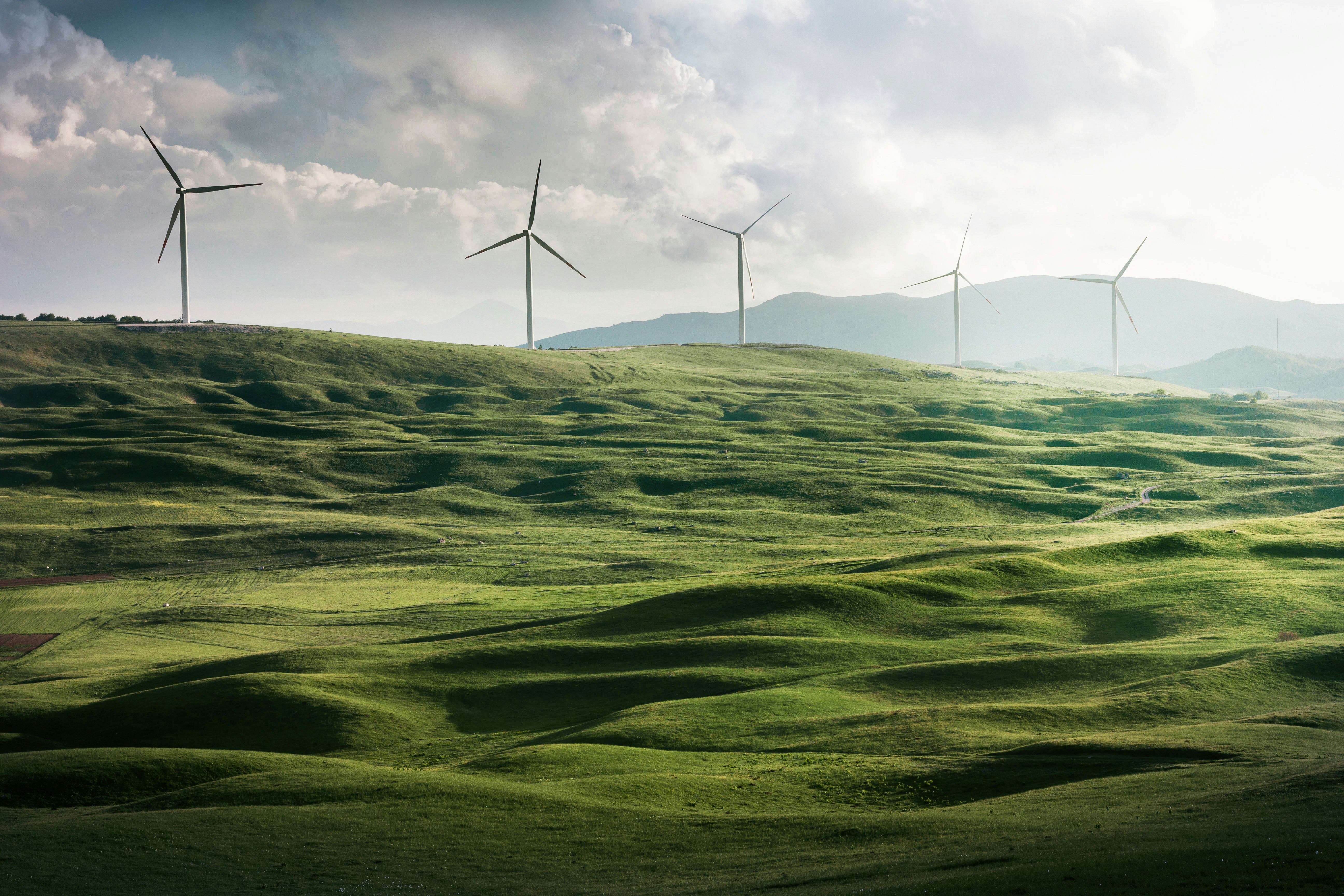
If you have suitable wind conditions in your area, installing a small wind turbine can be an effective way to generate renewable energy. Wind turbines work by converting the kinetic energy of the wind into electricity. While wind power may not be feasible for everyone, it can be a great option for those who live in rural or coastal regions with consistent wind speeds. It’s important to note that wind turbines require sufficient space and consideration of any local regulations or permits.
Install Geothermal Heating and Cooling
Geothermal heating and cooling systems utilize the consistent temperature of the earth to efficiently heat or cool your home. These systems circulate a fluid through underground pipes, exchanging heat with the earth to provide heating in the winter and cooling in the summer. Geothermal systems are highly efficient, dependable, and environmentally friendly. While the installation cost may be higher compared to traditional HVAC systems, the long-term energy savings and reduced carbon footprint make geothermal systems a worthwhile investment.
Reduce Water Usage
Install Low-Flow Fixtures
Conserving water is an essential aspect of creating an energy-efficient home. Installing low-flow fixtures, such as low-flow showerheads and faucets, can significantly reduce water usage without sacrificing comfort. These fixtures restrict the flow of water, minimizing water waste while maintaining adequate water pressure. By using less water, you not only reduce your water bills but also lessen the demand on energy-intensive water treatment and distribution processes.
Use Water-Efficient Appliances
Choosing water-efficient appliances, such as washing machines and dishwashers, can further contribute to a more energy-efficient home. Water-efficient appliances are designed to use less water while still providing effective cleaning performance. Look for appliances with high Water Efficiency Ratings (WER) or ENERGY STAR certification to ensure optimal water consumption. Additionally, consider running full loads to maximize the efficiency of your appliances and reduce the number of cycles.
Fix Leaks
Leaking faucets, pipes, or toilets can waste a significant amount of water over time. Even small leaks can add up and have a measurable impact on your water and energy bills. Regularly check for and promptly address any leaks in your home. Replace worn washers, repair or replace faulty pipes, and fix running toilets to prevent water waste. By maintaining a leak-free home, you can conserve water, save money, and create a more energy-efficient living environment.
Utilize Natural Lighting
Maximize Daylight
Using natural lighting is a simple yet effective way to reduce the need for artificial lighting and lower your energy consumption. Maximize natural light in your home by strategically placing windows, skylights, or solar tubes to allow sunlight to penetrate deep into your living spaces. Consider the orientation of your home, the placement of rooms, and the size and number of windows when optimizing natural lighting. By allowing more daylight into your home, you can create a brighter, more inviting space while minimizing energy usage.
Use Light Colors for Walls and Furniture
Choosing light-colored walls and furniture can further enhance natural lighting in your home. Light-colored surfaces reflect more light, making the room brighter and reducing the need for artificial lighting. Opt for light tones, such as whites, light grays, or pastels, when painting your walls or purchasing furniture. Light-colored flooring materials, such as light woods or light-colored carpeting, can also contribute to a brighter space. By utilizing light colors, you can make the most of natural light and create a visually appealing and energy-efficient interior.
Install Skylights or Solar Tubes
Installing skylights or solar tubes can provide a direct source of natural light, even in rooms without windows. Skylights are windows installed on the roof, while solar tubes are reflective tubes that capture sunlight from the roof and transfer it into the room. Both options offer additional natural lighting without sacrificing privacy, making them ideal for bathrooms, hallways, or rooms with limited exterior wall space. Consider consulting with a professional to determine the best placement and size for skylights or solar tubes in your home.
Improve Energy-Efficient Lighting
Switch to LED Bulbs
Switching to LED (Light Emitting Diode) bulbs is a simple and effective way to improve energy-efficient lighting in your home. LED bulbs use significantly less energy compared to traditional incandescent bulbs, while providing the same level of brightness. They also last much longer, reducing the frequency of bulb replacements. LED bulbs are available in a variety of shapes, sizes, and color temperatures, making them suitable for various lighting needs in your home. By replacing incandescent or CFL (Compact Fluorescent Lamp) bulbs with LED bulbs, you can save energy and enjoy long-lasting, high-quality lighting.
Use CFL Bulbs
While LED bulbs are more energy-efficient, CFL bulbs are still a viable option for energy-efficient lighting. CFL bulbs use less energy than incandescent bulbs and have a longer lifespan. They are available in different wattages and color temperatures, providing versatility for different lighting applications. CFL bulbs are most effective in areas where lighting is frequently used for extended periods, such as living rooms, kitchens, or home offices. By using CFL bulbs where appropriate, you can reduce energy consumption and lower your electricity bills.
Install Dimmers and Motion Sensors
Installing dimmer switches and motion sensors can further optimize energy-efficient lighting in your home. Dimmer switches allow you to adjust the brightness of your lights according to your needs, reducing energy consumption when lower lighting levels are sufficient. Motion sensors detect movement and automatically turn lights on or off, ensuring that lights are only in operation when needed. This eliminates the risk of lights being left on in unoccupied rooms, saving energy and increasing convenience. Consider installing dimmer switches and motion sensors in commonly used areas such as hallways, bathrooms, or outdoor lighting fixtures.

This image is property of images.unsplash.com.
Employ Energy-Efficient Landscaping
Plant Shade Trees
Strategic landscaping can play a significant role in creating an energy-efficient home. By planting shade trees around your property, you can block the direct sun and reduce the cooling load on your home, especially during hot summer months. Shade trees not only provide natural shade but also contribute to the overall aesthetics of your landscape. Consider the location of your windows and the path of the sun when selecting trees to ensure optimal shade without obstructing desired views or sunlight during colder months.
Use Native Plants
Incorporating native plants into your landscaping can help conserve water and reduce maintenance requirements. Native plants are adapted to the local climate, so they require less water and thrive without excessive use of fertilizers or pesticides. These plants are also beneficial for local ecosystems, attracting native birds, butterflies, and pollinators. Research native plants in your region and select those that best suit your landscape and personal preferences. By using native plants, you can create a beautiful, energy-efficient landscape while supporting biodiversity.
Install Drip Irrigation
Traditional sprinkler systems can result in significant water waste and inefficiency. Installing a drip irrigation system is a more efficient way to water your landscape. Drip irrigation delivers water directly to the root zone of plants, minimizing evaporation and reducing water loss due to wind or runoff. This targeted approach ensures that plants receive the right amount of water without wastage. Additionally, consider incorporating a rainwater collection system to capture and reuse rainwater for irrigation purposes. By implementing drip irrigation and utilizing collected rainwater, you can conserve water and maintain a lush, energy-efficient landscape.
Utilize Smart Home Technology
Install Smart Thermostats
Smart thermostats are revolutionizing home energy management. These devices allow you to control your heating and cooling systems remotely, set schedules, and adjust temperatures based on occupancy or outdoor conditions. Smart thermostats learn your preferences over time and optimize energy usage to maximize comfort while minimizing energy waste. Some models can even provide energy usage reports and suggestions for further energy savings. By installing smart thermostats, you can have greater control over your home’s energy consumption and reduce unnecessary heating or cooling.
Use Energy Monitoring Systems
Energy monitoring systems provide real-time feedback on your home’s energy usage, helping you identify areas of high consumption and make informed decisions about energy-efficient practices. These systems can track the energy usage of individual appliances or provide an overview of your home’s overall energy consumption. By visualizing your energy usage, you can make adjustments to reduce energy waste, such as switching off unnecessary appliances or identifying energy-hungry devices. Energy monitoring systems empower you to take control of your energy usage and create a more energy-efficient home.
Control Appliances Remotely
With the widespread adoption of smart home technology, controlling appliances remotely has never been easier. Connected appliances, such as smart lights, smart plugs, or smart power strips, allow you to turn off or adjust settings even when you’re away from home. By remotely controlling appliances, you can avoid unnecessary energy usage, such as leaving lights or electronics on when not needed. You can also schedule appliances to operate during off-peak hours or use energy-saving modes to further reduce energy consumption. By embracing smart home technology, you can enjoy the convenience of remote control and enhance energy efficiency in your home.
In conclusion, creating an energy-efficient home involves a combination of smart choices and upgrades that can significantly reduce your energy consumption and lower your utility bills. By effectively insulating your home, upgrading to energy-efficient windows, optimizing heating and cooling systems, choosing energy-efficient appliances, harnessing renewable energy, reducing water usage, utilizing natural lighting, improving energy-efficient lighting, employing energy-efficient landscaping, and embracing smart home technology, you can create a comfortable and eco-friendly living space. An energy-efficient home not only benefits you financially but also contributes to a more sustainable future. So, start implementing these energy-saving measures today and enjoy the benefits for years to come.
This image is property of images.unsplash.com.