Creating a home that is not only stylish but also accommodating for your furry friends may seem like a daunting task, but fear not! In this article, we will explore various tips and tricks on how you can design a pet-friendly home that will not only make your four-legged companions feel comfortable and safe but will also enhance the overall aesthetic of your space. From choosing the right furniture to incorporating pet-friendly materials, we have got you covered. So, get ready to embark on a journey of creating a harmonious living space that both you and your pets will love.
Choosing Flooring
When it comes to selecting flooring for your pet-friendly home, there are several options to consider. Each type of flooring has its own advantages and disadvantages, so it’s important to evaluate your needs and preferences before making a decision.
Types of pet-friendly flooring
One popular choice for pet-friendly flooring is laminate. Laminate flooring is durable, scratch-resistant, and easy to clean, making it ideal for homes with pets. Another excellent option is vinyl flooring. Vinyl is known for its water resistance and durability, making it a great choice for areas where accidents are more likely to occur, such as kitchens or bathrooms. If you prefer a more natural look, consider hardwood flooring. While it may require more maintenance and be susceptible to scratches, hardwood can add a touch of elegance to your pet-friendly home.
Considerations for flooring
When choosing pet-friendly flooring, it’s essential to consider factors such as durability, scratch resistance, and ease of cleaning. Some flooring options may be more prone to scratches or stains caused by your furry friends, so it’s crucial to select a flooring material that can withstand the wear and tear that comes with pets. Additionally, consider the level of traction provided by the flooring. Pets, especially dogs, may have difficulty walking on slippery surfaces. Opting for flooring with a textured finish can help prevent slips and accidents.
Caring for pet-friendly flooring
While pet-friendly flooring is designed to be durable and easy to clean, regular maintenance is still necessary to keep it in top condition. Sweep or vacuum your floors regularly to remove pet hair and debris, and promptly clean up any accidents to prevent stains. Use pet-friendly cleaning products that won’t harm your flooring or your pet. Avoid using harsh chemicals that may leave a residue or pose a risk to your furry companion’s health. Finally, trim your pet’s nails regularly to prevent scratches on the flooring surface.
Creating a Safe Environment
Ensuring a safe environment for your pets is crucial in designing a pet-friendly home. There are several measures you can take to create a space that is secure and free from potential hazards.
Eliminating toxic plants
Some plants can be toxic to pets if ingested. Before bringing plants into your home, ensure that they are safe for your furry friends. Research pet-friendly plant options or consult with a veterinarian to ensure the plants in your home won’t pose a risk to your pet’s health. It’s better to be safe than sorry when it comes to the plants in your home.
Securing electrical cords
Pets, especially puppies and kittens, have a tendency to chew on things, including electrical cords. To prevent your pets from getting injured or causing electrical damage, secure cords and keep them out of their reach. You can use cord covers, cord clips, or even tape to secure cords against walls or furniture. Alternatively, you may consider tucking cords behind furniture or using cordless options where possible.
Storing chemicals and toxic substances
Ensure that all household chemicals and toxic substances are securely stored out of reach of your pets. Cleaning products, pesticides, and even certain foods may be toxic to animals. Store these items in locked cabinets or high shelves to prevent accidental ingestion. Additionally, be cautious when using chemicals or pesticides around your pets, as exposure to these substances can be harmful to their health.
Creating designated pet areas
Designating specific areas in your home for your pets can help keep them safe while also providing them with a sense of their own space. Consider setting up pet gates or barriers to restrict access to certain parts of your home, such as staircases or rooms that are off-limits. Creating a designated pet area, such as a cozy corner with their bed and toys, can also help your pet feel secure and comfortable.

This image is property of images.unsplash.com.
Selecting Furniture and Fabrics
Choosing the right furniture and fabrics is essential when designing a pet-friendly home. By selecting materials that are durable and easy to clean, you can ensure that your furniture stays in good condition, even with a pet around.
Choosing pet-friendly fabrics
When it comes to selecting fabrics for your furniture, opt for materials that are resistant to stains and easy to clean. Fabrics such as microfiber or leather are excellent choices, as they are durable and stain-resistant. If you prefer a softer fabric, look for furniture covers that are removable and machine-washable. This way, if any accidents or spills occur, you can quickly and easily clean the fabric without worrying about permanent stains.
Furniture designs for pets
Incorporating furniture designs specifically made for pets can give your furry friends their own comfortable spaces. Look for pet-friendly furniture options such as pet beds or pet-friendly sofas. These furniture pieces often come with features such as removable and washable covers, built-in scratching posts, or hidden compartments for storing pet toys. By providing your pets with their own furniture, you can prevent them from scratching or damaging your existing furniture.
Protective covers and blankets
Using protective covers and blankets is another effective way to keep your furniture safe from pet-related messes. Place a blanket or cover on your furniture to protect it from fur, scratches, or accidents. Opt for materials that are easy to clean, such as those made from waterproof fabrics. Additionally, consider using slipcovers for your couches or chairs, as they can be easily removed and cleaned whenever necessary.
Establishing a Pet-Friendly Sleeping Area
Creating a comfortable and safe sleeping area for your pets is essential for their overall well-being. By selecting the right bedding, choosing appropriate sleeping locations, and creating a peaceful atmosphere, you can ensure that your furry friends get the rest they need.
Providing comfortable bedding
Just like you, your pets need a cozy and comfortable place to sleep. Invest in quality pet beds or cushions that provide ample support and comfort. Consider your pet’s size, breed, and sleeping preferences when choosing the right bedding. Some pets may prefer a fluffy bed, while others might enjoy a firmer surface. Ensure that the bedding is easy to clean, as accidents or spills may occur.
Choosing appropriate sleeping locations
While it’s tempting to allow your pet to sleep anywhere they please, it’s important to establish appropriate sleeping locations. Avoid allowing your pet to sleep on your bed, as this can disrupt your sleep and potentially lead to behavioral problems. Instead, designate specific sleeping spots for your pets, such as their own beds or sleeping mats. Place these sleeping areas in quiet and comfortable corners of your home, away from any distractions or noise.
Creating a peaceful atmosphere
Pets, just like humans, benefit from a calm and peaceful sleeping environment. Minimize loud noises or disturbances that may disrupt your pet’s sleep. Consider using noise-cancelling curtains or white noise machines to create a serene atmosphere. Additionally, dimming the lights or using nightlights can help your pet feel secure and relaxed during sleep. Creating a peaceful sleeping area will ensure that your pet gets the quality rest they need to stay healthy and happy.

This image is property of images.unsplash.com.
Designing Pet-Friendly Outdoor Spaces
If you have a pet, designing a pet-friendly outdoor space is just as important as creating a pet-friendly interior. By installing proper fencing, providing shade and shelter, designing a pet-friendly garden, and offering play and exercise areas, you can create a safe and enjoyable outdoor environment for your furry companion.
Installing proper fencing
One of the first steps in designing a pet-friendly outdoor space is installing appropriate fencing. Ensure that your existing fence or any new fence you install is secure and tall enough to prevent your pet from escaping. Consider materials such as vinyl or wood that are durable and can withstand your pet’s playful behaviors. Additionally, inspect your fence regularly for any potential gaps or damage to ensure your pet remains safe within the designated area.
Creating shade and shelter
Pets need protection from the elements, especially during hot summers or inclement weather. Provide shaded areas in your outdoor space where your pets can retreat to when it’s sunny or hot outside. This can be achieved through the use of outdoor umbrellas, shades, or even planting trees that provide natural shade. Additionally, consider creating a sheltered space, such as a pet house or covered porch, where your pet can find refuge during rain or colder temperatures.
Designing a pet-friendly garden
Creating a pet-friendly garden involves careful consideration of the plants and landscaping features you choose. Avoid using toxic plants or flowers that may harm your pets if ingested. Some common plants that are toxic to pets include lilies, daffodils, and azaleas. Opt for pet-safe alternatives such as lavender, sunflowers, or catnip. Additionally, provide designated areas for your pet to relieve themselves, such as a small section of gravel or mulch. This will help prevent your pet from damaging the rest of your garden.
Providing play and exercise areas
Pets require regular exercise and playtime to maintain their physical and mental well-being. Designate specific areas in your outdoor space for play and exercise. This can include installing agility equipment, such as ramps or tunnels, or setting up obstacle courses. Additionally, provide plenty of toys and interactive games to keep your pet entertained. Remember to supervise your pet during outdoor playtime to ensure their safety and prevent them from wandering off.
Considering Pet-Friendly Materials
When designing a pet-friendly home, the choice of materials used throughout your space is essential. By selecting non-toxic materials, avoiding sharp edges and corners, and choosing easy to clean surfaces, you can ensure a safe and comfortable environment for both you and your furry friends.
Selecting non-toxic materials
Pets are curious creatures that may explore their surroundings with their mouths. To prevent any unintended harm, select non-toxic materials for your home. When choosing paint, flooring, or furniture, look for products that are labeled as pet-safe or low in volatile organic compounds (VOCs). These materials are less likely to emit harmful fumes or chemicals that could negatively impact your pet’s health.
Avoiding sharp edges and corners
Pets, especially small or energetic ones, can easily injure themselves on furniture or fixtures with sharp edges or corners. When selecting furniture or other items for your home, choose those with rounded or softened edges. This will help prevent accidents or injuries, ensuring a safe environment for your pets to roam freely.
Choosing easy to clean surfaces
Accidents happen, and pet-friendly homes need to be equipped with surfaces that are easy to clean. Opt for materials such as tile, laminate, or vinyl flooring that can withstand spills and accidents. Avoid materials like carpeting that may trap odors or stains and can be more challenging to clean. Similarly, choose furniture with removable and washable covers or surfaces that can be easily wiped down.

This image is property of images.unsplash.com.
Minimizing Noise and Stress
Pets, like humans, can become stressed by loud noises or excessive commotion. By implementing soundproofing solutions, creating quiet spaces, and utilizing calming techniques, you can help minimize noise and stress in your pet-friendly home.
Soundproofing solutions
If your pet is particularly sensitive to noise, consider implementing soundproofing strategies in your home. This can involve installing sound-absorbing materials such as acoustic panels or curtains to reduce noise transmission. Additionally, use flooring materials that minimize noise, such as carpet with a sound-absorbing underlay. By reducing the impact of external noise, you can create a more peaceful environment for your pets.
Creating quiet spaces
Pets often appreciate having quiet areas to retreat to when they need some alone time or relaxation. Designate a specific room or corner in your home as a quiet space for your pet. This area should be free from loud noises, distractions, or foot traffic. Furnish the space with comforting elements such as a cozy bed, soft lighting, or calming scents. Encourage your pet to use this space whenever they feel stressed or overwhelmed.
Implementing calming techniques
There are various techniques you can use to help calm your pets during stressful situations. For example, playing soothing music or using white noise machines can help mask external noises and create a calming effect. Additionally, using aromatherapy diffusers with pet-safe essential oils, such as lavender or chamomile, can help promote relaxation. Consult with your veterinarian for additional calming techniques that are safe and suitable for your specific pet.
Addressing Pet Odors
With pets comes the inevitable presence of odors. However, there are measures you can take to address and minimize these odors, ensuring a fresh and pleasant-smelling home.
Choosing odor-resistant materials
When selecting materials for your home, consider those that are resistant to odors. Some flooring options, such as tile or laminate, are less likely to trap odors compared to carpeting. Similarly, choose furniture with odor-resistant fabrics or use protective covers that can be easily removed and washed. Opt for pet-safe air fresheners or odor neutralizers that help eliminate pet odors without posing any harm to your pets.
Regular cleaning and ventilation
Regular cleaning is essential in addressing and preventing pet odors. Vacuum or sweep your floors regularly to remove pet hair and dander, as these can contribute to unpleasant smells. Clean your pet’s bedding, toys, and litter boxes frequently to reduce odor build-up. Additionally, ensure proper ventilation in your home by opening windows or using air purifiers to circulate clean air and remove stale odors.
Using pet-friendly odor neutralizers
If you’re dealing with persistent pet odors, consider using pet-friendly odor neutralizers. Look for products specifically formulated to eliminate pet odors rather than masking them with heavy fragrances. Opt for natural solutions whenever possible to minimize any potential harm to your pets.
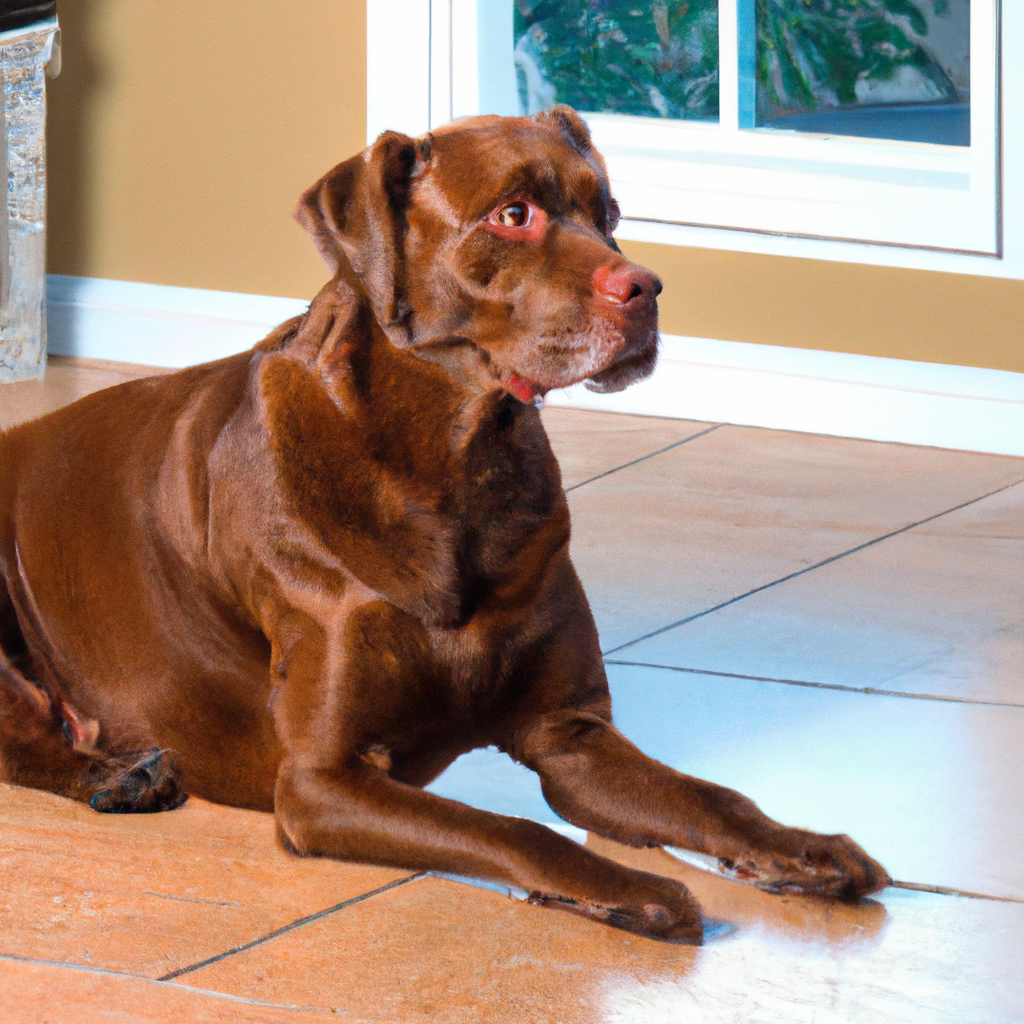
Pet-Friendly Storage and Organization
In a pet-friendly home, it’s essential to have a designated space for storing your pet’s supplies. By designating storage spaces, organizing pet essentials, and creating accessible feeding areas, you can ensure everything is kept tidy and accessible.
Designating storage spaces for pet supplies
Having dedicated storage spaces for your pet’s supplies can help keep your home organized while also ensuring that everything is easily accessible. Allocate specific cabinets or shelves for items such as food, treats, toys, grooming supplies, and medication. This will prevent these items from cluttering up your living space while making it convenient for you to find what you need when taking care of your pet.
Organizing pet essentials
Keeping your pet’s essentials organized is key to maintaining a well-functioning pet-friendly home. Use storage bins or containers to neatly store items such as leashes, collars, and grooming tools. Label each container for easy identification and accessibility. Having a designated spot for each item not only saves you time when searching for something but also ensures that your pet’s supplies are kept in good condition.
Creating accessible feeding areas
Pets thrive on routine, and having a designated feeding area can help maintain a consistent schedule. Choose a specific spot in your home to serve as your pet’s feeding station. Place food and water bowls in this area and ensure it is easily accessible for your pets. Consider using elevated feeding stations, especially for larger dogs, to promote proper digestion and reduce strain on their necks and backs. Keep this area clean and organized, making it easy to replenish food and water as needed.
Considering Safety and Security
Providing a safe and secure environment for your pets should be a top priority when designing a pet-friendly home. By installing pet gates and barriers, ensuring windows and balconies are secure, and having an emergency plan in place, you can protect your pets from potential hazards.
Installing pet gates and barriers
Pet gates and barriers are effective tools for keeping your pets safe by restricting their access to certain areas. Install pet gates at the top and bottom of staircases to prevent falls or accidents. Use gates or barriers to block off rooms that may have potential hazards, such as the kitchen or laundry area. Opt for sturdy gates that are tall enough to prevent your pets from jumping or climbing over them. This way, you can create a secure environment for your pets to roam freely within designated areas.
Ensuring windows and balconies are secure
Windows and balconies can pose a threat to your pets’ safety if not properly secured. Ensure that all windows are equipped with sturdy screens or window guards to prevent your pets from falling out. For balconies, consider installing mesh or clear barriers that will prevent your pets from slipping through the railing or getting stuck. Regularly inspect these safety measures to ensure they remain intact and in good condition.
Emergency preparedness for pets
Just as you should have an emergency plan for your family, it’s important to include your pets in your preparedness efforts. Keep a supply of essential items such as food, water, medication, and comfort items in an easily accessible location. Make sure your pets are properly identified with collars and tags or microchipping. Keep a list of emergency contacts, including local animal shelters or veterinary clinics. Additionally, familiarize yourself with pet-friendly evacuation routes and shelters in your area in case of emergencies such as natural disasters.
In conclusion, designing a pet-friendly home requires careful consideration of various factors to ensure the safety, comfort, and well-being of your furry friends. From choosing the right flooring and furniture materials to creating designated areas for your pets and addressing specific needs like sleep or play, taking the time to create a pet-friendly environment will result in a happy and harmonious home for both you and your pets.