
Are you looking to create a harmonious and balanced atmosphere in your living space? If so, incorporating feng shui principles might be just what you need. By understanding the ancient Chinese art of arranging objects and living spaces, you can not only enhance the energy flow in your home but also promote a sense of calm and serenity. From decluttering and organizing to arranging furniture and choosing colors, this article will guide you on how to bring the principles of feng shui into your living space and create a peaceful sanctuary that promotes positive energy and well-being.
Clearing the Space
In order to incorporate feng shui principles into your living space, it’s important to start by clearing the space of any clutter. Clutter can create a stagnant and chaotic energy, making it difficult for positive chi to flow freely. Take the time to declutter your living environment, removing any items that are no longer necessary or bring negative energy. By creating a clean and open space, you are allowing for positive energy to enter and circulate throughout your home. So, roll up your sleeves and get ready to tackle that clutter!
Remove Clutter
One of the first steps in feng shui is to remove clutter from your home. As you go through your belongings, be honest with yourself and ask if each item brings you joy and positive energy. If not, it may be time to let go and create space for new opportunities in your life. Remember, a clutter-free environment will allow for the free flow of energy and create a sense of peace and tranquility.
Clear Out Old or Stagnant Energy
In addition to physical clutter, it’s important to clear out any old or stagnant energy in your living space. This can be done through various methods such as smudging with sage, ringing a bell, or using sound therapy. By clearing out old energy, you are creating a fresh and vibrant environment for positive energy to thrive. So, take the time to cleanse your space and invite in new, positive energy.
Open the Windows
Another important step in feng shui is to open the windows and let fresh air circulate throughout your home. Fresh air brings in new energy and helps clear any stagnant or negative energy that may be lingering. By allowing natural light and fresh air to enter your space, you are creating a healthy and uplifting environment. So, throw open those windows and let the energy flow!
Clean and Organize
Lastly, cleaning and organizing your living space is essential in feng shui. A clean and well-organized home represents a clear and focused mind. Take the time to clean your home regularly, keeping surfaces and floors free from dust and dirt. Additionally, create designated storage spaces for your belongings to maintain an organized and clutter-free environment. By keeping your space clean and organized, you are allowing for positive energy to flow freely and create a harmonious living environment.
Arranging Furniture
Once you have cleared and organized your living space, it’s time to consider the arrangement of your furniture. Feng shui principles can help create a harmonious and balanced layout that promotes positive energy flow.
Create a Focal Point
Start by creating a focal point in each room. This can be a fireplace, piece of artwork, or even a beautiful window view. A focal point draws the eye and creates a sense of grounding and stability.

This image is property of images.pexels.com.
Arrange Furniture in a Commanding Position
Next, arrange your furniture in a commanding position. This means positioning key pieces, such as the bed or desk, in a way that allows you to see the door without being directly in line with it. This placement promotes a sense of security and empowerment.
Use Round or Curved Shapes
When selecting furniture, consider incorporating round or curved shapes. These shapes promote a sense of harmony and softness, creating a more inviting and nurturing environment. Avoid sharp or pointed edges, as they can create negative energy.
Allow for Free Flow of Energy
Lastly, ensure that your furniture arrangement allows for a free flow of energy throughout the room. Avoid blocking pathways or creating obstacles that hinder the flow of chi. By allowing energy to move freely, you are promoting a harmonious and balanced living space.
Color Choices
Color choices play a significant role in feng shui, as different colors can evoke specific energies and emotions. Consider the following principles when selecting colors for your living space.
Choose Soothing Colors
When it comes to feng shui, it’s important to choose soothing colors that promote relaxation and tranquility. Soft blues, greens, and neutrals are excellent choices for creating a calming and peaceful environment. These colors can help reduce stress and promote a sense of harmony within your living space.
Consider the Five Elements
In feng shui, the five elements (wood, fire, earth, metal, and water) are essential for creating balance and harmony. Each element is associated with specific colors that can be incorporated into your living space. For example, wood is associated with greens and browns, fire with reds and oranges, earth with yellows and earth tones, metal with whites and grays, and water with blues and blacks. By incorporating the colors of these elements, you can create a well-balanced and harmonious environment.
Balance Yin and Yang
In feng shui, yin and yang represent the balance of feminine and masculine energy. When it comes to color choices, it’s important to balance these energies within your living space. For example, if you have a predominantly yang (masculine) room with dark colors, balance it with yin (feminine) colors such as soft pinks or pastels. Creating a balance of yin and yang colors promotes harmony and creates a sense of unity within your living environment.

This image is property of images.pexels.com.
Use Color to Activate or Calm Energy
Lastly, you can use color to activate or calm energy within your living space. Warm colors such as reds and oranges can be used to activate and energize a room, while cool colors such as blues and greens can be used to calm and relax. Consider the function of each space within your home and choose colors accordingly to create the desired energy and atmosphere.
Lighting
Lighting is an essential aspect of feng shui, as it plays a significant role in creating the desired energy within a space.
Bring in Natural Light
One of the best ways to incorporate feng shui lighting principles is by bringing in natural light. Open your curtains, blinds, or shades during the day to allow sunlight to flood into your home. Natural light not only enhances the energy flow but also uplifts the mood and creates a vibrant and lively atmosphere.
Choose Soft, Diffused Lighting
When it comes to artificial lighting, opt for soft and diffused lighting options. Harsh or overhead lighting can create a harsh and uninviting atmosphere. Instead, choose lamps with soft or frosted shades, as they provide a gentle and warm glow. This type of lighting creates a cozy and soothing ambiance, perfect for relaxation and unwinding.
Minimize Harsh or Overhead Lighting
As mentioned earlier, it’s important to minimize the use of harsh or overhead lighting. These types of lighting can create a disruptive and unbalanced energy within a space. Instead, focus on creating a layered lighting scheme that incorporates a mix of ambient, accent, and task lighting. This allows for flexibility in creating various moods and atmospheres within your living space.
Use Candles or Salt Lamps
To further enhance the energy within your living space, consider incorporating candles or salt lamps. Candles create a warm and intimate atmosphere while adding a natural element to your space. Salt lamps, on the other hand, emit a soft and soothing glow that can help cleanse the energy in your home. Both options add a touch of tranquility and promote a peaceful environment.
Mirrors
Mirrors are a powerful tool in feng shui, as they can be used to reflect and manipulate energy within a space.

This image is property of images.pexels.com.
Place Mirrors Strategically
When placing mirrors in your living space, it’s important to be strategic. Mirrors should be placed in a way that they reflect positive energy and bring light into a room. They can be used to amplify natural light by reflecting it, making a space feel brighter and more expansive. However, be cautious of placing mirrors in a way that they reflect clutter or negative energy, as this can further amplify the negativity within your space.
Avoid Placing Mirrors Facing the Bed
In feng shui, it is generally advised to avoid placing mirrors directly facing the bed. This is believed to create a sense of restlessness and may disrupt the quality of sleep. If you have a mirror in your bedroom, make sure it is not reflecting the bed or any part of your body while you are sleeping.
Use Mirrors to Reflect Positive Energy
Instead, use mirrors strategically to reflect positive energy throughout your living space. Place mirrors in a way that they reflect beautiful views, artwork, or sources of natural light. This will help enhance the energy flow and create a more vibrant and uplifting environment.
Keep Mirrors Clean and Intact
Lastly, make sure to keep your mirrors clean and intact. A dirty or broken mirror can create distorted or stagnant energy within your space. Regularly clean your mirrors to ensure they are reflecting clear and positive energy.
Plants and Natural Elements
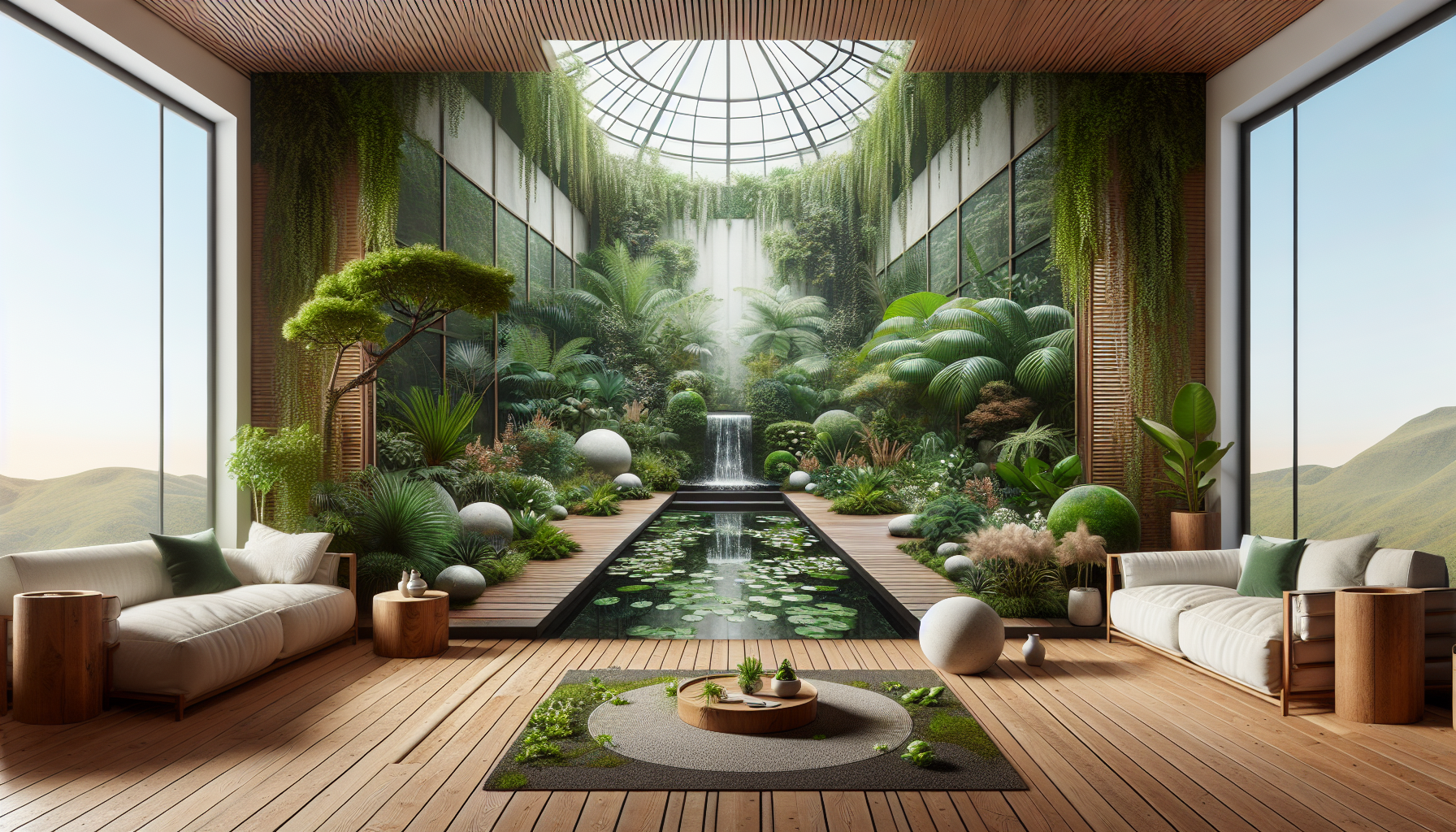
Incorporating plants and natural elements into your living space is an excellent way to connect with nature and promote positive energy flow.
Introduce Living Plants
One of the easiest ways to incorporate natural elements is by introducing living plants into your home. Plants not only add a touch of greenery but also release oxygen and improve indoor air quality. Choose plants that have rounded leaves, as these are believed to create a soothing and harmonious energy. Some popular feng shui plants include the snake plant, peace lily, and bamboo palm.
Place Plants in Appropriate Areas
When placing plants in your living space, it’s important to consider their placement according to feng shui principles. Different areas of your home correspond to different aspects of your life, so choose plants that align with your intentions. For example, placing a money plant in the wealth corner of your home can help attract abundance and prosperity.
Incorporate Natural Materials
In addition to plants, consider incorporating other natural materials such as wood, stone, or water features. These materials help create a sense of grounding and balance within your living space. Choose furniture or decor made from natural materials to add texture and promote a connection to the earth.
Bedroom Feng Shui
When it comes to feng shui principles for the bedroom, creating a peaceful and nurturing atmosphere is key.
Position the Bed Correctly
The position of your bed plays a significant role in bedroom feng shui. It is recommended to position the bed against a solid wall that provides support and stability. Avoid placing the bed under a window, as this can disrupt the energy flow and create a sense of restlessness. Additionally, ensure there is a clear pathway around the bed to promote a sense of ease and accessibility.
Create a Peaceful and Nurturing Atmosphere
In the bedroom, focus on creating a peaceful and nurturing atmosphere. Choose soft and soothing colors, such as blues or pastels, to promote relaxation and sleep. Incorporate elements of nature, such as plants or natural materials, to enhance the calming energy. Remove any electronics from the bedroom to create a sanctuary free from distractions. By creating a peaceful and nurturing environment, you are setting the stage for restful sleep and rejuvenation.
Remove Electronics from the Bedroom
In the age of technology, it’s important to create a separation between work and rest. Remove any electronics, such as televisions, computers, or smartphones, from the bedroom. These devices emit electromagnetic frequencies that can interfere with your sleep and disrupt the natural flow of energy within the space. Instead, create a restful sanctuary by focusing on calming elements and promoting relaxation.
Ensure Good Air Quality
Lastly, ensure good air quality in your bedroom. Use natural ventilation whenever possible, opening windows to allow fresh air to circulate. Consider incorporating air-purifying plants, such as aloe vera or peace lilies, to improve the quality of the air you breathe while you sleep. Good air quality promotes a sense of well-being and enhances the overall feng shui of your bedroom.
Home Office Feng Shui
Creating a harmonious and productive home office is essential for your overall well-being and success. Incorporate these feng shui principles to optimize your workspace.
Designate a Specific Workspace
When working from home, it’s important to designate a specific workspace that is separate from your living areas. This helps create a clear boundary between work and personal life, promoting focus and productivity. Avoid working from your bedroom or any high-traffic areas, as these spaces can be distracting and disrupt the flow of energy.
Position the Desk for Success
Positioning your desk in a way that promotes success is key in home office feng shui. Ideally, your desk should be placed in a commanding position, allowing you to see the door while seated. If possible, position your desk so that you have a view of nature or a pleasant wall. This creates a sense of empowerment and fosters positive energy flow within your workspace.
Organize and Declutter Regularly
A cluttered and disorganized workspace can hinder productivity and create a sense of overwhelm. Take the time to regularly declutter and organize your home office. Remove any unnecessary items, file paperwork, and create designated storage spaces. By keeping your workspace clean and organized, you create a clear and focused mind, allowing for better concentration and creativity.
Bring in Elements of Nature
Incorporate elements of nature into your home office to create a sense of balance and harmony. Place a small plant on your desk or nearby to promote natural energy flow and improve indoor air quality. Consider incorporating natural materials, such as wooden desk accessories or stone decor, to add texture and connect with the earth element. These natural elements provide a grounding influence and promote a sense of stability and well-being.
Kitchen Feng Shui
The kitchen is often referred to as the heart of the home, and incorporating feng shui principles can enhance the energy and harmony within this essential space.
Keep the Kitchen Clean and Organized
A clean and organized kitchen is the foundation of good feng shui. Create designated spaces for each kitchen item, ensuring that countertops, cabinets, and drawers are kept tidy. Avoid overcrowding your kitchen with unnecessary gadgets or appliances, as this can create a sense of chaos and hinder the flow of energy.
Balance the Elements in the Kitchen
In feng shui, it’s important to balance the five elements in the kitchen to promote harmony. The kitchen is primarily associated with the fire element due to cooking, so it’s important to balance it with the other four elements. Incorporate earth elements, such as earthenware or natural stone countertops, to create a sense of grounding. Use metal elements, such as stainless steel appliances or utensils, to bring a sense of precision and focus. Finally, introduce water elements, such as a small fountain or a blue color scheme, to promote a sense of calm and flow.
Position the Stove Strategically
The stove holds significant importance in feng shui, representing wealth and abundance. Position your stove in a commanding position, ideally against a solid wall with a clear view of the kitchen entrance. Avoid placing the stove directly across from the sink or refrigerator, as this can create a clash of elements. Additionally, keep your stove clean and in good working condition, as a well-maintained stove promotes positive energy and supports nourishment for you and your family.
Create a Pleasant Dining Area
The dining area in your kitchen should be a welcoming space where the family can gather and enjoy nourishing meals. Choose comfortable seating and create a warm atmosphere with lighting, candles, and soft music. Remove any clutter from the dining table, allowing for a free flow of energy during mealtime. By creating a pleasant dining area, you are encouraging positive energy and enhancing the experience of sharing meals with loved ones.
Bed Placement
The placement of your bed is crucial in promoting restful sleep and a harmonious living environment. Consider these feng shui principles when positioning your bed.
Avoid Placing the Bed Under a Window
When it comes to feng shui, it’s generally advised to avoid placing your bed under a window. This is believed to disrupt the flow of energy and create a sense of restlessness. If your bed is currently positioned under a window, consider moving it to a solid wall for a more grounded and restful sleep.
Position the Bed Against a Solid Wall
Ideally, your bed should be positioned against a solid wall for stability and support. This creates a sense of security and allows for a restful and rejuvenating sleep. However, if it’s not possible to position your bed against a wall, use a sturdy headboard to create a sense of stability and grounding.
Ensure a Clear Pathway Around the Bed
It’s important to have a clear pathway around the bed to promote a healthy and balanced energy flow. Avoid positioning your bed in a cramped or tight space that obstructs movement. Instead, create a sense of openness and spaciousness by allowing for easy access around your bed.
Consider a Bed with a Solid Headboard
A bed with a solid headboard is believed to provide support and stability in feng shui. The headboard represents the element of wood and helps ground the bed, creating a sense of security and protection. If your bed doesn’t have a headboard, consider adding one to enhance the overall feng shui of your bedroom.
Incorporating feng shui principles into your living space can significantly enhance the flow of positive energy and create a harmonious and balanced environment. By following these guidelines for clearing space, arranging furniture, choosing colors, incorporating lighting, using mirrors, adding plants and natural elements, and considering the placement of key elements in specific rooms, you can create a living space that nurtures your mind, body, and spirit. Embrace the principles of feng shui and watch as your home becomes a sanctuary of positive energy and well-being.