
Imagine walking into a room filled with warm, natural light, bringing a sense of cheerfulness and tranquility. But what if that room lacks the abundance of windows typically associated with such a bright and airy space? Don’t despair, for there are indeed ways to infuse your room with the benefits of natural light, even without many windows. Whether you’re working with a small space, a basement, or simply a room that’s lacking in windows, this article will provide you with creative and practical ideas to effortlessly incorporate natural light and transform your space into a welcoming oasis.
Choose a Light Color Palette
Use light-colored paint on walls
One of the most effective ways to incorporate natural light into a room without many windows is to choose a light color palette. Start by using light-colored paint on the walls. Light colors, such as whites, creams, and pastels, have the ability to reflect and amplify whatever natural light is available in the room. This creates a bright and airy atmosphere, making the space feel more open and welcoming.
Opt for light-colored flooring
In addition to light-colored walls, opt for light-colored flooring. Whether you choose hardwood, laminate, or tile, lighter shades will help to enhance the natural light that enters the room. Light-colored flooring acts as another reflective surface, bouncing light around the space and making it appear larger. It also creates a clean and fresh aesthetic, adding to the overall brightness of the room.
Select light-colored furniture and accessories
To further enhance the natural light in a room, select light-colored furniture and accessories. Choosing pieces in shades of white, beige, or pastels will contribute to the overall light and airy feeling. Lighter furniture reflects more light, creating a sense of space and openness. Additionally, consider incorporating accessories with reflective surfaces, such as glass or mirrored accents, to maximize the impact of natural light in the room.
Hang Mirrors Strategically
Place mirrors opposite existing windows
Mirrors are a fantastic tool for increasing natural light in a room without many windows. By strategically placing mirrors opposite existing windows, you can effectively double the amount of natural light that enters the space. This technique works by reflecting the natural light from the window back into the room, bouncing it off the mirror and spreading it throughout the space. The result is a brighter and more illuminated room.
Use large mirrors or mirrored furniture
To maximize the natural light effect, consider using large mirrors or incorporating mirrored furniture. Large mirrors have a greater surface area to reflect light, making them particularly effective at amplifying the amount of natural light in a room. Mirrored furniture, such as dressers or coffee tables, also helps to bounce light around the space, creating a brighter and more open ambiance.
Reflect light from lamps or other light sources
Mirrors aren’t just limited to reflecting natural light. They can also be used to reflect light from lamps or other light sources in the room. By strategically placing mirrors near light fixtures, you can redirect and amplify the artificial light, making it appear as if there are more light sources in the room. This technique is especially useful in the evenings or in rooms that lack adequate natural light, ensuring a well-lit and inviting atmosphere.

This image is property of images.pexels.com.
Install Skylights
Consider adding skylights to the ceiling
If you’re looking to infuse a room without many windows with natural light, consider adding skylights to the ceiling. Skylights are windows installed in the roof that bring in significant amounts of natural light from the outdoors. They can dramatically transform a room by introducing a direct source of daylight. When strategically placed, skylights can make a room feel brighter, more spacious, and connected to the outdoor environment.
Opt for fixed or vented skylights depending on the room’s requirements
When choosing skylights for your room, you have the option of selecting fixed or vented skylights. Fixed skylights are stationary and do not open, allowing only natural light to enter the space. They are ideal for rooms that primarily require daylighting, such as living rooms or offices. Vented skylights, on the other hand, can be opened to allow fresh air to circulate while still providing ample natural light. These are a great option for rooms like kitchens or bathrooms that may benefit from both light and ventilation.
Ensure proper insulation around skylights
While skylights offer an excellent solution for increasing natural light, it’s important to ensure they are properly insulated. Proper insulation helps to prevent any heat gain or loss, ensuring your room remains comfortable year-round. Additionally, by choosing energy-efficient skylights with low-emissivity glass, you can further reduce heat transfer and block harmful UV rays. This ensures that your skylights not only flood your room with natural light but also maintain an optimal temperature.
Utilize Window Treatments Effectively
Opt for sheer curtains or blinds
Window treatments play a crucial role in controlling the amount of natural light that enters a room without many windows. For those seeking to maximize natural light, opting for sheer curtains or blinds is a wise choice. Sheer fabrics allow a sufficient amount of light to filter through while still providing privacy. By utilizing sheer curtains or blinds, you can enjoy natural light while enjoying a soft, diffused glow in your space.
Hang curtains higher and wider to create the illusion of larger windows
To enhance the appearance of natural light and create the illusion of larger windows, consider hanging curtains higher and wider than the actual window frame. This technique allows more natural light to enter the room as it exposes a greater portion of the window. By extending the curtain rod beyond the width of the window, you can make the window appear longer and create a sense of grandeur. This optical trickery maximizes the impact of natural light and creates the illusion of a more expansive view.
Choose light-colored window treatments
When selecting window treatments for a room with limited windows, it’s crucial to choose light-colored options. Light-colored curtains or blinds reflect more natural light, brightening up the space. Opt for shades of white, cream, or pastels to create a bright and airy atmosphere. Darker window treatments tend to absorb light and can make a room feel smaller and dimmer, whereas lighter options will enhance the natural light and make the room feel more open and inviting.

This image is property of images.pexels.com.
Use Light-Reflecting Surfaces
Select glossy or metallic finishes for furniture and decor
To maximize the impact of natural light in a room, select furniture and decor with glossy or metallic finishes. These surfaces have a reflective quality that bounces natural light around the space, making it appear brighter and more illuminated. Consider incorporating items such as mirrored coffee tables, metallic vases, or glossy finish cabinets. These light-reflecting surfaces create a sense of depth and luminosity, enhancing the overall visual appeal of the room.
Incorporate glass or mirrored surfaces
Another effective way to utilize light-reflecting surfaces is by incorporating glass or mirrored furniture and accessories. Glass tables or shelves, for instance, allow light to pass through, giving the illusion of a larger space. Mirrored surfaces, on the other hand, reflect light from various angles, making the room feel brighter and more expansive. By strategically placing and incorporating these elements, you can enhance the natural light in a room without many windows.
Use reflective tiles or backsplashes in kitchens and bathrooms
In areas like kitchens and bathrooms, incorporating reflective tiles or backsplashes can significantly enhance the natural light. These surfaces create a bright and luminous environment by reflecting light from both natural and artificial sources. Not only do reflective tiles or backsplashes bring in additional light, but they also add a touch of elegance and sophistication to the space. This simple yet effective solution is a great way to make a confined area feel more open and illuminated.
Maximize Artificial Lighting
Install a combination of ambient, task, and accent lighting
While natural light is ideal, sometimes it’s necessary to maximize artificial lighting in a room without many windows. To create a well-lit and inviting space, install a combination of ambient, task, and accent lighting. Ambient lighting, such as overhead fixtures or recessed lights, provides a general, overall illumination. Task lighting, such as desk lamps or under-cabinet lights, is directed light for specific activities. Accent lighting, such as spotlights or wall sconces, adds depth and highlights architectural features. By combining these types of lighting, you can create a balanced and well-lit environment.
Choose light fixtures with bright bulbs or LEDs
When selecting light fixtures, opt for those with bright bulbs or LEDs. The brightness of the bulbs directly impacts the amount of light emitted in the room. Choosing higher wattage bulbs or LEDs with a higher lumens output will ensure that your room is adequately lit. Additionally, consider using bulbs with a color temperature closer to natural daylight, typically around 5000K, to create a crisp and bright ambiance that mimics the effects of natural light.
Strategically place floor and table lamps to brighten darker areas
In a room without many windows, there may be darker areas that require additional lighting. Strategically placing floor and table lamps in these areas can make a significant difference. These portable light sources can be easily maneuvered to brighten up specific spots and provide targeted illumination. By using lamps with adjustable necks or shades, you can direct the light exactly where it’s needed, effectively brightening up any dark corners or overlooked areas of the room.

This image is property of images.pexels.com.
Remove or Minimize Obstacles
Trim or remove overgrown plants outside windows
If you have plants or shrubs outside the windows of a room with limited natural light, it’s important to trim or remove any overgrowth that may be obstructing light from entering the room. Overgrown foliage can block a significant amount of natural light, casting shadows and reducing the overall brightness. Regular maintenance and trimming of plants will ensure that light can freely enter the room and brighten up the space.
Replace heavy curtains or blinds with lighter options
Another obstacle to natural light is heavy curtains or blinds that block out the sunlight. Consider replacing these with lighter options that allow more natural light to enter the room. Sheer curtains or blinds, as mentioned earlier, are a great choice as they still provide privacy while allowing adequate light to filter through. Lighter, translucent materials not only brighten the room but also create a more open and welcoming atmosphere.
Consider rearranging furniture to allow light to flow freely
The positioning of furniture can also impact the flow of natural light in a room. If your furniture is blocking windows or obstructing light pathways, consider rearranging the layout to allow light to flow freely. This might involve moving larger pieces of furniture away from windows or reorienting the layout to create a more open space. By doing so, you’ll maximize the amount of natural light that enters the room and improve the overall brightness and ambiance.
Utilize Light-Refracting Elements
Add a water feature or aquarium to create light reflections
A unique and visually appealing way to incorporate light into a room without many windows is by adding a water feature or an aquarium. The movement of water creates mesmerizing reflections that bounce and play with the available light, adding a dynamic element to the space. The water acts as a natural prism, refracting light and creating beautiful patterns and colors. By strategically placing a water feature or aquarium near existing light sources, you can enhance the natural light effect and create a tranquil and captivating atmosphere.
Hang prisms or crystals near light sources
Prisms and crystals are another excellent way to utilize light-refracting elements in a room. Hanging prisms or crystals near windows or light fixtures allows them to catch the light and disperse it into rainbows or beautiful reflections. These dazzling displays can instantly elevate the ambiance of the room, creating a magical and ethereal environment. Whether you choose a chandelier adorned with crystals or individual prisms hung from the ceiling, these light-refracting elements add a touch of elegance and sparkle to your space.
Use light-refracting films on existing windows
For those seeking a more subtle approach, light-refracting films applied to existing windows can add a soft and diffused light effect. These films utilize micro prisms that scatter and bend light as it passes through, creating a gentle and flattering glow. Unlike traditional window treatments, these films still allow privacy while maximizing the amount of natural light that enters the room. By applying them to windows or glass partitions, you can create a serene and luminous environment without compromising on privacy.
Optimize Room Layout
Arrange furniture to create open and uncluttered spaces
To optimize the available natural light in a room, arrange furniture to create open and uncluttered spaces. Avoid placing furniture directly in front of windows, as this can obstruct the flow of light into the room. Instead, position furniture around the perimeter of the space, allowing light to penetrate freely. By creating open areas, you enhance the overall brightness and spaciousness of the room, making it feel more inviting and comfortable.
Avoid blocking light pathways with large furniture pieces
In addition to arranging furniture to open up the space, it’s crucial to avoid blocking light pathways with large furniture pieces. Bulky items like bookshelves or tall cabinets positioned in front of windows can cast shadows and prevent natural light from spreading throughout the room. Whenever possible, opt for smaller or more transparent furniture pieces that allow light to pass through. This will ensure that the maximum amount of natural light can reach every corner of the room.
Consider moving functional areas closer to windows
If you have the flexibility to customize the layout of the room, consider moving functional areas, such as seating areas or workspaces, closer to windows. By positioning these areas near windows, you allow occupants to benefit from both natural light and an enjoyable view. Natural light has been shown to improve mood, boost productivity, and enhance overall well-being. By bringing functional areas closer to the windows, you create a harmonious connection between the indoors and outdoors, making the space even more enjoyable.
Enhance Natural Light Effectively
Utilize natural materials, such as wood or stone, for flooring or furniture
When designing a room with limited windows, incorporating natural materials such as wood or stone can enhance the effects of natural light. These materials have a warm and organic quality that complements the natural light, creating a harmonious and inviting atmosphere. Whether it’s hardwood flooring, a stone fireplace, or wooden furniture, these natural elements add a sense of elegance and timelessness to the space, enhancing the overall visual appeal.
Choose light-colored or sheer window coverings
To optimize the natural light in a room, choose light-colored or sheer window coverings. Light-colored curtains or blinds allow bright daylight to filter through, illuminating the room. Sheer window coverings, as mentioned previously, provide privacy while still allowing ample natural light to enter the room. By keeping the window coverings light and transparent, you can create a soft and luminous environment that takes full advantage of the available natural light.
Place potted plants near windows to add a natural element
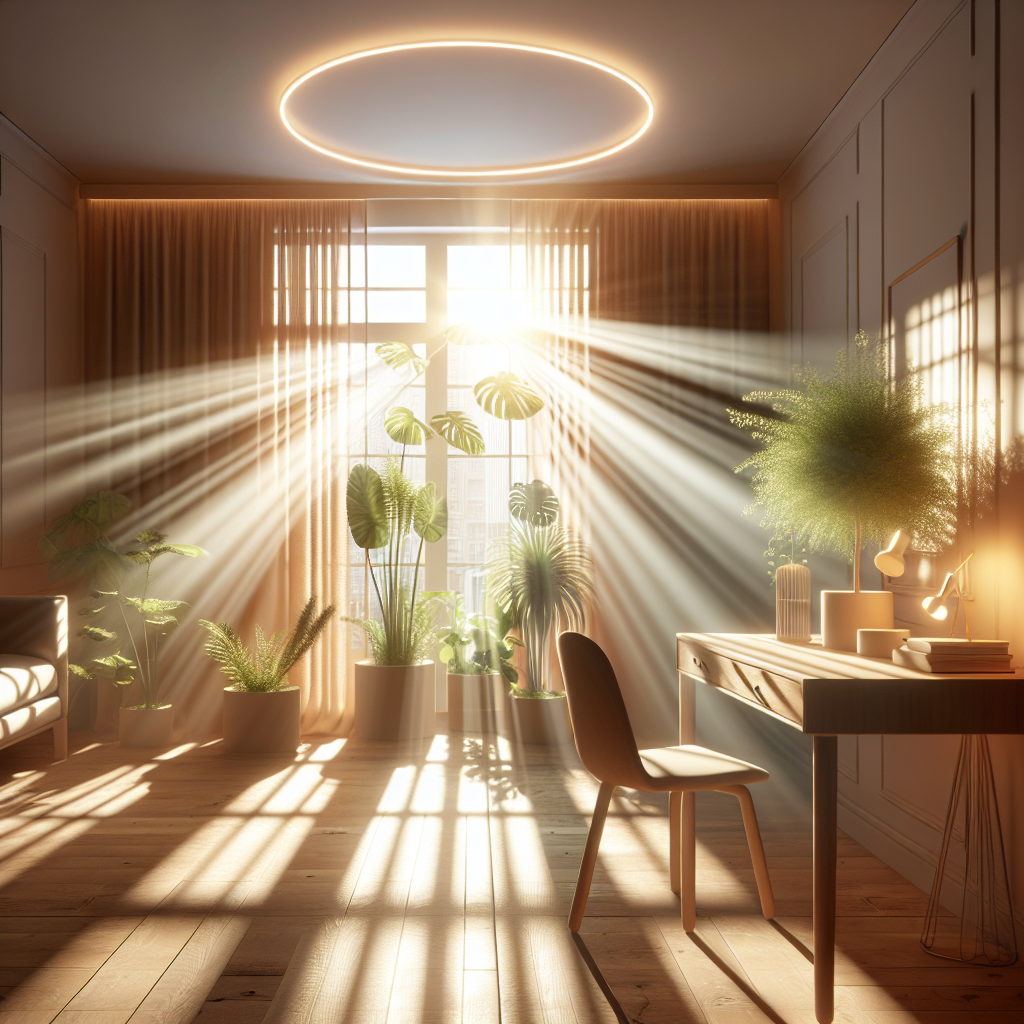
Incorporating plants into a room without many windows can create a sense of natural light and vitality. Place potted plants near windows to take advantage of any available natural light. Greenery not only adds a pop of color and texture but also helps to create a more vibrant and inviting space. Additionally, plants are known to improve indoor air quality and have a calming effect, contributing to a healthy and peaceful environment.
In conclusion, incorporating natural light into a room without many windows is entirely possible with the right strategies. By choosing a light color palette, hanging mirrors strategically, installing skylights, utilizing window treatments effectively, using light-reflecting surfaces, maximizing artificial lighting, removing or minimizing obstacles, utilizing light-refracting elements, optimizing room layout, and enhancing natural light effectively, you can create a bright, airy, and inviting space that maximizes the benefits of natural light.