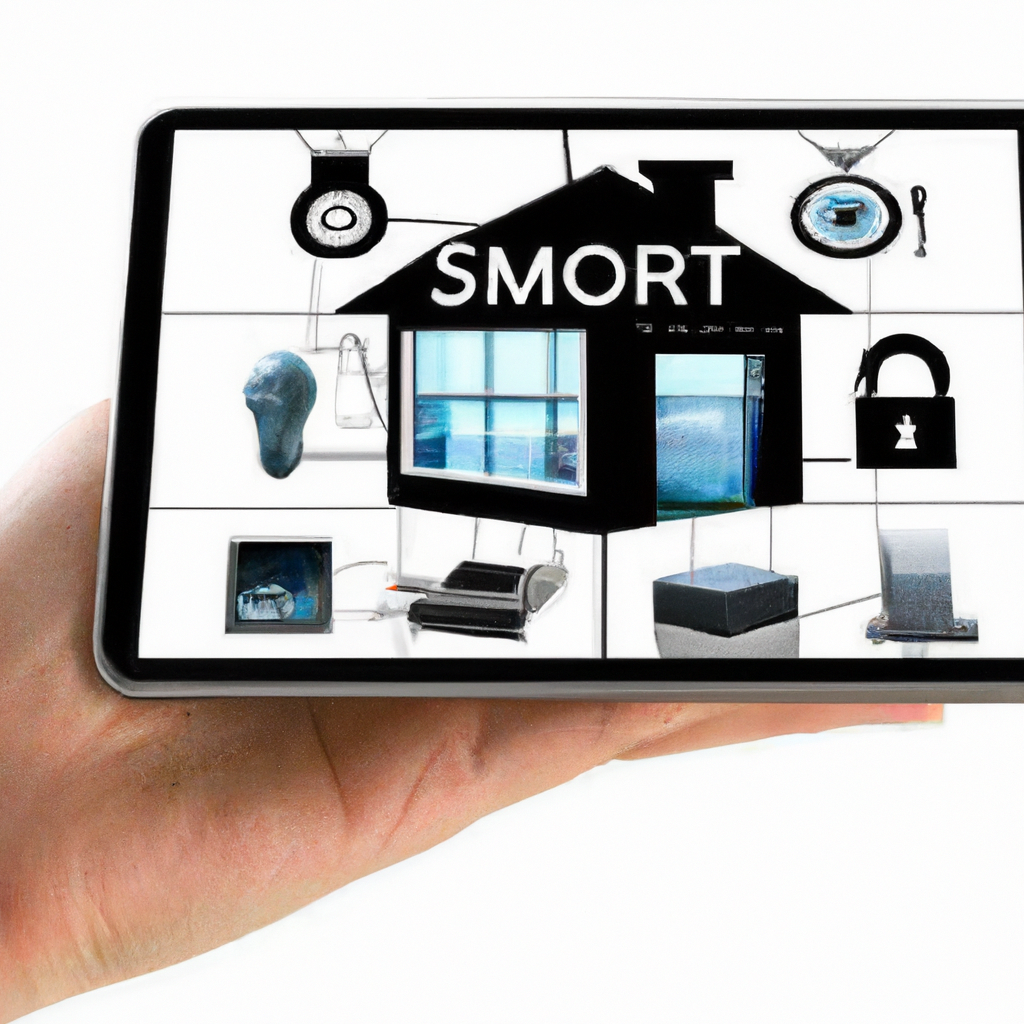
Are you a landlord or property manager looking for ways to enhance your rental properties and attract tenants? Look no further than integrating smart home features into your rentals! With smart home technology becoming increasingly popular, it’s important to stay ahead of the curve and offer amenities that tenants are seeking. From keyless entry systems to smart thermostats and security cameras, these features not only provide convenience and security, but they can also increase the value of your rental properties. In this article, we will explore the various ways in which you can integrate smart home features that are beneficial for rentals, helping you stand out in a competitive rental market and provide a modern living experience for your tenants.
Choosing the Right Smart Home Features
In today’s digital age, incorporating smart home features into rental properties is becoming increasingly popular. Not only do these features provide convenience and comfort, but they also enhance security and energy efficiency. However, with the plethora of options available in the market, it can be overwhelming to decide which smart home features to choose. This article will guide you through the process of selecting the right smart home features for your rental property, considering tenant needs and property requirements.
Researching the Market
Before diving into the world of smart home technology, it is essential to conduct thorough research on the current market trends and offerings. Look for reputable brands and products that have a proven track record in the industry. Read reviews, compare prices, and explore the features and compatibility of various devices. By gaining a comprehensive understanding of the smart home market, you will be equipped to make informed decisions about which features will best suit your rental property.
Analyzing Tenant Needs
Understanding the needs and preferences of your tenants is crucial in choosing the right smart home features. Conduct surveys or engage in discussions with your current and prospective tenants to gather insights. Some tenants may prioritize security features, while others may be more interested in energy-saving options. By analyzing tenant needs, you can customize the smart home features to cater to their preferences and create a desirable living environment.
Taking into Consideration Rental Property Requirements
While selecting smart home features, it is essential to consider the specific requirements of your rental property. You may need to consult building codes and regulations to ensure compliance. Additionally, take into account the infrastructure and wiring of the property. Some smart home devices require a stable internet connection or specific electrical configurations. By taking these factors into consideration, you can avoid any potential complications and seamlessly integrate the chosen smart home features into your rental property.
Increasing Security and Safety
When it comes to rental properties, security and safety are top priorities. Smart home features can significantly enhance the security measures in place and provide peace of mind to both tenants and landlords.
Installing Smart Locks
Smart locks offer convenience and heightened security by eliminating the need for traditional keys. With smart locks, tenants can unlock doors using their smartphones or personalized access codes. Landlords can also remotely monitor and control access to the property, granting temporary or permanent access to authorized individuals. Smart locks not only enhance security but also eliminate the risks associated with lost keys, making it a win-win situation for both parties.
Setting Up Security Cameras
Security cameras act as a powerful deterrent against potential intruders and provide valuable evidence in case of any incidents. By installing security cameras in common areas and entry points, you can ensure that the property remains under surveillance at all times. Opt for cameras that offer high-definition video quality, motion detection, and night vision capabilities. Tenants will appreciate the enhanced security measures, and you can have peace of mind knowing that your rental property is well-protected.
Incorporating Smoke and Carbon Monoxide Detectors
Safety should never be compromised, and a smart home can offer advanced detection and notification systems for smoke and carbon monoxide. Smart detectors can alert tenants remotely through mobile notifications, ensuring prompt action is taken in case of emergencies. Integrating these detectors into your rental property will not only prioritize the safety of your tenants but also demonstrate your commitment to their well-being.

This image is property of images.pexels.com.
Enhancing Energy Efficiency
Energy efficiency is a topic of growing concern in today’s world. By incorporating smart home features that promote energy conservation, you can reduce utility costs for both yourself and your tenants while minimizing the property’s environmental footprint.
Installing Smart Thermostats
Smart thermostats enable tenants to control the temperature of their living spaces remotely, optimizing energy usage. These devices can learn and adapt to occupant behavior, automatically adjusting temperature settings to conserve energy when no one is present. By implementing smart thermostats, you can significantly reduce heating and cooling expenses, making your rental property more cost-effective and sustainable.
Using Smart Lighting Systems
An often-overlooked aspect of energy efficiency is the utilization of smart lighting systems. These systems allow tenants to control the lights in their apartments remotely and set schedules to ensure lights are not left on unnecessarily. Furthermore, smart lighting systems can detect natural light and adjust artificial lighting accordingly, reducing energy waste. By incorporating these systems into your rental property, you can lower electricity consumption and make a positive impact on the environment.
Integrating Energy Monitoring Devices
To effectively manage energy usage, consider integrating energy monitoring devices into your rental property. These devices provide real-time data on electricity consumption, allowing tenants to identify areas where energy is being wasted. By making tenants aware of their usage patterns, you can encourage them to adopt energy-efficient behaviors and collectively reduce the property’s carbon footprint. Additionally, energy monitoring devices can help you identify any anomalies or issues with utility systems, ensuring timely maintenance and cost savings.
Streamlining Communication and Access
Effective communication and seamless access to rental properties are key factors in maintaining tenant satisfaction. Smart home features can streamline these processes, enhancing convenience and minimizing administrative burdens.
Implementing Smart Intercom Systems
Smart intercom systems allow tenants to communicate with visitors remotely, providing an added layer of security and convenience. With video and audio capabilities, tenants can verify the identity of visitors before granting access, even when they are not physically present in the property. These systems also enable tenants to receive package deliveries securely, ensuring a smooth and hassle-free experience.
Utilizing Keyless Entry Systems
Keyless entry systems eliminate the need for physical keys, offering a secure and convenient method of access. With keyless entry systems, tenants can use their smartphones, key fobs, or access codes to unlock doors. This eliminates the risk of lost keys and the hassle of duplicate keys for multiple tenants. Landlords can easily grant or revoke access remotely, reducing administrative efforts and enhancing overall security.
Integrating Virtual Assistant Technology
Virtual assistants, such as Amazon Alexa or Google Assistant, can greatly simplify daily routines for tenants. By integrating these technologies into your rental property, tenants can control various smart devices using voice commands. From adjusting thermostats to playing music or checking the weather, virtual assistants offer unparalleled convenience. This integration not only enhances the tenant experience but also adds a modern touch to your rental property.

This image is property of images.pexels.com.
Ensuring Remote Access and Control
Remote access and control are essential components of a smart home ecosystem. They allow tenants and landlords to manage various aspects of the property from anywhere, enhancing convenience and efficiency.
Using Smart Home Hubs
Smart home hubs act as the central command center for all connected devices, allowing tenants to control and monitor the property remotely. These hubs provide a streamlined interface through which tenants can access and manage various smart home features. From controlling lights and thermostats to receiving security alerts, smart home hubs offer a comprehensive solution for remote access and control.
Implementing Remote Control Apps
Smartphone apps provide an additional layer of convenience by enabling tenants to control smart devices through their mobile devices. Whether it’s adjusting temperatures, turning off lights, or checking security camera feeds, remote control apps grant tenants full control over their living environment. Implementing such apps in your rental property will enhance tenant satisfaction and give them the flexibility to customize their experience according to their preferences.
Setting Up Smart Plugs and Outlets
Smart plugs and outlets offer remote control capabilities for appliances and devices that are not inherently “smart.” These devices can be easily installed into existing electrical outlets, allowing tenants to control the power supply to connected devices remotely. Smart plugs and outlets are particularly beneficial for managing energy usage and offering convenience to tenants who may have difficulty reaching outlets in certain areas. By setting up these devices, you can transform any appliance into a smart device, giving tenants greater control over their living space.
Monitoring and Managing Appliances
Proactively monitoring and managing appliances in a rental property not only ensures their optimal functionality but also provides convenience to tenants. Smart home features can simplify this process and improve overall maintenance procedures.
Integrating Smart Appliances
Smart appliances, such as refrigerators, washing machines, and ovens, offer increased efficiency and functionality. These appliances are equipped with sensors and connectivity features, allowing tenants to monitor and control them remotely. For example, tenants can receive notifications when it’s time to replace water filters or when a laundry cycle is complete. By integrating smart appliances into your rental property, you can enhance tenant convenience and minimize maintenance-related issues.
Controlling Utility Usage
Smart home features can help monitor and control utility usage in rental properties. By incorporating smart energy meters or water leak detectors, you can easily identify abnormal consumption patterns or potential leaks. Tenants can receive real-time notifications about their usage and take necessary actions to conserve resources. This not only benefits tenants by reducing utility bills but also demonstrates your commitment to environmental stewardship.
Providing Automatic Maintenance Notifications
Smart home features can simplify maintenance procedures by providing automatic notifications and alerts. For example, if a filter needs replacement or if routine maintenance is required for certain appliances, tenants can receive timely reminders. This proactive approach ensures that maintenance tasks are not overlooked, preventing costly repairs or potential hazards. Additionally, automatic maintenance notifications help build a trusting relationship between tenants and landlords, as tenants feel well taken care of in their rental property.
This image is property of images.pexels.com.
Creating a Comfortable Environment
A comfortable living environment is essential to tenant satisfaction. Smart home features can contribute to creating spaces that cater to individual preferences and offer unmatched convenience.
Smart Thermostat Scheduling
Smart thermostats can go beyond regular temperature control and incorporate scheduling features. This allows tenants to set specific temperature profiles based on their daily routines. For example, tenants can schedule the thermostat to adjust the temperature before they arrive home from work, ensuring a comfortable environment upon arrival. By utilizing smart thermostat scheduling, you can provide tenants with personalized comfort while optimizing energy usage.
Voice-Controlled Entertainment Systems
Entertainment systems are an integral part of any living space. By incorporating voice-controlled entertainment systems, tenants can effortlessly control audio and visual devices through virtual assistant technologies. From playing music to adjusting volume levels or streaming content, voice-controlled entertainment systems offer a hands-free and immersive experience. This integration adds a modern touch to your rental property while providing tenants with maximum convenience.
Automated Window Shades
Automated window shades offer convenience, privacy, and energy efficiency. With smart shades, tenants can remotely control the amount of sunlight entering their living space. This not only enhances comfort but also reduces the need for artificial lighting, leading to energy savings. Tenants can schedule the opening and closing of window shades, creating personalized environments according to their preferences. By offering automated window shades, you can provide a luxurious and customizable living experience.
Implementing Smart Home Security Systems
Apart from individual security features, deploying a comprehensive smart home security system ensures robust protection for your rental property and its occupants.
Choosing an Effective Security System
To ensure maximum security, it is crucial to choose a comprehensive smart home security system that integrates multiple features. Look for systems that include motion sensors, door/window sensors, and alarms. Consider systems that offer professional monitoring services for added peace of mind. A well-designed security system will act as a deterrent and provide timely alerts in case of any unauthorized access or unusual activities.
Adding Video Doorbell Technology
Video doorbell technology has revolutionized the way we interact with visitors. By adding a video doorbell to your rental property, tenants can see and communicate with visitors remotely, even when they are not at home. This feature increases security levels, as tenants can visually verify the identity of those seeking access. Additionally, video doorbells often have built-in motion sensors, recording any suspicious activities around entry points.
Integrating Motion Sensors
Motion sensors are valuable additions to any smart home security system. By strategically placing motion sensors across the rental property, both indoor and outdoor areas can be monitored effectively. These sensors trigger alerts when they detect movement in their designated areas, providing an early warning system against potential intrusions. Integrating motion sensors into your rental property’s security system ensures comprehensive surveillance and reinforces the safety measures in place.
Offering Convenience with Home Automation
Home automation simplifies daily routines and offers convenience that tenants value. By integrating automation features into your rental property, you can provide an enhanced living experience.
Automated Utility Management
Automated utility management simplifies the process of monitoring and managing energy and water usage. With sensors and connected devices, tenants can receive real-time data on their consumption patterns and make informed decisions about their usage. Automation can also enable tenants to set energy-saving preferences or schedule specific time slots for heavy appliances to operate. By offering automated utility management, you empower tenants to actively participate in energy conservation efforts.
Intelligent Virtual Assistants
Intelligent virtual assistants, such as Amazon Alexa or Google Assistant, are becoming increasingly popular in smart homes. By integrating these assistants into your rental property, tenants can access a wide range of services and information using voice commands. From checking the weather forecast to setting reminders or controlling smart devices, virtual assistants offer unparalleled convenience. These assistants adapt to tenants’ preferences and provide personalized responses, making life in your rental property easier and more comfortable.
Smart Home Routines and Scenes
Smart home routines and scenes enable tenants to automate multiple actions with a single command. For example, a “Good Night” routine can dim lights, adjust thermostats, and lock doors, creating a cozy and secure environment for bedtime. Tenants can customize these routines to fit their preferences and daily activities. By offering the flexibility of creating personalized scenes, you empower tenants to shape their living environment according to their needs, ultimately enhancing their experience in your rental property.
Providing Integration Flexibility
Flexibility and compatibility play a vital role in successfully integrating smart home features. By ensuring compatibility with most devices and offering customizability options, you can accommodate the diverse needs and preferences of tenants.
Using Interoperable Smart Home Platforms
To ensure seamless integration of smart home features, choose platforms that are compatible with a wide range of devices. Some platforms, such as Apple HomeKit or Samsung SmartThings, offer interoperability, allowing tenants to connect multiple devices from different manufacturers. This compatibility ensures that tenants can easily add or replace devices without worrying about compatibility issues. By using interoperable smart home platforms, you provide the flexibility that tenants desire.
Ensuring Compatibility with Most Devices
In addition to platform compatibility, it is crucial to choose devices that are compatible with popular operating systems and voice assistants. Ensure that the devices you select can be controlled and monitored through mobile apps and popular voice commands. This compatibility enables tenants to seamlessly connect and control devices according to their preferences. By offering a wide range of compatible devices, you cater to the varying needs and technological preferences of your tenants.
Offering Customizability Options
Tenants have different preferences and comfort levels when it comes to utilizing smart home features. Some may prefer manual control, while others may appreciate automation. By offering customizability options, you allow tenants to tailor their living environment according to their preferences. For example, you can provide tenants with the choice to use voice commands, apps, or physical controls for various smart devices. Providing customizability options empowers tenants and ensures that they feel in control of their experience in your rental property.
In conclusion, integrating smart home features into your rental property offers numerous advantages for both tenants and landlords. By conducting thorough research, analyzing tenant needs, and considering property requirements, you can choose the right smart home features that enhance security, energy efficiency, convenience, and comfort. From installing smart locks and security cameras to incorporating energy monitoring devices and automated window shades, there is a wide range of options to choose from. By following the guidelines outlined in this article, you can transform your rental property into a modern and desirable living space, attracting and retaining quality tenants.