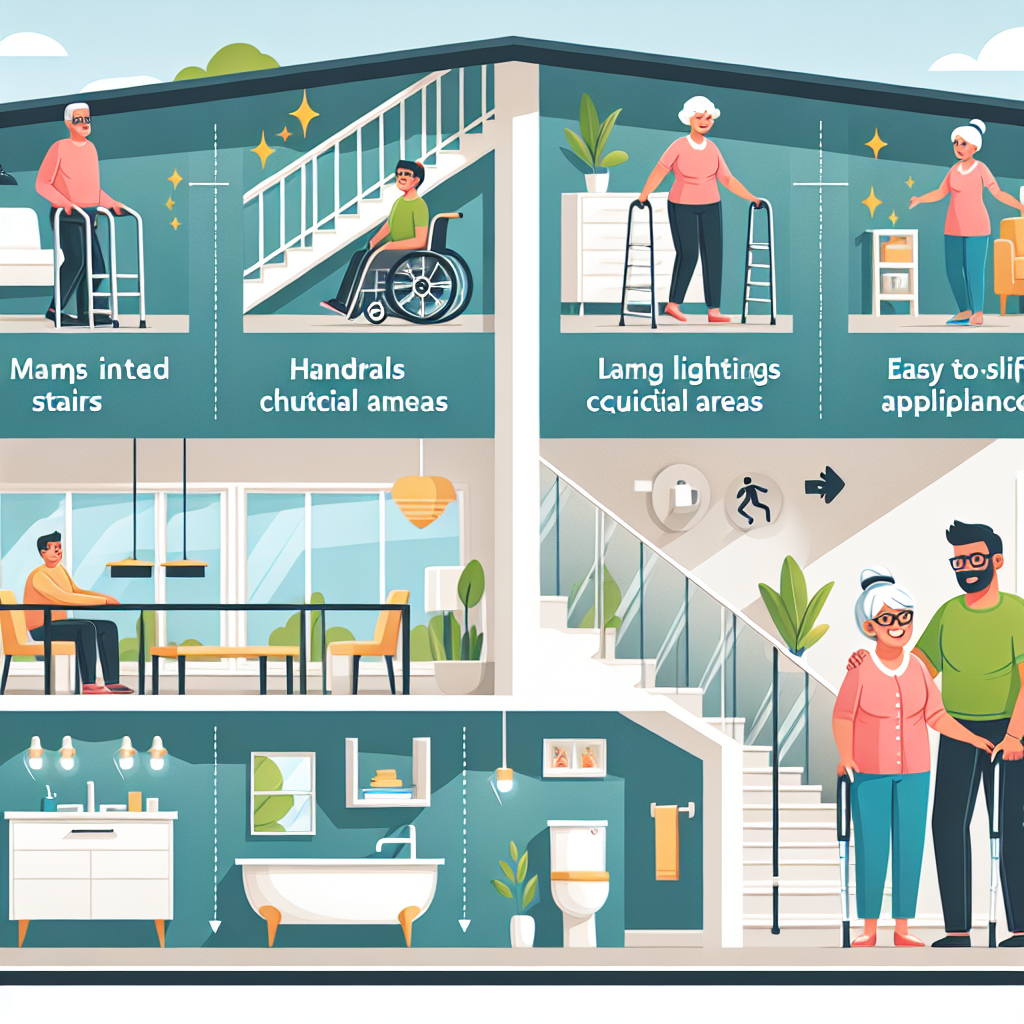
If you have elderly family members who visit or live with you, making your home more accessible for them can greatly improve their quality of life and promote their independence. There are several simple modifications you can make to ensure their safety and comfort, such as installing grab bars in the bathroom, removing tripping hazards, and providing adequate lighting throughout the house. By implementing these changes, you can create a welcoming and inclusive space that allows your elderly family members to move around with ease and enjoy their time with you.

This image is property of images.unsplash.com.
Lighting
Increase natural light
Increasing natural light in your home can greatly improve accessibility for elderly family members. Open up curtains and blinds to let the natural sunlight flood in. Consider removing any obstacles near windows to allow for unobstructed views and maximum light. Additionally, you can trim trees or bushes outside the windows to allow more sunlight to enter the room. Natural light not only brightens up the space, but it also improves visibility and reduces the risk of accidents.
Improve indoor lighting
In areas where natural light may be limited, it’s important to have adequate indoor lighting. Ensure that all rooms have sufficient light fixtures with appropriate brightness levels. Replace any burnt-out bulbs promptly. Consider using bright LED or CFL bulbs, as they provide better illumination and are energy-efficient. Adding lamps or installing track lighting can also help to brighten up darker areas of your home. Well-lit spaces can significantly enhance the safety and mobility of your elderly family members.
Install motion sensor lights
Install motion sensor lights in key areas of your home to increase accessibility and convenience for your elderly family members. Motion sensor lights can automatically detect movement and illuminate the area, making it easier for them to navigate at night or in dimly lit spaces. Install these lights near staircases, hallways, and entrances to provide instant illumination when needed. Motion sensor lights not only improve safety but also save energy by automatically turning off when no motion is detected.
Flooring
Remove rugs and tripping hazards
To make your home more accessible for elderly family members, it’s important to remove rugs and other tripping hazards. Rugs can be a major cause of falls and accidents, as they can easily slide or bunch up. Remove any loose or wrinkled rugs, as well as carpets with worn-out padding. If you still want the aesthetic appeal of rugs, consider using non-slip mats or securing them firmly to the floor with double-sided tape. By eliminating tripping hazards, you can create a safer environment for your loved ones.
Use non-slip flooring
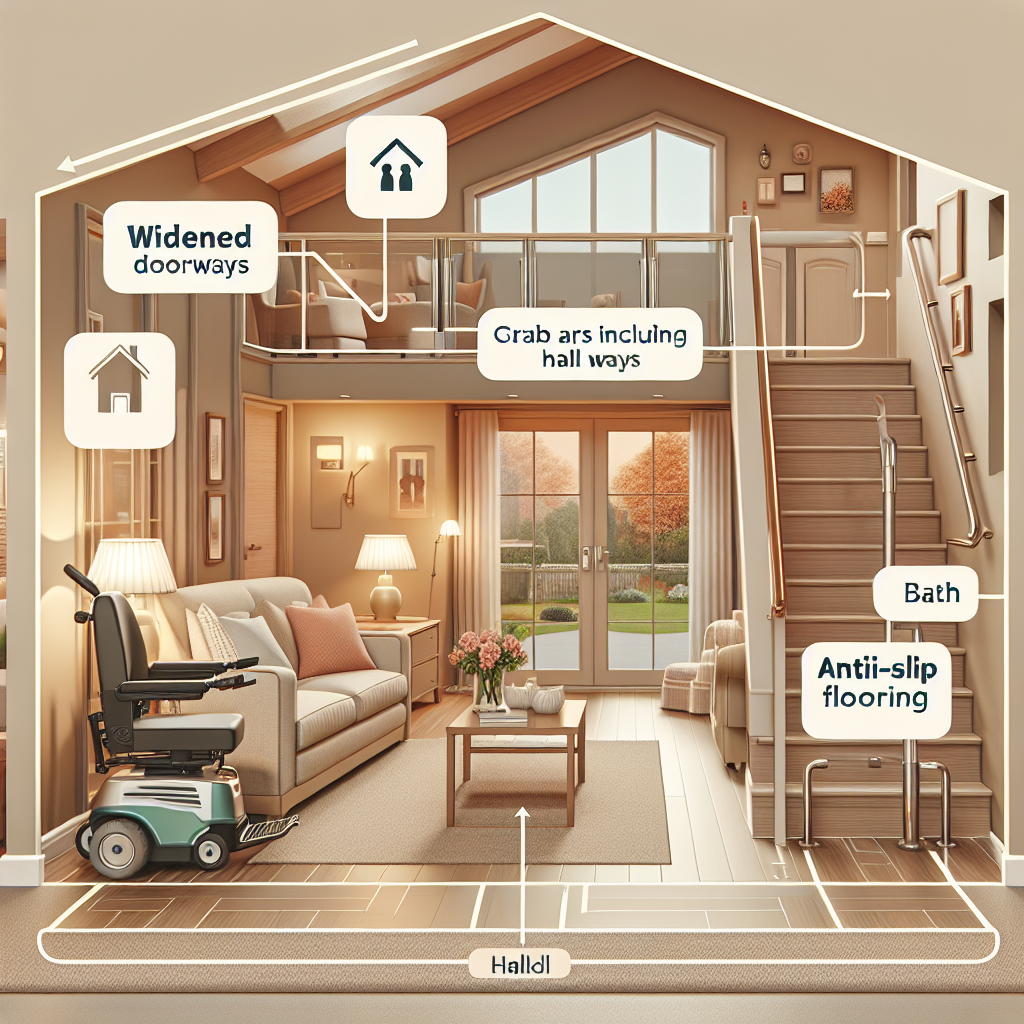
Consider using non-slip flooring throughout your home to enhance accessibility. Certain types of flooring, such as hardwood or tile, can become slippery and increase the risk of falls. Opt for flooring options that offer more traction like vinyl, rubber, or cork. These materials provide a better grip and reduce the likelihood of slips, especially in areas prone to moisture like bathrooms and kitchens. Non-slip flooring is an effective way to promote stability and ensure the safety of your elderly family members.
Install ramps or chair lifts
For elderly family members with mobility challenges, installing ramps or chair lifts can greatly improve accessibility. Ramps can provide a smooth and gradual incline, allowing for easy access to the home’s entrance or between different levels. Chair lifts are a great option for individuals who have difficulty climbing stairs. These lifts can safely transport your loved ones up and down the stairs with ease. Consider consulting a professional to determine the most suitable options and ensure proper installation for maximum accessibility.
Stairs
Install handrails on both sides
Installing handrails on both sides of the staircase is important to enhance safety and accessibility. Handrails provide stability and support, allowing your elderly family members to maintain their balance while ascending or descending stairs. Ensure that the handrails are securely attached to the wall and are at an appropriate height. Consider using contrasting colors for the handrails to make them more visible. With the added support of handrails, navigating stairs becomes easier and safer.
Add non-slip treads
To further improve safety on stairs, add non-slip treads to the steps. These adhesive strips or mats can be applied to the surface of each step, providing increased traction and reducing the likelihood of slipping. Non-slip treads are especially beneficial in areas that might get wet or slippery, such as outdoor stairs or bathrooms. Ensure that the treads are firmly attached and regularly check for any signs of wear or peeling. By addressing potential hazards on stairs, you can create a more accessible environment for your elderly family members.
Consider a stair lift
If your elderly family members have difficulty using the stairs, consider installing a stair lift. A stair lift is a motorized chair that moves along a rail, allowing individuals to be comfortably seated and transported up and down the stairs. This eliminates the need for strenuous climbing or descending and provides a safe and convenient solution. Stair lifts can be customized to fit various staircase configurations and can greatly enhance the accessibility and independence of your loved ones.
Bathrooms
Install grab bars
Installing grab bars in bathrooms is essential for creating a safer and more accessible space for elderly family members. Grab bars provide stability and support, especially in areas where balance may be compromised, such as near toilets and showers. Install grab bars securely on the walls, ensuring they can support the weight of an individual. Opt for designs that are easy to grip and consider using contrasting colors to make them more visible. By incorporating grab bars, you can greatly enhance the safety and confidence of your loved ones in the bathroom.
Replace tubs with walk-in showers
Traditional bathtubs can pose significant challenges for elderly individuals. Consider replacing them with walk-in showers to improve accessibility. Walk-in showers have a low or no threshold entry, eliminating the need to step over a high bathtub wall. This reduces the risk of falls and provides easy access for individuals with mobility issues or those using mobility aids. Install hand-held showerheads and non-slip flooring in the shower area for added convenience and safety. Walk-in showers are a practical and accessible alternative to traditional bathtubs.
Use raised toilet seats
Toilets that are too low can make it difficult for elderly family members to use the bathroom independently. Installing raised toilet seats can greatly improve accessibility and comfort. Raised toilet seats increase the height of the toilet and make it easier for individuals with mobility limitations to sit down and stand up. Choose seats with sturdy construction and secure fastening mechanisms to ensure stability. Raised toilet seats are simple yet effective modifications that can greatly enhance the accessibility of your bathroom.

This image is property of images.unsplash.com.
Bedrooms
Lower bed height
Lowering the height of the bed in the bedrooms can significantly improve accessibility for elderly family members. Beds that are too high can make it challenging for individuals with limited mobility to get in and out of bed independently. Consider using a lower-profile bed frame or removing the box spring to decrease the overall height. Ensure that the mattress is still comfortable and supportive. Lowering the bed height can greatly enhance the ease of use and safety for your loved ones in the bedroom.
Provide easy access to belongings
Arrange the bedroom in a way that provides easy access to belongings for elderly family members. Store frequently used items within reach, eliminating the need to bend down or stretch. Install shelving or organizers that can be easily accessed without strain. Consider incorporating closet systems with adjustable rods and shelves, allowing for personalization based on individual needs. By making belongings easily accessible, you promote independence and convenience for your elderly family members in their own bedroom.
Install bed rails
Installing bed rails can provide added safety and support to prevent falls and accidents in the bedroom. Bed rails are mounted on the side of the bed, creating a barrier and allowing individuals to hold on while getting in or out of bed. Choose bed rails with sturdy construction that can be securely attached to the bed frame. Ensure that the rails do not present any entrapment hazards and have easy-to-use mechanisms for releasing. Bed rails are a valuable addition to the bedroom, offering peace of mind and enhanced accessibility for your loved ones.
Kitchen
Lower counters and cabinets
Adjusting the height of counters and cabinets in the kitchen can greatly improve accessibility for elderly family members. Lowering the height allows individuals with limited mobility or wheelchair users to comfortably access surfaces and storage. Consider installing countertops with adjustable heights or modifying existing ones by lowering the height of the cabinets. This can also be accomplished by creating designated areas with lower counters and cabinets for easy reach. By making the kitchen more accessible, you promote independence and ensure a comfortable cooking and dining experience.
Use lever handles on faucets
Replacing traditional faucet handles with lever handles can make a significant difference in the accessibility of your kitchen. Lever handles are easier to grip and operate, requiring less strength and dexterity. This is particularly beneficial for elderly family members who may have arthritis or other hand limitations. Lever handles provide a more user-friendly approach to using faucets, making it easier to control water flow and temperature. By incorporating lever handles, you create a more accessible kitchen environment for your loved ones.
Install reachable storage solutions
Ensure that storage solutions in the kitchen are within easy reach for elderly family members. Consider installing pull-out shelves or drawers in lower cabinets, allowing items to be conveniently accessed without the need for bending or stretching. Use adjustable or rotating shelves in upper cabinets to bring items within reach. Utilize wall-mounted racks or magnetic strips for storing commonly used kitchen tools and utensils. By making storage solutions reachable, you create a more accessible and ergonomic kitchen space for your loved ones.

This image is property of images.unsplash.com.
Doors and Passageways
Widen doorways
Widening doorways is an effective way to improve accessibility for elderly family members, especially for those using walkers or wheelchairs. Widened doorways provide a more spacious passage, allowing for easier maneuverability and reducing the risk of collisions or entanglement. Consult with a professional to assess the structural feasibility of widening the doorways in your home. This modification can greatly enhance accessibility and independence, ensuring a smooth transition between rooms for your loved ones.
Remove obstacles in hallways
Clearing obstacles in hallways is essential for creating a safe and accessible pathway for elderly family members. Remove any furniture, clutter, or decorative items that obstruct the passageway. Ensure that electrical cords and wires are securely tucked away or routed along the walls to prevent tripping hazards. Install appropriate lighting to ensure visibility and eliminate any dimly lit areas. By maintaining clear and obstacle-free hallways, you promote easy navigation and reduce the risk of accidents for your loved ones.
Install automatic door openers
Installing automatic door openers can greatly enhance accessibility and convenience for elderly family members. These devices utilize sensors or push buttons to automatically open and close doors, eliminating the need for manual operation. Automatic door openers can be especially helpful for individuals with limited strength or mobility. Consider installing them in key areas such as main entrances, bedrooms, or bathrooms. By incorporating automatic door openers, you create a more accessible home environment for your loved ones.
Furniture
Choose ergonomic and supportive pieces
Selecting ergonomic and supportive furniture is crucial for creating a comfortable and accessible living environment for elderly family members. Opt for chairs and sofas with firm cushioning and proper lumbar support to promote good posture and reduce back strain. Choose furniture with adjustable features like recliners or lift chairs that can accommodate different comfort preferences and mobility needs. Always prioritize stability and avoid furniture that may be unstable or unsafe. By choosing the right furniture, you provide a supportive and comfortable seating experience for your loved ones.
Use furniture risers
Using furniture risers can make it easier for elderly family members to sit and stand up from chairs or sofas. Furniture risers are designed to elevate the height of furniture, reducing the distance individuals need to lower or lift themselves. These can be particularly useful for individuals with knee or hip issues. Choose furniture risers that are sturdy and can support the weight of the furniture. Ensure that the furniture remains stable and secure after the risers are installed. By incorporating furniture risers, you improve accessibility and independence in the living area.
Ensure comfortable seating
Ensuring comfortable seating throughout your home is essential for elderly family members. Arrange furniture in a way that encourages proper posture and provides ample support. Use cushions or pillows to enhance comfort and alleviate pressure points. Consider adding seat cushions with gel or memory foam to provide additional support and relieve discomfort. Regularly assess and replace worn-out or sagging cushions to maintain optimal comfort. By prioritizing comfortable seating, you create a more inviting and accessible living space for your loved ones.
Safety Measures
Install smoke and carbon monoxide detectors
To prioritize the safety of your elderly family members, install smoke and carbon monoxide detectors in key areas of your home. These devices provide early warning signs of potential fire or carbon monoxide poisoning. Install them near bedrooms, kitchens, and living areas. Make sure to regularly test and replace batteries to ensure their functionality. Consider interconnected alarms, so when one alarm is triggered, all alarms in the house will sound together. By having properly functioning detectors, you create a safer living environment for your loved ones.
Secure loose cords and wires
Loose cords and wires can present tripping hazards for elderly family members. Ensure that all cords are properly secured and out of the main walkways. Use cable management solutions like tape or cord covers to route cables along walls or baseboards. Organize and label cords to avoid confusion and potential accidents. Additionally, keep an eye out for any loose or exposed wires that may pose electrical hazards and promptly have them repaired by a professional. By securing cords and wires, you reduce the risk of falls and create a safer home environment.
Use non-slip bath mats
Using non-slip bath mats in bathrooms is essential for preventing slips and falls, especially in wet areas. Place non-slip mats near shower stalls, bathtubs, and bathroom sinks to provide a secure foothold. Ensure that the mats have a grippy surface on the bottom to prevent them from shifting or sliding. Regularly clean and dry the mats to maintain their effectiveness. Additionally, consider using non-slip decals or strips in the bathtub or shower floor for extra traction. Non-slip bath mats are a simple yet impactful safety measure to enhance accessibility in the bathroom.
Technology
Consider smart home devices
Smart home devices can greatly enhance the accessibility and convenience of your home for elderly family members. Voice-controlled assistants like Amazon Alexa or Google Home can allow for hands-free control of lights, appliances, and other features within your home. Smart thermostats can automatically adjust temperature settings, ensuring a comfortable environment without the need for manual adjustments. Smart locks and security systems provide added convenience and security. By integrating smart home devices, you can streamline tasks and create a more accessible living environment.
Use medical alert systems
Medical alert systems provide an added layer of safety and peace of mind for elderly family members living independently. These systems typically consist of a wearable emergency pendant or wristband that can be activated to call for help in case of emergencies. When the emergency button is pressed, a monitoring center is alerted, and assistance can be dispatched promptly. Choose a medical alert system that suits the specific needs and preferences of your loved ones. By utilizing medical alert systems, you ensure that help is just a button press away whenever it may be needed.
Install video doorbells
Video doorbells offer convenience and security by allowing you to see and communicate with visitors at your front door. Elderly family members can benefit from this technology by being able to visually identify who is at the door without the need to physically answer it. This eliminates the potential risk of opening the door to unknown individuals. Some video doorbell systems also offer motion detection and recording features, providing an extra layer of security. By installing video doorbells, you enhance accessibility and safety while staying connected to your home’s front entrance.