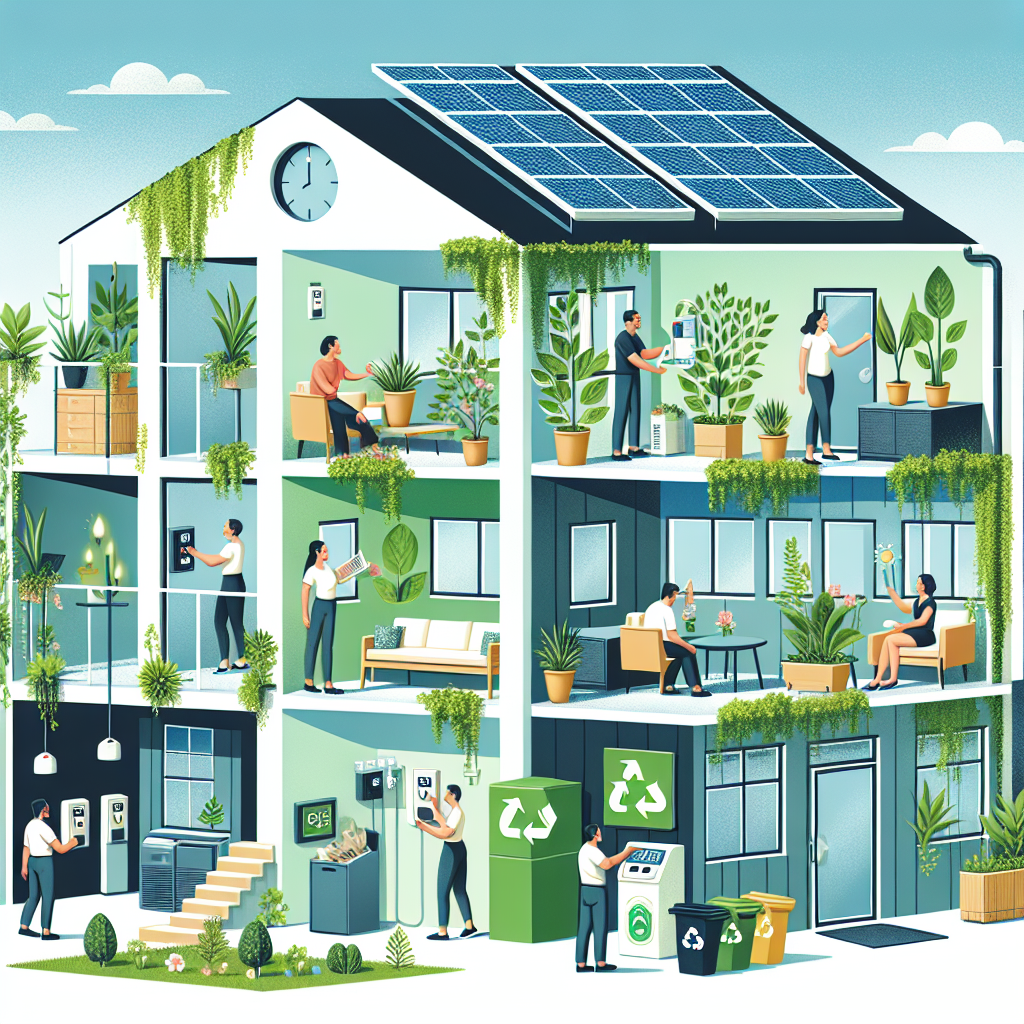
If you are a landlord or property owner, you might be wondering how you can make your rental property more eco-friendly. With rising concerns about the environment and sustainability, it has become increasingly important to consider ways to reduce our carbon footprint. In this article, we will explore some practical and cost-effective measures that you can take to make your rental property more environmentally friendly, benefiting both the planet and your tenants.
This image is property of images.pexels.com.
Energy Efficiency
Use energy-efficient appliances
One of the easiest and most effective ways to make your rental property more eco-friendly is by using energy-efficient appliances. When it’s time to replace old appliances, opt for ones that have earned the Energy Star label. These appliances are designed to use less energy without sacrificing performance. From refrigerators and washing machines to dishwashers and air conditioners, there are energy-efficient options available for every type of appliance.
Install programmable thermostats
Another way to improve energy efficiency in your rental property is by installing programmable thermostats. These devices allow you to set specific temperature ranges for different times of the day, ensuring that energy is not wasted when no one is home or during hours when people are sleeping. By reducing heating and cooling when it’s not needed, programmable thermostats can significantly lower energy consumption and utility bills.
Insulate the property
Proper insulation is crucial for maintaining a comfortable indoor environment and reducing energy waste. Good insulation prevents cool air from escaping in the summer and warm air from escaping in the winter. Insulate walls, attics, and basements, and ensure that windows and doors are sealed properly. This will help keep the property insulated and reduce the need for excessive heating or cooling.
Switch to LED lights
One of the most cost-effective and energy-efficient upgrades you can make to your rental property is switching to LED lights. LED lights consume significantly less electricity compared to traditional incandescent bulbs, and they also last much longer. By replacing all the light bulbs in your rental property with LEDs, you can save a substantial amount of energy and money over time.
Consider solar power
While it may require a larger upfront investment, installing solar panels on your rental property can be a game-changer for energy efficiency. Solar power not only reduces reliance on fossil fuels but also provides long-term savings on electricity bills. Depending on the location and size of your property, installing solar panels can provide a significant portion of the energy needed to power the building. Consider consulting with a professional to determine if solar power is a viable option for your rental property.
Water Conservation
Install low-flow fixtures
Water conservation is essential for protecting this valuable resource and reducing utility costs. Installing low-flow fixtures, such as showerheads and faucets, can significantly decrease water usage without compromising functionality. Low-flow fixtures work by using less water while still providing adequate pressure and flow, making them an easy and effective way to conserve water in your rental property.
Fix leaky faucets and pipes
Even small leaks in faucets and pipes can waste significant amounts of water over time. Regularly check for and promptly fix any leaks in your rental property to prevent unnecessary water waste. This not only helps conserve water but also prevents potential damage to your property’s infrastructure.
Collect rainwater for irrigation
If allowed in your area, consider installing rain barrels or cisterns to collect rainwater. This water can be used for various purposes, such as watering the garden or cleaning outdoor spaces. By utilizing free rainwater instead of relying solely on freshwater sources, you can significantly reduce water consumption in your rental property.
Provide water-efficient landscaping
Landscaping plays a crucial role in water conservation. Opt for water-efficient landscaping by choosing native plants that are well-suited to your property’s climate. These plants have adapted to local conditions, requiring less water and maintenance. Additionally, consider incorporating techniques such as mulching and drip irrigation to further conserve water in outdoor spaces.
Waste Reduction
Encourage recycling
Implementing a recycling program in your rental property can make a significant impact on waste reduction. Provide clear and easily accessible recycling bins throughout the property and educate tenants about the importance of recycling. Display informational posters or provide brochures detailing which materials can be recycled and the proper way to dispose of them.
Provide composting options
Composting is a great way to reduce organic waste and create nutrient-rich soil for gardening. Offer composting options for tenants by providing compost bins or establishing a communal composting area. Composting not only diverts waste from landfills but also promotes a more sustainable and natural approach to gardening.
Reduce paper usage
In this digital age, reducing paper usage is easier than ever. Encourage tenants to opt for electronic communication and online billing instead of traditional paper methods. Additionally, provide easily accessible recycling bins specifically for paper waste to ensure it is recycled properly if used.
Use eco-friendly cleaning products
Switching to eco-friendly cleaning products is a simple yet impactful change you can make in your rental property. Many conventional cleaning products contain harmful chemicals that negatively affect both human health and the environment. Opt for natural, non-toxic alternatives that are safe for both tenants and the planet. Look for products with eco-label certifications or consider making your own cleaning solutions using natural ingredients like vinegar and baking soda.
Indoor Air Quality
Improve ventilation
Proper ventilation is crucial for maintaining good indoor air quality. Make sure that your rental property has adequate ventilation systems in place, such as exhaust fans in bathrooms and kitchens. Regularly clean and maintain these systems to ensure they are functioning effectively and efficiently.
Use non-toxic paint and materials
When renovating or repainting your rental property, choose non-toxic paint and materials. Traditional paint and building materials can release harmful chemicals into the air, negatively impacting indoor air quality. Look for products labeled as low or zero VOC (volatile organic compounds) to minimize indoor air pollution.
Avoid synthetic fragrances
Synthetic fragrances found in air fresheners, candles, and cleaning products can release harmful pollutants into the air. Instead of using these products, opt for natural alternatives like essential oils or fragrance-free options. Prioritize fresh air and ventilation over masking odors with artificial scents.
Test for radon and other pollutants
Regularly test for radon and other indoor air pollutants to ensure the safety and well-being of your tenants. Radon is a colorless and odorless gas that can seep into buildings from the ground, posing significant health risks. By conducting periodic tests and addressing any issues promptly, you can maintain a healthy indoor environment for your tenants.
This image is property of images.pexels.com.
Sustainable Materials
Choose sustainable flooring options
Selecting sustainable flooring options can significantly reduce the environmental impact of your rental property. Materials such as bamboo, cork, or reclaimed wood are renewable and have a lower carbon footprint compared to traditional hardwood or carpeting. Additionally, consider using recycled or reclaimed materials for flooring whenever possible.
Opt for eco-friendly furniture
When furnishing your rental property, choose eco-friendly furniture made from sustainable materials. Look for furniture made from reclaimed wood, recycled plastics, or natural fibers. There are also many options for second-hand furniture that can be a more sustainable choice compared to purchasing new items.
Use recycled or second-hand items
Beyond furniture, using recycled or second-hand items throughout your rental property can further reduce its environmental impact. Consider using reclaimed building materials, repurposed decor, and thrifted household items. Not only does this help minimize waste and conserve resources, but it also adds unique character to your rental property.
Consider reclaimed wood
Reclaimed wood is an excellent choice for adding a touch of sustainable elegance to your rental property. It is wood that has been salvaged and repurposed from old buildings, barns, or other structures. Using reclaimed wood as flooring, trim, or furniture not only reduces deforestation but also adds a rustic and environmentally-friendly charm to your rental property.
Transportation Options
Provide bike storage
Encouraging tenants to use bikes as a means of transportation is not only eco-friendly but also promotes a healthy and active lifestyle. Provide secure bike storage options within your rental property, such as bike racks or designated storage areas. This can encourage tenants to choose biking as their preferred mode of transportation, reducing carbon emissions and traffic congestion.
Encourage public transportation
Promote the use of public transportation among your tenants by providing information on nearby bus or train routes, schedules, and fare options. Consider partnering with local transit authorities to offer discounted or subsidized transit passes to your tenants. By making public transportation more accessible, you can incentivize eco-friendly commuting and decrease the reliance on individual car usage.
Install electric vehicle charging stations
As electric vehicles become more popular, installing electric vehicle charging stations in your rental property can be a significant draw for eco-conscious tenants. EV charging stations allow tenants with electric vehicles to conveniently charge their cars, making it easier for them to choose sustainable transportation options. This forward-thinking addition can also increase the desirability and value of your rental property.
This image is property of images.pexels.com.
Smart Home Technology
Install smart thermostats
Smart thermostats are a valuable addition to any eco-friendly rental property. These devices allow tenants to remotely control heating and cooling systems, ensuring optimal energy usage. Smart thermostats can learn occupancy patterns and adjust temperature settings accordingly, helping save energy and reduce utility costs.
Use energy monitoring systems
Energy monitoring systems provide real-time information on energy consumption in your rental property. By installing these systems, you and your tenants can become more aware of energy usage patterns and identify areas for improvement. This knowledge can lead to more informed decisions on energy-saving measures and encourage responsible energy consumption.
Automate lighting and appliances
Automating lighting and appliances through smart home technology can offer significant energy savings and convenience. Install smart light bulbs, switches, and power outlets throughout your rental property, allowing tenants to easily control and schedule lighting and appliance usage. By optimizing energy usage and reducing unnecessary consumption, you can create a more eco-friendly living environment.
Outdoor Spaces
Create a wildlife-friendly garden
Transforming outdoor spaces into wildlife-friendly gardens not only enhances the beauty of your rental property but also supports local ecosystems. Incorporate native plants, provide water sources such as birdbaths or small ponds, and include nesting areas for birds and other wildlife. Avoid using chemical pesticides and fertilizers that can harm beneficial insects and pollinators.
Plant native and drought-resistant plants
Choose native plants that are well-adapted to the local climate and require minimal watering. Native plants have evolved to thrive in specific regions and typically require less maintenance, watering, and pest control. Additionally, opt for drought-resistant plants that can withstand periods of limited rainfall without compromising their beauty.
Avoid chemical pesticides and fertilizers
Chemical pesticides and fertilizers can harm not only the environment but also the health of humans and animals. Explore organic alternatives to control pests, such as integrated pest management techniques and natural pest repellents. Additionally, use organic and slow-release fertilizers to provide nutrients to your outdoor plants without negatively impacting the soil and surrounding ecosystems.
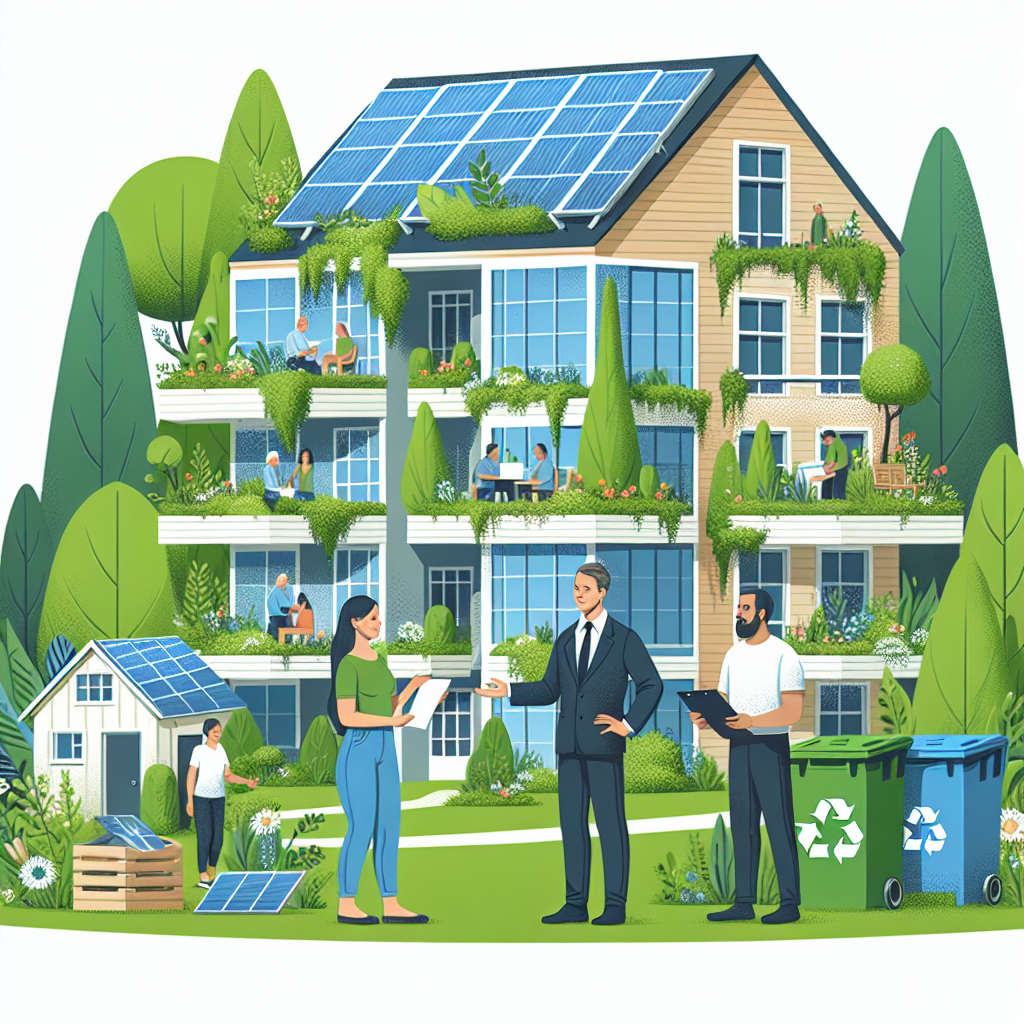
Renewable Energy
Consider installing solar panels
Harnessing the power of the sun by installing solar panels can significantly reduce the carbon footprint of your rental property. Solar panels convert sunlight into electricity, providing a renewable and clean energy source. Depending on the location and size of your property, solar panels can generate a substantial portion of the energy needed to power the building, leading to long-term energy savings and environmental benefits.
Explore wind and geothermal options
In addition to solar power, consider exploring wind and geothermal energy options for your rental property. Wind turbines can generate electricity from the power of the wind, while geothermal systems utilize energy from the Earth’s heat. Depending on the location and feasibility, these renewable energy sources can provide alternative ways to power your rental property and reduce reliance on fossil fuels.
Participate in community renewable energy
If individual renewable energy options are not feasible for your rental property, consider participating in community renewable energy initiatives. Some communities have programs that allow residents and businesses to purchase renewable energy from local sources, such as wind or solar farms. By supporting community renewable energy, you can still contribute to a more sustainable future.
Tenant Education
Provide resources on eco-friendly practices
Educating your tenants about eco-friendly practices is essential for fostering sustainable living in your rental property. Create a resource guide or provide informational brochures that cover topics such as energy and water conservation, waste reduction, and green lifestyle tips. Encourage tenants to adopt these practices and offer support and guidance as they navigate sustainable living.
Encourage responsible energy and water usage
Promote responsible energy and water usage among your tenants by emphasizing the importance of conservation. Encourage them to turn off lights and appliances when not in use, take shorter showers, and report any leaks or issues promptly. Consider providing incentives or rewards for tenants who demonstrate a commitment to responsible energy and water usage.
Offer incentives for sustainable living
Motivate tenants to embrace sustainable living by offering incentives for eco-friendly behaviors. For example, you could provide discounted rent or other rewards for tenants who actively participate in recycling programs, conserve energy and water, or use alternative transportation methods. These incentives not only encourage positive environmental actions but also create a sense of community and engagement within your rental property.
By implementing these eco-friendly practices, you can transform your rental property into a sustainable and environmentally-conscious living space. Not only will you benefit the planet, but you may also attract eco-conscious tenants who appreciate the effort you’ve made to reduce environmental impact. Together, we can make a positive difference in our communities and work towards a greener future.