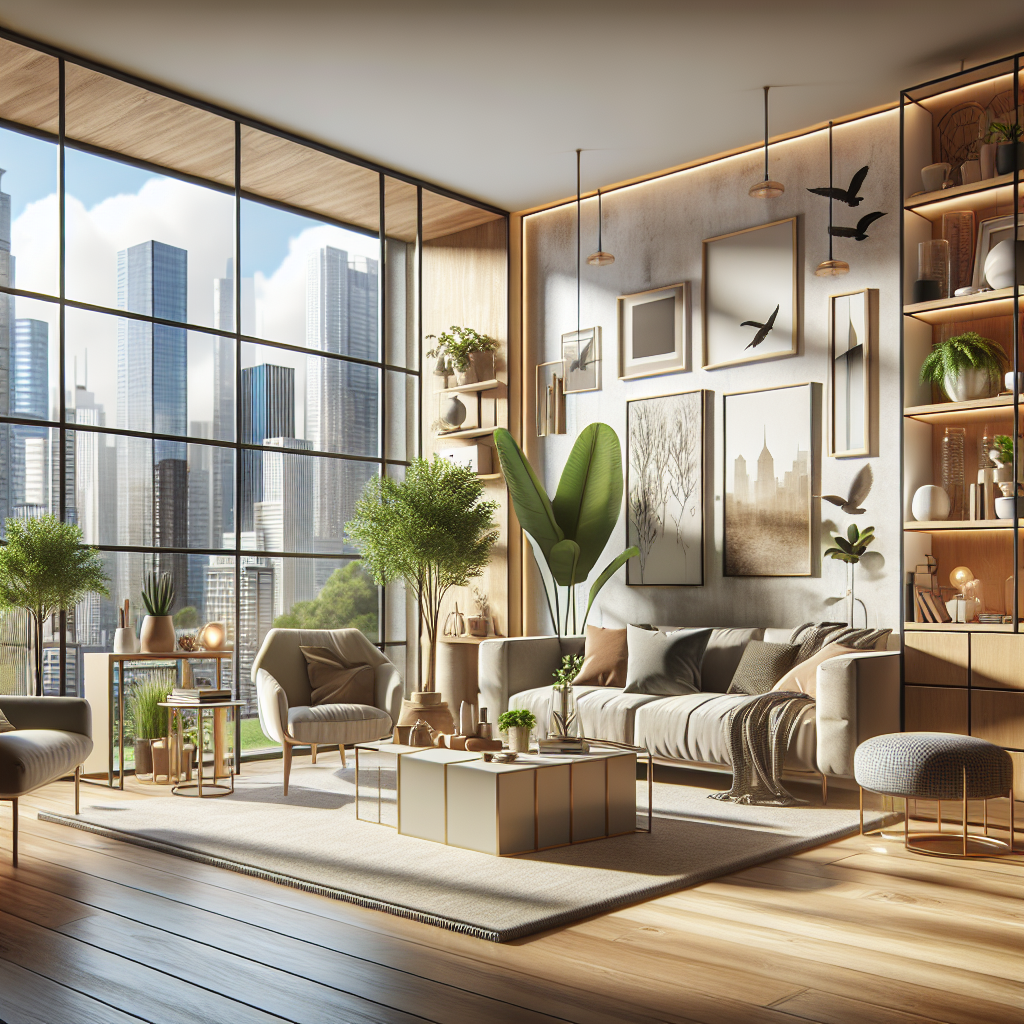
Imagine you’ve finally found the perfect rental property, but you want to make sure it appeals to a wide range of potential tenants. Whether you’re a landlord or simply looking to spruce up your own living space, optimizing the interior design of a rental can make a world of difference. From choosing a neutral color palette to incorporating versatile furniture, there are several strategies you can employ to create a space that is both inviting and adaptable. In this article, we will explore the various ways in which you can optimize the interior design of a rental to attract a diverse set of renters and ensure maximum appeal.
Choosing a Neutral Color Scheme
Benefits of a neutral color scheme
When it comes to designing the interior of a rental property, opting for a neutral color scheme can offer numerous benefits. One of the primary advantages is that neutral colors are timeless and versatile, making it easier for potential tenants to envision their own style and furnishings in the space. Neutral colors also create a sense of calm and tranquility, which can contribute to a welcoming atmosphere. Additionally, a neutral color scheme allows for easy coordination with various furniture and decor styles, ensuring that the rental appeals to a wide range of tastes.
Examples of neutral colors
Neutral colors encompass a wide range of hues, from warm to cool tones. Some popular options include shades of white, beige, gray, and taupe. White is a classic choice that can make a space feel bright and airy. Beige and taupe tones add warmth and can create a cozy ambiance. Gray, on the other hand, provides a sophisticated and modern backdrop. It’s important to consider the natural lighting in the rental when choosing a neutral color scheme, as certain shades may appear differently depending on the amount of light in the space.
Using accent colors to add interest
While a neutral color scheme forms the foundation of the rental’s design, incorporating accent colors can add interest and personality to the space. Accent colors can be introduced through furniture, accessories, or artwork. For example, adding throw pillows in vibrant shades of blue or green to a neutral-colored sofa can create a visually appealing contrast. Focusing on a small number of accent colors will help maintain a cohesive look throughout the rental while still allowing for a touch of personalization.
Furniture and Layout
Selecting versatile furniture pieces
When choosing furniture for a rental property, it’s essential to opt for versatile pieces that can accommodate various tenant preferences and lifestyles. Look for furniture that can be easily styled to match different aesthetics, such as a sofa with clean lines and neutral upholstery. Additionally, consider selecting furniture with removable or changeable covers to allow for easy cleaning and maintenance. Investing in quality, multifunctional furniture will ensure longevity and provide flexibility for future tenants.
Using multifunctional furniture
Maximizing the functionality of the rental space is crucial, especially when dealing with limited square footage. Incorporating multifunctional furniture can help optimize the layout and provide additional storage solutions. For example, a sofa with hidden storage compartments or a coffee table that can convert into a dining table offers both comfort and practicality. By choosing furniture that serves multiple purposes, you can create a more efficient and adaptable living environment for your tenants.
Optimizing space with layout
An effective layout can significantly impact the overall functionality and appeal of a rental property. When arranging furniture, consider the flow of the space and aim for a balance between open areas and defined zones. Start by positioning larger furniture pieces against the walls to create a sense of openness in the center of the room. Strategic placement of functional items, like a desk or bookshelf, can delineate specific areas within an open-concept layout. Additionally, avoid overcrowding the space and leave adequate room for easy movement and traffic flow.

This image is property of images.unsplash.com.
Storage Solutions
Maximizing storage space
Storage is a critical consideration in any rental property, as tenants often have belongings they need to stow away. To maximize storage capacity, you can utilize various strategies. Begin by utilizing vertical space by incorporating tall storage units or shelves. This will help free up floor space while providing ample room for organizing and displaying items. Another option is to utilize underutilized areas such as the space under stairs or above cabinets. By being mindful of available storage opportunities, you can offer your tenants practical and efficient storage solutions.
Incorporating functional storage solutions
In addition to traditional storage units, incorporating functional storage solutions can enhance the overall functionality and appeal of the rental. Consider installing hanging organizers in closets to maximize vertical space for shoes and accessories. Utilize storage ottomans that can double as seating and provide hidden storage for blankets or board games. Floating shelves in kitchens or bathrooms can offer additional storage for cookbooks, toiletries, or decorative items. By considering the specific needs of your prospective tenants, you can provide storage solutions that make their lives easier and more organized.
Using decorative storage pieces
Storage solutions don’t have to be purely functional; they can also be aesthetically pleasing. By incorporating decorative storage pieces, you can seamlessly integrate storage into the overall design of the rental. For example, woven baskets can serve both as storage for extra throws or pillows and as stylish accents that add texture to the room. Decorative boxes or trays can be used to corral smaller items, such as remotes or jewelry, while adding a touch of elegance to the space. By combining form and function, you can create storage solutions that enhance the visual appeal of the rental.
Lighting
Importance of good lighting
Lighting is a crucial aspect of interior design that can significantly impact the overall ambiance and functionality of a rental property. Good lighting enhances the space, making it feel inviting and comfortable. Insufficient or poorly placed lighting can create a gloomy and uninviting atmosphere. Additionally, proper lighting is essential for performing daily tasks and activities, such as reading, cooking, or getting ready in the morning. By prioritizing good lighting, you can ensure that your tenants have a positive living experience.
Utilizing natural light
Maximizing natural light is an effective way to create an airy and inviting atmosphere in a rental property. Start by maximizing the amount of natural light that enters the space by keeping windows unobstructed. Avoid heavy window treatments that block light, opting instead for sheer curtains or blinds that provide privacy while still allowing sunlight to filter through. Additionally, strategically placing mirrors across from windows can help reflect natural light throughout the space, making it feel brighter and more spacious. By harnessing the power of natural light, you can create a warm and welcoming environment for your tenants.
Choosing the right artificial lighting
In addition to natural light, incorporating appropriate artificial lighting is essential for creating a well-lit and functional rental space. Start by evaluating the different areas within the property and identifying the specific lighting needs of each area. In areas where task lighting is required, such as the kitchen, bathroom, or workspace, install fixtures that provide bright, focused light. In living spaces, consider using a combination of overhead lighting, wall sconces, and floor or table lamps to create layers of lighting and a cozy ambiance. Opt for warm, soft white bulbs to create a welcoming and inviting atmosphere. By carefully selecting and placing artificial lighting fixtures, you can ensure that the rental is well-lit and visually appealing.

This image is property of images.unsplash.com.
Window Treatments
Enhancing privacy and natural light
Window treatments play a crucial role in providing privacy and controlling the amount of natural light that enters a rental property. Finding the right balance between privacy and natural light is key to creating a comfortable and appealing living environment for your tenants. Consider installing blinds or shades that can be adjusted to allow natural light to filter through while still providing privacy when needed. Sheer curtains can be an excellent choice for maintaining privacy while softly diffusing natural light and creating an ethereal ambiance. By carefully selecting window treatments, you can strike the perfect balance between privacy and natural light in the rental space.
Selecting versatile window treatments
When choosing window treatments, it’s important to consider their versatility and ability to complement various decor styles. Opting for neutral-colored or patterned curtains or blinds allows for easy coordination with different color schemes and furniture styles. Consider durable and low-maintenance materials that are resistant to fading, staining, or warping. Additionally, consider the easy operation of window treatments, ensuring that they can be opened and closed effortlessly by your tenants. By choosing versatile window treatments, you can ensure that the rental is adaptable to different tenant preferences and styles.
Adding visual appeal with curtains
Curtains can do more than just provide privacy and control light; they can also add visual appeal and enhance the overall design of a rental property. Consider using curtains with patterns or textures to introduce visual interest and create a focal point in the room. Floor-to-ceiling curtains can make a space feel larger and more luxurious. Sheer curtains with delicate embroidery or lace can provide a touch of elegance and sophistication. By thinking beyond their functional purpose, curtains can become an integral part of the rental’s design and aesthetics.
Wall Decor
Choosing impactful wall art
Wall decor is an effective way to inject personality and style into a rental property. Choosing impactful wall art can create a focal point, add visual interest, and reflect the overall theme or aesthetic of the space. Opt for artwork that resonates with the rental’s target market, taking into consideration their preferences and tastes. Large-scale paintings or photographs can make a bold statement and become conversation starters. Gallery walls consisting of a collection of smaller art pieces or photographs can add depth and character to a room. By carefully curating the wall decor, you can transform the walls of the rental into captivating artistic displays.
Using mirrors to create a sense of space
Mirrors are a powerful tool in interior design, as they can instantly make a space feel larger and brighter. Incorporating mirrors strategically in a rental property can create a sense of openness and depth. Consider placing a mirror opposite a window to reflect natural light and bring more brightness into the room. Oversized mirrors can serve as statement pieces and make a small space appear more spacious. Mirrored furniture, such as cabinets or console tables, can provide both storage and a reflective surface. By incorporating mirrors, you can enhance the overall aesthetic and functionality of the rental.
Incorporating removable wallpaper
Removable wallpaper is a great option for adding color, pattern, and texture to a rental property without the commitment of traditional wallpaper. It allows you to experiment with different styles and designs while also providing the flexibility to switch it out easily when needed. Whether you opt for a bold and vibrant pattern or a subtle and textured design, removable wallpaper can elevate the overall aesthetics of the rental. Additionally, it can be applied to specific walls or sections of the space to create focal points or define different areas. By embracing removable wallpaper, you can transform the walls of the rental property and add a personalized touch without causing damage or inconvenience.

This image is property of images.unsplash.com.
Flooring
Opting for durable and low-maintenance flooring
Choosing the right flooring for a rental property is key to ensuring longevity and minimizing maintenance costs. Opt for durable and low-maintenance flooring options that can withstand the wear and tear of daily use. Laminate or vinyl flooring is an excellent choice as it mimics the look of hardwood or tile while being easy to clean and resistant to scratches or stains. Additionally, carpet tiles with stain-resistant properties are a practical option for bedrooms or living areas. By investing in robust flooring materials, you can provide your tenants with a durable and hassle-free living environment.
Using area rugs to define spaces
Area rugs are a versatile and effective tool for defining spaces within a rental property. They can be used to create separate zones in open-concept layouts or to add warmth and comfort to specific areas. Opt for rugs that are easy to clean and maintain, such as ones made from synthetic materials. Consider rugs with patterns or textures that complement the overall design of the rental while adding visual interest and depth. By strategically placing area rugs, you can enhance the functionality and aesthetics of the space while allowing for customization by your tenants.
Creating visual interest with flooring patterns
Playing with flooring patterns can add a unique and visually appealing element to a rental property. Depending on the target market and the overall style of the rental, you can opt for different flooring patterns to create a statement or subtly elevate the design. Herringbone or chevron patterns with hardwood or laminate flooring can introduce a sense of sophistication and elegance. Hexagonal or geometric tiles in the bathroom or kitchen can add a modern and contemporary touch. By incorporating flooring patterns, you can elevate the overall design of the rental and create a memorable visual impact.
Accessories and Plants
Adding personality with accessories
Accessories are the finishing touches that can transform a rental property into a home full of personality and character. Incorporating carefully curated accessories allows tenants to make the space their own and infuse it with their unique style. Choose accessories that complement the overall design of the rental while also appealing to a wide range of tastes. Decorative pillows, throws, and rugs can add warmth and texture to a living room or bedroom. Artfully arranged books, vases, or candles can create focal points on shelves or tabletops. By selecting accessories thoughtfully, you can create an inviting and personalized living space.
Incorporating indoor plants
Bringing the outdoors inside by incorporating indoor plants is an effective way to add life, freshness, and visual interest to a rental property. Indoor plants not only improve air quality but also create a sense of tranquility and connection with nature. Consider selecting low-maintenance plant varieties that are suitable for the specific lighting conditions of the rental. Taller plants can be placed in corners or near windows to add height and drama, while smaller plants can be used to accessorize shelves or countertops. By incorporating indoor plants, you can infuse the rental with a vibrant and calming ambiance.
Keeping decor minimal and clutter-free
While accessories and plants can enhance the aesthetics of a rental property, it’s important to maintain a minimal and clutter-free environment. Avoid overcrowding shelves, tabletops, or floor spaces with too many decorative items as it can make the space feel chaotic and overwhelming. Instead, opt for a curated selection of accessories that complement each other and the overall design. By embracing a minimalist approach to decor, you can create a serene and uncluttered living environment that appeals to a broad range of tenants.
Functional Kitchen and Bathroom
Updating hardware and fixtures
The kitchen and bathroom are two key areas in a rental property that greatly impact tenant satisfaction. Updating the hardware and fixtures in these spaces can instantly elevate their appeal and functionality. Consider replacing outdated faucets, cabinet handles, or drawer pulls with newer, sleeker options that align with current design trends. Stainless steel or brushed nickel finishes can add a modern touch, while matte black or brass finishes can create a more luxurious look. By paying attention to the details, you can make the kitchen and bathroom feel fresh and updated.
Enhancing organization and storage
Well-organized and functional kitchens and bathrooms are highly valued by tenants. Incorporate storage solutions that maximize the available space and allow for efficient organization. Install pull-out or slide-out organizers in kitchen cabinets to make accessing pots, pans, or spices more convenient. Utilize wall-mounted or over-the-door storage solutions in the bathroom for toiletries, towels, or cleaning supplies. By enhancing organization and storage options, you can provide your tenants with spaces that are both aesthetically pleasing and practical.
Keeping it clean and well-maintained
A clean and well-maintained kitchen and bathroom are essential for tenant satisfaction. Ensure that these areas receive regular cleaning and upkeep between tenants to maintain a high standard of cleanliness. Pay attention to grout lines, tiles, and countertops, as these can accumulate dirt and grime over time. Fix any plumbing issues promptly and replace or repair any damaged fixtures. By prioritizing cleanliness and maintenance, you can provide your tenants with a comfortable and enjoyable living environment.
Appealing to Different Tastes
Balancing neutral and personalized elements
When targeting a broad range of potential tenants, it’s important to strike a balance between neutral elements and personalized touches. Neutral colors, furniture, and decor provide a blank canvas that tenants can easily project their own style onto. However, incorporating a few personalization opportunities, such as interchangeable throw pillows, removable wallpaper, or customizable shelving, allows tenants to add their own flair to the space without making permanent changes. By finding this balance, you can create a rental property that appeals to a wide range of tastes while still feeling like a home.
Creating a welcoming and cozy atmosphere
To appeal to different tastes, creating a welcoming and cozy atmosphere is key. Consider the use of soft lighting, warm color palettes, and plush textiles to make the rental feel inviting and comfortable. Layering throw blankets and pillows on sofas and beds can add depth and texture. Incorporating an area rug or two can create a sense of warmth and define different areas within the space. By prioritizing comfort and coziness, your rental property can become a haven for tenants with varying preferences and tastes.
Understanding target market preferences
To ensure that your rental property appeals to its target market, it’s important to understand their preferences and design accordingly. Research the demographics and lifestyles of potential tenants in the area and tailor your design choices to their needs. For example, if your target market consists of young professionals, consider incorporating a dedicated workspace and modern amenities such as high-speed internet. If families are your target audience, focus on creating a safe and child-friendly environment with durable furniture and ample storage solutions. By understanding the preferences of your target market, you can design a rental property that meets their specific needs and desires.
In conclusion, optimizing the interior design of a rental property for broad appeal involves carefully considering each aspect of the space. Choosing a neutral color scheme provides a timeless and versatile backdrop that allows tenants to envision their own style in the space. Selecting versatile furniture pieces and using multifunctional furniture maximizes functionality and adaptability. Storage solutions, lighting, window treatments, and flooring all contribute to the overall appeal and functionality of the rental. Accessories, plant life, and keeping the kitchen and bathroom functional and well-maintained add personality and comfort. Balancing neutral and personalized elements, creating a welcoming atmosphere, and understanding target market preferences ensure that the rental property appeals to a wide range of potential tenants. By incorporating these strategies, you can optimize the interior design of your rental property and increase its desirability in the rental market.