Are you planning a home renovation but worried about the potential pest problems that could arise? Look no further! In this article, we will provide you with some essential tips and tricks to ensure that your home remains pest-free throughout the entire renovation process. From sealing cracks to keeping the construction area clean, we’ve got you covered. So, keep reading to discover how you can protect your home from pests during a renovation and enjoy a stress-free and bug-free project!
Introduction
Renovating your home can be an exciting and fulfilling project, but it can also attract unwanted pests. While pests may seem like a minor inconvenience, they can cause significant damage to your property and even pose health risks. To ensure a smooth and pest-free renovation process, it’s essential to take proactive measures to protect your home. This article will guide you through the necessary steps to identify potential pests, secure the renovation area, use pest-repellent materials, manage waste properly, minimize food sources, implement routine cleaning and maintenance, maintain proper ventilation and insulation, seek professional pest control assistance, and monitor for signs of pest activity.
1. Identify Potential Pests
1.1 Assessing current pest issues
Before starting your renovation project, it’s crucial to assess any existing pest issues in your home. Look out for signs of pests such as droppings, chewed wires or materials, and visible damage. If you notice any signs, it’s advisable to address the problem before continuing with the renovation. Calling a professional pest control company can help you identify the type of pests and develop an effective treatment plan.
1.2 Identifying potential pests that could be attracted to renovation
During the renovation process, certain factors can attract pests. Common pests that might be drawn to renovation areas include rodents, termites, ants, cockroaches, and flies. These pests are often enticed by the disturbance of their natural habitats, easy access to food sources, and increased moisture levels. By understanding the specific pests that could be attracted to your renovation, you can take appropriate measures to prevent infestations.
1.3 Understanding their behavior and habits
Knowing the behavior and habits of potential pests can be beneficial in preventing infestations during a renovation. For example, rodents are adept climbers and can easily gain access through small openings, while termites thrive in moist environments and feed on wood. By understanding these tendencies, you can implement preventive measures specific to the pests you may encounter.

This image is property of images.pexels.com.
2. Prepare and Secure the Renovation Area
2.1 Clearing the area from debris and materials
Before starting any renovation work, ensure that the area is cleared of debris, such as old building materials, scraps, and other waste. Piles of debris can provide attractive hiding spots and nesting areas for pests. Keeping the area clean and clutter-free will discourage pests from taking up residence in your renovation space.
2.2 Sealing off entry points
Pests can enter your home through even the tiniest cracks or openings. During the renovation, inspect the area for any potential entry points and seal them off. This includes gaps in walls, doors, windows, and floors. Use caulk, weatherstripping, or other appropriate sealants to close off these entryways and prevent pests from infiltrating your home.
2.3 Covering ventilation and plumbing openings
While it’s essential to ensure proper ventilation and functioning plumbing during the renovation, it’s equally important not to overlook these areas as potential entry points for pests. Use fine mesh screens or covers to prevent pests from entering through vents or pipes. This will help safeguard your home from unwanted intruders while maintaining a comfortable and functional living space.
3. Use Pest-Repellent Materials
3.1 Choosing pest-resistant building materials
Selecting the right building materials can significantly reduce the risk of pest infestations. Opt for materials that are naturally pest-resistant or have been treated to repel pests. For example, using pressure-treated wood can help prevent termite damage, while steel or concrete materials are less susceptible to rodent damage. Consult with your contractor or local suppliers to learn about the pest-repellent options available for your renovation project.
3.2 Applying insect-repellent finishes and coatings
Applying insect-repellent finishes and coatings can serve as an additional layer of protection against pests. These products are designed to deter pests from nesting or feeding on surfaces. Consider using paints or coatings that contain insect-repellent properties in high-risk areas such as baseboards, door frames, and window sills.
3.3 Installing pest deterrents
In addition to using pest-repellent materials, installing various pest deterrents can be an effective preventive measure. Examples of pest deterrents include ultrasonic devices that emit high-frequency sounds to deter rodents, motion-activated lights to scare away nocturnal pests, and bird spikes or netting to prevent birds from nesting in undesirable areas. Assess the specific pest risks in your renovation area and consult with professionals to determine the most suitable deterrents for your needs.

This image is property of images.pexels.com.
4. Proper Waste Management
4.1 Securely storing and disposing of construction waste
During a renovation, there will inevitably be construction waste that needs to be removed. It’s essential to securely store and dispose of the waste to prevent pests from being attracted to it. Use sealed containers or dumpsters to store construction waste until it can be properly disposed of. Leaving waste uncovered or exposed can entice pests to feed and nest, leading to potential infestations.
4.2 Sealing garbage containers
Garbage containers inside and outside your home also need to be properly sealed to prevent pests from accessing them. Use containers with tight-fitting lids and ensure that they are emptied regularly. This will help minimize the availability of food sources for pests and discourage them from establishing themselves near your home.
4.3 Regular waste removal
In addition to securely storing construction waste and sealing garbage containers, regular waste removal is crucial to maintaining a pest-free environment. Coordinate with your waste management service to establish a regular pickup schedule. Prompt removal of waste will help prevent odors and the accumulation of materials that can attract pests.
5. Minimize Food Sources
5.1 Store food in secure and airtight containers
Pests are always on the lookout for accessible food sources. To minimize the risk of attracting pests during a renovation, store all food in secure and airtight containers. This includes pantry items, pet food, and even fruit on countertops. Keep in mind that pests can chew through packaging, so investing in containers specifically designed to keep pests out is a wise choice.
5.2 Clean up food spills immediately
Accidental food spills can occur during the renovation process, and they must be cleaned up promptly. Regularly inspect the renovation area for any food residue or spills, and clean them thoroughly. Even small amounts of food can be enough to entice pests and lead to infestations.
5.3 Avoid leaving pet food out
If you have pets, it’s crucial to avoid leaving their food out for extended periods. Pests such as ants and rodents are attracted to pet food and can quickly seize the opportunity to feast. Establish designated feeding areas for your pets and remove their food bowls once they have finished eating.

This image is property of images.pexels.com.
6. Implement Routine Cleaning and Maintenance
6.1 Regularly sweep and mop the renovation area
Maintaining cleanliness throughout the renovation process is key to preventing pest infestations. Regularly sweep and mop the renovation area to remove dust, dirt, and potential food sources. Pay special attention to corners, crevices, and hidden areas where pests may seek shelter.
6.2 Remove any standing water
Pests, particularly mosquitoes and flies, are drawn to stagnant water sources. During a renovation, ensure that there are no areas of standing water in or around your home. Promptly address any leaks or plumbing issues that could cause water accumulation, and regularly inspect the renovation area for signs of moisture or water damage.
6.3 Keep the area clutter-free
A cluttered renovation area provides numerous hiding spots for pests. Keep the area organized and clutter-free to minimize potential nesting areas. Properly store tools, materials, and other items when they are not in use. This will not only deter pests but also create a safer and more efficient working environment.
7. Maintain Proper Ventilation and Insulation
7.1 Ensure proper ventilation to reduce moisture
Proper ventilation is essential in preventing excessive moisture, which can attract pests and promote mold growth. Ensure that ventilation systems, such as fans and air vents, are fully functional and effectively removing moist air from the renovation area. If necessary, consider using dehumidifiers to reduce humidity levels.
7.2 Repair any cracks or gaps in walls and floors
Cracks or gaps in walls and floors can provide easy entry points for pests. Regularly inspect the renovation area for any openings and promptly repair them. Use appropriate sealants or fillers to close gaps and cracks, preventing pests from entering your home through these routes.
7.3 Insulate windows and doors
Windows and doors that are not properly insulated can create gaps that allow pests to enter your home. Make sure all windows and doors are tightly sealed and insulated. Weatherstripping or caulking can be used to seal any gaps and prevent pests from accessing your living spaces.
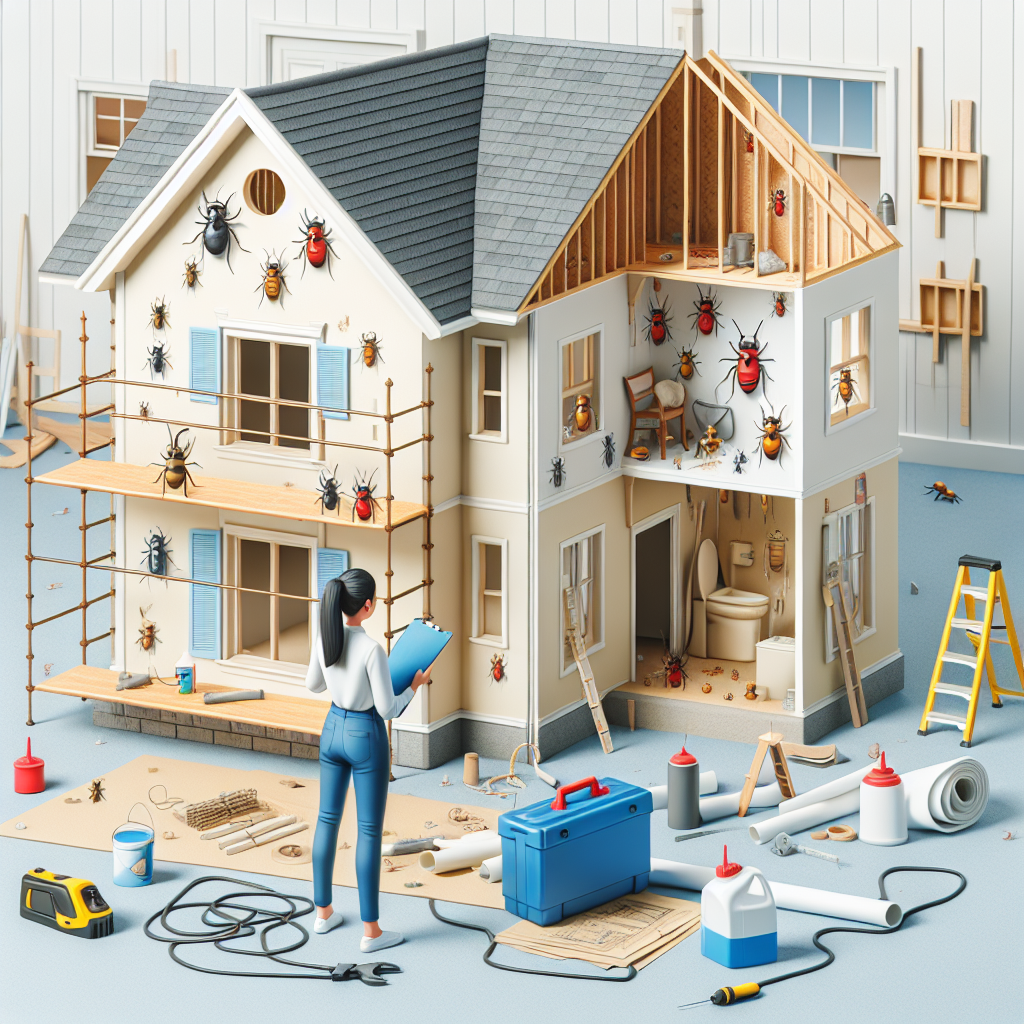
8. Seek Professional Pest Control Assistance
8.1 Consult with a pest control company
Consulting with a professional pest control company is an excellent way to ensure that your renovation area remains pest-free. They can perform a thorough inspection, identify potential pest risks, and provide expert guidance on preventive measures. They will have the knowledge and experience to deal with any pest-related issues effectively.
8.2 Schedule regular pest inspections
During a renovation, it’s wise to schedule regular pest inspections to stay ahead of any potential problems. A professional pest control technician can inspect your home for signs of pest activity, even in areas that may be hidden or difficult to access. Regular inspections will help detect early signs of infestation and allow for prompt intervention.
8.3 Consider preventative treatments
In some cases, it may be necessary to consider preventative pest treatments during a renovation. This could include applying insecticides or implementing specialized pest control measures to deter pests before they become a problem. Consult with a professional pest control company to determine if preventative treatments are necessary in your situation.
10. Monitor for Signs of Pest Activity
10.1 Regularly inspect renovation area for pest droppings or damage
Monitoring the renovation area for signs of pest activity is crucial to preventing infestations from taking hold. Regularly inspect the area for pest droppings, gnaw marks, chewed wires, or other signs of damage. These signs can indicate the presence of pests and prompt the necessary actions to eliminate them.
10.2 Look out for signs of pests in adjacent areas of the house
Pest issues that arise during a renovation can sometimes spread to adjacent areas of your home. Therefore, it’s important to stay vigilant and monitor these areas for any signs of pest activity. Regularly inspect nearby rooms or spaces to detect early signs of infestation and address them promptly.
10.3 Take immediate action if pest activity is detected
If you notice any signs of pest activity during your renovation, it’s crucial to take immediate action. Contact a professional pest control company to assess the situation and develop an appropriate treatment plan. Acting promptly will help minimize the damage caused by pests and prevent further infestations.
By following these comprehensive guidelines, you can protect your home from pests during a renovation. Remember to assess current pest issues, prepare and secure the renovation area, use pest-repellent materials, manage waste properly, minimize food sources, implement routine cleaning and maintenance, maintain proper ventilation and insulation, seek professional pest control assistance, and monitor for signs of pest activity. With these proactive measures in place, you can ensure a pest-free and successful renovation project.