
If you’re currently renovating your home, you may be focused on choosing the perfect paint colors, selecting new furniture, or deciding on flooring options. However, amidst all the excitement, it’s essential not to overlook the importance of upgrading your home’s security. With the right measures in place, you can provide peace of mind for you and your loved ones, ensuring that your newly renovated space is not just aesthetically pleasing but also well-protected. In this article, we will explore some effective ways to enhance your home’s security during a renovation, so you can confidently enjoy your beautiful new space.

This image is property of images.pexels.com.
1. Install High-Security Doors
When it comes to upgrading your home’s security, one of the first things you should consider is installing high-security doors. These doors are specifically designed to deter potential intruders and provide an added layer of protection for your home. There are several key factors to consider when choosing and installing high-security doors.
1.1 Reinforce Door Frames
To ensure maximum security, it’s important to reinforce the door frames. Reinforcing the door frames involves adding metal plates or strike plates to strengthen the area where the door latch engages with the frame. This makes it much more difficult for intruders to kick in the door or force it open.
1.2 Upgrade Locking System
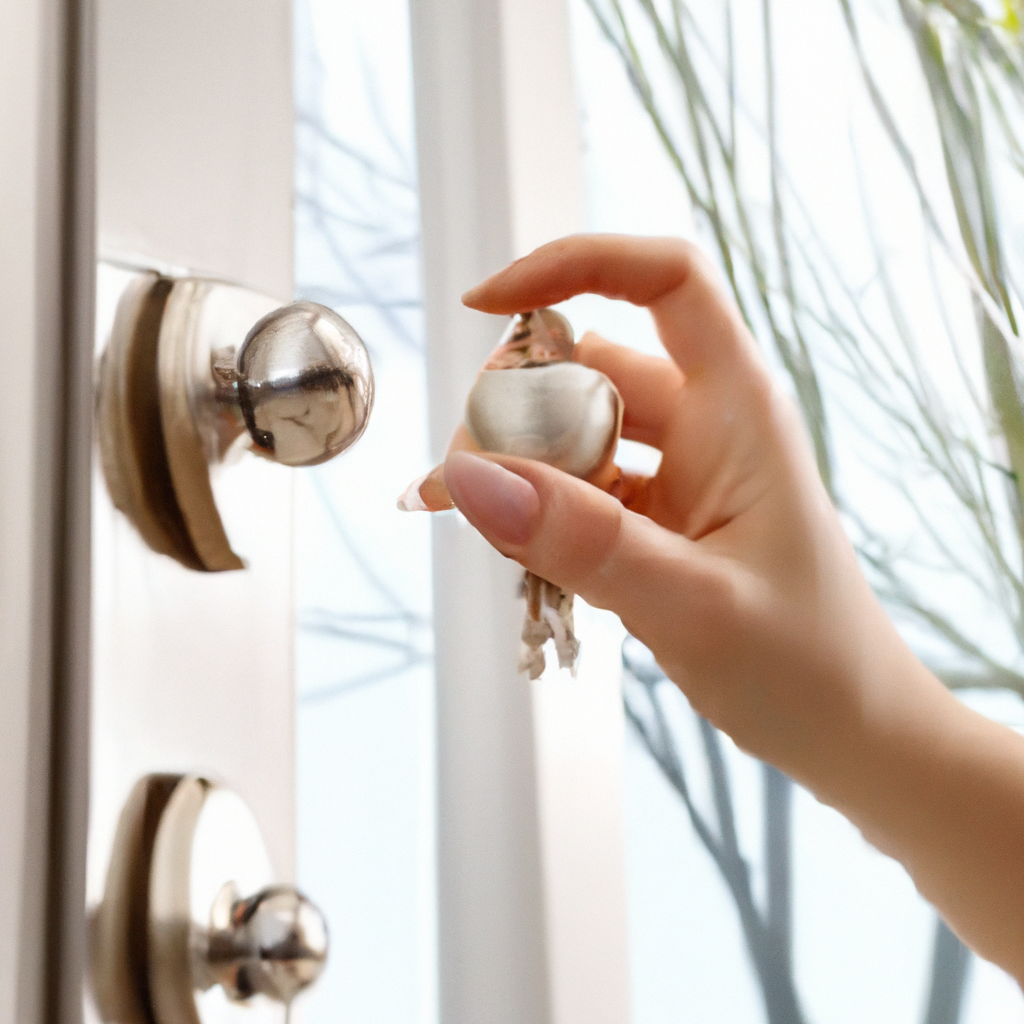
Another crucial aspect of high-security doors is the locking system. Traditional locks can be easily picked or manipulated, so consider upgrading to a more advanced locking system. Look for deadbolt locks with at least a one-inch throw, as these provide an added level of resistance against forced entry. You may also want to consider locks that are pick-resistant, drill-resistant, or have a keyless entry option for added convenience.
1.3 Consider Smart Locks
In today’s technological era, smart locks have become increasingly popular. These locks offer convenience and enhanced security by allowing you to control and monitor your door locks remotely through a smartphone app. Smart locks often come with features such as keyless entry, temporary access codes for guests, and activity logs that document who enters and exits your home. While smart locks can be more expensive, they provide peace of mind and give you greater control over your home’s security.
2. Upgrade Windows
Windows are another vulnerable point in your home’s security, so upgrading them is essential during a renovation. Here are some effective ways to enhance your windows’ security.
2.1 Install Impact-Resistant Glass
Consider replacing your standard glass windows with impact-resistant glass. This type of glass is designed to withstand high impact and will not shatter easily. Even if an intruder attempts to break the glass, it will remain intact, making it significantly more difficult for them to gain access to your home. Impact-resistant glass also has the added benefit of providing protection against extreme weather conditions, such as hurricanes or strong winds.
2.2 Add Window Security Film
Window security film is another excellent option for strengthening your windows. This film is applied directly to the glass and serves as a barrier, making it more difficult for intruders to break through. Window security film can significantly increase the strength and resistance of your windows, providing an extra layer of protection.
2.3 Install Window Alarms
Window alarms can be an effective deterrent for potential intruders. These alarms consist of sensors that detect when a window is opened or broken, triggering a loud alarm to alert you and your neighbors of a possible break-in. In addition to protecting your home, window alarms can also provide peace of mind while you are away, especially if you live in an area with a higher risk of burglary.

This image is property of images.pexels.com.
3. Strengthen Exterior Lighting
Proper exterior lighting is crucial in deterring potential intruders and increasing your home’s security. Dark areas around your property can provide hiding spots for intruders, so it’s important to illuminate these areas effectively. Consider the following tips to strengthen your exterior lighting:
3.1 Install Motion-Activated Lights
Motion-activated lights are an excellent way to ensure that the exterior of your home is well-lit when motion is detected. These lights turn on automatically when they sense movement, effectively startling any trespassers and drawing attention to their presence. Consider installing motion-activated lights near entry points, walkways, and other vulnerable areas around your property.
3.2 Use Timer Lights for an Occupied Look
When you’re away from home for extended periods, it’s important to create the illusion that the house is occupied. One way to achieve this is by using timer lights. These lights can be programmed to turn on and off at specific times, mimicking the usual activities of a lived-in home. By strategically placing timer lights throughout your house, you can give the impression that someone is home, deterring potential burglars.
4. Consider Security Cameras
Security cameras are an effective deterrent against burglaries and can provide valuable evidence in case of a break-in. Here are some important considerations when incorporating security cameras into your home’s security system.
4.1 Decide on the Camera Type
There are various types of security cameras available, each with different features and capabilities. Consider your specific needs and budget when choosing the camera type. Some popular options include wired cameras, wireless cameras, indoor cameras, outdoor cameras, and doorbell cameras. Each type has its advantages, so evaluate your requirements before making a decision.
4.2 Strategically Place Cameras
Placement is crucial when it comes to maximizing the effectiveness of your security cameras. Identify the vulnerable areas of your property and strategically place the cameras to ensure optimal coverage. Common areas to consider include entry points, high-traffic areas, and blind spots. It’s also important to position cameras at a height and angle that provides a clear view while remaining out of reach of potential tampering.
4.3 Connect Cameras to a Monitoring System
To enhance the functionality of your security cameras, consider connecting them to a monitoring system. This allows you to remotely access and monitor the camera feeds from your smartphone, tablet, or computer. Some systems even offer features like real-time notifications, video storage, and the ability to communicate with individuals through built-in speakers. Connecting your cameras to a monitoring system provides an extra layer of security and ensures you are always aware of any potential threats.

This image is property of images.pexels.com.
5. Fortify Perimeter Fencing
Creating a strong perimeter around your property is essential for maintaining security. By fortifying your perimeter fencing, you can deter potential intruders and enhance the overall security of your home. Consider the following tips when fortifying your fencing:
5.1 Choose Sturdy Materials
When selecting fencing materials, opt for sturdy options that are difficult to breach. Materials like wrought iron, steel, or aluminum can provide excellent durability and resistance to forced entry. Avoid materials like wood or chain-link fencing, as they are easier to damage or climb.
5.2 Ensure Fencing is High and Hard to Climb
The height and design of your fencing can play a crucial role in deterring intruders. Make sure your fencing is at least six feet high to make it more challenging for someone to climb over. Additionally, consider adding deterrents like pointed finials or ant-climbing devices to make it even more difficult for intruders to scale your fence.
5.3 Add Automated Gates
For added security and convenience, consider installing automated gates at the entrance of your property. Automated gates can be operated via remote control, keypad entry, or smartphone app. This allows you to control access to your property and ensures that only authorized individuals can enter. Automated gates also provide an additional physical barrier, making it more difficult for intruders to gain access to your home.
6. Install an Alarm System
An alarm system is a vital component of any comprehensive home security plan. It acts as a deterrent, alerts you to potential break-ins, and can even summon help in case of an emergency. Here’s what you should consider when installing an alarm system:
6.1 Choose the Right Alarm System
There are many alarm systems available on the market, each with different features and capabilities. Consider your specific needs, such as the size of your home, the level of monitoring required, and your budget. Options range from basic DIY alarm systems to professionally monitored systems with advanced features like home automation integration.
6.2 Install Sensors on All Entry Points
For maximum security, it’s essential to install sensors on all entry points to your home. This includes doors, windows, and even skylights. These sensors detect when a door or window is opened or breached, triggering the alarm system. By covering all possible points of entry, you can ensure that any unauthorized access is detected promptly.
6.3 Integrate with Security Cameras
To enhance the effectiveness of your alarm system, consider integrating it with your security cameras. This integration allows the cameras to start recording when the alarm is triggered. It also enables you to view live camera feeds when an alarm event occurs, providing valuable visual information to help assess the situation. Integrating your alarm system with security cameras creates a comprehensive security solution that offers both real-time monitoring and recorded evidence.
7. Reinforce Garage Security
The garage is often overlooked when it comes to home security, yet it can be an easy access point for intruders. To ensure the security of your garage, consider the following steps:
7.1 Upgrade Garage Door Locks
Traditional garage door locks are often not secure enough to deter determined intruders. Consider upgrading your garage door locks to more robust options, such as deadbolt locks specifically designed for garage doors. Additionally, reinforce the doorframe and hinges to make it more resistant to forced entry.
7.2 Install a Security System in the Garage
Extend the protection of your home’s security system to your garage by installing a separate security system. This can include motion sensors, window alarms, and security cameras. By integrating your garage into your overall security plan, you ensure that any unauthorized access or suspicious activity is detected and addressed promptly.
7.3 Use Garage Door Sensors
Garage door sensors are an effective way to enhance garage security. These sensors can detect when the garage door is opened or closed and can send instant notifications to your smartphone or security system. By using garage door sensors, you can monitor and control access to your garage, minimizing the risk of unauthorized entry.
8. Secure Spacious Outdoor Areas
If you have spacious outdoor areas, they can be vulnerable to intruders. Implementing security measures specific to these areas can help improve your home’s overall security. Consider the following steps:
8.1 Install Motion Sensor Lighting
Outdoor motion sensor lighting is an excellent way to deter potential intruders. These lights activate when motion is detected, illuminating the area and making it less appealing for criminals to approach. Install motion sensor lighting in key areas like backyard entrances, pathways, and outdoor living spaces to ensure comprehensive coverage.
8.2 Use Security Camera Coverage
Extend your security camera coverage to outdoor areas like gardens, patios, or driveways. By ensuring these areas are monitored, you can detect and deter any suspicious activity. Consider placing cameras at strategic locations with a wide field of view to maximize coverage.
8.3 Secure Valuable Outdoor Items
If you have valuable outdoor items like bicycles, grills, or gardening equipment, make sure they are properly secured. Use sturdy locks, chains, or anchor points to ensure that these items cannot be easily stolen. Securing valuable outdoor items not only protects your belongings but also reduces the likelihood of attracting potential thieves to your property.
9. Consider Smart Home Security Devices
With the rise of smart home technology, integrating smart security devices into your home can provide enhanced convenience and security. Consider the following options:
9.1 Install Smart Doorbells with Cameras
Smart doorbells with built-in cameras have gained significant popularity in recent years. These devices allow you to see and communicate with anyone at your front door, even when you’re not home. Smart doorbells can send real-time notifications to your smartphone when motion is detected or when someone rings the doorbell. This helps you keep an eye on your property and identify any suspicious activity.
9.2 Incorporate Smart Sensors and Alarms
Smart sensors and alarms can provide an added layer of security to your home. These sensors can detect motion, sound, or changes in temperature, and send alerts to your smartphone or other connected devices. Smart alarms can be integrated with your security system, allowing you to arm and disarm your system remotely. By incorporating smart sensors and alarms, you can monitor your home in real-time, even when you’re away.
9.3 Control Security System Remotely
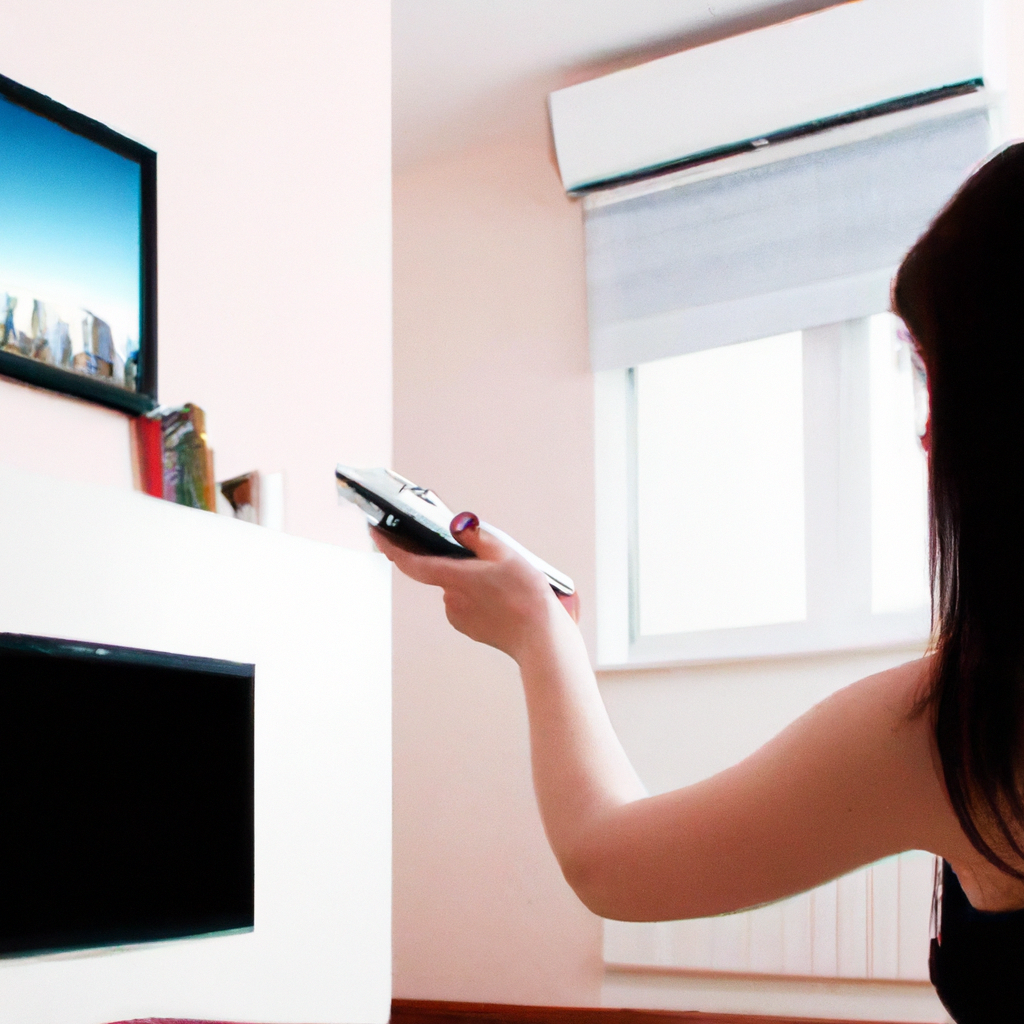
A significant advantage of smart home security devices is the ability to control your security system remotely. Through smartphone apps or voice assistants, you can arm or disarm your alarm system, lock or unlock doors, or adjust security camera settings, all from anywhere. Remote control not only provides convenience but also ensures that you never have to worry about forgetting to secure your home.
10. Seek Professional Security Consultation
If you’re unsure of the best security measures for your home or if you want a comprehensive analysis of your security needs, it’s worth seeking professional security consultation. A security expert can assess your property, identify vulnerabilities, and recommend appropriate security measures. Here are some steps to consider when seeking professional security consultation:
10.1 Hiring a Security Expert
Research and hire a reputable security company or a professional security expert with a proven track record in providing residential security solutions. They will have the expertise and knowledge to assess your home’s specific vulnerabilities and recommend the most appropriate security measures.
10.2 Conducting a Security Audit
During the consultation, the security expert will perform a detailed security audit of your property. This involves evaluating your home’s current security measures, identifying areas of weakness, and proposing solutions based on your specific needs and budget. A security audit provides invaluable insights and ensures that your security measures are tailored to your home’s unique requirements.
By following these comprehensive steps, you can significantly upgrade your home’s security during a renovation. Remember, the safety and security of your home and family should always be a top priority.