
Living in a rental property can be a great experience, but it’s crucial to address any potential health issues that may arise, such as mold or infestations. After all, your health and well-being should always come first. In this article, we will explore practical steps you can take to tackle these challenges head-on, ensuring a clean and safe living environment for you and your loved ones. So, if you’ve ever wondered how to effectively address these potential health issues in a rental, look no further – we’ve got you covered.
Initial Inspection
Perform a walkthrough
When you first move into a rental property, it’s important to perform a thorough walkthrough to identify any potential health hazards. Take your time and pay close attention to areas prone to moisture, such as bathrooms, kitchens, and basements. Look for any visible signs of mold, such as discoloration or a fuzzy texture on surfaces.
Look for visible signs of mold or infestations
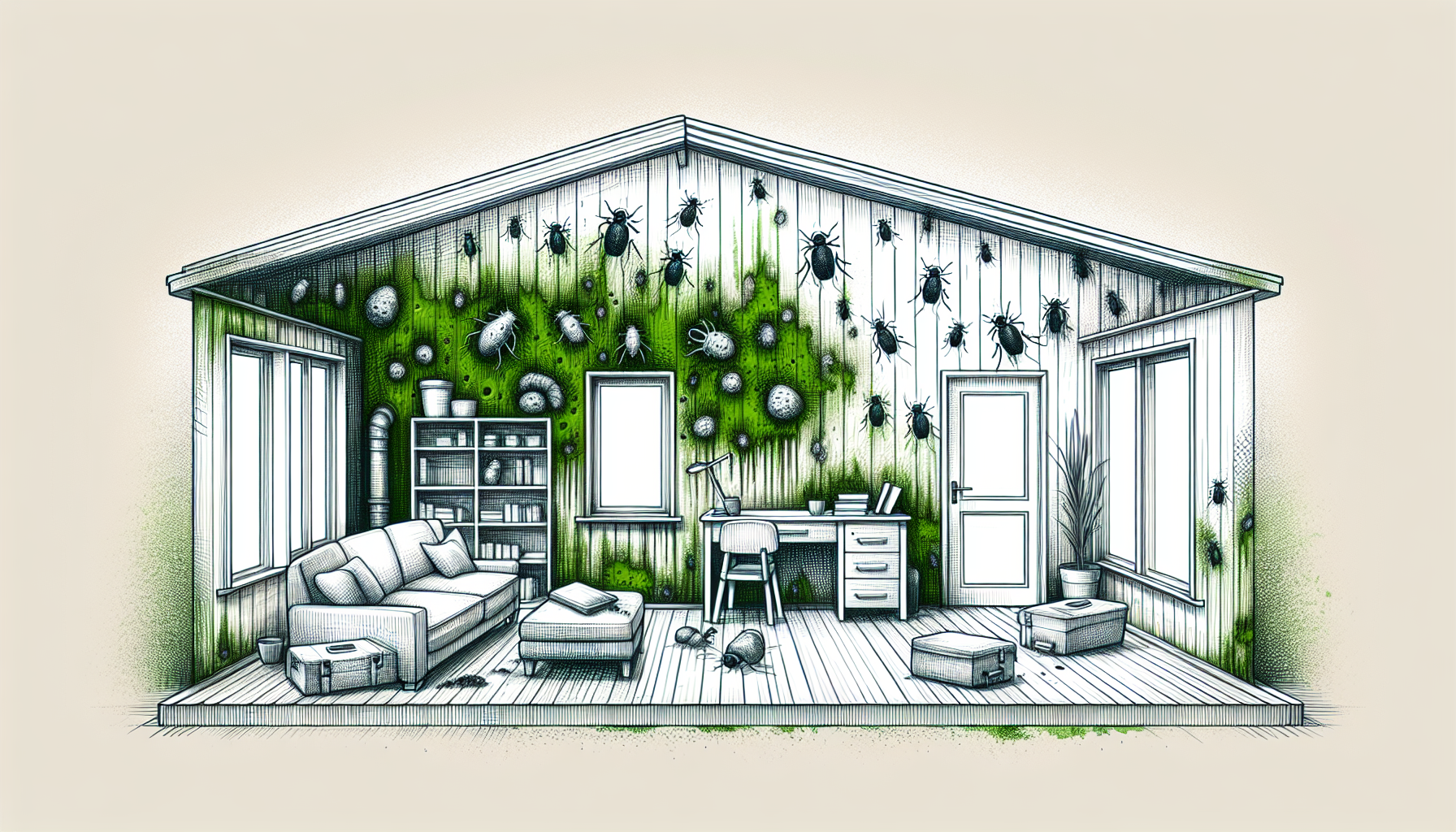
During your initial inspection, be on the lookout for any visible signs of mold or infestations. Check for patches of mold on walls, ceilings, or floors. Look for evidence of pests, such as droppings or nests. It’s important to address these issues promptly to prevent further damage and potential health risks.
Check for musty odors
Another indicator of mold or other issues is a musty odor. If you notice a persistent musty smell in certain areas of the rental property, it could be a sign of hidden mold growth or other moisture-related problems. Pay attention to odors in bathrooms, basements, or areas with poor ventilation.
Inspect for water damage
Water damage can often lead to mold growth and other health hazards. Look for any signs of water damage, such as discoloration, stains, or peeling paint on walls or ceilings. Pay close attention to areas around windows, plumbing fixtures, and appliances. If you notice any water stains or leaks, it’s important to address them promptly to prevent further issues.
Communicating with the Landlord
Contact the landlord immediately
If you suspect or discover any potential health issues, such as mold or infestations, it’s important to contact your landlord immediately. Inform them about the problem and provide detailed information about the location and extent of the issue. Prompt communication can help ensure that the problem is addressed quickly and efficiently.
Document any conversations or requests
To protect yourself, it’s important to document any conversations or requests you have with your landlord regarding the health issue. Keep a record of the dates, times, and details of each communication. This documentation can be valuable if there are any disputes or if legal action becomes necessary.
Request professional inspection if needed
In some cases, it may be necessary to request a professional inspection to determine the extent of the health issue, such as mold growth or pest infestations. If your landlord is unresponsive or unwilling to take action, you may consider hiring your own professional inspector. Having a professional assessment can provide a thorough understanding of the problem and help guide the remediation process.
Understand your rights as a tenant
As a tenant, it’s important to be aware of your rights when it comes to addressing potential health issues in a rental property. Familiarize yourself with local tenant laws and regulations to understand your rights and responsibilities. This can help you navigate the situation effectively and ensure that you are protected throughout the process.
This image is property of images.unsplash.com.
Mold Remediation
Hire a professional mold inspector
When it comes to mold remediation, it’s crucial to hire a professional mold inspector. They are trained to identify and assess mold growth and can provide guidance on the best course of action. A professional inspection will help determine the type and extent of mold, enabling you to better understand the necessary steps for remediation.
Follow recommended mold removal guidelines
If mold is present in your rental property, it’s important to follow recommended mold removal guidelines. These guidelines often include wearing protective gear, containing the affected areas, removing or cleaning mold-infested materials, and ensuring proper ventilation during the remediation process. By following these guidelines, you can help prevent the spread of mold and ensure a safe and effective cleanup.
Consider the extent of mold damage
The extent of mold damage will vary from case to case. In some instances, it may be possible to address the issue through surface cleaning and repair. However, in more severe cases, professional remediation may be necessary. When determining the extent of mold damage, consult with a professional to ensure that you take the appropriate measures.
Ensure proper ventilation and moisture control
To prevent future mold growth, it’s important to ensure proper ventilation and moisture control in your rental property. Make sure that bathrooms and kitchens have exhaust fans to remove excess moisture. Repair any leaks or water damage promptly. Additionally, consider using dehumidifiers in areas prone to high humidity. Proper ventilation and moisture control can help create an environment less conducive to mold growth.
Pest Infestations
Identify the type of pests
If you suspect a pest infestation in your rental property, it’s important to identify the type of pests involved. Different pests require different methods of control and extermination. Research common pests in your area and their characteristics to help narrow down the possibilities. If you are unsure, consider hiring a professional pest control service for a proper identification.
Hire professional pest control services
Once you have identified the type of pests, it’s recommended to hire professional pest control services. Pest control professionals have the knowledge, experience, and effective treatments to eradicate pests safely and efficiently. They can help prevent further infestations and provide you with peace of mind.
Take preventive measures
Preventing future pest infestations is crucial to maintaining a healthy living environment. Some preventive measures you can take include sealing cracks and gaps in walls, floors, and windows, keeping food storage areas clean and well-sealed, and regularly disposing of trash in secure containers. By practicing good hygiene and implementing preventive measures, you can reduce the risk of pests invading your rental property.
Maintain cleanliness and proper waste disposal
Maintaining cleanliness is essential in preventing pest infestations. Regularly clean your rental property, paying attention to areas where pests are commonly found, such as kitchens and bathrooms. Properly dispose of food waste and keep trash bins tightly closed. By adopting good cleaning practices, you can help deter pests from entering your home.

This image is property of images.unsplash.com.
Health Concerns
Be aware of health symptoms
When living in a rental property with potential health issues, it’s crucial to be aware of any health symptoms that may arise. Mold exposure and pest infestations can cause a range of health problems, including respiratory issues, allergies, headaches, and skin irritation. Pay attention to any new or recurring symptoms and consult a healthcare professional if needed.
Consult a healthcare professional if needed
If you experience health symptoms that you believe may be related to the rental property’s health issues, it’s important to consult a healthcare professional. They can evaluate your symptoms and provide guidance on appropriate treatment. It’s important to seek medical advice promptly to address any potential health concerns.
Consider temporary relocation if necessary
In some cases, the extent of health issues in a rental property may necessitate temporary relocation. If your health or the health of your family members is severely impacted by mold or pest infestations, consider discussing the situation with your landlord and exploring the possibility of temporarily relocating until the issues are resolved.
Take steps to improve indoor air quality
Improving indoor air quality is crucial when dealing with potential health issues in a rental property. Good ventilation, consistent maintenance of heating and cooling systems, and regular cleaning can significantly enhance the quality of the air you breathe. Consider using air purifiers or dehumidifiers to further improve indoor air quality.
Legal Actions
Review your rental agreement
When faced with health issues in a rental property, it’s important to review your rental agreement thoroughly. Familiarize yourself with the clauses related to maintenance, repairs, and the landlord’s responsibilities. Understanding your rights and obligations can help you determine the appropriate course of action.
Consult with a lawyer if required
If you believe that your landlord has neglected their responsibilities in addressing the health issues in your rental property, it may be necessary to consult with a lawyer specializing in landlord-tenant disputes. They can provide legal advice tailored to your specific situation and help you understand your legal options.
Notify relevant authorities if necessary
In certain situations, it may be necessary to notify relevant authorities about the health issues in your rental property. This could include local health departments or housing agencies that oversee rental properties. Be sure to document your concerns and follow the appropriate procedures to ensure that your complaint is properly addressed.
Consider seeking compensation for damages or medical expenses
If you have incurred damages or medical expenses as a result of health issues in your rental property, consider seeking compensation from your landlord. Consult with a lawyer to understand your rights and the potential compensation options available to you. It’s important to gather evidence, such as documentation of expenses and repairs, to support your claim.
This image is property of images.unsplash.com.
Preventing Future Issues
Regularly inspect and maintain the rental property
To prevent future health issues in your rental property, it’s important to regularly inspect and maintain the premises. Keep an eye out for any signs of water damage, mold growth, or pest activity. Addressing minor issues promptly and maintaining the property in good condition can help prevent larger problems from developing.
Report any issues or concerns promptly
If you notice any issues or concerns, such as leaks, odors, or signs of pests, report them to your landlord immediately. Prompt reporting enables swift action to address the problem and prevent it from worsening. Communicate clearly and provide detailed information to ensure that the issue is understood and prioritized.
Follow proper cleaning and hygiene practices
Following proper cleaning and hygiene practices is essential in preventing health issues in a rental property. Clean regularly, paying attention to high-moisture areas and commonly used surfaces. Practice good hygiene habits, such as washing hands regularly and properly storing and disposing of food waste. By maintaining a clean and hygienic living environment, you can reduce the risk of health hazards.
Stay informed about health and safety regulations
To effectively prevent future health issues, stay informed about health and safety regulations and guidelines relevant to rental properties. Familiarize yourself with local requirements, such as building codes, mold remediation standards, and pest control regulations. Staying informed empowers you to advocate for your health and ensures that you can hold your landlord accountable for maintaining a safe living environment.
Tenant’s Insurance
Review your insurance policy
Review your tenant’s insurance policy to understand the coverage it provides for potential health-related issues in your rental property. Some policies may include coverage for mold damage or pest infestations, while others may require additional endorsements. Understanding your insurance coverage can help you determine if you need to seek additional protection.
Ensure coverage for health-related issues
Confirm that your tenant’s insurance policy includes coverage for health-related issues, such as mold-related illnesses or injuries caused by pests. If your policy does not provide adequate coverage, consider discussing the matter with your insurance provider to explore additional options.
Consider additional coverage options
In some cases, you may need additional coverage beyond what is provided by your tenant’s insurance policy. Explore the possibility of obtaining additional coverage specifically for health-related issues, mold damage, or pest infestations. Discuss your needs with your insurance provider and assess the available options.
Keep documentation of damages and expenses
In the event that you need to file a claim with your insurance provider, it’s important to keep detailed documentation of any damages or expenses incurred as a result of health issues in your rental property. Take photographs, keep receipts, and maintain a record of all relevant documents. This documentation will be valuable when filing a claim and seeking compensation.
Seeking Professional Advice
Consult with environmental health experts
When dealing with potential health issues in a rental property, it can be helpful to consult with environmental health experts. These professionals specialize in assessing and mitigating health hazards in indoor environments. They can provide expert advice on managing mold, pest infestations, and other potential risks.
Get guidance from tenant advocacy organizations
Tenant advocacy organizations are dedicated to supporting and informing tenants about their rights and responsibilities. Reach out to these organizations for guidance and advice on dealing with health issues in a rental property. They can provide valuable resources and assistance throughout the process.
Seek legal advice from housing experts
If you encounter complex legal issues or disputes related to health concerns in your rental property, it’s important to seek legal advice from housing experts. These professionals have the knowledge and experience to navigate landlord-tenant disputes and provide guidance tailored to your specific situation. Consult with a housing lawyer if necessary.
Consider community resources and support
In some cases, community resources and support services may be available to help tenants address health issues in their rental properties. Reach out to local community organizations, health departments, or tenant support groups to explore the resources and assistance they can provide. They may offer valuable guidance, referrals, or financial support.
Maintaining Communication
Maintain open and regular communication with the landlord
Clear and open communication with your landlord is vital when addressing potential health issues in a rental property. Keep the lines of communication open, providing updates on the situation, and promptly responding to any inquiries or requests from your landlord. Effective communication can help ensure that your concerns are understood and addressed.
Report any recurring issues promptly
If you notice any recurring health issues in your rental property, such as mold re-growth or pest re-infestations, report them to your landlord promptly. Recurring problems may indicate underlying issues that need to be properly addressed. By reporting these issues, you can help prevent further health hazards.
Document all correspondence and actions taken
To protect yourself and ensure proper documentation, keep a record of all correspondence and actions taken regarding the health issues in your rental property. This includes written communication, phone conversations, and any steps taken to address the problem. Having a clear record can be valuable if disputes arise or if legal action becomes necessary.
Consider involving a mediator if conflicts arise
If conflicts arise between you and your landlord regarding the health issues in your rental property, consider involving a mediator. A mediator can help facilitate communication, ensure that both parties are heard, and assist in finding mutually agreeable solutions. Mediation can be a valuable tool in resolving disputes amicably and avoiding unnecessary escalation.
Addressing potential health issues in a rental property can be a complex process, but by following these comprehensive steps and seeking professional aid when necessary, you can ensure your well-being and uphold your rights as a tenant. Remember to stay proactive, communicative, and well-informed to tackle these issues effectively and maintain a safe living environment.
