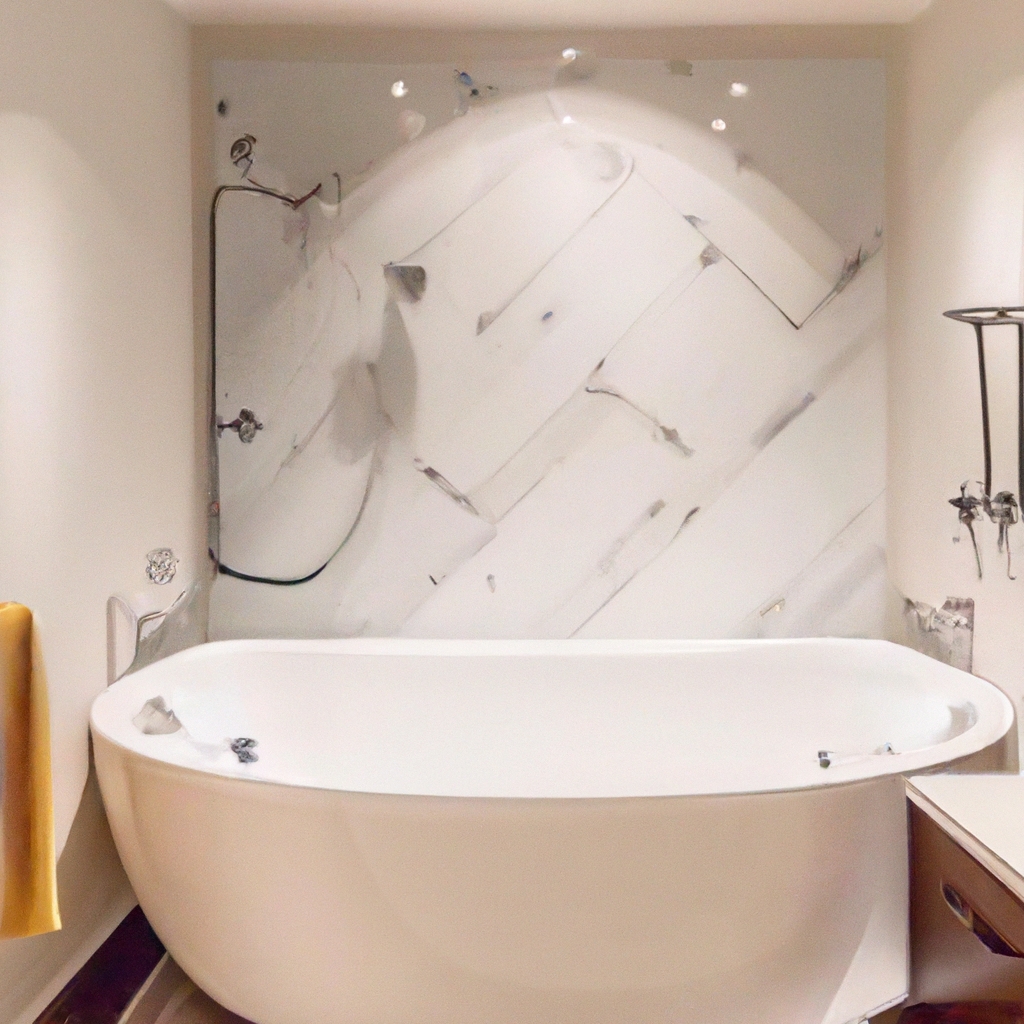
Are you torn between the comfort of a bathtub or the convenience of a walk-in shower? Deciding which one is right for you can be a daunting task, but fear not! In this article, we will explore the factors to consider when making this important decision. From space limitations to personal preferences, we will help you weigh the pros and cons of each option so that you can make a well-informed choice that suits your needs. Say goodbye to the dilemma of choosing between a bathtub and a walk-in shower, as we guide you towards the perfect solution for your bathroom.

This image is property of images.pexels.com.
Cost
When considering the cost of a bathroom renovation, there are several factors to keep in mind. Firstly, there is the initial cost of purchasing either a bathtub or a walk-in shower. Bathtubs generally come in a variety of price ranges depending on their size, material, and features. Walk-in showers can also vary in price, largely dependent on the type of shower enclosure and any additional features such as grab bars or seating options.
In addition to the initial cost, it’s important to consider the installation cost. Installing a bathtub may require more plumbing work due to the need for fixtures such as faucets and drains. On the other hand, walk-in showers may require specialized installation if you opt for a barrier-free design. This could potentially involve modifications to your bathroom floor and may require professional help.
Maintenance and repair costs are another factor to take into account. Bathtubs typically require regular cleaning and occasional repairs or replacements of parts such as faucets or drains. In contrast, walk-in showers may have fewer maintenance requirements, but any repairs needed for the shower enclosure or specialized features can be more costly.
Space
When it comes to the space available in your bathroom, both bathtubs and walk-in showers have their pros and cons. The size of your bathroom will largely dictate which option is more suitable for you.
Bathroom size is a key consideration when deciding between a bathtub and a walk-in shower. If you have a small bathroom, a walk-in shower can be a space-saving solution. They tend to have a smaller footprint and can create a more open and airy feel in tight spaces. On the other hand, if you have a larger bathroom, a bathtub can be a luxurious addition that offers a focal point for relaxation.
Layout and design also play a role in utilizing the available space effectively. Walk-in showers can be designed to fit in corners or along walls, allowing for more flexibility in bathroom layout. Bathtubs, on the other hand, require a designated area that can sometimes limit your options for bathroom design.
Functionality is another important aspect to consider. If you have a busy family or individuals with different bathing preferences, having both a bathtub and a walk-in shower might be the ideal solution. This allows for versatility and accommodates the needs of everyone in your household.
Accessibility
When it comes to accessibility, both mobility and safety are important considerations. Depending on your needs, one option may be more suitable than the other.
For individuals with mobility challenges or those who require assistance, walk-in showers offer enhanced accessibility features. They often have low or no thresholds, making it easier to enter and exit the shower. Additionally, grab bars and built-in seating options can provide added support for those who need it. These features improve safety and reduce the risk of accidents.
Aging in place is a growing trend, and many individuals prefer to remain in their homes as they get older. In this case, it’s crucial to consider options that ensure long-term accessibility and safety. Walk-in showers are often considered a more practical choice for aging in place due to their accessibility features and potential for customization to accommodate changing needs.
Comfort and Relaxation
Creating a bathroom space that promotes comfort and relaxation is a priority for many homeowners. Both bathtubs and walk-in showers offer unique benefits in this regard.
Hydrotherapy is a popular feature in bathtubs that can provide therapeutic benefits. Soaking in warm water can help soothe sore muscles and relieve stress. Many bathtubs also offer additional features such as whirlpool jets or air jets that provide a massaging effect. This can enhance relaxation and make the bathing experience more enjoyable.
On the other hand, walk-in showers can also provide a sense of relaxation. Although they do not offer the full-body immersion that bathtubs do, walk-in showers can be equipped with features such as rainfall showerheads or adjustable water pressure, creating a spa-like experience. Additionally, the open and spacious design of walk-in showers can contribute to a calming ambiance.

This image is property of images.pexels.com.
Convenience
When it comes to convenience, aspects such as ease of use, cleaning, and maintenance play a significant role in decision-making.
Ease of use is an important consideration, especially for individuals with limited mobility or disabilities. Walk-in showers generally offer easier accessibility, eliminating the need to step over high tub walls. This makes them more user-friendly and convenient for individuals of all ages.
Cleaning and maintenance requirements are also factors to consider. Bathtubs can be more time-consuming to clean, particularly if they have intricate designs or jets. Walk-in showers, on the other hand, have a simpler design and are generally easier to clean. The absence of a tub well makes them less prone to accumulation of dirt and grime.
Safety
Ensuring safety in the bathroom is crucial, especially considering the potential for slips and falls. Both bathtubs and walk-in showers have distinct safety aspects to consider.
Slip and fall risk is a concern in any bathroom, and it is important to weigh the risk associated with different bathing options. Bathtubs can pose a higher risk due to their high sides and the need to step in and out. However, the use of non-slip mats and grab bars can help mitigate this risk.
Doorless showers, also known as curbless or walk-in showers, have become increasingly popular due to their accessibility features. The absence of a step or threshold eliminates tripping hazards and makes them a safer option, especially for individuals with mobility challenges. The inclusion of grab bars and non-slip surfaces further enhances safety.
Walk-in tubs are another alternative that combines the convenience of a shower with the safety features of a bathtub. These tubs feature a door that allows for easy entry and exit, reducing the risk of falls associated with traditional bathtubs.

This image is property of images.pexels.com.
Resale Value
Considering the potential impact on the resale value of your home is important when making any major renovation decisions, including the choice between a bathtub and a walk-in shower.
Homebuyer preferences can vary, and it’s essential to understand the market trends in your area. In some cases, having a bathtub can be seen as a desirable feature, particularly for families with young children. However, there is a growing trend towards walk-in showers, especially among older adults and those with accessibility needs.
It’s advisable to consider the potential buyer demographic in your area and weigh the resale value implications of either option. Ultimately, making a decision that appeals to a wider range of potential buyers can increase the value of your home.
Personal Preference
Personal preference is an important factor when it comes to your bathroom renovation. Understanding your individual needs and considering your lifestyle factors can help guide your decision.
Individual needs vary, and it’s essential to choose a bathing option that aligns with your specific requirements. If you enjoy the therapeutic benefits of soaking in a bathtub or have specific physical limitations that require certain features, a bathtub might be the better choice for you. On the other hand, if accessibility, space-saving, or ease of use is a priority, a walk-in shower may be more suitable.
Lifestyle factors also come into play. Consider how you typically use your bathroom and what activities are important to you. For example, if you have a busy schedule and prefer quick showers over long, leisurely baths, a walk-in shower may be the more efficient choice.
Environmental Impact
Considering the environmental impact of your bathroom renovation can help you make a more sustainable choice.
Water conservation is an important aspect to consider. Bathtubs typically require more water to fill compared to walk-in showers. If water efficiency is a concern, choosing a walk-in shower with a low-flow showerhead can significantly reduce water consumption.
Energy efficiency is another factor to consider. Bathtub heating systems, such as jet systems, can consume more energy. Walk-in showers, especially those equipped with energy-efficient fixtures and showerheads, tend to be more energy-efficient.
Customizability
The ability to customize your bathroom to your specific taste and style is important for many homeowners.
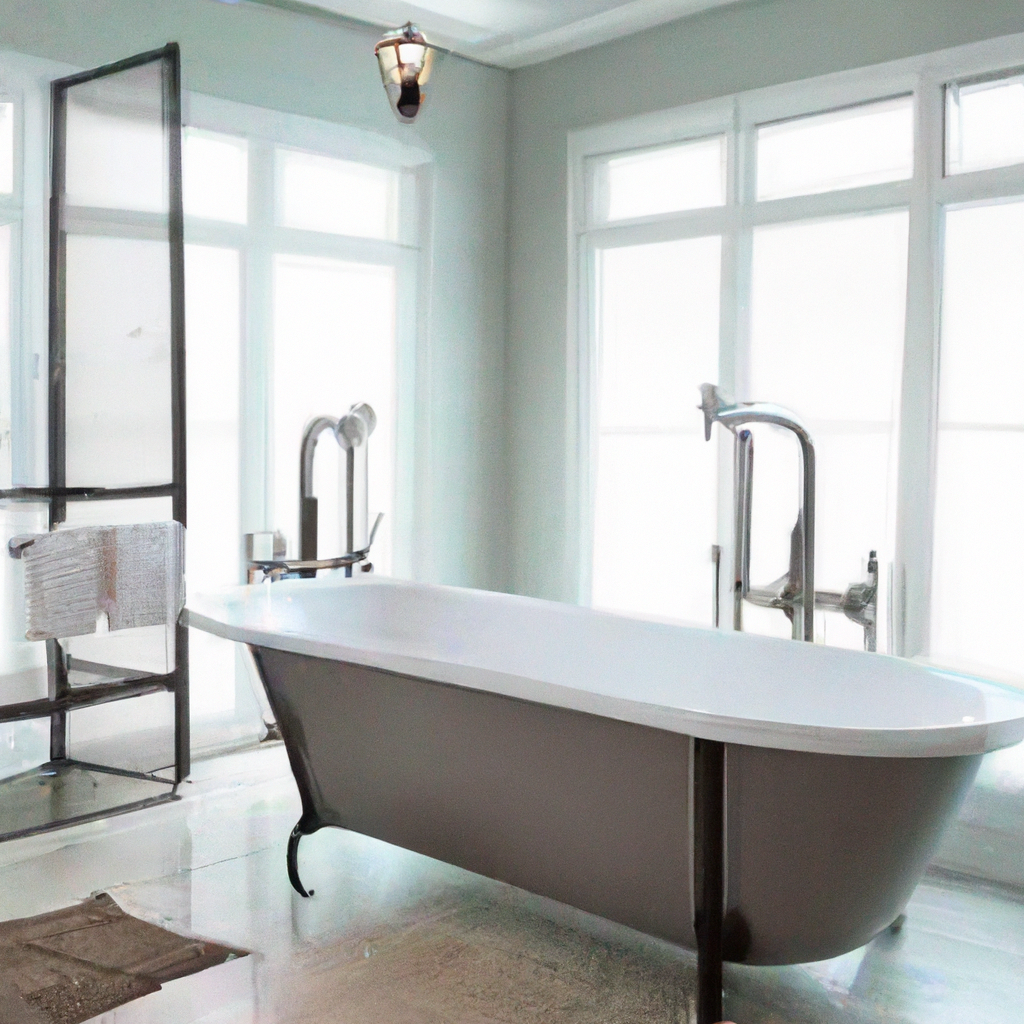
Design options vary between bathtubs and walk-in showers. Bathtubs come in a wide range of styles, materials, and designs, allowing for customization that can complement your overall bathroom aesthetics. From traditional clawfoot tubs to modern freestanding models, there is a vast array of options to choose from.
Walk-in showers also offer customization options. From the type of shower enclosure to the style of showerhead, you can personalize your walk-in shower to suit your preferences. Additionally, the accessibility features of walk-in showers can be customized to accommodate your specific needs.
In conclusion, when choosing between a bathtub and a walk-in shower, it’s essential to consider factors such as cost, space, accessibility, comfort, convenience, safety, resale value, personal preference, environmental impact, and customizability. By carefully evaluating the advantages and disadvantages of each option, you can make an informed decision that meets your specific needs and enhances your bathroom renovation.