
Choosing the perfect exterior paint color for your home can be an exciting yet daunting task. The color you select not only enhances your home’s overall appearance but also reflects your personal style. With a wide range of options available, it’s essential to consider factors such as your home’s architectural style, the surrounding environment, and your own preferences. This article will guide you through the process, providing you with practical tips and expert advice to help you make the best decision and create a stunning visual impact with your home’s exterior. So, let’s dive in and discover how to choose the right exterior paint color that perfectly matches your home’s style!

Understanding Your Home’s Style
Researching your home’s architectural style is an important first step in choosing the right exterior paint color. By understanding the style of your home, you can have a better idea of the colors that historically complemented it. Take some time to research the architectural features and characteristics of your home’s style. Whether it’s a Victorian, Craftsman, or Modern style, each has its own distinct color palettes that can guide your decision-making process.
Identifying key features that define your home’s style is crucial in selecting a color that enhances its unique characteristics. Look closely at architectural elements such as the roof, windows, and trim. These details often dictate the appropriate color choices. For example, if your home has ornate detailing, you may want to consider a color that highlights those features. On the other hand, if your home has a simple design, a more understated color might be appropriate.
Considering the color schemes historically used for your home’s style will give you a starting point in your color selection process. By researching homes of the same architectural style and era, you can get a sense of the colors that were commonly used. This can help you create a cohesive look that stays true to the historical context of your home. Keep in mind that while historic palettes can be a great starting point, you also have the freedom to choose a color scheme that reflects your personal taste.
Analyzing Your Surroundings
Assessing the climate and weather conditions of your location is important when choosing an exterior paint color. Different climates can impact the durability and longevity of certain colors. For example, if you live in a region with harsh sunlight, you’ll want to select a paint that can withstand fading and UV damage. On the other hand, if you live in an area with high humidity or heavy rainfall, you’ll want to choose a paint that can resist moisture.
Taking into account the landscape and natural surroundings of your home is another crucial step in color selection. Consider the colors of the surrounding environment such as trees, plants, and bodies of water. You want your home to harmonize with its natural surroundings rather than clash with them. By taking inspiration from the colors of nature, you can create a cohesive and visually pleasing exterior.
Considering the color palette of neighboring homes is essential, especially if you live in a close-knit community or a neighborhood with specific architectural guidelines. Take note of the predominant colors used in nearby houses to ensure that your color choice complements the overall aesthetic of the neighborhood. While you don’t necessarily need to match exactly, it’s important to create a harmonious look that doesn’t stand out in an undesirable way.
Determining Your Color Preferences
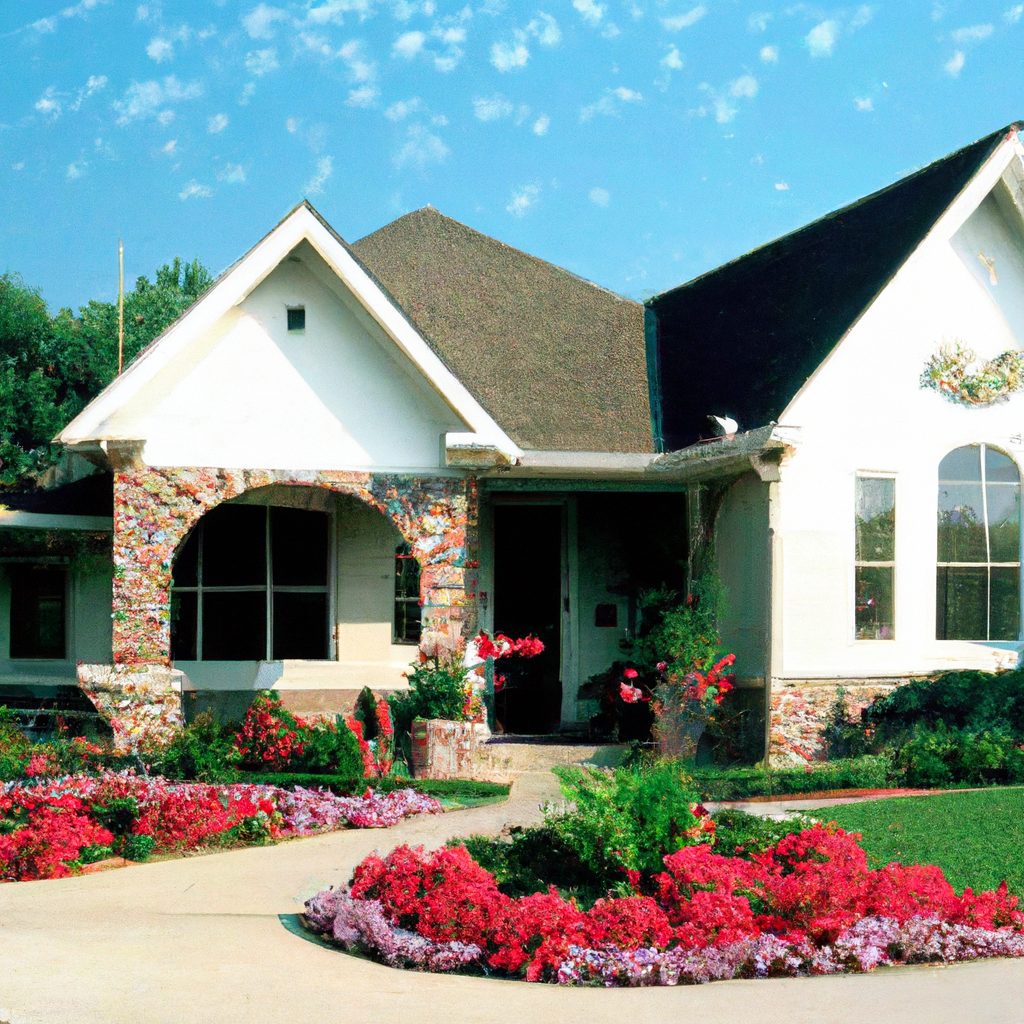
Exploring your personal color preferences is an exciting part of the paint color selection process. Think about the colors that you gravitate towards and that bring you joy. Do you prefer bold and vibrant colors, or do you lean towards more neutral and muted tones? Consider what mood and atmosphere you want to create with your home’s exterior. Colors can evoke different emotions, so choose a palette that aligns with the overall feeling you want to convey.
Making a statement or blending in with the neighborhood is another factor to consider when determining your color preferences. Do you want your home to stand out or do you prefer a more understated look? Making a statement can be a great way to showcase your personality, but it’s important to strike a balance that fits within the context of your surroundings. Take into account the overall style and ambiance of your neighborhood to ensure your color choice enhances rather than clashes with the existing aesthetic.
Examining Exterior Materials
Determining the paint compatibility with your home’s materials is essential in order to maintain its integrity and longevity. Different materials, such as wood, brick, or stucco, may require specific types of paint or preparation to ensure proper adhesion. Research which paints are suitable for the materials used in your home’s construction to avoid any potential issues or damage.
Considering the maintenance and durability of different paint options is also important. Some paints may require more frequent touch-ups or more intensive maintenance, while others offer longer-lasting protection. Think about the level of upkeep you’re willing to commit to and choose a paint that aligns with your desired maintenance schedule.
Deciding on gloss or sheen level for different materials is another aspect to consider. Glossy finishes tend to be more reflective and can accentuate architectural details, but they also show imperfections more easily. On the other hand, matte or satin finishes offer a more muted appearance and can help hide flaws. Consider the condition and texture of the materials and decide on the appropriate sheen level that will enhance their appearance.

This image is property of images.pexels.com.
Using Color Psychology
Understanding the psychological effects of different colors is a powerful tool in creating the desired atmosphere for your home’s exterior. Colors have the ability to evoke emotions and can impact how people perceive your home. For example, warm colors like reds and oranges can create a welcoming and energetic vibe, while cool colors like blues and greens can evoke a sense of calm and relaxation.
Creating harmony and balance with complementary colors is another way to use color psychology to your advantage. Complementary colors are opposites on the color wheel, such as blue and orange or yellow and purple. When used together, they create a pleasing contrast that can make your home’s exterior visually appealing. Consider incorporating complementary colors in your paint scheme to highlight specific architectural features or create visual interest.
Using color to highlight or downplay specific architectural details is a strategic approach to enhancing the overall look of your home. Darker colors can help elements like trim or shutters stand out, while lighter colors can make certain features recede into the background. Consider which architectural details you want to emphasize or minimize and use color strategically to achieve your desired effect.
Sampling and Testing Colors
Using paint swatches and color visualizers is a practical way to narrow down your color choices. Most paint stores offer small samples of paint that you can take home and test on your home’s exterior. Apply the samples to different parts of your home and observe how they look in various lighting conditions. This will give you a better sense of how the colors appear on your specific materials and surroundings.
Testing colors on different parts of your home’s exterior is essential because colors can look different based on location and architecture. The same color might appear darker in a shaded area and lighter in direct sunlight. Additionally, certain architectural elements may interact with the color in unexpected ways. It’s important to evaluate how the colors interact with the existing materials and features of your home.
Assessing the colors in different lighting conditions is crucial to ensure that your chosen color will still look appealing throughout the day. Natural lighting, such as the position of the sun, can greatly impact how colors appear. Take note of how the colors look in the morning, afternoon, and evening to make a more informed decision. By testing colors in various lighting conditions, you can feel confident that your chosen paint color will look great no matter the time of day.

This image is property of images.pexels.com.
Considering Architectural Details
Choosing colors that enhance architectural elements is a key aspect of creating a visually pleasing exterior. Take note of the architectural details that you want to highlight and select colors that will draw attention to those features. For example, if your home has intricate trim or unique window shapes, consider choosing a contrasting color that will make these details pop.
Highlighting or concealing specific features with paint can be a strategic way to achieve a desired effect. If there are elements of your home that you’re not particularly fond of, such as an unsightly utility box or an awkwardly placed vent, using paint in a strategic manner can help them blend into the overall design. By painting these elements the same color as the surrounding area, you can effectively conceal them and create a more cohesive look.
Creating a cohesive look with trim, doors, and accents is an important consideration when choosing an exterior paint color. These elements can greatly impact the overall appearance of your home. Generally, it’s recommended to choose a color for the main body of the house, a different color for the trim, and another color for the doors and accents. This creates depth and visual interest that can enhance the overall style of your home.
Seeking Professional Advice
Consulting with a professional painter or color consultant can provide valuable insights and guidance throughout the color selection process. These professionals have expertise in understanding the intricacies of color and can recommend options that complement your home’s style and surroundings. They can also help you navigate any challenges or limitations that may arise during the decision-making process.
Getting recommendations based on your home’s style and surroundings can be especially helpful if you’re unsure of where to begin. Professionals can offer suggestions that align with your preferences while ensuring that the chosen colors will harmonize with the existing architectural elements and landscape. They can also share their knowledge of the latest trends and popular color choices, which can be useful if you’re looking for a more contemporary look.
Understanding the latest trends and popular color choices can be beneficial in helping you make an informed decision. While it’s important to choose a color that reflects your personal style, staying aware of current trends can help you create a timeless and visually appealing exterior. Professionals in the industry have access to this information and can share insights and advice tailored to your specific needs.

This image is property of images.pexels.com.
Considering Long-Term Maintenance
Opting for colors that are easy to maintain is essential in order to keep your home’s exterior looking fresh and vibrant. Some colors may require more frequent touch-ups or show dirt and stains more easily. Consider your lifestyle and the amount of time and effort you’re willing to commit to maintaining the appearance of your home. Choose colors that are durable and will hold up well over time, so you can enjoy your home’s exterior for years to come.
Understanding the effects of sunlight and fading is crucial when choosing an exterior paint color. Direct sunlight can cause colors to fade over time, especially on surfaces that are exposed to constant sunlight. Keep in mind that lighter colors tend to fade more quickly than darker colors. If you live in an area with intense sun exposure, consider choosing a paint color that has UV protection or opting for a shade that is less likely to fade.
Knowing when to repaint and touch up the exterior will help you maintain the overall appearance and protect your home’s surfaces. Regular inspections and maintenance routines will allow you to identify any areas that need attention. Make sure to address any chipping, peeling, or fading promptly to prevent further damage. A well-maintained exterior not only enhances your home’s curb appeal but also protects it from the elements.
Obtaining Approval and Permits
Checking with homeowner associations or local regulations is essential before making any final decisions. In some neighborhoods, there may be specific color restrictions or guidelines that you need to adhere to. Homeowner associations often have guidelines in place to maintain the overall aesthetic of the community. Make sure to familiarize yourself with any regulations to avoid potential issues or disputes.
Understanding any color restrictions or guidelines is important to ensure that your chosen paint color complies with the rules. Some associations may have a limited color palette or specific guidelines regarding the use of certain colors. By obtaining this information beforehand, you can avoid the hassle of having to repaint or address any non-compliance issues down the road.
Applying for necessary permits or approvals should be taken into account if you’re planning any major changes or alterations to your home’s exterior. Some municipalities require permits or approvals for certain types of exterior renovations, including painting. Make sure to check with your local government offices to determine if any permits are needed and ensure that you obtain them before proceeding with your project.
In conclusion, choosing the right exterior paint color to match your home’s style involves research, consideration of your surroundings, assessing your preferences, examining exterior materials, understanding color psychology, sampling and testing colors, evaluating architectural details, seeking professional advice, considering long-term maintenance, and obtaining any necessary approvals or permits. By carefully navigating each step and making informed decisions, you can enhance the beauty and curb appeal of your home while creating a harmonious and inviting exterior.