So you’re ready to make your home more energy-efficient and save on those utility bills? Choosing the right type of insulation is the first step towards achieving that goal. With so many options available, it can feel overwhelming to determine which one is best suited for your home. But fear not! In this article, we will guide you through the process of selecting the perfect insulation that meets your specific needs, ensuring your comfort and reduced energy expenses in the long run.
Factors to Consider
When choosing the right type of insulation for your home, there are several important factors to consider. These factors will help you make an informed decision that suits your home’s specific needs. So, before you jump into purchasing insulation materials, take a moment to assess the following factors:
Climate
The climate in which you live plays a significant role in determining the type of insulation that is best suited for your home. If you reside in a colder climate, insulation with a higher R-value is recommended to keep your home warm during the winter months. On the other hand, if you live in a warmer climate, you may want to focus on insulation materials that can effectively keep your home cool during hot summers.
Energy Efficiency Goals
Another crucial factor to consider is your energy efficiency goals. Are you aiming to reduce your energy consumption and lower your utility bills? If so, it is essential to choose insulation materials that offer high energy efficiency. These materials will help to keep your home comfortable while reducing the load on your heating and cooling systems.
Budget
An important consideration when selecting insulation is your budget. Insulation materials come in a wide range of prices, and it is essential to find a balance between cost-effectiveness and performance. Depending on your budget, you may need to prioritize certain insulation types over others. Remember, the upfront cost of insulation should be weighed against the long-term savings on energy bills.
Existing Insulation
Before choosing new insulation, it is crucial to assess any existing insulation in your home. Evaluate its condition and effectiveness. If your current insulation is outdated or damaged, it may be necessary to remove it and install new insulation. Understanding the state of your existing insulation will help you determine the right approach for choosing new materials.
Health and Safety
Health and safety should always be a priority when considering insulation options. Some insulation materials may contain harmful substances or allergens, which can pose health risks, especially during installation or if the insulation becomes damaged. It is essential to research the potential health effects of different insulation options and consult with professionals if needed.
Eco-Friendliness
If environmental impact is important to you, consider choosing insulation materials that are eco-friendly. Look for insulation options made from recycled or sustainable materials. These environmentally friendly products can help minimize your carbon footprint while still providing excellent insulation performance.
Types of Insulation
Understanding the different types of insulation available will help you choose the most suitable option for your home. Here are some common types of insulation you can consider:
Blanket Insulation
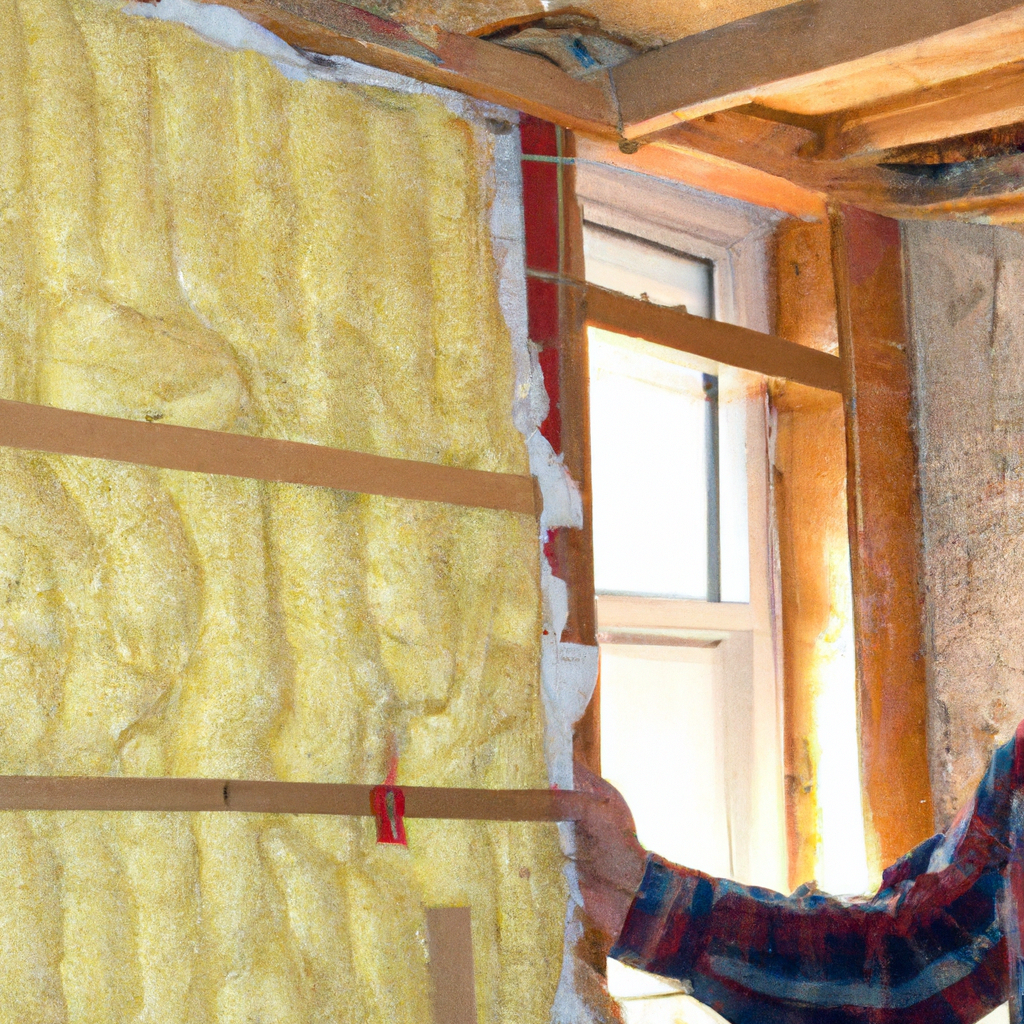
Blanket insulation, also known as batts or rolls, is one of the most common and cost-effective types of insulation. It usually comes in long strips and is made from materials such as fiberglass or mineral wool. Blanket insulation is relatively easy to install, making it a popular choice for homeowners who prefer to tackle insulation projects themselves.
Foam Board Insulation
Foam board insulation, as the name suggests, is made from rigid foam panels. This type of insulation offers excellent thermal resistance and provides a high R-value per inch of thickness. Foam board insulation is commonly used in areas that require a high level of insulation, such as basements or exterior walls.
Spray Foam Insulation
Spray foam insulation is a versatile insulation option that can be applied as a liquid foam and expands to fill wall cavities, crevices, and gaps. It provides an excellent air seal and thermal resistance. Spray foam insulation is commonly used in attics and walls, offering superior energy efficiency and soundproofing properties.
Loose-Fill Insulation
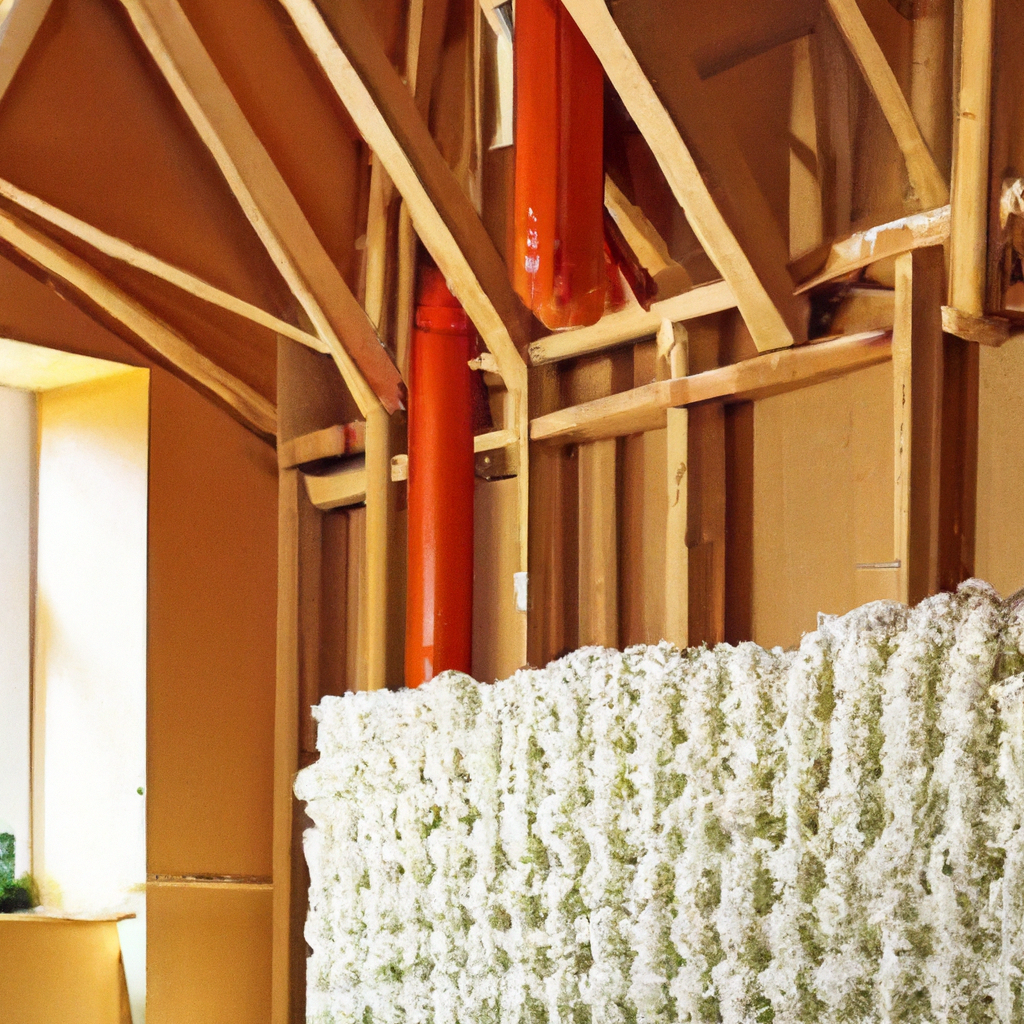
Loose-fill insulation consists of loose fibers or particles that are blown or poured into a specific space, such as attics or wall cavities, to insulate the area effectively. This type of insulation is often made from materials such as cellulose or fiberglass. Loose-fill insulation is an excellent solution for hard-to-reach areas or irregularly shaped spaces.
Rigid Fiber Insulation
Rigid fiber insulation is similar to blanket insulation but is stiffer and more rigid. It is commonly used for insulating air ducts or HVAC systems. Rigid fiber insulation provides excellent thermal performance and helps prevent heat loss or gain in ductwork, ensuring efficient heating and cooling throughout your home.

This image is property of images.pexels.com.
Insulation Materials
Now that you are familiar with the various types of insulation, let’s take a closer look at the different materials used in insulation:
Fiberglass
Fiberglass insulation is one of the most widely used insulation materials. It is made up of fine glass fibers, which are an effective insulator due to the air pockets within them. Fiberglass insulation is available in blanket or loose-fill form and offers excellent thermal performance at a budget-friendly price.
Cellulose
Cellulose insulation is made from recycled paper or cardboard treated with chemicals to resist fire, mold, and pests. It is a great environmentally friendly option that provides excellent thermal and sound insulation. Cellulose insulation is commonly used in attics and wall cavities.
Mineral Wool
Mineral wool insulation is produced from molten glass or stone, which is spun into fibers. It offers excellent fire resistance and soundproofing properties. Mineral wool insulation is available in blanket or loose-fill form and is suitable for various applications, including walls, attics, and basements.
Polyurethane
Polyurethane insulation is a type of foam insulation known for its high insulating properties and versatility. It can be applied as a liquid foam and expands to fill gaps and cracks. Polyurethane insulation offers exceptional thermal resistance and effective air sealing, making it an ideal choice for both residential and commercial buildings.
Polystyrene
Polystyrene insulation is available in two forms: expanded polystyrene (EPS) and extruded polystyrene (XPS). EPS is a lightweight insulation material typically used for insulation panels or blocks. XPS is denser and offers higher resistance to moisture, making it suitable for below-grade applications or areas prone to water exposure, such as basements.
Polyisocyanurate
Polyisocyanurate insulation is a type of foam insulation that provides excellent thermal performance. It offers a high R-value per inch of thickness, making it ideal for areas with limited space. Polyisocyanurate insulation is commonly used in roofs, walls, and ceilings.
Soy-Based Insulation
Soy-based insulation is an eco-friendly option made from soybean oil and other renewable materials. It is an effective insulator with good thermal and sound absorption properties. Soy-based insulation is typically available in foam or spray form.
Installation Process
Once you have chosen the right type and material of insulation, you need to decide whether to undertake the installation yourself or hire a professional. Consider the following factors when making this decision:
DIY vs Professional Installation
Installing insulation yourself can save money, but it requires a certain level of skill and knowledge. If you have prior experience or are confident in your abilities, DIY installation can be a cost-effective option. However, if you are unsure or concerned about the complexity of the installation, it is advisable to hire a professional insulation contractor. They have the expertise and equipment to ensure proper installation and can provide valuable advice on insulation best practices.
Considerations for Different Types
Different types of insulation have specific installation requirements. For example, blanket insulation is relatively straightforward to install, making it a suitable option for DIY projects. On the other hand, spray foam insulation should be handled by professionals due to the specialized equipment and safety precautions involved. Consider the difficulty level and safety requirements of the insulation type you choose before deciding on DIY or professional installation.
Preparation and Safety Measures
Regardless of whether you choose DIY installation or hire a professional, certain preparation and safety measures should be taken. Clearing the area of debris, sealing any air leaks, and wearing protective clothing, such as gloves and goggles, are essential steps to ensure a successful and safe installation process. Follow the manufacturer’s instructions and any local building codes to ensure compliance and safety.
This image is property of images.pexels.com.
Insulation R-Values
Understanding insulation R-values is crucial when selecting the right insulation for your home. The R-value measures the insulation material’s resistance to heat flow—the higher the R-value, the better the insulation’s effectiveness. Here are some key considerations regarding insulation R-values:
Understanding R-Values
R-values are determined based on the thickness and thermal conductivity of the insulation material. They indicate how effectively the insulation resists heat flow. The U.S. Department of Energy recommends higher R-values for areas with colder climates and lower R-values for warmer climates.
Matching Insulation to Climate Zones
The International Energy Conservation Code (IECC) divides the United States into climate zones. Each zone has specific recommended R-values for different areas of the home, such as ceilings, walls, floors, and crawl spaces. Consider your climate zone and ensure the insulation you choose meets or exceeds the recommended R-values for your specific region.
Different Areas of the Home
Different areas of the home have different insulation requirements. For example, attics typically require a higher R-value than walls due to the larger temperature difference between the indoor and outdoor environments. Take into account the specific areas of your home that require insulation and select materials with appropriate R-values for each location.
Common Insulation Problems
While insulation is essential for maintaining a comfortable and energy-efficient home, it can encounter various issues over time. Here are some common insulation problems to be aware of:
Moisture Issues
Moisture can cause significant problems for insulation materials. It can reduce their effectiveness and lead to mold and mildew growth. Ensure that your home has proper ventilation and address any sources of moisture, such as leaks or condensation, to prevent moisture-related issues with your insulation.
Air Leaks
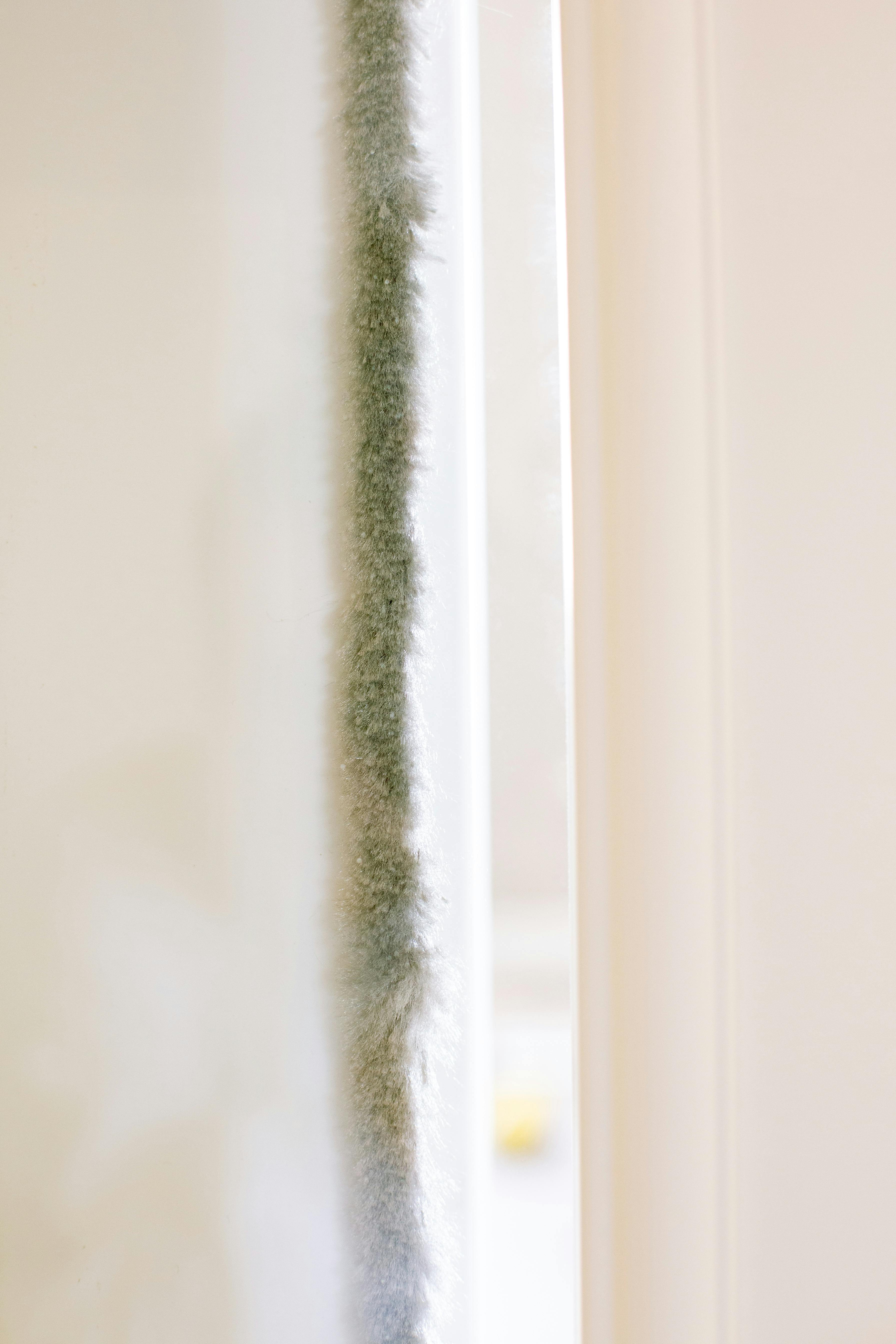
Air leaks can significantly reduce the efficiency of insulation by allowing warm or cool air to escape. Common sources of air leaks include gaps around windows and doors, electrical outlets, and plumbing penetrations. Seal any air leaks before installing insulation to maximize its effectiveness and energy efficiency.
Pest Infestations
Insulation materials, particularly those made from organic materials, can attract pests such as rodents or insects. They can damage the insulation and compromise its thermal performance. Take preventive measures, such as sealing entry points and using pest-resistant materials, to avoid pest infestations in your insulation.
Mold and Mildew
Inadequate ventilation, moisture issues, or water leaks can create a conducive environment for mold and mildew growth within insulation. This not only affects the insulation’s effectiveness but can also pose health risks. Regularly inspect your insulation for any signs of mold or mildew and address the underlying causes promptly.

This image is property of images.pexels.com.
Maintenance and Durability
Proper maintenance and regular inspections of your insulation can help extend its lifespan and maximize its performance. Consider the following factors:
Inspection and Maintenance Schedule
Regularly inspect your insulation for any damage, moisture issues, or mold growth. Follow a maintenance schedule to ensure that your insulation is in good condition and promptly address any issues that arise. Proper maintenance will help your insulation last longer and perform at its best.
Proper Ventilation
Proper ventilation is essential for maintaining the health and effectiveness of insulation materials. It helps regulate moisture levels and prevents the buildup of condensation. Ensure that your home has adequate ventilation, particularly in areas where insulation is installed, such as attics and crawl spaces.
Addressing Wear and Tear
Over time, insulation may experience wear and tear due to factors such as settling, compression, or physical damage. Regularly inspect your insulation for any signs of deterioration or damage. Address any issues promptly by repairing or replacing the affected insulation to maintain its thermal performance.
Cost Considerations
Cost is an important factor to consider when selecting insulation for your home. Here are some cost-related considerations:
Initial Cost vs Long-Term Savings
While some insulation materials may have a higher upfront cost, they can result in significant long-term savings on energy bills. Consider the potential energy savings over time when evaluating the cost-effectiveness of different insulation options.
Insulation Payback Period
The insulation payback period refers to the length of time it takes for the energy savings from insulation to offset the initial cost of installation. Some insulation materials have a shorter payback period due to their higher energy efficiency. Consider the payback period when comparing the cost-effectiveness of different insulation options.
Energy Savings Potential
Different insulation materials have varying levels of energy-saving potential. Choose insulation materials with higher R-values and better thermal performance to maximize energy savings. Evaluate potential energy savings against the initial cost to determine the most cost-effective option for your home.
Green Building Certifications
If environmental sustainability is a priority for you, look for insulation materials that have obtained green building certifications. Some common certifications to consider are:
Energy Star
Energy Star certification ensures that the insulation meets strict energy efficiency guidelines set by the Environmental Protection Agency (EPA). Energy Star certified insulation can help reduce energy consumption, lower greenhouse gas emissions, and contribute to a healthier environment.
LEED Certification
LEED (Leadership in Energy and Environmental Design) certification is a globally recognized rating system for sustainable buildings. LEED-certified insulation materials contribute towards achieving green building goals and can help you design an energy-efficient and environmentally responsible home.
GreenGuard Certification
GreenGuard certification guarantees that the insulation materials have undergone rigorous testing for indoor air quality, ensuring that they omit low levels of volatile organic compounds (VOCs). GreenGuard certified insulation promotes healthier indoor environments by reducing chemical emissions.
Finding a Reliable Contractor
If you decide to hire a professional insulation contractor for installation, finding a reliable and competent contractor is crucial. Consider the following tips:
Research and References
Research different insulation contractors in your area and check their reputations. Look for customer reviews and ratings to gauge their level of professionalism and customer satisfaction. Ask for references from previous clients to get a better understanding of their work quality and reliability.
Obtaining Multiple Quotes
Obtain multiple quotes from different insulation contractors to compare prices, services, and materials offered. Be sure to request detailed quotes that include the cost of materials, labor, and any additional charges. Evaluate the quotes alongside other factors such as reputation and references to make an informed decision.
Checking Credentials
Verify that the insulation contractor has the necessary licenses, insurance, and certifications. This includes checking if they are registered with relevant professional bodies and if they have liability insurance coverage. Choosing a contractor with the proper credentials ensures that you are working with a reputable and qualified professional.
By considering these factors, understanding the different types of insulation and materials available, and being aware of common problems and maintenance requirements, you can make an informed decision when choosing the right insulation for your home. Whether you opt for DIY installation or hire a professional contractor, a properly insulated home will keep you comfortable, energy-efficient, and environmentally friendly for years to come.