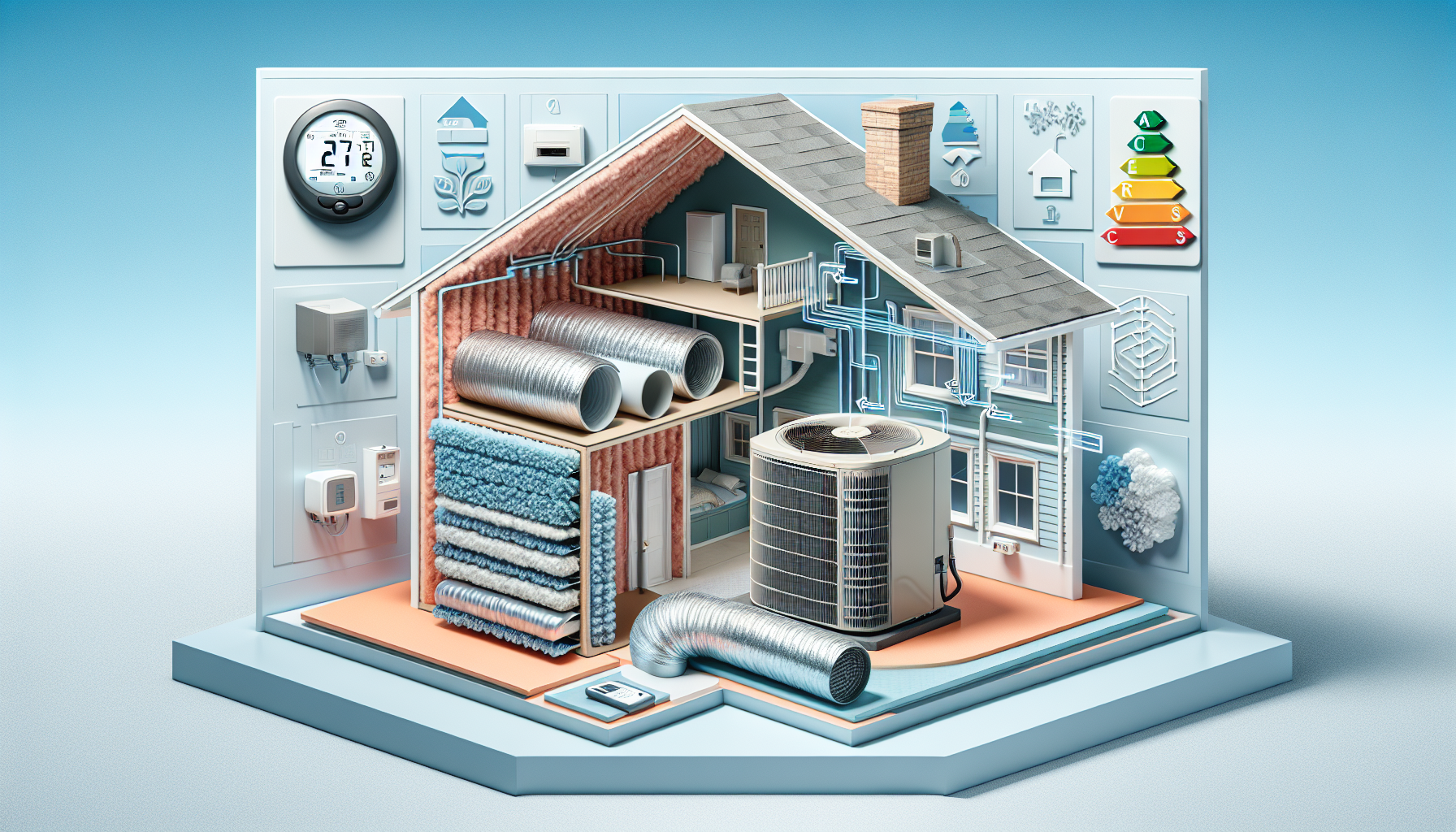
Are you considering installing a new HVAC system but worried about potential energy inefficiency? Look no further! In this article, we will explore some simple yet effective strategies to ensure optimal energy efficiency when installing a new HVAC system. By following these tips, you can not only reduce your energy consumption but also save money on your monthly bills. So, let’s dive right in and discover how you can make the most out of your new HVAC system!
Choosing the Right HVAC System
When it comes to choosing the right HVAC system for your space, there are a few key factors to consider. First and foremost, you need to take into account the size of your space. The HVAC system you choose should be capable of effectively heating and cooling your entire space without wasting excess energy. A system that is too small will struggle to keep up with the demand, leading to inefficiency and potential breakdowns. On the other hand, a system that is too large will cycle on and off frequently, also leading to inefficiency. By properly sizing your HVAC system, you can ensure that it operates optimally and saves energy in the long run.
Another important factor to consider is the energy efficiency ratings of the HVAC system. Look for systems that have high Seasonal Energy Efficiency Ratio (SEER) ratings for cooling and Annual Fuel Utilization Efficiency (AFUE) ratings for heating. These ratings indicate how efficiently the system converts energy into heating or cooling output. The higher the rating, the more energy-efficient the system is. Investing in a system with high energy efficiency can help you save on your energy bills and reduce your environmental impact.
To further ensure energy efficiency, it is recommended to check for the ENERGY STAR label on HVAC systems. ENERGY STAR is a program run by the U.S. Environmental Protection Agency that certifies products with superior energy efficiency. Choosing an HVAC system with the ENERGY STAR label guarantees that it meets strict standards for energy efficiency, helping you save energy and money without sacrificing comfort.
Lastly, select the appropriate HVAC system type for your needs. There are several types to choose from, including central air conditioners, heat pumps, and ductless mini-split systems. Each has its own advantages and is suited for different situations. For example, central air conditioners are ideal for homes with existing ductwork, while ductless systems offer more flexibility for individual room control. By selecting the right system type, you can maximize energy efficiency and ensure optimal comfort in your space.
Sizing the HVAC System Properly
Sizing your HVAC system properly is crucial for energy efficiency. This involves determining the cooling and heating load requirements of your space. The load requirements take into account factors such as the size of the space, insulation levels, number of occupants, and desired temperature range. By accurately calculating the load requirements, you can avoid the common pitfalls of an oversized or undersized HVAC system.
To determine the cooling and heating load requirements, it is recommended to get a professional load calculation. HVAC professionals have the expertise and tools to accurately assess the specific needs of your space. They will consider factors such as the climate, windows, insulation, and more to determine the appropriate size of the system. Avoid relying on rough estimates or online calculators, as they may not take all relevant factors into account.
Avoiding oversized or undersized HVAC units is essential for energy efficiency. An oversized system will continually cycle on and off, leading to wasted energy and uneven temperature distribution. On the other hand, an undersized system will struggle to meet the demand, resulting in inadequate heating or cooling and increased energy consumption. By investing in a properly sized HVAC system, you can ensure efficient operation and optimal comfort in your space.

This image is property of images.unsplash.com.
Optimizing Ductwork
The ductwork in your HVAC system plays a crucial role in distributing conditioned air throughout your space. To optimize energy efficiency, it is essential to inspect and seal any leaks or gaps in the ductwork. Leaky ducts can lead to air loss, reducing the system’s efficiency and causing your energy bills to soar. Sealing the ductwork with mastic or foil tape can help maintain proper airflow and prevent energy waste.
Proper insulation of the ducts is also important for energy efficiency. Insulated ducts help minimize heat transfer, ensuring that conditioned air reaches its destination without unnecessary energy loss. Insulate ducts in unconditioned spaces such as attics or basements to prevent the loss of heated or cooled air.
In addition to sealing and insulating the ductwork, it is crucial to balance the airflow through the ducts. Imbalanced airflow can result in uneven temperature distribution and increased energy consumption. A professional HVAC technician can measure and adjust the airflow to ensure balanced and efficient operation. By optimizing your ductwork, you can improve the energy efficiency of your HVAC system and enhance comfort in your space.
Enhancing Indoor Air Quality
When installing a new HVAC system, it’s important to consider how it can contribute to indoor air quality. Poor indoor air quality can lead to a range of health issues, including allergies and respiratory problems. Fortunately, there are steps you can take to enhance indoor air quality while maximizing energy efficiency.
One way to improve indoor air quality is by choosing HVAC systems with air purifying features. These features can filter out pollutants such as dust, pollen, pet dander, and mold spores, improving the overall air quality in your space. Look for systems with advanced filtration systems or built-in air purifiers to effectively remove contaminants from the air.
Installing high-efficiency air filters is another effective way to improve indoor air quality. These filters can capture a high percentage of airborne particles, ensuring cleaner air in your space. Be sure to regularly clean or replace the filters to maintain their effectiveness and prevent airflow restriction.
Regularly cleaning and maintaining your HVAC system is also essential for maintaining good indoor air quality. Over time, dust, debris, and even mold can accumulate in the system, reducing its efficiency and potentially releasing pollutants into the air. Schedule regular professional maintenance to have your system inspected, cleaned, and maintained. This will not only improve the system’s energy efficiency but also contribute to cleaner and healthier indoor air.

This image is property of images.unsplash.com.
Programmable Thermostats
Programmable thermostats are an excellent tool for optimizing energy efficiency and comfort in your space. These thermostats allow you to set temperature schedules based on occupancy, ensuring that your HVAC system operates efficiently when needed and saves energy when not in use.
When installing a programmable thermostat, consider your daily routine and set temperature schedules accordingly. For example, if you’re typically away from home during the day, you can program the thermostat to lower the temperature while you’re out and raise it shortly before you return. This way, you can enjoy a comfortable environment without wasting energy heating or cooling an empty space.
Utilizing smart thermostats can further enhance convenience and energy savings. Smart thermostats can be controlled remotely using a smartphone or other smart devices, allowing you to adjust the temperature settings even when you’re away. Some smart thermostats even have advanced features like learning algorithms that can adapt to your preferences and schedule, maximizing energy efficiency without sacrificing comfort.
By installing a programmable thermostat and setting temperature schedules based on occupancy, you can optimize energy efficiency and reduce your heating and cooling costs.
Proper Maintenance and Regular Inspections
To ensure the long-term energy efficiency and reliability of your HVAC system, it’s important to prioritize proper maintenance and regular inspections.
Schedule regular professional maintenance for your HVAC system. Professional maintenance involves a thorough inspection, cleaning, and tuning of your system to ensure optimal performance. A trained technician will check for any potential issues, lubricate moving parts, tighten electrical connections, and perform any necessary repairs. Regular maintenance not only improves energy efficiency but also helps extend the lifespan of your HVAC system.
Cleaning or replacing air filters frequently is another important maintenance task. Clogged or dirty filters can restrict airflow, forcing the system to work harder and consume more energy. Depending on the type of filter, it may need to be replaced every 1 to 3 months, or washed and reused. Regularly checking and maintaining clean filters will help your HVAC system operate efficiently and prevent potential breakdowns.
In addition to filters, it’s essential to inspect and clean coils, fans, and vents. Dust and debris can accumulate on these components over time, hindering their performance and reducing energy efficiency. Regular cleaning ensures the system can operate at its best and prevents any potential airflow restrictions or other issues.
Checking refrigerant levels and system controls is also part of proper maintenance. Low refrigerant levels can indicate leaks or other problems that can affect the system’s efficiency. Additionally, ensuring that all system controls are functioning properly helps optimize energy consumption and comfort.
By prioritizing regular maintenance and inspections, you can ensure that your HVAC system operates at peak efficiency, saving energy and prolonging its lifespan.

This image is property of images.unsplash.com.
Utilizing Zoning Systems
HVAC zoning involves dividing your space into different zones and controlling the temperature in each zone separately. This allows for greater control and customization, optimizing energy efficiency and comfort.
Implementing HVAC zoning is especially beneficial in larger spaces or homes with different temperature preferences. By using separate thermostats for each zone, you can set individual temperature settings based on occupancy and desired comfort levels. This prevents the entire system from operating unnecessarily and wasting energy in unoccupied or unused areas.
To control the airflow in each zone, consider installing motorized dampers. Motorized dampers allow you to adjust the airflow to different zones, directing more conditioned air to areas that need it and reducing airflow to areas that don’t. This ensures optimal comfort and energy efficiency throughout your space.
When utilizing zoning systems, it’s important to properly size and design the system. Consult with an HVAC professional to determine the number of zones required and the appropriate thermostat placement. By implementing HVAC zoning, you can maximize energy efficiency, enhance comfort, and reduce your overall energy consumption.
Taking Advantage of Natural Ventilation
Natural ventilation is a cost-effective and energy-efficient way to improve indoor air quality and reduce reliance on mechanical cooling and heating systems.
To take advantage of natural ventilation, incorporate techniques such as cross ventilation and stack ventilation. Cross ventilation involves creating openings on opposite sides of a space to encourage airflow and cooling. This can be achieved by strategically placing windows or vents. Stack ventilation, on the other hand, utilizes the natural buoyancy of warm air to create airflow. It involves opening windows or vents at different heights to allow warm air to escape and draw in cooler air from lower openings.
Installing energy-efficient windows and skylights can further enhance natural ventilation. Look for windows and skylights with high insulation values and low air infiltration rates. This will minimize heat transfer and drafts while allowing for ample natural light and fresh air.
Implement adjustable window coverings, such as blinds or curtains, to control the amount of sunlight and heat entering your space. During hot summer days, keeping the windows covered can help prevent excessive heat gain and reduce reliance on mechanical cooling.
By utilizing natural ventilation techniques, energy-efficient windows, and adjustable window coverings, you can reduce your dependence on mechanical cooling and heating systems, saving energy and improving comfort.
Considering a Heat Pump System
A heat pump is a highly energy-efficient heating and cooling system that can be a great choice for your space. It works by transferring heat between the indoors and outdoors, depending on the season.
One of the main advantages of heat pump systems is their energy efficiency. Compared to traditional heating systems, such as furnaces, heat pumps can provide the same amount of heating for less energy consumption. They achieve this by moving heat from the outside to the inside, rather than generating heat from a fuel source.
When considering a heat pump system, check for any rebates or incentives available for heat pump installations. Many utility companies and government programs offer incentives to encourage energy-efficient upgrades. These incentives can help offset the initial cost of installing a heat pump system and make it a more affordable option.
Proper sizing and installation of the heat pump system are essential for optimal performance and energy efficiency. Consult with an HVAC professional to determine the appropriate size based on the load requirements of your space. Improper sizing can result in inefficient operation and insufficient heating or cooling.
By considering a heat pump system, taking advantage of rebates or incentives, and ensuring proper sizing and installation, you can enjoy the energy-saving benefits of this efficient heating and cooling solution.
Conclusion
Selecting the right HVAC system and optimizing its energy efficiency is crucial for a comfortable and cost-effective living or working space. Consider the size of your space, look for high energy efficiency ratings, and check for the ENERGY STAR label to ensure you choose a system that will perform optimally while saving energy. Properly sizing the HVAC system, inspecting and sealing ductwork, enhancing indoor air quality, utilizing programmable thermostats, and conducting regular maintenance and inspections are all important steps to maximize energy efficiency. Additionally, considering zoning systems, taking advantage of natural ventilation, and exploring heat pump options can further contribute to energy savings and comfort. By following these guidelines and working with HVAC professionals, you can ensure that your HVAC system operates efficiently, reduces energy consumption, and creates a comfortable and healthy indoor environment.