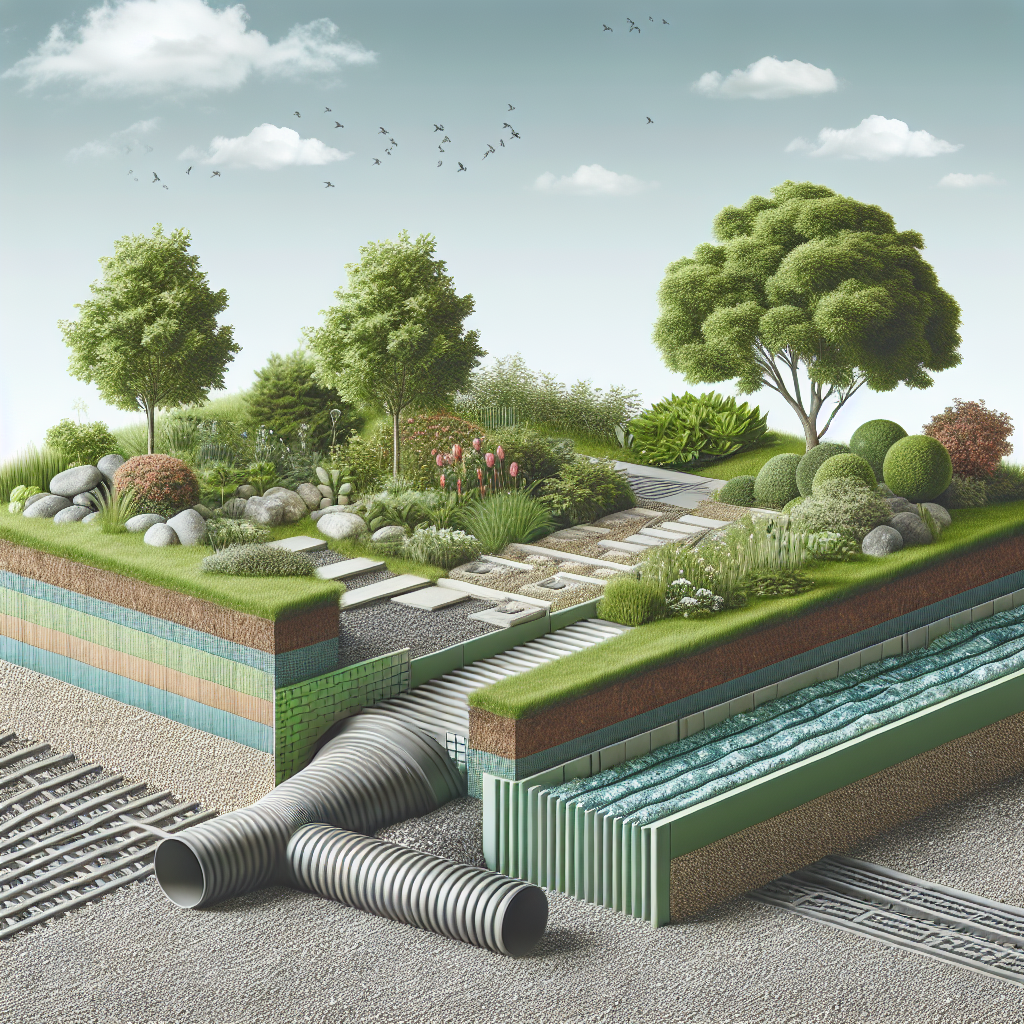
If you’ve ever found yourself dealing with soggy soil or standing water in your backyard or garden, you’re not alone. Proper drainage is essential for maintaining healthy plants and preventing water damage to your property. But how do you ensure good drainage in your outdoor space? In this article, we’ll explore some simple yet effective techniques that will help you keep your backyard or garden well-drained and thriving. So, say goodbye to muddy messes and hello to a flourishing outdoor oasis!
This image is property of images.unsplash.com.
1. Assessing the Current Drainage Situation
1.1 Examining the Terrain
Before addressing any drainage issues in your backyard or garden, it is essential to assess the current terrain. Take note of any slopes, depressions, or uneven areas that could potentially hinder proper water drainage. Understanding the natural contours of the land will help you identify areas that may require additional attention when it comes to improving drainage.
1.2 Identifying Problem Areas
Observing and identifying problem areas is crucial in determining the specific areas in your backyard or garden that experience drainage issues. Look for signs of pooling or standing water after rainfall, as these areas are likely to have poor drainage. Additionally, pay attention to areas where erosion is a problem, as this may indicate water flow issues.
1.3 Observing Groundwater Levels
Understanding the groundwater levels in your backyard or garden is essential for assessing the overall drainage situation. Pay attention to any areas where water seeps to the surface or if the soil feels constantly damp. These may indicate high groundwater levels and could contribute to poor drainage.
1.4 Checking for Pooling or Standing Water
A clear indication of poor drainage is the presence of pooling or standing water in your backyard or garden. Take note of areas that consistently collect water after rainfall or have stagnant water even days after the precipitation. These areas will require immediate attention to prevent further damage or issues associated with excess water.
2. Importance of Proper Drainage
2.1 Preventing Soil Erosion
Proper drainage plays a vital role in preventing soil erosion. When water is not adequately drained, it can wash away topsoil, which is essential for healthy plant growth. Erosion can result in the loss of nutrients and negatively impact the stability of your backyard or garden’s landscape. Implementing effective drainage techniques can help minimize and prevent soil erosion.
2.2 Avoiding Waterlogged Roots
Good drainage is crucial for the health of plants and their root systems. When soil becomes waterlogged, it deprives plant roots of oxygen, leading to suffocation and root rot. By ensuring proper drainage, you can avoid waterlogged conditions, allowing plants to thrive and develop healthy root systems.
2.3 Reducing Mosquito Breeding
Stagnant water caused by poor drainage creates an ideal breeding ground for mosquitoes. These pests not only cause discomfort but also pose health risks through the transmission of diseases such as dengue fever and West Nile virus. Implementing effective drainage techniques helps eliminate stagnant water, minimizing mosquito breeding and the associated risks.
2.4 Minimizing Structural Damage
Excessive water and poor drainage can cause significant damage to the structures in your backyard or garden. When water accumulates around foundations, it can lead to cracks and structural instability. Additionally, excess water can damage paved surfaces, such as patios or walkways, compromising their integrity. Proper drainage helps minimize the risk of costly structural damage.
3. Understanding Drainage Techniques
3.1 Grading and Recontouring the Land
One of the most effective ways to improve drainage is through grading and recontouring the land. This technique involves altering the slope and elevation of the land to ensure proper water flow away from structures and vulnerable areas. By reshaping the terrain, you can create natural channels that direct water away from problem areas.
3.2 Installing Surface Drains
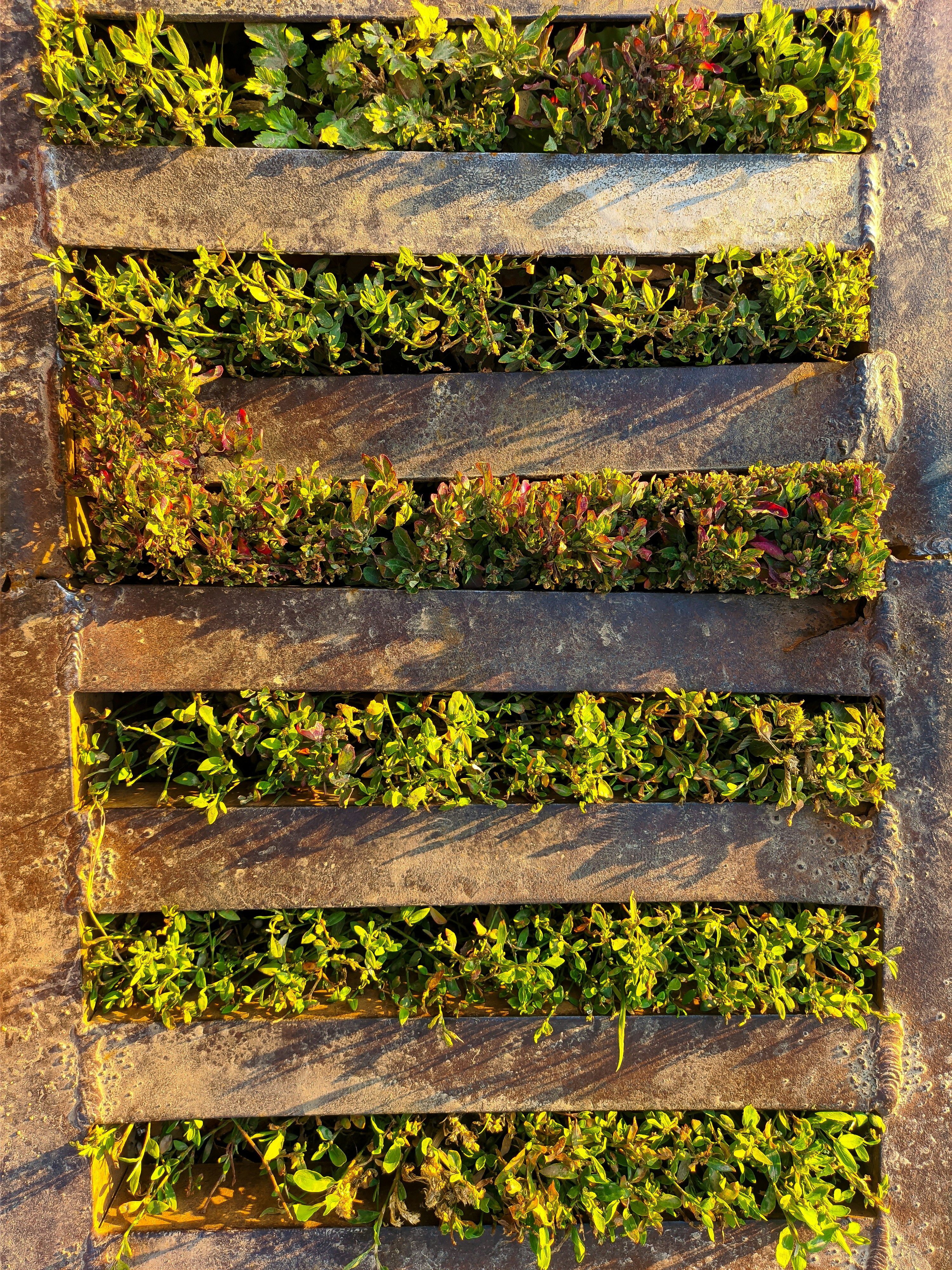
Surface drains are an effective solution for areas prone to pooling or standing water. These drains are typically installed at low points in the landscape or areas with poor natural drainage. Surface drains collect water and channel it away from the problematic areas, ensuring proper and efficient drainage.
3.3 Implementing French Drains
French drains are subsurface drainage systems that are commonly used to redirect water away from specific areas. They consist of a perforated pipe wrapped in a permeable fabric and placed in a trench filled with gravel. The pipe collects excess water and directs it away from the problem area, effectively improving drainage.
3.4 Creating Rain Gardens
Rain gardens are unique landscaping features that serve both aesthetic and functional purposes. These gardens are designed to collect and absorb rainwater runoff, thereby preventing excessive water accumulation. By utilizing native plants with deep root systems, rain gardens help facilitate drainage and filter out pollutants, making them a sustainable drainage solution.
3.5 Utilizing Dry Wells
Dry wells, also known as soakaways, are underground structures designed to collect and store excess water for gradual absorption into the surrounding soil. They are particularly useful for areas with high water tables or compacted soils. Dry wells provide an effective solution for managing excess water and reducing the risk of waterlogging.
4. Soil Preparation for Better Drainage
4.1 Enhancing Organic Matter Content
Improving the organic matter content of your soil is crucial for enhancing drainage. Organic matter, such as compost or well-rotted manure, improves soil structure and increases its ability to retain and drain water effectively. By incorporating organic matter into your soil, you can create a more favorable environment for plant growth and improve overall drainage.
4.2 Improving Soil Texture
Soil texture plays a significant role in determining drainage capabilities. Heavy clay soils have poor drainage, while sandy soils drain water too quickly. It is essential to strike a balance by improving soil texture to ensure optimal drainage. Adding amendments like perlite or vermiculite can improve drainage in clay soils, while incorporating organic matter helps retain moisture in sandy soils.
4.3 Adding Drainage Materials
In certain cases, the addition of specific drainage materials can help improve overall drainage. For example, incorporating crushed gravel or coarse sand into the soil can enhance drainage by creating pathways for water to flow freely. These materials improve soil porosity and allow water to permeate the soil more effectively.
4.4 Avoiding Compaction
Compacted soil significantly hinders drainage by preventing water from infiltrating the ground. Avoid activities that lead to soil compaction, such as heavy foot traffic or using heavy machinery on wet soil. Implementing practices like using stepping stones or installing pathways can help distribute weight and prevent soil compaction, ensuring proper drainage.

This image is property of images.unsplash.com.
5. Planning Effective Landscaping
5.1 Selecting Proper Plant Species
Choosing the right plant species for your backyard or garden is essential for maintaining good drainage. Some plants are better adapted to waterlogged conditions, while others thrive in well-drained soil. Research and select plant species that are suited to the specific drainage conditions in your area to ensure their successful growth and minimize water-related issues.
5.2 Grouping Plants Based on Water Requirements
To optimize drainage and irrigation, group plants with similar water requirements together. Some plants prefer moist soil, while others thrive in drier conditions. By grouping plants accordingly, you can efficiently tailor your watering practices and prevent overwatering or underwatering, both of which can negatively impact drainage.
5.3 Installing Mulch
Mulching is a useful technique for improving drainage in your backyard or garden. Mulch helps retain soil moisture and prevents its rapid evaporation, thus reducing water runoff. Additionally, mulch acts as a barrier, reducing soil erosion and protecting plant roots from extreme temperatures. Organic mulches, such as wood chips or straw, are particularly effective for improving drainage.
5.4 Building Raised Beds
Raised beds provide excellent drainage for gardens in areas with poor soil conditions. By elevating the planting area, you can ensure that excess water drains away more efficiently. Raised beds also enable better control over soil composition and prevent soil compaction, further enhancing drainage. Consider constructing raised beds to improve drainage and optimize growing conditions for your plants.
5.5 Creating Swales
Swales are shallow, broad channels designed to direct water flow away from problem areas. They are commonly used in sloping landscapes to divert water and prevent erosion. By excavating a swale along the base of a slope, you can capture and redirect water to a suitable drainage outlet, ensuring proper drainage throughout your backyard or garden.
6. Rainwater Harvesting Systems
6.1 Installing Rain Barrels
Rain barrels are an excellent solution for harvesting rainwater while also promoting good drainage. These barrels collect and store rainwater runoff, preventing it from pooling or creating drainage issues. The collected rainwater can then be used for various purposes, such as watering plants or washing outdoor equipment, helping minimize the demand for potable water.
6.2 Constructing Rain Chains or Downspouts
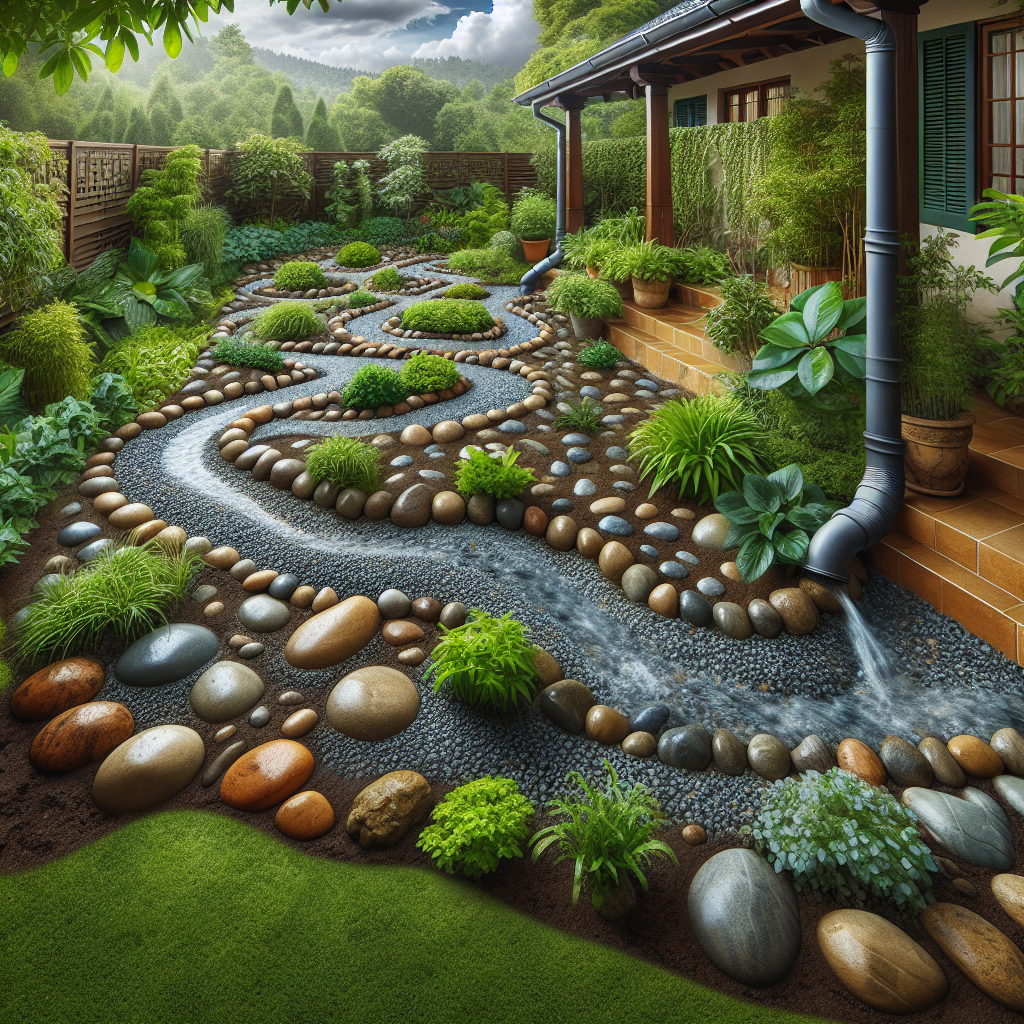
Rain chains and downspouts offer decorative alternatives to traditional gutter downspouts while allowing for proper water drainage. These chains or downspouts provide a visual element while guiding rainwater from the roof directly into a designated drainage area. By incorporating rain chains or downspouts, you can effectively manage rainwater runoff and prevent drainage problems.
6.3 Designing Rainwater Collection Systems
For more extensive rainwater harvesting, consider designing a comprehensive rainwater collection system. These systems divert rainwater from roofs or other surfaces into collection tanks or underground reservoirs for later use. By capturing and storing rainwater, you not only promote effective drainage but also reduce water consumption and contribute to sustainable water management.
This image is property of images.unsplash.com.
7. Dealing with Excess Water
7.1 Diverting Water with Channels or Trenches
In situations where excess water becomes an issue, the diversion of water using channels or trenches can be an effective solution. By strategically excavating channels or trenches, you can redirect water away from vulnerable areas towards designated drainage outlets. This technique prevents water from stagnating or causing damage and ensures adequate drainage throughout your backyard or garden.
7.2 Employing Sump Pumps
For areas with consistently high water tables or excessive groundwater, sump pumps may be necessary to manage the excess water. Sump pumps are typically installed in a sump pit or basin and automatically remove water that collects in the pit. These pumps efficiently and continuously pump out excess water, preventing water accumulation and maintaining proper drainage.
7.3 Consulting with a Professional Drainage Expert
In cases where drainage issues are persistent or complex, it may be beneficial to consult with a professional drainage expert. These experts have the knowledge and experience to assess your specific drainage needs and recommend appropriate solutions. A drainage expert can provide customized advice and help implement drainage strategies tailored to your backyard or garden.
8. Maintenance and Regular Inspections
8.1 Clearing Debris and Blockages
Regular maintenance is essential for ensuring effective drainage in your backyard or garden. Clear debris, such as fallen leaves or grass clippings, from drainage channels, surface drains, or gutters, as these can obstruct the flow of water. Regularly check and remove any blockages to maintain proper water flow and minimize drainage issues.
8.2 Checking Drainage Pipes and Outlets
Inspect your drainage pipes and outlets regularly to ensure they are free from any obstructions or damage. Ensure that the pipes are securely connected and not leaking. Additionally, check that the outlets are clear and allow water to flow freely away from problem areas. Regular inspections can prevent potential drainage problems and identify any issues before they worsen.
8.3 Adjusting Grading if Necessary
Over time, the grading of your backyard or garden may change, potentially affecting drainage. If you notice areas where water is pooling or flowing in unexpected directions, consider adjusting the grading to improve drainage. Proper grading ensures that water flows away from structures and vulnerable areas, preventing water damage and maintaining efficient drainage.
9. Sustainable Drainage Solutions
9.1 Using Permeable Pavement
Permeable pavement is designed to allow water to infiltrate the ground, promoting effective drainage. This type of pavement consists of a porous surface that allows rainwater to pass through and replenish groundwater. By utilizing permeable pavement in your backyard or garden, you can minimize water runoff and contribute to sustainable drainage practices.
9.2 Planting Rain Gardens and Bioswales
Planting rain gardens and bioswales is an eco-friendly approach to managing runoff and improving drainage. These features are designed to capture and filter rainwater, allowing it to slowly infiltrate the soil and prevent excessive water accumulation. Rain gardens and bioswales incorporate native plants that are adapted to thrive in wetter environments, further enhancing their sustainability.
9.3 Installing Green Roofs
Green roofs present an innovative solution for managing excess water while simultaneously providing numerous other benefits. These roofs are covered in vegetation, which absorbs rainwater and slows down the rate of runoff. Green roofs help reduce stormwater runoff, improve air quality, and provide insulation, making them ideal for enhancing drainage and promoting sustainable practices.
10. Seeking Professional Help
10.1 Hiring Drainage Consultants
When dealing with complex drainage issues, consulting with drainage consultants can provide valuable expertise and insight. Drainage consultants specialize in assessing and designing drainage systems tailored to your specific needs. They can conduct thorough assessments, recommend effective solutions, and guide you through the installation process, ensuring long-term drainage success.
10.2 Consulting with Landscape Architects
Landscape architects are professionals who specialize in designing and planning outdoor spaces, including efficient drainage systems. By consulting with a landscape architect, you can ensure that your backyard or garden is meticulously designed to optimize drainage while also considering aesthetic and functional aspects. Their expertise will help ensure a well-planned and visually appealing outdoor environment.
10.3 Engaging with Soil Engineers
Soil engineers possess in-depth knowledge of soil properties and behaviors, making them valuable resources for addressing drainage concerns. These professionals can conduct soil tests, analyze soil composition and structure, and provide recommendations for soil improvement techniques. Working with a soil engineer ensures that your drainage strategies are rooted in a scientific understanding of your specific soil conditions.
In conclusion, maintaining good drainage in your backyard or garden is crucial for preserving the health and integrity of your landscape. By assessing the current drainage situation, understanding the importance of proper drainage, implementing appropriate drainage techniques, preparing the soil, planning effective landscaping, utilizing rainwater harvesting systems, addressing excess water, performing regular maintenance, exploring sustainable drainage solutions, and seeking professional help when needed, you can ensure optimal drainage and create a thriving outdoor space. Emphasizing proper drainage not only enhances the aesthetic appeal of your backyard or garden but also contributes to the long-term sustainability and viability of your outdoor environment.