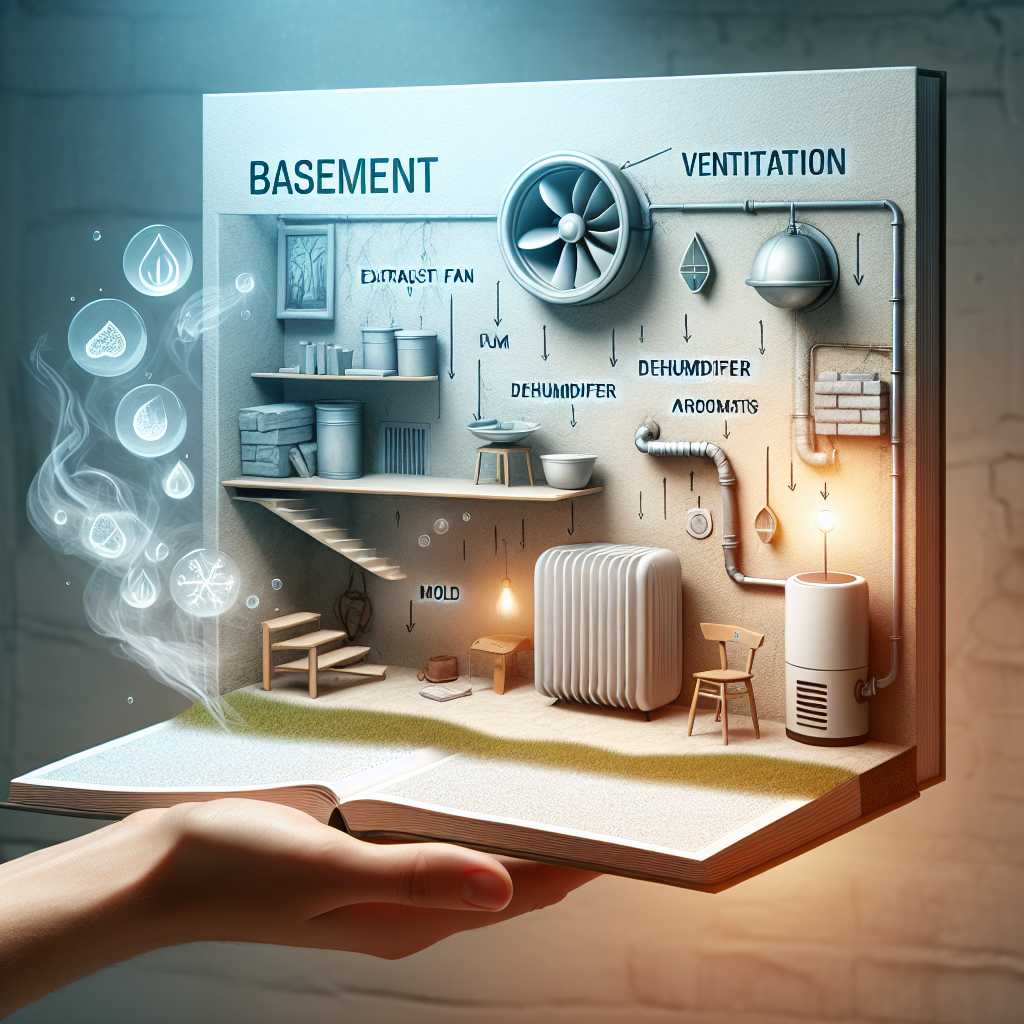
If you find yourself asking this question, it’s likely that you’re looking for practical solutions to improve the air quality in your basement. Whether you have a finished space that needs fresh air circulation or an unfinished area prone to dampness and musty odors, ensuring proper ventilation is key to maintaining a healthy environment. In this article, we will explore some simple yet effective ways to achieve better airflow in your basement and create a more comfortable and inviting space.
Understanding the Importance of Basement Ventilation
Proper ventilation in a basement is crucial for a variety of reasons. Basements are often prone to excess moisture and poor air quality, which can lead to a range of issues such as mold growth, musty odors, and even health problems. Ventilation helps remove stagnant air, control humidity levels, and prevent the buildup of harmful pollutants. Without adequate ventilation, your basement can become a breeding ground for bacteria and mold, putting both your home and your family’s health at risk. Therefore, it is essential to understand the importance of basement ventilation and take appropriate measures to ensure a well-ventilated space.
Assessing the Current Ventilation System
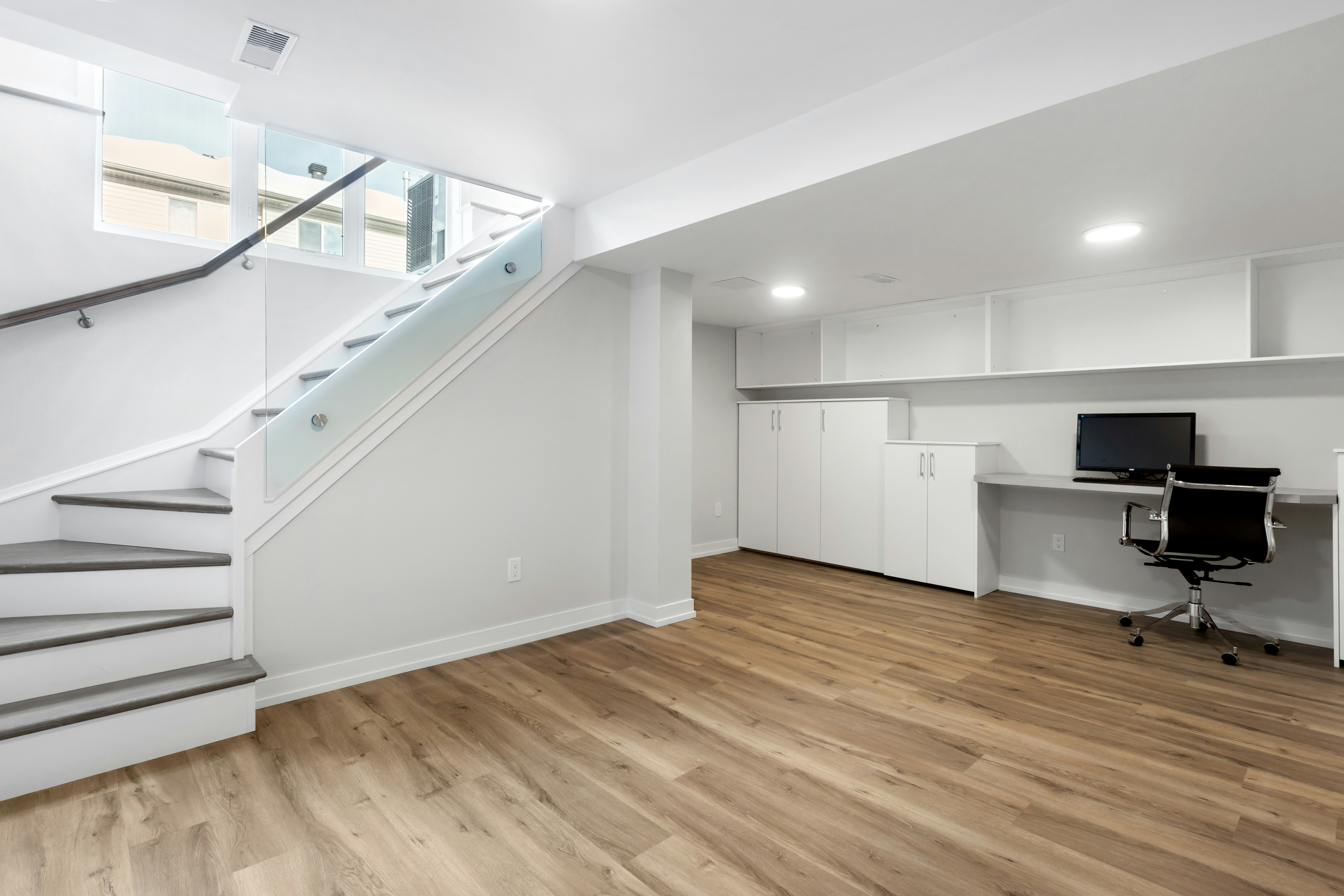
Before making any changes or improvements to the ventilation in your basement, it is necessary to assess the current system in place. Determine if there are any existing vents, windows, or fans that facilitate air circulation. Check if they are functioning properly and if they are adequately sized to handle the amount of air exchange required. Assessing your current ventilation system will provide a starting point for identifying any shortcomings and making informed decisions about the necessary improvements.
This image is property of images.unsplash.com.
Determining Air Quality Needs
Every basement is unique, and the air quality needs may vary depending on factors such as the size of the space, the level of moisture, and the activities conducted in the basement. To ensure proper ventilation, you need to assess these specific air quality needs. Consider the level of humidity, as excessive moisture can lead to mold growth and musty odors. Evaluate the presence of airborne pollutants, such as radon or volatile organic compounds (VOCs), which can be harmful if not properly addressed. By understanding your basement’s air quality needs, you can tailor your ventilation efforts accordingly.
Improving Natural Ventilation
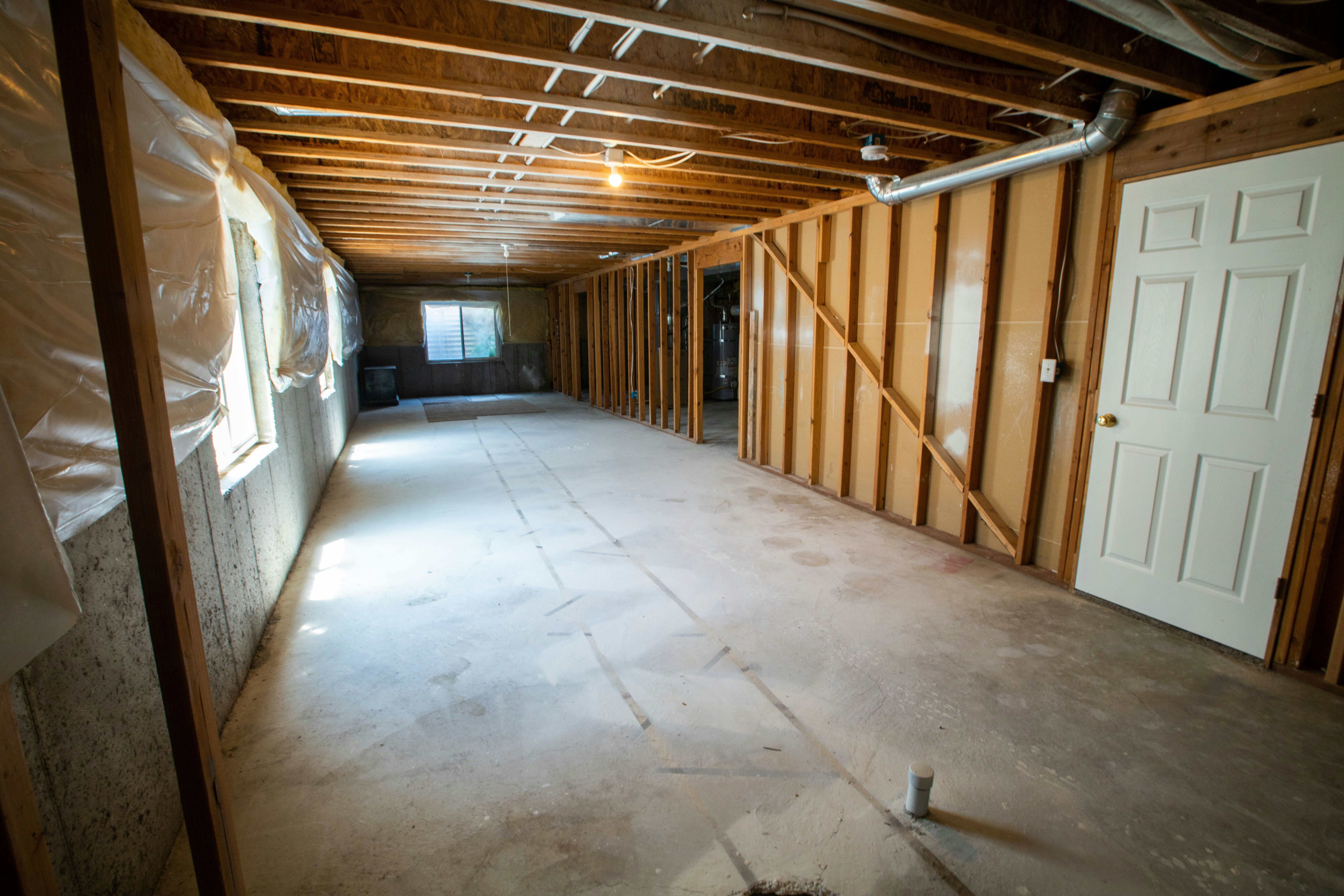
One of the most cost-effective ways to ensure proper basement ventilation is by maximizing natural airflow. It involves creating openings for fresh air to enter the basement and allowing stale air to exit. Utilize existing windows and doors by ensuring they are in good condition and opening them to encourage fresh air circulation. Additionally, consider adding window wells or vents to facilitate a better flow of air. Properly placed vents can create a natural convection current, drawing in fresh air from higher points and expelling stale air from lower points. By improving natural ventilation, you can significantly enhance the air quality in your basement without relying heavily on mechanical systems.
This image is property of images.unsplash.com.
Installing Exhaust Fans
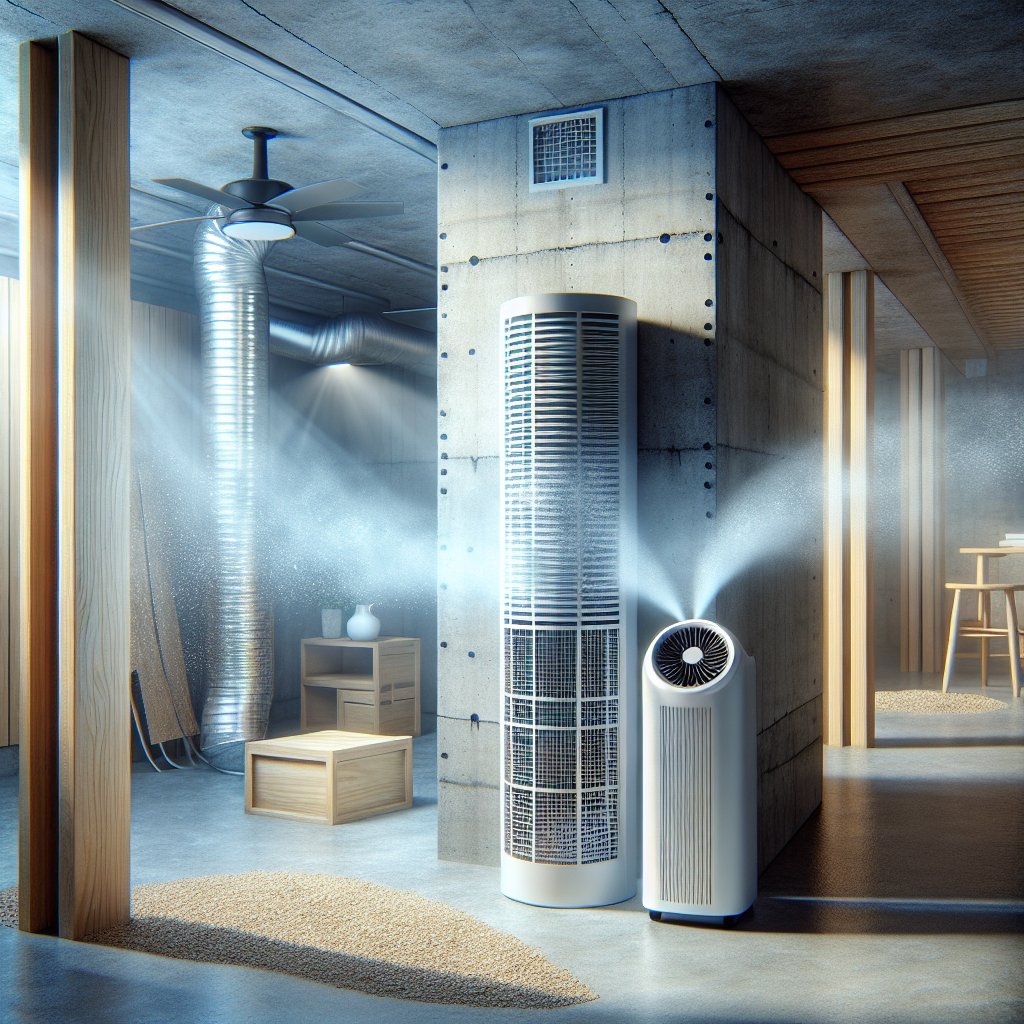
In some cases, natural ventilation alone may not be sufficient to adequately ventilate a basement, especially if the space is large or lacks sufficient openings. Installing exhaust fans can significantly increase the air exchange rate and help remove stale air and excess moisture effectively. Place exhaust fans strategically to ensure proper airflow throughout the basement. Consider installing fans near moisture-prone areas, such as laundry rooms or bathrooms, to prevent the accumulation of water vapor. When choosing fans, opt for energy-efficient models and ensure they are sized appropriately for your specific ventilation needs.
Utilizing Window Fans
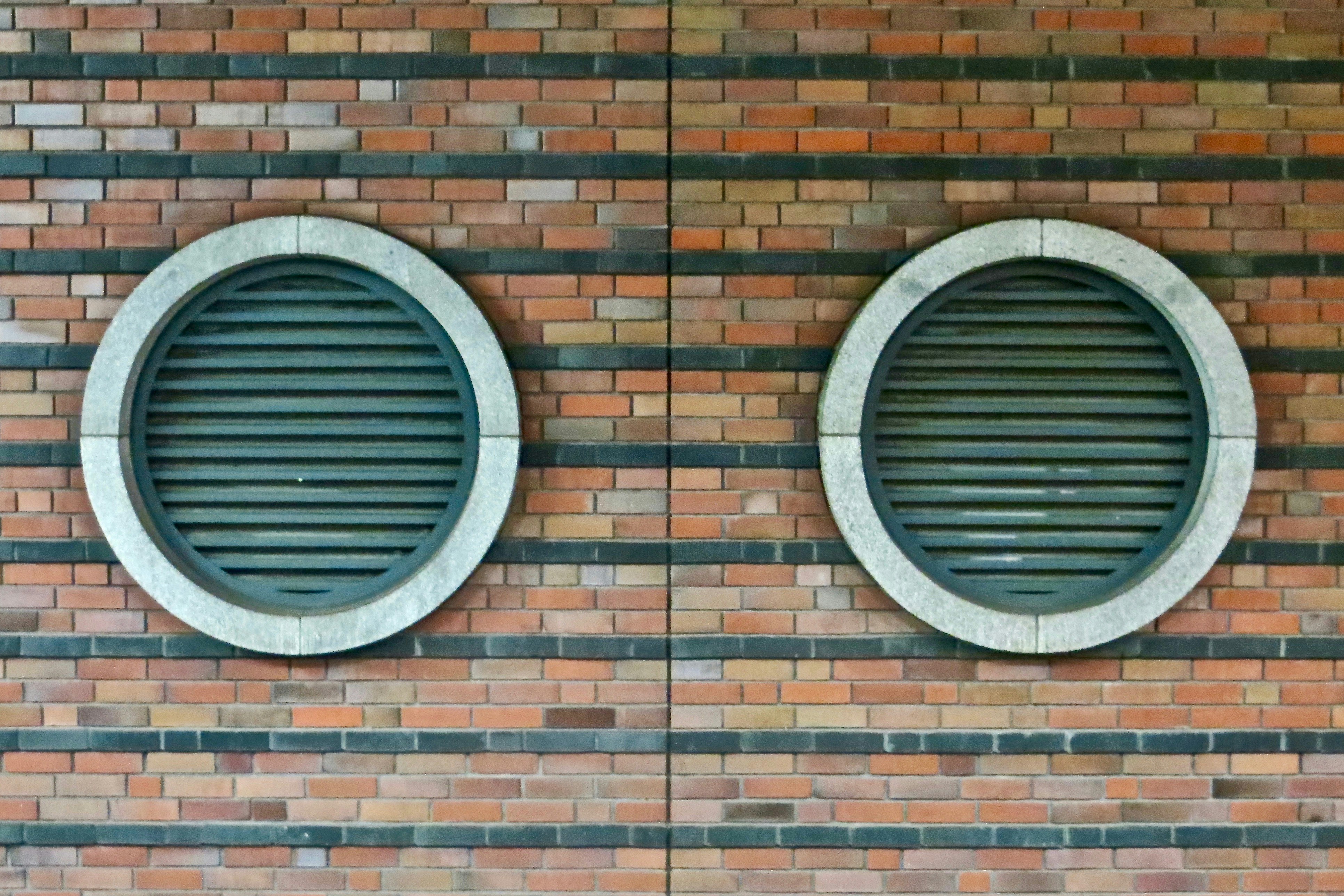
Window fans can be a cost-effective and efficient way to improve ventilation in a basement. They work by drawing fresh air in through one window while expelling stale air out through another. This creates a cross-ventilation effect, encouraging air circulation and preventing stagnant air from building up in the basement. Window fans are generally easy to install and can be operated manually or with the help of a thermostat or timer. To maximize their effectiveness, use window fans in conjunction with natural ventilation methods to create a balanced airflow system in your basement.
This image is property of images.unsplash.com.
Considerations for Dehumidification
Excess moisture is a common issue in basements, and high humidity levels can contribute to mold growth and musty odors. In addition to ventilation, dehumidification can be an essential component of maintaining a dry and healthy basement environment. Consider investing in a dehumidifier specifically designed for basement use. Choose a model with adequate capacity to handle the size of your basement and opt for features such as automatic humidity control and condensate pumps for convenience. Running a dehumidifier alongside proper ventilation will help control humidity levels and significantly reduce the risk of mold and other moisture-related problems.
Preventing Moisture and Mold
Effective ventilation plays a crucial role in preventing moisture and mold growth in your basement. By ensuring proper airflow, you can mitigate excessive humidity and condensation, which are favorable conditions for mold development. In addition to ventilation strategies, there are other preventive measures you can take. Consider using moisture-resistant materials for walls and flooring, such as mold-resistant drywall and epoxy coatings. Use waterproof sealants around windows, pipes, and other potential entry points for moisture. Regularly inspect and repair any leaks or water damage promptly. By paying attention to these details and implementing proper ventilation measures, you can create an environment that is inhospitable to mold growth and moisture-related issues.
Regular Maintenance and Inspection
Maintaining a well-ventilated basement requires regular maintenance and inspection. Ensure that all vents, fans, and windows are clean and functioning properly. Regularly clean or replace air filters in your ventilation system to maintain optimal air quality. Inspect the basement for any signs of water leaks, mold growth, or musty odors. Address any issues promptly to prevent them from worsening and compromising the ventilation in your basement. By establishing a routine maintenance schedule and staying vigilant, you can ensure that your basement remains properly ventilated and free from potential hazards.
Consulting with Professionals
For more complex basement ventilation issues or if you are unsure about the best course of action, it is advisable to consult with professionals. Ventilation experts or HVAC contractors can assess your basement, provide expert advice, and recommend appropriate solutions tailored to your specific needs. They can help design and install ventilation systems, address any potential structural concerns, and ensure that your basement ventilation meets industry standards and local building codes. Consulting with professionals will give you peace of mind and help you make informed decisions regarding the ventilation needs of your basement.
In conclusion, ensuring proper ventilation in your basement is essential for maintaining a healthy and comfortable living environment. By understanding the importance of basement ventilation and following the outlined steps, you can significantly improve airflow, control moisture levels, and prevent the growth of mold and other pollutants. Remember to assess your current ventilation system, determine your basement’s specific air quality needs, and utilize a combination of natural ventilation, fans, and dehumidification as necessary. Regular maintenance and inspection are crucial to sustaining proper ventilation, and consulting with professionals can provide expert guidance when needed. By investing time and effort into ensuring proper basement ventilation, you can enjoy a safe, dry, and well-ventilated space for years to come.