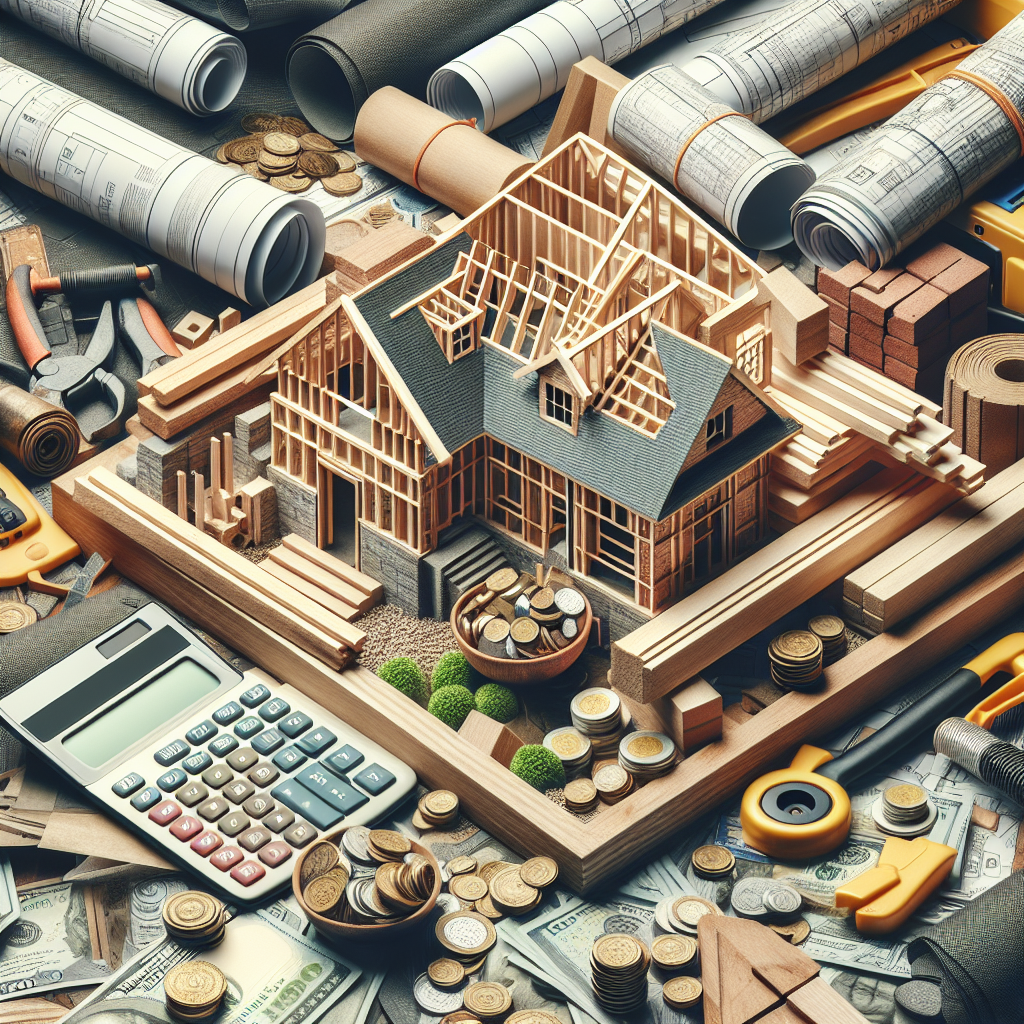
If you’re considering giving your home a much-needed makeover, one of the first questions that might come to mind is, “How do I estimate the costs of a home renovation?” Whether you’re planning to update a single room or embark on a full-scale remodel, understanding the potential expenses involved is crucial for proper budgeting. Luckily, with a bit of research and a practical approach, you can gain a good estimate of what it will cost to transform your living space into the home of your dreams.
Factors to Consider for Cost Estimation
When estimating the costs of a home renovation, there are several important factors you need to consider. These factors will have a significant impact on the overall cost of your project, so it’s essential to take them into account before getting started.
Scope of the Renovation
The first factor to consider is the scope of your renovation. Are you planning on remodeling just one room, or do you want to tackle an entire floor or even the entire house? The size and complexity of the project will directly influence the cost, as larger-scale renovations typically require more materials, labor, and time.
Size and Complexity of the Project
The size and complexity of the project go hand in hand with the scope. If you’re planning a simple update or minor cosmetic changes, the costs will likely be lower compared to a major overhaul that involves structural changes or extensive remodeling. Keep in mind that more complex projects often require the expertise of professionals, which can contribute to higher costs.
Materials and Finishes
The materials and finishes you choose for your renovation will have a significant impact on the overall cost. Higher-quality materials and premium finishes generally come with a higher price tag, while more budget-friendly options can help you save. Consider your personal preferences, durability, and maintenance requirements when selecting materials and finishes for your project.
Labor Costs
Labor costs are a crucial consideration in any renovation project. The amount you’ll need to budget for labor will depend on factors like the scope of the project, the skill level required, and regional labor rates. Hiring professionals for specialized tasks can increase labor costs, while taking on some of the work yourself can help keep expenses in check.
Permits and Inspections
Don’t forget to factor in the costs of permits and inspections. Depending on the scope of your renovation, you may need to obtain permits from your local authority. These permits often come with fees that can vary depending on your location and the type of work being done. Additionally, inspections may be required at various stages of the project, and these should be budgeted for as well.
Methods for Estimating Costs
Now that you’re aware of the key factors that affect renovation costs, let’s explore some methods for estimating those costs accurately.
Consulting Professionals
One of the best ways to get a reliable cost estimate is by consulting professionals. Architects, contractors, and designers with experience in home renovations can provide expert guidance and estimates based on their industry knowledge. Their expertise can help ensure that you have a realistic budget and prevent any unexpected surprises along the way.
Obtaining Multiple Quotes
Another method for estimating costs is to obtain multiple quotes from different contractors. By comparing quotes, you can get an idea of the range of prices for the same project. However, be cautious of choosing the lowest quote without considering the contractor’s reputation and the quality of their work. It’s crucial to strike a balance between cost and quality.
Using Cost Estimating Tools
There are various cost estimating tools available that can help you get a rough estimate of your renovation costs. These tools are often based on industry averages and can provide you with a ballpark figure to work with. While they may not be as accurate as consulting professionals, they can still be a helpful starting point in your cost estimation process.
Researching Online Resources
The internet is a valuable resource when it comes to estimating renovation costs. You can find plenty of online calculators, blogs, and forums where homeowners share their renovation experiences and costs. Keep in mind that the accuracy of the information you find online can vary, so it’s essential to cross-reference multiple sources and critically evaluate the information.

This image is property of images.pexels.com.
Detailed Cost Breakdown
To further break down your renovation costs and create a comprehensive budget, let’s explore the various components you should consider.
Demolition and Removal
If your renovation involves tearing down walls, removing old fixtures, or disposing of debris, you’ll need to allocate a portion of your budget for demolition and removal costs. The complexity and scale of the demolition work will influence the cost, so be sure to account for this when estimating your expenses.
Structural Changes
Structural changes, such as adding or removing walls, can significantly impact your budget. These changes often require the expertise of professionals, such as architects or structural engineers, to ensure the safety and stability of your home. The cost will depend on the complexity of the structural changes and the need for additional supports or reinforcements.
Electrical and Plumbing
Renovations that involve electrical or plumbing work should allocate funds for these trades. Hiring licensed electricians and plumbers to handle any rewiring, new installations, or repairs is crucial for both safety and compliance. The cost will depend on the extent of the work needed and the complexity of the electrical and plumbing systems in your home.
Design and Architectural Services
If you’re enlisting the help of a designer or architect to create a custom renovation plan or provide design advice, you’ll need to budget for their services. These professionals can help transform your ideas into a well-executed plan that maximizes both aesthetics and functionality. The cost will vary depending on the level of involvement required and the experience of the professional.
Materials and Finishes
Materials and finishes play a significant role in the overall cost of your renovation. From flooring and countertops to cabinetry and paint, each component contributes to the final look and feel of your space. Research the costs of different materials and finishes, considering factors such as quality, durability, and maintenance requirements.
Permits and Inspections
As mentioned earlier, permits and inspections often come with associated costs. Be sure to include these fees in your budget to avoid any surprises. The exact amount will depend on your location and the specific permits and inspections required for your renovation project.
Labor Costs
Labor costs encompass the wages or fees paid to the professionals and contractors involved in your renovation project. This includes carpenters, painters, tilers, and any other tradespeople you may hire. The complexity and duration of the project, as well as regional labor rates, will affect the overall labor costs.
Additional Costs to Consider
In addition to the primary components of your renovation budget, there are several additional costs that you should take into consideration.
Contingency Budget
Having a contingency budget is essential for any renovation project. Unexpected issues, unforeseen expenses, or changes in plans can arise during the course of the renovation. Allocating a portion of your budget as a contingency fund will provide a buffer and allow you to address these unexpected costs without derailing the project.
Temporary Housing
Depending on the scale of your renovation, you may need to consider the cost of temporary housing during the construction period. Staying in a hotel or renting another property while your home is undergoing renovations can add to your overall expenses. Be sure to account for this when estimating your costs.
Storage and Moving
If your renovation involves major changes or requires you to temporarily move furniture and belongings, you’ll need to consider the cost of storage and moving services. Renting storage units or hiring professional movers can add to your expenses, so factor these costs into your budget accordingly.
Property Insurance
During a renovation, it’s crucial to ensure that your property is adequately covered by insurance. Talk to your insurance provider to understand if any additional coverage is needed during the construction phase. Adding this to your budget will help protect your investment in case of any accidents, damages, or liability issues.
Utilities and Temporary Services
While your home is undergoing renovations, you may need to factor in the cost of temporary utilities and services. This could include renting portable toilets, setting up temporary electrical connections, or arranging for temporary heating or cooling systems. These costs will depend on the duration and scale of your renovation and should be considered when estimating your overall expenses.

This image is property of images.pexels.com.
Tips for Cost-Saving
Renovating your home on a budget is always a priority for many homeowners. Here are some tips to help you save costs without compromising on the quality of your project.
Set a Realistic Budget
Before starting your renovation, assess your financial situation and set a realistic budget. Be honest about your limitations and ensure that your budget aligns with your goals and expectations. Setting a realistic budget from the beginning will help you make informed decisions and avoid overspending.
Prioritize Renovations
If you have a limited budget, prioritize the renovations that are most important to you. Identify the areas or aspects of your home that will have the most significant impact on your daily life or that hold the most value. By focusing your resources on these priorities, you can ensure that your renovation has the desired impact within your budget constraints.
Reuse and Repurpose
Consider reusing and repurposing certain materials and furniture items to save on costs. Salvaging items that are still in good condition, such as cabinets or flooring, can significantly reduce your expenses. Additionally, repurposing existing furniture or accessories can add a unique touch to your new space while saving you money on buying new items.
Do It Yourself (DIY)
Taking on some of the work yourself can help cut down on labor costs. Assess your skills and the complexity of the task to determine if it’s something you can handle on your own safely. DIY projects can be a great way to save money, but it’s important to be realistic about your abilities and know when to bring in professionals for more complex or specialized tasks.
Consider Energy Efficiency
When selecting materials and appliances for your renovation, consider opting for energy-efficient options. While these may have a higher upfront cost, they can lead to long-term savings on your utility bills. Energy-efficient windows, appliances, and insulation can help reduce your energy consumption and lower your overall expenses over time.
Factors That Affect Renovation Costs
Understanding the various factors that can influence renovation costs is crucial for accurate cost estimation. Here are some key factors to consider.
Location and Regional Differences
The cost of renovating a home can vary significantly depending on your location and regional differences. Labor rates, material availability, and even local regulations can all contribute to variations in costs from one area to another. Researching and understanding these regional differences will help you establish a more accurate estimate for your specific location.
Age and Condition of the Home
The age and condition of your home can impact renovation costs in several ways. Older homes may require more extensive repairs or upgrades to meet current building codes or structural standards, which can increase your overall expenses. Additionally, unforeseen issues may arise during the renovation process, especially in older homes, leading to unexpected costs.
Cultural and Historical Considerations
If your home has cultural or historical significance, there may be additional considerations and regulations that can affect renovation costs. Preservation efforts, restrictions on modifications, or the need for specialized materials can add to the overall expenses. It’s important to research any cultural or historical factors that may come into play before finalizing your renovation plans.
Luxury and Customization
If you’re aiming for luxury or customization in your renovation, be prepared for higher costs. Premium finishes, high-end materials, and customized features typically come with a higher price tag. It’s essential to balance your desires for luxury and customization with your budget constraints to avoid overspending.
Market Demand and Timing
The market demand for renovation services can affect the cost of your project. During periods of high demand, contractors may charge higher rates due to increased competition for their services. Timing your renovation project when market demand is lower can potentially result in lower costs. However, it’s crucial to ensure that you’re not compromising on the quality of the work for the sake of cost savings.

This image is property of images.pexels.com.
Potential Financing Options
If you’re unable to pay for your renovation project upfront, there are several financing options to consider.
Personal Savings
Using your personal savings is often the most straightforward and cost-effective method of financing renovations. By saving up in advance, you can avoid interest charges and have more control over your budget. Start saving early, establish a realistic savings plan, and set a target amount based on your cost estimates.
Home Equity Loans or Lines of Credit
If you have built up equity in your home, you may be eligible for a home equity loan or line of credit. These financing options allow you to borrow against the value of your home. The interest rates for home equity loans or lines of credit are typically lower compared to personal loans or credit cards, making them a more affordable option for larger renovation projects.
Construction Loans
Construction loans are specifically designed to finance renovation or construction projects. These loans often have higher interest rates and more stringent qualification requirements compared to other financing options. Construction loans can be useful for significant renovations that involve structural changes or extensive remodeling.
Government Programs
Depending on your location, there may be government programs or incentives available to help finance your renovation project. These programs can provide financial assistance, tax credits, or low-interest loans specifically for home renovations. Conduct research or consult with local agencies to uncover if there are any applicable programs in your area.
Contractor Financing Options
Some contractors may offer financing options to their clients. These options allow you to spread out the cost of your renovation over time. However, be sure to carefully review the terms and conditions, including interest rates, before opting for contractor financing. Compare these terms with other financing options to ensure you’re making an informed decision.
Hidden Costs and Unexpected Expenses
Despite thorough planning, there may still be hidden costs and unexpected expenses that arise during your renovation project. Here are some potential costs to consider:
Structural Damage or Unforeseen Issues
When undertaking a renovation, especially in an older home, structural damage or unforeseen issues can be uncovered during the process. These issues may require immediate attention and can add to your overall expenses. Ensure that you have some contingency funds set aside to cover such unexpected costs.
Change Orders and Modifications
During the course of your renovation, you may decide to make changes or modifications to the original plans. These change orders can impact the overall cost of the project. It’s important to communicate with your contractor and assess the associated costs before proceeding with any changes to avoid any surprises.
Upgraded or Customized Features
If you decide to upgrade or customize certain features during the renovation, whether it’s appliances, fixtures, or materials, expect the cost to increase. Upgrades and customization often come with a higher price tag, so ensure that you have accurately estimated the cost of these additions before finalizing your budget.
Additional Repairs and Improvements
As the renovation progresses, you may discover additional repairs or improvements that need to be addressed. Whether it’s fixing plumbing issues, updating wiring, or reinforcing structural elements, these additional tasks can contribute to your overall expenses. Having a contingency budget to accommodate these unexpected repairs and improvements is critical.

Tips for Estimating and Managing Costs
Estimating and managing costs effectively is crucial for a successful home renovation. Here are some tips to help you navigate the process:
Review Detailed Project Plans
Before starting your renovation, review detailed project plans with professionals to ensure that you have a clear understanding of the scope of work and associated costs. This will help you avoid any surprises or misunderstandings later on.
Get Detailed Quotes and Contracts
When obtaining quotes from contractors or professionals, ensure that they provide detailed breakdowns of the costs. This will make it easier for you to evaluate and compare estimates. Additionally, always have a written contract in place that outlines the scope of work, timeline, payment terms, and any other important details.
Allocate Contingency Funds
As mentioned earlier, having a contingency budget is essential. Allocate a percentage of your total budget as a contingency fund to account for any unexpected expenses or changes. This buffer will provide peace of mind and reduce the stress associated with unforeseen costs.
Track Expenses and Project Progress
Throughout the renovation process, keep track of your expenses and monitor the project’s progress closely. This will help you stay within your budget and identify any potential issues or deviations early on. Regularly revisit your cost estimates and adjust as necessary to ensure that you’re on track.
Communicate with Contractors
Open and consistent communication with contractors and professionals involved in your renovation is vital. Regularly update them on your budget and financial limitations to avoid any misunderstandings. Moreover, maintaining good communication will help foster a positive working relationship and ensure that your renovation stays on track.
Conclusion
Estimating the costs of a home renovation involves careful consideration of various factors, such as the scope of the project, materials, labor, permits, and unexpected expenses. By taking these factors into account, consulting professionals, obtaining multiple quotes, and using reliable cost estimating tools, you can create a realistic budget for your renovation project. Remember to allocate contingency funds, track expenses and project progress, and prioritize cost-saving strategies to ensure a successful and financially feasible home renovation.