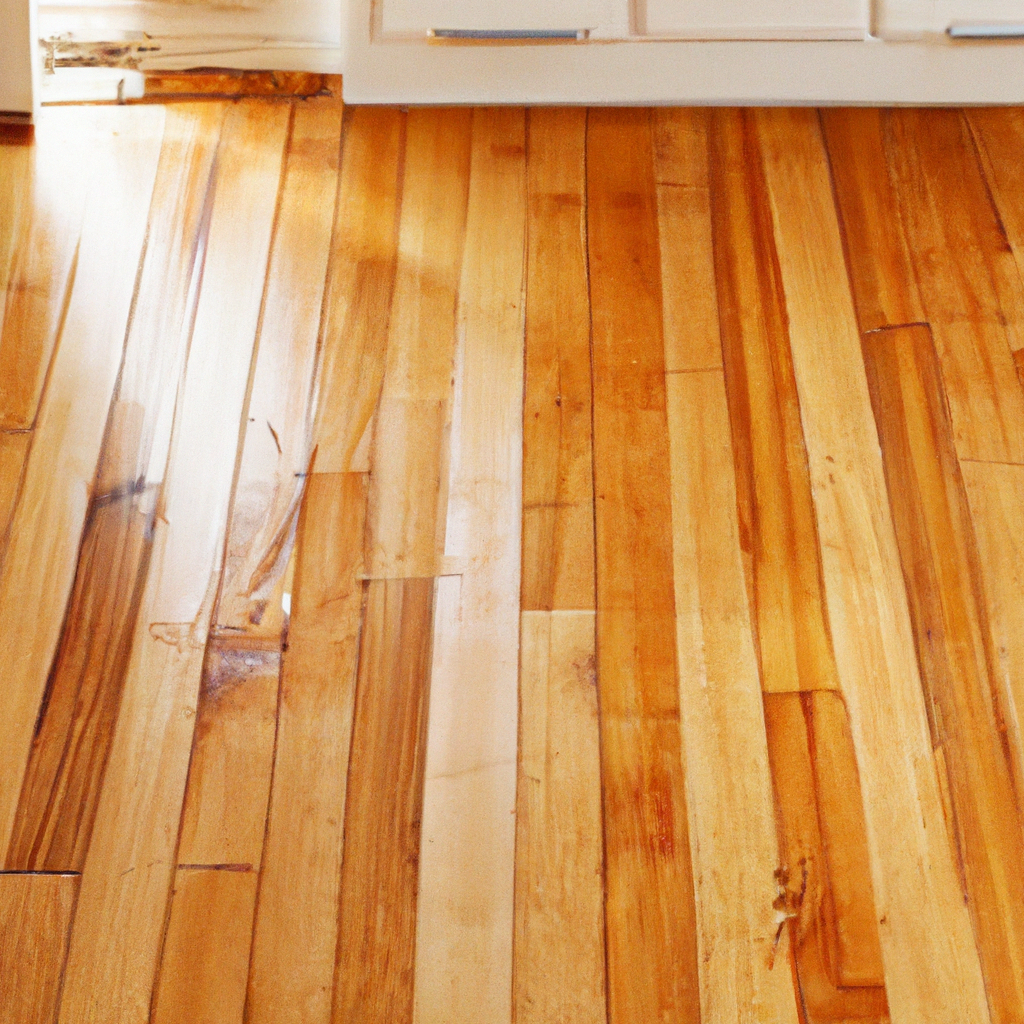
So, you’ve just had your beautiful hardwood floors installed, and now you’re wondering how to keep them looking as good as new? Well, look no further! In this article, we’ll give you some simple yet essential tips for maintaining your hardwood floors post-installation. From regular cleaning routines to protecting against scratches and spills, you’ll become a pro at keeping your hardwood floors in tip-top shape. Say goodbye to worries about preserving the natural beauty of your new flooring – we’ve got you covered!
Cleaning and Dusting
Regular sweeping
To keep your hardwood floors looking their best, it’s important to establish a regular sweeping routine. Use a soft-bristle broom or a dry dust mop to gently sweep away dirt, dust, and debris. Regular sweeping not only helps to keep your floors clean but also prevents microscopic scratches caused by particles being ground into the surface.
Vacuuming
In addition to sweeping, vacuuming your hardwood floors can help remove finer particles that may be missed during sweeping. Use a vacuum cleaner with a bare floor attachment or a brush attachment to protect the surface of your floors. Avoid using vacuums with beater bars or rotating brushes, as these can cause damage to the wood.
Damp mopping
For a deeper clean, you may want to damp mop your hardwood floors. Fill a bucket with warm water and add a small amount of a pH-neutral hardwood floor cleaner. Dampen a microfiber mop in the solution, wring out excess water, and then lightly mop the surface of your floors. Be careful not to saturate the wood, as excessive moisture can cause damage.
Avoid excessive moisture
While damp mopping can help remove stubborn dirt and grime, it’s important to exercise caution and avoid excessive moisture on hardwood floors. Water can seep into the wood, causing it to warp, swell, or even rot over time. To prevent this, wring out your mop thoroughly and use as little water as possible when damp mopping.
Dealing with spills
Accidents happen, and if a spill occurs on your hardwood floors, it’s important to act quickly. Use a soft, absorbent cloth or paper towel to blot up the liquid immediately. Avoid rubbing the spill, as this can push the liquid further into the wood. If needed, lightly dampen the cloth or paper towel with water or a hardwood floor cleaner to clean up any residue. Always remember to dry the area thoroughly to prevent moisture damage.
Protection from Furniture and Appliances
Use furniture pads or felt protectors
When moving furniture or appliances on your hardwood floors, it’s essential to use furniture pads or felt protectors. These small, adhesive pads can be placed on the bottom of chair legs, table legs, or any other furniture or appliance that may come into contact with your floors. Furniture pads create a buffer between the hard surface and your hardwood floors, preventing scratches and damage.
Avoid dragging heavy furniture
One of the most common causes of scratches and gouges on hardwood floors is dragging heavy furniture across the surface. Whenever possible, enlist the help of another person to lift and carry heavy items instead of dragging them. If you need to move furniture alone, consider investing in furniture sliders, which provide a smooth and easy glide without damaging your floors.
Use rugs or mats
Placing area rugs or mats in high-traffic areas can help protect your hardwood floors from scratches and wear. The rugs or mats act as a barrier, absorbing dirt and debris before it has a chance to reach the surface of your floors. Be sure to choose rugs or mats with a non-slip backing to prevent accidents. It’s also important to regularly clean and vacuum under the rugs or mats to avoid trapping dirt against the wood.

This image is property of images.pexels.com.
Preventing Scratches and Damage
Take off shoes
One of the easiest ways to prevent scratches and damage to your hardwood floors is by simply removing your shoes before walking on them. Shoes, especially those with hard soles or high heels, can cause significant damage to the wood surface. Creating a shoe-free policy inside your home can help prolong the life and beauty of your hardwood floors.
Trim pet nails
Pets can be a wonderful addition to any home, but their nails can wreak havoc on hardwood floors. To prevent scratches, regularly trim your pet’s nails and gently file any sharp edges. If you’re hesitant to trim your pet’s nails yourself, consider taking them to a professional groomer or veterinarian for regular nail maintenance. Additionally, placing rugs or mats in areas where your pets spend the most time can help protect your floors.
Use floor protectors under furniture
In addition to furniture pads, consider using floor protectors specifically designed for heavy furniture. These protectors distribute the weight of the furniture evenly and reduce the risk of indentations or damage to your hardwood floors. Whether you have chairs, sofas, or tables, using floor protectors provides an extra layer of protection against scratches and gouges.
Avoid high heels or spiked shoes
High heels and spiked shoes can wreak havoc on hardwood floors. The narrow and concentrated pressure points created by these types of footwear can dent or puncture the wood surface. To avoid potential damage, encourage your guests to remove their high heels or spiked shoes when walking on your hardwood floors. Providing a designated area for guests to store their shoes can help facilitate this.
Avoiding Sun Damage
Use curtains or blinds
Natural sunlight streaming through your windows adds warmth and beauty to your home, but it can also cause damage to your hardwood floors over time. To prevent sun damage, use curtains or blinds to block the rays of the sun during the brightest parts of the day. This simple step can help preserve the color and prevent fading or discoloration of your hardwood floors.
Apply UV-resistant window film
Another option to protect your hardwood floors from sun damage is to apply UV-resistant window film to your windows. This film helps to block harmful UV rays while still allowing natural light to enter your home. By reducing the amount of UV radiation that reaches your floors, you can prolong their lifespan and maintain their vibrant appearance.

This image is property of images.pexels.com.
Dealing with Pet Accidents
Clean up immediately
Accidents happen, especially when you have pets in the house. If your furry friend has an accident on your hardwood floors, it’s crucial to clean it up immediately. Use paper towels or a clean cloth to blot up any liquid, being careful not to spread it further. Once the liquid is removed, clean the area with a pet-friendly hardwood floor cleaner. Avoid using harsh chemicals that may damage the wood or leave behind residue.
Use pet-friendly cleaning products
When cleaning up pet accidents or performing routine cleaning on your hardwood floors, it’s important to use pet-friendly cleaning products. Traditional cleaning products may contain ingredients that can harm your pets if ingested or inhaled. Look for cleaners specifically formulated for use around pets, as they are designed to be safe and effective while also being gentle on your hardwood floors.
Consider urine-resistant finishes
If you have pets that frequently have accidents indoors, you may want to consider using urine-resistant finishes on your hardwood floors. These specialized finishes are designed to provide an additional layer of protection against urine and its odor. Talk to a flooring professional about your options for urine-resistant finishes and whether they are suitable for your specific hardwood floors.
Maintaining the Finish
Regularly clean with recommended products
To maintain the finish and overall appearance of your hardwood floors, it’s important to clean them regularly using the recommended products. Consult the manufacturer’s guidelines or speak with a flooring professional to determine the best cleaning products for your specific type of hardwood. Avoid using harsh chemicals or abrasive cleaners that can damage the finish or strip away its protective properties.
Apply hardwood floor polish
Periodically applying a hardwood floor polish can help restore shine and protect the surface of your floors. Look for a polish specifically designed for hardwood and follow the manufacturer’s instructions for application. Be sure to thoroughly clean your floors before applying the polish to ensure optimal adhesion and results.
Refinish when necessary
Over time, the finish on your hardwood floors may begin to wear off or become dull. In such cases, refinishing the floors can breathe new life into them and restore their original beauty. Refinishing involves sanding down the existing finish, repairing any imperfections, and applying a new coat of finish. Depending on the extent of wear and tear, refinishing may be necessary every few years or less.
This image is property of images.pexels.com.
Controlling Humidity
Maintain ideal humidity levels
Maintaining the ideal humidity levels in your home is crucial for the health of your hardwood floors. Fluctuations in humidity can cause the wood to expand or contract, leading to cupping, warping, or splitting. Aim to keep the humidity levels between 35% and 55% to ensure the longevity and stability of your hardwood floors.
Use a humidifier or dehumidifier
Depending on your geographic location and climate, you may need to use a humidifier or dehumidifier to control the humidity in your home. In areas with dry climates, a humidifier can add moisture to the air and prevent excessive dryness that can damage hardwood floors. Conversely, in areas with high humidity, a dehumidifier can help remove excess moisture and prevent the wood from absorbing it.
Monitor moisture levels
Regularly monitor the moisture levels in your home using a hygrometer, a device that measures humidity. Place the hygrometer in different areas of your home to ensure that the humidity is balanced throughout. If you notice significant fluctuations or consistently high or low humidity levels, take action to address the issue promptly to prevent damage to your hardwood floors.
Preventing Water Damage
Wipe up spills immediately
Water is one of the biggest enemies of hardwood floors, as it can penetrate the wood and cause swelling, warping, or buckling. If any spills occur on your hardwood floors, it’s crucial to wipe them up immediately. Use a soft, absorbent cloth or paper towel to soak up the liquid and dry the area thoroughly. Be diligent in checking for any hidden moisture, such as under rugs or appliances, to ensure complete drying.
Use moisture-resistant products
When selecting rugs, mats, or other floor coverings for your hardwood floors, opt for moisture-resistant materials. Moisture-resistant products repel liquid and prevent it from seeping through to the wood. Look for rugs or mats with a waterproof or rubber backing, as these options provide an extra layer of protection against water damage.
Avoid wet mopping
While damp mopping can be suitable for routine cleaning, wet mopping should be avoided on hardwood floors. Excessive moisture from wet mopping can penetrate the wood, causing it to expand, warp, or buckle. Stick to the recommended methods of cleaning, such as sweeping, vacuuming, and damp mopping with minimal water.
Repairing Minor Damage
Cover scratches with touch-up kits
Minor scratches are inevitable on hardwood floors, but they can be easily covered up using touch-up kits. These kits typically include wax or marker pens that match the color of your floors. Apply the wax or use the marker to fill in the scratch, then buff the area gently with a clean cloth to blend it with the surrounding wood. Touch-up kits are a quick and simple solution to keep your hardwood floors looking their best.
Fill in gaps or cracks
Over time, you may notice small gaps or cracks between the boards of your hardwood floors. These gaps are often caused by fluctuations in humidity or the natural settling of the wood. To fill in the gaps, use a wood filler specifically designed for hardwood floors. Apply the filler to the gaps using a putty knife, then smooth it out and remove any excess. Once the filler is dry, lightly sand the area and apply a coat of finish to restore a seamless appearance.
Replace damaged boards
In cases where the damage to your hardwood floors is more severe, such as deep scratches or extensive water damage, it may be necessary to replace the damaged boards. This is a more involved process that may require the help of a professional for a seamless result. They can assess the damage, source matching replacement boards, and expertly remove and install the new boards, ensuring that your hardwood floors look as good as new.
Professional Maintenance and Inspections
Schedule regular professional cleaning
While regular cleaning and maintenance can go a long way in keeping your hardwood floors in top condition, scheduling professional cleaning is equally important. Professional cleaners have the expertise, tools, and products to deep clean your floors and remove ground-in dirt and grime. Regular professional cleaning not only enhances the appearance of your hardwood floors but also helps to extend their lifespan.
Have floors inspected for wear and tear
In addition to regular cleaning, it’s essential to have your hardwood floors inspected periodically for wear and tear. A professional inspector can assess the condition of your floors, identify any potential issues, and recommend appropriate maintenance or repairs. Catching and addressing minor problems early can prevent further damage and costly repairs in the future.
By following these comprehensive maintenance tips and guidelines, you can ensure that your hardwood floors continue to shine and provide beauty to your home for years to come. With regular cleaning, proper protection, and careful maintenance, you can enjoy the warmth, elegance, and durability that hardwood floors bring to any living space.