You’re embarking on an exciting journey of home renovations, but the thought of potentially compromising the structural integrity of your beloved abode may be keeping you up at night. Don’t fret, because in this article, we’ll guide you on how to maintain the structural integrity of your home during renovations. From hiring experienced contractors to conducting thorough inspections, we’ll share some valuable tips and tricks to ensure that your home remains solid and secure throughout the entire process. So, let’s dive right in and get you on your way to a successful renovation project without any structural hiccups!

This image is property of images.pexels.com.
Planning and Preparation
Assessing the Renovation Scope
Before embarking on any renovation project, it is important to assess the scope of the project. This involves identifying which areas of your home you plan to renovate and determining the extent of the changes you want to make. By carefully assessing the renovation scope, you can ensure that you have a clear understanding of what needs to be done and can develop a plan accordingly.
Consulting with a Structural Engineer
When it comes to renovating your home, consulting with a structural engineer is vital. A structural engineer can assess the existing structure of your home and provide expert advice on how to proceed with your renovation plans while maintaining the structural integrity. They can help identify any potential issues, such as load-bearing walls or foundation stability concerns, and offer recommendations on how to address them.
Obtaining Permits and Licenses
Before you can start any renovation project, it is important to obtain the necessary permits and licenses from your local authorities. These permits ensure that the renovation work meets building codes and regulations, helping to ensure the safety and structural integrity of your home. By obtaining the required permits and licenses, you can have peace of mind knowing that your renovation is in compliance with the law.
Evaluation of Existing Structure
Identifying Load-Bearing Walls
During the evaluation of your existing structure, it is important to identify and understand the load-bearing walls in your home. Load-bearing walls provide support to the upper levels and the roof of your home. Before making any modifications or renovations that involve these walls, it is essential to consult with a structural engineer to determine the best course of action. This will help ensure that the structural integrity of your home is maintained throughout the renovation.
Checking Foundation Stability
The stability of your home’s foundation is crucial in maintaining its structural integrity. Before undertaking any renovations, it is important to inspect your foundation for any cracks, settling, or other signs of instability. If any issues are detected, it is recommended to consult with a structural engineer to determine the appropriate steps to address and mitigate potential problems. Taking the time to evaluate and address foundation stability will help prevent future structural issues.
Inspecting Roof Condition
A well-maintained roof is essential for the structural integrity of your home. Before starting any renovations, it is important to inspect the condition of your roof. Look for any signs of damage, such as missing shingles or leaks. If any issues are found, it is crucial to address them promptly to prevent further damage. Consulting with a roofing professional can help ensure that your roof is in good condition and ready to handle any structural modifications or additions.
Temporary Structural Support
Installing Temporary Beams or Columns
During the renovation process, it may be necessary to install temporary beams or columns to provide additional support to your home’s structure. Temporary beams or columns can help distribute the weight of the construction materials and equipment, minimizing stress on the existing structure. It is important to work with a structural engineer to determine the proper placement and specifications for these temporary supports to ensure the structural integrity of your home throughout the renovation.
Using Adjustable Steel Props
Adjustable steel props are another temporary structural support option that can be used during renovations. These props are adjustable in height and can be used to support beams, walls, or other load-bearing elements. They are typically used when additional support is needed for temporary removal of load-bearing walls or during floor leveling. When using adjustable steel props, it is crucial to follow the manufacturer’s guidelines and consult with a structural engineer to ensure proper installation and support.
Utilizing Hydraulic Jacks
Hydraulic jacks are commonly used as temporary structural supports during renovations. They are typically used to raise or support heavy loads, such as beams or walls, while work is being done underneath. Hydraulic jacks provide a stable and adjustable support system, allowing for precise positioning and control. However, it is important to use hydraulic jacks correctly and consult with a structural engineer to ensure that they are being used safely and appropriately.
Protection of Existing Structure
Covering Surfaces with Protective Sheets
To protect your existing structure during renovations, it is important to cover surfaces with protective sheets. These sheets can be used to cover floors, walls, furniture, and other susceptible areas. Protective sheets help prevent damage from tools, debris, and other construction materials. By taking the time to properly cover surfaces, you can minimize the risk of scratches, dents, or other forms of damage to your existing structure.
Securing Furniture and Belongings
During renovations, it is essential to secure your furniture and belongings to protect them from damage. This can be done by moving furniture to unaffected areas of your home or covering them with protective sheets. Fragile or valuable items should be safely stored away to prevent accidental damage. By securing your furniture and belongings, you can minimize the risk of damage and ensure that they are in good condition once the renovation is complete.
Implementing Dust Control Measures
Renovations often generate a significant amount of dust, which can not only be an annoyance but also pose potential health risks. Implementing dust control measures is crucial to protect your existing structure, as well as your health and the health of your family members. This can include using dust barriers, air filters, and regularly cleaning the work area. By effectively controlling dust, you can prevent it from settling on surfaces and causing damage or potential respiratory issues.

This image is property of images.pexels.com.
Safe Removal of Building Materials
Proper Removal of Asbestos
If your home was constructed before the 1980s, there is a possibility that it contains asbestos, a hazardous material. Before starting any renovations, it is important to have a professional assess your home for the presence of asbestos. If asbestos is present, proper removal and disposal procedures must be followed to ensure the safety of everyone involved. Hiring a licensed asbestos removal contractor is crucial to ensure that the removal is done safely and in compliance with regulations.
Safely Handling Lead-based Paint
Similarly, if your home was built before 1978, there may be lead-based paint present, which can be hazardous, especially during renovations. It is important to take the necessary precautions to avoid lead exposure. This can include using containment barriers, wearing personal protective equipment, and following safe work practices. Seeking guidance from professionals who specialize in lead-based paint removal is highly recommended to maintain the structural integrity of your home and protect the health of you and your family.
Disposal of Construction Debris
Proper disposal of construction debris is crucial to maintain the structural integrity of your home and ensure a safe environment. This includes disposing of materials such as wood, drywall, and other debris in accordance with local regulations. It is important to separate and discard waste materials correctly to prevent contamination or damage to the environment. By following proper disposal procedures, you can maintain a clean and safe workspace while minimizing the potential impact on the structural integrity of your home.
Foundational Integrity
Monitoring Foundation Settlement
Throughout the renovation process, it is important to monitor the settlement of your home’s foundation. Settlement refers to the sinking or shifting of the foundation due to various factors, such as soil conditions or construction activities. Monitoring foundation settlement can help identify any potential issues early on and allow for timely intervention. This can be done with the help of a structural engineer, who can conduct regular inspections and measurements to ensure that the foundation remains stable and the structural integrity of your home is maintained.
Addressing Cracks in Foundation
Cracks in the foundation can occur over time or as a result of the renovation process. It is important to address these cracks promptly to prevent further damage to your home’s structure. Cracks can be filled or repaired using various methods, depending on the severity and cause of the cracks. Consulting with a structural engineer or foundation repair specialist is recommended to determine the best approach for repairing the cracks and maintaining the structural integrity of your home.
Repairing or Reinforcing Foundation
In some cases, renovations may require repairs or reinforcement of the foundation to ensure its stability and the structural integrity of your home. This can involve techniques such as underpinning, which strengthens the foundation by adding more support. These repairs or reinforcements should always be done under the guidance of a structural engineer or foundation specialist to ensure that the work is carried out correctly and in compliance with applicable regulations. By addressing foundation issues appropriately, you can maintain the structural integrity of your home for years to come.

This image is property of images.pexels.com.
Structural Modifications and Additions
Consulting with an Architect or Engineer
When undertaking structural modifications or additions, it is important to consult with an architect or engineer. These professionals can provide expert advice on the design and feasibility of the modifications, ensuring that they are structurally sound. They can also help you navigate any necessary permits and building codes. By involving an architect or engineer in the planning process, you can ensure that your structural modifications or additions are done correctly and maintain the overall integrity of your home.
Determining Structural Load Capacity
Before making any structural modifications or additions, it is crucial to determine the load capacity of your existing structure. This involves assessing the strength and stability of the components that will be impacted by the changes. By working with a structural engineer, you can determine the maximum load that can be safely supported by your home’s structure. This information will guide the design and implementation of any modifications or additions, ensuring that they do not compromise the structural integrity of your home.
Using Approved Building Techniques
When making structural modifications or additions, it is essential to use approved building techniques. These techniques have been tested and proven to meet building codes and regulations, ensuring the safety and structural integrity of your home. By following approved building techniques, you can have peace of mind knowing that your modifications or additions are being done correctly and will stand the test of time. It is important to work with professionals who are knowledgeable about these techniques to ensure that the work is done to the highest standard.
Electrical and Plumbing Considerations
Ensuring Wiring Compliance
When renovating your home, it is important to ensure that all electrical wiring is in compliance with safety standards. This involves inspecting existing wiring and ensuring that it meets current codes and regulations. If necessary, electrical modifications should be made by a licensed electrician to ensure that the work is done correctly and safely. By addressing electrical compliance during the renovation process, you can maintain the structural integrity of your home while also ensuring the safety of your electrical systems.
Updating Plumbing Systems
Renovations often involve modifications or additions to the plumbing systems in your home. This can include adding new fixtures, relocating pipes, or upgrading existing plumbing. It is important to work with a licensed plumber to ensure that all plumbing work is done correctly and meets building codes and regulations. Upgrading plumbing systems not only improves functionality but also helps maintain the structural integrity of your home by preventing potential water damage or leaks.
Avoiding Interference with Load-Bearing Elements
When making electrical or plumbing modifications, it is important to avoid interference with load-bearing elements of your home’s structure. Load-bearing elements include walls, beams, and columns that provide support to the overall structure. Modifying or cutting into these elements without proper consideration can compromise the structural integrity of your home. It is crucial to consult with a structural engineer when planning electrical or plumbing work to ensure that load-bearing elements are not compromised and the overall structure remains stable.
Inspection and Quality Assurance
Engaging Professional Inspectors
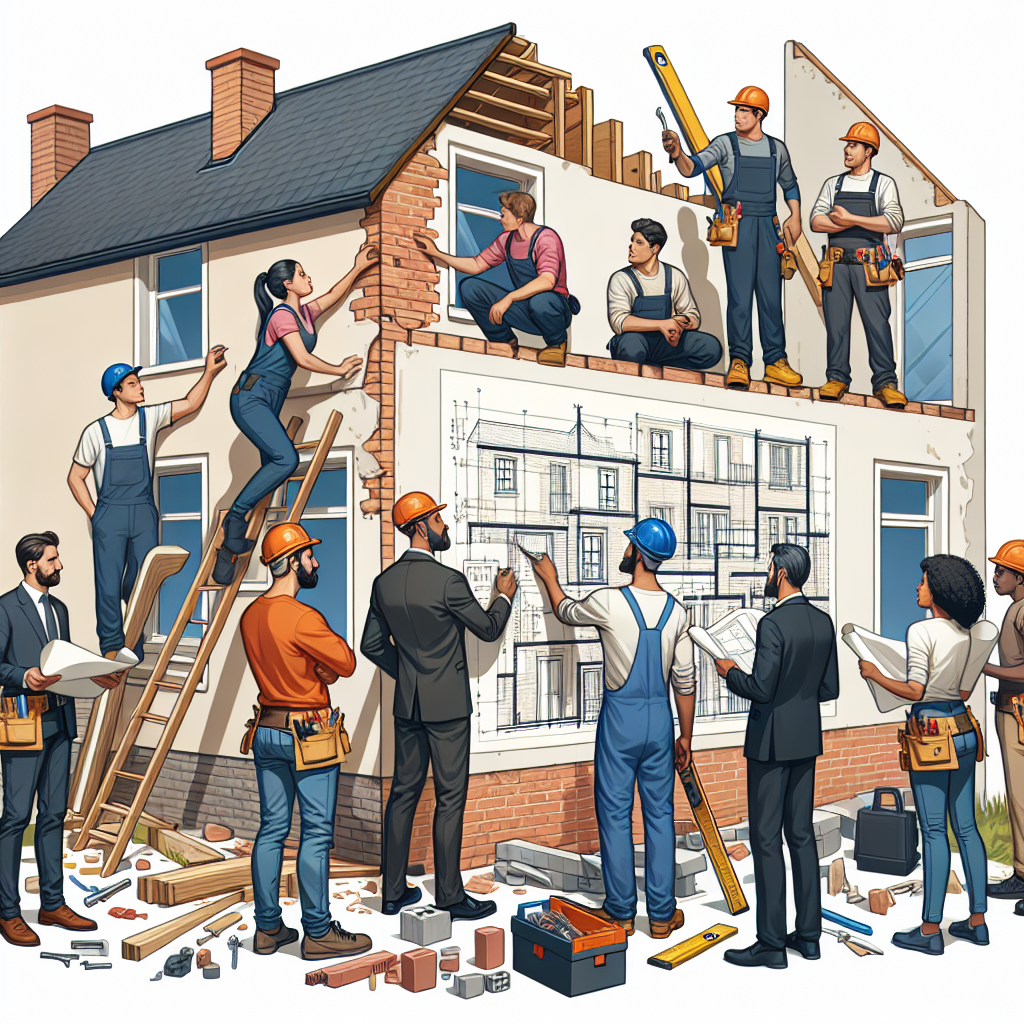
Regular inspections by professional inspectors play a crucial role in maintaining the structural integrity of your home during renovations. These inspections should be conducted at various stages of the renovation process to ensure that the work meets building codes and regulations. By engaging professional inspectors, you can identify any deviations from the original plans or potential structural issues early on, allowing for prompt correction and ensuring the quality and safety of the renovation.
Checking for Structural Deviations
During inspections, it is important to check for any structural deviations from the approved plans. This includes verifying that load-bearing walls are properly supported, foundation modifications are carried out correctly, and structural reinforcements are in place. Any deviations should be addressed promptly to prevent potential structural problems down the line. By consistently checking for structural deviations, you can ensure that the renovation is being executed as planned and that the structural integrity of your home is maintained.
Adhering to Building Codes and Standards
Throughout the renovation process, it is crucial to adhere to building codes and standards. These codes and standards are in place to ensure the safety and structural integrity of buildings. By following these regulations, you can be confident that your renovation work meets the required standards and will stand the test of time. It is important to work with professionals who are knowledgeable about building codes and standards and can ensure compliance throughout the renovation process.
Regular Maintenance and Repairs
Inspecting and Repairing Cracks
Regular maintenance and repairs are essential for maintaining the structural integrity of your home in the long run. It is important to periodically inspect your home for cracks in walls, ceilings, or floors. These cracks may be an indicator of underlying structural issues. It is crucial to address cracks promptly by consulting with a structural engineer or contractor to determine the cause and appropriate repair method. By regularly inspecting and repairing cracks, you can prevent further damage and ensure the ongoing stability of your home’s structure.
Maintaining Proper Drainage
Proper drainage is vital for maintaining the structural integrity of your home. Poor drainage can lead to water accumulation, which can cause foundation issues or damage to your home’s structure. Regularly inspect gutters, downspouts, and drainage systems to ensure they are functioning correctly and free from blockages. Keeping your property well-drained helps prevent water-related damage and maintains the stability of your home’s foundation and structure.
Addressing Structural Vulnerabilities
Over time, your home may develop structural vulnerabilities that require attention. This can include weak or sagging floors, cracked or shifting walls, or problems with the roof. It is important to address these vulnerabilities promptly to prevent further deterioration and potential safety hazards. Consult with a structural engineer or contractor to assess the extent of the vulnerabilities and determine the appropriate course of action. By addressing structural vulnerabilities proactively, you can maintain the overall integrity and safety of your home.
In conclusion, maintaining the structural integrity of your home during renovations is of utmost importance. By carefully planning and preparing, evaluating the existing structure, providing temporary structural support, protecting the existing structure, safely removing materials, monitoring foundational integrity, considering electrical and plumbing aspects, conducting inspections, and ensuring regular maintenance and repairs, you can ensure that your home remains safe, stable, and structurally sound throughout the renovation process and beyond. Remember, consulting with professionals such as architects, engineers, and inspectors is key to successfully maintaining the structural integrity of your home during renovations.