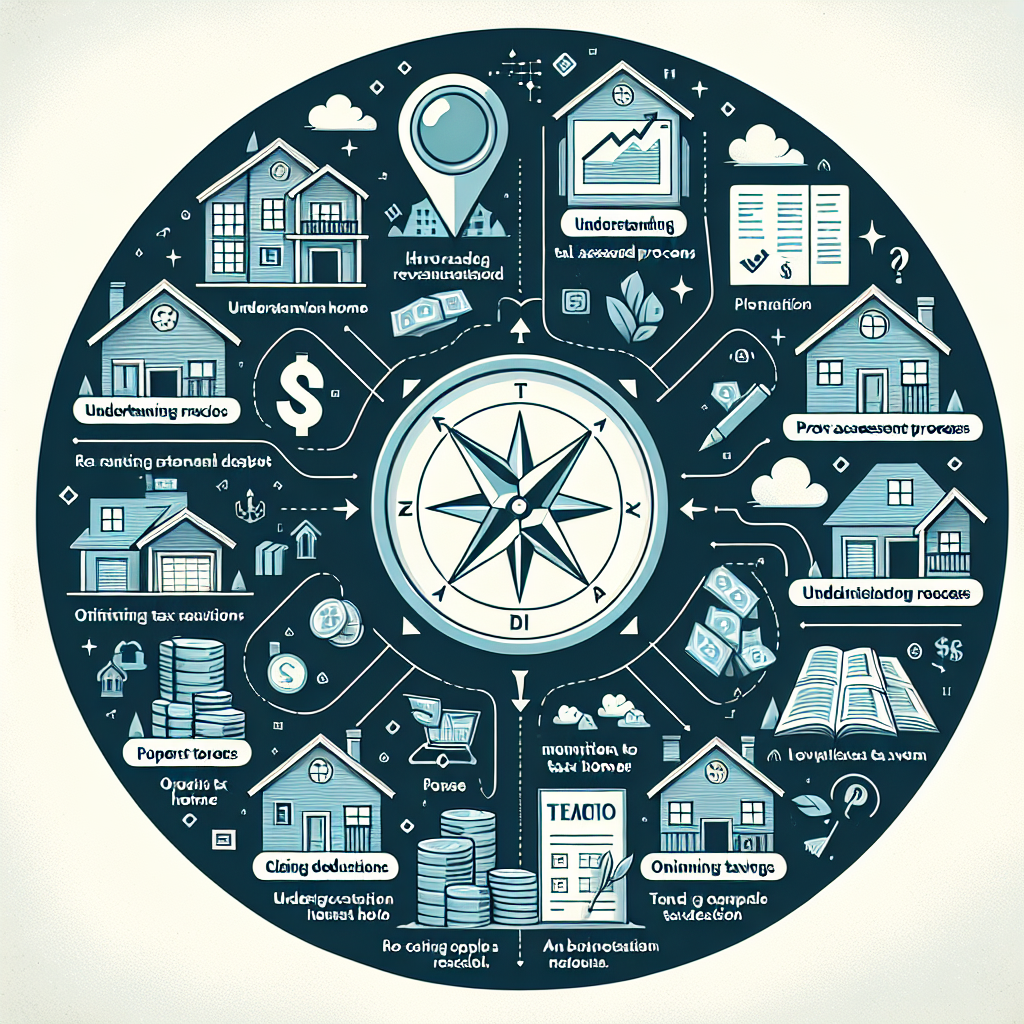
Owning a rental property can be a great investment, but it also comes with its fair share of responsibilities. One aspect that often confuses landlords is how to manage property taxes for their rental homes. Understanding the process and staying on top of your tax obligations is essential to ensure that you are not paying more than necessary. In this article, we will guide you through the basics of managing property taxes for rental homes, providing you with the knowledge and confidence to handle this aspect of your investment with ease. So let’s dive in and unravel the complexities of property taxes, empowering you to make informed decisions and maximize your rental property’s potential.

This image is property of images.pexels.com.
Understanding Property Taxes
What are property taxes?
Property taxes are levies imposed by local governments on the owners of residential or commercial properties. These taxes are used to fund various public services such as schools, infrastructure development, and public safety. Property taxes are typically calculated based on the assessed value of the property and the tax rate set by the local government.
How are property taxes calculated?
Property taxes are usually calculated by multiplying the assessed value of the property by the tax rate. The assessed value is determined by the local taxing authority and may be based on factors such as property size, location, and improvements. The tax rate is set by the local government and is expressed as a percentage of the assessed value.
To understand how your property taxes are calculated, you can usually find information on the local government’s website or contact the local tax assessor’s office. It’s important to note that property tax rates and assessment methods can vary between jurisdictions, so it’s crucial to understand the specific rules and regulations in your area.
Importance of understanding property taxes
Understanding property taxes is essential for rental property owners to ensure that they are properly managing their finances and maximizing their returns. By having a clear understanding of how property taxes are calculated and the potential exemptions or deductions available, you can better plan and budget for these expenses.
Having a good grasp of property taxes also allows you to assess the profitability and viability of an investment property. By evaluating property taxes alongside other expenses and potential rental income, you can make informed decisions about rental rates and the financial feasibility of acquiring or maintaining a rental property.
Recordkeeping and Documentation
Keeping organized records
When it comes to property taxes, maintaining organized records is crucial. By keeping all relevant documents and receipts in one place, you can easily access and reference them when needed. This includes records such as purchase documents, closing statements, renovation costs, and any other expenses related to the property.
Organizing your records can help you identify potential deductions, exemptions, or discrepancies in assessment notices. It also makes it easier to prepare your tax returns and respond to any tax inquiries or audits in the future. Utilizing digital recordkeeping tools or software can further streamline the process and ensure that your records are secure and easily accessible.
Tracking property tax payments
Tracking your property tax payments is equally important to avoid any penalties or late fees. Property tax due dates can vary depending on your location, so it’s crucial to note these deadlines and set reminders for yourself. Consider setting up automatic payments or scheduling recurring reminders to ensure timely payment of your property taxes.
Additionally, keeping a record of your past tax payments can be beneficial for accounting and budgeting purposes. You can track your payment history and refer to it when preparing your financial statements or evaluating your property’s performance.
Saving relevant documentation
In addition to organizing records and tracking payments, it’s essential to save relevant documentation related to your property taxes. This includes assessment notices, tax bills, receipts for tax payments, and any correspondence with the tax authorities. Saving these documents will serve as evidence of your compliance and can be helpful when reviewing assessments, claiming deductions, or addressing any disputes.
By keeping these records in a safe and easily accessible location, you can reduce the stress and potential complications that may arise when dealing with property taxes. Remember to retain these documents for the appropriate duration based on your local tax laws or seek guidance from a professional advisor.
Hiring a Professional
Considerations for hiring a property tax professional
If managing property taxes becomes overwhelming or complex, it may be beneficial to hire a property tax professional. When seeking a professional, consider their qualifications, experience, and knowledge of local tax laws and regulations. Look for professionals who specialize in property taxes and have a track record of successfully assisting clients with similar concerns.
Benefits of hiring a property tax professional
Hiring a property tax professional can provide numerous benefits. They can analyze your property assessments, identify potential inaccuracies or discrepancies, and guide you through the process of challenging assessments if necessary. These professionals can also assist in exploring available exemptions and deductions, ensuring that you take full advantage of any tax-saving opportunities.
Moreover, property tax professionals can help you navigate complex tax laws and regulations, potentially saving you time, money, and stress. They can keep you informed about changes in tax regulations, ensure compliance with filing deadlines, and handle any communication or disputes with tax authorities on your behalf.
Finding a reliable property tax professional
When searching for a reliable property tax professional, consider seeking recommendations from other rental property owners or real estate professionals. You can also conduct online research to find reputable professionals in your area. Take the time to interview potential candidates, ask for references, and inquire about their fee structure and services.
A reliable property tax professional should have a clear understanding of the local tax laws, be responsive to your inquiries and concerns, and have a proven track record of delivering favorable results for their clients. Ultimately, finding the right professional will provide peace of mind and ensure that your property taxes are managed efficiently and effectively.
Understanding Assessment Notices
What is an assessment notice?
An assessment notice is a document sent by the local tax assessor’s office that outlines the assessed value of your property and the corresponding property tax amount. This notice is typically sent annually or periodically based on the local taxing authority’s assessment cycle.
The assessment notice serves as an official record of your property’s assessed value, which is a key factor in determining the amount of property taxes you owe. It is important to review the assessment notice carefully to ensure accuracy and understand any changes in the assessed value or tax rate.
Importance of reviewing assessment notices
Reviewing your assessment notice is crucial to ensure that the assessed value is fair and accurate. Mistakes or discrepancies in the assessment can result in overpaying your property taxes. By carefully reviewing the assessment notice, you can identify any errors, such as incorrect property dimensions, improper valuation methods, or inaccurate information about the property’s condition.
If you believe that the assessed value on the notice does not reflect the market value of your property or is based on incorrect information, it is essential to take timely action. Challenging inaccurate assessments can potentially lead to a reduction in your property taxes, resulting in significant savings over time.
Challenging inaccurate assessments
If you believe that your assessment is inaccurate, you have the right to challenge it through the appeals process. The specific procedure for challenging an assessment may vary depending on your jurisdiction, so it’s important to familiarize yourself with the local rules and deadlines.
Typically, you will need to gather evidence to support your claim, such as recent appraisals, sales data of comparable properties, or inspection reports. Presenting this evidence to the tax assessor’s office or filing a formal appeal can help rectify any errors and ensure that your property tax liability is based on a fair and accurate assessment.
It’s recommended to consult with a property tax professional or seek legal advice if you plan to challenge an assessment. They can provide guidance on the process, help gather the necessary evidence, and ensure that you meet all the requirements and deadlines.

This image is property of images.pexels.com.
Researching Tax Exemptions and Deductions
Exploring available tax exemptions
Tax exemptions are provisions that reduce or eliminate the portion of property taxes owed on specific properties or for certain purposes. Many jurisdictions offer exemptions for properties such as primary residences, historical landmarks, or properties owned by certain nonprofit organizations.
To take advantage of available exemptions, research the tax laws in your jurisdiction and identify the eligibility criteria for each exemption. Submit the necessary documentation or applications to claim the exemptions. Keep in mind that exemptions may need to be renewed periodically or may have specific restrictions or qualification requirements.
Understanding and utilizing tax exemptions can significantly reduce your property tax burden and increase your cash flow. By taking the time to research and claim applicable exemptions, you can maximize your tax savings and improve the profitability of your rental property.
Understanding rental property tax deductions
In addition to exemptions, rental property owners can also benefit from various tax deductions. Rental property tax deductions allow you to reduce your taxable rental income by deducting certain expenses associated with owning and operating the property.
Common rental property tax deductions include mortgage interest, property management fees, repairs and maintenance costs, and property insurance premiums. It’s essential to keep detailed records and receipts for these deductible expenses to support your claims and ensure compliance with tax regulations.
Consult with a tax professional or utilize tax software to ensure that you are aware of all the deductions available to you as a rental property owner. They can guide you through the process of claiming deductions and help maximize your tax savings.
Maximizing tax savings through exemptions and deductions
To maximize your tax savings, consider combining tax exemptions and deductions. By identifying all eligible exemptions and carefully tracking deductible expenses, you can minimize your overall property tax liability and increase your investment returns.
Keep in mind that tax laws and regulations can change over time. Stay updated on any revisions or additions to the available exemptions and deductions to ensure that you are taking full advantage of all applicable tax-saving opportunities. Regularly review your property’s eligibility for exemptions and consult with a tax professional to optimize your tax strategy.
Budgeting for Property Taxes
Including property taxes in rental income calculations
When calculating your rental income, it’s important to account for property taxes as a recurring expense. Failure to consider property taxes can lead to inaccurate financial projections and affect your profitability.
To include property taxes in your rental income calculations, estimate the annual property tax amount based on the current assessment or previous tax bills. Divide this annual amount by 12 to determine the monthly property tax expense. Subtract this expense from your monthly rental income to determine your net cash flow.
By factoring property taxes into your rental income calculations, you can ensure that you set appropriate rental rates, accurately assess your property’s cash flow, and plan your finances effectively.
Creating a property tax reserve fund
To mitigate the impact of potential tax rate increases or unexpected property tax assessments, consider creating a reserve fund specifically for property taxes. This fund serves as a buffer to cover any unforeseen spikes in property taxes or periods of vacancy when you may be solely responsible for the payment.
Determine a reasonable amount to set aside each month or allocate a portion of your rental income to the reserve fund. This will help you build up savings over time and ensure that you have the necessary funds to pay your property taxes without affecting your overall financial stability.
Accounting for potential tax rate changes
Tax rates can fluctuate over time due to changes in local government policies or economic conditions. It’s important to account for potential tax rate changes when budgeting for property taxes.
Stay informed about any proposed or approved changes to tax rates in your area. Periodically reassess your property’s assessed value and consider the potential impact of reassessments or changes in tax rates on your tax liability. This proactive approach will allow you to adjust your budgeting and financial planning accordingly.
By accounting for potential tax rate changes, you can avoid financial surprises and ensure that you are prepared to meet your property tax obligations.

This image is property of images.pexels.com.
Paying Property Taxes on Time
Understanding tax payment deadlines
To avoid penalties and interest, it is crucial to understand the tax payment deadlines in your jurisdiction. The due dates for property tax payments can vary depending on local regulations, but they are typically set annually or semi-annually.
Refer to the tax bills or assessment notices you receive to determine the due dates for your property taxes. Mark these dates on your calendar or set up reminders to ensure you allocate sufficient time to make the payment.
Setting up reminders for tax payments
To help you stay organized and avoid late payments, consider setting up reminders for your property tax payments. Utilize digital calendars, task management apps, or email notifications to alert you of upcoming due dates. Set these reminders in advance to provide yourself with ample time to gather the necessary funds and make the payment.
Another option is to enroll in automatic payment plans offered by local tax authorities or your financial institution. This allows the taxes to be automatically deducted from your designated account on the due dates, ensuring timely payment without requiring manual intervention.
Avoiding penalties and interest
Paying your property taxes on time is crucial to avoid incurring penalties and interest. Late payments can result in additional fees, fines, or even legal actions by the tax authority.
The penalties and interest for late property tax payments can vary depending on local regulations. Familiarize yourself with the specific penalties for late payments in your jurisdiction and the consequences of non-compliance. By paying your property taxes on time, you can save money and maintain a positive relationship with the tax authorities.
Considering Local Tax Laws and Rules
Researching local property tax laws
Local property tax laws can vary significantly, so it’s important to research and understand the specific regulations in your area. Familiarize yourself with the assessment process, tax rates, deadlines, exemptions, and other relevant factors that impact your property taxes.
Review the local government’s website, consult tax professionals or your tax assessor’s office for detailed information regarding property tax laws. Stay updated on any changes or revisions to these laws and ensure that you are complying with all the requirements.
Knowing the appeal process
Being familiar with the appeal process is crucial if you wish to challenge an assessment or dispute your property taxes. Each jurisdiction may have different rules and procedures for appeals, so it’s important to understand the specific steps involved.
Research the appeal process outlined by the local tax assessor’s office or consult with a property tax professional for guidance. Prepare the necessary documentation and evidence to support your case and ensure that you adhere to the appeal deadlines. By knowing the appeal process, you can navigate any disputes or disagreements regarding your property taxes effectively.
Staying updated on changes in tax regulations
Tax laws and regulations are subject to change, so it’s important to stay updated on any revisions or additions that impact property taxes. Changes may include adjustments to tax rates, exemptions, assessment methods, or filing requirements.
Regularly review local government websites, news sources, or consult with tax professionals to stay informed about changes in tax regulations. Engage in professional development opportunities or attend seminars or workshops to enhance your understanding of property tax laws and ensure compliance.
By staying updated on changes in tax regulations, you can proactively adjust your financial planning, maximize tax savings, and avoid any potential penalties or non-compliance issues.
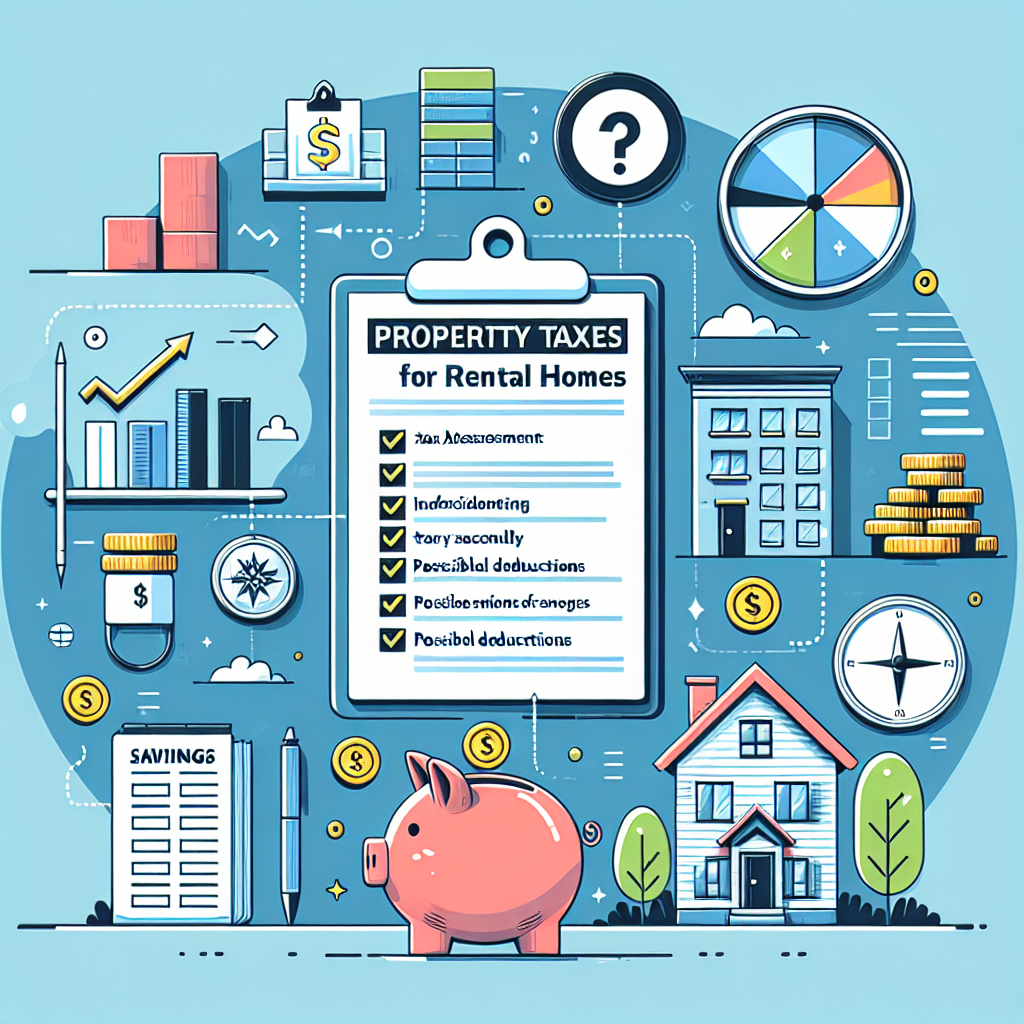
Utilizing Property Management Software
Benefits of property management software
Property management software can be a valuable tool for effectively managing property taxes. This software offers numerous benefits, such as streamlining recordkeeping, automating payment reminders, and providing comprehensive financial reports.
By utilizing property management software, you can easily track income and expenses, generate reports for tax purposes, and stay organized in one centralized system. This software often includes features specifically designed for property tax management, simplifying the process and reducing the likelihood of errors or oversights.
Features to look for in property management software
When considering property management software, look for features that specifically cater to property tax management. Some key features to consider include:
- Expense tracking: The software should allow you to record and categorize expenses, making it easier to identify deductible items and track property tax payments.
- Document management: Look for software that enables you to store and organize relevant documents, such as tax bills, receipts, and assessment notices. This ensures that all documentation is easily accessible when needed.
- Automated reminders: Property management software should provide reminders and notifications for upcoming tax payment deadlines. This feature helps you stay on top of your obligations and avoid penalties.
- Financial reporting: Comprehensive financial reports, including income and expense statements, cash flow analysis, and tax summaries, can help you assess your property’s financial performance and simplify tax preparation.
By selecting property management software with these features, you can streamline your property tax management and ensure accurate recordkeeping, resulting in a more efficient and stress-free process.
Managing property taxes effectively with software
Once you have implemented property management software, take advantage of its features to effectively manage your property taxes. Regularly update the software with any changes to property assessments, tax rates, or payment amounts to maintain accurate records.
Utilize the software’s reporting capabilities to generate tax-related reports, making it easier to prepare your income tax returns or respond to any tax inquiries. Enter your tax payment deadlines into the software and set up reminders to ensure timely payments.
Remember to regularly back up your software data and store it securely to protect your financial records and ensure business continuity. By leveraging the capabilities of property management software, you can effectively manage your property taxes and streamline your overall property management processes.
Seeking Professional Advice
Consulting with a real estate attorney
When dealing with complex property tax matters, it may be necessary to consult with a real estate attorney. Real estate attorneys specialize in property law and can provide valuable guidance on legal matters related to property taxes.
A real estate attorney can review documents, contracts, and other legal instruments to ensure compliance with property tax laws. They can guide you through challenging assessments, handling disputes with tax authorities, or represent you in court if necessary.
Consulting with a real estate attorney can give you peace of mind and ensure that you are making informed decisions while navigating the intricacies of property taxes.
Engaging a certified public accountant
Certified public accountants (CPAs) are another valuable resource when it comes to managing property taxes. CPAs possess in-depth knowledge of tax laws and regulations and can provide expert advice on tax planning and compliance.
Engage a CPA to assist you in preparing your tax returns and optimizing your tax strategy. They can ensure that you are taking advantage of all applicable exemptions and deductions while complying with tax laws. CPAs can also help you navigate complex financial matters, such as depreciation calculations, capital gains taxes, or tax implications of selling or exchanging properties.
Collaborating with a CPA ensures that you receive accurate and up-to-date advice to minimize your tax liability and maximize your investment returns.
Collaborating with a tax advisor
Collaborating with a tax advisor, such as an enrolled agent or a tax consultant, can provide additional expertise and support in managing your property taxes. These professionals specialize in tax matters and can provide comprehensive tax planning and compliance services.
Tax advisors can review your financial situation, assess your property taxes, and develop customized strategies to optimize your tax savings. They can provide guidance on tax implications when acquiring or disposing of rental properties, structure your investments to minimize tax liabilities, and ensure compliance with applicable tax laws.
Working with a tax advisor allows you to leverage their expertise and experience to effectively manage your property taxes and navigate any complex tax issues with confidence.
In conclusion, managing property taxes for rental homes requires a comprehensive understanding of the tax regulations, diligent recordkeeping, and proactive planning. By familiarizing yourself with property tax calculations, assessment notices, available exemptions and deductions, and local tax laws, you can effectively manage your property taxes and optimize your tax savings. Consider hiring a professional if needed, utilize property management software, and seek advice from real estate attorneys, CPAs, or tax advisors to ensure compliance, maximize returns, and minimize any potential financial risks. With the right knowledge and resources, you can confidently navigate the complexities of property taxes and make informed financial decisions for your rental homes.