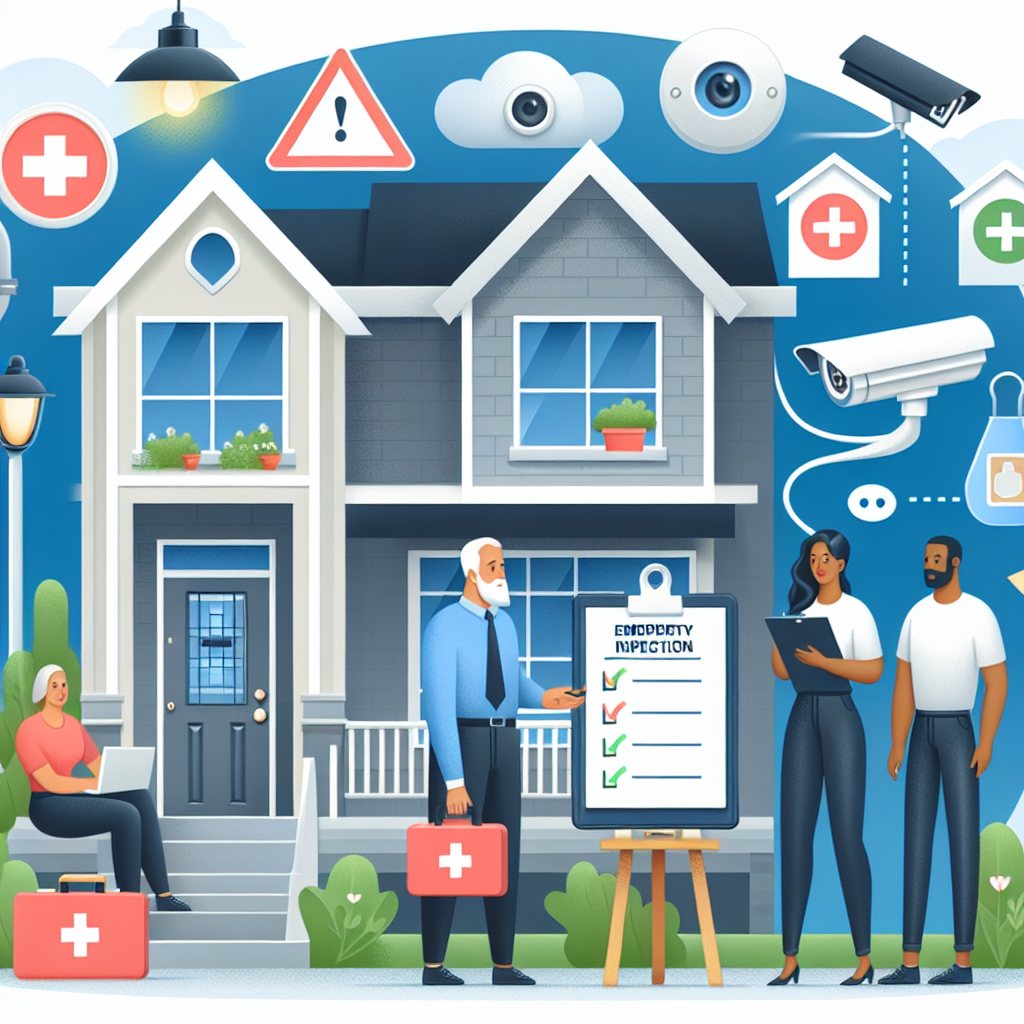
In today’s article, you will discover helpful tips on how to effectively manage safety and security concerns in a multi-unit rental property. As a landlord or property manager, ensuring the well-being of your tenants should always be a top priority. From implementing robust security measures to maintaining regular inspections, we will explore practical strategies that will help you create a safe and secure living environment for everyone involved. So, let’s dive in and find out how to provide peace of mind to your tenants in a multi-unit rental property.
Building Security
Installing Security Systems
When it comes to ensuring the safety and security of your multi-unit rental property, installing security systems is a crucial step. These systems act as a deterrent and provide a sense of protection for both tenants and property owners. Consider installing security alarms, motion sensors, and security cameras in common areas such as hallways, entrances, and parking lots. These systems can help prevent break-ins, vandalism, and other criminal activities.
Implementing Access Control
Another important aspect of building security is implementing access control measures. This involves restricting access to the property and its various areas to authorized individuals only. Consider installing keyless entry systems or access cards for tenants to enter the building and provide them with unique entry codes. This will help prevent unauthorized individuals from entering the premises and enhance the overall security of the building.
Using Security Cameras
Security cameras are an essential tool for monitoring and recording activities within and around the building. Strategically placing cameras in high-traffic areas and potential blind spots can help deter criminal activities and provide valuable evidence in case of any incidents. Make sure the cameras are of high quality and provide clear images, and ensure that they are regularly maintained and checked for proper functioning.
Tenant Screening Process
Conduct Background Checks
One of the most effective ways to mitigate safety and security concerns is by conducting thorough background checks on prospective tenants. This process involves looking into their criminal history, credit history, and rental history. By doing so, you can identify any potential red flags and make informed decisions about who you allow to rent your property. Background checks help ensure that you are renting to individuals with a clean record and a proven track record of being responsible tenants.
Verify References
In addition to conducting background checks, it is crucial to verify the references provided by prospective tenants. Reach out to previous landlords to gather information about their experience with the applicant, such as their rental behavior, payment history, and any incidents that may have occurred during their tenancy. By doing this, you can gain valuable insights into the tenant’s reliability and suitability for your property.
Require Renters Insurance
Requiring tenants to have renters insurance is another important safety measure. Renters insurance provides financial protection for both the tenant and the property owner in case of accidents, theft, or damages. It ensures that tenants are responsible for their personal belongings and any liabilities that may arise from their actions. By making renters insurance a requirement, you can minimize the financial risks associated with potential incidents and provide an extra layer of protection for your property.

This image is property of images.unsplash.com.
Emergency Preparedness
Creating Emergency Response Plans
Being prepared for emergencies is vital in ensuring the safety of your tenants. Create detailed emergency response plans that outline the procedures to be followed in various scenarios such as fires, natural disasters, or medical emergencies. These plans should include evacuation routes, designated meeting points, emergency contact numbers, and clear instructions on how to respond and assist in different situations. Share these plans with your tenants and ensure that they are aware of the protocols to follow in case of emergencies.
Maintaining Emergency Contact Information
Having accurate and up-to-date emergency contact information is crucial for prompt response during emergencies. Keep a record of emergency contacts, including local emergency services, utility providers, and property management team members. Regularly update this information and ensure that it is easily accessible to tenants, either through a dedicated bulletin board or an online platform. Encourage tenants to report any changes in their contact information so that you can always reach them in case of emergencies.
Conducting Regular Drills
Practice makes perfect, and the same applies to emergency preparedness. Conduct regular drills to familiarize tenants with the emergency response plans and procedures. This includes fire drills, evacuation drills, and practicing first aid techniques. By regularly practicing emergency scenarios, you can ensure that everyone is well-prepared and can react quickly and efficiently in case of an actual emergency. Additionally, drills help identify any weaknesses or areas for improvement in the emergency response plans and allow you to address them accordingly.
Safety Inspections
Regular Maintenance Checks
Regular maintenance checks are essential for identifying and addressing potential safety hazards within your rental property. Conduct routine inspections of the building’s infrastructure, including electrical systems, plumbing, and structural integrity. Look for any signs of wear and tear, such as faulty wiring or leaky pipes. Promptly address any maintenance issues to minimize the risk of accidents or property damage.
Fire Safety Inspections
Fire safety is of utmost importance in any rental property. Schedule regular fire safety inspections to ensure that the building meets all the necessary fire safety codes and regulations. Test fire alarms, smoke detectors, and fire extinguishers to ensure they are in proper working condition. Additionally, conduct inspections of fire exits, emergency lighting, and other fire safety equipment. By prioritizing fire safety inspections, you can significantly reduce the risk of fires and protect the lives and property of your tenants.
Electrical System Inspections
Electrical system inspections are crucial for identifying potential hazards and preventing electrical accidents. Engage the services of a qualified electrician to regularly inspect the electrical systems in your rental property. They will assess the condition of wiring, outlets, circuit breakers, and other electrical components. Promptly address any issues, such as exposed wiring or overloaded circuits, to minimize the risk of electrical fires or electrical shocks.

This image is property of images.unsplash.com.
Proper Lighting
Installing Adequate Outdoor Lighting
Proper outdoor lighting plays a vital role in deterring criminal activities and enhancing the safety of your rental property. Install adequate lighting in parking lots, walkways, and other outdoor areas to eliminate dark spots where criminal activities may occur. Consider using energy-efficient LED lights that provide bright illumination while minimizing energy consumption. Regularly inspect and maintain outdoor lighting to ensure that all areas are properly lit and functioning effectively.
Ensuring Well-lit Common Areas
Well-lit common areas within the building are essential for tenant safety and security. Ensure that hallways, staircases, elevator lobbies, and other communal spaces have sufficient lighting at all times. Regularly replace any burnt-out bulbs to maintain consistent lighting levels. Well-lit common areas not only improve visibility but also create a welcoming atmosphere for tenants, enhancing their overall sense of security.
Maintaining Proper Indoor Lighting
Proper indoor lighting is not only important for aesthetics but also for ensuring tenant safety. Insufficient lighting can lead to accidents and create an environment where criminal activities can go unnoticed. Install appropriate lighting fixtures in all living spaces, including bedrooms, kitchens, and bathrooms. Ensure that all bulbs are in good working condition and provide enough light to illuminate the entire room. Regularly inspect and replace bulbs as needed to maintain proper indoor lighting.
Secure Entryways
Installing Deadbolt Locks
One of the simplest and most effective ways to secure entryways is by installing deadbolt locks on all doors. Deadbolt locks provide an added layer of security and are more resistant to forced entry compared to traditional locks. Ensure that all entry doors, including the main entrance and individual unit doors, are equipped with deadbolt locks. Regularly check the condition of these locks and promptly repair or replace them if necessary.
Reinforcing Doors and Windows
Weak doors and windows are vulnerable points of entry for unauthorized individuals. Reinforce all entry doors and windows with sturdy frames, high-quality locks, and shatterproof glass. Consider using security film on windows to make them more resistant to breakage. Additionally, reinforce weak entry points such as sliding doors with additional locks or bars to further enhance security. Regularly inspect these areas and address any vulnerabilities promptly.
Adding Security Measures to Entry Points
In addition to deadbolt locks, consider adding additional security measures to entry points to further strengthen security. This may include installing video doorbell systems that allow tenants to see and communicate with visitors before granting entry. Intercom systems can also be installed to verify the identity of individuals before granting access to the building. These additional security measures provide an extra layer of protection and allow tenants to have greater control over who enters the premises.

This image is property of images.unsplash.com.
Frequent Communication
Establishing Effective Communication Channels
Maintaining open lines of communication with your tenants is essential for addressing safety and security concerns. Establish effective communication channels such as email lists, newsletters, or a dedicated online platform where you can share updates, important information, and safety reminders. Encourage tenants to reach out to you with any security-related questions or concerns and ensure that their feedback is valued and addressed promptly.
Notifying Tenants of Security Updates
Regularly inform your tenants about any security updates or improvements that are being implemented. This may include notifying them about the installation of new security systems, changes in access control measures, or any other security-related changes. Keeping tenants informed about these updates helps them understand the efforts being made to enhance their safety and reinforces their confidence in the property management’s commitment to security.
Encouraging Reporting of Suspicious Activities
Create an environment where tenants feel comfortable reporting any suspicious activities or concerns. Encourage them to be vigilant and observant of their surroundings and let them know that their reports will be taken seriously. Provide clear instructions on how and where to report such incidents, whether it’s through a dedicated hotline, an online form, or direct communication with property management. By encouraging reporting, you can quickly address potential security threats and take appropriate actions to mitigate risks.
Tenant Education
Providing Safety and Security Guidelines
Empowering tenants with knowledge about safety and security measures is crucial for maintaining a secure rental property. Provide them with comprehensive safety and security guidelines that outline best practices, such as locking entry doors, not sharing access codes, and being cautious about sharing personal information. Explain the importance of adhering to these guidelines and how they contribute to the overall safety and well-being of everyone in the building.
Educating Tenants about Emergency Procedures
Educating tenants about emergency procedures is vital for their safety in critical situations. Conduct regular meetings or seminars where you can train tenants on how to respond to emergencies such as fires, natural disasters, or medical emergencies. Demonstrate the use of fire extinguishers, teach basic first aid techniques, and explain evacuation routes. Provide written materials summarizing the emergency procedures and encourage tenants to keep them readily accessible.
Offering Self-Defense Training
Offering self-defense training programs can empower tenants and provide them with valuable skills to protect themselves if the need arises. Consider partnering with local self-defense instructors or organizations to conduct workshops or classes on self-defense techniques. These programs provide tenants with practical tools and knowledge to enhance their personal safety and security.
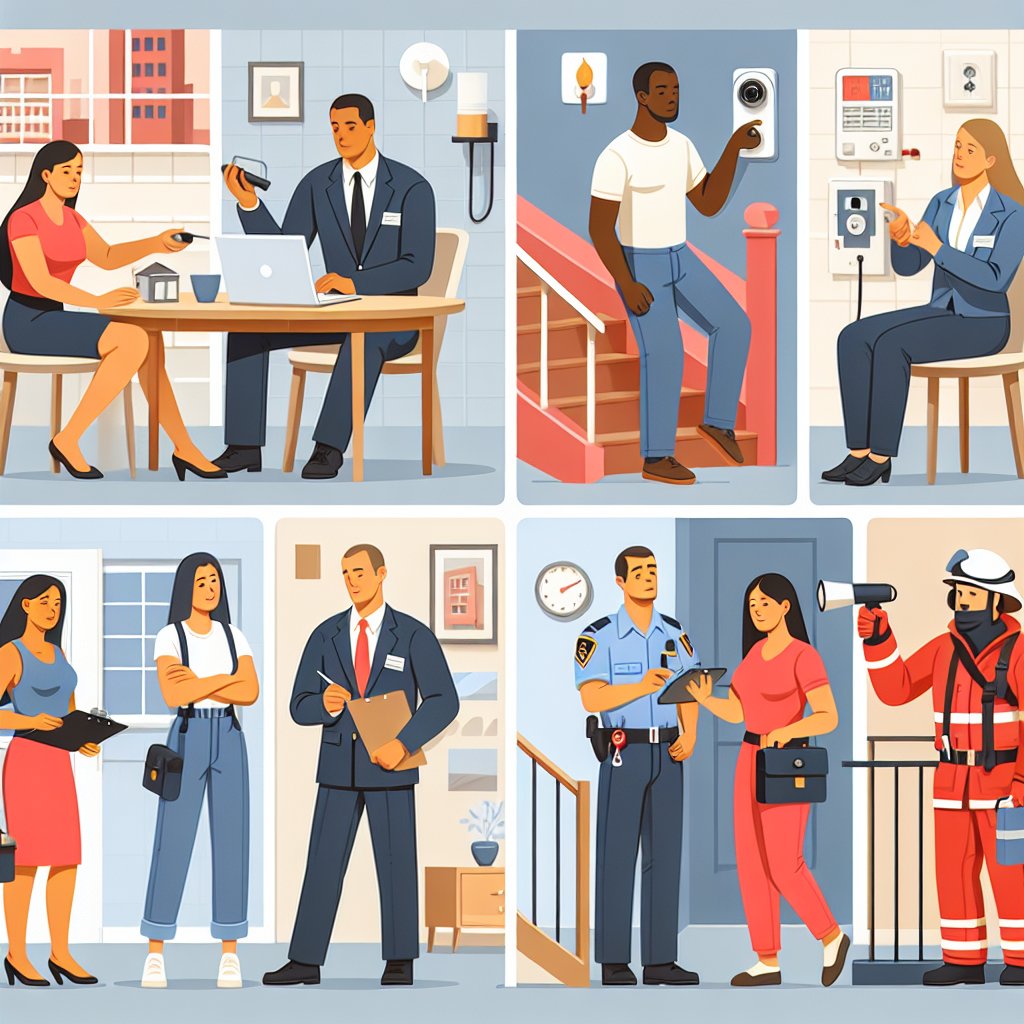
Hiring Professional Security Services
Contracting Security Guards
For added security, consider contracting professional security guards to patrol the premises. Security guards can monitor the property, respond to incidents, and provide a visible presence that can deter criminal activities. When hiring security guards, ensure that they are licensed, trained, and have experience in providing security services for residential properties. Regularly communicate with security staff to update them on any security-related concerns or changes in procedures.
Engaging Patrol Services
Engaging patrol services can further enhance the security of your rental property. Patrol services involve regular inspections and patrols of the property to identify and address any potential security risks. This may include checking for unauthorized individuals, ensuring that security systems are functioning correctly, and monitoring common areas. By hiring patrol services, you can ensure that your property is constantly monitored, even during periods when security staff may not be present.
Implementing Alarm Monitoring Services
Alarm monitoring services provide an additional layer of protection by immediately alerting the appropriate authorities in case of a breach or emergency. These services involve the installation of alarm systems that connect to a central monitoring station. In the event of an alarm activation, the monitoring station receives an immediate notification and can dispatch the necessary assistance. Implementing alarm monitoring services ensures that any security incidents are responded to quickly and effectively.
Property Maintenance
Maintaining Secure Fences and Gates
Maintaining secure fences and gates is essential for preventing unauthorized access to your rental property. Regularly inspect fences and gates for any signs of damage or weak spots. Repair or replace any broken or deteriorated sections promptly. Ensure that gates are equipped with secure locks and regularly check their functionality. Maintaining secure fences and gates helps create a physical barrier that deters potential intruders and enhances the overall security of the property.
Repairing Broken Locks and Windows
Promptly repairing broken locks and windows is crucial for maintaining the security of the building. Broken locks or windows can be easy entry points for unauthorized individuals, compromising the safety of tenants and their belongings. Regularly inspect all locks and windows, both in common areas and individual units, and address any issues immediately. By keeping locks and windows in good working condition, you can prevent security breaches and enhance the overall safety of your rental property.
Keeping Common Areas Clean and Free from Hazards
Maintaining clean and hazard-free common areas contributes to the safety and well-being of tenants. Regularly inspect common areas such as hallways, staircases, and parking lots for any potential hazards, such as wet floors or loose handrails. Promptly fix any issues or hazards to prevent accidents and injuries. Additionally, ensure that common areas are regularly cleaned to promote a healthy and safe environment for tenants. A well-maintained property not only enhances safety but also enhances the overall living experience for tenants.
In conclusion, managing safety and security concerns in a multi-unit rental property requires a comprehensive approach that encompasses various aspects. By installing security systems, conducting thorough tenant screenings, and implementing emergency preparedness measures, you can create a safe and secure environment for your tenants. Regular safety inspections, proper lighting, and secure entryways further enhance the overall security of the property. Maintaining frequent communication with tenants, providing education on safety guidelines, and hiring professional security services are additional steps that can contribute to the safety and security of your rental property. By prioritizing safety and implementing these measures, you can provide your tenants with peace of mind and ensure a positive and secure living experience.