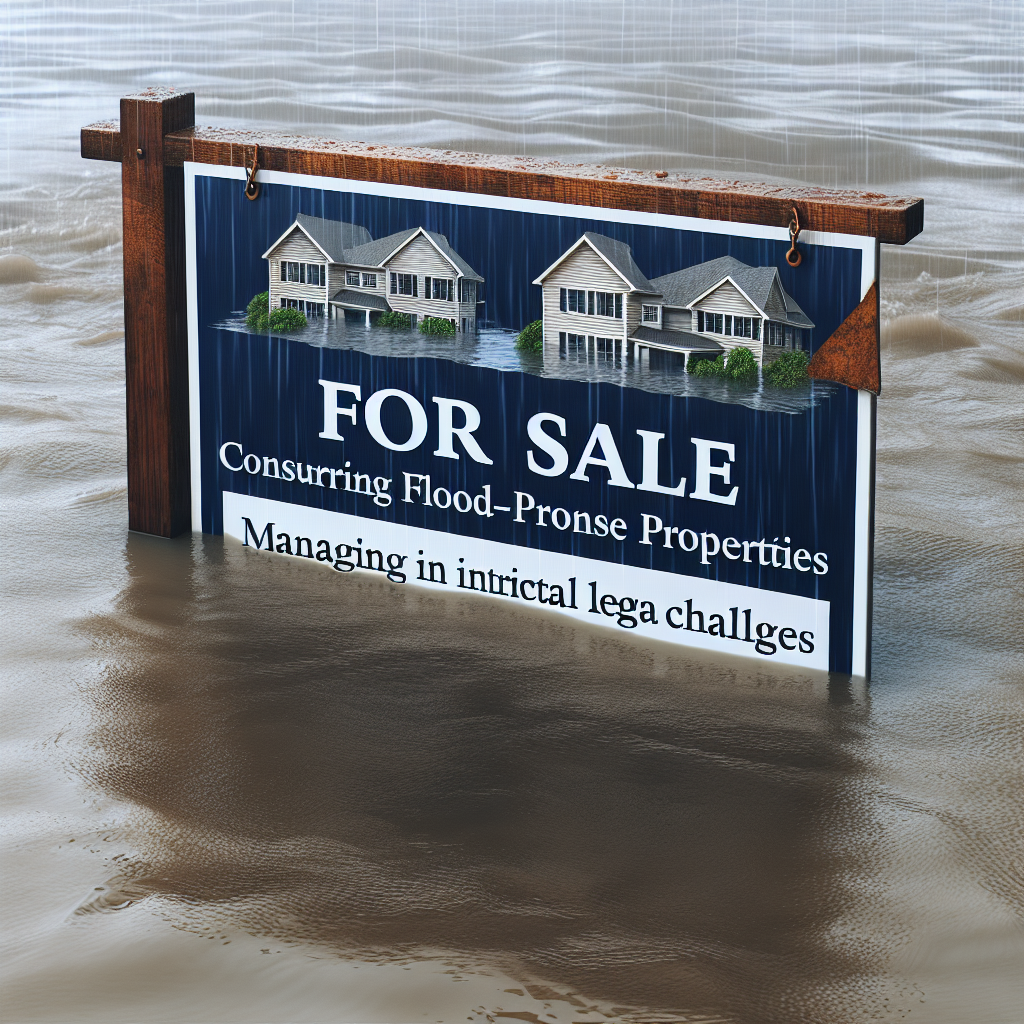
Living in an area prone to flooding can present many challenges, especially when it comes to dealing with the legal aspects of owning property. From insurance complications to potential liabilities, navigating legal issues with properties located in flood zones requires a thorough understanding of the laws and regulations in place. In this article, we will explore some essential tips and guidance to help you navigate these complex legal waters effectively and ensure that your property and interests are protected. So, whether you are a property owner or a potential buyer, let’s dive into the world of legal issues surrounding flood zones and discover how to navigate them with confidence.
Understanding Flood Zones
Flood zones are designated areas that are at risk of flooding due to their proximity to bodies of water or other factors that contribute to increased water flow. Understanding flood zones is crucial for anyone considering purchasing or developing property in these areas, as they directly impact the property’s legal requirements, insurance coverage, and potential environmental impact.
Determining a Property’s Flood Zone
Determining the flood zone of a property is a critical first step in understanding its flood risk. The Federal Emergency Management Agency (FEMA) designates flood zones based on extensive data analysis and mapping. Property owners and prospective buyers can access this information through FEMA’s Flood Map Service Center or consult with local government authorities who often have flood zone maps available for public use.
Different Types of Flood Zones
Flood zones are classified into different categories based on the likelihood and severity of potential flooding. The most common flood zones include:
-
Special Flood Hazard Area (SFHA) – Also known as the 100-year floodplain, SFHAs have a 1% annual chance of flooding and require flood insurance for federally backed mortgages.
-
Moderate Flood Hazard Area (MHFA) – These areas have a lower risk of flooding compared to SFHAs but still face a moderate risk.
-
Minimal Flood Hazard Area (MHZA) – MHZAs have a minimal risk of flooding, but it’s still advised to maintain flood insurance coverage.
Understanding the specific flood zone classification of a property is crucial as it dictates the legal obligations, insurance coverage, and potential mitigation measures required.
Environmental Impact of Flood Zones
Flood zones have a significant impact on the environment. When properties are developed or renovated in flood-prone areas, it can disrupt natural drainage patterns, increase erosion, and impact wildlife habitats. It is essential to consider the potential ecological consequences before undertaking any construction or development projects in flood zones. Engaging with environmental experts can help assess the possible environmental impact and explore mitigation measures to minimize harm to the surrounding ecosystem.
Legal Considerations
Legal considerations play a vital role when dealing with properties located in flood zones. Understanding the legal obligations, disclosure requirements, insurance coverage, and government regulations associated with flood zones is crucial for both property owners and prospective buyers.
Disclosure Requirements
When selling a property located in a flood zone, the seller is typically required to disclose this information to potential buyers. The level of disclosure varies between jurisdictions, but it generally includes providing details about the property’s flood zone classification, any past flooding incidents, flood insurance coverage, and mitigation measures taken. Failing to disclose this information can lead to legal repercussions, and it’s best to consult with local real estate attorneys to understand the specific disclosure requirements in your area.
Insurance Coverage
Obtaining flood insurance is a critical aspect of owning property in a flood zone. Flood damage is not typically covered by standard homeowners’ insurance policies, so property owners must secure separate flood insurance coverage. The availability and cost of flood insurance vary depending on the property’s flood zone classification, historical flood data, and the insurance provider. Consulting with insurance professionals who specialize in flood insurance can help navigate through the coverage options and ensure adequate protection against potential flood-related damages.
Government Regulations
Government regulations pertaining to flood zones are put in place to protect both property owners and the surrounding community. These regulations may include zoning ordinances, building codes, and land use restrictions that aim to mitigate flood risks. Property owners and developers must be aware of and comply with these regulations to ensure their projects meet the necessary safety standards and minimize the impact on the surrounding area. Engaging with local authorities experienced in floodplain management can provide valuable guidance and ensure legal compliance.

This image is property of images.pexels.com.
Property Purchase in Flood Zones
Purchasing property in flood zones requires careful consideration and thorough due diligence to assess the flood risk and potential mitigation measures.
Conducting Due Diligence
Before finalizing a property purchase, it is crucial to conduct thorough due diligence. This entails researching and understanding the property’s specific flood zone classification, its flood history, and any potential flood risks based on the surrounding geography and water sources. Additionally, it is important to examine any existing flood mitigation measures, such as levees or drainage systems, as well as any past or ongoing projects that may affect flood patterns. Engaging with experienced real estate professionals, environmental consultants, and conducting site visits can help gather the necessary information for informed decision making.
Obtaining Flood Insurance
When purchasing a property in a flood zone, obtaining flood insurance is vital. As mentioned earlier, flood damage is not typically covered by standard homeowners’ insurance policies, making separate flood insurance coverage essential to protect the property from potential flood-related losses. Prior to purchasing the property, obtaining quotes for flood insurance coverage is recommended, as this can help evaluate the affordability and availability of insurance options.
Financial Assistance Programs
In certain cases, financial assistance programs may be available to property owners in flood-prone areas. These programs aim to provide support for various purposes such as flood mitigation, property elevation, or relocation. Researching and exploring such assistance programs can help alleviate some of the financial burdens associated with purchasing and maintaining property in flood zones. Local government agencies, nonprofit organizations, and Federal aid options are potential sources of financial assistance, and seeking guidance from professionals familiar with these programs is advisable.
Property Development and Renovation in Flood Zones
Property development or renovation in flood zones requires careful planning, adherence to regulations, and implementation of mitigation measures.
Permitting and Zoning
Developing or renovating property in flood zones requires proper permitting and compliance with zoning regulations. Local government bodies responsible for floodplain management will enforce specific rules and guidelines to prevent undue risk to both the property and the surrounding community. It is necessary to obtain the necessary permits, submit comprehensive plans, and comply with building codes and zoning ordinances to ensure the project’s legality and safety.
Building Design and Construction
Designing and constructing buildings in flood zones necessitates special considerations to minimize potential flood damage and ensure the safety of occupants. Elevating the structure above the base flood elevation, installing flood-resistant building materials, incorporating proper drainage systems, and anchoring the building to resist flood forces are common design and construction practices. Engaging with architects, engineers, and contractors experienced in flood zone development can help in designing and constructing buildings that meet the required safety standards.
Mitigation Measures
Implementing flood mitigation measures can significantly reduce the risk of flood-related damages. These measures may include installing flood vents, constructing levees or floodwalls, creating flood channels or detention ponds, or elevating the structure above the base flood elevation. The specific mitigation measures will depend on the property’s flood zone classification and the recommendations of engineering experts. Prior to implementing any mitigation measures, it is crucial to consult with local authorities and professionals familiar with floodplain management to ensure compliance with regulations and the effectiveness of the chosen measures.

This image is property of images.pexels.com.
Property Sale in Flood Zones
When selling a property located in a flood zone, both the seller and buyer have their respective responsibilities and considerations to address.
Seller’s Responsibilities
Sellers have a legal obligation to disclose any relevant information about the property’s flood zone classification, past flooding incidents, flood insurance coverage, and mitigation measures taken. It is important to provide accurate and complete information to potential buyers to ensure transparency and avoid potential legal issues. Consulting with real estate attorneys and understanding the disclosure requirements in your jurisdiction can help fulfill these responsibilities adequately.
Buyer’s Due Diligence
As a buyer interested in purchasing property in a flood zone, thorough due diligence is essential to assess the flood risk and weighing any potential issues associated with the property. This includes reviewing flood zone maps, researching the property’s flood history, evaluating flood insurance coverage options, and understanding any flood mitigation measures in place. Engaging with real estate professionals, environmental consultants, and conducting site visits can provide valuable insights during the due diligence process.
Negotiating Terms for Flood Risk
The presence of flood risk may affect the negotiation process between the buyer and seller. Depending on the severity of the flood risk, buyers may request lower purchase prices or additional contingencies to cover potential flood-related expenses. Sellers, on the other hand, may consider providing disclosures and documentation to assure buyers of essential mitigation measures or recent renovations aimed at minimizing flood risks. Negotiating terms that consider the flood risk and possible mitigation measures can help both parties reach a mutually agreeable agreement.
Disputes and Litigation
In some cases, disputes and litigation may arise concerning properties located in flood zones, particularly regarding insurance claims, property damage, and neighboring property conflicts.
Insurance Claim Denials
Insurance claim denials can be a significant source of disputes between property owners and insurance providers. In situations where flood-related damages occur, insurance companies may dispute the validity or extent of the claim, leading to contention. Engaging with experienced insurance lawyers who specialize in flood insurance claims can help navigate the claims process, analyze policy coverage, and represent the property owner’s interests in cases of claim denials or underpayment.
Property Damage and Compensation
Property damage resulting from flooding can give rise to disputes over compensation between property owners and responsible parties. In cases where negligence or failure to implement proper flood safeguards contributed to the damage, legal action may be necessary to seek adequate compensation. Consulting with real estate attorneys early on can help evaluate the extent of damages, determine liability, and assist in pursuing appropriate legal remedies.
Neighboring Property Disputes
In flood-prone areas, conflicts may arise between neighboring properties regarding drainage, floodwaters, or damage caused by flood events. Disagreements over water diversion, levee maintenance, or issues related to soil erosion can lead to disputes that require legal intervention. Resolving such disputes may involve negotiating agreements, engaging in mediation, or, in extreme cases, filing lawsuits. Legal counsel experienced in property disputes and neighboring issues can provide guidance on the appropriate course of action to address such conflicts effectively.

This image is property of images.pexels.com.
Professional Assistance
Dealing with properties located in flood zones often necessitates seeking professional assistance to navigate the legal, environmental, and insurance aspects effectively.
Consulting with Lawyers
Real estate attorneys specializing in flood zone properties can provide invaluable guidance throughout the process, from property purchase to disputes or litigation. They can ensure legal compliance, provide advice on disclosure requirements, review contracts, and advocate for clients’ interests in case of legal disputes.
Hiring Environmental Experts
Engaging environmental experts is crucial when assessing the potential environmental impact of property development or renovation in flood zones. These professionals can conduct site assessments, evaluate ecological consequences, suggest mitigation measures, and help property owners meet environmental regulations.
Engaging Insurance Professionals
Insurance professionals who specialize in flood insurance coverage can assist property owners in navigating the insurance market, assessing coverage needs, obtaining accurate quotes, and ensuring adequate protection against potential flood-related damages.
Public Awareness and Education
Promoting public awareness and education about flood zones is vital to ensure communities are well-prepared and informed about potential risks and mitigation strategies.
Community Flood Preparedness
Communities should prioritize flood preparedness initiatives to minimize flood-related damages and protect residents. This includes establishing local emergency response plans, promoting flood safety education, conducting regular drills, and providing resources to residents to help them understand their flood risk and take appropriate precautions.
Public Resources and Information
Government agencies, such as FEMA, play a crucial role in providing public resources and information related to flood zones. It is essential for individuals and communities to utilize these resources to access valuable information about flood zone classifications, mitigation measures, flood insurance options, and emergency response protocols.
Awareness Campaigns
Awareness campaigns focused on flood zone-related issues can help educate the public, property owners, and prospective buyers about the risks associated with flood zones and the necessary steps to mitigate them. These campaigns can utilize various mediums such as social media, public service announcements, workshops, and community events to disseminate information effectively.
Impact on Property Value
Properties located in flood zones often face unique challenges when it comes to appraisals, market trends, and resale considerations.
Appraisal Challenges
Appraising properties in flood zones can be complex due to the additional risks associated with potential flood damage. Appraisers must consider the property’s flood zone classification, previous flood incidents, the availability and cost of flood insurance, and any existing mitigation measures. These factors can affect the property’s value and require specialized expertise during the appraisal process.
Market Trends and Demand
Properties in flood zones may experience fluctuating market trends and demand. Buyers may be more hesitant to invest in properties with a higher flood risk or may require additional assurances or lower purchase prices. On the other hand, properties in flood-free areas may experience increased demand due to their perceived lower risk. Monitoring market trends and seeking advice from real estate professionals familiar with the local market dynamics is crucial.
Property Resale Considerations
When selling a property located in a flood zone, previous flood incidents and mitigation measures become important selling points. Providing potential buyers with accurate information about the property’s flood risk, any flood-related damages the property may have experienced, and documentation of mitigation measures can help mitigate concerns and instill confidence in the property’s value. Engaging with real estate professionals experienced in flood zone properties can provide valuable insights into effective resale strategies.
Responsibility of Local Authorities
Local authorities play a critical role in floodplain management and ensuring the safety and well-being of residents in areas prone to flooding.
Infrastructure Maintenance
Maintaining and enhancing infrastructure, such as drainage systems, levees, or flood control channels, is a vital responsibility of local authorities. Regular inspections, maintenance works, and improvements are necessary to mitigate flood risks and protect properties within flood zones.
Floodplain Management Policies
Local governments are responsible for establishing and implementing floodplain management policies. These policies may include zoning regulations, building codes, and land use restrictions that aim to minimize flood risks and ensure the safety of residents and properties. Local authorities must regularly assess and update these policies to adapt to changing environmental conditions and improve flood mitigation strategies.
Emergency Preparedness
Local authorities should develop and maintain emergency response plans to address potential flooding incidents effectively. This includes coordinating with relevant agencies, establishing evacuation routes, providing emergency shelters, and conducting public awareness campaigns to inform residents of necessary safety measures during flood events.
In conclusion, navigating legal issues related to properties located in flood zones requires in-depth understanding and careful consideration of various factors. Recognizing the flood zone classification, fulfilling disclosure requirements, securing appropriate insurance coverage, and complying with government regulations are essential for property owners and prospective buyers. Engaging professional assistance, conducting due diligence, and actively participating in public awareness initiatives can help mitigate the risks and create safer communities in flood-prone areas.