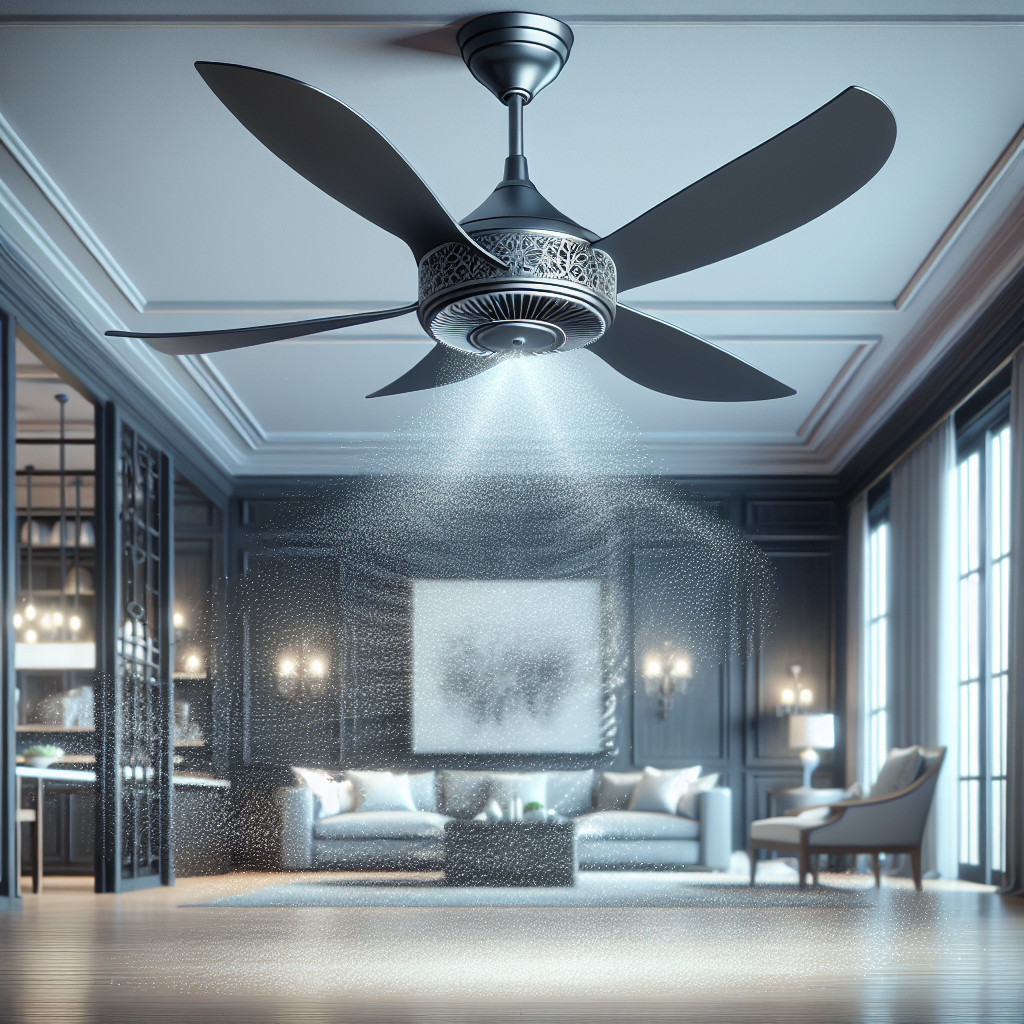
Choosing the perfect ceiling fan for your space can seem like a daunting task, but fear not! This article is here to guide you through the process and help you make an informed decision. We will explore various factors to consider, such as the size of your room, ceiling height, and desired airflow. By the time you finish reading, you’ll be equipped with all the knowledge you need to select the ideal ceiling fan that will not only keep you cool but also enhance the aesthetic appeal of your space. So let’s get started on this exciting journey of finding the perfect ceiling fan for you!

This image is property of images.unsplash.com.
Size of the Room
Determining the room dimensions
When choosing a ceiling fan, the first step is to determine the size of the room. Measure the length and width of the room using a tape measure. This will help you determine the appropriate size of the fan that will fit and work efficiently in the given space.
Calculating the square footage
Once you have the room dimensions, calculate the square footage of the room by multiplying the length and width measurements. This will give you an idea of the size of the room and help you select a fan that can effectively cool the entire space.
Choosing the appropriate fan size
After calculating the square footage, refer to a ceiling fan size guide to determine the appropriate fan size for your room. Typically, rooms less than 75 square feet require a fan with a blade span of 29-36 inches. For larger rooms, you may need a fan with a blade span of 42-54 inches. Choosing the right size fan ensures optimal airflow and cooling for your specific room.
Ceiling Height
Measuring the ceiling height
Ceiling height is an important factor to consider when choosing a ceiling fan. Measure the distance from the floor to the ceiling to determine the height of your room. This measurement will help you determine the fan drop needed for proper clearance and airflow.
Considering the ideal clearance
The ideal clearance between the floor and the fan should be at least 7 feet to ensure safety and proper air circulation. If you have low ceilings, consider choosing a low-profile or hugger fan that is specifically designed to be installed in spaces with limited ceiling height.
Selecting the correct fan drop
For rooms with high ceilings, it is important to choose a fan with the appropriate drop to ensure proper airflow. Fan drop refers to the distance between the ceiling and the lowest point of the fan. Longer downrods can be used to lower the fan for improved air circulation in rooms with tall ceilings.
Mounting Options
Understanding the different mounting options
Ceiling fans offer various mounting options to accommodate different ceiling types and heights. The most common mounting options include standard mounting, flush mounting, and angled mounting. It’s important to understand these options to select the one that suits your specific ceiling type.
Identifying the suitable mounting type
Choose the appropriate mounting type based on your ceiling height and type. Standard mounting is suitable for ceilings that are 8-9 feet high, whereas flush mounting is ideal for low ceilings where the fan needs to be mounted directly against the ceiling. Angled mounting is used for sloped or vaulted ceilings, allowing the fan to be installed parallel to the ground.
Considering angled or sloped ceilings
If you have an angled or sloped ceiling, it’s crucial to select a ceiling fan with a mounting system designed to support such ceilings. Look for fans with sloped ceiling adapters or ball-and-socket systems that allow the fan to be mounted securely and level on an angled surface.
Style and Design
Matching the fan with the room’s decor
Ceiling fans come in a variety of styles and designs, allowing you to find one that complements the overall decor of your room. Consider the aesthetic of your space and choose a fan that blends seamlessly with the existing style. Whether your room has a modern, traditional, or rustic theme, there is a fan out there to suit your taste.
Considering the fan blade design
Fan blade design not only affects the overall look of the fan but also influences its performance and airflow. Straight blades provide a sleek and contemporary look, while angled or curved blades can create a more traditional or vintage appearance. Keep in mind that the number of blades can also impact the fan’s efficiency and airflow.
Choosing the appropriate finish
The finish of your ceiling fan can enhance its visual appeal and help it blend with the room’s decor. From brushed nickel and matte black to antique bronze and white, choose a finish that complements the color scheme and style of your space. Additionally, consider the durability and resistance to wear and tear of the finish.

This image is property of images.unsplash.com.
Energy Efficiency
Looking for energy-efficient certifications
When selecting a ceiling fan, it is worth considering models that are energy-efficient. Look for certifications such as Energy Star, which indicates that the fan meets strict energy efficiency guidelines. Energy-efficient fans not only help reduce electricity consumption but also save you money on your utility bills.
Checking the fan’s energy consumption
Review the energy consumption specifications of different ceiling fans to compare their efficiency. Look for fans with lower wattage ratings, as they consume less energy while still providing effective cooling. Choosing an energy-efficient fan will not only benefit the environment but also reduce your household’s carbon footprint.
Opting for fans with integrated LED lights
Ceiling fans with integrated LED lights are an excellent choice for those looking to maximize energy efficiency. LED lights consume less energy compared to traditional incandescent or fluorescent lights. Not only do they help reduce your electricity usage, but they also provide ample lighting in your space.
Noise Level
Considering noise-free or low-noise fans
No one wants a ceiling fan that disrupts the peace and quiet of a room. When choosing a fan, consider models that are specifically designed to operate silently or have low noise levels. These fans are equipped with noise-reducing features that ensure a whisper-quiet operation, allowing you to enjoy the cool breeze without any annoying background noise.
Checking noise ratings
To gauge the noise level of a ceiling fan, check the noise rating provided by the manufacturer. Some fans are labeled with a noise rating in decibels (dB) or sones. The lower the noise rating, the quieter the fan will be. Reading reviews and customer feedback can also provide insights into the fan’s noise level during real-world use.
Opting for quieter motor technologies
Ceiling fans with DC (direct current) motors or advanced motor technologies tend to be quieter compared to fans with traditional AC (alternating current) motors. DC motors are known for their silent operation and energy efficiency. Choosing a fan with a quiet motor ensures a peaceful environment in your room while the fan operates.

This image is property of images.unsplash.com.
Fan Controls and Features
Understanding the different control options
Ceiling fans offer a variety of control options to suit individual preferences. Common control options include wall-mounted controls, remote controls, and pull chains. Understanding the different control options will help you decide which one is most convenient for you.
Deciding between wall-mounted or remote controls
Wall-mounted controls are fixed on the wall and allow you to adjust the fan speed and light settings conveniently. Remote controls, on the other hand, offer the convenience of operating the fan from anywhere in the room. Consider your personal preference and ease of use when deciding between the two control options.
Exploring additional features like fan direction and variable speeds
Many ceiling fans provide additional features that enhance their functionality. One such feature is the ability to change the direction of the fan’s rotation. This feature allows for both cooling airflow during warmer months and gentle air circulation during colder months. Variable speeds are also beneficial, as they allow you to adjust the fan’s speed to your desired comfort level.
Performance and Airflow
Evaluating the airflow efficiency
When selecting a ceiling fan, consider its airflow efficiency, which directly impacts the fan’s cooling capabilities. Look for fans that are specifically designed to move a higher volume of air while consuming less energy. These fans are more efficient at circulating air, ensuring optimal cooling and comfort in your space.
Checking the fan’s CFM rating
CFM (cubic feet per minute) is a measurement of how much air a fan moves. The higher the CFM rating, the more air the fan can circulate. Check the CFM rating of different fans to determine how well they will cool your room. For optimal performance, choose a fan with a CFM rating appropriate for the size of your room.
Considering the blade pitch and number of blades
The blade pitch and number of blades also play a role in a fan’s performance and airflow. The blade pitch refers to the angle at which the blades are set. Typically, a greater blade pitch results in better airflow. Additionally, the number of fan blades can impact the air movement. Fans with fewer blades tend to generate a stronger breeze, while fans with more blades create a gentler airflow.
Budget and Pricing
Setting a budget
Before exploring different ceiling fan options, it is important to set a budget. Determine how much you are willing to spend on a ceiling fan and stick to that budget. Setting a budget will help you narrow down your options and prevent overspending.
Exploring different price ranges
Ceiling fans come in a wide range of prices, so there is something available for every budget. From budget-friendly options to high-end designer fans, you can find a fan that fits your desired price range. Consider the features, performance, and durability of each fan within your price range to make an informed decision.
Considering the long-term cost savings
While some ceiling fans may have a higher upfront cost, they can result in long-term cost savings. Energy-efficient fans, for example, consume less electricity and can significantly reduce your monthly energy bills. Additionally, fans with higher-quality materials and construction tend to have a longer lifespan, reducing the need for frequent replacements and repairs.
Installation and Maintenance
Identifying the level of installation expertise required
Consider the level of installation expertise required for the ceiling fan you are considering. Some fans may require professional installation, while others can be easily installed by a competent DIYer. Carefully read the installation instructions provided by the manufacturer to determine whether you are comfortable installing the fan yourself or if you should hire a professional.
Considering professional installation
If you are unsure or uncomfortable with the installation process, it is best to hire a professional electrician or handyman to install the ceiling fan for you. They have the expertise and knowledge to ensure a safe and proper installation. Professional installation can give you peace of mind and save you time and potential headaches.
Understanding the maintenance needs
Like any other appliance, ceiling fans require regular maintenance to keep them in optimal working condition. Dusting the blades regularly, cleaning the fan housing, and tightening any loose screws are some of the basic maintenance tasks. It is important to follow the manufacturer’s instructions for cleaning and maintaining your specific fan model to ensure its longevity and performance.
Choosing the right ceiling fan for your space involves considering various factors such as room size, ceiling height, mountings options, style, energy efficiency, noise level, controls, performance, budget, installation, and maintenance requirements. By understanding these factors and making informed decisions, you can select a ceiling fan that not only complements your room’s decor but also provides optimal comfort and airflow for years to come.