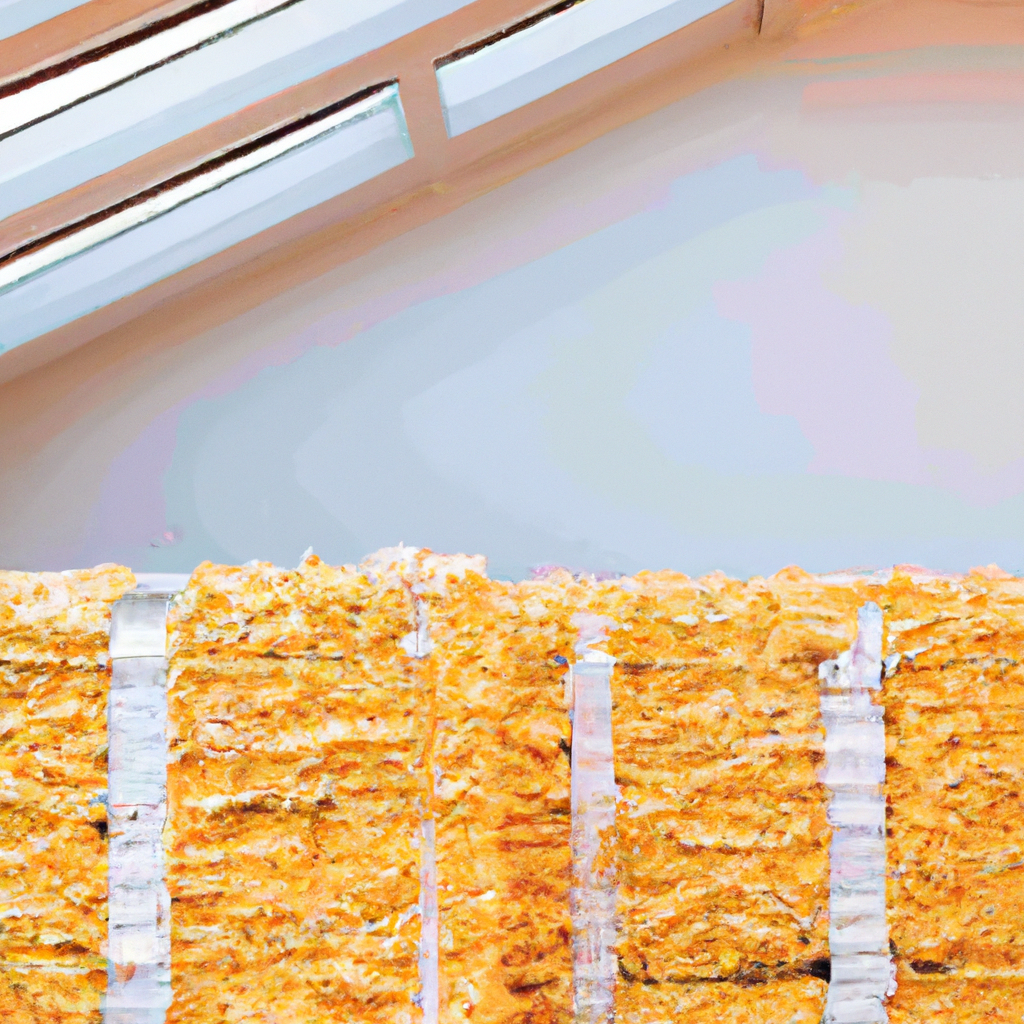
If you find yourself shivering during those chilly winter months or feeling the heat escape during the sweltering summer, it’s time to take action and improve your home insulation. You may be wondering how to prevent drafts and achieve better insulation in your living space. Look no further! In this article, we’ll explore a variety of tips and tricks that will help you keep the cold air out and the cozy warmth in. Say goodbye to uncomfortable drafts and welcome the comfort you deserve in your home.

This image is property of images.unsplash.com.
Understanding Drafts
What are drafts?
Drafts are the unwanted air currents that enter a home through gaps, cracks, or openings. They can make a room feel uncomfortably chilly and can result in energy loss, causing higher utility bills. Drafts can occur in various areas of the home, including windows, doors, walls, attics, floors, crawlspaces, electrical outlets, pipes, and ducts.
Causes of drafts
Drafts can be caused by a variety of factors. Some common causes include poorly sealed windows and doors, gaps in walls or insulation, cracks in foundation or walls, and unsealed crawlspaces or attics. Environmental factors such as wind, extreme temperatures, and changes in air pressure can also contribute to the occurrence of drafts.
Impact of drafts on home insulation
Drafts can significantly impact the insulation of a home, leading to energy inefficiency and discomfort. When cold air enters through drafts, it can lower the temperature inside the house and cause the heating system to work harder to maintain warmth. Similarly, during hot weather, drafts can let in warm air, making it more difficult for the cooling system to maintain a comfortable temperature. By addressing drafts and improving home insulation, you can enhance energy efficiency, reduce energy bills, and create a more comfortable living environment.
Identifying Draft Sources
Common areas where drafts occur
Drafts can originate from numerous locations within a home. The most common areas where drafts occur include windows, doors, walls, attics, floors, crawlspaces, electrical outlets, pipes, and ducts. These areas are particularly vulnerable to drafts due to gaps, cracks, or insufficient insulation.
How to detect drafts
Detecting drafts within your home is a relatively simple process. One method is by using your hand to feel for noticeable temperature differences or air movement around windows, doors, walls, or electrical outlets. Another approach is to use a candle or an incense stick near potential draft locations. If the flame flickers or the smoke wafts in a particular direction, it indicates the presence of a draft. Additionally, you can use specialized tools such as a thermal leak detector or an infrared thermometer to identify areas with temperature differences that may indicate drafts. Regular inspection and vigilance are crucial in identifying and addressing drafts promptly.
Sealing Windows and Doors
Importance of sealing windows and doors
Properly sealing windows and doors is essential in preventing drafts and improving home insulation. When windows or doors are not adequately sealed, gaps can allow air to enter or escape, resulting in energy loss and reduced comfort. By sealing these openings, you can enhance energy efficiency, maintain consistent indoor temperatures, and create a more pleasant living environment.
Weatherstripping techniques
Weatherstripping is an effective method for sealing gaps in windows and doors. It involves applying material, such as adhesive foam tape or V-strip, to the edges or frames to create a tight seal when closed. Weatherstripping materials come in various types, including self-adhesive strips, door sweeps, and window kits. Choosing the appropriate weatherstripping technique depends on the type of window or door and the nature of the gap or crack that needs to be sealed. Proper installation is vital to ensure long-lasting effectiveness.
Applying caulk to seal gaps
Caulking is another valuable technique for sealing gaps in windows and doors. It involves using a waterproof sealant, such as silicone or acrylic caulk, to fill in cracks or openings. Caulk is particularly effective for sealing stationary components of windows or areas where weatherstripping may not be suitable. It provides a durable and flexible barrier against drafts and moisture. Proper application and regular maintenance of caulk are vital to ensure its effectiveness in preventing drafts and improving insulation.
Insulating Walls
Benefits of wall insulation
Insulating the walls of your home can have numerous advantages. Wall insulation helps regulate indoor temperatures, reducing the impact of external weather conditions. It minimizes drafts and air movement through walls, leading to more consistent indoor temperatures and improved energy efficiency. Additionally, wall insulation provides enhanced soundproofing, reducing noise from outside sources. It also acts as a barrier against moisture, preventing the growth of mold and mildew that can damage the walls and compromise indoor air quality.
Types of insulation materials
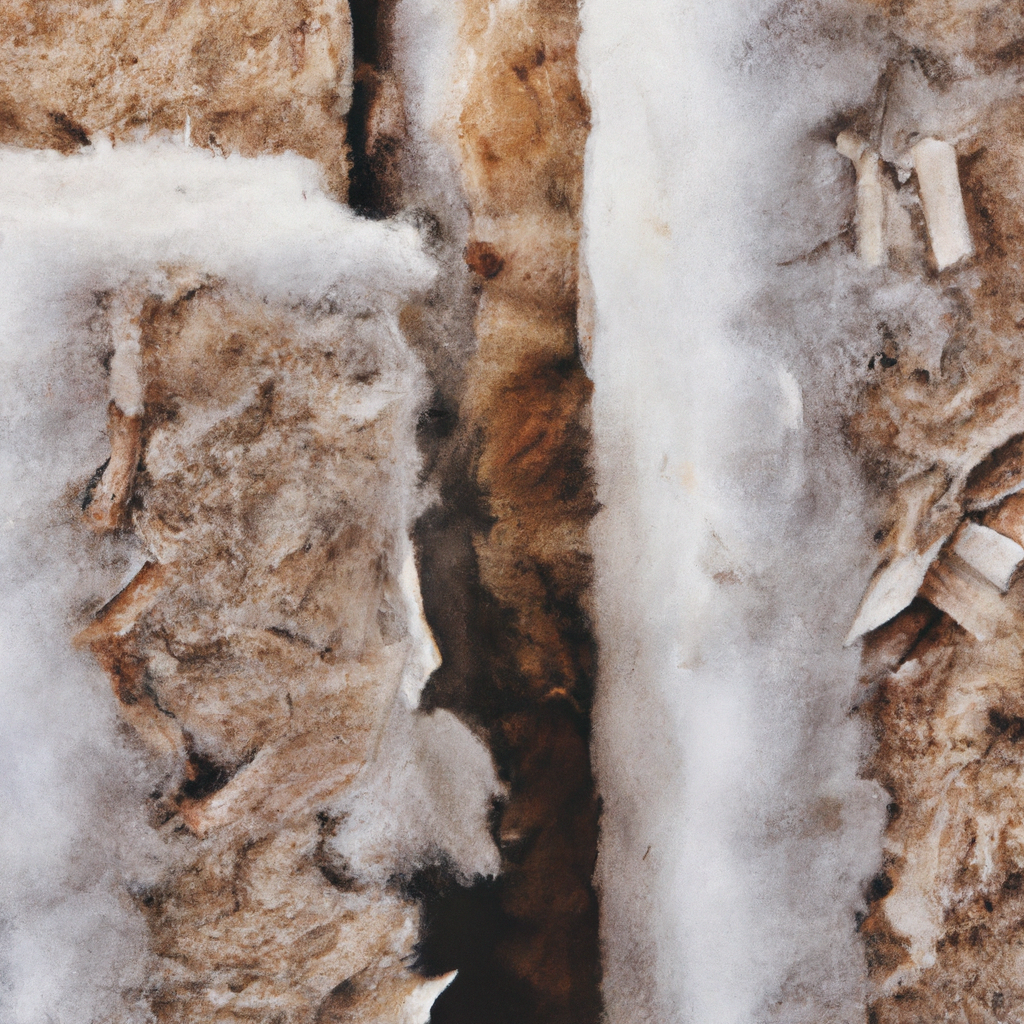
There are various types of insulation materials available for insulating walls. The most common options include fiberglass batts, cellulose insulation, rigid foam boards, and spray foam insulation. Fiberglass batts are often used in traditional wall construction and are affordable and easy to install. Cellulose insulation, made from recycled paper products, provides excellent thermal performance and is environmentally friendly. Rigid foam boards offer high insulation value and are suitable for both new construction and retrofitting walls. Lastly, spray foam insulation provides superior air sealing properties and effectively fills gaps and voids.
How to insulate exterior walls
Insulating exterior walls involves adding insulation material to the wall cavities or applying insulation boards to the exterior surface. For existing homes, insulating wall cavities can be done through various methods such as drilling holes and blowing in loose-fill insulation or inserting fiberglass batts. The insulation boards are typically attached to the exterior surface of the wall, providing insulation and acting as a protective layer. Proper installation techniques, such as ensuring a continuous and snug fit, are essential for optimal insulation performance.

This image is property of images.unsplash.com.
Insulating Attics
Importance of attic insulation
Attic insulation plays a crucial role in improving home insulation and reducing energy consumption. Since heat rises, inadequate attic insulation can result in significant energy loss. By properly insulating the attic, you can prevent heat from escaping during the colder months and minimize heat gain during hotter periods. This helps maintain a comfortable indoor temperature, while reducing the workload on your heating and cooling systems.
Different types of attic insulation
There are several types of insulation commonly used for attics. Fiberglass batts, blown-in cellulose, spray foam insulation, and rigid foam boards are among the popular choices. Fiberglass batts are easy to install and provide effective thermal insulation. Blown-in cellulose insulation is made from recycled paper products and can be applied as loose-fill insulation. Spray foam insulation expands to fill gaps and voids, providing superior air sealing properties. Rigid foam boards offer both insulation and structural support.
Steps to insulate an attic
To effectively insulate your attic, start by assessing the existing insulation levels and identifying any gaps or areas requiring additional insulation. Next, determine the appropriate type of insulation material based on your budget and insulation needs. Ensure proper ventilation in the attic to prevent moisture buildup. While installing insulation, be mindful of safety precautions, such as wearing protective gear and avoiding contact with electrical wiring. Proper installation techniques, such as sealing gaps and covering all exposed areas, are crucial for optimal insulation performance.
Insulating Floors and Crawlspaces
Insulating floors above unconditioned spaces
Insulating floors above unconditioned spaces, such as the basement or crawlspaces, is essential for preventing drafts and improving home insulation. In these areas, drafts can arise from small gaps or cracks, resulting in energy loss and discomfort. Insulating the floors above unconditioned spaces helps maintain consistent indoor temperatures, increase energy efficiency, and create a more comfortable living environment.
Sealing crawlspaces to prevent drafts
In addition to insulating floors, sealing crawlspaces is crucial to prevent drafts. Crawlspaces are vulnerable to moisture and drafts due to their proximity to the ground. By sealing the crawlspace, you can minimize the entry of cold air, moisture, pests, and pollutants into the home. This helps maintain a healthier indoor environment and reduces the strain on the heating and cooling systems. Sealing crawlspaces typically involves encapsulating the area with vapor barriers, sealing gaps and cracks, and ensuring proper ventilation.

This image is property of images.unsplash.com.
Draft-Proofing Electrical Outlets
Understanding the role of electrical outlets in drafts
Electrical outlets can be significant sources of drafts in a home. Depending on their location and installation, outlets can create small gaps or openings in the wall, allowing air to seep through. This can contribute to energy loss, drafts, and temperature inconsistencies in the room. Draft-proofing electrical outlets is essential to maintain airtightness and improve home insulation.
How to draft-proof outlets
To draft-proof electrical outlets, you can use foam gaskets or outlet insulating pads. Foam gaskets are inexpensive and can be easily installed behind the outlet cover plate. They create a seal between the outlet box and the cover plate, preventing air leakage. Outlet insulating pads, made of insulating foam, provide similar benefits by forming a tight barrier around the outlet. Ensuring proper installation and selecting appropriately sized gaskets or pads are essential for effective draft-proofing.
Insulating Pipes and Ducts
Preventing drafts through pipes and ducts
Pipes and ducts can contribute to drafts if they are not adequately insulated or sealed. Cold or hot air can escape through unsealed gaps or insufficiently insulated pipes and ducts, resulting in energy loss and temperature inconsistencies. By properly insulating pipes and ducts, you can minimize drafts, improve energy efficiency, and enhance the performance of your heating and cooling systems.
Insulating techniques for pipes
To insulate pipes, you can use pipe insulation sleeves or wraps. These insulation materials are typically made from foam or fiberglass and come in various sizes to fit different pipe diameters. Insulating pipe sleeves provide a protective barrier and help maintain the temperature of the water or air passing through the pipes. Wrapping the pipes with insulation material and securing it with tape or wire ensures a snug fit and maximum insulation performance.
Insulating techniques for ducts
Insulating ductwork is vital to prevent drafts and energy loss. Duct insulation can be achieved using insulation sleeves, wraps, or duct board insulation. Insulation sleeves and wraps are flexible and can be easily wrapped around the ducts, providing thermal insulation and reducing air leakage. Duct board insulation consists of rigid foam panels specifically designed for ductwork. It creates a seamless insulation layer and helps maintain consistent airflow and temperature within the ducts.
Using Insulation Films and Draft Stoppers
Benefits of insulation films
Insulation films provide an additional layer of insulation for windows, helping to prevent drafts and energy loss. They are typically made of transparent plastic and create an airtight seal over the window glass. Insulation films act as a barrier against cold air infiltration during winter and can reduce heat gain from the outside during summer. They are cost-effective, easy to install, and can significantly improve the insulation properties of windows.
Installing insulation films on windows
To install insulation films on windows, start by thoroughly cleaning the glass surface. Next, measure the dimensions of the window and cut the insulation film accordingly, leaving a few inches of excess on all sides. Apply double-sided tape around the window frame and attach the film, ensuring it is taut and smooth. Finally, use a hairdryer to heat the film, which will cause it to shrink and create a tight seal. Trimming any excess film and ensuring proper adhesion are essential for optimal insulation performance.
Using draft stoppers for doors
Draft stoppers, also known as door sweeps or draft excluders, are effective tools for preventing drafts and improving home insulation. They are placed at the bottom of doors to block the gap between the door and the floor, preventing air from entering or escaping. Draft stoppers are available in various materials, such as rubber, foam, or fabric, and can be easily attached using adhesive or screws. They not only prevent drafts but also reduce noise, dust, and pests from entering the room.
Conclusion
The importance of preventing drafts
Preventing drafts and improving home insulation is essential for creating a comfortable, energy-efficient living environment. Drafts can lead to temperature inconsistencies, discomfort, and increased energy consumption. By identifying and addressing draft sources, such as windows, doors, walls, attics, floors, crawlspaces, electrical outlets, pipes, and ducts, you can significantly enhance the insulation performance of your home.
Benefits of improved home insulation
Improved home insulation offers numerous benefits. It helps regulate indoor temperatures, reduces energy consumption, and lowers utility bills. Effective insulation minimizes drafts, enhances comfort levels, and creates a healthier living environment. Additionally, improved home insulation can increase the value of your property, reduce noise pollution, and contribute to a more sustainable and eco-friendly lifestyle. By taking steps to prevent drafts and improve insulation, you can enjoy these benefits and create a more enjoyable and energy-efficient home.