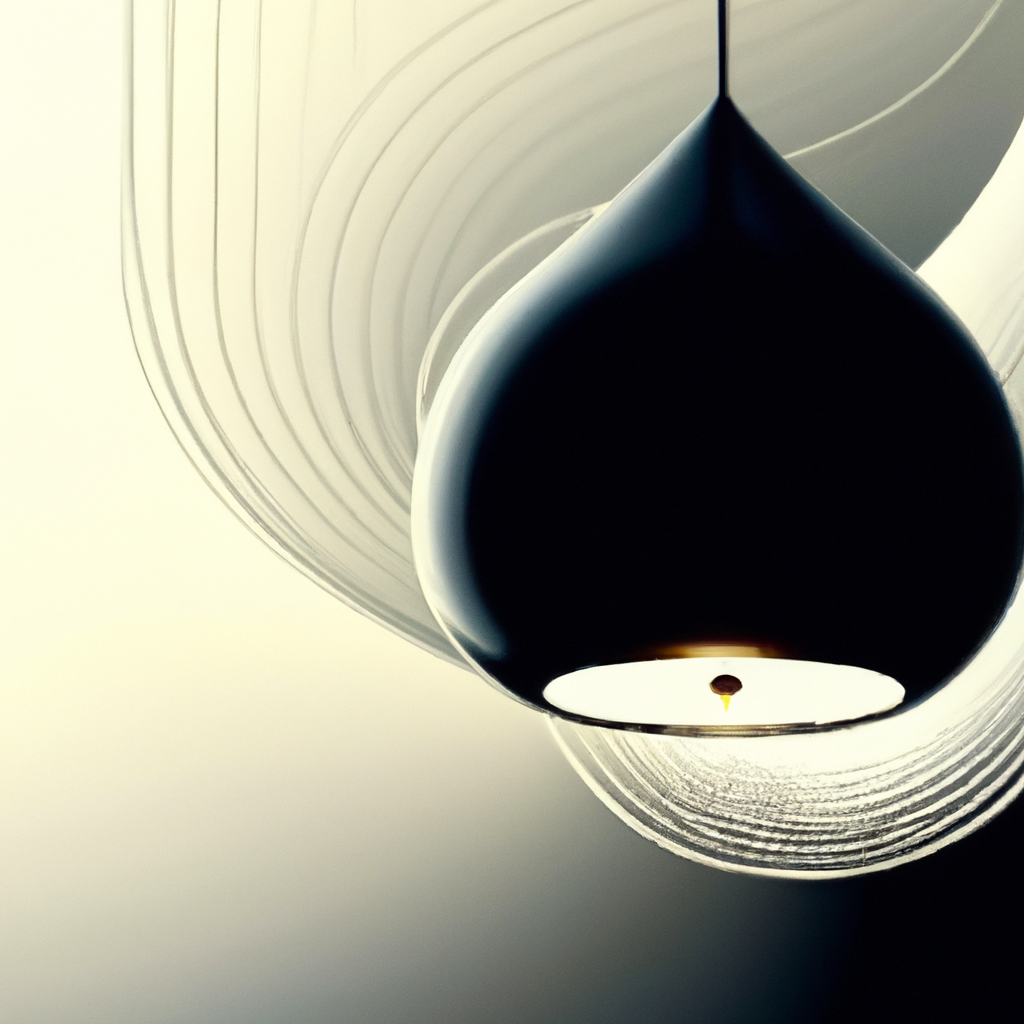
Are you struggling to find the perfect lighting for the different areas of your home? Look no further! In this article, we will guide you through the process of selecting the right lighting for every room in your house. From cozy and warm lighting for your living room to bright and functional lighting for your kitchen, we’ve got you covered. Say goodbye to dimly lit spaces and say hello to a well-lit and inviting home. Let’s get started!
Living Room
General Lighting
In the living room, general lighting is essential to create an overall ambient glow. This is usually achieved through ceiling fixtures such as chandeliers, flush mount lights, or recessed lighting. These fixtures provide a uniform level of illumination that illuminates the entire room, allowing you to comfortably navigate and perform everyday activities.
Task Lighting
For specific tasks such as reading, knitting, or working on your laptop, task lighting plays a vital role in the living room. Floor lamps, table lamps, or even adjustable wall-mounted lights can provide focused illumination to the area where you need it the most. This type of lighting ensures that you have enough light to perform your tasks without straining your eyes.
Accent Lighting
To enhance the aesthetic appeal and create a cozy atmosphere in your living room, accent lighting is the key. This type of lighting is used to highlight architectural features, artwork, or any decorative elements you want to draw attention to. Consider using wall sconces, picture lights, or even recessed lighting to add that extra layer of visual interest to your living space.
Kitchen
Overhead Lighting
The kitchen, being a functional space, requires ample overhead lighting to ensure that you can easily prepare meals and navigate the area safely. Pendant lights, track lighting, or recessed lighting are commonly used as overhead lighting options. These fixtures should be strategically placed to minimize shadows on the countertop and provide bright, even illumination throughout the space.
Under Cabinet Lighting
To eliminate shadows on the countertop and enhance visibility while performing intricate tasks such as chopping vegetables or reading recipes, under cabinet lighting is essential. LED strip lights or puck lights installed underneath the upper cabinets provide direct lighting to the work surface, making it easier for you to see what you’re doing and ensuring a well-lit kitchen workspace.
Task Lighting
Similar to the living room, the kitchen also requires task lighting for specific areas such as the sink, stove, or kitchen island. Pendant lights or adjustable track lighting can be installed above these areas to provide focused lighting where you need it the most. This type of lighting allows you to work efficiently and safely in the kitchen without straining your eyes.

This image is property of images.unsplash.com.
Bathroom
Vanity Lighting
Proper lighting around the vanity area is crucial for tasks such as applying makeup, shaving, or grooming. Vanity lighting fixtures, such as wall sconces or vertical light bars, should be positioned on both sides of the mirror at eye level to eliminate shadows on the face. This ensures that you have sufficient light to see yourself clearly and achieve the desired results when getting ready.
Shower Lighting
For a luxurious and spa-like experience in your bathroom, consider adding shower lighting. Waterproof recessed lights or LED strips installed in the shower area provide a soft and soothing glow, creating a calming ambiance. This type of lighting enhances visibility in the shower and adds a touch of elegance to your bathroom space.
Ambient Lighting
In addition to task lighting, ambient lighting is essential in the bathroom to create a relaxing atmosphere. Ceiling-mounted fixtures or recessed lighting can be used to provide overall illumination, especially in larger bathrooms. It’s important to have a good balance of light throughout the space to avoid harsh shadows and create a comfortable environment.
Bedroom
Bedside Lighting
Bedside lighting is a crucial element in any bedroom, allowing you to read a book or wind down before sleep without disturbing your partner. Table lamps on nightstands or wall-mounted sconces on either side of the bed are popular choices for bedside lighting. They provide a soft and warm glow, creating a cozy and intimate ambiance in the room.
General Lighting
General lighting in the bedroom can be achieved through ceiling fixtures such as chandeliers or flush mount lights. These fixtures provide a uniform level of illumination to the entire room, ensuring that you have sufficient light for everyday activities such as getting dressed or cleaning. Consider using dimmable fixtures to adjust the light intensity according to your mood and needs.
Accent Lighting
To add a touch of elegance and highlight specific areas or decorative elements in your bedroom, accent lighting can work wonders. Wall sconces, recessed lighting, or even LED strip lights installed behind furniture or artwork can create a visually appealing focal point. This type of lighting adds depth and dimension to your bedroom, enhancing its overall design.

This image is property of images.unsplash.com.
Dining Room
Chandelier or Pendant Lighting
A chandelier or pendant lighting fixture is often the centerpiece of any dining room, providing both functional and decorative lighting. These fixtures should be positioned above the dining table, typically at a height that allows for ample illumination without obstructing the line of sight. Consider the size and style of your dining table when selecting the appropriate fixture to create a visually balanced and inviting space.
Wall Sconces
Wall sconces placed on the walls of your dining room can add a layer of ambient lighting, creating a warm and inviting atmosphere. These fixtures can be placed strategically to highlight architectural details or artwork, further enhancing the overall aesthetic appeal of the room. Combine wall sconces with dimmers to adjust the light intensity and set the desired mood during meals or gatherings.
Dimmer Switch
Installing a dimmer switch in your dining room allows you to control the level of lighting according to the occasion or desired ambiance. Dimmers provide flexibility, allowing you to easily transition from bright, well-lit dining experiences to more intimate, romantic settings. This simple addition can greatly enhance the versatility and functionality of your dining room lighting.
Home Office
Task Lighting
Task lighting is crucial in a home office to ensure that you have sufficient illumination for reading, writing, or working on a computer. Desk lamps with adjustable arms and heads are popular choices as they provide focused lighting exactly where you need it. Consider LED desk lamps with adjustable color temperatures to minimize eye strain and create an optimal working environment.
Desk Lamp
A desk lamp is a must-have lighting fixture for any home office setup. It should be positioned to provide direct illumination to your workspace, preventing shadows and providing ample light for tasks. Opt for a desk lamp with adjustable brightness and color temperature settings, allowing you to customize the lighting according to your preference and needs.
Overhead Lighting
In addition to task lighting, overhead lighting is also important in a home office to provide general illumination. Ceiling fixtures such as flush mount lights or track lighting can be used to evenly light the entire space, reducing eye strain and creating a comfortable working environment. Make sure the overhead lighting complements the task lighting, allowing for a well-lit and productive workspace.

This image is property of images.unsplash.com.
Hallway
Ceiling Fixtures
Hallways often serve as transitional spaces between rooms and require general lighting to ensure safe passage and navigation. Ceiling fixtures such as flush mount lights or semi-flush mount lights are commonly used to provide ambient lighting in hallways. These fixtures should be evenly spaced throughout the length of the hallway to maintain a uniform level of illumination.
Wall Sconces
Wall sconces can be a practical and stylish addition to your hallway lighting. They can be installed at regular intervals along the walls to provide both functional and decorative lighting. Wall sconces can help break up the monotony of a long hallway, adding interest and a warm glow. Consider using dimmer switches to control the brightness and create a welcoming atmosphere.
Floor Lamps
If your hallway has a larger space or seating area, a floor lamp can be a great addition to provide additional lighting. It can serve as both a decorative element and a practical source of light. Choose a floor lamp with a design that complements your hallway’s aesthetic and ensure that it provides sufficient illumination to the area where it is placed.
Entryway
Statement Pendant or Chandelier
An entryway is the first impression of your home, and a statement pendant or chandelier can help set the tone and create a welcoming atmosphere. Choose a fixture that matches the scale and style of your entryway, making it a focal point. The entryway light should provide both functional lighting for navigating the space and visual appeal to greet your guests.
Wall Sconces
Wall sconces can add a warm and inviting ambiance to your entryway. Install them strategically to provide additional light and highlight architectural features or artwork. Wall sconces can also enhance the visual interest of your entryway, making it a more inviting and appealing space.
Accent Lighting
Accent lighting in the entryway can be used to draw attention to decorative elements such as artwork, sculptures, or plants. This type of lighting adds depth and dimension to the space, creating a captivating visual experience for you and your guests. Consider using adjustable spotlights or recessed lighting to create a well-lit, welcoming entryway.
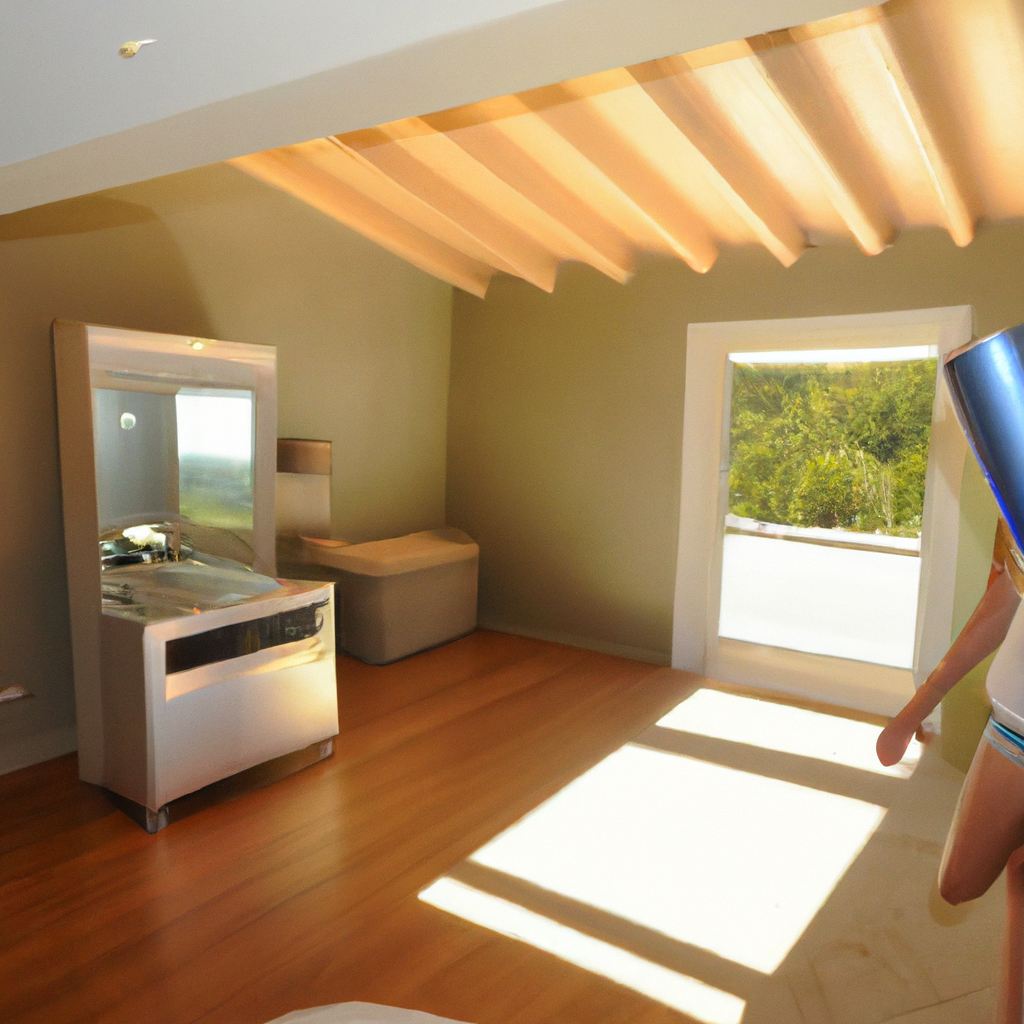
Outdoor
Pathway Lighting
Pathway lighting is essential for safety and aesthetics in your outdoor spaces. Solar-powered or low-voltage LED pathway lights can be installed along walkways, driveways, or garden paths to provide a guiding light and prevent accidents. These lights create a welcoming ambiance and add a touch of elegance to your outdoor areas.
Floodlights
Floodlights are practical outdoor lighting options that provide bright, wide-angle illumination. They can be used to enhance the security of your home by illuminating large outdoor areas and deterring potential intruders. Consider motion-sensor floodlights to save energy and ensure that the lights are activated only when needed.
Deck or Patio Lighting
For outdoor entertaining or relaxation, deck or patio lighting is essential. String lights, lanterns, or even recessed lighting can be used to create a warm and inviting ambiance. These lights can be strategically placed to illuminate seating areas, dining spaces, or the perimeter of your deck or patio, enhancing the overall atmosphere and allowing you to enjoy your outdoor spaces after dark.
Staircase
Recessed Lighting
Recessed lighting is a popular option for illuminating staircases, providing a subtle and modern look. By installing recessed lights along the steps or walls of the staircase, you can enhance visibility and ensure the safety of anyone using the stairs. Recessed lighting creates a soft and even glow, preventing harsh shadows and creating a visually appealing staircase.
Wall Sconces
Wall sconces can add a decorative touch to your staircase while providing functional lighting. Placing sconces on the walls along the staircase can create a warm and inviting atmosphere. These fixtures can also serve as accent lighting, highlighting architectural details or artwork on the staircase wall.
Step Lighting
Step lighting is essential for safely navigating stairs, especially in areas with low ambient light. LED strip lights or recessed lights installed along the steps provide direct illumination, making each step clearly visible and reducing the risk of accidents. Step lighting adds a touch of elegance to your staircase while ensuring the safety of you and your guests.
With a variety of lighting options available for different areas of your home, selecting the right lighting can greatly enhance the functionality and aesthetic appeal of each space. Consider the activities and functions of each room, the mood you want to create, and the overall design style when choosing the appropriate lighting fixtures. By incorporating a combination of general lighting, task lighting, and accent lighting, you can create a well-balanced and comfortable environment in every area of your home. Remember to also consider energy-efficient lighting options such as LED bulbs and explore the possibility of installing dimmer switches to further customize your lighting experience.