
Have you ever wondered how to evaluate a home’s energy efficiency? Understanding how energy efficient a home is can help you make informed decisions about your living space and potentially save on utility bills. In this article, we will explore the key factors that contribute to a home’s energy efficiency, such as insulation, appliances, and renewable energy sources. By gaining a deeper understanding of these aspects, you will be able to assess the energy efficiency of a home and make environmentally conscious choices.
What is Home Energy Efficiency?
Definition of home energy efficiency
Home energy efficiency refers to the process of designing, constructing, or retrofitting a home in a way that maximizes energy conservation and minimizes energy waste. It involves implementing various measures and technologies to ensure that the energy used in a home is utilized efficiently and effectively. By improving home energy efficiency, homeowners can reduce their energy consumption, decrease their carbon footprint, and save money on utility bills.
Importance of home energy efficiency
Home energy efficiency is crucial for several reasons. First and foremost, it helps homeowners reduce their energy consumption and lower their utility bills. By implementing energy-efficient measures, such as upgrading insulation and installing energy-efficient appliances, homeowners can significantly decrease their monthly energy expenses.
Furthermore, home energy efficiency plays a vital role in reducing environmental impact. When a home is energy-efficient, it requires less energy from power plants, which reduces the overall demand for electricity. This, in turn, helps lower greenhouse gas emissions and mitigates the negative effects of climate change.
In addition to financial and environmental benefits, improving home energy efficiency can enhance the overall comfort and quality of living inside the home. Well-insulated homes provide better temperature control, reduce drafts, and create a more comfortable indoor environment. By optimizing energy efficiency, homeowners can enjoy a healthier, more comfortable, and environmentally friendly home.
Factors Influencing Home Energy Efficiency
Insulation
Proper insulation is one of the most critical factors that contribute to home energy efficiency. Insulation works by creating a barrier to heat flow, preventing the loss or gain of heat between the inside and outside of a home. It helps maintain a more stable indoor temperature, reducing the need for excessive heating or cooling.
Insulating the walls, roof, and floors helps minimize heat transfer and keeps the home comfortable throughout the year. Common types of insulation materials include fiberglass, cellulose, and foam board. Choosing the right insulation and ensuring proper installation are crucial for maximizing energy efficiency.
Windows and Doors
Windows and doors are key elements in home energy efficiency. They are potential areas for energy loss due to air leaks, poor insulation, and inefficient glazing. Upgrading to energy-efficient windows and doors can significantly improve home energy performance.
Energy-efficient windows are designed to minimize heat transfer, reduce drafts, and block harmful UV rays. Features such as double or triple glazing, low-emissivity coatings, and gas fills can enhance their insulating properties. Similarly, energy-efficient doors are well-insulated, tightly sealed, and weather-stripped to prevent air leakage.
Roofing
Roofing materials and design also play a crucial role in home energy efficiency. Traditionally, dark-colored roofs absorb more heat, resulting in higher cooling demands during the summer. By opting for cool roofs, which reflect more sunlight, homeowners can reduce the amount of heat absorbed by the roof, leading to lower cooling requirements.
Cool roof materials, such as reflective coatings or shingles, can lower roof surface temperatures and decrease the need for air conditioning. Additionally, proper insulation and ventilation in the attic can help maintain a more balanced and energy-efficient home.
HVAC Systems
Heating, ventilation, and air conditioning (HVAC) systems significantly impact energy efficiency. Older or poorly maintained HVAC systems tend to be less efficient, resulting in higher energy consumption and increased utility bills.
Upgrading to energy-efficient HVAC systems, such as those with high Seasonal Energy Efficiency Ratio (SEER) ratings, can lower energy usage and reduce costs. SEER ratings indicate the cooling efficiency of air conditioners, with higher ratings indicating greater energy efficiency. Similarly, Annual Fuel Utilization Efficiency (AFUE) ratings measure the efficiency of furnaces, while Energy Efficiency Ratio (EER) and Heating Seasonal Performance Factor (HSPF) ratings assess the energy efficiency of heat pumps.
Proper maintenance, regular filter replacement, and duct sealing are also essential for maximizing HVAC system efficiency and performance.
Lighting
Lighting represents a significant portion of a home’s energy usage. Traditional incandescent bulbs waste a considerable amount of energy as heat. By switching to energy-efficient lighting options, such as light-emitting diodes (LEDs) or compact fluorescent lamps (CFLs), homeowners can reduce energy consumption and save money.
LEDs are known for their exceptional energy efficiency, long lifespan, and versatility. They use less energy while producing the same amount of light or even more compared to traditional bulbs. Investing in LED lighting and adopting energy-saving habits like turning off lights when not in use can make a noticeable difference in energy consumption.
Appliances
Home appliances contribute to energy consumption, making them another critical factor to consider for energy efficiency. When purchasing or replacing appliances like refrigerators, dishwashers, washing machines, or dryers, it is essential to choose energy-efficient models.
Look for appliances with the ENERGY STAR label, as they meet strict energy efficiency standards set by the Environmental Protection Agency (EPA). ENERGY STAR appliances use less energy and water while providing the same or better performance compared to standard models. Choosing these energy-efficient appliances can lead to significant energy savings over time.
Home Design and Layout
The design and layout of a home can also impact its energy efficiency. Factors such as orientation, window placement, and room layout influence the amount of natural light and heat gain or loss within the home.
Strategic home design that considers passive solar techniques, such as maximizing natural light and utilizing shading, can reduce the need for artificial lighting and excessive heating or cooling. Additionally, open floor plans and proper ventilation can enhance airflow, reducing the reliance on mechanical cooling and improving overall comfort.
Considering energy-efficient design elements during construction or remodeling can go a long way in reducing energy consumption and creating a more sustainable home.

This image is property of images.pexels.com.
Understanding Energy Efficiency Ratings
ENERGY STAR rating
The ENERGY STAR rating is a widely recognized symbol indicating superior energy performance. Products that receive the ENERGY STAR certification are independently tested and proven to meet strict energy efficiency standards set by the EPA.
In the context of home energy efficiency, homeowners should look for appliances, HVAC systems, lighting fixtures, and windows and doors with the ENERGY STAR label. By choosing ENERGY STAR certified products, homeowners can have confidence that they are selecting energy-efficient options that will reduce energy consumption and save money on utility bills.
SEER rating
The Seasonal Energy Efficiency Ratio (SEER) rating is a measure of the cooling efficiency of air conditioners and heat pumps. It represents the ratio of cooling output to energy input over a typical cooling season.
A higher SEER rating indicates greater energy efficiency, meaning the system provides more cooling output for the amount of energy consumed. Homeowners should consider air conditioners and heat pumps with higher SEER ratings to achieve maximum energy savings.
AFUE rating
The Annual Fuel Utilization Efficiency (AFUE) rating is used to measure the efficiency of furnaces and boilers. It represents the ratio of useful heat output to the total fuel energy consumed over a year.
A higher AFUE rating indicates a more efficient heating system, with less wasted energy. When considering a replacement furnace or boiler, homeowners should choose models with high AFUE ratings to maximize energy efficiency and reduce heating costs.
EER rating
The Energy Efficiency Ratio (EER) rating is primarily used to assess the energy efficiency of room air conditioners and cooling systems that are not heat pumps. It measures the cooling capacity of the unit in relation to the energy input required.
Similar to SEER ratings, higher EER ratings indicate greater energy efficiency, translating to lower energy consumption and reduced cooling costs. Homeowners should select room air conditioners with high EER ratings to minimize energy usage.
HSPF rating
The Heating Seasonal Performance Factor (HSPF) rating is specifically used to evaluate the energy efficiency of heat pumps during the heating season. It represents the ratio of heating output to energy input over a typical heating season.
A higher HSPF rating indicates greater energy efficiency, meaning the heat pump provides more heating output for the amount of energy consumed. Homeowners should consider heat pumps with higher HSPF ratings to minimize heating costs and increase energy savings.
Assessing Home Energy Use
Energy audits
Energy audits are comprehensive assessments of a home’s energy performance. They involve a detailed evaluation of various aspects of a home, including insulation levels, HVAC systems, windows and doors, lighting, and appliances.
During an energy audit, professional auditors may use tools such as infrared cameras, blower doors, and energy meters to identify areas of energy loss or inefficiency. They provide homeowners with a comprehensive report detailing potential improvements and recommendations for enhancing energy efficiency.
Home energy assessments
Home energy assessments are similar to energy audits but are often less detailed and comprehensive. They are typically performed by energy efficiency professionals or utility companies to help homeowners identify areas of improvement regarding energy consumption.
Home energy assessments involve reviewing utility bills, inspecting insulation, appliances, and HVAC systems, and conducting basic tests to identify energy-saving opportunities. Assessors provide homeowners with recommendations for improving energy efficiency and may suggest upgrades, such as sealing air leaks, installing energy-efficient appliances, or upgrading insulation.
Energy consumption monitoring
Monitoring energy consumption can provide valuable insights into a home’s energy use patterns and identify areas for improvement. Homeowners can use various tools and technologies, such as smart meters, energy monitoring devices, or online platforms, to track and analyze their energy usage.
By monitoring energy consumption, homeowners can identify high-energy-consuming appliances, detect unusual energy spikes, and make informed decisions about energy-saving measures. It allows for greater awareness and control over energy usage, leading to more effective energy management and increased energy efficiency.

This image is property of images.pexels.com.
Improving Home Energy Efficiency
Upgrade insulation
Upgrading insulation is one of the most effective ways to improve home energy efficiency. Adding insulation to walls, attics, floors, and duct systems can significantly reduce heat transfer and improve temperature control.
Homeowners should consider the R-value, which measures the insulation’s resistance to heat flow when choosing insulation materials. The higher the R-value, the better the insulation’s performance. By increasing the amount and quality of insulation, homeowners can conserve energy, reduce heating and cooling costs, and enhance overall comfort.
Seal air leaks
Air leaks can significantly impact home energy efficiency by allowing conditioned air to escape and unconditioned air to infiltrate the home. Identifying and sealing air leaks is essential to prevent energy waste and improve indoor comfort.
Common areas for air leaks include windows, doors, electrical outlets, and gaps in the building envelope. Homeowners can use weatherstripping, caulk, or expanding foam to seal these leaks and prevent drafts. By minimizing air infiltration, homeowners can optimize the effectiveness of their HVAC systems, reduce energy consumption, and save money on utility bills.
Upgrade windows and doors
Windows and doors can be significant sources of energy loss due to air leaks, poor insulation, and inefficient glazing. Upgrading to energy-efficient windows and doors can improve insulation, reduce drafts, and enhance overall energy performance.
Energy-efficient windows typically feature double or triple glazing, low-emissivity coatings, and gas fills between the panes. These features enhance insulation, reduce heat transfer, and block harmful UV rays. Similarly, energy-efficient doors are well-insulated, tightly sealed, and weather-stripped to prevent air leakage.
Investing in energy-efficient windows and doors can improve comfort, reduce energy consumption, and increase the value of a home.
Install energy-efficient HVAC systems
Replacing outdated or inefficient HVAC systems with energy-efficient models can significantly impact home energy efficiency. Energy-efficient heating and cooling systems, such as those with high SEER ratings, provide optimal temperature control while minimizing energy usage.
Homeowners should consider upgrading to ENERGY STAR certified HVAC systems that meet strict energy efficiency standards. Additionally, regular maintenance, filter replacement, and proper insulation and duct sealing are essential for maximizing HVAC system efficiency.
Upgrade lighting
Lighting represents a substantial portion of a home’s energy consumption. Upgrading to energy-efficient lighting options, such as LEDs or CFLs, can result in significant energy savings.
LEDs are highly energy-efficient, durable, versatile, and have a longer lifespan compared to traditional incandescent bulbs. They consume less energy while producing the same or even more light output. Homeowners should gradually replace traditional bulbs with LED lighting, both indoors and outdoors, to minimize energy usage and reduce lighting costs.
Use energy-efficient appliances
Appliances account for a significant portion of a home’s energy consumption. Investing in energy-efficient appliances can reduce energy usage, lower utility bills, and minimize the environmental impact.
When purchasing or replacing appliances like refrigerators, dishwashers, washing machines, and dryers, homeowners should choose models with the ENERGY STAR label. ENERGY STAR appliances use less energy and water while delivering the same or better performance compared to standard models. In addition to reducing energy consumption, these appliances often have advanced features and settings that further optimize efficiency.
Consider renewable energy sources
Incorporating renewable energy sources into a home’s energy mix can further enhance energy efficiency and sustainability. Renewable energy, such as solar power or wind energy, uses natural resources that are continually replenished.
Homeowners can install solar panels on the roof to harness sunlight and convert it into electricity. This renewable energy source can significantly offset a home’s electricity consumption, reducing reliance on the power grid and lowering utility bills. Other options to consider include wind turbines or geothermal systems, depending on the availability and feasibility in the area.
Evaluate home design and layout
The design and layout of a home can have a substantial impact on energy efficiency. Strategic decisions regarding orientation, window placement, shading, and airflow can significantly optimize energy consumption.
During construction or remodeling, homeowners should consider passive solar techniques and practices that maximize natural light, reduce heat gain or loss, and improve ventilation. Open floor plans, proper insulation, and energy-efficient materials can further enhance energy performance and create a more sustainable and comfortable home.
Benefits of an Energy-Efficient Home
Lower energy bills
One of the primary benefits of an energy-efficient home is lower energy bills. By implementing various energy-saving measures, homeowners can significantly reduce their energy consumption and save money on monthly utility bills. The long-term cost savings can be substantial, allowing homeowners to allocate their resources to other essential expenses or investments.
Reduced environmental impact
Energy-efficient homes have a smaller carbon footprint compared to inefficient counterparts. By conserving energy and reducing reliance on non-renewable energy sources, homeowners contribute to the reduction of greenhouse gas emissions and mitigate environmental degradation. Energy efficiency plays a crucial role in combating climate change and preserving natural resources for future generations.
Improved indoor comfort
Energy-efficient homes offer improved indoor comfort by maintaining consistent temperatures, reducing drafts, and improving air quality. Well-insulated homes provide better temperature control, preventing excessive heat or cold from entering the living spaces. By minimizing temperature fluctuations and drafts, homeowners can enjoy a more comfortable and welcoming environment year-round.
Increased resale value
Energy-efficient homes are highly valued in the real estate market. Buyers increasingly prioritize energy efficiency when searching for homes, recognizing the long-term cost savings and environmental benefits. Upgrading a home’s energy efficiency, such as installing energy-efficient appliances, upgrading insulation, or implementing renewable energy sources, can increase its resale value and attract more potential buyers.
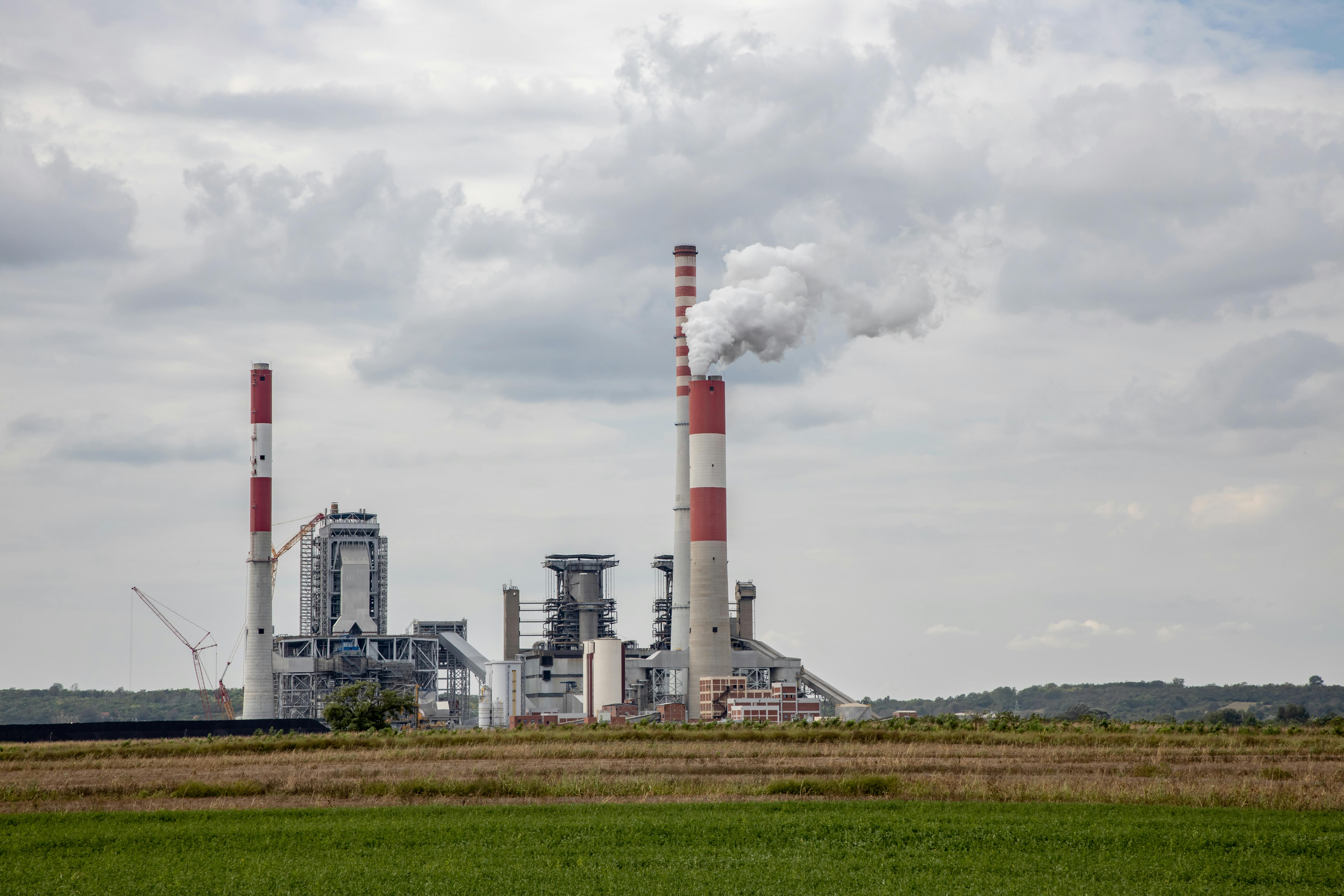
This image is property of images.pexels.com.
Government Incentives and Programs
Energy tax credits
Governments often provide tax incentives to encourage homeowners to invest in energy-efficient measures. These tax credits can help offset the cost of energy-saving upgrades and make them more financially viable.
Homeowners should research the available tax credits and consult with tax professionals or energy efficiency experts to understand the eligibility criteria and requirements. They should also keep records of qualified expenses and obtain necessary documentation to take advantage of these incentives.
Rebates
Many utility companies and energy efficiency organizations offer rebates to homeowners who make energy-efficient improvements. These rebates can help offset the upfront costs associated with purchasing energy-efficient appliances, upgrading insulation, or installing renewable energy systems.
Homeowners should contact their local utility providers or visit their websites to explore available rebates, incentive programs, or energy efficiency loans. Taking advantage of these financial incentives can significantly reduce the overall cost of energy-saving upgrades.
Energy efficiency programs
Various governmental and non-profit organizations offer energy efficiency programs aimed at helping homeowners improve their home’s energy efficiency. These programs may include energy audits, incentives, low-cost loans, or technical assistance.
Homeowners should research and engage with local energy efficiency programs to take advantage of the resources, expertise, and financial benefits available. Participating in these programs can provide valuable guidance and support throughout the energy efficiency improvement process.
Choosing an Energy-Efficient Home
Newly built homes
When looking for an energy-efficient home, newly built homes often offer the highest level of energy performance. New construction is subject to increasingly stringent building codes and regulations that prioritize energy efficiency. These homes are typically equipped with energy-saving features, such as efficient insulation, HVAC systems, and appliances.
Homebuyers should inquire about the energy efficiency standards used during construction and request information on the home’s energy performance. Understanding the building materials, systems, and technologies used can help ensure that the home meets the desired energy efficiency criteria.
Home energy ratings
Home energy ratings, such as the Home Energy Rating System (HERS) Index, provide valuable information about a home’s energy efficiency. These ratings assess various aspects of a home’s energy performance, including insulation levels, HVAC systems, and overall energy usage.
Homebuyers should consider homes with low HERS ratings, as it indicates better energy efficiency and lower energy consumption. The HERS rating serves as a useful tool when comparing the energy efficiency of different homes on the market.
Green certifications
Green certifications, such as LEED (Leadership in Energy and Environmental Design) or ENERGY STAR certifications, provide further assurances regarding a home’s energy efficiency and sustainability.
Homes with green certifications have undergone rigorous evaluations to ensure they meet specific energy performance and environmental standards. These certifications demonstrate a commitment to energy efficiency, resource conservation, and sustainable building practices. Homebuyers should seek out homes with reputable green certifications to ensure they are investing in a truly energy-efficient and environmentally responsible property.
Common Energy Efficiency Myths
All energy-efficient homes look the same
Contrary to popular belief, energy-efficient homes come in various styles and designs. Implementing energy-saving measures does not limit homeowners to a specific aesthetic or limit their design choices. Energy efficiency can be incorporated into any home design, from traditional to modern, without compromising visual appeal or functionality.
Energy-efficient upgrades are expensive and not worth it
While some energy-efficient upgrades may require an initial investment, the long-term financial benefits often outweigh the costs. Many energy-saving measures, such as upgrading insulation or installing energy-efficient lighting, pay for themselves through lower energy bills over time.
It is important to consider the return on investment, potential tax credits, rebates, and energy savings when evaluating the cost-effectiveness of energy-efficient upgrades. Additionally, energy-efficient homes tend to have higher resale values, which can translate into additional financial benefits in the future.
Only new homes can be energy efficient
Energy efficiency is not exclusive to newly constructed homes. Retrofitting older homes with energy-saving measures can significantly improve their energy performance. By upgrading insulation, sealing air leaks, and replacing inefficient appliances, homeowners can enhance the energy efficiency of older homes and achieve substantial energy savings.
Energy efficiency is only about reducing electricity consumption
While reducing electricity consumption is a significant aspect of energy efficiency, it is not the sole focus. Energy efficiency encompasses a holistic approach to optimizing overall energy usage, including heating, cooling, lighting, and appliance efficiency. By considering all aspects of energy consumption, homeowners can achieve maximum energy efficiency and reduce their environmental impact.
Energy-efficient homes have poor ventilation
Energy-efficient homes are designed to balance energy efficiency with proper ventilation and indoor air quality. Effective ventilation systems, such as mechanical and natural ventilation, are essential components of energy-efficient homes.
Advanced ventilation technologies, such as heat recovery ventilators (HRVs) or energy recovery ventilators (ERVs), ensure efficient air exchange while minimizing energy loss. These systems help maintain optimal indoor air quality, prevent moisture buildup, and safeguard the health and comfort of occupants.
Conclusion
Understanding and improving home energy efficiency is crucial for homeowners who seek financial savings, a reduced environmental impact, improved comfort, and increased resale value. By considering factors such as insulation, windows and doors, roofing, HVAC systems, lighting, appliances, and home design, homeowners can make strategic choices that enhance energy performance.
By assessing home energy use through energy audits, home energy assessments, and energy consumption monitoring, homeowners can identify areas for improvement. Implementing energy-saving measures such as upgrading insulation, sealing air leaks, installing energy-efficient appliances, using renewable energy sources, and optimizing home design can greatly enhance energy efficiency.
Energy-efficient homes offer numerous benefits, including lower energy bills, reduced environmental impact, improved indoor comfort, and increased resale value. Government incentives and programs, such as energy tax credits, rebates, and energy efficiency programs, further support homeowners in their energy efficiency journey.
When choosing an energy-efficient home, options include newly built homes, homes with favorable energy ratings, or homes with reputable green certifications. It is essential to dispel common energy efficiency myths, such as the notion that all energy-efficient homes look the same or that energy-efficient upgrades are not worth the investment.
In conclusion, embracing energy efficiency is a win-win situation for homeowners, the environment, and future generations. By implementing energy-saving measures and making informed choices, homeowners can create comfortable, sustainable, and cost-effective living spaces.