Welcome to a comprehensive guide on how to install a home automation system for remote appliance control! As technology continues to advance, more and more people are looking for ways to make their homes smarter and more efficient. By following the steps outlined in this article, you will be able to seamlessly integrate smart devices into your home, allowing you to control your appliances from anywhere in the world. Say goodbye to worrying about leaving the oven on or the lights on – with a home automation system, you can have peace of mind and convenience at your fingertips. Let’s get started on transforming your home into a smart oasis! Have you ever wanted to control your home appliances from anywhere in the world? Imagine being able to turn off your lights, adjust the thermostat, or even start your coffee maker with just the tap of a button on your smartphone. With a home automation system, you can make this dream a reality. In this article, we will guide you through the process of installing a home automation system for remote appliance control. Let’s dive in!
Understanding Home Automation Systems
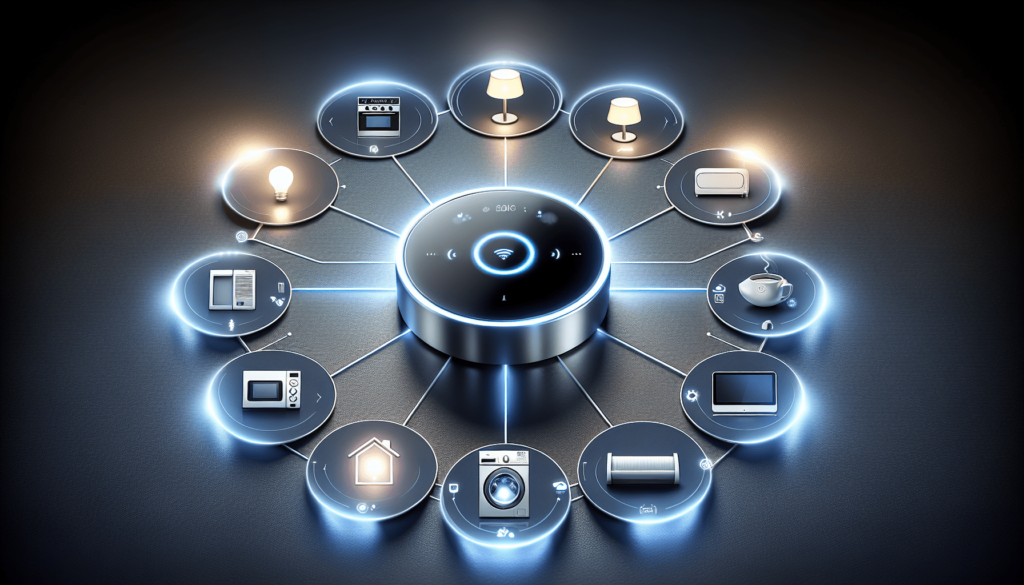
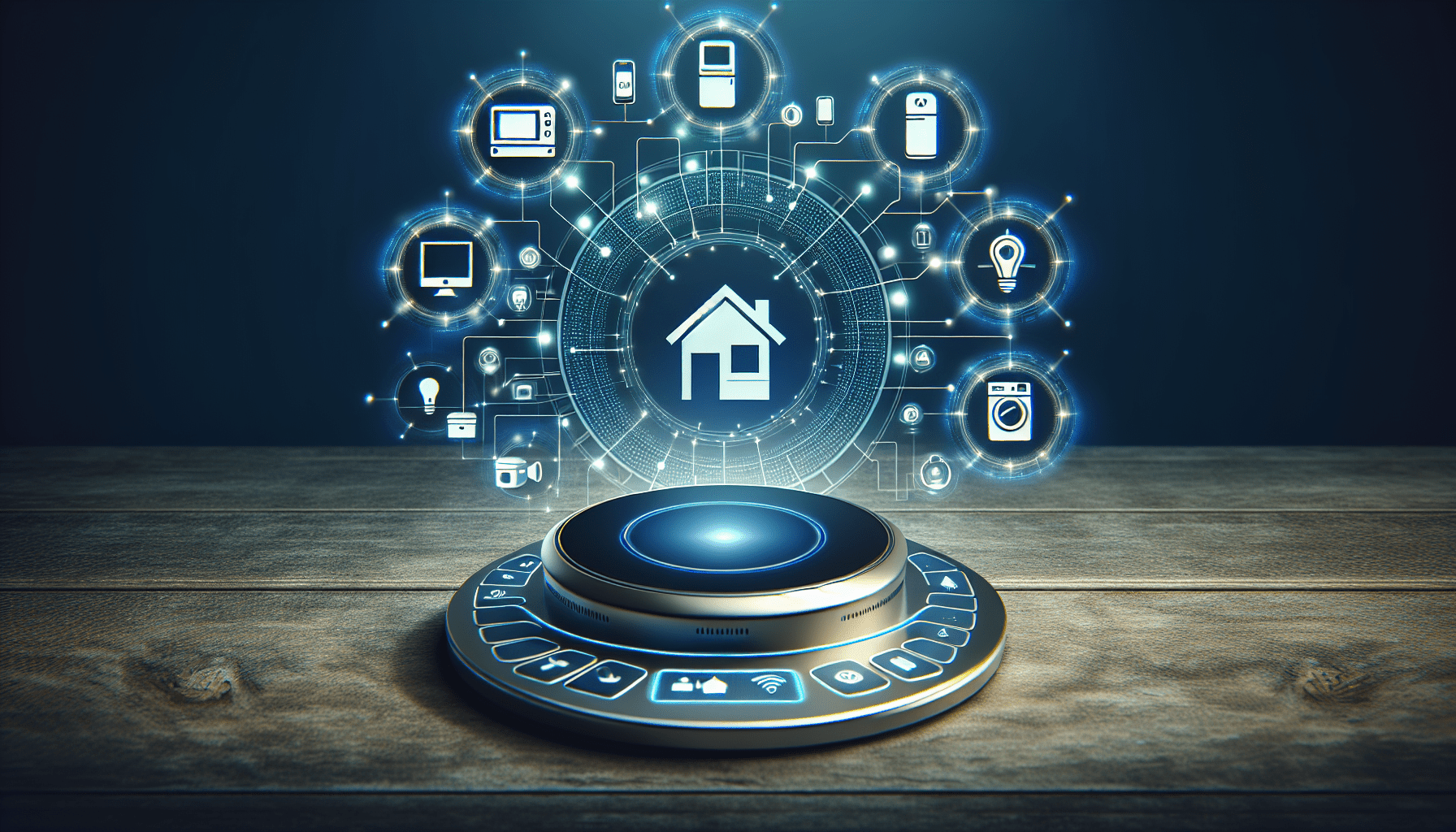
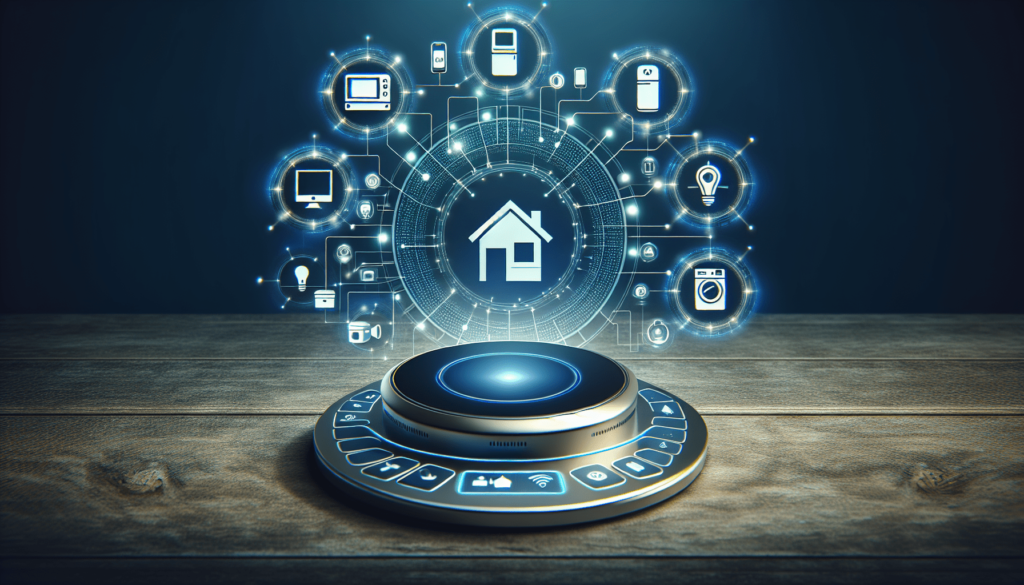
Home automation systems are designed to make your life easier by allowing you to control various aspects of your home remotely. These systems typically consist of smart devices, sensors, and a central hub that connects everything together. From lighting and thermostats to security cameras and appliances, a home automation system can give you complete control over your home with just a few taps on your smartphone.
Benefits of Home Automation Systems
Home automation systems offer a wide range of benefits, including:
- Convenience: Control your home appliances from anywhere in the world.
- Energy efficiency: Save energy by remotely monitoring and adjusting your thermostat, lighting, and appliances.
- Security: Keep an eye on your home with smart cameras and motion sensors.
- Peace of mind: Receive alerts and notifications for any unusual activity in your home.
Choosing the Right Home Automation System
Before you start installing a home automation system, it is essential to choose the right system that fits your needs. There are many factors to consider when selecting a home automation system, such as compatibility, ease of use, and budget.
Types of Home Automation Systems
There are several types of home automation systems available on the market, including:
- Wi-Fi-based systems: These systems connect your smart devices directly to your home Wi-Fi network for remote control.
- Zigbee and Z-wave systems: These systems use wireless protocols to communicate with smart devices and sensors for increased reliability and range.
- Smart hubs: These central devices connect all your smart devices, sensors, and appliances together for seamless integration and control.
When choosing a home automation system, consider the compatibility of the system with your existing devices, the ease of installation, and the overall cost of the system.
Installing a Home Automation System
Now that you have chosen the right home automation system for your needs, it’s time to install it in your home. Here is a step-by-step guide to help you install a home automation system for remote appliance control.
Step 1: Set Up Your Smart Hub
The first step in installing a home automation system is to set up your smart hub. The smart hub acts as the central control unit that connects all your smart devices and appliances together. Follow the manufacturer’s instructions to set up and configure your smart hub.
Step 2: Connect Your Smart Devices
Once your smart hub is set up, it’s time to connect your smart devices to the hub. This may involve installing smart light bulbs, smart switches, smart thermostats, and other smart devices in your home. Follow the manufacturer’s instructions to pair your devices with the smart hub.
Step 3: Install Sensors
Installing sensors in your home can enhance the functionality of your home automation system. Motion sensors, door/window sensors, and temperature sensors can help automate your home and provide additional security and convenience. Follow the manufacturer’s instructions to install and configure sensors in your home.
Step 4: Configure Remote Control
After setting up your smart hub, connecting your smart devices, and installing sensors, it’s time to configure remote control for your home appliances. Download the manufacturer’s app on your smartphone and follow the instructions to connect your devices to the app. You can now control your home appliances from anywhere in the world.
Step 5: Test Your System
Once you have set up and configured your home automation system, it’s essential to test the system to ensure everything is working correctly. Test each smart device, sensor, and appliance to verify that they are connected to the smart hub and respond to your commands from the app.
Tips for Maintaining Your Home Automation System
Now that you have installed a home automation system for remote appliance control, here are some tips to help you maintain your system and ensure smooth operation.
Regularly Update Your System
Manufacturers often release software updates for smart devices and smart hubs to improve functionality, security, and compatibility. Make sure to regularly update your system to ensure you have the latest features and bug fixes.
Monitor Device Connectivity
Keep an eye on the connectivity of your smart devices and sensors to the smart hub. If you notice any devices losing connection or not responding, troubleshoot the issue and reconfigure the devices if necessary.
Replace Batteries
If you have wireless sensors or smart devices that run on batteries, make sure to replace the batteries regularly to ensure they are operational. Dead batteries can cause devices to lose connectivity and functionality.
Secure Your Network
Ensure that your home Wi-Fi network is secure to prevent unauthorized access to your home automation system. Use strong passwords, enable encryption, and consider setting up a guest network for guests to use without accessing your smart devices.
Backup Your System
In case of a system failure or data loss, it’s essential to back up your home automation system settings and configurations. Most smart hubs allow you to export and back up your system settings for easy restoration in case of an emergency.
Conclusion
Installing a home automation system for remote appliance control can revolutionize the way you interact with your home. With the ability to control your appliances from anywhere in the world, you can enjoy increased convenience, energy savings, security, and peace of mind. By following the steps outlined in this article and maintaining your home automation system, you can create a smart home that is efficient, secure, and easy to manage. Say goodbye to manual controls and hello to a smarter, more connected home!