
Looking to enhance the comfort and sustainability of your home? Look no further than the power of green roofs! In this article, we will explore how the addition of a green roof or living walls can not only improve insulation but also enhance the air quality inside your home. From reducing energy consumption to promoting a healthier living environment, these innovative concepts are sure to add value and enjoyment to your everyday living. So, let’s dive into the world of green roofs and discover how this eco-friendly solution can transform your home for the better.
Benefits of Green Roofs
Green roofs offer numerous benefits for homeowners, making them an excellent choice for improving the overall quality of your living space. From enhanced insulation to reduced energy consumption, here are some of the advantages of incorporating green roofs into your home.
Improved Home Insulation
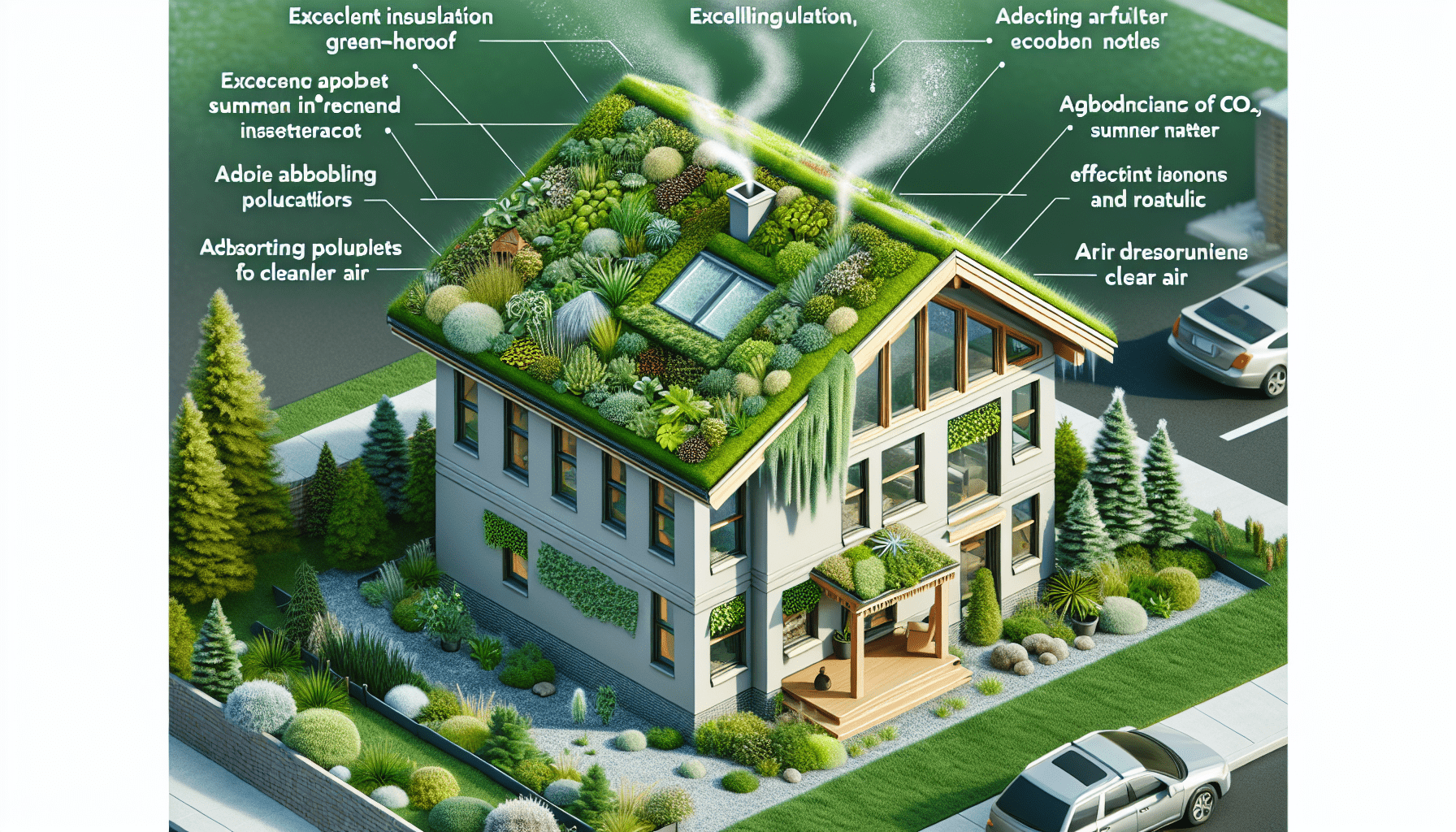
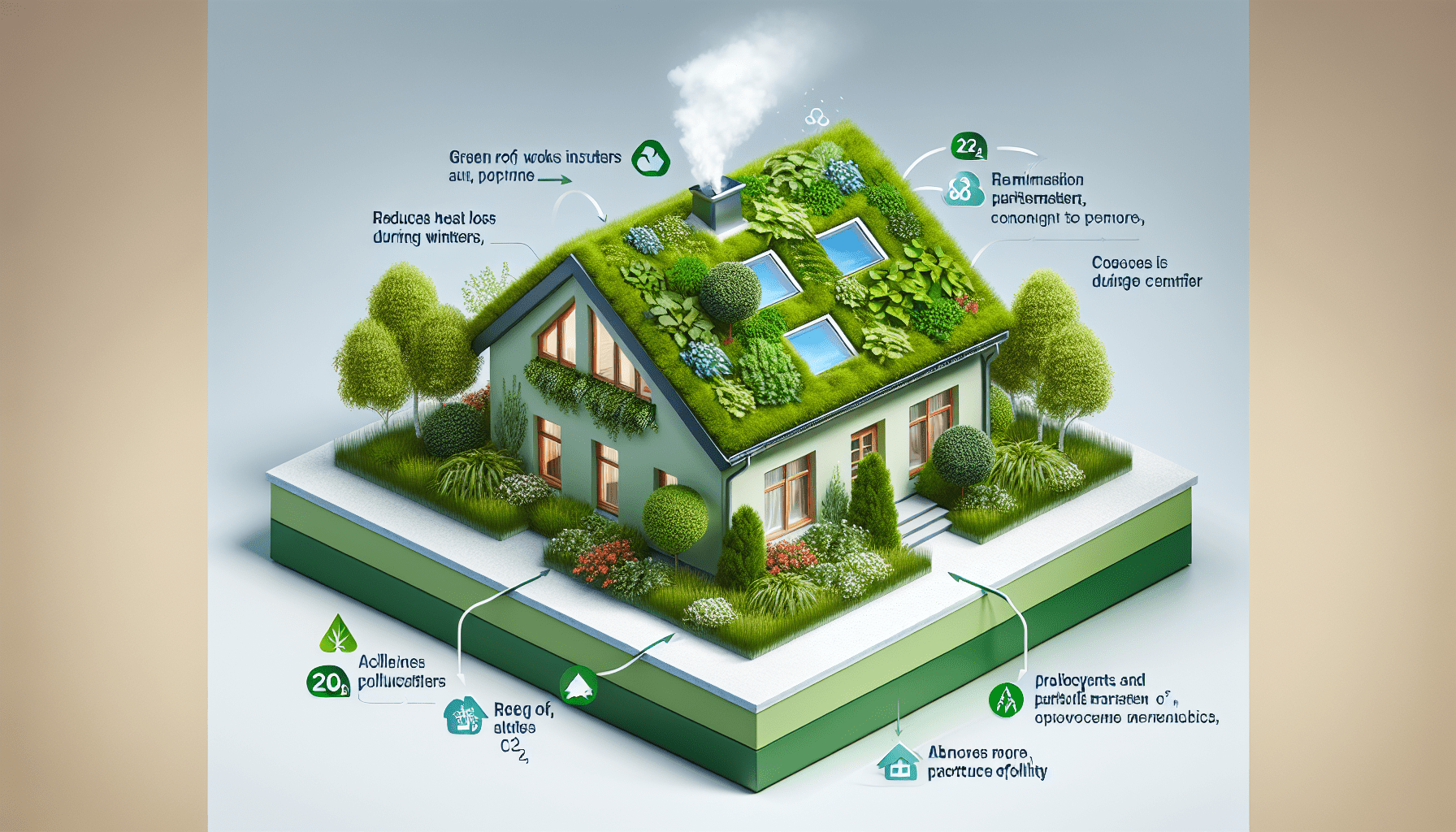
One of the significant benefits of green roofs is their ability to provide better insulation for your home. The layer of vegetation acts as an additional barrier against heat in the summer and cold in the winter. The plants and soil on the roof absorb and retain heat, reducing the need for excessive heating or cooling. This insulation effect can result in lower energy bills and a more comfortable living environment.
Enhanced Air Quality
Green roofs also contribute to improved air quality. The plants on the roof help filter pollutants and particulate matter from the air, reducing the concentration of harmful substances around your home. Additionally, the plants produce oxygen through photosynthesis, helping to maintain a healthier atmosphere. By incorporating green roofs, you can create a cleaner and fresher living space for you and your family.
Reduced Energy Consumption
By providing additional insulation, green roofs can significantly reduce your home’s energy consumption. The insulation effect helps regulate the temperature inside your house, reducing the need for constant heating or cooling. As a result, you can cut down on energy usage, which not only saves you money but also reduces your carbon footprint. Green roofs offer an environmentally-friendly solution to make your home more energy-efficient.
Stormwater Management
Another advantage of green roofs is their ability to effectively manage stormwater. The vegetation and growing medium on the roof act as a natural sponge, absorbing rainwater and reducing runoff. This can help alleviate pressure on the stormwater management system, reduce the risk of flooding, and mitigate water pollution. Green roofs play a vital role in sustainable urban development by promoting responsible water management practices.
Urban Heat Island Mitigation
Green roofs also contribute to mitigating the urban heat island effect, which refers to the phenomenon of cities retaining more heat compared to surrounding rural areas. The plants and soil on green roofs help absorb heat and provide evaporative cooling, reducing the ambient temperature in urban areas. By implementing green roofs, you can help create a more comfortable and sustainable environment in your community.
Types of Green Roofs
When considering implementing a green roof, it’s essential to understand the different types available. Each type offers varying levels of vegetation, maintenance requirements, and design possibilities. Here are the three primary types of green roofs you can choose from:
Extensive Green Roofs
Extensive green roofs are characterized by a thin layer of vegetation, typically consisting of grasses, mosses, and hardy succulents such as sedum species. These roofs require minimal maintenance and are lightweight, making them suitable for buildings with lower load-bearing capacity. Extensive green roofs provide some insulation benefits and help manage stormwater but have limited options for plant diversity.
Intensive Green Roofs
Intensive green roofs are more like traditional gardens on rooftops. They allow for a greater variety of plants, including larger shrubs, trees, and even vegetable gardens. Intensive green roofs require more maintenance due to the increased vegetation and often require irrigation systems. These roofs offer greater opportunities for outdoor living spaces and can be enjoyed as rooftop gardens.
Semi-Intensive Green Roofs
Semi-intensive green roofs are a blend between extensive and intensive roofs. They provide a balance between plant diversity and maintenance requirements. These roofs typically feature a mix of low-growing sedums, grasses, and wildflowers. Semi-intensive green roofs offer greater design flexibility, allowing homeowners to incorporate different plant varieties while maintaining manageable maintenance levels.
Selecting the Right Plants
Choosing the right plants for your green roof is crucial to ensure their overall health and longevity. Here are some common plant options for green roofs:
Sedum Species
Sedums are often the go-to choice for extensive and semi-intensive green roofs. These low-maintenance succulents are highly tolerant of drought, heat, and poor soil conditions. Sedums come in various colors and textures, allowing you to create an aesthetically pleasing green roof while keeping maintenance to a minimum.
Grass Varieties
Grasses, such as fescue and buffalo grass, can be suitable options for green roofs, particularly in extensive or semi-intensive designs. These grasses are typically drought-tolerant and can withstand varying weather conditions. Grasses add texture and movement to your green roof landscape.
Wildflowers
Adding wildflowers to your green roof can create a vibrant and diverse ecosystem. Wildflowers attract pollinators and provide a burst of color to your rooftop oasis. They are often chosen for their ability to adapt to various soil conditions and require minimal maintenance.
Herbs and Vegetables
For those interested in sustainable food production, incorporating herbs and vegetables into your green roof can be a great option. Herbs like thyme, rosemary, and lavender are excellent choices for their ability to thrive in well-drained conditions. Vegetables like lettuce, kale, and cherry tomatoes can also be grown in containers on your green roof, providing you with fresh produce right at your doorstep.
Components of a Green Roof
Designing and constructing a green roof involves several essential components. Each component plays a vital role in ensuring the long-term success and functionality of your green roof. Here are the key components of a green roof:
Waterproof Membrane
The waterproof membrane acts as the primary barrier that prevents water from seeping into your building structure. It is essential to choose a high-quality waterproof membrane to ensure its longevity and effectiveness. This membrane keeps your roof watertight and protects the underlying layers from water damage.
Root Barrier
A root barrier is a layer that prevents the plants’ roots from penetrating the waterproof membrane and causing damage. It is crucial to choose a root barrier that offers both strength and flexibility, as the roots of some plants can be aggressive. The root barrier ensures the integrity of the waterproofing layer and extends the lifespan of your green roof.
Drainage Layer
The drainage layer allows excess water to flow freely, preventing water accumulation and potential damage to the plants and underlying structure. It helps maintain a balanced moisture level for the plants while preventing waterlogging. Proper drainage is vital for the health and longevity of your green roof.

Filter Fabric
The filter fabric sits between the drainage layer and growing medium, preventing the particles from the growing medium from clogging the drainage system. It ensures that water can pass through the system freely while retaining the necessary moisture for the plants. The filter fabric helps maintain the proper function of the green roof system.
Growing Medium
The growing medium, also known as substrate or soil, forms the foundation for the plants to grow on your green roof. It provides the necessary nutrients, moisture, and support for plant growth. The ideal growing medium should be lightweight, well-drained, and able to retain water and nutrients for the plants.
Plants
The plants themselves are a critical component of a green roof. They provide the visual appeal, insulation benefits, and environmental advantages. Choosing the right plants for your green roof design is crucial to ensure their ability to withstand the conditions and provide the desired functionality.
Installation and Construction Process
Proper installation and construction are essential for the success of your green roof. Here is a general outline of the process involved in installing a green roof:
Structural Analysis
Before beginning any construction, it is essential to assess the structural integrity of your roof. Green roofs can be heavy, especially when saturated with water, so it is crucial to ensure that your building can support the additional load. Consulting with a structural engineer will help determine if any reinforcements or modifications are necessary.
Preparing the Roof Surface
The next step is to prepare the roof surface for the green roof installation. This may involve cleaning, repairing any damages, and ensuring proper waterproofing. It is essential to have a clean and well-prepared surface to ensure the longevity and effectiveness of your green roof.
Applying Waterproof Membrane and Root Barrier
Once the roof surface is ready, the waterproof membrane is applied. This layer ensures that water cannot penetrate the roof and cause damage to the structure. The root barrier is also installed to prevent plant roots from compromising the integrity of the waterproofing layer.
Installing Drainage Layer and Filter Fabric
After the waterproof membrane is in place, the drainage layer and filter fabric are installed. The drainage layer allows excess water to flow freely, while the filter fabric prevents fine particles from clogging the system. These components ensure proper moisture balance and prevent waterlogging.
Adding Growing Medium
Once the drainage layer and filter fabric are in place, the growing medium is added. The growing medium provides the necessary nutrients and support for the plants to thrive. It is essential to choose a quality growing medium that promotes healthy plant growth and offers adequate drainage.
Planting Vegetation
Once the green roof’s foundation is complete, it’s time to plant the vegetation. Carefully select and position the plants based on their compatibility with the roof topography, climate, and desired aesthetics. Proper planting and regular maintenance are necessary to ensure the long-term health and functionality of the green roof.
Maintenance and Irrigation
To ensure the continued success of your green roof, regular maintenance and irrigation are essential. Regular inspections, weeding, pruning, and fertilizing will help promote healthy plant growth. Irrigation systems may be required, especially for intensive green roofs with substantial planting.
Improving Home Insulation with Green Roofs
One of the primary benefits of green roofs is their ability to improve home insulation. Let’s explore how green roofs contribute to better insulation:
Thermal Resistance
The layer of vegetation on green roofs acts as an additional barrier against heat transfer. It helps reduce the amount of heat that enters or escapes through the roof, thereby improving the thermal resistance of your home. As a result, your home stays cooler in the summer and warmer in the winter, reducing the need for excessive heating or cooling.
Reduction of Heat Transfer
Green roofs absorb and retain heat, preventing it from entering your home during hot summer days. The plants and soil act as natural insulators, keeping your home cooler and reducing the need for air conditioning. Similarly, during cold winter months, green roofs minimize heat loss by providing an extra layer of insulation.
Effective Energy Conservation
By improving home insulation, green roofs help reduce energy consumption. With better thermal resistance, your heating and cooling systems can operate more efficiently, resulting in lower energy bills. Green roofs contribute to sustainable living by conserving energy and reducing greenhouse gas emissions.
Enhancing Air Quality with Green Roofs
In addition to improving home insulation, green roofs also enhance air quality. Let’s explore the ways green roofs contribute to cleaner and healthier air:
Air Pollutant Absorption
The plants on green roofs act as natural air filters, absorbing various pollutants and contaminants from the atmosphere. They help trap harmful substances such as nitrogen dioxide and volatile organic compounds (VOCs), improving the air quality around your home. Green roofs play a crucial role in mitigating air pollution in urban areas.
Particulate Matter Filtration
Particulate matter, such as dust and pollen, can cause respiratory issues and allergies. The vegetation on green roofs helps filter out these particles, reducing their concentration in the air. By incorporating green roofs into your home, you can create a cleaner and healthier living environment for you and your family.
Reduced Urban Heat Effect
Green roofs contribute to reducing the urban heat effect, a phenomenon where urban areas experience significantly higher temperatures compared to surrounding rural areas. By absorbing and retaining heat, green roofs prevent excessive heat buildup and help regulate temperatures. This cooling effect alleviates the strain on air conditioning systems, reducing energy consumption and subsequent air pollution.
Oxygen Production
The plants on green roofs produce oxygen through photosynthesis, contributing to a healthier atmosphere. Oxygen is essential for human and environmental well-being, and green roofs provide a natural source of this vital element. By incorporating green roofs, you can help increase oxygen levels and create a fresher living environment.
Measuring the Impact
To understand the true benefits of green roofs, it is important to measure their impact. Here are some methods used to assess the effectiveness of green roofs:
Air Quality Monitoring
Monitoring air quality around green roof installations can help determine the reduction in pollutant levels and the overall improvement in air quality. Measurements of key air pollutants such as nitrogen dioxide, particulate matter, and VOCs can be taken before and after green roof implementation to assess the impact on local air quality.
Energy Consumption Analysis
Analyzing energy consumption data before and after the installation of green roofs can provide insights into their effectiveness in reducing energy usage. Comparing energy bills and HVAC system performance can help quantify the energy savings achieved through better insulation and reduced heating or cooling requirements.
Temperature and Humidity Measurements
Monitoring temperature and humidity levels can help evaluate the cooling effect of green roofs and their impact on the local microclimate. Comparing temperature and humidity data between areas with and without green roofs can demonstrate the cooling benefits and potential reduction in the urban heat island effect.
Cost Considerations
When considering the implementation of green roofs, it is essential to consider the associated costs. Here are some cost considerations:
Initial Installation Costs
Installing a green roof involves several expenses, including materials, labor, and professional services. Factors such as roof size, type of green roof, and desired plant varieties can affect the overall installation costs. It is important to obtain detailed cost estimates from reputable contractors to budget accordingly.
Long-term Savings and Benefits
While the initial installation costs of green roofs may be higher than traditional roofs, the long-term savings and benefits should be considered. With improved insulation and reduced energy consumption, homeowners can save on heating and cooling bills. Additionally, the improved air quality and stormwater management can lead to healthier living conditions and potential savings in other areas, such as healthcare costs.
Return on Investment (ROI)
Calculating the return on investment (ROI) for green roofs involves assessing the monetary savings from reduced energy consumption and maintenance costs over the roof’s lifespan. While ROI can vary depending on various factors, such as energy prices and local incentives, green roofs are generally considered a worthwhile investment due to their long-term benefits and positive environmental impact.
Case Studies
To gain a better understanding of the practical application and benefits of green roofs, let’s examine some case studies:
Residential Green Roof Projects
Residential green roofs have become increasingly popular among homeowners looking to enhance their living spaces. From small-scale gardens to extensive rooftop oases, green roofs offer aesthetic appeal, environmental benefits, and a unique outdoor experience. Numerous residential projects worldwide have successfully integrated green roofs, providing homeowners with insulation, air quality improvements, and enjoyable living environments.
Commercial Green Roof Projects
Green roofs are particularly relevant to commercial buildings, providing opportunities for improved aesthetics, energy efficiency, and sustainability. Commercial green roof projects, such as those implemented on office buildings, shopping centers, and hotels, demonstrate the potential for significant energy savings and operational efficiency. Green roofs can enhance the visual appeal of the property, attract tenants, and contribute to a more positive corporate image.
Public Building Green Roof Projects
Public buildings, such as schools, hospitals, and government structures, have also embraced green roofs to promote sustainability and improve the local environment. These green roof projects highlight the importance of utilizing rooftop spaces to create vibrant green spaces while providing insulation and air quality benefits. Public building green roofs prioritize the well-being of visitors and occupants, contributing to a healthier and more sustainable community.
In conclusion, incorporating green roofs into homes and buildings offers a multitude of benefits. From improved insulation and enhanced air quality to reduced energy consumption and stormwater management, green roofs contribute to a more sustainable and comfortable living environment. With the variety of plant options and design possibilities available, homeowners can create unique green roof systems to suit their needs and preferences. Green roofs provide a win-win solution by combining aesthetic appeal, energy efficiency, and environmental advantages.