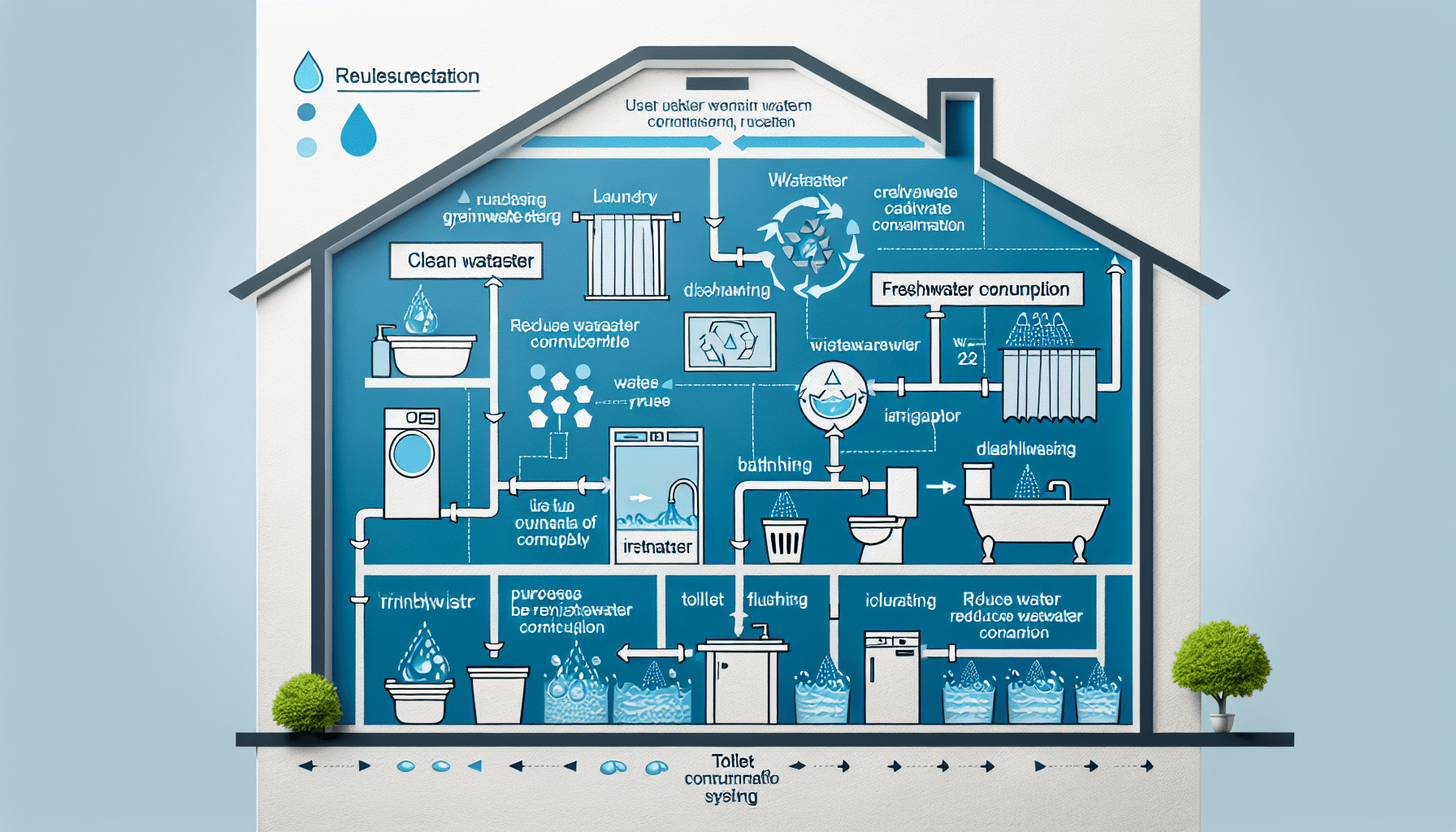
If you’re looking to make your home more efficient and sustainable, implementing a greywater system is a game-changer. This innovative concept allows you to maximize the use of water by repurposing it for toilet flushing and garden watering. Not only does it help reduce water waste, but it also adds value to your living by creating a more eco-friendly environment. By exploring the possibilities of technological advancements and sustainability efforts, you can take small steps towards a greener future. So why not embrace the idea of a greywater system and make a positive impact on the planet while enjoying the benefits of a more efficient and sustainable lifestyle?
Benefits of a Greywater System
A greywater system offers several notable benefits, including water conservation and a reduction in utility bills. By repurposing water that would otherwise go to waste, you can make a positive impact on the environment and your wallet.
Water conservation
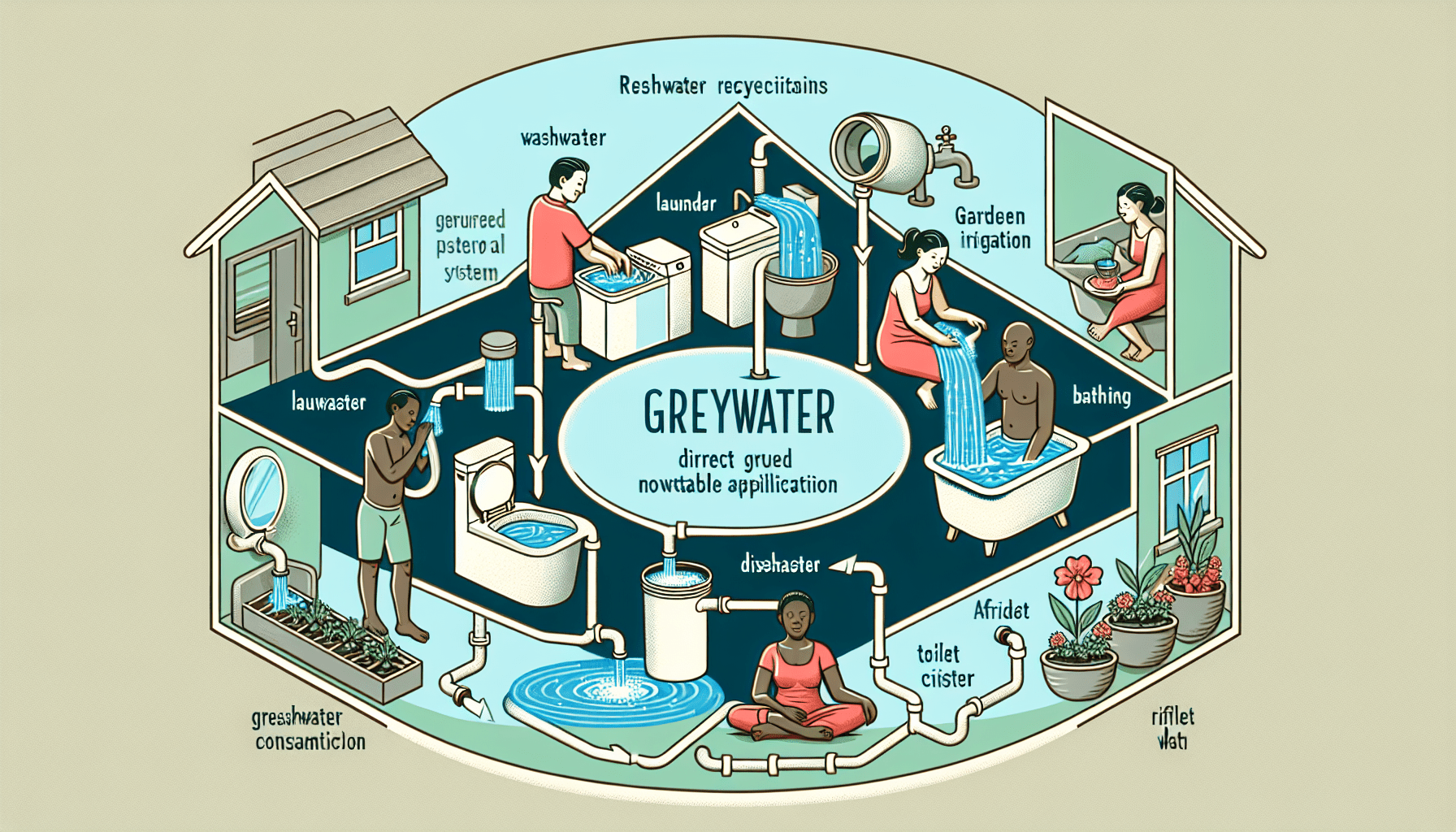
One of the primary benefits of a greywater system is water conservation. With a greywater system in place, you can reuse water from various household sources, such as bathroom sinks, showers, bathtubs, and laundry machines, for tasks like toilet flushing and garden watering. This allows you to minimize your freshwater consumption and contribute to the preservation of this precious resource.
Reduction in utility bills
Another significant advantage of a greywater system is the potential for a reduction in utility bills. By reusing greywater instead of relying solely on fresh, potable water, you can significantly decrease your water usage and, in turn, lower your water bills. Additionally, using greywater for toilet flushing and garden watering may reduce the need for fertilizer and irrigation, leading to potential savings in your overall utility expenses.
Components of a Greywater System
In order to effectively implement a greywater system, it is important to understand its key components. These components work together to collect, treat, and distribute greywater throughout your home and garden.
Greywater source
The greywater source is where the water for recycling originates. Common greywater sources include bathroom sinks, showers, bathtubs, and laundry machines. By diverting this lightly used water away from the regular wastewater system, you can harness its potential for reuse.
Treatment and filtration system
Once collected, greywater needs to undergo treatment and filtration before it can be safely used for other purposes. There are several options for treating and filtering greywater, including biological systems, mechanical filtration, and chemical treatment, each with its own advantages and considerations. These systems help remove impurities and ensure that the greywater is suitable for its intended use.
Distribution system
The distribution system is responsible for delivering treated greywater to its desired destinations, such as toilets or the garden. The choice of distribution method will depend on factors such as the layout of your property, the distance between the greywater source and the intended use area, and local regulations. Common distribution methods include subsurface irrigation, sprinkler systems, and drip irrigation.

Greywater Sources
Greywater can be sourced from various areas within the home. By understanding which sources can contribute to your greywater system, you can maximize the effectiveness and efficiency of your water recycling efforts.
Bathroom sinks
Greywater from bathroom sinks can provide a significant amount of reusable water. This source is relatively easy to collect and can be diverted to a greywater treatment system for filtration.
Showers and bathtubs
Showers and bathtubs are another excellent source of greywater. By capturing and redirecting the water used during bathing, you can reduce water waste and contribute to the sustainability of your household.
Laundry machines
Laundry machines consume a considerable amount of water during each cycle. By repurposing this water instead of sending it directly to the sewer, you can make a significant impact on reducing your household’s water consumption.
Treatment and Filtration Options
To ensure the safety and quality of the recycled water, greywater must undergo treatment and filtration. There are several options to consider when choosing the best treatment and filtration system for your needs.
Biological systems
Biological systems rely on natural processes, such as plant and microbial action, to treat and filter greywater. These systems use vegetation beds or filters to remove impurities and contaminants from the water. Biological systems are environmentally-friendly and low-maintenance, making them a popular choice for greywater treatment.
Mechanical filtration
Mechanical filtration involves the use of physical barriers, such as screens or filters, to remove solids and larger particles from the greywater. This method is effective in preventing clogs and ensuring the longevity of your greywater system.
Chemical treatment
Chemical treatment involves the use of disinfectants or other chemical agents to kill bacteria and pathogens in the greywater. While chemical treatment can be effective in ensuring water safety, it should be used with caution due to potential environmental and health concerns. It is important to follow all recommended guidelines and regulations when utilizing chemical treatments.

Distribution Methods
Once the greywater has been treated and filtered, it needs to be distributed to its intended uses. There are several distribution methods to consider when designing your greywater system.
Subsurface irrigation
Subsurface irrigation is a low-maintenance and efficient method of distributing greywater to your garden. This method involves burying pipes or tubes underground, allowing the water to seep directly into the soil, where it can be absorbed by plant roots.
Sprinkler system
A sprinkler system can be an effective way to distribute greywater to larger areas of your garden. By attaching sprinkler heads to the greywater distribution pipes, you can evenly distribute the water, ensuring adequate coverage for your plants.
Drip irrigation
Drip irrigation involves the use of drip emitters or tubing to deliver small amounts of water directly to the base of plants. This method is highly efficient and minimizes water loss through evaporation or runoff.
Design Considerations
When planning and implementing a greywater system, there are several design considerations that need to be taken into account. These factors can impact the efficiency, effectiveness, and compliance of your greywater system.
Building codes and regulations
Before installing a greywater system, it is essential to research and comply with local building codes and regulations. These codes may dictate the types of greywater systems that are permitted, as well as any necessary permits or inspections.
Greywater storage capacity
The storage capacity of your greywater system will depend on factors such as the size of your household, the amount of greywater generated, and the intended uses for the recycled water. Having an appropriate storage capacity ensures a steady supply of greywater when needed.
Maintenance requirements
Regular maintenance is crucial for the proper functioning of a greywater system. This may include cleaning filters, inspecting pumps and pipes, and monitoring the overall performance of the system. Understanding and adhering to the recommended maintenance requirements will help ensure the longevity and effectiveness of your greywater system.

Benefits for Toilet Flushing
Implementing a greywater system for toilet flushing offers several compelling benefits, both for the environment and your household expenses.
Reduced freshwater consumption
By using greywater for toilet flushing instead of potable water, you can significantly reduce your freshwater consumption. This conservation effort helps to preserve this valuable resource for other essential uses and contributes to a more sustainable future.
Cost savings
Utilizing greywater for toilet flushing can result in significant cost savings. With a reduced reliance on fresh water, your water bills will decrease accordingly. By repurposing greywater for this purpose, you can make a positive impact on your household budget.
Benefits for Garden Watering
Greywater can be a valuable resource for maintaining a healthy and thriving garden. By using greywater for garden watering, you can enjoy a range of benefits for both your plants and the environment.
Reduced reliance on potable water
By diverting greywater to your garden, you can reduce your reliance on potable water for irrigation. Instead of using fresh water, which is often in limited supply, you can repurpose lightly used water from your household to nourish your plants. This approach helps conserve valuable freshwater resources.
Healthier plants and soil
Greywater contains nutrients that can benefit your plants and soil. By irrigating your garden with greywater, you can provide additional nourishment to your plants, promoting healthier growth and enhancing their overall vitality. Additionally, the organic matter present in greywater can contribute to the improvement of soil structure and fertility.
Installation Process
Implementing a greywater system requires careful assessment, planning, and installation. By following a systematic approach, you can ensure a successful installation and maximize the efficiency of your greywater system.
Assessment and planning
Start by assessing your water usage patterns and identifying potential greywater sources within your home. Consider the layout of your property, the proximity of the greywater source to the intended use area, and any regulatory requirements that need to be met. Plan the design and layout of your greywater system accordingly, considering factors such as treatment and filtration options, distribution methods, and storage capacity.
Installation of components
Once the planning phase is complete, it’s time to install the components of your greywater system. This may involve diverting greywater from its sources, installing treatment and filtration systems, and setting up the chosen distribution method. It is important to follow all manufacturer guidelines and local regulations during the installation process.
Testing and adjustments
After the installation is complete, thorough testing and adjustments are necessary to ensure the proper functioning of your greywater system. Test the system by running water through the designated greywater sources and monitoring the treatment and filtration processes. Make any necessary adjustments to optimize performance and address any issues that arise.
Maintenance and Troubleshooting
To keep your greywater system running smoothly, regular maintenance and troubleshooting are essential. By following recommended cleaning and maintenance schedules and being vigilant for common issues, you can prolong the lifespan and effectiveness of your greywater system.
Cleaning and maintenance schedule
Create a regular cleaning and maintenance schedule for your greywater system. This may include tasks such as cleaning filters, inspecting pumps and pipes, and checking for leaks. Following a routine maintenance schedule will help identify and resolve any potential problems before they escalate.
Identifying and fixing common issues
It is important to be familiar with common issues that may arise with a greywater system and know how to troubleshoot them. These issues can include clogs in filters or pipes, malfunctioning pumps, or inefficient distribution methods. By promptly identifying and addressing these issues, you can minimize downtime and maintain the optimal functioning of your greywater system.
In conclusion, implementing a greywater system offers numerous benefits, including water conservation, reduced utility bills, and improved sustainability. By understanding the components of a greywater system and considering factors such as greywater sources, treatment and filtration options, distribution methods, and design considerations, you can create an efficient and effective greywater system tailored to your needs. Additionally, utilizing greywater for toilet flushing and garden watering offers specific advantages such as reduced freshwater consumption, cost savings, and healthier plants and soil. To ensure a successful installation and ongoing performance, it is important to follow a systematic approach, including thorough assessment and planning, proper installation of components, and regular maintenance and troubleshooting. By embracing a greywater system, you can make a positive impact on the environment while enjoying the benefits of reduced water usage and a more sustainable lifestyle.