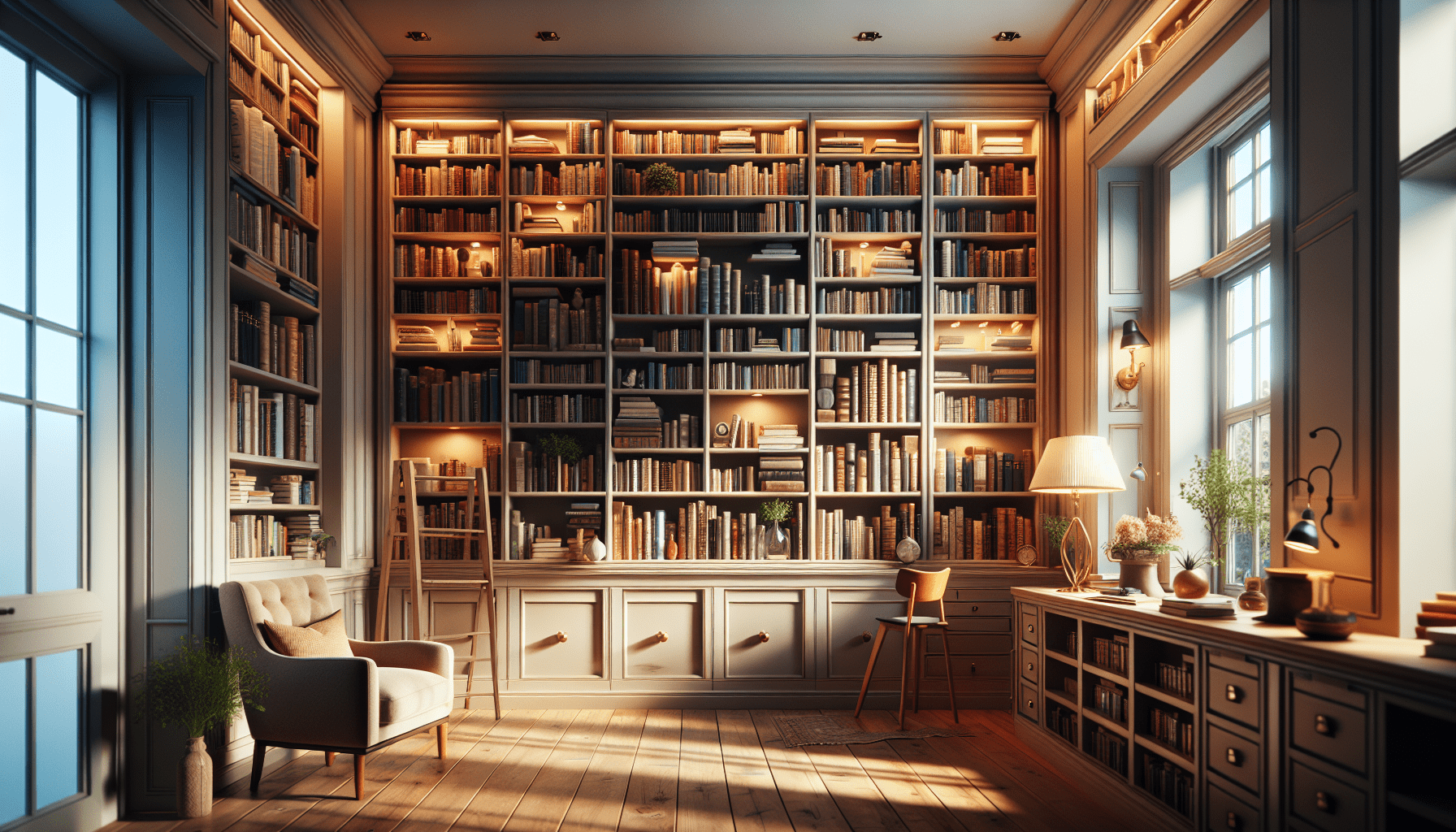
Looking to transform an underutilized space in your home into a cozy and functional retreat? Look no further than the idea of designing a home library with built-in bookshelves. This concept not only maximizes your available space but also provides a haven for relaxation and inspiration. Emphasizing the importance of reading and knowledge, a home library creates an inviting atmosphere that encourages both productivity and leisure. Whether you’re an avid reader or simply want a place to showcase your collection, incorporating built-in bookshelves into your library design allows you to organize and display your books while adding a touch of elegance to your space. So grab your favorite book, cozy up in a reading nook, and let your imagination run wild in your very own personal library.
Maximizing Space: Designing a Home Library with Built-in Bookshelves
Are you a book lover? Do you dream of having your own personal library right within the comforts of your home? Well, look no further! In this article, we will guide you through the process of designing a home library with built-in bookshelves. From planning the space to personalizing the final touches, we will cover everything you need to know to create the perfect sanctuary for your literary adventures.
1. Planning the Space
Consider the available space
Before diving into the world of bookshelf designs, it’s crucial to consider the available space in your home. Take a look around and identify a room that can be transformed into your dream library. It could be an unused guest room, a corner of your living room, or even a spacious hallway. Think about the overall size and layout of the room and envision how you can make the most of the space.
Evaluate the room’s layout and dimensions
Once you have chosen the room, evaluate its layout and dimensions. Take measurements of the walls, windows, and doors to better understand the space you’re working with. This will help you determine where the bookshelves should be placed and how they can be arranged to optimize both functionality and aesthetics.
Determine the optimal location for the home library
After considering the available space and evaluating the room’s layout, it’s time to decide on the optimal location for your home library. Consider factors such as natural light, noise levels, and proximity to other areas of your home where you relax or entertain guests. Select a location that offers a serene and peaceful environment, allowing you to immerse yourself in the world of books without distractions.
2. Choosing the Bookshelf Design
Decide on the type of bookshelves
When it comes to choosing the design for your bookshelves, the options are virtually limitless. Determine whether you prefer traditional wooden shelves, contemporary metal designs, or a combination of both. Consider the overall style of your home decor and choose a design that complements it seamlessly.
Consider adjustable or modular bookshelves
If you anticipate your book collection growing over time, it might be wise to consider adjustable or modular bookshelves. These versatile designs allow you to rearrange and expand your shelving as needed, ensuring that your library can adapt to your evolving literary passions.
Select a style that complements the overall home decor
To create a visually cohesive and harmonious space, select a bookshelf style that complements your overall home decor. Whether you prefer sleek and minimalist or ornate and classic, make sure the bookshelves blend seamlessly with the existing furniture and aesthetic of your home.
3. Determining the Bookshelf Size
Measure the dimensions of the available wall space
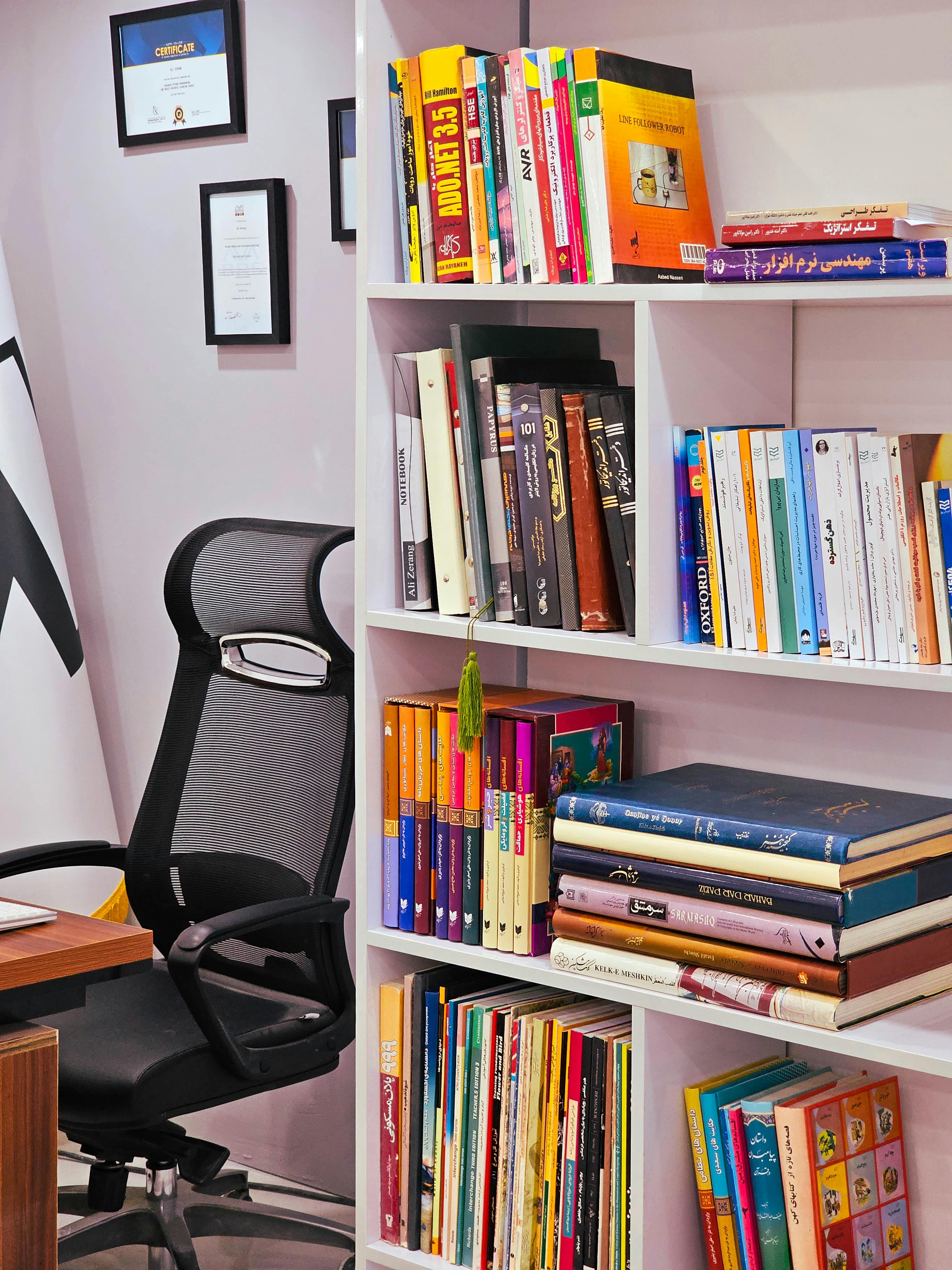
To ensure the bookshelves fit perfectly in your home library, measure the dimensions of the available wall space. Take note of the width, height, and depth, as these measurements will play a crucial role in determining the size of your bookshelves.
Calculate the number of books the bookshelves need to accommodate
Consider the size of your existing book collection and estimate how many books the bookshelves need to accommodate. This will help you determine the number of shelves required and the spacing between them. Additionally, factor in any future book purchases you anticipate, allowing for ample space to expand your literary treasure trove.
Ensure sufficient depth for various book sizes
Books come in various sizes and dimensions, so it’s important to ensure that your bookshelves have sufficient depth to accommodate all types of books. Measure the thickest and tallest books in your collection and add a few inches of additional space to ensure they fit comfortably on the shelves.
4. Incorporating Reading Nooks
Identify suitable areas for reading nooks
A home library wouldn’t be complete without cozy reading nooks. Identify suitable areas within your library space where you can create these inviting spots. Look for corners with ample natural light or windowsills that can be transformed into comfortable reading spots.
Choose comfortable seating options such as armchairs or window seats
When it comes to choosing seating options for your reading nooks, prioritize comfort. Opt for plush armchairs, cozy window seats, or even a comfortable chaise lounge. Select furniture that encourages relaxation and allows you to sink into the pages of your favorite books for hours on end.
Consider adding built-in lighting for reading
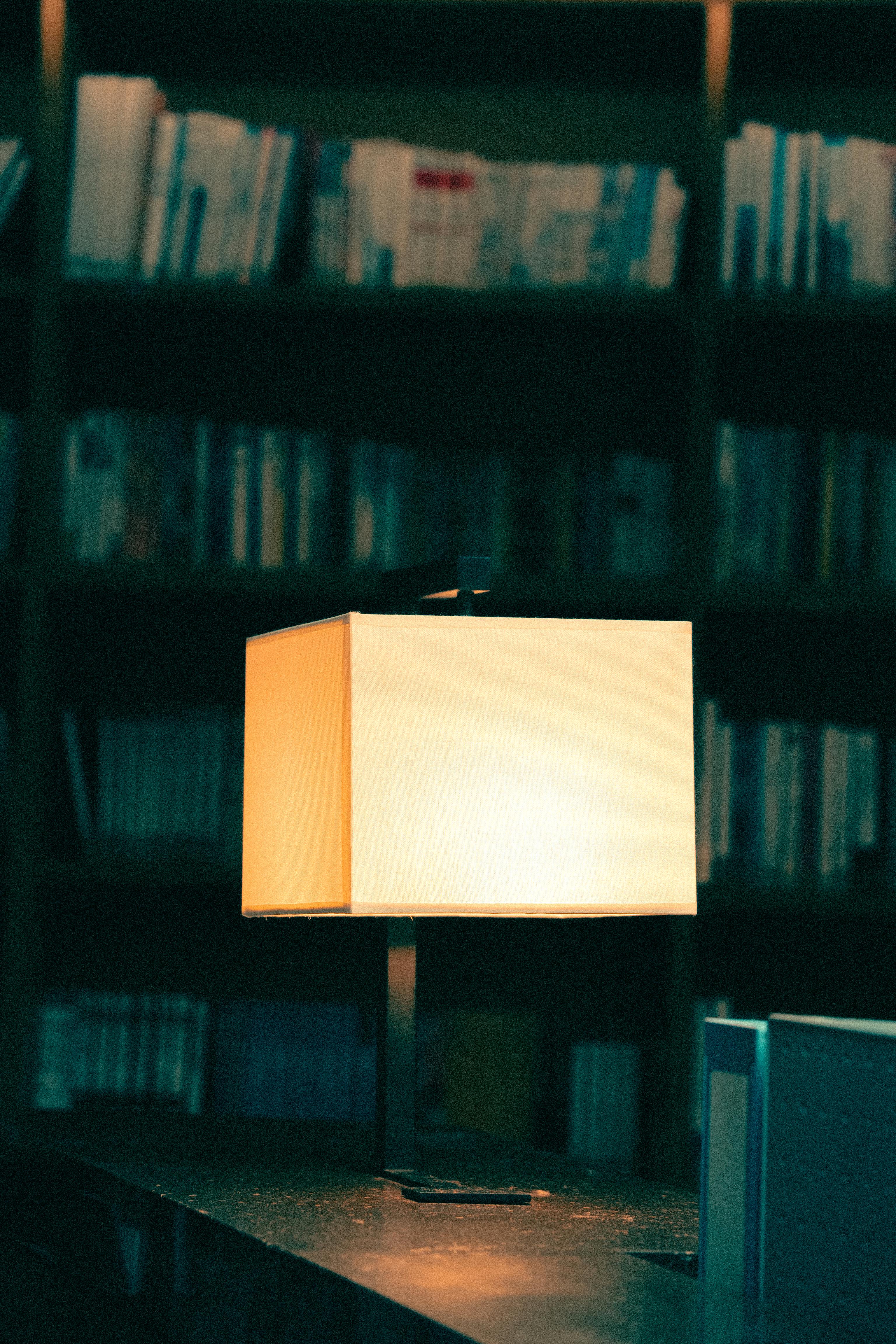
For those late-night reading sessions, consider incorporating built-in lighting into your reading nooks. Wall-mounted reading lamps or adjustable spotlights can provide the perfect amount of illumination without disturbing the overall ambiance of your library. Ensure that the lighting is positioned strategically to avoid casting shadows on the pages of your books.

5. Enhancing Lighting
Assess the existing lighting in the room
Before making any lighting modifications, assess the existing lighting in the room. Is it sufficient for reading? Does it create a warm and inviting atmosphere? If not, consider upgrading or adding additional lighting elements to enhance the overall ambiance of your home library.
Install adjustable or dimmable lighting for different purposes
To cater to various activities in your home library, install adjustable or dimmable lighting. This allows you to customize the ambiance based on your mood or specific needs. Bright lighting can be ideal for studying or working, while softer, dimmed lighting can create a cozy atmosphere for reading or relaxation.
Consider incorporating natural light sources like windows or skylights
Natural light can greatly enhance the aesthetics and overall atmosphere of your home library. If possible, consider incorporating windows or skylights into the design. Not only do they provide an abundance of natural light during the day, but they also offer beautiful views and a connection to the outside world.
6. Organizing the Bookshelves
Sort and categorize books before arranging them
Before arranging your books on the shelves, take some time to sort and categorize them. Organize them by genre, author, or any other system that makes sense to you. This will not only make it easier to find specific books but also add a sense of order and visual appeal to your library.
Utilize a combination of vertical and horizontal placements
To add visual interest and create a balanced look, utilize a combination of vertical and horizontal placements when arranging your books. Stack some horizontally on top of others, interspersing them with vertically lined books. This not only adds variety but also allows you to maximize the use of space on each shelf.
Consider using bookends or dividers for better organization
To further enhance the organization of your bookshelves, consider incorporating bookends or dividers. These can help separate different categories or sections within your collection and prevent books from toppling over. Choose bookends or dividers that match the overall style and theme of your library for a cohesive look.
7. Adding Decorative Elements
Include plants or artwork to add visual interest
To elevate the aesthetics of your home library, consider including plants or artwork. Plants not only add a touch of greenery and life to the space but also purify the air and create a calming atmosphere. Artwork, whether it’s paintings, photographs, or sculptures, can add a personal touch and evoke inspiration within your library.
Integrate decorative objects like vases or sculptures
In addition to plants and artwork, consider integrating decorative objects like vases or sculptures. These can act as focal points and add a touch of elegance and sophistication to your home library. Select objects that resonate with your personal style and contribute to the overall atmosphere you want to create.
Display collectibles or personal mementos
Your home library is a reflection of your personality and interests, so don’t hesitate to display your collectibles or personal mementos. Whether it’s a series of antique globes, a collection of vintage typewriters, or family heirlooms, incorporating these items into your library adds a personal touch and makes it uniquely yours.
8. Incorporating Functional Features
Include a desk or workspace for studying or working
If you plan to use your home library for studying or working, consider incorporating a desk or workspace. A well-designed desk with ample storage and a comfortable chair can create a productive environment within your library. This allows you to seamlessly transition from leisurely reading sessions to focused work or study sessions.
Consider a built-in sound system for background music or audiobooks
To enhance your reading experience, consider incorporating a built-in sound system into your home library. This allows you to enjoy background music that complements the mood of your books or listen to audiobooks while lounging in your reading nooks. Ensure that the speakers are strategically placed to provide an immersive and balanced audio experience.
Incorporate storage compartments or drawers for various items
In addition to book storage, consider incorporating storage compartments or drawers into your bookshelves. These compartments can be used to store various items such as magazines, notebooks, or reading glasses. By having these essentials readily accessible, you can fully immerse yourself in the reading experience without interruptions.
9. Ensuring Accessibility and Safety
Arrange the bookshelves at appropriate heights for easy access
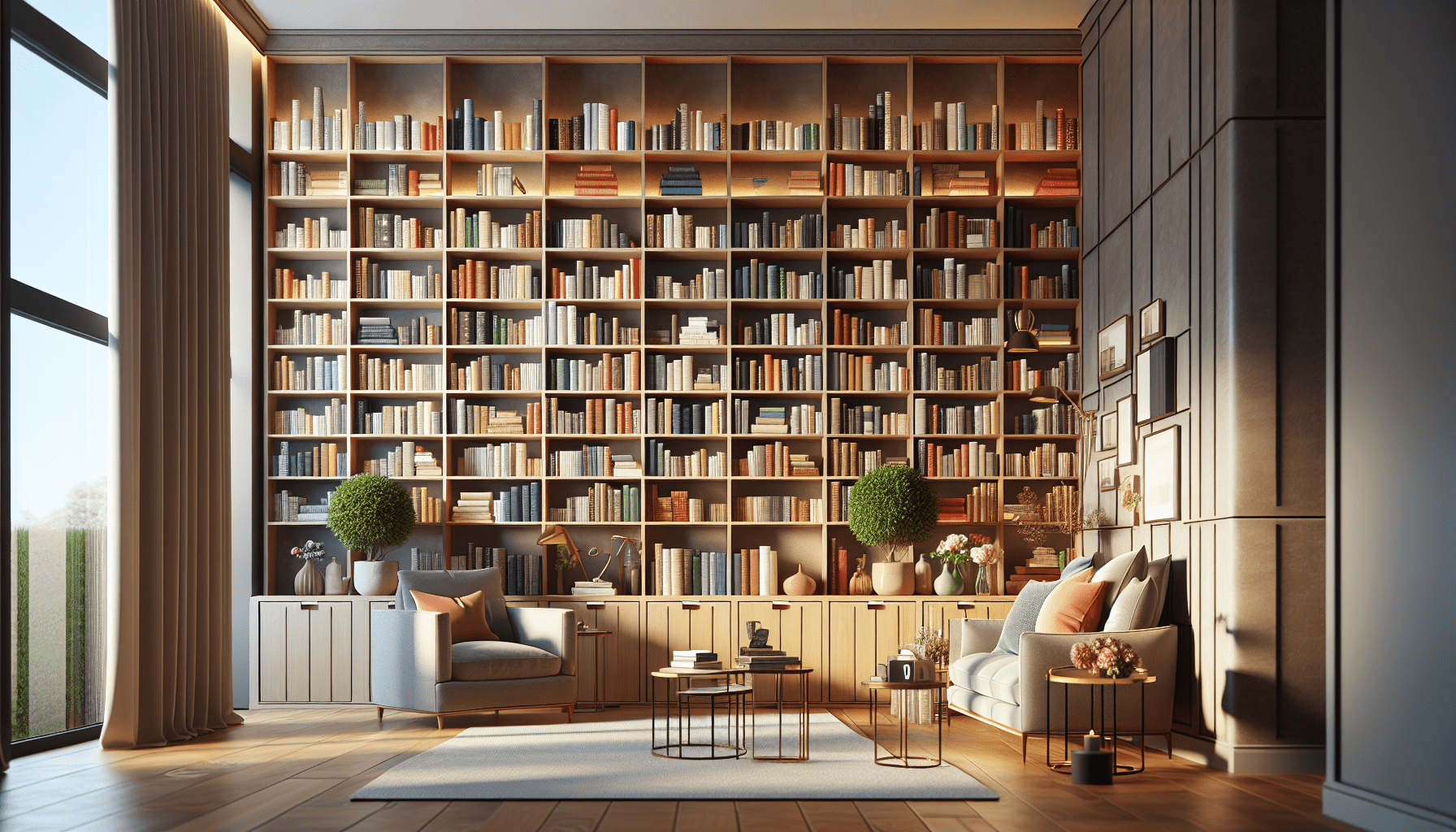
Ensure that the bookshelves are arranged at appropriate heights for easy access to your books. Place frequently read books at eye level and reserve higher shelves for less frequently used items. This not only ensures accessibility but also adds a visual balance to your library.
Secure heavy or fragile items to prevent accidents
To ensure the safety of both your books and yourself, securely fasten heavy or fragile items to prevent accidents. Use bookends, shelf brackets, or other suitable fasteners to secure the items in place. This will provide peace of mind and protect your valuable books from damage.
Ensure proper ventilation to prevent mold or damage to books
Books require a well-ventilated environment to prevent mold or damage from moisture. Ensure that your home library has adequate ventilation by allowing air to circulate freely. Avoid placing bookshelves near humid areas such as bathrooms or kitchens, as the moisture can adversely affect the condition of your books.
10. Personalizing the Space
Add personal touches like family photos or favorite quotes
To truly make your home library a reflection of yourself, don’t forget to add personal touches. Display family photos, favorite quotes, or inspirational words that hold special meaning to you. These small details add warmth and character to the space, creating a welcoming environment where you can truly feel at home.
Include comfortable rugs or cushions for a cozy atmosphere
To add an extra layer of comfort and coziness to your home library, include comfortable rugs or cushions. Soft area rugs can provide warmth and texture to the floor, while cushions and throw pillows can make your reading nooks even more inviting. Choose fabrics and colors that complement the overall color scheme and style of your library.
Create a relaxing ambiance with scented candles or essential oils
Finally, create a relaxing ambiance in your home library by incorporating scented candles or essential oils. Choose fragrances that promote relaxation and focus, such as lavender or eucalyptus. The gentle flickering of candlelight or the subtle aroma of essential oils can further enhance your reading experience and create a tranquil atmosphere.
Designing a home library with built-in bookshelves and reading nooks is a dream come true for any book lover. By carefully planning the space, choosing the right bookshelf design, considering the size and layout, and incorporating functional and personal elements, you can create a sanctuary where you can escape into the magical world of literature. So go ahead, unleash your creativity, and start designing your dream home library today!