
Are you tired of wasting water and overspending on your garden’s irrigation system? Look no further! In this article, we will explore the benefits of maximizing water efficiency with a smart irrigation system. These advanced systems not only help conserve water but also optimize its usage in your garden. By implementing this technology, you can take a step towards a more sustainable future while saving money on your water bills. Say goodbye to overwatering and hello to a beautifully lush garden with the help of a smart irrigation system.
Benefits of Smart Irrigation Systems
Water Conservation
One of the primary benefits of using a smart irrigation system is water conservation. Traditional irrigation methods often result in overwatering, which not only wastes water but can also harm plants. Smart irrigation systems use advanced technology to monitor soil moisture levels and weather conditions, allowing them to provide the appropriate amount of water to plants. By reducing water waste, these systems help conserve this precious resource and promote sustainable gardening practices.
Cost Savings
Smart irrigation systems can also lead to significant cost savings. By efficiently controlling water usage, these systems help reduce water bills, especially in areas where water is expensive or in high demand. Additionally, by preventing overwatering, these systems help minimize plant damage and the need for costly replacements. With smart irrigation, you can enjoy a vibrant garden while keeping your expenses low.
Time Savings
Gardening can be time-consuming, especially when it comes to watering plants. However, with a smart irrigation system, you can save valuable time. These systems automate the watering process based on personalized settings, eliminating the need for manual watering. Whether you are at home or away, your plants will receive the necessary water without requiring your constant attention. This gives you more free time to focus on other aspects of gardening or enjoy your garden without the hassle of daily maintenance.
Optimal Plant Health
Proper watering is crucial for maintaining the health and vitality of your plants. Underwatering can cause wilting and stunted growth, while overwatering can lead to root rot and disease. Smart irrigation systems ensure that plants receive the right amount of water at the right time, promoting optimal plant health. By monitoring soil moisture levels and adjusting watering schedules accordingly, these systems help plants thrive, resulting in lush landscaping and bountiful harvests.
Components of a Smart Irrigation System
Weather Sensors
Weather sensors are an integral part of a smart irrigation system. These sensors gather real-time weather data, including temperature, humidity, rainfall, and solar radiation. By incorporating this information into the watering schedule, the system can adjust watering based on current weather conditions. For example, if rain is forecasted, the system can automatically skip a watering cycle to avoid overwatering. Weather sensors ensure that your plants receive water when they need it most, taking into account environmental factors that affect watering requirements.
Soil Moisture Sensors
Soil moisture sensors measure the amount of moisture content in the soil. These sensors are buried in the ground and provide accurate readings of the soil’s moisture level. By monitoring soil moisture, smart irrigation systems can determine when to water and when to withhold water. This prevents overwatering and ensures that plants are not deprived of necessary moisture. Soil moisture sensors offer precise control over irrigation, helping to maintain the ideal soil conditions for plant growth and health.
Controller
The controller serves as the brain of the smart irrigation system. It receives data from weather and soil moisture sensors and controls the timing and duration of watering cycles. The controller can be programmed with specific watering schedules to cater to the unique needs of different zones within your garden. It also allows you to adjust settings based on seasonal changes or specific plant requirements. With a user-friendly interface, the controller makes it easy to manage and customize your irrigation system.
Valves and Sprinklers
Valves and sprinklers are responsible for delivering water to your plants. In a smart irrigation system, these components are equipped with advanced features to ensure efficient water distribution. Valves control the flow of water to different zones, allowing you to water specific areas separately. Sprinklers come in various types, such as rotary or misting, and can be adjusted to deliver the right amount of water over a designated area. With proper positioning and adjustment, valves and sprinklers work in harmony to optimize water usage and meet the watering needs of your plants.
Smartphone App
Many smart irrigation systems come with a corresponding smartphone app that allows you to control and monitor your irrigation system remotely. With the app, you can access real-time data, adjust settings, and receive notifications on your mobile device. This convenience enables you to manage your garden’s irrigation system from anywhere, providing flexibility and peace of mind. Whether you are at home, at work, or on vacation, you can stay connected to your garden and ensure that your plants receive the care they need.

Choosing the Right Smart Irrigation System
Assessing Garden Needs
Before choosing a smart irrigation system, it’s important to assess your garden’s specific needs. Consider the size of your garden, the types of plants you have, and the local climate conditions. This information will help you determine the appropriate system capacity and the necessary features for your garden.
Researching Available Systems
Do thorough research on the different smart irrigation systems available on the market. Look for systems that have positive reviews and are known for their reliability and effectiveness. Pay attention to the features offered by each system and ensure they align with your garden’s specific requirements.
Comparing Features and Compatibility
Compare the features of different smart irrigation systems to find the one that best suits your needs. Some systems offer advanced features like weather integration, zone-specific watering, and water consumption tracking. Additionally, ensure that the system you choose is compatible with your existing infrastructure, such as water sources and sprinkler types.
Reading Customer Reviews
Customer reviews provide valuable insights into the performance and user experience of smart irrigation systems. Read reviews from other gardeners who have used the systems you are considering. Pay attention to feedback regarding ease of installation, effectiveness, and customer support. Customer reviews can help you make an informed decision and avoid potential issues with your chosen system.
Installing a Smart Irrigation System
Identifying Water Source
Start by identifying the water source for your smart irrigation system. This can be an outdoor faucet, a well, or any other water supply available in your garden. Ensure that the water source is easily accessible and can provide sufficient water pressure to meet the requirements of your system.
Mapping Out Zones
Map out the different zones in your garden based on factors like plant types, sun exposure, and water requirements. Divide your garden into separate irrigation zones to allow for precise control of water distribution. This zoning will enable you to cater to the specific needs of different plants and prevent overwatering or underwatering.
Installing Sensors and Controller
Install the weather and soil moisture sensors in the designated areas of your garden. Follow the manufacturer’s instructions for proper sensor placement and installation. Install the controller in a convenient and protected location, such as a garage or utility room. Ensure that the controller is connected to a power source and can communicate with the sensors wirelessly or through wiring.
Connecting Valves and Sprinklers
Connect the valves and sprinklers to the main irrigation lines according to your garden’s layout and zoning. Install the valves in a valve box for protection and easy access. Properly position and adjust the sprinklers to ensure optimal water coverage for each zone. Test the valves and sprinklers to ensure they are functioning correctly before proceeding to the calibration stage.
Testing and Calibration
Once the system is fully installed, run a test cycle to check for leaks, proper water coverage, and overall performance. Make any necessary adjustments to valves, sprinklers, and sensor settings based on the results of the test. Calibration may involve fine-tuning watering durations and frequencies to achieve optimal water efficiency and plant health.
Programmable Settings for Efficient Watering
Adjusting Irrigation Schedule
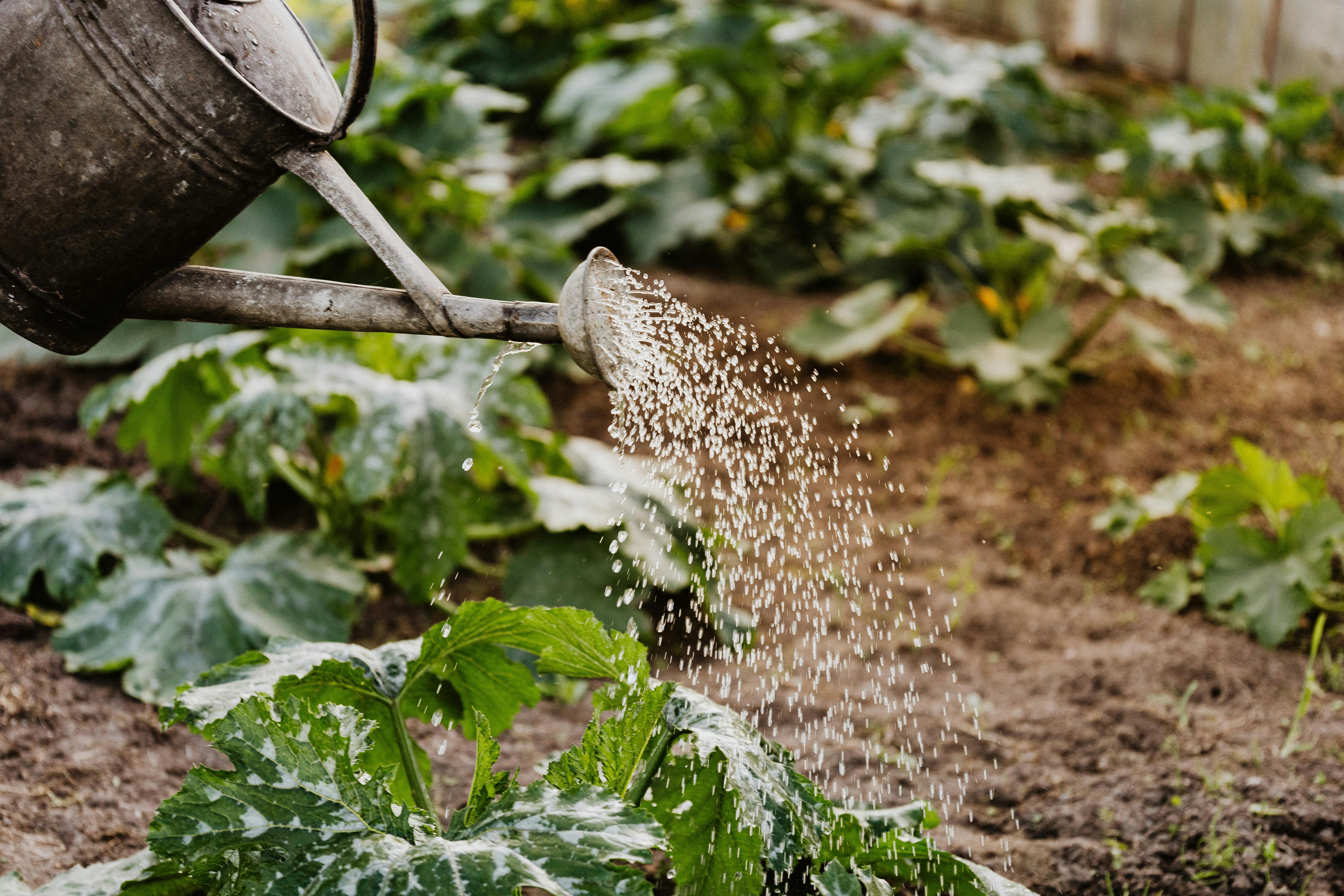
With a smart irrigation system, you can easily adjust the irrigation schedule to suit seasonal changes or specific plant requirements. For example, you can increase watering during hot summer months or decrease it during periods of rainfall. Adjusting the schedule ensures that plants receive the right amount of water at the right time, promoting water efficiency and preventing overwatering.
Integrating Weather Data
Take advantage of the weather integration feature in your smart irrigation system. By incorporating real-time weather data into the watering schedule, the system can automatically adjust irrigation based on current conditions. If rain is expected, the system can skip a watering cycle, saving water and avoiding unnecessary watering.
Setting Zone-Specific Watering
Dividing your garden into different irrigation zones allows for zone-specific watering. Each zone can have its own watering schedule and duration based on the unique needs of the plants in that area. Zone-specific watering ensures that plants are not overwatered or underwatered, leading to healthier and more vibrant landscaping.
Implementing Rain Delay Feature
Most smart irrigation systems offer a rain delay feature that automatically postpones watering when rain is detected. This feature prevents wasteful watering during or immediately after rainfall. By utilizing the rain delay feature, you can ensure that your plants receive sufficient water without contributing to water waste.
Adding Flexibility for Manual Control
While smart irrigation systems automate the watering process, it’s essential to have the option for manual control. In case of specific watering needs or emergencies, the system should allow for manual activation or adjustment of watering schedules. The ability to override automated settings provides flexibility and ensures that your plants receive the care they need, regardless of the predefined schedule.
Monitoring and Managing Water Usage
Accessing Data via Smartphone App
Many smart irrigation systems come with a smartphone app that allows you to access data related to your water usage. Through the app, you can monitor real-time water consumption, track watering schedules, and receive notifications or alerts. The app provides convenient access to essential information, enabling you to manage and optimize your water usage effectively.
Analyzing Water Consumption Patterns
By analyzing water consumption patterns, you can gain insights into your garden’s specific needs and identify opportunities for further water efficiency improvements. Smart irrigation systems often provide data on water usage per zone, allowing you to identify zones that may require adjustments to watering schedules or plant selection.
Identifying and Resolving Issues
Smart irrigation systems make it easier to identify potential issues with your irrigation system. By monitoring data and system performance, you can quickly identify leaks, malfunctioning valves, or other issues that may lead to water waste. Timely detection and resolution of these issues help maintain efficient water usage and prevent damage to your garden.
Tracking Water Savings
Monitoring and tracking water savings is an excellent way to gauge the effectiveness of your smart irrigation system. By comparing water consumption before and after system installation, you can quantify the amount of water saved. This information not only demonstrates the environmental impact but also serves as a reminder of the system’s value and its positive effect on your water bills.

Maintenance and Troubleshooting
Regular System Inspections
Regular inspections are essential to ensure the proper functioning of your smart irrigation system. Inspect valves, sprinklers, and sensors for any signs of damage or wear. Check for leaks, loose connections, or blockages that may affect the system’s performance. Regular inspections help catch potential issues early and prevent any disruptions to your irrigation system.
Cleaning and Replacing Sensors
Keep the sensors clean and free from debris to ensure accurate readings. Regularly check the sensors for any accumulation of dirt, leaves, or other obstructions. If necessary, clean the sensors gently using a soft cloth or brush. If a sensor becomes damaged or unreliable, replace it promptly to maintain the system’s effectiveness.
Clearing Clogged Sprinklers
Over time, sprinklers can become clogged with debris, affecting water distribution and coverage. To prevent this, periodically clean the nozzles and screens of sprinklers to remove any buildup. Check for clogs and obstruction in the system and clear them to ensure efficient water distribution.
Updating Software and Firmware
To take advantage of the latest features and improvements, ensure that you regularly update the software and firmware of your smart irrigation system. Manufacturers often release updates to enhance system performance, address any bugs, or introduce new functionalities. Keeping your system up to date will ensure that you continue to enjoy the full benefits of your smart irrigation system.
Troubleshooting Common Problems
Even with proper maintenance, issues may occasionally arise with your smart irrigation system. Common problems may include connectivity issues, sensor calibration, or software glitches. Refer to the manufacturer’s troubleshooting guide or seek assistance from customer support to resolve these issues promptly. Addressing problems promptly ensures that your system continues to operate optimally and delivers the expected benefits.
Additional Tips for Water Efficiency
Choosing Drought-Tolerant Plants
Optimizing water efficiency goes beyond using a smart irrigation system. Selecting drought-tolerant plants suited to your climate can significantly reduce water requirements. These plants have evolved to thrive with minimal water and can withstand dry spells without suffering significant stress. Incorporating drought-tolerant plants in your garden will complement the efforts of your smart irrigation system and result in further water savings.
Implementing Mulching Techniques
Mulching is a tried-and-tested technique for retaining soil moisture and reducing water evaporation. Apply a layer of organic mulch around the base of your plants to lock in moisture, moderate soil temperature, and suppress weed growth. Mulching helps reduce the frequency of watering and promotes water conservation by preventing water loss through evaporation.
Minimizing Evaporation
During hot and dry weather conditions, water can evaporate quickly before it reaches plant roots. To minimize evaporation and maximize water absorption, adjust your watering schedule to early morning or late afternoon when temperatures are lower and sunlight intensity is reduced. By timing your watering strategically, you can ensure that more water reaches the plants and is not lost to evaporation.
Utilizing Smart Watering Techniques
In addition to using a smart irrigation system, employ smart watering techniques to further maximize water efficiency. These techniques include deep watering, which encourages plants to develop deep root systems, reducing their dependence on frequent watering. Avoiding overwatering and adjusting watering durations based on the specific needs of your plants will optimize water usage and promote healthier plants.
Collecting and Utilizing Rainwater
Rainwater harvesting is an eco-friendly practice that can supplement your irrigation needs. Install rain barrels or a rainwater collection system to capture rainwater runoff from your roof. This collected water can be used for watering your plants during dry periods, reducing the need for tap water. Rainwater is naturally pure and lacks the chemicals found in tap water, making it beneficial for the health of your plants.
Potential Challenges and Limitations
Initial Cost and Investment
While smart irrigation systems offer numerous benefits, there is an initial cost associated with installation. The cost of the system, including sensors, controllers, valves, and sprinklers, can vary depending on the size of your garden and the complexity of the system. However, it’s important to consider the long-term cost savings and water conservation benefits when evaluating the investment in a smart irrigation system.
Compatibility with Existing Systems
Every garden is unique, and existing irrigation infrastructure may differ from one garden to another. It’s essential to ensure that the smart irrigation system you choose can seamlessly integrate with your existing water source, valves, and sprinklers. Compatibility issues may require additional modifications or upgrades to your irrigation system, adding to the overall cost and installation complexity.
Reliability of Sensors and Connectivity
Smart irrigation systems rely on sensors and wireless connectivity to function efficiently. Problems with sensor accuracy, reliability, or connectivity can affect the system’s performance. While advancements in technology have improved sensor reliability, occasional malfunctions or signal interference can occur. It’s important to choose a reputable brand and system with positive reviews for sensor and connectivity reliability.
Learning Curve and Technical Support
Using a smart irrigation system involves a learning curve, especially during the initial setup and programming stages. Familiarizing yourself with the system’s features and functionalities may require some time and patience. Fortunately, most manufacturers provide user manuals, online resources, and customer support to assist you in navigating any technical challenges or questions. Taking advantage of these resources will help you maximize the benefits of your smart irrigation system.
Adapting to Changing Garden Needs
As your garden evolves and changes, your irrigation needs may also shift. Plants may grow larger, trees may cast more shade, or you may introduce new species with different watering requirements. It’s important to regularly assess and adjust your smart irrigation system to accommodate these changes. This may involve reevaluating zone configurations, adjusting sensor settings, or adding additional components to ensure optimal water efficiency.
Conclusion
Smart irrigation systems offer numerous benefits for gardeners looking to maximize water efficiency and simplify the watering process. By conserving water, reducing costs, saving time, and promoting optimal plant health, these systems are an excellent investment for any garden. When choosing a smart irrigation system, it’s important to assess your garden’s needs, research available options, and consider compatibility and customer reviews. Installation involves identifying a water source, mapping out zones, and installing sensors, valves, and sprinklers. Programmable settings allow for efficient watering, while monitoring and managing water usage help track savings and identify potential issues. Maintenance and troubleshooting practices ensure the system’s optimal performance, while additional tips for water efficiency complement the efforts of the smart irrigation system. Despite potential challenges and limitations, smart irrigation systems offer a sustainable and convenient solution for efficient garden irrigation. With advancements in technology and ongoing innovations, the future holds even more promising enhancements for smart irrigation systems, further empowering gardeners in their quest for sustainable gardening practices.