

Welcome to “Navigating Landlord-Tenant Laws: A Comprehensive Guide”. In this article, you will discover the vital importance of staying informed and compliant with landlord-tenant laws. By understanding the laws and regulations in place, you can protect your rights as a tenant or landlord, avoid legal trouble, and maintain a positive landlord-tenant relationship. Let’s dive in and explore the essential information you need to navigate the complex world of landlord-tenant laws with ease. Have you ever found yourself wondering about your rights and responsibilities as a tenant or a landlord? Navigating landlord-tenant laws can sometimes feel like a complex and overwhelming task. From understanding rental agreements to handling security deposits, there are many aspects to consider. In this comprehensive guide, we will break down key information and provide you with the tools you need to stay informed and compliant with landlord-tenant laws.
Understanding Landlord-Tenant Laws: The Basics
When it comes to renting a property, both tenants and landlords have rights and obligations that are governed by state and local laws. These laws are designed to protect the rights of both parties and ensure fair and transparent dealings. As a tenant or landlord, it is crucial to have a good understanding of these laws to avoid potential disputes or legal issues down the road.
Your Rights as a Tenant
As a tenant, you have certain rights that are protected by law. These rights include the right to a habitable living space, the right to privacy, the right to a return of your security deposit, and the right to take legal action against your landlord if necessary. It is important to familiarize yourself with these rights and understand how they apply to your specific situation.
Your Responsibilities as a Tenant
Along with rights, tenants also have responsibilities that they must adhere to. These responsibilities typically include paying rent on time, maintaining the property in good condition, and following the terms of the rental agreement. By fulfilling these responsibilities, you can ensure a positive and harmonious relationship with your landlord.
Your Rights as a Landlord
As a landlord, you have rights that allow you to protect your property and ensure that tenants adhere to the terms of the rental agreement. These rights include the right to collect rent, the right to evict tenants for non-payment or lease violations, and the right to enter the property for maintenance and repair purposes. Understanding these rights will help you effectively manage your rental property.
Your Responsibilities as a Landlord
Being a landlord comes with a set of responsibilities that must be fulfilled to maintain a good landlord-tenant relationship. These responsibilities may include providing a safe and habitable living space, making necessary repairs in a timely manner, and returning security deposits within the required time frame. By meeting these responsibilities, you can establish trust with your tenants and ensure compliance with landlord-tenant laws.
Rental Agreements: Key Terms and Considerations
Rental agreements are legally binding contracts that outline the terms of the rental arrangement between a landlord and tenant. It is essential for both parties to carefully review and understand the terms of the agreement before signing to avoid misunderstandings or disputes in the future.
Key Terms in a Rental Agreement
Rental agreements typically contain key terms that specify the rights and responsibilities of both the landlord and tenant. Some of the key terms that you may find in a rental agreement include:
- Lease term: The duration of the rental agreement, usually stated in months or years.
- Rent amount: The monthly rent that the tenant is required to pay.
- Security deposit: A refundable deposit paid by the tenant to cover any damages or unpaid rent.
- Maintenance responsibilities: The responsibilities of both parties regarding maintenance and repairs.
- Lease renewal options: The conditions under which the lease can be renewed or terminated.
Considerations Before Signing a Rental Agreement
Before signing a rental agreement, it is important to consider certain factors to protect your interests. Some key considerations include:
- Reading the agreement thoroughly to ensure that you understand all terms and conditions.
- Clarifying any ambiguous or unclear clauses with the landlord before signing.
- Negotiating any changes or additions to the agreement that are important to you.
- Keeping a copy of the signed agreement for your records.
By being proactive and thorough in reviewing the rental agreement, you can avoid potential disputes and ensure a smooth rental experience.

This image is property of images.unsplash.com.
Security Deposits: What You Need to Know
Security deposits are often required by landlords to protect against any damages or unpaid rent that may occur during the tenancy. Understanding the rules and regulations surrounding security deposits is crucial for both landlords and tenants to avoid disputes and legal issues.
Limits on Security Deposits
State and local laws typically set limits on the amount that landlords can charge for security deposits. These limits are designed to prevent excessive charges and protect tenants from unreasonable financial burdens. It is important to be aware of these limits and ensure compliance when requesting or returning security deposits.
Security Deposit Returns
Upon the termination of a lease, landlords are required to return the security deposit to the tenant within a specified timeframe. This timeframe varies by state but is usually between 14 to 30 days. Landlords must provide an itemized list of any deductions made from the security deposit, along with receipts for repairs or cleaning services performed.
Using the Security Deposit
Landlords are only allowed to use the security deposit for certain purposes, such as covering unpaid rent, repairing damages beyond normal wear and tear, or cleaning the property after the tenant moves out. It is illegal for landlords to withhold the security deposit without a valid reason or to use it for personal expenses.
Disputes Over Security Deposits
If a dispute arises over the security deposit, landlords and tenants can seek resolution through mediation or small claims court. Providing documentation, such as photos of the property before and after the tenancy, receipts for repairs, and communications with the other party, can help support your case in a dispute.
Evictions: Understanding the Process
Evictions are legal proceedings in which a landlord seeks to remove a tenant from the rental property for specific reasons, such as non-payment of rent or lease violations. Knowing the eviction process and requirements is crucial for both landlords and tenants to protect their rights and avoid unnecessary conflicts.
Grounds for Eviction
Landlords can evict tenants for a variety of reasons, including:
- Non-payment of rent
- Violation of lease terms
- Property damage
- Illegal activities on the premises
- Failure to vacate after the lease term expires
It is important for landlords to have valid grounds for eviction and follow the legal process outlined in state and local laws.
Eviction Notice
Before filing for eviction, landlords are required to provide tenants with a written eviction notice. This notice typically outlines the reason for the eviction, the timeframe for compliance, and any steps the tenant can take to remedy the situation. The notice must be served in accordance with state laws and give the tenant a reasonable opportunity to address the issue.
Eviction Proceedings
If the tenant fails to comply with the eviction notice, the landlord can file for eviction with the local court. Both parties will have the opportunity to present their case, and a judge will make a decision based on the evidence provided. It is essential for landlords and tenants to follow the court’s instructions and cooperate throughout the eviction process.
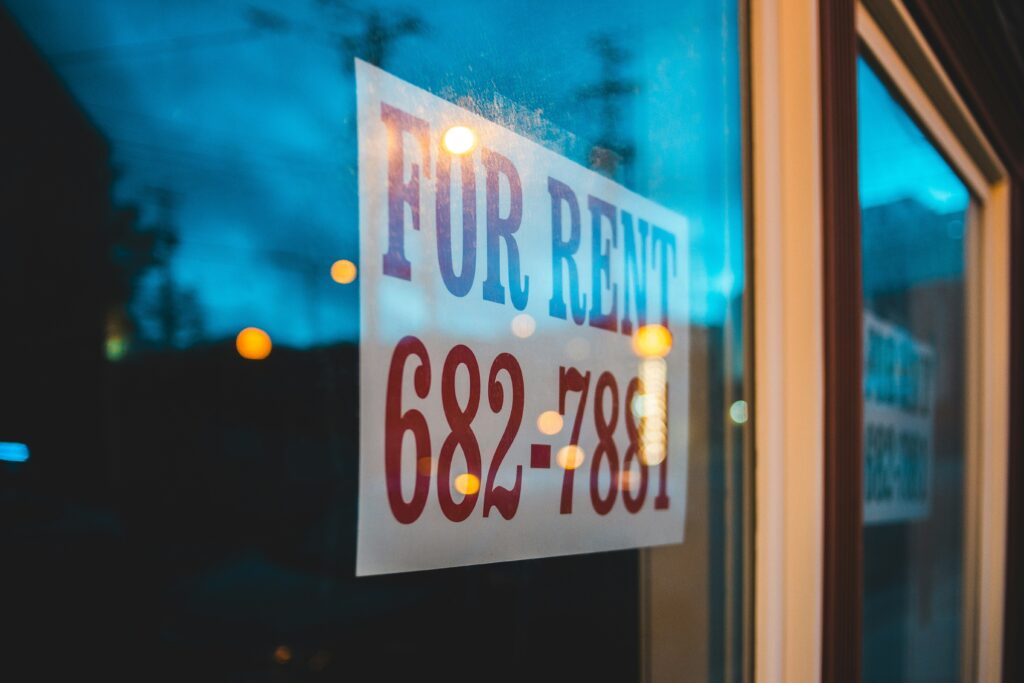
This image is property of images.unsplash.com.
Lease Renewals and Terminations: Knowing Your Options
At the end of a lease term, both landlords and tenants have the option to renew the lease or terminate the tenancy. Understanding the lease renewal and termination process is essential for planning ahead and avoiding misunderstandings between the parties.
Lease Renewal Options
When a lease is nearing its expiration, landlords and tenants can choose to renew the lease for another term. The terms of the renewal, such as rent amount, lease duration, and maintenance responsibilities, can be renegotiated by both parties. It is important to communicate effectively and reach a mutual agreement on the renewal terms.
Lease Termination Procedures
If either party wishes to terminate the lease at the end of the term, certain procedures must be followed to ensure a smooth transition. Landlords are typically required to provide tenants with a written notice of non-renewal within a specified timeframe, usually 30 to 60 days before the lease expiration date. Tenants may also be required to provide notice if they intend to move out at the end of the lease term.
Moving Out Procedures
When moving out of a rental property, tenants must follow specific procedures to avoid potential disputes or legal issues. These procedures may include:
- Giving the landlord notice of intent to vacate within the required timeframe.
- Completing a move-out inspection with the landlord to document the condition of the property.
- Returning the keys and making arrangements for the return of the security deposit.
By following these procedures, both landlords and tenants can ensure a smooth transition at the end of the lease term.
Legal Resources for Landlord-Tenant Disputes
In the event of a landlord-tenant dispute that cannot be resolved through communication or mediation, there are legal resources available to help both parties seek resolution. Understanding these resources and knowing how to access them can be crucial in protecting your rights and navigating complex legal issues.
Legal Aid Organizations
Legal aid organizations offer free or low-cost legal services to tenants and landlords who are facing legal issues related to their rental property. These organizations typically provide legal advice, representation in court, and resources for self-help legal remedies. Contacting a legal aid organization can be a valuable resource in resolving disputes or seeking legal guidance.
Small Claims Court
Small claims court is a legal venue where landlords and tenants can file disputes involving a monetary amount below a certain threshold, typically around $5,000. This court provides a simplified and expedited process for resolving disputes without the need for expensive legal representation. Attending small claims court can be an effective way to seek resolution for landlord-tenant disputes.
Mediation Services
Mediation services offer an alternative dispute resolution method in which a neutral third party facilitates communication and negotiation between landlords and tenants. This process allows both parties to discuss their concerns, explore potential solutions, and reach a mutually agreeable resolution. Mediation can be a valuable tool in resolving disputes without the need for court intervention.
Legal Consultation
Seeking legal consultation from a qualified attorney can provide valuable insights and guidance on landlord-tenant laws and legal procedures. An attorney can review your case, answer legal questions, and provide representation in court if necessary. By consulting with an attorney, you can ensure that your rights are protected and receive expert advice on navigating complex legal issues.

This image is property of images.unsplash.com.
Conclusion
Navigating landlord-tenant laws can be a complex and challenging task, but with the right knowledge and resources, you can ensure that you stay informed and compliant. By understanding your rights and responsibilities as a tenant or landlord, reviewing and negotiating rental agreements, and knowing the procedures for security deposits, evictions, and lease renewals, you can protect your interests and avoid unnecessary conflicts. Remember to seek legal resources and support if you encounter disputes or legal issues that require professional assistance. By staying informed and proactive, you can navigate landlord-tenant laws with confidence and clarity.