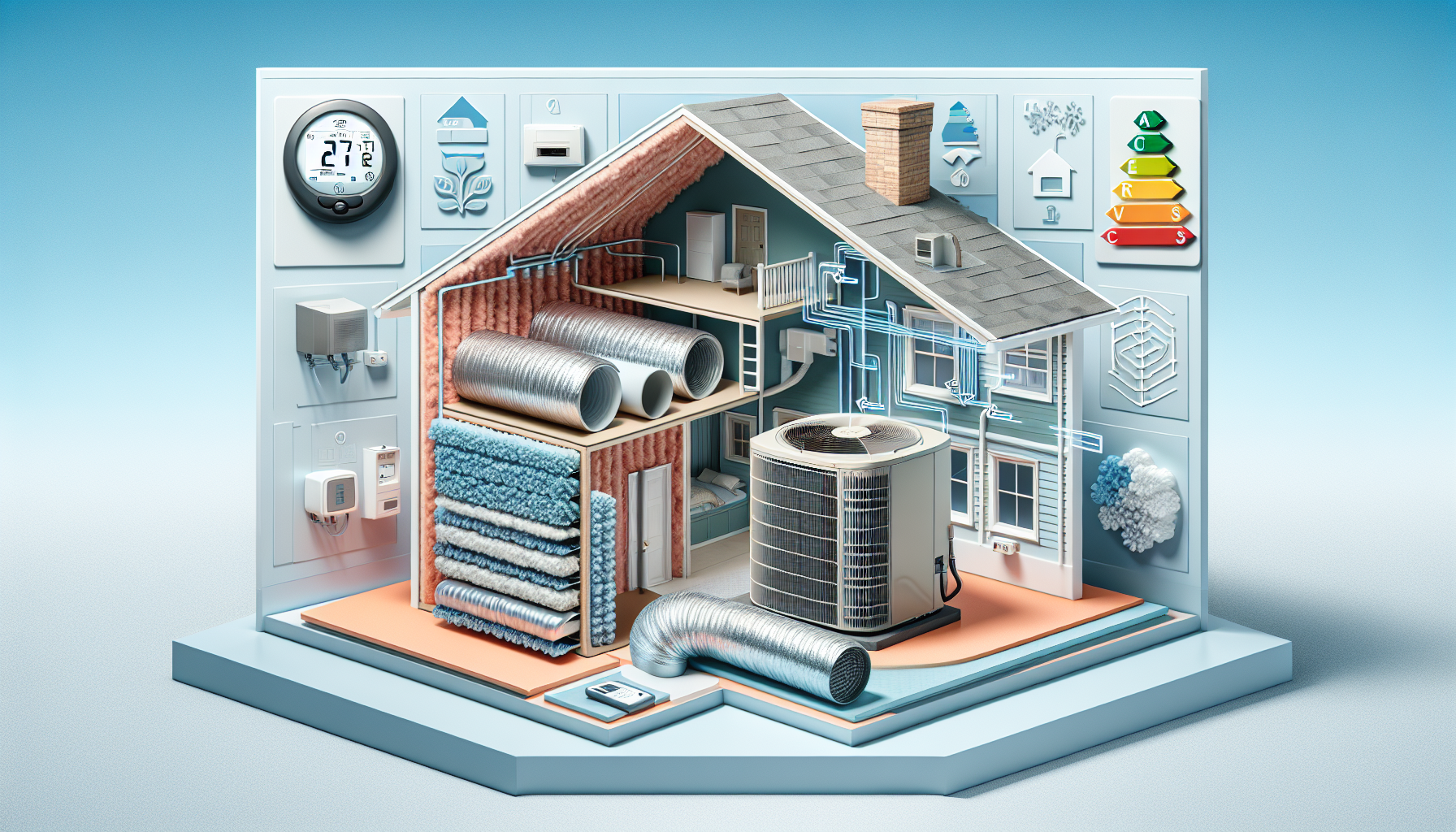
What’s The Best Strategy For Setting A Rental Property Viewing?

Finding the perfect rental property can be an exciting but sometimes overwhelming experience. With so many options available, it can be difficult to know where to start. That’s why having a clear strategy for setting up property viewings is essential. Whether you’re a seasoned renter or a first-timer, this article will guide you through the best approach to ensure you make the most of your viewing experience. So, put on your comfortable shoes and get ready to embark on a journey to find your dream rental property.

Preparation for Rental Property Viewing

Research the Rental Market

Before setting up a rental property viewing, it is important to research the rental market in your desired area. Take the time to understand current rental prices, the availability of properties, and any specific rental trends. This will give you a better idea of what to expect and help you make a more informed decision.

Define Your Criteria and Budget

Before scheduling any appointments, it is crucial to define your criteria and establish a budget for your rental property. Consider factors such as the number of bedrooms and bathrooms you require, desired amenities, and any specific location preferences. Additionally, determine the maximum amount you are willing to spend on rent each month. Having a clear understanding of your criteria and budget will ensure you are focused when viewing properties.

Schedule Appointments

Once you have identified potential rental properties that meet your criteria, it’s time to schedule appointments with landlords or property managers. Call or email to set up a time that works for both parties. It is advisable to schedule multiple viewings in one day to maximize your time and compare properties effectively.

Prepare Questions

Before heading out to view a rental property, it is essential to prepare a list of questions to ask the landlord or property manager. This will help you gather all the necessary information and make an informed decision. Consider asking about lease terms, maintenance responsibilities, and any specific rules or regulations. It’s also a good idea to inquire about the neighborhood and any nearby amenities.

Creating a Checklist for Rental Property Viewing

Exterior Inspection

When you arrive at the rental property, start by conducting an exterior inspection. Look for any signs of damage, such as cracks in the foundation or peeling paint. Take note of the overall condition of the property and assess its curb appeal. Additionally, pay attention to the surrounding area, including the condition of neighboring properties and the general cleanliness of the neighborhood.

Interior Inspection

Once you have assessed the exterior of the property, it’s time to move inside and conduct an interior inspection. Pay close attention to the condition of the walls, floors, and ceiling. Check for any signs of water damage, mold, or pests. Test all the lights and appliances to ensure they are in working order. Evaluate the overall cleanliness and functionality of each room.

Utilities and Amenities

During the viewing, inquire about the utilities and amenities included with the rental property. Ask about the availability of utilities such as electricity, water, and gas. Additionally, find out if any appliances are provided, such as a washer and dryer or refrigerator. It is important to have a clear understanding of what is included in the rental agreement to avoid any surprises later on.

Neighborhood Assessment

As you view the property, take the time to assess the neighborhood as well. Consider factors such as proximity to schools, grocery stores, and public transportation. Take note of the noise level and the general atmosphere of the area. Understanding the neighborhood will help you determine if it is a good fit for your lifestyle and needs.

Whats The Best Strategy For Setting A Rental Property Viewing?

This image is property of images.pexels.com.

During the Rental Property Viewing

Arrive on Time

One of the most important things to remember when attending a rental property viewing is to arrive on time. This shows respect for the landlord or property manager’s time and professionalism. It also allows you to make the most of the allocated viewing time and properly assess the property.

Take Notes and Photos

While viewing the rental property, it is essential to take detailed notes and photos. These will serve as a reference when comparing properties later on. Note any flaws or issues that you come across, as well as any positive features that stand out. Taking photos will help jog your memory and provide a visual reference when making your final decision.

Inspect Each Room Thoroughly

When viewing the property, be sure to inspect each room thoroughly. Open cupboards and closets to check for storage space. Test all faucets and toilets to ensure they are functioning properly. Pay attention to the condition of the flooring and windows. Take note of any potential maintenance or repair needs that may arise.

Evaluate the Property’s Condition

As you inspect each room, evaluate the overall condition of the property. Consider factors such as cleanliness, maintenance, and any visible signs of wear and tear. Assess whether the property is move-in ready or if it would require any repairs or upgrades. Taking the time to evaluate these aspects will help you make an informed decision about the rental property.

Communicating with the Landlord or Property Manager

Ask Relevant Questions

During the rental property viewing, make sure to ask relevant questions to the landlord or property manager. Inquire about any specific concerns or requirements you may have. Ask about the lease terms, including the duration of the lease and any potential rent increases. It is important to gather all the necessary information to ensure you are making the right decision.

Discuss Lease Terms and Conditions

Once you have viewed the property and have a better understanding of its condition, it’s time to discuss the lease terms and conditions with the landlord or property manager. Clarify any doubts you may have about the rental agreement and ensure you are comfortable with the terms before proceeding.

Verify Maintenance Responsibilities

During the conversation with the landlord or property manager, it’s crucial to verify maintenance responsibilities. Ask about who is responsible for repairs and maintenance in the rental property. Clarify any specific requirements or limitations regarding maintenance to avoid any misunderstandings in the future.

Understand Rental Application Process

Before finalizing the rental property, make sure to understand the rental application process. Inquire about any necessary documentation or requirements to complete the application. Clarify the timeline for approval and any potential fees associated with the application. Understanding the process will help you navigate it smoothly and increase your chances of securing the rental property.

Whats The Best Strategy For Setting A Rental Property Viewing?

This image is property of images.pexels.com.

Post-Viewing Evaluation and Comparison

Review Your Notes and Photos

After viewing multiple rental properties, take the time to review your notes and photos. Recall the details of each property and compare them against your criteria and budget. Look for any standout features or potential drawbacks that may influence your decision.

Consider Pros and Cons

Consider the pros and cons of each rental property you viewed. Assess the suitability of each property based on factors such as location, amenities, and condition. Evaluate the impact each property would have on your lifestyle and make a list of the pros and cons to aid in your decision-making process.

Compare with Other Rental Properties

When evaluating the rental properties, make sure to compare them with each other. Consider the similarities and differences between the properties and assess their relative strengths and weaknesses. This comparison will help you narrow down your options and select the most suitable rental property.

Make a Decision

After careful consideration and comparison, it’s time to make a decision. Select the rental property that best aligns with your criteria, budget, and lifestyle. Reach out to the landlord or property manager to inform them of your decision and initiate the next steps in securing the rental property.

Negotiating and Securing the Rental Property

Prepare Necessary Documentation

Once you have chosen a rental property, prepare any necessary documentation to secure the rental agreement. This may include proof of income, personal references, and a completed rental application form. By having these documents ready, you can streamline the process and increase your chances of securing the property.

Negotiate Rental Terms

Before signing the rental agreement, it is possible to negotiate rental terms with the landlord or property manager. This may include discussing rent prices, lease duration, or any specific requests or concerns you may have. Keep in mind that negotiations should be done respectfully and within reason.

Confirm Move-In Date and Additional Costs

During the negotiation process, confirm the move-in date and any additional costs associated with the rental property. Inquire about security deposits, pet fees, or any other expenses that may arise. Clarify the payment process and ensure you have a clear understanding of your financial obligations.

Sign the Rental Agreement

Once all terms have been agreed upon and any necessary negotiations have taken place, it’s time to sign the rental agreement. Carefully read through the agreement to ensure you understand all the terms and conditions. Seek clarification on any unclear points before officially signing the document.

Whats The Best Strategy For Setting A Rental Property Viewing?

This image is property of images.pexels.com.

Finalizing the Rental Property Viewing

Inspect the Property Before Moving In

Before moving into the rental property, conduct a final inspection to ensure it is in the same condition as when you viewed it. Take note of any changes or damages that may have occurred since your initial viewing. This will help protect your security deposit and establish a baseline for the property’s condition.

Pay the Security Deposit and First Month’s Rent

To finalize the rental property viewing, make sure to pay the required security deposit and first month’s rent. Confirm the payment method and any associated deadlines. Timely payment will demonstrate your commitment to the rental agreement and ensure a smooth move-in process.

Set Up Utilities and Services

Before moving into the rental property, it is crucial to set up utilities and services in your name. Contact the relevant service providers to schedule installations or transfers. Ensure that electricity, water, internet, and any other necessary utilities will be available on the move-in date.

Complete the Move-In Process

The final step in finalizing the rental property viewing is completing the move-in process. Coordinate with the landlord or property manager to schedule the move-in date and obtain the keys to the property. Make sure to inspect the property one last time before moving in any belongings to ensure a smooth transition.

Common Mistakes to Avoid During Rental Property Viewings

Not Conducting Adequate Research

One common mistake when setting up rental property viewings is not conducting adequate research beforehand. Failing to research the rental market and understand current prices and trends can lead to uninformed decisions and potentially overpaying for a rental property.

Failing to Define Your Requirements

Another mistake is not clearly defining your requirements and budget. Without a clear understanding of what you need and how much you can afford, it becomes difficult to narrow down your options and make an informed decision during the viewing process.

Neglecting to Inspect Important Areas

Neglecting to thoroughly inspect important areas of the rental property can lead to unwanted surprises later on. It is essential to check for any signs of damage, pests, or required repairs. Failing to do so may result in unexpected expenses or issues during your tenancy.

Rushing the Decision-Making

Rushing the decision-making process is a common mistake when viewing rental properties. It is important to take the time to carefully evaluate each property, compare them against your criteria, and consider any pros and cons. Rushing the process can lead to regrettable decisions or missed opportunities.

Whats The Best Strategy For Setting A Rental Property Viewing?

Maximizing Your Rental Property Viewing Experience

Be Organized and Prepared

To maximize your rental property viewing experience, be organized and prepared. Have a clear understanding of your criteria and budget, and create a checklist of questions to ask during the viewing. Keep all notes and photos in one place for easy reference when comparing properties later on.

Bring a Trusted Companion

Bringing a trusted companion, such as a friend or family member, can provide an additional perspective during the rental property viewing. They may notice things you missed or offer valuable insights. Having a second opinion can help you make a more informed decision.

Don’t Be Afraid to Ask Questions

During the viewing, don’t be afraid to ask questions. The more information you have, the better equipped you will be to make an informed decision. Ask about anything that concerns you or that you need clarification on. The landlord or property manager should be transparent and willing to provide all necessary information.

Trust Your Instincts

Finally, trust your instincts when viewing a rental property. If something doesn’t feel right or if you have any reservations, it may be a sign that the property is not the right fit for you. Trusting your instincts can help you avoid potential problems down the line and find a rental property that truly meets your needs.

Conclusion

Setting up rental property viewings requires careful preparation, thorough evaluation, and effective communication. By conducting research, defining your criteria, and scheduling appointments, you can streamline the viewing process and make the most of your time. During the viewings, be thorough in your inspections, ask relevant questions, and communicate your expectations. After evaluating and comparing the properties, make a decision, negotiate rental terms, and finalize the agreement. By avoiding common mistakes, maximizing your viewing experience, and trusting your instincts, you can find the perfect rental property that meets your needs and enhances your living experience.


Whats The Best Strategy For Setting A Rental Property Viewing?

What’s The Best Approach To A Kitchen Backsplash Renovation?

Are you tired of staring at the same old, boring backsplash in your kitchen? Well, you’re in luck! In this article, we will explore various approaches to renovating your kitchen backsplash to help you transform your space into a stylish and functional masterpiece. From choosing the right materials to considering your personal style and budget, we’ve got you covered. So let’s roll up our sleeves, grab a paintbrush or tiles, and get ready to create a backsplash that will make your kitchen the envy of all your friends and neighbors!

Choosing the Right Material

Ceramic tiles

When it comes to choosing the right material for your kitchen backsplash, ceramic tiles are a popular choice. With their versatility and durability, ceramic tiles offer a range of benefits. They come in a wide variety of colors, sizes, and textures, making it easy to find the perfect option to match your kitchen decor. Ceramic tiles are also relatively affordable, making them an excellent choice for those on a budget. Additionally, they are moisture-resistant, which is crucial in a kitchen where spills and splashes are inevitable.

Glass tiles

For a sleek and modern look, glass tiles are worth considering. Glass tiles are known for their ability to reflect light, giving your kitchen a bright and airy feel. With a wide range of colors and finishes available, you can create a unique and eye-catching backsplash design. Glass tiles are also non-porous, which means they are resistant to stains and easy to clean. However, it’s essential to note that glass tiles can be more expensive than other options and may require professional installation.

Natural stone

If you’re looking to add a touch of elegance and luxury to your kitchen, natural stone tiles are an excellent choice. There are various types of natural stone available, such as marble, granite, and travertine, each with its unique characteristics and patterns. Natural stone tiles can give your kitchen a timeless and sophisticated look but can be more challenging to maintain compared to other materials. They require regular sealing to prevent stains and scratches. It’s important to consider the maintenance requirements before committing to natural stone tiles.

Metal tiles

For a modern and industrial vibe, metal tiles are an exciting option to consider for your kitchen backsplash. From stainless steel to copper to aluminum, metal tiles can add a unique and contemporary touch to your kitchen design. Metal tiles are not only durable but also resistant to heat and moisture, making them ideal for a high-traffic area like the kitchen. They are relatively easy to clean and maintain, making them a practical choice for homeowners looking for a low-maintenance backsplash option. However, it’s important to note that metal tiles can be more expensive compared to other materials.

Tile alternatives

If you’re looking for something different from traditional tile options, there are several alternatives worth exploring. These include options such as brick veneer, peel-and-stick tiles, or even reclaimed wood. Brick veneers can give your kitchen a rustic and charming look, while peel-and-stick tiles offer a hassle-free installation process. Reclaimed wood provides a unique and eco-friendly option, adding warmth and character to your kitchen space. When considering alternatives to traditional tiles, it’s important to assess their durability, maintenance requirements, and compatibility with your kitchen’s overall design.

Considering the Budget

Determining the cost

Before embarking on a kitchen backsplash renovation, it’s crucial to determine your budget. The cost of materials, labor, and additional supplies can vary significantly, depending on the options you choose. Researching and calculating the potential costs will help you stay within your budget and avoid any surprises along the way. Consider factors such as the cost per square foot of the chosen material, the complexity of the design, and whether you plan on hiring a professional or doing the installation yourself.

Exploring cost-effective options

If you’re working with a limited budget, don’t worry – there are several cost-effective options available for your kitchen backsplash renovation. For example, ceramic tiles are often more affordable compared to natural stone or glass tiles, while still offering a wide range of design possibilities. Another cost-effective option is to use subway tiles, which are a classic and timeless choice that won’t break the bank. You can also look into discounted or clearance tiles, which can be found at local home improvement stores or online. Remember, with some creativity and careful planning, you can achieve a stunning backsplash without breaking the bank.

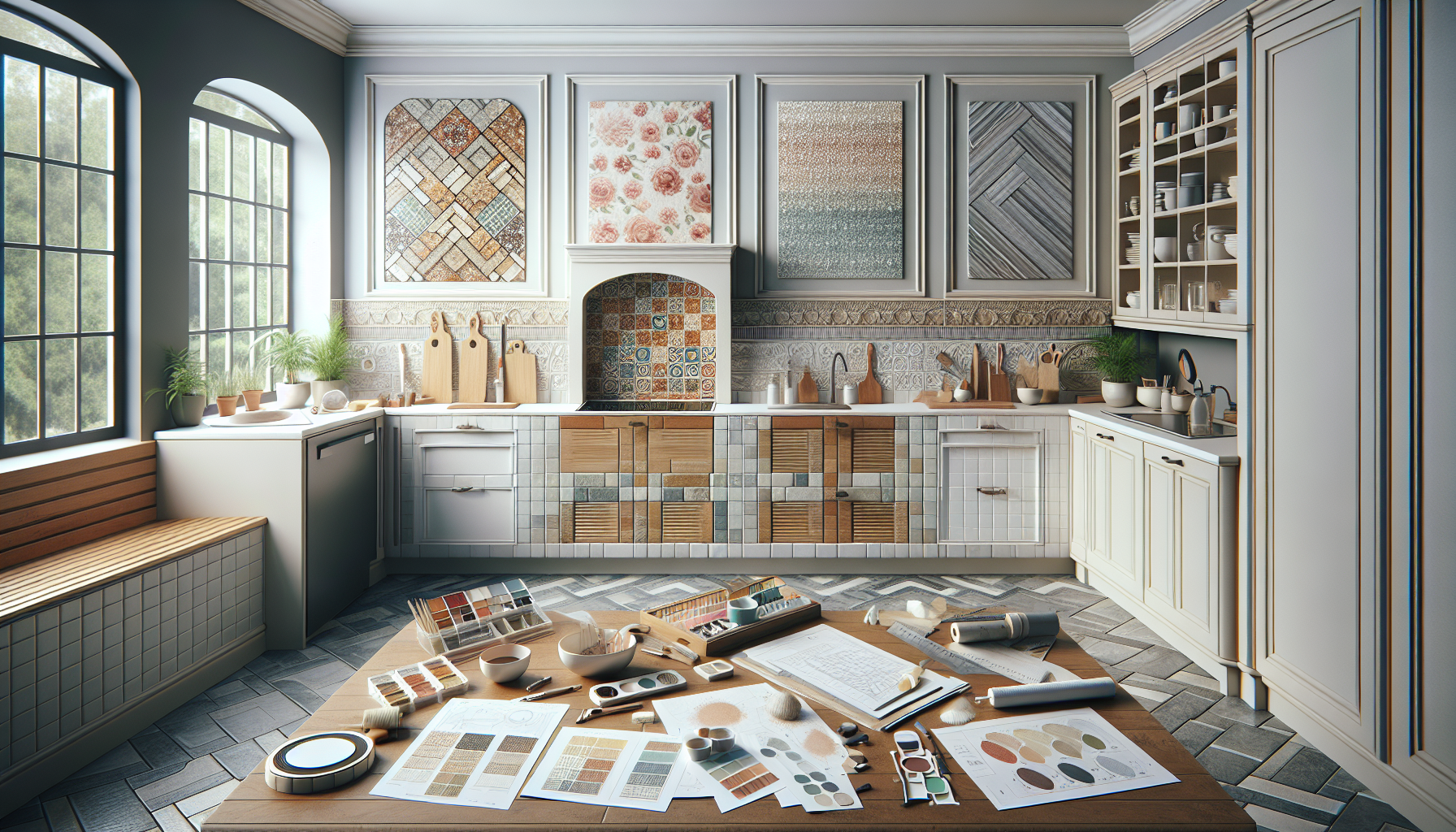
Whats The Best Approach To A Kitchen Backsplash Renovation?

This image is property of images.pexels.com.

Assessing the Style and Design

Modern and sleek

If your kitchen has a contemporary design, you’ll want a backsplash that complements this style. Opt for materials such as glass tiles or stainless steel, which offer a sleek and modern look. Consider choosing a monochromatic color scheme or using metallic accents to create a visually stunning backsplash. You can also experiment with patterns and textures to add visual interest and create a focal point in your kitchen.

Traditional and timeless

For a more traditional and timeless look, consider using ceramic or natural stone tiles. Classic subway tiles are a popular choice for creating a timeless backsplash design. They come in various sizes and colors, allowing you to customize the look to match your kitchen’s style. To enhance the traditional feel, you can opt for a brick pattern or add a decorative border. Natural stone tiles, such as marble or travertine, can also add an elegant and sophisticated touch to your kitchen.

Bold and colorful

If you’re looking to make a statement with your kitchen backsplash, consider using bold and vibrant colors. Glass tiles or ceramic tiles in bright, bold shades can create a visually striking backsplash. Mix and match different colors to create a unique and eye-catching design that reflects your personality. Consider using mosaic tiles or geometric patterns to add an extra level of visual interest and create a focal point in your kitchen.

Minimalist and clean

For those who prefer a clean and minimalist aesthetic, consider using neutral colors and clean lines for your kitchen backsplash. Subway tiles in shades of white or light gray are an excellent choice for achieving a minimalist look. You can opt for a monochromatic design or add a subtle pop of color with a contrasting grout. Consider using large-format tiles to create a seamless and streamlined backsplash, contributing to a clean and clutter-free look.

Understanding Durability and Maintenance

Scratch resistance

When choosing a material for your kitchen backsplash, it’s essential to consider its scratch resistance. In a busy kitchen environment, the backsplash is prone to accidental bumps and scratches. Ceramic tiles are generally durable and resistant to scratches, making them a popular choice for many homeowners. Natural stone tiles can vary in their scratch resistance, so it’s important to choose a stone that matches your lifestyle and maintenance preferences. Glass tiles are also resistant to scratches but may require more frequent cleaning to maintain their pristine appearance.

Stain resistance

The kitchen backsplash is exposed to various substances that can cause staining, such as oils, sauces, and spices. Choosing a material with good stain resistance is crucial to maintain the appearance of your backsplash. Glass tiles and ceramic tiles are both resistant to stains, making them easy to clean and maintain. However, natural stone tiles may be more susceptible to staining and require regular sealing to protect against discoloration. It’s important to consider your cooking habits and lifestyle when choosing a material with stain resistance.

Ease of cleaning

Keeping your kitchen backsplash clean and free from grease and food splatters is essential for maintaining a hygienic environment. Ceramic and glass tiles are relatively easy to clean with regular wiping and mild soap and water. Natural stone tiles may require more care, as certain cleaning agents can damage the stone’s surface. It’s important to follow the manufacturer’s recommendations for cleaning and maintenance to ensure the longevity of your backsplash. Consider your cleaning preferences and the level of maintenance you are willing to undertake when choosing a material for your kitchen backsplash.

Sealing requirements

Some materials, such as natural stone tiles, require sealing to protect against stains and moisture. The frequency of sealing depends on the type of stone and the level of use in your kitchen. Regular sealing can be a relatively simple process, but it’s important to factor in the time and effort required for maintenance. Ceramic tiles and glass tiles do not require sealing, which can be a consideration for those looking for a low-maintenance option.

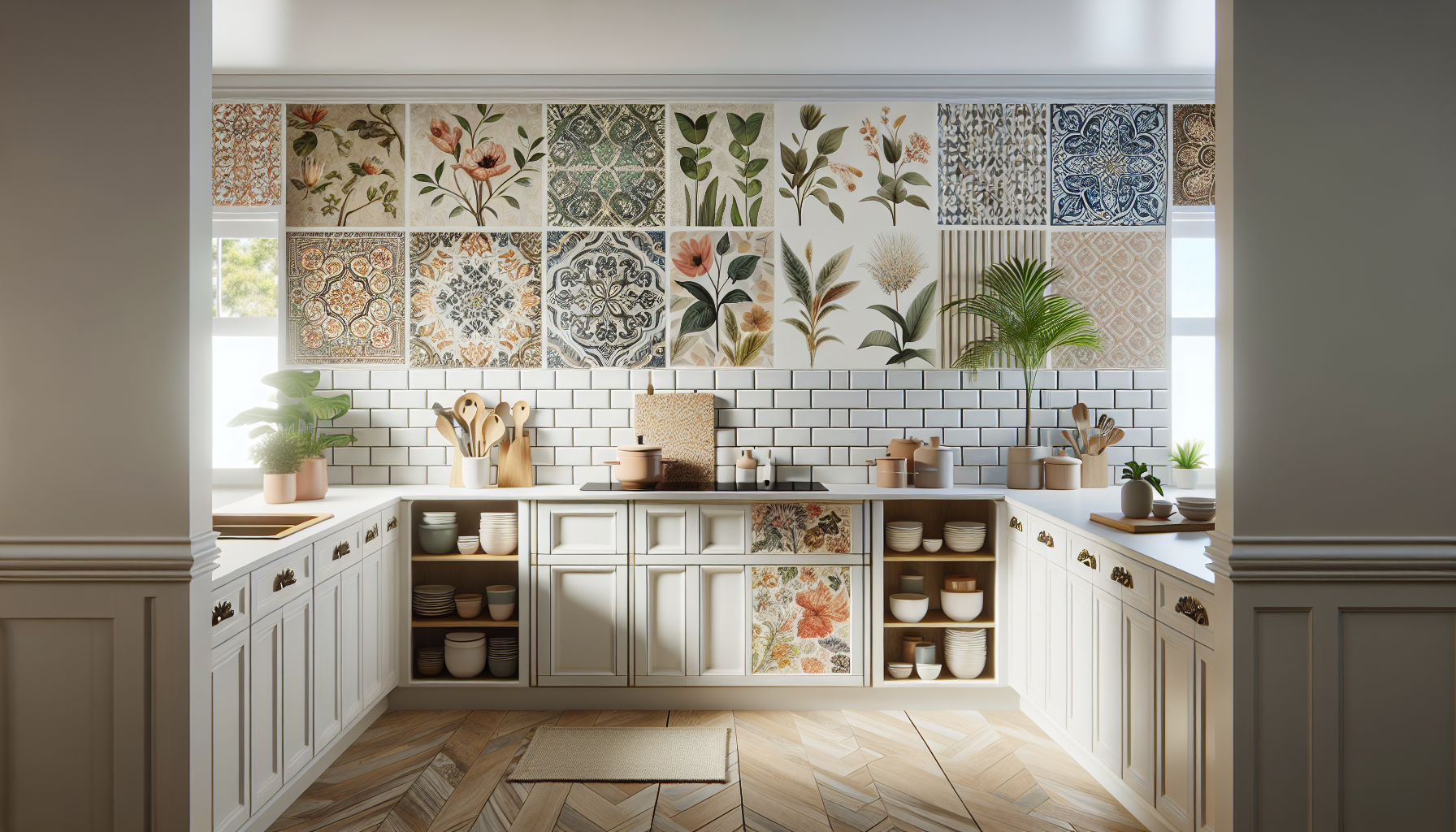
Whats The Best Approach To A Kitchen Backsplash Renovation?

This image is property of images.pexels.com.

Exploring Installation Methods

Traditional mortar and grout

Traditionally, kitchen backsplashes were installed using mortar and grout. This method involves applying a layer of mortar to the wall surface and then affixing the tiles, leaving space for grout lines. Grout is then applied between the tiles to provide stability and water resistance. This installation method requires more time and effort but offers a durable and long-lasting result. It may be more suitable for those experienced in tile installation or those willing to hire a professional.

Adhesive mat

An increasingly popular installation method is the use of adhesive mats. Adhesive mats eliminate the need for mortar and simplify the installation process. The mat is applied to the wall, and the tiles are then adhered to the mat. This method offers a more straightforward and quicker installation, making it suitable for DIY projects. However, it’s important to ensure the wall surface is clean and smooth before applying the adhesive mat for optimal results.

Peel-and-stick

For a hassle-free and temporary backsplash solution, peel-and-stick tiles are an excellent option. These tiles come with a pre-applied adhesive backing, allowing you to simply peel off the backing and stick them to the wall. Peel-and-stick tiles are ideal for renters or those looking for a quick and easy update to their kitchen. They can be easily removed without causing damage to the wall surface. However, it’s important to note that peel-and-stick tiles may not offer the same level of durability as traditional installation methods.

Interlocking panels

Another option for a quick and easy installation is interlocking panels. These panels are designed to fit together seamlessly, eliminating the need for grout or adhesive. Interlocking panels can be made of various materials, such as PVC or metal, providing a range of design options. This installation method is often used for backsplashes in commercial kitchens but can also be a convenient choice for homeowners looking for a DIY-friendly option. It’s important to ensure proper alignment and tight fit between the panels for a professional-looking result.

Evaluating Practicality and Functionality

Heat resistance

In the kitchen, the backsplash is exposed to heat from cooking appliances such as stovetops. It’s essential to choose a material that is heat resistant to prevent damage and discoloration. Ceramic tiles, glass tiles, and metal tiles generally offer good heat resistance, making them suitable for backsplashes near stovetops. It’s important to consider the manufacturer’s recommendations and choose a material that is specifically rated for heat resistance.

Water resistance

The kitchen is a high-moisture environment, with splashes, spills, and steam common occurrences. Choosing a material with good water resistance is crucial to prevent moisture damage and mold growth. Ceramic tiles and glass tiles are known for their water resistance, making them ideal choices for kitchen backsplashes. However, it’s important to ensure proper installation and sealing to maintain the water resistance of any material.

Backsplash height

The height of your kitchen backsplash is an important consideration when choosing materials and design. A standard backsplash height is usually around 18 inches, reaching the bottom of the upper cabinets. However, some homeowners choose to extend the backsplash to the ceiling or use a full-height backsplash for a more dramatic effect. It’s important to consider the overall design of your kitchen and the practicality of cleaning and maintenance when determining the height of your backsplash.

Ease of installation and repair

Consider the level of difficulty involved in installing and repairing your chosen backsplash material. Some materials, such as ceramic tiles or adhesive mats, are relatively straightforward to install, making them suitable for DIY projects. Others, such as natural stone tiles, may require professional installation due to their weight or complexity. Similarly, some materials are easier to repair in case of damage, while others may require more extensive repairs. Assess your level of comfort with DIY projects and the availability of professional help before choosing a material based on ease of installation and repair.

Whats The Best Approach To A Kitchen Backsplash Renovation?

Considering the Existing Kitchen Elements

Cabinet color and style

When choosing a kitchen backsplash, it’s important to consider the color and style of your existing cabinets. The backsplash should complement the cabinets, creating a cohesive and visually appealing design. If you have dark cabinets, consider lighter-colored backsplash tiles to create contrast. For white or light-colored cabinets, you can opt for a backsplash in a similar color family or choose a contrasting color for a bold statement. It’s essential to bring samples of your cabinet color when selecting your backsplash material to ensure a harmonious look.

Countertop material

The countertop material is another crucial element to consider when selecting a kitchen backsplash. The backsplash should coordinate with the countertop, creating a seamless and cohesive look. For example, if you have a granite countertop with intricate patterns, a simpler backsplash design, such as subway tiles, can complement it well. On the other hand, if you have a solid-colored countertop, you can use your backsplash to add visual interest and texture with mosaic or textured tiles. Consider bringing samples of your countertop when selecting your backsplash material to ensure a cohesive design.

Appliance finishes

The finishes of your kitchen appliances can also influence your choice of backsplash material. If you have stainless steel appliances, a metallic backsplash can create a cohesive and modern look. For black or white appliances, consider choosing a material in a similar color family or select a contrasting color for a striking effect. It’s important to consider the overall color scheme and style of your kitchen when selecting your backsplash to ensure a harmonious and balanced design.

Flooring choice

Lastly, it’s important to consider your kitchen flooring when choosing a backsplash material. The backsplash and flooring should work together to create a cohesive and visually appealing design. For example, if you have a sleek and modern kitchen with tile or laminate flooring, a glass or metal backsplash can enhance the contemporary look. If you have hardwood flooring, consider choosing a natural stone or ceramic backsplash for a complementary and timeless design. It’s essential to bring samples of your flooring when selecting your backsplash material to ensure a harmonious integration of the two elements.

Seeking Inspiration from Design Trends

Classic subway tile

Subway tiles have been a timeless and popular choice for kitchen backsplashes for many years. Their simple and rectangular shape can add a clean and classic look to any kitchen. You can opt for the traditional white subway tiles for a clean and neutral look or choose subway tiles in various colors for a more personalized touch. Consider different installation patterns, such as herringbone or vertical stack, to add visual interest to your backsplash design.

Patterned and mosaic tiles

Patterned and mosaic tiles are a great way to add visual interest and personality to your kitchen backsplash. There are endless options when it comes to patterns and colors, allowing you to create a truly unique and eye-catching design. Consider using patterned tiles as a focal point behind the stove or sink, or create a mosaic design using small tiles to add texture and depth to your backsplash. These tiles can create a stunning and artistic look, making your kitchen truly one-of-a-kind.

Large-format tiles

Large-format tiles are gaining popularity in kitchen backsplash designs. These tiles, often measuring 12×24 inches or larger, create a seamless and contemporary look. Using large-format tiles can minimize grout lines and create a visually clean and streamlined backsplash. They are also easier to clean and maintain compared to smaller tiles. Consider using large-format tiles in a monochromatic color scheme for a high-end and luxurious look.

Textured and 3D tiles

For a unique and captivating backsplash, consider using textured or 3D tiles. These tiles add depth and dimension to your kitchen design, creating a visually stunning backsplash. Textured tiles can range from subtle patterns to more pronounced designs, allowing you to choose the level of visual impact that suits your style. 3D tiles, on the other hand, create a three-dimensional effect with raised patterns or shapes. These tiles can be used as an accent piece or cover the entire backsplash area for a bold statement.

Whats The Best Approach To A Kitchen Backsplash Renovation?

Getting Professional Advice

Consulting with a designer

If you’re unsure about which backsplash material or design will work best for your kitchen, it’s always a good idea to consult with a professional designer. A designer can provide expert advice based on your kitchen’s layout, style, and budget. They can help you choose the right materials and design elements to create a backsplash that not only looks great but also functions well in your kitchen. A designer can also coordinate the colors and finishes of your backsplash with other elements in your kitchen, ensuring a cohesive design.

Seeking recommendations and reviews

Before making a decision, it can be helpful to seek recommendations and read reviews from other homeowners who have completed a kitchen backsplash renovation. You can ask friends, family, or neighbors who have recently renovated their kitchens for their recommendations. Online review platforms and forums are also valuable resources for gathering information and insights from people who have firsthand experience with various backsplash materials and designs. Gathering feedback from others can help you make an informed decision and avoid any potential pitfalls.

DIY vs. Hiring a Professional

Assessing personal skills and experience

Deciding whether to tackle the kitchen backsplash renovation as a DIY project or hire a professional is an important consideration. Assess your own skills and experience in tile installation, as well as your comfort level with DIY projects. If you have previous experience with tiling and feel confident in your abilities, a DIY approach can save you money. However, if you are new to tiling or have a complex design in mind, it may be worth considering the expertise of a professional to ensure a high-quality and seamless installation.

Considering time and effort

Renovating a kitchen backsplash requires a significant investment of time and effort, whether you decide to DIY or hire a professional. Consider the amount of time you are willing to commit to the project and the availability of your schedule. DIY projects often take longer, as you may need to learn new skills or take breaks to accommodate your other responsibilities. Hiring a professional, on the other hand, can save you time and effort, as they have the necessary skills and experience to complete the project efficiently. Evaluate your personal circumstances and determine the best approach based on your time constraints.

Ensuring a quality installation

A quality installation is crucial for the longevity and aesthetics of your kitchen backsplash. Consider the level of precision and attention to detail that is required for your chosen material and design. Some materials, such as natural stone or patterned tiles, may require more expertise and finesse during installation. If you’re unsure about achieving a professional finish or concerned about potential mistakes, it may be worth investing in a professional installation. Hiring a professional ensures that your backsplash will be installed correctly, minimizing the risk of issues such as uneven tiles or grout lines.

In conclusion, a kitchen backsplash renovation is an excellent way to add style, functionality, and personality to your kitchen. By considering factors such as material, budget, style, durability, installation methods, and existing kitchen elements, you can make an informed decision that suits your needs and preferences. Whether you choose to go the DIY route or hire a professional, ensure that the installation is of high quality, and the end result reflects your vision for your dream kitchen. With careful planning and attention to detail, your kitchen backsplash can become the focal point that transforms your kitchen into a space that you love to cook and gather in.

Whats The Best Approach To A Kitchen Backsplash Renovation?

This image is property of images.pexels.com.

How Can I Attract Quality Tenants In A Competitive Market?

In a competitive rental market, finding quality tenants can sometimes feel like a daunting task. But fear not, because with a little bit of know-how, attracting the right tenants can become a manageable and successful endeavor. By focusing on key strategies such as presenting a well-maintained property, offering competitive pricing, and providing exceptional customer service, you can create a desirable rental property that will attract quality tenants who are eager to call it home. So, let’s explore these strategies in more detail and discover how you can effectively attract quality tenants in a competitive market.

How Can I Attract Quality Tenants In A Competitive Market?

This image is property of images.unsplash.com.

Understanding the Market

Researching the local rental market

To attract quality tenants in a competitive market, it is essential to have a good understanding of the local rental market. Conduct thorough research to gather information about current rental prices, vacancy rates, and market trends in your area. This will help you set a competitive rental price and make informed decisions about your property.

Analyzing the demand and supply

Analyzing the demand and supply dynamics of the rental market is crucial for attracting quality tenants. Assess the demand for rental properties in your area by considering factors such as population growth, employment opportunities, and the presence of educational institutions or major corporations. Additionally, evaluate the supply of rental properties to understand the level of competition you may face.

Identifying target tenant demographics

Identifying your target tenant demographics is another important step in attracting quality tenants. Consider factors such as age group, lifestyle preferences, and profession to determine the type of tenants who are likely to be interested in your rental property. This will help you tailor your marketing strategies and make the property more appealing to the desired tenant group.

Setting a Competitive Rental Price

Comparing similar rental properties

To attract quality tenants, it is crucial to set a competitive rental price. Research and compare the rental prices of similar properties in your area to ensure that your pricing is in line with the market. If you overprice your rental property, you may struggle to find tenants, while underpricing it may raise doubts about the quality of the property.

Considering amenities and extras

While determining the rental price, consider the amenities and extras you offer along with the property. If your property has desirable features such as a swimming pool, gym, or in-unit laundry facilities, you may be able to set a slightly higher rental price. However, be mindful of balancing the rental price with the value provided to attract quality tenants.

Evaluating current rental trends

Keep yourself updated with the current rental trends in your area. This includes understanding if there is a surge in demand for certain types of properties or if there are any changes in tenant preferences. By evaluating these trends, you can adjust your rental price strategy accordingly and stay competitive in the market.

Improving Property Appeal

Enhancing curb appeal

First impressions matter when attracting quality tenants. Enhancing the curb appeal of your property can make a significant difference. Ensure that the exterior of the property is well-maintained, with a clean and inviting entrance. Consider adding plants, a fresh coat of paint, or welcoming signage to create a positive first impression.

Updating interior spaces

Updating the interior spaces of your rental property can greatly increase its appeal. Consider making small renovations or improvements, such as installing new fixtures, repainting walls, or replacing outdated appliances. By creating a modern and well-maintained interior, you will attract quality tenants who appreciate a comfortable living environment.

Highlighting unique features

Identify and highlight the unique features of your rental property that set it apart from others. It could be a spacious backyard, a stunning view, or a desirable location. Emphasize these features in your property listing and showcase them during property visits. Quality tenants are often drawn to properties that offer something unique or special.

Implementing Effective Marketing Strategies

Creating an attractive property listing

Crafting an attractive property listing is essential for attracting quality tenants. Write a compelling description that highlights the key features and benefits of your rental property. Use descriptive and appealing language to create a vivid image in the minds of potential tenants. Include clear and attractive photos of the property to capture their attention.

Utilizing professional photography

Investing in professional photography can significantly enhance the visual appeal of your rental property. High-quality photographs taken by a professional photographer will showcase the property in its best light and attract potential tenants. Consider hiring a photographer who specializes in real estate photography to capture the essence of your property.

Showcasing the property’s benefits

Be sure to highlight the benefits of renting your property in your marketing efforts. This could include proximity to schools, shopping centers, or public transportation, as well as any additional amenities available to tenants. Emphasize the value and convenience your property offers to attract quality tenants who are seeking a comfortable and convenient living experience.

How Can I Attract Quality Tenants In A Competitive Market?

This image is property of images.unsplash.com.

Building Relationships with Local Professionals

Collaborating with real estate agents

Real estate agents can be valuable partners in attracting quality tenants. Establish relationships with reputable agents who work in your area. Provide them with information about your property and its unique features. They can then recommend your property to clients who are searching for rentals that align with their needs and preferences.

Connecting with property managers

Property managers often have a network of tenants actively seeking rental properties. Connect with local property managers who can help you find quality tenants. They can screen potential tenants, handle the leasing process, and manage the property on your behalf. By working with a competent property manager, you can attract and retain quality tenants more effectively.

Networking with local businesses

Developing relationships with local businesses can be beneficial in attracting quality tenants. Explore partnerships with nearby employers or educational institutions to offer incentives for their employees or students. This may include discounts on rent or other perks, ensuring that your property stands out in the competitive rental market.

Screening Potential Tenants Thoroughly

Conducting comprehensive background checks

Thoroughly screen potential tenants to ensure they meet your requirements for quality tenants. This includes conducting comprehensive background checks to verify their identity, credit history, and criminal records. By conducting due diligence, you can ensure that your tenants are reliable, responsible, and financially stable.

Verifying employment and income

To attract quality tenants, it is crucial to verify their employment and income. Request proof of income, such as pay stubs or employment contracts, to ensure that tenants have a stable source of income to cover the rent. This will give you confidence in their ability to fulfill their rental obligations.

Checking rental history and references

Contact previous landlords to gather information about potential tenants’ rental history. Ask about their payment history, cleanliness, and any conflicts or issues that may have arisen during their previous tenancies. This will help you assess whether the tenants are likely to be responsible and respectful of your property.

How Can I Attract Quality Tenants In A Competitive Market?

This image is property of images.unsplash.com.

Providing Excellent Tenant Services

Maintaining responsive communication

Maintaining responsive communication with your tenants is key to attracting and retaining quality tenants. Respond promptly to their inquiries and address any concerns or maintenance requests in a timely manner. Good communication fosters trust and shows your dedication to providing a positive living experience.
Addressing maintenance requests promptly

Promptly addressing maintenance requests is crucial for tenant satisfaction. Implement a system or hire professionals to handle maintenance and repairs in a timely manner. By demonstrating your attentiveness to their needs, you will not only retain current quality tenants but also attract new ones through positive word-of-mouth referrals.

Offering incentives for loyal and long-term tenants

Encourage tenant loyalty by offering incentives for long-term leases. Consider offering rent discounts, upgrading amenities, or providing other perks to tenants who renew their leases regularly. This not only helps maintain a stable tenant base but also attracts quality tenants looking for a reliable and rewarding rental experience.

Being Flexible and Open to Negotiations

Considering pet policies and restrictions

Consider your pet policies and restrictions to attract a wider pool of quality tenants. While some landlords may have strict no-pet policies, being open to allowing pets can be appealing to responsible pet owners who make excellent tenants. Set clear guidelines and fees, and ensure compliance with local regulations to protect your property.

Exploring lease length options

To attract quality tenants, be flexible with lease length options. Some potential tenants may prefer shorter-term leases, while others may seek stability through long-term commitments. By offering different lease options, you can cater to a wider range of tenants’ needs and preferences, thus increasing your chances of finding quality tenants.

Allowing for customization of rental terms

Consider allowing some customization of rental terms to accommodate quality tenants’ preferences. This may include minor modifications to the property or flexible payment options. By providing some degree of flexibility, you can build trust and foster a positive relationship with your tenants right from the beginning.

How Can I Attract Quality Tenants In A Competitive Market?

Maintaining a Well-Maintained Property

Performing regular property inspections

Regular property inspections are crucial for maintaining a well-maintained rental property. Schedule inspections to identify and address any maintenance or repair needs promptly. By proactively managing the property’s condition, you not only attract quality tenants but also protect your investment in the long run.

Addressing maintenance issues proactively

Addressing maintenance issues promptly and proactively is essential for tenant satisfaction. Regularly inspect the property, respond promptly to maintenance requests, and maintain open lines of communication with your tenants regarding repairs. By demonstrating your commitment to their comfort and safety, you build a positive reputation as a landlord and attract quality tenants.

Investing in property upgrades over time

Regularly investing in property upgrades can significantly enhance its appeal and attract quality tenants. Consider making improvements such as upgrading appliances, adding energy-efficient features, or enhancing the property’s security. These upgrades not only attract quality tenants but also justify rental price increases and help you maintain a competitive edge in the market.

Establishing a Positive Landlord Reputation

Maintaining professionalism and integrity

Maintaining professionalism and integrity is key to establishing a positive landlord reputation. Follow ethical practices, be transparent in your communication, and treat your tenants with respect and fairness. By demonstrating your professionalism and integrity, you create a positive reputation that will attract quality tenants seeking a trustworthy and reliable landlord.

Responding courteously to inquiries and complaints

Responding courteously to inquiries and complaints demonstrates your commitment to customer service and tenant satisfaction. Even if the complaint is unfounded or trivial, address it respectfully and resolve the issue promptly. By handling inquiries and complaints with care, you not only retain existing quality tenants but also attract new ones who appreciate your responsiveness.

Encouraging tenant feedback and reviews

Encourage tenant feedback and reviews to build a positive online reputation. Satisfied tenants may be willing to provide testimonials or online reviews, which can greatly enhance your credibility and attract quality tenants. Consider implementing a system for collecting feedback and actively engage with your tenants to ensure their satisfaction.

By following these steps and strategies, you can attract quality tenants in a competitive rental market. Understanding the market, setting a competitive rental price, improving property appeal, implementing effective marketing strategies, building relationships with local professionals, screening potential tenants thoroughly, providing excellent tenant services, being flexible and open to negotiations, maintaining a well-maintained property, and establishing a positive landlord reputation are all key factors in attracting quality tenants for long-term success. Remember to keep the tone friendly and welcoming throughout the process to make potential tenants feel comfortable and confident in choosing your rental property.

How Can I Attract Quality Tenants In A Competitive Market?

How Can I Update Old Fixtures To Fit A Contemporary Aesthetic?

You’ve finally decided that it’s time to give your home a fresh and modern look. But as you look around, you can’t help but feel that your outdated fixtures are holding you back. Don’t worry, because in this article, we’ll share some practical tips on how you can easily update those old fixtures to seamlessly blend in with a contemporary aesthetic. From lighting fixtures to bathroom hardware, we’ve got you covered. So, let’s get started on transforming your space into a stylish and modern oasis that you can be proud of!

How Can I Update Old Fixtures To Fit A Contemporary Aesthetic?

This image is property of images.unsplash.com.

Replacing Fixtures

Assessing the current fixtures

When updating your fixtures to achieve a more contemporary aesthetic, the first step is to assess the current fixtures in your space. Take note of their design, functionality, and overall condition. Evaluate whether they align with the modern style you are aiming for or if they need to be replaced. Consider factors such as outdated finishes, worn-out parts, or inefficient performance.

Researching contemporary fixture options

Once you have determined which fixtures need replacing, it’s time to dive into researching contemporary fixture options. Explore various styles, materials, and designs that are trending in the market. Look for fixtures that embody the clean lines, minimalist approach, and sleek finishes commonly associated with contemporary aesthetics. Take inspiration from home improvement magazines, design websites, or consult with interior design professionals for expert advice.

Determining the budget

Before making any purchases, it is essential to determine your budget for replacing fixtures. Consider the number of fixtures you plan to replace and factor in the cost of labor if you are hiring professionals for installation. It is worth noting that while contemporary fixtures can range in price, there are options available for various budgets. Be sure to set a realistic budget that aligns with your financial situation and prioritize the fixtures that will have the most significant impact on transforming your space.

Removing old fixtures

With your new fixtures in hand, it’s time to remove the old ones. Make sure to turn off the electricity or water supply before starting any removal process to ensure safety. Follow the specific instructions for each fixture, carefully disconnecting any electrical or plumbing connections. Use appropriate tools and take your time to avoid damaging the surrounding areas. Enlist the help of a professional if you are uncertain or if the fixtures require complex removal procedures.

Installing new fixtures

After successfully removing the old fixtures, it’s time to install the new ones. Begin by carefully reading the installation instructions that come with each fixture. Ensure that all necessary electrical or plumbing connections are made as per the manufacturer’s guidelines. Take care to align the fixtures properly and securely fasten them in place. If you are unsure about any step of the installation process, do not hesitate to seek professional assistance to guarantee a safe and effective installation.

Refinishing and Repainting

Evaluating the condition of fixtures

Before deciding to refinish or repaint your fixtures, evaluate their current condition. Assess whether the fixtures are structurally sound and if they only require a cosmetic update. Look for signs of corrosion, rust, or damage that may affect their functionality. If the fixtures are in good condition but have worn finishes or outdated colors, refinishing or repainting may be a cost-effective solution to freshen them up.

Cleaning and prepping the fixtures

Before refinishing or repainting, it is crucial to thoroughly clean and prep the fixtures. Remove any dirt, grime, or grease using suitable cleaning agents and tools. If necessary, lightly sand the surface to create better adhesion for the new finish or paint. Properly masking or covering any areas you do not want to be affected by the refinishing process is also crucial for a clean and professional outcome.

Choosing a suitable finish or paint

When refinishing or repainting fixtures, selecting a suitable finish or paint is key to achieving the desired contemporary aesthetic. Consider the color palette and overall style of your space to guide your choice. Opt for finishes or paints with a matte or satin finish, as they tend to lend a more modern and sophisticated look. If you desire a more unique touch, explore options such as metallic or textured finishes that can add depth and visual interest.

Applying the finish or paint

Once you have chosen the appropriate finish or paint, it’s time to apply it to your fixtures. Follow the manufacturer’s instructions for application, ensuring the correct techniques and tools are utilized. Apply thin and even coats, allowing sufficient drying time between each layer. Avoid rushing the process to achieve a flawless and long-lasting finish. If needed, consider seeking professional assistance for complex or intricate refinishing projects.

Adding protective coatings

To ensure the longevity of your newly refinished or repainted fixtures, it is essential to add protective coatings. Applying a clear coat or sealant will help safeguard the finish from scratches, fading, or moisture damage. Follow the product instructions and ensure the fixtures are fully dry before applying any protective coatings. This extra step will help preserve your hard work and keep your fixtures looking vibrant and fresh for years to come.

Changing Hardware

Identifying hardware components

When updating fixtures to fit a contemporary aesthetic, changing the hardware can make a significant difference. Begin by identifying the hardware components in your fixtures, such as knobs, handles, hinges, or pulls. Take note of their style, finish, and overall condition. Determine whether the existing hardware complements the intended contemporary look or if it needs to be replaced.

Researching modern hardware options

Once you have identified the hardware components for replacement, it’s time to research modern hardware options. Browse through catalogs, visit home improvement stores, or explore online retailers to find contemporary hardware that aligns with your aesthetic goals. Look for sleek designs, finishes that match your overall color scheme, and materials that offer durability and functionality.

Ensuring compatibility with existing fixtures

While selecting modern hardware, it is essential to ensure compatibility with your existing fixtures. Consider the size, shape, and installation requirements of the hardware to ensure a seamless replacement process. If necessary, take measurements or consult with professionals to ensure a proper fit. Properly fitting contemporary hardware will enhance the overall aesthetics of your fixtures and create a cohesive look.

Removing old hardware

To begin changing the hardware, remove the old ones from your fixtures. Carefully unscrew or detach each component, ensuring not to damage the surrounding area. Use appropriate tools and take your time to avoid any mishaps. Remove any residue left behind by the old hardware and clean the surface thoroughly in preparation for the new replacement pieces.

Installing new hardware

With the old hardware removed, it’s time to install the new hardware. Begin by following the manufacturer’s instructions for installation. Ensure that each component is properly aligned and securely fastened to your fixtures. Take care not to overtighten screws or damage the surface during installation. Once all the new hardware is in place, step back and admire the instant transformation it brings to your fixtures and overall space.

Upgrading Light Fixtures

Evaluating the existing lighting

When aiming to achieve a contemporary aesthetic, upgrading light fixtures plays a vital role in setting the desired ambiance and mood. Begin by evaluating the existing lighting in your space. Consider the style, brightness, and energy efficiency of the fixtures. Determine whether they align with your contemporary vision or if they need to be replaced to achieve the desired modern look.

Researching contemporary light fixture designs

Researching contemporary light fixture designs is an exciting part of the upgrading process. Explore various styles, shapes, and materials that are popular in modern lighting. Look for fixtures that embody sleek lines, minimalist designs, and innovative features. Ensure the designs you choose complement the overall theme and color scheme of your space.

Considering energy-efficient options

Incorporating energy-efficient options into your lighting upgrade not only benefits the environment but also saves on your electricity bills. Consider using LED bulbs or fixtures that are ENERGY STAR certified. These options provide long-lasting illumination while consuming less energy. Additionally, explore fixtures with dimmers or motion sensors to optimize energy usage and create a versatile lighting experience.
Removing old light fixtures

To replace light fixtures, start by turning off the electricity supply to the area. Remove the existing light fixtures carefully following specific instructions for disconnection and removal. Hire a licensed electrician if you are uncertain about the process, as dealing with electrical components requires expertise to avoid accidents or damage.

Installing new light fixtures

After successfully removing the old light fixtures, it’s time to install the new ones. Start by following the manufacturer’s guidelines for installation. Ensure proper electrical connections, anchoring, and alignment of the fixtures. Consult an electrician if needed, as ensuring electrical safety is crucial. Once installed, turn on the electricity and bask in the new ambiance provided by your upgraded light fixtures.

How Can I Update Old Fixtures To Fit A Contemporary Aesthetic?

This image is property of images.unsplash.com.

Restoring Vintage Fixtures

Identifying vintage fixtures

Restoring vintage fixtures is an excellent way to blend the old with the new, creating a unique and eclectic aesthetic. Begin by identifying vintage fixtures within your space. Look for fixtures that exhibit classic designs, intricate detailing, or unique features. These fixtures may be inherited, salvaged, or discovered in antique shops or flea markets.

Assessing the condition and functionality

After identifying vintage fixtures, assess their condition and functionality. Determine if they require cleaning, repair, or refurbishment. Look out for signs of decay, rust, or missing parts that may affect their performance. Keep in mind that not all vintage fixtures may be salvageable, so exercise appropriate judgement in evaluating their viability.

Cleaning and repairing vintage fixtures

Cleaning and repairing vintage fixtures are essential steps in bringing them back to their former glory. Use appropriate cleaning agents and techniques to remove dirt, grime, or tarnish without causing harm to the delicate components. For intricate detailing or hard-to-reach areas, consider using soft brushes or cotton swabs. Prioritize repairs to ensure functionality, such as replacing worn-out wires or broken sockets.

Preserving the heritage while adding a modern touch

When restoring vintage fixtures, it’s crucial to strike a balance between preserving their heritage and adding a modern touch. Retain the unique characteristics and charm of the fixtures while updating finishes, wiring, or features to meet contemporary standards. Consider adding energy-efficient bulbs or incorporating technology without compromising the fixture’s authenticity.

Reinstalling restored vintage fixtures

Once you have successfully restored the vintage fixtures, reinstall them in your space. Ensure proper electrical connections and anchoring to guarantee safety and stability. Take extra care during installation to avoid damaging the delicate components. Step back and enjoy the fusion of old-world charm and contemporary aesthetics brought to life by your restored vintage fixtures.

Transforming with Mirrors

Choosing suitable mirrors for the space

Mirrors can be transformative elements when updating fixtures to fit a contemporary aesthetic. Begin by selecting suitable mirrors for the space. Consider the size, shape, and style that will complement the fixtures and overall design of the room. Look for mirrors with sleek frames, geometric shapes, or minimalist designs that align with the contemporary theme.

Replacing existing mirrors

If your existing mirrors do not align with the desired contemporary aesthetic, consider replacing them. Remove the old mirrors carefully, ensuring not to damage the surrounding areas. Follow appropriate safety measures, such as wearing gloves, as broken mirrors can cause injuries. Dispose of the old mirrors responsibly and prepare the space for the new replacements.

Adding mirrors as accents

Incorporating mirrors as accents can create a visually striking and contemporary effect in your space. Consider placing mirrors strategically in areas that reflect natural light or highlight architectural features. Experiment with different shapes and sizes, such as round or oversized mirrors, to add depth and visual interest to your room. Grouping mirrors together can create a captivating focal point.

Using mirrors to create an illusion of space

Mirrors have the incredible ability to create an illusion of space, making them a valuable tool when updating fixtures to fit a contemporary aesthetic. Strategically placing mirrors in smaller rooms or narrow hallways can make them appear more expansive. Reflecting light can also enhance the overall brightness and openness of a space. Experiment with mirror placement to maximize the visual impact.

Enhancing natural light with mirrors

One of the benefits of mirrors is their ability to enhance natural light. When updating fixtures, utilize mirrors to amplify the effect of natural light sources in your space. Position mirrors opposite windows or near light fixtures to reflect and distribute light throughout the room. This will not only create a brighter atmosphere but also contribute to a more contemporary and airy feel.

How Can I Update Old Fixtures To Fit A Contemporary Aesthetic?

This image is property of images.unsplash.com.

Upcycling with DIY Techniques

Finding inspiration for upcycling

Upcycling old fixtures with DIY techniques offers a creative and sustainable approach to achieving a contemporary aesthetic. Begin the process by finding inspiration for upcycling. Utilize online platforms, social media, or design blogs to gather ideas that resonate with your vision. Consider the potential of your fixtures, repurposing them in innovative ways that fit your unique style.

Repurposing old fixtures creatively

Embrace your creativity by repurposing old fixtures in unexpected and imaginative ways. For example, transform an outdated chandelier into a statement-making piece by painting it with a modern color and adding new light bulbs. Turn vintage doorknobs or drawer pulls into distinctive wall hooks or decorative accents. Think outside the box and repurpose fixtures to fit your functional and aesthetic needs.

Applying paint, decoupage, or other techniques

Paint, decoupage, or other techniques can breathe new life into old fixtures during the upcycling process. Choose paint colors that align with your contemporary vision and apply them to surfaces, such as cabinet doors, light fixtures, or furniture. Experiment with decoupage by adding patterned paper or fabric to create unique textures and visual interest. Embrace various DIY techniques to add a personal touch to your fixtures.

Adding unique features with upcycled materials

Incorporating upcycled materials can add distinct features to your fixtures. Get creative by repurposing salvaged wood, metal scraps, or reclaimed materials to create custom additions. For example, attach salvaged wood as a shelf on an old ladder-style towel rack, or use reclaimed metal pieces to create an artistic wall art installation. Upcycled materials can add character and uniqueness to your fixtures, making them truly one-of-a-kind.

Updating fixtures while reducing waste

One of the significant advantages of upcycling fixtures is the reduction of waste. By repurposing and reimagining old fixtures, you contribute to a more sustainable approach to home improvement. Rather than discarding fixtures and contributing to landfill waste, upcycling allows you to update and transform them into functional and aesthetically pleasing pieces. Enjoy the satisfaction of reducing waste while crafting fixtures that perfectly align with your contemporary aesthetic.

Adding Modern Elements

Identifying opportunities for modern additions

When updating fixtures to fit a contemporary aesthetic, it is essential to identify opportunities for incorporating modern elements. Assess your space and fixtures to determine areas where modern additions can make a significant impact. Look for opportunities to integrate contemporary materials, technology, or design features that enhance functionality and style.

Incorporating contemporary materials

Incorporating contemporary materials is an effective way to infuse modern elements into your fixtures. Explore options such as glass, stainless steel, acrylic, or concrete that exude a sleek and sophisticated feel. Consider using materials with clean lines and exciting textures that enhance the visual appeal of your fixtures. Whether through countertops, backsplashes, or hardware, contemporary materials can transform the overall look and feel of your space.

Integrating technology into fixtures

Technology has become an integral part of modern living, and integrating it into fixtures can elevate their functionality and appeal. Consider incorporating features like smart lighting systems, motion sensors, or wireless charging capabilities into your fixtures. Use dimmable LED lights or programmable controls to create versatile lighting options that suit your needs and set the desired ambiance. Embrace technological advancements to enhance the contemporary experience within your space.

Creating a cohesive modern aesthetic

When updating fixtures, it is crucial to create a cohesive modern aesthetic throughout your space. Ensure that the design elements, color palette, and materials used in your fixtures align harmoniously with the overall theme. Consider the flow and visual connection between rooms to achieve a seamless transition from one area to another. Balance the use of modern elements with existing architectural features or classic elements to maintain a cohesive aesthetic.

Balancing classic and contemporary elements

While aiming for a contemporary aesthetic, it is essential to strike a balance between classic and contemporary elements. Consider retaining architectural features, such as crown molding or decorative trims, to add a touch of timelessness to your space. Integrate vintage or antique pieces strategically to create an eclectic and visually interesting mix. By blending classic and contemporary elements, you can create a space that feels both current and timeless.

How Can I Update Old Fixtures To Fit A Contemporary Aesthetic?

Customizing Fixtures

Analyzing customization options

Customizing fixtures allows you to create unique pieces that perfectly fit your space and style. Begin by analyzing your customization options. Consider the fixtures’ structure, materials, and functionality to determine areas that can be tailored to your specific needs. Identify whether you require adjustments to size, shape, or additional features to achieve your ideal result.

Consulting with professionals if needed

If you find yourself unsure about the customization process, it is always wise to consult with professionals. Seeking advice from craftsmen, artisans, or interior designers can provide valuable insights and expertise. They can guide you through the customization options available for your fixtures and ensure that your vision translates into a successful and functional end result.

Designing unique fixtures for the space

Customizing fixtures offers an exciting opportunity to design unique pieces specifically for your space. Take inspiration from your overall aesthetic, color scheme, and the functions your fixtures will serve. Sketch out design ideas, consider alternative materials, or explore innovative shapes to create fixtures that stand out and become focal points within your space. Embrace the freedom to tailor your fixtures to your exact specifications.

Collaborating with craftsmen or artisans

Collaborating with craftsmen or artisans can bring your custom fixture designs to life. Seek out talented professionals who specialize in woodworking, metalwork, or other relevant trades to ensure the highest quality craftsmanship. Communicate your vision clearly, providing detailed specifications and any sketches or reference images to guide their work. Embrace the collaborative process, as working alongside skilled artisans can result in fixtures that exceed your expectations.

Implementing customizations into existing fixtures

Implementing customizations into existing fixtures may require careful planning and skillful execution. Ensure that any modifications are compatible with the existing structure and materials. Precision is crucial during the installation process to prevent damage or compromise to the fixture’s integrity. If needed, seek professional assistance to ensure that the customizations seamlessly integrate into your fixtures, providing a unique and personalized touch.

Accessorizing and Styling

Choosing accessories that complement the fixtures

Accessories play a vital role in enhancing the overall aesthetics of your fixtures. When choosing accessories, opt for pieces that complement the design, color, and style of your fixtures. Consider the material, shape, and texture of your fixtures to guide your accessory selection. For example, pair sleek chrome hardware with clean-lined and minimalist accessories for a cohesive contemporary look.

Exploring different styles and themes

Accessories provide an opportunity to explore different styles and themes within your space. Embrace your personal style and the overall ambiance you want to create. Consider themes such as bohemian, Scandinavian, or industrial, and select accessories that align with those themes. Mix and match various styles to infuse personality and create a visually captivating space that perfectly complements your fixtures.

Adding personality with decorative elements

Accessories and decorative elements allow you to infuse personality into your space. Showcase your individuality by incorporating decorative pieces that reflect your interests, passions, or memories. Display artwork, sculptures, or sentimental items that add a personal touch to your fixtures. These elements not only enhance the overall aesthetics but also create a welcoming and inviting atmosphere.

Optimizing functionality with proper styling

Styling accessories should consider both aesthetics and functionality. Ensure that your chosen accessories enhance the functionality of your fixtures without overcrowding the space. Keep frequently used items accessible and neatly organized. Utilize storage solutions, such as trays or baskets, to maintain a clutter-free and organized environment. Strike the perfect balance between style and practicality to create a space that is visually pleasing and efficiently functional.

Regularly updating accessories for fresh look

To keep your fixtures looking fresh and up-to-date, consider regularly updating your accessories. Swap out decorative elements or choose seasonally appropriate pieces to rejuvenate the ambiance. Embrace trends or experiment with new colors and textures to revitalize your space. By regularly updating accessories, you can keep your fixtures and overall decor in line with current styles and maintain a vibrant and dynamic aesthetic.

How Can I Update Old Fixtures To Fit A Contemporary Aesthetic?

What Should Be Included In A Rental Property Emergency Kit?

Living in a rental property means being prepared for unexpected emergencies that may arise. Whether it’s a burst pipe, a power outage, or a natural disaster, having a well-stocked emergency kit can make all the difference. In this article, you will discover the essential items that should be included in a rental property emergency kit, ensuring you are ready to handle any unforeseen situation that may come your way. From basic supplies to important documents, we’ve got you covered.

Essential Tools and Equipment

Flashlights

Flashlights are essential tools for any emergency situation. They provide much-needed light when there is a power outage or if you need to navigate through dark areas. Make sure to keep extra batteries for flashlights to ensure they will work when you need them the most.

Batteries

Stocking up on batteries is crucial for powering essential devices such as flashlights, radios, and other emergency tools. It’s always a good idea to have a variety of battery sizes to accommodate different devices you may need during an emergency.

Fire extinguisher

A fire extinguisher is a must-have safety item for any rental property. It can help you put out small fires or prevent them from spreading. Make sure to choose a fire extinguisher that is suitable for all types of fires, such as those caused by flammable liquids, electrical equipment, and ordinary combustible materials.

Multi-purpose tool

Having a multi-purpose tool, like a Swiss Army knife or a multi-tool, can come in handy during emergencies. These tools often include various functions such as pliers, screwdrivers, knives, and bottle openers. They are compact and versatile, making them a valuable addition to your emergency kit.

Duct tape

Duct tape is a versatile tool that can be useful in a wide range of emergency situations. It can be used for temporary repairs, securing loose objects, or creating makeshift solutions. Having a roll of duct tape in your emergency kit can prove to be invaluable.

Plunger

A plunger is an essential item for addressing clogged toilets, which can occur unexpectedly during emergencies. It’s important to have this tool readily available to prevent further damage and address plumbing issues promptly.

First aid kit

Every rental property should have a well-stocked first aid kit. It should include items such as bandages, antiseptic ointment, pain relievers, sterile gloves, and adhesive tape. First aid kits are crucial for addressing minor injuries and providing initial care before medical professionals arrive.

Important Documents

Insurance policies

Keep a copy of your rental property insurance policies readily accessible. It’s essential to know what is covered in case of an emergency, such as damages or losses caused by natural disasters or accidents. Familiarize yourself with the details of your insurance coverage to ensure you are prepared for any unforeseen circumstances.

Contact list

Create a contact list that includes important phone numbers for emergency services, such as the local police, fire department, and ambulance. Additionally, include the contact information for your landlord or property manager, as well as neighbors who can provide support during emergencies.

Emergency phone numbers

In addition to emergency services, it’s crucial to have a list of important emergency phone numbers. This may include numbers for utility companies, poison control, and local hospitals or clinics. Make sure this list is easily accessible and known by all household members.

Property documents

Keep copies of important property documents, such as the lease agreement or rental contract, in your emergency kit. These documents can be required if the property becomes uninhabitable or if you need to communicate with authorities or insurance companies.

Proof of residency

Having proof of residency, such as utility bills or driver’s license with the current address, can be helpful in emergency situations. It can speed up the process of accessing certain services or benefits that may be available during an emergency.

What Should Be Included In A Rental Property Emergency Kit?

This image is property of images.pexels.com.

Basic Supplies

Non-perishable food items

Stock up on non-perishable food items that can sustain you and your household members during emergencies. Items such as canned goods, granola bars, dried fruits, and nuts are good options. Make sure to periodically check expiration dates and rotate your stock to ensure freshness.

Bottled water

Water is essential for survival during emergencies. Store an ample supply of bottled water to sustain your household for at least three days. Aim for one gallon of water per person per day. Remember to replace stored water periodically to ensure it remains safe to consume.

Blankets

Having blankets in your emergency kit is important for maintaining warmth and comfort, especially during power outages or in cold weather conditions. Opt for blankets that provide proper insulation and are easy to store.

Emergency cash

Keep some emergency cash in small denominations in your kit. During emergencies, access to banks or ATMs may be limited, and having cash readily available can help you purchase necessary supplies or services.

Extra medications

If you or anyone in your household requires prescription medications, it’s crucial to keep a sufficient supply in your emergency kit. This ensures that you have access to essential medications even if regular supply chains are disrupted during emergencies.

Toilet paper

Don’t forget to include toilet paper in your emergency kit. It’s a basic necessity that may become scarce during certain emergencies. Having an ample supply can help maintain sanitation and comfort.

Trash bags

Including a few extra trash bags in your emergency kit can be useful for waste disposal. They can help maintain hygiene and cleanliness while managing waste during emergency situations.

Communication Devices

Cell phone

Make sure your cell phone is fully charged and have a spare battery or portable charger available in your emergency kit. Cell phones are crucial for communication during emergencies, so it’s important to keep them powered and ready for use.

Portable charger

A portable charger is an essential accessory for your cell phone or other battery-powered devices. It allows you to charge your devices even if there is no access to electricity. Make sure to charge the portable charger regularly to ensure it is ready for emergencies.

Battery-powered radio

A battery-powered radio is essential for receiving important updates and instructions during emergencies, especially if there is no access to the internet or electricity. Make sure to have spare batteries for the radio to keep it functioning for extended periods.

Whistle

Including a whistle in your emergency kit can be a lifesaver. Whistles are a universal signal for help and can reach farther than shouting. They can help rescuers locate you and your family members, especially in situations where visibility is poor.

Note pad and pen

Having a notepad and pen in your emergency kit can be helpful for jotting down important information, like phone numbers or instructions from emergency services. It’s a simple yet valuable tool for keeping track of essential details during stressful situations.

What Should Be Included In A Rental Property Emergency Kit?

This image is property of images.pexels.com.

Emergency Shelter

Tent

A tent is an essential item for emergency shelter, especially if you need to evacuate or if your rental property becomes uninhabitable during an emergency. Choose a tent that is easy to set up and provides adequate space and protection from the elements.

Sleeping bags

Sleeping bags are crucial for staying warm and comfortable during emergency situations. Choose sleeping bags that are suitable for the climate you live in and provide proper insulation. Opt for lightweight and compact options for easy storage and transportation.

Tarps

Tarps can be used to create temporary shelters or cover damaged areas of your rental property. They provide protection from rain, wind, and sun, making them versatile tools in emergency situations. Choose durable tarps that are easy to handle and store.

Emergency blankets

Emergency blankets, also known as space blankets, are lightweight and designed to retain body heat. They are compact and can fit easily into your emergency kit or backpack. These blankets are helpful in keeping you warm during emergencies or when waiting for assistance.

Safety and Security

Smoke detectors

Ensure that your rental property is equipped with working smoke detectors. Regularly test and replace batteries to ensure they are functioning properly. Smoke detectors are vital for early detection of fires and can save lives.

Carbon monoxide detectors

Carbon monoxide detectors are crucial for detecting the presence of this odorless, colorless gas that can be fatal in high concentrations. Make sure to install and regularly test carbon monoxide detectors in your rental property to protect against this silent killer.

Safety goggles

Safety goggles should be included in your emergency kit to protect your eyes from debris, dust, or any potential hazards during emergencies. They are essential for ensuring eye safety, especially during cleanup or repairs.

Work gloves

Work gloves should be worn during cleanup or repairs to protect your hands from injuries, chemicals, or sharp objects. Make sure to have durable and properly fitting work gloves in your emergency kit.

Safety vest

A safety vest is a highly visible garment that can be worn during emergencies to improve visibility, especially if you need to evacuate, seek help, or direct traffic. It can make you more noticeable to first responders and ensure your safety in potentially hazardous situations.

Respirator mask

A respirator mask, particularly an N95 mask, can provide protection against airborne particles, pollutants, and contaminants. It’s essential to have respirator masks in your emergency kit, especially during situations where air quality may be compromised.

What Should Be Included In A Rental Property Emergency Kit?

This image is property of images.pexels.com.

Utilities and Sanitation

Water purification tablets

Water purification tablets can provide a quick and efficient method of purifying water during emergencies. They kill bacteria and other harmful microorganisms, ensuring the water you consume is safe. Keep some water purification tablets in your emergency kit as a backup method of water treatment.

Candles

Candles can provide lighting during power outages and emergencies. Make sure to choose appropriate candles and place them in safe holders to prevent accidents. Always exercise caution when using candles and never leave them unattended.

Matches

Include a supply of waterproof matches or lighters in your emergency kit. These are essential for starting fires for warmth, cooking, or lighting candles. Store matches in a waterproof container to ensure they remain dry and usable when needed.

Portable stove

A portable stove can be a lifesaver during power outages or when cooking facilities are unavailable. Choose a stove that is suitable for indoor use and operates on a fuel source that can be safely stored. Make sure to follow safety instructions and use the stove in well-ventilated areas.

Hand sanitizer

Hand sanitizer is an essential item for maintaining hygiene, especially when water and soap are scarce during emergencies. Include travel-sized hand sanitizers in your emergency kit for convenient use.

Soap

Include bars of soap or liquid soap in your emergency kit for handwashing and maintaining personal hygiene. It’s crucial to prioritize cleanliness during emergencies to prevent the spread of diseases.

Disinfecting wipes

Disinfecting wipes are essential for cleaning and sanitizing surfaces during emergencies. They can help prevent the spread of germs and maintain cleanliness in your rental property. Include a pack of disinfecting wipes in your emergency kit for quick and convenient cleaning.

Weather-related Items

Emergency weather radio

An emergency weather radio is specifically designed to receive weather alerts and updates. It can provide critical information about severe weather conditions, allowing you to take necessary precautions or make informed decisions during emergencies.

Emergency blankets

Emergency blankets, or space blankets, are lightweight and designed to retain body heat. They are essential for staying warm in extreme weather conditions or during outdoor emergencies. Keep a few emergency blankets in your kit for added warmth and protection.

Rain poncho

A rain poncho is a simple yet effective way to stay dry during rainy weather or in emergency situations. It’s compact, lightweight, and can be easily stored in your emergency kit or backpack.

Sunscreen

Sunscreen is important to protect your skin from harmful UV rays, especially during outdoor emergencies where you may be exposed to prolonged sun exposure. Include sunscreen in your emergency kit, particularly a broad-spectrum sunscreen with a high SPF rating.

Insect repellent

Insect repellent is essential for protecting yourself from mosquito bites and other insect-related risks during emergencies, particularly for outdoor activities or when evacuating to unfamiliar areas. Choose a repellent that is effective against a wide range of insects and apply it according to the instructions.

What Should Be Included In A Rental Property Emergency Kit?

Special Considerations for Pets

Pet food and water

If you have pets, it’s important to include an ample supply of pet food and water in your emergency kit. Ensure the food is stored in airtight containers and rotate it regularly to maintain freshness. Don’t forget to include bowls or containers for feeding and watering your pets.

Leashes and harnesses

Leashes and harnesses are vital for safely controlling and restraining your pets during emergencies or evacuations. Make sure to have them readily available in your emergency kit to ensure the safety and security of your pets.

Medications

If your pets require any medications, include a sufficient supply in your emergency kit. Consult with your veterinarian to determine the necessary medications and ensure they are stored properly.

Vet records

Having copies of your pets’ veterinary records in your emergency kit can be helpful, especially if you need to seek medical care or find temporary shelter for your pets. These records may contain important information about vaccinations, medical history, and contact information for your veterinarian.

Blankets or bedding

Including blankets or bedding for your pets in your emergency kit can provide them with comfort and familiarity during stressful situations. Consider the size and specific needs of your pets when choosing blankets or bedding for your emergency kit.

Additional Miscellaneous Items

Scissors

Scissors are versatile tools that can be useful in various emergency situations. They can be used for cutting bandages, opening packages, or creating makeshift solutions. Include a pair of sturdy scissors in your emergency kit for added convenience.

Tape measure

A tape measure can be helpful during emergency situations that require measurements, such as moving furniture or assessing damages. Keep a small, retractable tape measure in your emergency kit for quick and accurate measurements.

Paper towels

Paper towels are useful for cleaning up spills or messes during emergencies when regular cleaning supplies may be limited. They are also handy for personal hygiene needs. Keep a roll of paper towels in your kit for easy access.

Wrench

Including an adjustable wrench in your emergency kit can be beneficial for quick repairs or adjustments during emergencies. Choose a wrench that can accommodate various sizes of nuts and bolts.

Screwdriver set

A screwdriver set is a handy tool for emergency repairs, dismantling equipment, or addressing basic maintenance needs. Include a set of screwdrivers with different sizes and types of heads in your emergency kit for versatility.

N95 masks

N95 masks are widely recognized for their effectiveness in filtering out harmful particles and providing respiratory protection. It’s important to have N95 masks in your emergency kit, particularly during situations that may involve air pollution or viral outbreaks.

Remember, emergencies can happen unexpectedly, and being prepared with the right tools and supplies can make a significant difference in your safety and well-being. Customize your emergency kit to suit your specific needs, keeping in mind the unique aspects of your rental property and the potential risks in your area. Regularly review and update your emergency kit to ensure that all items are in working order and up to date. Stay informed about emergency preparedness guidelines and stay safe!

What Should Be Included In A Rental Property Emergency Kit?

What Are The Benefits Of Installing Under-cabinet Lighting?

Imagine a kitchen where you can effortlessly chop, slice, and dice with perfect precision, even in the dimmest of lighting. Envision a space that not only enhances the aesthetics of your kitchen but also provides practicality and functionality. Say hello to under-cabinet lighting! This article will shed light on the endless benefits of installing this ingenious lighting solution, turning your kitchen into a well-lit haven of culinary expertise. From improving visibility and task efficiency to creating a warm and inviting ambiance, under-cabinet lighting is the secret ingredient your kitchen has been missing. So, let’s delve into the world of under-cabinet lighting and uncover the bright side of this illuminating addition.

What Are The Benefits Of Installing Under-cabinet Lighting?

This image is property of images.pexels.com.

Enhanced Visibility

Under-cabinet lighting provides enhanced visibility by adding extra illumination to your kitchen or workspace. With traditional overhead lighting, shadows can often be cast over your countertops or other work areas, making it difficult to see what you’re doing. However, with under-cabinet lighting, the light is directed directly onto the surface, eliminating shadows and creating a well-lit workspace. Whether you’re chopping vegetables, reading a recipe, or working on a craft project, the increased visibility provided by under-cabinet lighting can make a significant difference in the quality and ease of your tasks.

Improved aesthetics

In addition to the practical benefits, under-cabinet lighting also enhances the aesthetics of your space. The warm glow produced by the lights can create a cozy and inviting atmosphere in your kitchen, making it feel more welcoming and comfortable. Furthermore, under-cabinet lighting can highlight the design and texture of your backsplash or countertops, adding an extra layer of visual interest to your space. Whether you have a modern, minimalistic kitchen or a cozy cottage-inspired one, under-cabinet lighting can help accentuate its unique design features and add a touch of sophistication.

Increased Functionality

Under-cabinet lighting not only improves the appearance of your kitchen but also increases its functionality. By providing targeted illumination to specific areas, such as your countertops or stovetop, under-cabinet lighting ensures that you have enough light to comfortably perform tasks such as cooking, cleaning, or food preparation. The added visibility can help you spot any spills, stains, or debris that may have otherwise gone unnoticed, allowing for easier clean-up and maintenance. Additionally, under-cabinet lighting makes it easier to locate and access items stored in your cabinets, eliminating the need to fumble around in the dark.

Task Lighting

One of the key advantages of under-cabinet lighting is its ability to provide task lighting. Task lighting refers to focused illumination that is used for specific activities, such as reading, writing, or cooking. Under-cabinet lights are positioned in a way that ensures the light is directed onto the surface where you work, eliminating shadows and creating a well-lit area for your tasks. This is especially beneficial in the kitchen, where accurate and precise lighting is essential for activities such as food preparation or recipe reading. With under-cabinet task lighting, you can say goodbye to straining your eyes or squinting in dimly lit areas, as you’ll have a dedicated light source that brightens your work area.

Ambient Lighting

While task lighting is crucial, it’s also essential to consider ambient lighting when installing under-cabinet lights. Ambient lighting refers to the overall illumination of a room, creating a comfortable and visually pleasing atmosphere. Under-cabinet lighting can contribute to ambient lighting by adding a soft, warm glow to your kitchen or workspace. The gentle illumination creates a cozy ambiance and can be perfect for evening gatherings or when you want to create a relaxed environment. By combining task lighting and ambient lighting, you can achieve a well-balanced lighting scheme that caters to both functionality and aesthetics.

Energy Efficiency

When choosing lighting options for your home, it’s always essential to prioritize energy efficiency. Under-cabinet lighting, particularly LED lights, are incredibly energy-efficient compared to traditional incandescent or fluorescent bulbs. LED lights consume significantly less energy and have a longer lifespan, saving you money on your energy bills and reducing your environmental impact. Additionally, LED lights produce little to no heat, reducing the risk of fire hazards or discomfort from hot surfaces. By opting for energy-efficient under-cabinet lighting, you can enjoy all the benefits of enhanced illumination while being conscious of your energy usage.

Easy Installation

Another advantage of under-cabinet lighting is its ease of installation. While it’s always recommended to hire a professional electrician for any electrical work, many under-cabinet lighting systems come with easy-to-follow installation instructions. Some systems even offer plug-and-play options, allowing for a straightforward installation process without the need for complex wiring or extensive renovations. This means that whether you’re a seasoned DIY enthusiast or have limited experience with electrical work, you can successfully install under-cabinet lighting and enjoy its benefits without unnecessary hassle or complications.

What Are The Benefits Of Installing Under-cabinet Lighting?

This image is property of images.pexels.com.

Safety and Security

Under-cabinet lighting not only enhances the functionality and aesthetics of your space but also contributes to safety and security. By adding extra lighting to your kitchen or workspace, under-cabinet lights can help prevent accidents and injuries by providing better visibility of your surroundings. Whether you’re handling sharp knives or operating heavy machinery, good lighting plays a crucial role in reducing the risk of accidents. Additionally, under-cabinet lighting can also enhance the security of your space by deterring potential intruders or burglars. A well-lit area is often less appealing to criminals, as it increases the likelihood of them being seen. By installing under-cabinet lighting, you can create a safer and more secure environment for yourself and your loved ones.

Variety of Styles

When it comes to under-cabinet lighting, there is a wide variety of styles and options to choose from. Whether you prefer a sleek and modern look or a more traditional and timeless design, you can find under-cabinet lighting fixtures that suit your aesthetic preferences. From slim LED light bars to discreet puck lights, there are options available to match any décor style and personal taste. Additionally, under-cabinet lighting comes in various color temperatures, allowing you to customize the ambiance of your space. Whether you prefer a cool, daylight-like illumination or a warm, cozy glow, you can find under-cabinet lights that create the perfect atmosphere for your kitchen or workspace.

What Are The Benefits Of Installing Under-cabinet Lighting?

This image is property of images.pexels.com.

Conclusion

Installing under-cabinet lighting provides a range of benefits that go beyond simply brightening up your kitchen or workspace. From enhanced visibility and improved aesthetics to increased functionality and energy efficiency, under-cabinet lighting can transform your space and make everyday tasks easier and more enjoyable. Whether you’re a passionate cook, an avid crafter, or simply someone who values a well-lit environment, under-cabinet lighting is a worthwhile investment. So go ahead, illuminate your space, and experience the many advantages that under-cabinet lighting has to offer.

How Can I Ensure My Rental Property Is Child-friendly?

Thinking of renting out your property to families with children? Ensuring that your rental property is child-friendly should be one of your top priorities. Creating a safe and welcoming environment for children can make a significant difference in attracting tenants and keeping them satisfied. From carefully selecting furniture and decor to implementing safety measures, this article will provide you with practical tips and advice on how to make your rental property a haven for families with little ones. So, let’s dive in and discover how you can transform your rental property into a child-friendly oasis!

Choosing the Right Location

Proximity to Schools and Parks

When looking for a child-friendly rental property, one important aspect to consider is its proximity to schools and parks. Living near schools can greatly benefit your child’s education by providing easy access to quality education. It also eliminates the stress of long commutes, allowing your child to have more time for other activities. Additionally, having parks nearby offers a safe and convenient space for your child to play and engage in physical activities.

Access to Medical Facilities

Ensuring that your rental property is located near medical facilities is crucial for the well-being of your child. Accidents can happen unexpectedly, and having quick access to hospitals or clinics can save precious time in cases of emergencies. Furthermore, proximity to medical facilities means easy access to routine check-ups, vaccinations, and healthcare services, providing you with peace of mind.

Presence of Child-Friendly Neighborhoods

Living in a child-friendly neighborhood is essential for your child’s overall development. When choosing a rental property, consider the presence of other families with children in the neighborhood. This creates a sense of community and provides opportunities for your child to make friends and engage in social activities. Safe sidewalks, playgrounds, and local amenities catered towards families can also contribute to a child-friendly environment.

Ensuring Safety Measures

Installing Childproof Locks

Childproof locks are an absolute necessity in any child-friendly rental property. These locks are designed to prevent children from accessing cabinets, drawers, and other potentially hazardous areas. By installing childproof locks, you can keep your child safe from harmful substances, sharp objects, and dangerous tools.

Securing Staircases and Balconies

Staircases and balconies pose significant safety risks for young children. To ensure their safety, it is crucial to install safety gates at the top and bottom of staircases, preventing any accidental falls. Additionally, balconies should be secured with childproof railings to prevent your child from accessing dangerous heights. Regularly inspecting and maintaining these safety features is also important to ensure their effectiveness.

Covering Electrical Outlets

Electrical outlets are often seen as fascinating objects for curious children. To prevent accidents and protect your child from electric shocks, it is essential to cover all unused electrical outlets with safety covers or outlet plugs. These inexpensive and easy-to-install solutions provide an additional layer of protection and give you peace of mind knowing that your child is safe from electrical hazards.

How Can I Ensure My Rental Property Is Child-friendly?

This image is property of images.pexels.com.

Furnishing the Property

Opting for Child-Friendly Furniture

When furnishing a child-friendly rental property, it is important to prioritize the safety and comfort of your child. Choose furniture pieces that are specifically designed for children, such as child-sized chairs and tables. Look for furniture with rounded edges to prevent injuries from sharp corners. Additionally, opt for durable and easy-to-clean materials to withstand the wear and tear of children’s activities.

Avoiding Sharp Edges and Breakable Items

To create a child-friendly environment, it is crucial to remove or minimize any potential hazards within the rental property. Avoid using furniture or decorative items with sharp edges that can cause injuries. Similarly, refrain from displaying breakable items that could shatter and pose a danger to your child. By eliminating these potential hazards, you can ensure a safer living space for your child.

Using Non-Toxic Materials

Children have a tendency to explore their surroundings through touch and taste. To ensure their safety, it is important to choose non-toxic materials for furniture, decorations, and other household items. Look for labels indicating that the materials are free from harmful chemicals. Opt for non-toxic paints when decorating the property. These precautions help create a healthier and safer environment for your child.

Providing Essential Amenities

Installing Baby Gates

Baby gates are essential safety features to prevent your child from accessing areas that may pose threats. Install baby gates at the top and bottom of staircases, as well as in doorways leading to hazardous areas such as the kitchen or laundry room. This helps to restrict your child’s access to potentially dangerous areas, ensuring their safety and giving you peace of mind.

Equipping the Property with Baby Essentials

It is important to equip your rental property with essential baby items to make it child-friendly. Ensure that necessary items such as high chairs, cribs, changing tables, and baby monitors are readily available. Providing these essentials saves parents from the hassle of carrying bulky items and ensures that your child’s needs are met comfortably within the rental property.

Offering Child-Sized Furniture

In addition to childproofing and baby essentials, offering child-sized furniture can greatly enhance the child-friendliness of your rental property. Child-sized chairs, tables, and storage units allow children to comfortably engage in daily activities such as eating, playing, and studying. These furniture pieces are designed specifically with children’s height and comfort in mind, promoting their independence and overall well-being.

How Can I Ensure My Rental Property Is Child-friendly?

This image is property of images.pexels.com.

Creating Child-Friendly Spaces

Designating Play Areas

Designating specific play areas within the rental property encourages children to engage in active play and imagination. Arrange a designated area with appropriate toys, games, and books, allowing your child to explore and learn in a safe and stimulating environment. Consider using age-appropriate storage solutions to keep the play areas organized and clutter-free.

Setting Up Outdoor Play Equipment

If your rental property has outdoor space, consider setting up play equipment such as swings, slides, or a small playhouse. Providing outdoor play opportunities promotes physical activity, coordination, and socialization. Ensure that the play equipment is securely installed and regularly inspected for any signs of damage to maintain a safe play environment for your child.

Creating Childproofed Bedrooms

Your child’s bedroom should be a safe haven where they can sleep and play without any hazards. Ensure that all furniture is securely anchored to the walls to prevent tipping. Remove any strings or cords from blinds or curtains that may pose a strangulation hazard. Cover electrical outlets and use cord clips to secure loose cords. Creating a childproofed bedroom helps ensure a safe and peaceful environment for your child to rest and have fun.

Ensuring Proper Hygiene

Maintaining Clean and Sanitized Spaces

A clean and sanitized living environment is essential for your child’s health and well-being. Regularly clean and sanitize all surfaces, especially those that your child frequently comes into contact with, such as countertops, tables, and doorknobs. Pay extra attention to areas prone to dirt and germs, such as bathrooms and kitchens. By maintaining cleanliness, you reduce the risk of your child coming into contact with harmful bacteria and viruses.

Installing Child-Friendly Toilets and Sinks

To make bathrooms child-friendly and easily accessible, consider installing child-sized toilets and sinks. Child-sized fixtures promote independence and allow children to comfortably use the bathroom facilities. Additionally, install faucet covers to protect your child from accidentally hitting their head on the faucet, and toilet locks to prevent access to the toilet bowl.

Providing Easy-Access Cleaning Supplies

When it comes to childproofing a rental property, it is important to strike a balance between safety and practicality. Store cleaning supplies and chemicals in secure, childproof cabinets that are out of reach of children. However, make sure that essential cleaning supplies such as child-friendly disinfectant wipes, hand sanitizers, and paper towels are readily available and easily accessible for regular cleaning and hygiene maintenance.

How Can I Ensure My Rental Property Is Child-friendly?

This image is property of images.pexels.com.

Setting Up a Childproof Kitchen

Securing Cabinets and Drawers

In a child-friendly rental property, it is crucial to secure cabinets and drawers in the kitchen area. Invest in childproof cabinet locks or latches to prevent your child from accessing hazardous items, such as sharp knives, cleaning products, or breakable dishes. Regularly check and maintain the effectiveness of these safety measures to ensure continued protection for your child.

Installing Safety Gates in the Kitchen

In addition to securing cabinets and drawers, installing safety gates in the kitchen area is an effective way to create a childproof environment. This restricts your child’s access to potentially dangerous areas, such as the stove or oven. Safety gates provide an additional layer of protection, especially when you are in the kitchen and unable to closely supervise your child.

Using Childproof Appliances

When selecting appliances for a child-friendly rental property, opt for childproof models whenever possible. For example, choose ovens with safety locks and stovetops with automatic shut-off features. Similarly, consider childproof options for other appliances such as refrigerators, dishwashers, and microwaves. These childproof appliances reduce the risk of accidents and create a safer environment for your child in the kitchen.

Maintaining a Child-Safe Yard

Fencing the Property

A well-fenced yard serves as a physical barrier, ensuring that your child does not wander off or come into contact with potential dangers beyond the rental property. Make sure the fencing is secure, without any gaps or loose parts that can pose a safety risk. Regularly inspect the fence for maintenance and repairs to ensure that it remains a reliable safety feature.

Checking for Dangerous Plants or Objects

Take the time to inspect the yard for any dangerous plants or objects that may harm your child. Remove toxic plants or those with thorns, as well as any sharp objects or clutter that may cause injuries. Create a child-friendly outdoor environment by providing safe and engaging features, such as well-maintained grass, a sandbox, or even a small vegetable garden for your child to explore and enjoy.

Ensuring Safe Outdoor Play Surfaces

If your rental property has outdoor play areas such as a patio or lawn, it is crucial to ensure that the surfaces are safe for your child. Regularly inspect and address any uneven or damaged areas that may cause trips or falls. Consider using soft materials, such as rubber mats or wood chips, on the ground beneath play equipment to cushion falls and reduce the risk of injury.

How Can I Ensure My Rental Property Is Child-friendly?

Implementing Security Measures

Installing Security Cameras

Installing security cameras can provide an added layer of safety and surveillance in your child-friendly rental property. Strategically place cameras in common areas and near entry points to monitor who enters or exits the property. This can help deter potential intruders and provide valuable evidence in case of any security incidents.

Using Reliable Entry and Exit Systems

To ensure the safety of your child, use reliable entry and exit systems in your rental property. Consider installing keyless entry systems or high-quality door locks that are not easily bypassed. Regularly inspect and maintain these systems to ensure that they are functioning properly, providing you with peace of mind and a secure living environment for your child.

Opting for Gated Communities

Choosing a rental property within a gated community adds an extra layer of security and peace of mind for families with children. Gated communities typically have controlled access points and security personnel, making it more difficult for unauthorized individuals to enter the premises. Living in a gated community provides an added sense of safety and security for you and your child.

Communicating with Landlord and Neighbors

Informing the Landlord about Safety Concerns

Open and transparent communication with your landlord is crucial when it comes to ensuring a child-friendly rental property. If you identify any safety concerns or hazards within the property, promptly inform your landlord and request necessary repairs or modifications. It is in the best interest of both parties to maintain a safe and secure living environment for your child.

Getting to Know Neighbors with Children

Building a sense of community within your rental property is beneficial for both you and your child. Take the initiative to get to know your neighbors, especially those with children. Building relationships with neighbors can provide a support system and allow opportunities for your child to interact and make friends within the neighborhood. Organize play dates or get involved in community activities to foster a sense of belonging.

Organizing Regular Community Initiatives

Creating a child-friendly living environment extends beyond the walls of your rental property. Take the initiative to organize regular community initiatives that promote the safety and well-being of children within the neighborhood. This can include organizing safety workshops, community clean-ups, or social events that bring families together. Collaborating with neighbors and organizing these initiatives strengthens the community bond and ensures a child-friendly atmosphere for everyone.

Ensuring that your rental property is child-friendly requires careful consideration and implementation of various measures. By choosing the right location, implementing safety measures, providing essential amenities, creating child-friendly spaces, ensuring proper hygiene, setting up a childproof kitchen, maintaining a child-safe yard, implementing security measures, and fostering positive relationships within the community, you can create a safe and nurturing environment for your child to thrive in your rental property. Remember, a child-friendly rental not only benefits your child but also contributes to your own peace of mind and the overall well-being of your family.

How Can I Ensure My Rental Property Is Child-friendly?

How Can I Create A Functional Mudroom Or Entryway?

When it comes to organizing your home, creating a functional mudroom or entryway can be a game-changer. Whether you have an entire room dedicated to this purpose or just a small corner by the front door, the right design and organization can make a world of difference. From storage solutions for shoes and jackets to hooks for keys and bags, there are countless ways to transform this space into a practical and inviting area that sets the tone for the rest of your home. Let’s explore some tips and ideas to help you create the perfect mudroom or entryway to streamline your daily routine and keep your home clutter-free.

Designing Your Mudroom or Entryway

When designing your mudroom or entryway, there are several factors to consider to ensure functionality and aesthetics. First and foremost, think about the layout and size of the space. Take into account the dimensions and shape of the room to determine the best arrangement of furniture and storage solutions.

Next, consider your storage needs. Assess what items you typically bring into the house and what storage solutions would be most practical. For example, if you often wear coats and jackets, investing in a functional and stylish coat rack or hooks would be essential.

Deciding on the overall style and aesthetic is another crucial aspect of designing your mudroom or entryway. Consider the existing decor and ambiance of your home, and choose a design that complements it. Whether you prefer a modern, minimalist look or a more rustic and cozy feel, make sure the design is consistent throughout the space.

Lastly, it’s important to consider the traffic flow and functionality of the area. Determine the main purpose of your mudroom or entryway. Will it primarily serve as a storage space or also as a transition area between the outdoors and the rest of the house? This will help you make decisions about furniture placement and organization.

Choosing the Right Furniture

Selecting the right furniture for your mudroom or entryway is essential for creating a functional and aesthetically pleasing space. Here are some key furniture options to consider:

Start by choosing a durable and easy-to-clean flooring option. Since this area will likely be exposed to dirt and moisture from shoes and boots, opt for materials such as tile, laminate, or vinyl that can withstand heavy foot traffic and are easy to maintain.

Invest in a functional and stylish coat rack or hooks. These will allow you to hang up coats, jackets, hats, and scarves, keeping them organized and easily accessible. Consider selecting a coat rack with additional features like a shelf or cubbies for added storage space.

Including a bench or seating area in your mudroom or entryway is a great idea. It provides a convenient spot to sit down and take off or put on shoes. Look for a bench with built-in storage compartments or consider placing a storage bench nearby for additional functionality and organization.

Install a wall-mounted shelf or cubby system to hold various items like bags, keys, and mail. This will help keep the space organized and clutter-free. Consider options with hooks or small compartments to maximize storage potential.

How Can I Create A Functional Mudroom Or Entryway?

Creating Storage Solutions

To create effective storage solutions in your mudroom or entryway, think about utilizing various organizational tools and strategies. Here are some ideas to consider:

Use baskets or bins for smaller items like gloves, scarves, and miscellaneous accessories. Label each basket to make it easy to find and return items to their designated places.

Install wall hooks or pegboards to hang hats, coats, bags, and other frequently used items. This allows for easy access and keeps them off the floor or furniture.

Utilize overhead storage space by installing shelves or cabinets. This can be particularly useful if you have limited floor space. Store less frequently used items or seasonal items in these higher areas.

Designate a specific space for shoes and boots. This can be accomplished through the use of a shoe rack, shelves, or cubbies. Additionally, consider adding a boot tray or mat to collect any dirt or moisture from footwear.

Incorporate a mail and key organizer to keep these essential items in one place. Choose a system that has compartments for both incoming and outgoing mail and hooks for keys.

Adding Practical Elements

In addition to storage and furniture, there are several practical elements to consider incorporating into your mudroom or entryway. These elements will enhance the functionality and usability of the space. Some practical ideas include:

Including a mirror in your mudroom or entryway allows for quick appearance checks before heading out the door. It also helps to create a sense of space and light.

Install adequate lighting to ensure visibility in the area. Consider a combination of ambient, task, and accent lighting to create a well-lit and welcoming space.

Consider adding a charging station for electronic devices. This allows you to conveniently charge your devices as soon as you enter the house.

Including a doormat or rug in your mudroom or entryway helps trap dirt and moisture, preventing it from being tracked further into the house. Opt for a mat or rug that is both functional and stylish.

Add a tray or container for storing umbrellas and other wet accessories. This helps to contain any water and prevents them from dripping onto your floors.

How Can I Create A Functional Mudroom Or Entryway?

Decorating Your Mudroom or Entryway

After establishing the functional aspects of your mudroom or entryway, it’s time to focus on adding a touch of personal style and flair. Here are some ideas for decorating the space:

Choose a color scheme that complements the rest of your home. This will create a cohesive look and tie everything together. Consider painting the walls or adding decorative elements in colors that match or complement your existing decor.

Add a touch of personality with artwork or wall decals. Hang up a favorite piece of artwork, family photos, or inspirational quotes to make the space uniquely yours.

Incorporate plants or flowers to bring a fresh and welcoming atmosphere to your mudroom or entryway. Consider adding potted plants or hanging baskets that thrive in indoor environments and require minimal maintenance.

Consider using wallpaper or textured paint to add visual interest to the space. This can be particularly effective if you have a small mudroom or entryway and want to create the illusion of more space and depth.

Use decorative storage solutions to enhance the overall aesthetic. Choose decorative baskets, bins, or boxes that not only provide storage but also add to the style and ambiance of the room.

Maintaining and Organizing Your Space

Once you have designed and decorated your mudroom or entryway, it’s crucial to establish routines and strategies to keep it clean and organized. Here are some tips for maintaining and organizing your space:

Establish a cleaning and tidying routine for your mudroom or entryway. Regularly sweep or vacuum the floors, wipe down surfaces, and declutter any items that have accumulated.

Use labels or categorize storage containers to make it easy to find and put away items. This will help maintain an organized and clutter-free space.

Regularly declutter and purge items that are no longer needed or used. This will prevent your mudroom or entryway from becoming overwhelmed with unnecessary items.

Keep a designated space for seasonal items such as coats, boots, and accessories. Store these items in a separate area when they are not in use to free up space.

Utilize calendars or whiteboards to keep track of schedules, appointments, and reminders. Hang one up in your mudroom or entryway to ensure important dates and events are easily visible.

How Can I Create A Functional Mudroom Or Entryway?

This image is property of images.pexels.com.

Safety Considerations

Safety should always be a priority when designing and organizing any space in your home. Here are some safety considerations to keep in mind for your mudroom or entryway:

Ensure proper ventilation and air circulation in your mudroom or entryway. This is especially important if you live in a climate with extreme temperatures or high humidity. Proper ventilation will help prevent mold and mildew from developing.

Keep the space well-lit to minimize the risk of accidents and tripping hazards. Make sure all areas of the mudroom or entryway are adequately illuminated, including any stairs or steps.

Secure heavy or unstable furniture to prevent tip-overs. Especially if you have young children or pets, anchoring furniture to the wall is an important safety measure.

Use non-slip mats or rugs on the floor to prevent slips and falls. Choose options that have a rubber backing or utilize adhesive strips to keep them securely in place.

Consider childproofing the space if needed. Install safety gates to keep little ones away from hazardous areas and cover outlets or other potential dangers.

Maximizing Space in Small Entryways

If you have a small entryway, maximizing the available space is essential. Here are some strategies for making the most of a compact mudroom or entryway:

Choose storage solutions that maximize vertical space. Install shelving or cabinets that extend upward rather than outward to utilize otherwise wasted space.

Utilize multifunctional furniture pieces. For example, choose a bench with built-in storage or a wall-mounted coat rack with shelves.

Opt for slim or narrow furniture options. Look for furniture pieces and storage solutions that are specifically designed for small spaces, such as narrow shoe cabinets or slim console tables.

Consider using mirrors to create an illusion of space. Place mirrors strategically to reflect light and make the entryway feel more expansive.

Use strategic lighting to brighten the area. Incorporate various types of lighting, such as wall sconces, pendant lights, or track lighting, to eliminate dark corners and make the space feel larger.

How Can I Create A Functional Mudroom Or Entryway?

This image is property of images.pexels.com.

Budget-Friendly Ideas

Designing a functional and stylish mudroom or entryway doesn’t have to break the bank. Here are some budget-friendly ideas to consider:

Repurpose furniture or items you already own. Look for unused or underutilized pieces in other areas of your home that could be repurposed for storage or seating in your mudroom or entryway.

Shop for second-hand or discounted furniture. Browse thrift stores, consignment shops, or online marketplaces for affordable furniture options. You can often find high-quality pieces at a fraction of the price.

Consider DIY storage solutions using crates or repurposed items. Get creative and think outside the box. For example, you can stack wooden crates to create a unique and inexpensive shelving unit.

Utilize inexpensive organization tools and containers. Dollar stores or discount stores often have a wide selection of affordable storage solutions, such as bins, baskets, and hangers.

Focus on minimalistic and functional design. Embrace simplicity and choose furniture and storage solutions that serve a purpose. Opt for clean lines and practicality over unnecessary frills.

Tips for Personalization

Lastly, don’t forget to add personal touches to your mudroom or entryway to make it truly feel like your own. Here are some ideas for personalization:

Display sentimental items or photographs. Hang up family photos or showcase mementos that hold special meaning to create a space that feels welcoming and meaningful.

Incorporate hobbies or interests into the decor. If you have a particular hobby or passion, find ways to display items related to it. For example, if you enjoy gardening, hang up a small shelf with potted plants or gardening tools.

Add personalized hooks or nameplates. Customize your storage solutions by adding hooks or nameplates with your family members’ names. This adds a personal touch and helps keep things organized.

Create a message board or chalkboard for notes or messages. This creates a central hub for communication within your home and allows you to leave reminders or leave messages for family members.

Include a designated pet area or storage for pet supplies. If you have pets, consider incorporating a small area for their belongings, such as a hook for leashes or a basket for toys.

By following these tips and considering the different aspects of designing a mudroom or entryway, you can create a functional and welcoming space that suits your needs and style. Take the time to carefully plan and organize your mudroom or entryway, and you’ll reap the benefits of a well-designed space that enhances your daily routines and keeps your home tidy and organized.

How Can I Create A Functional Mudroom Or Entryway?

This image is property of images.pexels.com.

How Do I Navigate The Challenges Of Renting In A Soft Rental Market?

Renting a place to call home can be quite a daunting task, especially in a soft rental market. With fluctuating rental prices and increased competition, it can feel overwhelming to find the perfect rental property that fits your needs and budget. But fear not, because in this article, we will provide you with some valuable tips and tricks to help you navigate the challenges of renting in a soft rental market, ensuring that you secure the best possible deal for your new home. So let’s dive in and discover how you can overcome these challenges with ease and confidence.

1. Understanding the Rental Market

The rental market can be a competitive and challenging landscape to navigate, especially in a soft rental market. When the rental market is soft, it means that there is an abundance of rental properties available, but there is a low demand from renters. This can lead to longer vacancies for landlords and can give renters the upper hand in negotiations. Understanding the dynamics of a soft rental market is crucial for successfully finding and securing affordable rentals.

1.1 What is a Soft Rental Market?

A soft rental market refers to a situation where the supply of available rental properties outweighs the demand from renters. Typically, this occurs when there are more rental properties available than there are renters looking for housing. In a soft rental market, landlords may struggle to fill their properties, and competition among rental applicants tends to decrease. As a renter, this is an opportune time to find affordable housing options and negotiate favorable rental terms.

1.2 Factors Affecting Rental Market Conditions

Several factors can contribute to the conditions of a rental market, including economic conditions, population growth, and housing construction activity. When the economy is experiencing a downturn, such as a recession, there may be a decrease in the number of people seeking rental properties, leading to a soft rental market. Additionally, if there is a significant increase in housing construction activity, it can result in an oversupply of rental properties and create a soft rental market.

1.3 Analyzing Market Trends

Analyzing market trends is essential for understanding the rental market conditions in your area. Keep an eye on rental vacancy rates, average rental prices, and rental property turnover rates. Tracking these trends will give you insights into whether the rental market is soft or competitive. Local real estate reports and market analysis can provide valuable information on market trends and help you make informed decisions when searching for a rental property.

2. Strategies for Renting in a Soft Rental Market

Navigating a soft rental market requires a strategic approach to find the best rental options at the most favorable prices. Here are some strategies to consider:

2.1 Finding Affordable Rentals

In a soft rental market, landlords may be more willing to negotiate lower rental prices to attract tenants. Start by searching for rental listings in areas where there is a surplus of available properties. These areas tend to have more affordable rental options. Additionally, consider expanding your search to neighboring suburbs or towns where rental prices may be lower than in prime locations. Utilize online real estate websites and apps to explore a wide range of available rental properties.

2.2 Negotiating Rental Prices

Take advantage of the soft rental market conditions by negotiating rental prices with landlords. When making an offer, research comparable rental prices in the area to provide evidence of the prevailing market rates. Highlight your strengths as a tenant, such as stable income and a good rental history, to strengthen your bargaining position. Be polite but firm in your negotiations and express your genuine interest in the property.

2.3 Maximizing Your Rental Application

With reduced competition in a soft rental market, it’s important to make your rental application stand out. Ensure that all required documents, such as proof of income and references, are complete and organized. Attach a cover letter summarizing your qualifications as a tenant and express your enthusiasm for the property. Providing a complete and well-presented application can increase your chances of securing a rental property ahead of other applicants.

2.4 Flexible Lease Agreements

In a soft rental market, landlords may be more open to negotiating lease terms and offering flexible agreements. Consider discussing options such as shorter lease durations, month-to-month leases, or lease extensions after the initial term. Flexibility in lease agreements can provide you with more control over your living situation and allow for easier transitions if you decide to explore other rental options in the future.

How Do I Navigate The Challenges Of Renting In A Soft Rental Market?

This image is property of images.pexels.com.

3. Building a Strong Rental Application

Presenting a strong rental application is crucial in a soft rental market where competition may be less fierce. Landlords are more likely to consider applicants who exhibit financial stability, responsible behavior, and trustworthy characteristics. Here are some essential aspects to focus on:

3.1 Ensuring Financial Stability

Demonstrate financial stability by providing proof of steady income, such as pay stubs or employment contracts. Aim to show that your income is at least three times the rental amount to assure landlords that you can afford the rent. If you’re a student or have irregular income, consider obtaining a co-signer who can vouch for your financial responsibility.

3.2 Boosting Your Credit Score

Maintaining a good credit score is beneficial when applying for rental properties. Request a free copy of your credit report and check for any errors or discrepancies. Pay off outstanding debts and credit card balances to improve your credit score. Landlords often consider credit scores as an indicator of financial responsibility, so a higher score will enhance your chances of being approved and may even give you leverage in negotiating rental terms.

3.3 Providing Strong References

Include references from previous landlords or rental property managers who can vouch for your reliability as a tenant. Reach out to your previous landlords well in advance to request a reference letter, highlighting your positive rental history, timely rental payments, and cleanliness of the property during your tenancy.

3.4 Crafting a Convincing Cover Letter

A well-crafted cover letter can make your application stand out and demonstrate your enthusiasm for the rental property. Introduce yourself, explain why you are interested in the property, and highlight your qualifications as a tenant. Personalize the cover letter to show your genuine interest in the specific property and explain how you will be a responsible and respectful tenant.

4. Tools and Resources for Renters

When searching for rental properties, utilizing various tools and resources can simplify the process and provide valuable information. Consider using the following:

4.1 Real Estate Websites and Apps

Real estate websites and apps, such as Zillow, Trulia, or Rent.com, offer searchable databases of available rental properties. These platforms allow you to filter options based on location, price range, and other specific criteria. Explore these platforms regularly to stay up to date with new rental listings and compare prices in different areas.

4.2 Local Housing Agencies

Local housing agencies can provide information on affordable housing options and rental assistance programs. They may have access to specialized databases and can guide you through the process of finding suitable rentals. Contact your city or county housing agency for assistance and resources in your area.

4.3 Tenant Associations

Tenant associations are organizations that provide support, education, and advocacy for renters. They often have resources and information specific to your local area, including tenant rights, legal advice, and community events. Joining a tenant association can give you access to a network of renters and professionals who can offer guidance and support during your rental journey.

4.4 Rental Market Reports

Many real estate companies and research firms publish rental market reports that analyze trends and provide insights into the local rental market. These reports typically include information such as average rental prices, vacancy rates, and neighborhood-specific data. Reading rental market reports can help you understand the dynamics of your local rental market and make informed decisions when searching for a rental property.

How Do I Navigate The Challenges Of Renting In A Soft Rental Market?

This image is property of images.pexels.com.

5. Navigating Rental Negotiations

Negotiating rental terms can be a powerful tool in a soft rental market. Here are some strategies to consider during rental negotiations:

5.1 Researching Comparable Rental Prices

Before entering into negotiations, research comparable rental prices in the area. Look for properties with similar features, amenities, and locations to gauge the average rental rates. This information will provide you with evidence to support your negotiation and give you a better understanding of what constitutes a fair rental price.

5.2 Making a Strong Case for Lower Rent

During negotiations, make a strong case for lower rent based on market research, your financial capabilities, and the condition of the rental property. Highlight any repairs or maintenance that may be necessary and factor in the costs. Presenting a well-reasoned argument can increase your chances of success in negotiating lower rent.

5.3 Offering to Extend Lease Duration

Landlords may be more willing to negotiate rental prices if you offer to sign a longer lease duration. By committing to an extended lease, you provide landlords with more stability and reduce their risk of vacancies in the future. Consider proposing a one or two-year lease term in exchange for reduced rent or other favorable terms.

5.4 Negotiating Lease Terms

In addition to rental prices, consider negotiating other lease terms, such as included utilities, pet policies, parking arrangements, and maintenance responsibilities. Tailor these discussions to your specific needs and preferences to create a rental agreement that suits both parties. Be open to compromise and find a mutually beneficial arrangement that addresses your concerns and aligns with the landlord’s requirements.

6. Overcoming Challenges as a Renter

Renting in a soft rental market may come with its own set of challenges. Here’s how you can tackle some common obstacles:

6.1 High Demand and Limited Inventory

While a soft rental market generally means more available properties, certain areas may still experience high demand and limited inventory. To navigate this challenge, expand your search to neighboring areas or consider adjusting your rental criteria, such as the number of bedrooms or amenities. Being flexible in your requirements can increase your chances of finding a suitable rental property.

6.2 Screening for Favored Landlords

In a soft rental market, it’s important to take the time to screen potential landlords to ensure a positive renting experience. Read online reviews, ask for references from current or previous tenants, and visit the property to get a sense of the landlord’s responsiveness and maintenance standards. Establishing a good landlord-tenant relationship is crucial for a smooth rental experience.

6.3 Dealing with Unresponsive Property Managers

Unresponsive property managers can add frustration to the rental process. If you encounter difficulties in reaching or getting a response from the property manager, document your attempts and communication efforts. Follow up with written communication, such as emails or letters, to ensure a paper trail. If the situation persists, consider involving local housing authorities or seeking legal advice if necessary.

6.4 Addressing Maintenance and Repairs

Promptly address maintenance and repair issues by reporting them to the landlord or property manager. Document the issue and any communication regarding repairs, including dates, times, and resolutions. Follow up if the repairs are not addressed within a reasonable timeframe. Being proactive and thorough in addressing maintenance and repairs can help maintain a positive landlord-tenant relationship.

How Do I Navigate The Challenges Of Renting In A Soft Rental Market?

This image is property of images.pexels.com.

7. Alternatives to Traditional Rentals

In a soft rental market, it’s worth exploring alternative rental options beyond traditional long-term leases. Consider the following alternatives:

7.1 Renting a Room or Subleasing

Renting a room in a shared space or subleasing from an existing tenant can offer more flexible and affordable options. These arrangements allow you to split costs and responsibilities with other tenants, reducing your financial burden. However, make sure to establish clear agreements and understand the terms and conditions before entering into such arrangements.

7.2 Co-living and Co-housing Communities

Co-living and co-housing communities have gained popularity in recent years. These communities involve a group of individuals or families living in a shared space, with each member having their own private living area but sharing common spaces. Co-living communities often provide social gatherings and shared resources, and co-housing communities focus on communal living and shared responsibilities.

7.3 Rent-to-Own Agreements

Rent-to-own agreements allow you to rent a property with the option to purchase it at a later date. This arrangement can be beneficial if you’re unsure about committing to a long-term mortgage but still want the security of living in a specific property. Rent-to-own agreements often involve a portion of your monthly rent going towards a down payment on the property.

7.4 Temporary or Short-Term Rentals

If you desire flexibility or need temporary housing, short-term rentals may be a suitable solution. Look for furnished apartments, corporate housing, or vacation rentals that offer flexible lease durations, allowing you to bridge the gap between housing transitions or try out different neighborhoods before committing to a long-term lease.

8. Benefits of Using a Real Estate Agent

Consider enlisting the help of a real estate agent to navigate the rental market more effectively. Here are some benefits of using a real estate agent:

8.1 Access to Exclusive Rental Listings

Real estate agents often have access to exclusive rental listings that may not be publicly advertised. They can provide you with a wider range of options and help you find rental properties that meet your specific criteria.

8.2 Expert Negotiation Skills

Experienced real estate agents have honed their negotiation skills and can advocate on your behalf during rental negotiations. They have a deep understanding of the local rental market and can help you secure favorable rental terms.

8.3 Guidance Through the Application Process

The rental application process can be overwhelming, especially for first-time renters. Real estate agents can guide you through the application process, ensuring you submit all necessary documents and meet all requirements.

8.4 Professional Knowledge of Local Regulations

Real estate agents have in-depth knowledge of local regulations and rental laws. They can ensure that you comply with all legal requirements and understand your rights as a tenant, giving you peace of mind throughout the rental process.

How Do I Navigate The Challenges Of Renting In A Soft Rental Market?

9. Avoiding Rental Scams

When searching for rental properties, it’s crucial to be aware of potential rental scams. Here are some precautions to take to avoid falling victim to scams:

9.1 Researching the Landlord or Rental Company

Before proceeding with any rental application or providing personal information, research the landlord or rental company. Check their reputation online, read reviews, and verify their contact information. If something seems suspicious or too good to be true, trust your instincts and proceed with caution.

9.2 Meeting the Landlord or Property Manager

Whenever possible, schedule an in-person meeting with the landlord or property manager. This allows you to assess their legitimacy and professionalism. If the landlord is unwilling to meet in person or requests upfront payment without appropriate documentation, it may be a red flag indicating a scam.

9.3 Inspecting the Property Before Signing

Always visit the rental property in person before signing any lease or rental agreement. Inspect the property thoroughly to ensure it matches the description provided in the listing. Take note of any maintenance or cleanliness issues and address them with the landlord before moving forward with the rental.

9.4 Being Wary of Unusual Payment Requests

Exercise caution when it comes to making payments. Be wary of landlords or rental companies requesting unusual payment methods, such as wire transfers or prepaid debit cards. Legitimate landlords typically accept payment through established methods, such as checks or online platforms.

10. Nurturing Positive Landlord-Tenant Relationships

Once you have secured a rental property, nurturing a positive relationship with your landlord or property manager is essential. Here are some tips for fostering a healthy landlord-tenant relationship:

10.1 Communicating Openly and Respectfully

Maintain open lines of communication with your landlord or property manager. Be proactive in addressing any concerns or repairs, and communicate respectfully and professionally. Clear and timely communication can help resolve issues efficiently and maintain a positive rapport.

10.2 Fulfilling Lease Obligations

Adhere to the terms of your lease agreement and fulfill your obligations as a tenant. Pay rent on time, follow property rules and regulations, and take care of the rental property. Respecting the terms of your lease will establish a sense of trust and reliability with your landlord.

10.3 Reporting Maintenance and Repair Issues Promptly

Promptly report any maintenance or repair issues to your landlord or property manager. Act as soon as you notice an issue to prevent further damage or safety hazards. By addressing maintenance concerns promptly, you demonstrate your responsibility as a tenant and help maintain a well-maintained rental property.

10.4 Seeking Mediation or Legal Assistance if Necessary

Despite your best efforts, disputes or conflicts may still arise during your tenancy. If you encounter significant issues that cannot be resolved amicably, consider seeking mediation services or legal assistance. Mediation can help facilitate productive discussions between you and your landlord, and legal assistance can provide guidance if the situation escalates.

Navigating the challenges of renting in a soft rental market requires a combination of strategic approaches, diligent research, and effective communication. By understanding the rental market conditions, implementing negotiation strategies, and leveraging available resources, you can overcome challenges and secure the best possible rental situation. Remember to adapt your approach based on the local market dynamics and remain proactive throughout your rental journey.

How Do I Navigate The Challenges Of Renting In A Soft Rental Market?

How Do I Ensure Energy Efficiency When Installing A New HVAC System?

Are you considering installing a new HVAC system but worried about potential energy inefficiency? Look no further! In this article, we will explore some simple yet effective strategies to ensure optimal energy efficiency when installing a new HVAC system. By following these tips, you can not only reduce your energy consumption but also save money on your monthly bills. So, let’s dive right in and discover how you can make the most out of your new HVAC system!

Choosing the Right HVAC System

When it comes to choosing the right HVAC system for your space, there are a few key factors to consider. First and foremost, you need to take into account the size of your space. The HVAC system you choose should be capable of effectively heating and cooling your entire space without wasting excess energy. A system that is too small will struggle to keep up with the demand, leading to inefficiency and potential breakdowns. On the other hand, a system that is too large will cycle on and off frequently, also leading to inefficiency. By properly sizing your HVAC system, you can ensure that it operates optimally and saves energy in the long run.
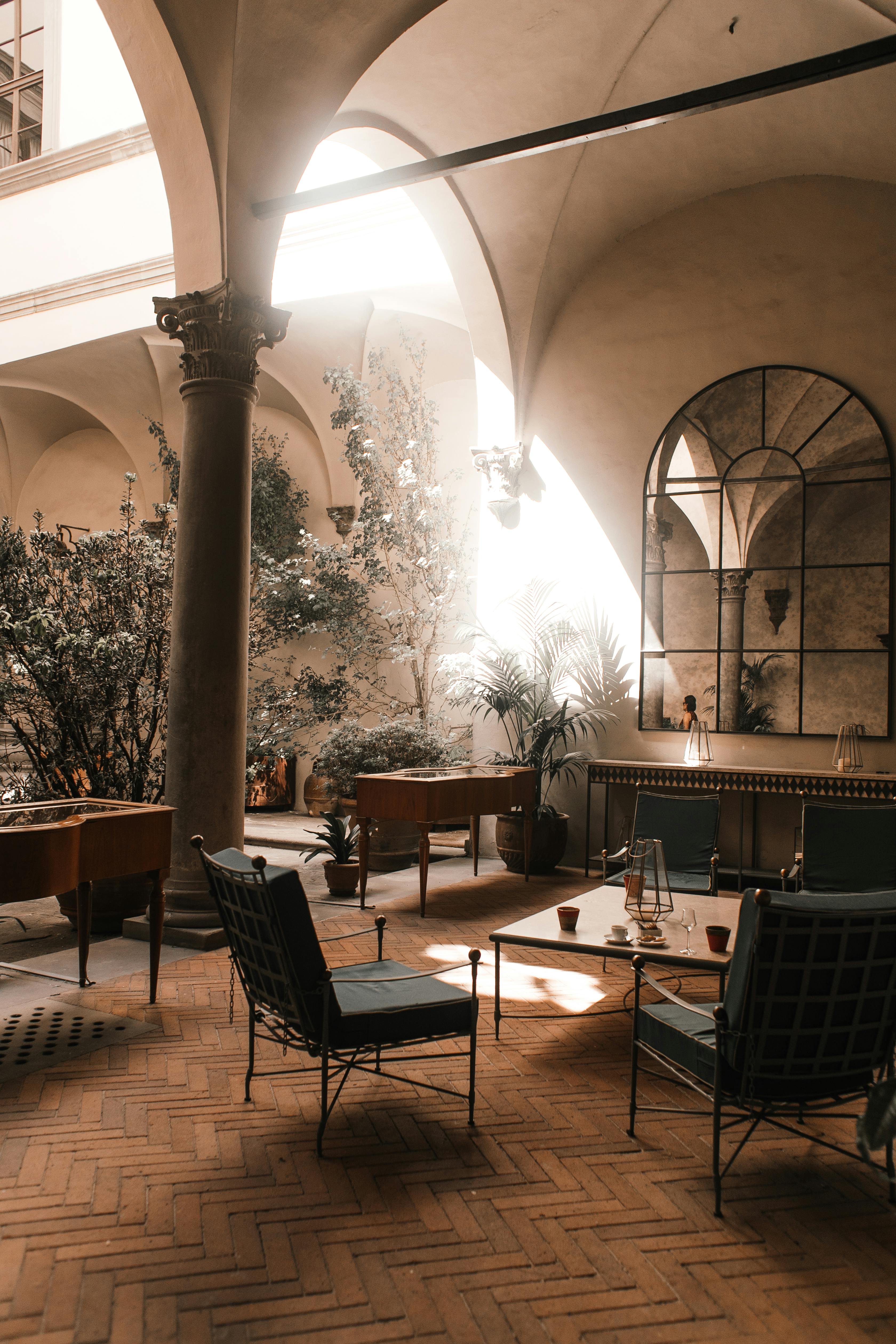
Another important factor to consider is the energy efficiency ratings of the HVAC system. Look for systems that have high Seasonal Energy Efficiency Ratio (SEER) ratings for cooling and Annual Fuel Utilization Efficiency (AFUE) ratings for heating. These ratings indicate how efficiently the system converts energy into heating or cooling output. The higher the rating, the more energy-efficient the system is. Investing in a system with high energy efficiency can help you save on your energy bills and reduce your environmental impact.

To further ensure energy efficiency, it is recommended to check for the ENERGY STAR label on HVAC systems. ENERGY STAR is a program run by the U.S. Environmental Protection Agency that certifies products with superior energy efficiency. Choosing an HVAC system with the ENERGY STAR label guarantees that it meets strict standards for energy efficiency, helping you save energy and money without sacrificing comfort.

Lastly, select the appropriate HVAC system type for your needs. There are several types to choose from, including central air conditioners, heat pumps, and ductless mini-split systems. Each has its own advantages and is suited for different situations. For example, central air conditioners are ideal for homes with existing ductwork, while ductless systems offer more flexibility for individual room control. By selecting the right system type, you can maximize energy efficiency and ensure optimal comfort in your space.

Sizing the HVAC System Properly

Sizing your HVAC system properly is crucial for energy efficiency. This involves determining the cooling and heating load requirements of your space. The load requirements take into account factors such as the size of the space, insulation levels, number of occupants, and desired temperature range. By accurately calculating the load requirements, you can avoid the common pitfalls of an oversized or undersized HVAC system.

To determine the cooling and heating load requirements, it is recommended to get a professional load calculation. HVAC professionals have the expertise and tools to accurately assess the specific needs of your space. They will consider factors such as the climate, windows, insulation, and more to determine the appropriate size of the system. Avoid relying on rough estimates or online calculators, as they may not take all relevant factors into account.

Avoiding oversized or undersized HVAC units is essential for energy efficiency. An oversized system will continually cycle on and off, leading to wasted energy and uneven temperature distribution. On the other hand, an undersized system will struggle to meet the demand, resulting in inadequate heating or cooling and increased energy consumption. By investing in a properly sized HVAC system, you can ensure efficient operation and optimal comfort in your space.

How Do I Ensure Energy Efficiency When Installing A New HVAC System?

This image is property of images.unsplash.com.

Optimizing Ductwork

The ductwork in your HVAC system plays a crucial role in distributing conditioned air throughout your space. To optimize energy efficiency, it is essential to inspect and seal any leaks or gaps in the ductwork. Leaky ducts can lead to air loss, reducing the system’s efficiency and causing your energy bills to soar. Sealing the ductwork with mastic or foil tape can help maintain proper airflow and prevent energy waste.

Proper insulation of the ducts is also important for energy efficiency. Insulated ducts help minimize heat transfer, ensuring that conditioned air reaches its destination without unnecessary energy loss. Insulate ducts in unconditioned spaces such as attics or basements to prevent the loss of heated or cooled air.

In addition to sealing and insulating the ductwork, it is crucial to balance the airflow through the ducts. Imbalanced airflow can result in uneven temperature distribution and increased energy consumption. A professional HVAC technician can measure and adjust the airflow to ensure balanced and efficient operation. By optimizing your ductwork, you can improve the energy efficiency of your HVAC system and enhance comfort in your space.

Enhancing Indoor Air Quality

When installing a new HVAC system, it’s important to consider how it can contribute to indoor air quality. Poor indoor air quality can lead to a range of health issues, including allergies and respiratory problems. Fortunately, there are steps you can take to enhance indoor air quality while maximizing energy efficiency.

One way to improve indoor air quality is by choosing HVAC systems with air purifying features. These features can filter out pollutants such as dust, pollen, pet dander, and mold spores, improving the overall air quality in your space. Look for systems with advanced filtration systems or built-in air purifiers to effectively remove contaminants from the air.

Installing high-efficiency air filters is another effective way to improve indoor air quality. These filters can capture a high percentage of airborne particles, ensuring cleaner air in your space. Be sure to regularly clean or replace the filters to maintain their effectiveness and prevent airflow restriction.

Regularly cleaning and maintaining your HVAC system is also essential for maintaining good indoor air quality. Over time, dust, debris, and even mold can accumulate in the system, reducing its efficiency and potentially releasing pollutants into the air. Schedule regular professional maintenance to have your system inspected, cleaned, and maintained. This will not only improve the system’s energy efficiency but also contribute to cleaner and healthier indoor air.

How Do I Ensure Energy Efficiency When Installing A New HVAC System?

This image is property of images.unsplash.com.

Programmable Thermostats

Programmable thermostats are an excellent tool for optimizing energy efficiency and comfort in your space. These thermostats allow you to set temperature schedules based on occupancy, ensuring that your HVAC system operates efficiently when needed and saves energy when not in use.

When installing a programmable thermostat, consider your daily routine and set temperature schedules accordingly. For example, if you’re typically away from home during the day, you can program the thermostat to lower the temperature while you’re out and raise it shortly before you return. This way, you can enjoy a comfortable environment without wasting energy heating or cooling an empty space.

Utilizing smart thermostats can further enhance convenience and energy savings. Smart thermostats can be controlled remotely using a smartphone or other smart devices, allowing you to adjust the temperature settings even when you’re away. Some smart thermostats even have advanced features like learning algorithms that can adapt to your preferences and schedule, maximizing energy efficiency without sacrificing comfort.

By installing a programmable thermostat and setting temperature schedules based on occupancy, you can optimize energy efficiency and reduce your heating and cooling costs.

Proper Maintenance and Regular Inspections

To ensure the long-term energy efficiency and reliability of your HVAC system, it’s important to prioritize proper maintenance and regular inspections.

Schedule regular professional maintenance for your HVAC system. Professional maintenance involves a thorough inspection, cleaning, and tuning of your system to ensure optimal performance. A trained technician will check for any potential issues, lubricate moving parts, tighten electrical connections, and perform any necessary repairs. Regular maintenance not only improves energy efficiency but also helps extend the lifespan of your HVAC system.

Cleaning or replacing air filters frequently is another important maintenance task. Clogged or dirty filters can restrict airflow, forcing the system to work harder and consume more energy. Depending on the type of filter, it may need to be replaced every 1 to 3 months, or washed and reused. Regularly checking and maintaining clean filters will help your HVAC system operate efficiently and prevent potential breakdowns.

In addition to filters, it’s essential to inspect and clean coils, fans, and vents. Dust and debris can accumulate on these components over time, hindering their performance and reducing energy efficiency. Regular cleaning ensures the system can operate at its best and prevents any potential airflow restrictions or other issues.

Checking refrigerant levels and system controls is also part of proper maintenance. Low refrigerant levels can indicate leaks or other problems that can affect the system’s efficiency. Additionally, ensuring that all system controls are functioning properly helps optimize energy consumption and comfort.

By prioritizing regular maintenance and inspections, you can ensure that your HVAC system operates at peak efficiency, saving energy and prolonging its lifespan.

How Do I Ensure Energy Efficiency When Installing A New HVAC System?

This image is property of images.unsplash.com.

Utilizing Zoning Systems

HVAC zoning involves dividing your space into different zones and controlling the temperature in each zone separately. This allows for greater control and customization, optimizing energy efficiency and comfort.

Implementing HVAC zoning is especially beneficial in larger spaces or homes with different temperature preferences. By using separate thermostats for each zone, you can set individual temperature settings based on occupancy and desired comfort levels. This prevents the entire system from operating unnecessarily and wasting energy in unoccupied or unused areas.

To control the airflow in each zone, consider installing motorized dampers. Motorized dampers allow you to adjust the airflow to different zones, directing more conditioned air to areas that need it and reducing airflow to areas that don’t. This ensures optimal comfort and energy efficiency throughout your space.

When utilizing zoning systems, it’s important to properly size and design the system. Consult with an HVAC professional to determine the number of zones required and the appropriate thermostat placement. By implementing HVAC zoning, you can maximize energy efficiency, enhance comfort, and reduce your overall energy consumption.

Taking Advantage of Natural Ventilation

Natural ventilation is a cost-effective and energy-efficient way to improve indoor air quality and reduce reliance on mechanical cooling and heating systems.

To take advantage of natural ventilation, incorporate techniques such as cross ventilation and stack ventilation. Cross ventilation involves creating openings on opposite sides of a space to encourage airflow and cooling. This can be achieved by strategically placing windows or vents. Stack ventilation, on the other hand, utilizes the natural buoyancy of warm air to create airflow. It involves opening windows or vents at different heights to allow warm air to escape and draw in cooler air from lower openings.

Installing energy-efficient windows and skylights can further enhance natural ventilation. Look for windows and skylights with high insulation values and low air infiltration rates. This will minimize heat transfer and drafts while allowing for ample natural light and fresh air.

Implement adjustable window coverings, such as blinds or curtains, to control the amount of sunlight and heat entering your space. During hot summer days, keeping the windows covered can help prevent excessive heat gain and reduce reliance on mechanical cooling.

By utilizing natural ventilation techniques, energy-efficient windows, and adjustable window coverings, you can reduce your dependence on mechanical cooling and heating systems, saving energy and improving comfort.

How Do I Ensure Energy Efficiency When Installing A New HVAC System?

Considering a Heat Pump System

A heat pump is a highly energy-efficient heating and cooling system that can be a great choice for your space. It works by transferring heat between the indoors and outdoors, depending on the season.

One of the main advantages of heat pump systems is their energy efficiency. Compared to traditional heating systems, such as furnaces, heat pumps can provide the same amount of heating for less energy consumption. They achieve this by moving heat from the outside to the inside, rather than generating heat from a fuel source.

When considering a heat pump system, check for any rebates or incentives available for heat pump installations. Many utility companies and government programs offer incentives to encourage energy-efficient upgrades. These incentives can help offset the initial cost of installing a heat pump system and make it a more affordable option.

Proper sizing and installation of the heat pump system are essential for optimal performance and energy efficiency. Consult with an HVAC professional to determine the appropriate size based on the load requirements of your space. Improper sizing can result in inefficient operation and insufficient heating or cooling.

By considering a heat pump system, taking advantage of rebates or incentives, and ensuring proper sizing and installation, you can enjoy the energy-saving benefits of this efficient heating and cooling solution.

Conclusion

Selecting the right HVAC system and optimizing its energy efficiency is crucial for a comfortable and cost-effective living or working space. Consider the size of your space, look for high energy efficiency ratings, and check for the ENERGY STAR label to ensure you choose a system that will perform optimally while saving energy. Properly sizing the HVAC system, inspecting and sealing ductwork, enhancing indoor air quality, utilizing programmable thermostats, and conducting regular maintenance and inspections are all important steps to maximize energy efficiency. Additionally, considering zoning systems, taking advantage of natural ventilation, and exploring heat pump options can further contribute to energy savings and comfort. By following these guidelines and working with HVAC professionals, you can ensure that your HVAC system operates efficiently, reduces energy consumption, and creates a comfortable and healthy indoor environment.

How Do I Ensure Energy Efficiency When Installing A New HVAC System?