What’s The Best Way To Handle Rental Applications And Tenant Screenings?

Looking for the most efficient and hassle-free way to handle rental applications and tenant screenings? Look no further! In this article, we will explore the various methods available to landlords and property managers, helping you find the perfect solution for your rental property. Whether you’re a seasoned professional or just starting out, we’ve got you covered with expert tips and advice that will streamline your application process and ensure you find the best tenants for your property. So, let’s get started and discover the simple yet effective ways to make the renting experience a breeze for both you and your prospective tenants.

Whats The Best Way To Handle Rental Applications And Tenant Screenings?

This image is property of images.pexels.com.

Collecting Rental Applications

When it comes to collecting rental applications, you have two main options: paper applications and online applications. Each option has its own pros and cons, so it’s important to consider what would work best for you and your potential tenants.

Paper Applications

Paper applications are the traditional way of collecting rental applications. They typically consist of a physical form that the applicant fills out by hand and submits to you. Paper applications can be convenient if you prefer a physical document and if your potential tenants are more comfortable with a traditional approach. However, they can also be time-consuming to process and may require manual data entry.

Online Applications

In today’s digital age, online applications have become increasingly popular. Online applications allow potential tenants to fill out and submit their applications electronically. This can save you time and streamline the application process. Online applications are also convenient for applicants, as they can be completed from the comfort of their own homes. However, it’s important to ensure that your online application platform is secure and protects applicants’ personal information.

Required Information

Regardless of whether you choose paper or online applications, it’s important to gather the necessary information from potential tenants. This typically includes their name, contact information, employment details, income verification, rental history, and references. Additionally, you may want to ask for consent to perform credit and background checks, as these are essential components of the tenant screening process.

Tenant Screening Process

Once you have collected rental applications, it’s essential to conduct a thorough tenant screening process to ensure that you find reliable and responsible tenants. The tenant screening process typically involves credit checks, background checks, income verification, and reviewing rental history.

Credit Checks

A credit check allows you to assess a potential tenant’s financial history and creditworthiness. By reviewing their credit report, you can get insights into their payment history, outstanding debts, and any prior eviction or bankruptcy records. This information can help you gauge whether the applicant is likely to pay their rent on time and fulfill their financial obligations.

Background Checks

Background checks are crucial for ensuring the safety and security of your property and existing tenants. They help you screen for any criminal records or illegal activities that potential tenants may have been involved in. Conducting a background check can give you peace of mind and help you make an informed decision about whether to approve an applicant.

Income Verification

Verifying a potential tenant’s income helps you assess their ability to afford the rent. You can request proof of income such as pay stubs, tax returns, or employment verification letters. It’s important to ensure that their income is sufficient to cover the rent and any other financial obligations they may have.

Rental History

Reviewing a potential tenant’s rental history provides valuable insights into their past behavior as a tenant. You can contact previous landlords to inquire about the applicant’s payment history, their adherence to lease agreements, and any issues they may have had as a tenant. This information can help you gauge whether the applicant is likely to be a responsible and reliable tenant.

Setting Application Criteria

To ensure a fair and consistent screening process, it’s important to establish clear application criteria. These criteria should outline the minimum requirements for potential tenants and any additional criteria you may have. You should also consider any legal considerations, such as fair housing laws, when setting your application criteria.

Minimum Requirements

Establishing minimum requirements helps you establish a baseline for potential tenants. These requirements may include a minimum credit score, a certain income-to-rent ratio, and a clean criminal background check. By setting minimum requirements, you can quickly filter out applicants who do not meet your basic criteria.

Additional Criteria

In addition to the minimum requirements, you may have additional criteria that you consider when reviewing applications. These additional criteria can include factors such as a positive rental history, stable employment, and sufficient references. It’s important to clearly communicate these additional criteria to potential tenants to manage their expectations.

Legal Considerations

When setting your application criteria, it’s crucial to be aware of and comply with fair housing laws. Fair housing laws prohibit discrimination based on factors such as race, religion, gender, disability, and familial status. It’s important to ensure that your application criteria do not unintentionally discriminate against any protected classes. Familiarize yourself with fair housing laws and consult with a legal professional if needed to ensure compliance.

Application Review and Follow-up

Once you have collected and screened the rental applications, it’s time to review them and follow up with potential tenants. This step involves carefully reviewing each application, contacting references, and completing any necessary background checks.

Reviewing Applications

Take the time to review each application thoroughly, paying attention to the applicant’s qualifications, rental history, and any additional information they may have provided. Look for red flags such as gaps in employment, negative references from previous landlords, or discrepancies in the information provided. This review process will help you narrow down your choices and identify the most suitable tenants.

Contacting References

Contacting the references provided by the applicants is an important step to gain additional insights into their character and reliability. Reach out to previous landlords, employers, and personal references to get a better understanding of the applicant’s rental history, work ethic, and personal qualities. Be sure to ask specific questions related to the applicant’s suitability as a tenant.

Completing Background Checks

If you have decided to conduct background checks as part of your tenant screening process, now is the time to complete them. This may involve running criminal background checks, checking sex offender registries, and confirming any other relevant information. Ensure that you follow proper procedures and obtain the necessary consent from the applicants before conducting background checks.

Whats The Best Way To Handle Rental Applications And Tenant Screenings?

This image is property of images.pexels.com.

Lease Agreement Signing

Once you have selected suitable tenants, it’s time to proceed with the lease agreement signing. This step ensures that both parties understand and agree to the terms and conditions of the rental agreement. It’s important to prepare the lease agreement, review it with the tenants, and collect the necessary documents and deposits.

Preparing the Lease Agreement

The lease agreement is a legally binding document that outlines the terms and conditions of the rental agreement. You can either prepare the lease agreement yourself using a template or seek legal assistance to ensure all necessary clauses are included. The lease agreement should cover important details such as the duration of the lease, rent amount and due date, responsibilities of both parties, and any additional rules or provisions.

Reviewing the Lease Agreement

Before signing the lease agreement, it’s important to review it with the tenants and answer any questions they may have. Ensure that they understand their rights and obligations as outlined in the agreement. This review process helps prevent misunderstandings and ensures that both parties are on the same page.

Signing the Lease Agreement

Once the lease agreement has been reviewed and any necessary modifications have been made, it’s time to sign the agreement. Both you and the tenants should sign the lease agreement to make it legally binding. It’s important to keep a copy of the signed lease agreement for your records and provide a copy to the tenants.

Collecting Security Deposit

Along with signing the lease agreement, it’s customary to collect a security deposit from the tenants. The security deposit acts as protection against potential damages or unpaid rent during the tenancy. State laws may regulate the maximum amount you can collect as a security deposit and specify how it should be held. Clearly communicate the amount of the security deposit and your procedures for returning it at the end of the tenancy to the tenants.

Rejecting Rental Applications

Inevitably, there will be instances where you have to reject rental applications. It’s important to handle these rejections respectfully, provide a reason for the rejection if feasible, and comply with fair housing laws.

Notifying Applicants

When rejecting a rental application, it’s important to promptly notify the applicants of your decision. This can be done via email or written correspondence. Be professional and polite in your communication, thanking the applicants for their interest and time.

Providing Reason for Rejection

While it may not always be feasible to provide a detailed reason for the rejection, if you can identify a specific reason such as insufficient income or a negative reference, it’s considerate to share that information with the applicants. This can help them understand why their application was not approved and potentially address any issues in future applications.

Complying with Fair Housing Laws

When rejecting rental applications, it’s crucial to comply with fair housing laws to ensure that you are not engaging in discriminatory practices. Avoid rejecting applications based on protected characteristics such as race, religion, gender, or disability. Familiarize yourself with fair housing laws and consult with a legal professional if you have any concerns.

Whats The Best Way To Handle Rental Applications And Tenant Screenings?

This image is property of images.pexels.com.

Approving Rental Applications

When you have approved a rental application, it’s time to move forward with the next steps in the rental process. This involves contacting the approved tenants, negotiating lease terms, and scheduling a move-in date.

Contacting Approved Tenants

Once you have approved a tenant’s application, it’s important to promptly contact them to deliver the good news. This can be done via phone or email. Make sure to communicate the next steps in the process and establish clear lines of communication moving forward.

Negotiating Lease Terms

Before finalizing the lease agreement, it’s common to negotiate certain lease terms with the approved tenants. This may include discussing move-in dates, rental rates, security deposit payment timing, or any additional provisions. Maintain open communication and come to a mutual agreement that is fair to both parties.

Scheduling Move-In Date

Once the lease terms have been agreed upon, it’s time to schedule a move-in date with the approved tenants. Coordinate with them to find a mutually convenient date and time. Provide them with any necessary instructions or paperwork to ensure a smooth transition into the rental property.

Pre-Move-In Preparations

As the move-in date approaches, it’s important to take care of certain pre-move-in preparations. This includes setting up utilities, conducting property inspections, and collecting the first month’s rent.

Utilities Setup

Before the tenants move in, ensure that all necessary utilities such as electricity, water, and gas are set up and ready to use. Coordinate with the utility companies to ensure a seamless transition and provide the new tenants with any relevant account information.

Property Inspections

Conduct a thorough inspection of the rental property before the tenants move in. This helps identify any existing damages or maintenance issues that need to be addressed. Document the condition of the property and communicate any necessary repairs or cleaning before the move-in date.

Collecting First Month’s Rent

Prior to the tenants’ move-in, it’s customary to collect the first month’s rent. Clearly communicate the due date and payment method to the tenants. It’s important to provide them with a receipt or acknowledgment of payment as a record of the transaction.

Whats The Best Way To Handle Rental Applications And Tenant Screenings?

Documenting Rental Process

Throughout the rental process, it’s crucial to keep thorough records of all interactions and documentation. This helps protect both you and the tenants and serves as a reference in case of any disputes or issues that may arise.

Keeping Records

Maintain a well-organized system for storing and managing all rental process documents. This can include rental applications, lease agreements, security deposit records, communication logs, repair requests, and any other relevant documents. Having easy access to these records will allow you to quickly reference and retrieve information when needed.

Tenant Screening Reports

If you conduct credit and background checks as part of your tenant screening process, keep a copy of the reports for your records. This is essential for compliance purposes and can provide proof of your due diligence in evaluating potential tenants.

Proof of Communication

Keep records of all communication with tenants, including emails, letters, and phone conversations. These records serve as evidence of any agreements, requests, or notifications exchanged between you and the tenants. Well-documented communication can help resolve any conflicts or disputes that may arise during the tenancy.

Managing Tenant Databases

As a landlord, it’s important to establish a system for organizing and securing tenant information. This will help you efficiently manage your rental properties and ensure the privacy and confidentiality of tenant data.

Organizing Tenant Information

Create a centralized database or filing system to store tenant information in an organized manner. This can include personal details, contact information, lease agreements, and any other relevant documents. Consider using digital tools such as spreadsheets or property management software to streamline the organization process.

Storing and Securing Data

When managing tenant databases, it’s crucial to prioritize data security and privacy. Ensure that any digital data is stored securely, protected by passwords and backup systems. If you handle physical documents, establish proper storage protocols to prevent unauthorized access. Comply with any applicable data protection regulations and take steps to safeguard tenant information from potential breaches or misuse.

In conclusion, handling rental applications and tenant screenings requires careful attention to detail and adherence to legal requirements. By following a comprehensive process that includes collecting applications, screening tenants, setting criteria, reviewing applications, and signing lease agreements, you can ensure a smooth and efficient rental process. Documenting each step and managing tenant databases effectively will help you maintain organized records and provide a positive and professional rental experience for both you and your tenants.


Whats The Best Way To Handle Rental Applications And Tenant Screenings?

What’s Involved In Creating An Outdoor Kitchen Or BBQ Space?

Thinking of creating your own outdoor kitchen or BBQ space? Well, there’s more to it than just throwing together a grill and some chairs. From planning the layout to choosing the right appliances and materials, creating your dream outdoor cooking area requires careful consideration and attention to detail. In this article, we’ll explore the key components and steps involved in designing and building an outdoor kitchen or BBQ space that will not only enhance your outdoor entertainment experience but also add value to your home. So, let’s fire up the excitement and get ready to transform your backyard into a food lover’s paradise!

Design and Planning

Determining the purpose of the outdoor kitchen

When designing your outdoor kitchen, it’s important to first determine its purpose. Are you planning to use it for family gatherings and entertaining guests, or are you envisioning a space primarily for cooking and preparing meals? Understanding the intended use will help guide your design decisions and ensure that your outdoor kitchen meets your specific needs and preferences.

Choosing the location

The next step in the design process is choosing the location for your outdoor kitchen. Consider factors such as proximity to your indoor kitchen and dining areas, as well as any existing structures or natural features in your outdoor space. You’ll want to select a location that is not only convenient but also provides a comfortable and enjoyable experience for you and your guests.

Considering the layout and design

Once you have determined the purpose and chosen a location for your outdoor kitchen, it’s time to think about the layout and design. Consider the flow of your outdoor space and how you want your kitchen to function within it. You may want to include designated cooking, prep, and dining areas, as well as additional features such as a bar or seating area. Take into account the size and shape of your outdoor space when planning the layout to ensure optimal functionality and aesthetics.

Taking measurements

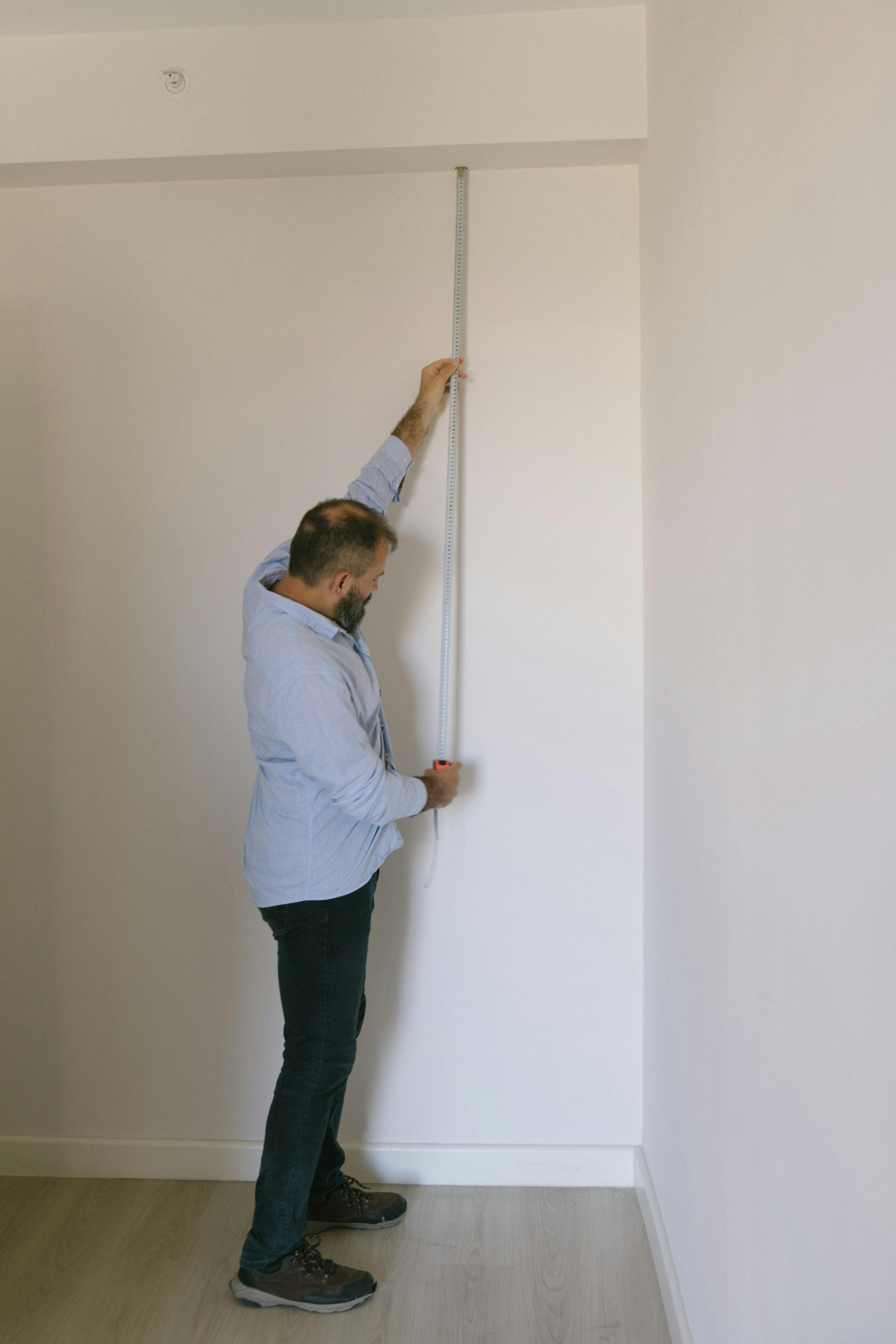
Before diving into the construction process, it’s crucial to take accurate measurements of your outdoor space. This will help you determine the appropriate dimensions for your kitchen components and allow for proper placement and installation. Be sure to measure not only the overall area but also any existing structures or fixtures that may impact your design decisions.

Selecting materials and finishes

The materials and finishes you choose for your outdoor kitchen will play a significant role in both the aesthetics and durability of the space. Consider materials that are weather-resistant and can withstand the elements, such as stainless steel for appliances and granite or concrete for countertops. Pay attention to the finishes as well, as they can enhance the overall look and feel of your outdoor kitchen. Take time to explore different options and select materials and finishes that align with your design vision and budget.

Building Permits and Codes

Checking local regulations and codes

Before starting any construction on your outdoor kitchen, it is crucial to check local regulations and codes. Different areas may have specific requirements and restrictions when it comes to outdoor structures, so it’s important to ensure that your project complies with all applicable regulations. This can include considerations such as setback requirements, fire safety regulations, and noise restrictions.

Obtaining necessary permits

Once you have familiarized yourself with the local regulations and codes, the next step is to obtain any necessary permits. Depending on the scope and complexity of your outdoor kitchen project, you may be required to obtain building permits or other approvals from your local government or homeowners association. Be prepared to submit detailed plans and specifications to support your permit application.

Understanding property boundaries

When building an outdoor kitchen, it’s essential to have a clear understanding of your property boundaries. This will not only ensure that your project is built within your own property but also prevent any potential disputes with neighbors. Consult the property survey or consider hiring a professional surveyor to accurately determine the property lines and avoid any encroachments.

Whats Involved In Creating An Outdoor Kitchen Or BBQ Space?

This image is property of images.unsplash.com.

Site Preparation

Clearing the area

Before starting any construction work, you’ll need to clear the designated area for your outdoor kitchen. Remove any existing vegetation, debris, or furniture to create a clean slate for your project. This will allow for easier installation and provide a clearer view of the space you have to work with.

Leveling the ground

Once the area is cleared, it’s important to level the ground to ensure a stable foundation for your outdoor kitchen. Uneven or sloping ground can lead to stability issues and impact the overall functionality of your space. Consider using a leveling tool, such as a laser level or string level, to ensure that the ground is perfectly flat before proceeding with the construction.

Providing proper drainage

Proper drainage is a crucial aspect of any outdoor kitchen. Without adequate drainage, water can accumulate and cause damage to your appliances, countertops, and overall structure. Ensure that your outdoor kitchen is designed with proper slope and drainage channels to divert water away from the cooking and seating areas. This may involve grading the ground or installing a drainage system to ensure water flows freely and does not pool in unwanted areas.

Utility Connections

Determining electrical and plumbing needs

When planning your outdoor kitchen, consider the electrical and plumbing needs of your appliances and fixtures. Determine the power requirements for your grill, refrigerator, and any other electrical appliances you plan to include. Additionally, decide on the location and type of plumbing connections needed for your sink and any other water fixtures. Consulting a professional electrician and plumber can ensure that your outdoor kitchen is properly equipped and meets all safety requirements.

Hiring professionals for connection

Connecting electrical and plumbing components can be complex and requires specialized knowledge and skills. It is highly recommended to hire licensed professionals for these tasks to ensure proper installation and adherence to safety protocols. Professional electricians and plumbers will have the expertise to handle electrical wiring, gas lines (if applicable), and plumbing connections, ensuring that your outdoor kitchen is safe and functional.

Ensuring safety measures

Safety should be a top priority when it comes to outdoor kitchens, especially when dealing with electrical and plumbing connections. Ensure that all electrical components are installed according to local building codes and regulations. Because outdoor kitchens involve the use of water, it is vital to invest in ground fault circuit interrupters (GFCIs) to protect against electrical shock in wet environments. Additionally, proper ventilation and fire safety measures should be incorporated into the design to minimize the risk of accidents and ensure a safe cooking experience.

Whats Involved In Creating An Outdoor Kitchen Or BBQ Space?

This image is property of images.unsplash.com.

Outdoor Kitchen Components

Grill or BBQ

The centerpiece of any outdoor kitchen is undoubtedly the grill or BBQ. When selecting a grill, consider factors such as cooking surface area, heat output, fuel type (gas, charcoal, or wood), and additional features such as rotisseries or infrared burners. Choose a grill that suits your cooking style and preferences, keeping in mind factors such as the number of guests you typically entertain and the types of meals you enjoy preparing.

Countertops and workspace

Having ample countertop space is essential for efficient meal preparation and serving in your outdoor kitchen. Consider durable materials such as granite, concrete, or tile that can withstand outdoor conditions and are easy to clean. Be sure to include enough workspace for cutting, chopping, and plating, as well as dedicated areas for placing hot pots and pans.

Storage options (cabinets, drawers)

To keep your outdoor kitchen organized and clutter-free, include storage options such as cabinets and drawers. Consider the type and amount of storage you need for storing utensils, cookware, and other kitchen essentials. Choose materials that are resistant to weather and pests, ensuring that your storage solutions are durable and functional in an outdoor environment.

Sink and water supply

Having a sink in your outdoor kitchen can greatly enhance its functionality and convenience. A sink allows for easy cleanup, handwashing, and preparing ingredients without having to go indoors. Ensure that you have proper plumbing connections and consider stainless steel or other weather-resistant materials for the sink to withstand outdoor conditions.

Refrigerator or cooler

Including a refrigerator or cooler in your outdoor kitchen allows for convenient storage of perishable items and beverages. Consider the size and capacity that suits your needs, as well as energy-efficient models designed for outdoor use. Ensure that your chosen refrigerator or cooler can withstand temperature fluctuations and is adequately protected from the elements.

Cooktop or side burners

In addition to the grill, having a cooktop or side burners can expand your cooking options in the outdoor kitchen. This allows for simultaneous cooking of different dishes or keeping food warm while grilling. Consider the fuel source (gas, electric, or induction) and the number of burners that would best suit your cooking style and needs.

Pizza oven or smoker

If you enjoy making homemade pizzas or smoking meats, consider including a pizza oven or smoker in your outdoor kitchen. These specialized appliances can add versatility to your cooking repertoire and provide a unique culinary experience for you and your guests. Research different types and sizes to find the perfect fit for your outdoor kitchen design.

Bar area or seating

If you plan to use your outdoor kitchen for entertaining, consider incorporating a bar area or seating. This can be a great space for guests to gather and socialize while you’re cooking. Incorporate seating options such as bar stools, benches, or outdoor lounge furniture. Ensure that there is enough space for guests to comfortably sit and enjoy their meals.

Lighting and electrical outlets

Proper lighting is essential for both functionality and ambiance in an outdoor kitchen. Consider incorporating a mix of task and ambient lighting to ensure adequate visibility during meal preparation and dining. Additionally, include electrical outlets strategically placed for small appliances or electronic devices. Ensure that all electrical installations are safe and meet local electrical codes and regulations.

Ventilation system

Proper ventilation is crucial in an outdoor kitchen, especially when grilling or cooking with high heat. Install a ventilation system, such as a range hood or exhaust fan, to remove smoke, odors, and heat from the cooking area. This will help maintain a comfortable and safe environment while cooking and ensure that your outdoor kitchen doesn’t become too smoky or uncomfortable for you and your guests.

Appliance Considerations

Choosing the right grill or BBQ

Selecting the right grill or BBQ is a critical decision when designing your outdoor kitchen space. Consider factors such as the size of the cooking surface, the heating power, and the fuel type. Gas grills are convenient and offer precise temperature control, while charcoal grills can provide a smoky flavor. Wood-fired grills offer a more traditional and robust cooking experience. Choose a grill that aligns with your cooking preferences and the amount of outdoor space available.

Selecting burner types (gas, charcoal, wood)

The choice between gas, charcoal, or wood burners will significantly impact your outdoor cooking experience. Gas burners provide convenience and quick ignition, while charcoal burners offer a classic grilling flavor. Wood burners, such as pellet grills, infuse a rich and smoky taste into your food. Consider your cooking style and the flavor profiles you want to achieve when selecting the burner type for your outdoor kitchen.

Deciding on grill sizes and features

The size of your grill should be chosen based on your cooking needs and the available space in your outdoor kitchen. A larger grill provides more cooking surface area and is suitable for hosting larger gatherings, while a smaller grill may be more practical for everyday use. Additionally, consider features such as side burners, rotisseries, and warming racks that can enhance your cooking experience and versatility.

Considering additional appliances

In addition to a grill, you may want to consider adding additional appliances to your outdoor kitchen. These can include items such as pizza ovens, smokers, or deep fryers, depending on your culinary interests and preferences. Adding these appliances can elevate your outdoor cooking experience and provide more options for entertaining and experimenting with different cuisines.

Whats Involved In Creating An Outdoor Kitchen Or BBQ Space?

This image is property of images.unsplash.com.

Countertop and Material Options

Selecting suitable countertop materials

When choosing countertop materials for your outdoor kitchen, it is essential to consider durability, weather resistance, and ease of maintenance. Materials such as granite, concrete, or stainless steel are popular choices due to their ability to withstand outdoor conditions and resist damage from heat, moisture, and staining. Consider the aesthetics, practicality, and budget when selecting the most suitable material for your outdoor kitchen countertops.

Considering durability and weather resistance

Outdoor kitchens are exposed to the elements, so it is crucial to consider materials that can withstand outdoor conditions. Look for materials that are resistant to moisture, UV rays, extreme temperatures, and staining. This will ensure that your countertops remain in good condition and maintain their aesthetic appeal over time.

Choosing from various finishes (granite, concrete, tile)

Different finishes can enhance the overall look and feel of your outdoor kitchen countertops. Granite countertops offer a sleek and polished appearance, while concrete provides a more modern and customizable look. Tile finishes can add a unique and colorful touch to your outdoor kitchen design. Consider the style you want to achieve and choose a countertop finish that complements your overall design vision.

Cabinet and Storage Solutions

Determining storage needs

Storage is a vital aspect of any functional outdoor kitchen. Consider the items you need to store, such as cooking utensils, pots, pans, and cleaning supplies. Determine the amount of storage space required to accommodate these items while keeping your outdoor kitchen organized and clutter-free. Take into account factors such as the size and number of cabinets, drawers, and shelves that will best suit your storage needs.

Choosing suitable cabinet materials

When selecting cabinet materials for your outdoor kitchen, prioritize durability and weather resistance. Materials such as stainless steel, marine-grade plywood, or high-density polyethylene are suitable choices as they can withstand outdoor conditions and resist water damage, pests, and fading. Choose cabinets with sturdy construction and high-quality hardware to ensure longevity in your outdoor kitchen.

Consideration of storage features (drawers, shelves)

When designing your outdoor kitchen cabinets, consider additional storage features such as drawers and shelves. Drawers can provide easy access to smaller items and utensils, while shelves can accommodate larger cookware and appliances. Customize the layout of your cabinets to maximize storage space and ensure that everything you need is easily accessible.

Whats Involved In Creating An Outdoor Kitchen Or BBQ Space?

Plumbing and Water Supply

Installing the sink and faucet

Proper installation of the sink and faucet in your outdoor kitchen is essential for convenience and functionality. Ensure that the sink is securely mounted and the faucet is correctly connected to the plumbing system. Consider stainless steel or other weather-resistant materials for the sink and faucet to withstand outdoor conditions and prevent corrosion.

Determining hot and cold water supply

When planning the plumbing for your outdoor kitchen sink, consider the hot and cold water supply. Determine whether you want to connect to your existing water heater or install a separate outdoor water heater. Consult with a professional plumber to accurately assess your hot water needs and ensure that your outdoor kitchen has a reliable and efficient water supply.

Considering cost-effective plumbing options

Depending on the layout and proximity to your indoor plumbing, there are various cost-effective options to consider when setting up the plumbing for your outdoor kitchen. Utilizing existing water lines and drainage can help minimize costs. Discuss with a professional plumber to explore the most practical and economical options for your specific outdoor kitchen setup.

Maintenance and Upkeep

Regular cleaning of grills and appliances

To ensure the longevity and optimal performance of your outdoor kitchen, regular cleaning and maintenance are essential. Clean your grill and appliances thoroughly after each use to remove grease, food residue, and any potential buildup. Follow manufacturer recommendations for cleaning and use appropriate cleaning agents and techniques to avoid damaging the surfaces.

Ensuring proper drainage and water flow

Maintaining proper drainage and water flow is crucial in an outdoor kitchen. Regularly inspect your drainage channels, gutters, and downspouts to ensure they are clear of debris and functioning properly. Check for any signs of water pooling or poor drainage and address any issues promptly to prevent water damage to your appliances and surfaces.

Sealing and resealing surfaces

Many outdoor kitchen components, such as countertops and cabinets, require periodic sealing or resealing to protect them from moisture and outdoor elements. Follow manufacturer recommendations for the specific materials used in your outdoor kitchen and schedule routine sealing to ensure their longevity and resistance to damage.

Inspecting and repairing any damages

Regularly inspect your outdoor kitchen for any signs of damage, wear, or deterioration. This includes checking for cracks, loose fittings, or any other issues that may impact the functionality and safety of your outdoor kitchen. Repair or replace any damaged components as soon as possible to prevent further damage and ensure the continued enjoyment of your outdoor cooking space.

By following these comprehensive steps and considerations, you can create an outdoor kitchen or BBQ space that meets your needs, reflects your personal style, and enhances your outdoor living experience. From careful planning and design to the selection of materials, appliances, and storage solutions, each aspect plays a vital role in creating an outdoor kitchen that is functional, beautiful, and built to withstand the elements. With proper maintenance and upkeep, your outdoor kitchen can become a true extension of your home, providing countless hours of enjoyment and delicious meals for years to come.

Whats Involved In Creating An Outdoor Kitchen Or BBQ Space?

How Do I Manage Larger Renovations Or Updates Without Disrupting Tenants?

If you’re a landlord or property manager faced with the challenge of managing larger renovations or updates without causing too much disruption to your tenants, you’re in the right place! It can be a delicate balancing act to ensure that necessary improvements are made while keeping your tenants happy and comfortable. In this article, we’ll explore some strategies and tips that will help you navigate this process smoothly, allowing you to achieve your renovation goals without negatively impacting your tenants’ experience. So, let’s dive in and discover how to successfully manage these renovations while maintaining a friendly and harmonious relationship with your tenants.

Planning the Renovations

Assessing the Scope of Renovations

When planning for larger renovations or updates in a property with existing tenants, it is crucial to start by assessing the scope of the project. Take the time to thoroughly evaluate each area that requires renovation and determine the extent of work needed. This will help in creating a realistic timeline and budget for the project.

Creating a Detailed Renovation Plan

Once the scope of renovations has been assessed, it is essential to create a detailed renovation plan. This plan should include a breakdown of each area that needs renovation, along with the specific tasks and materials required for each. By having a comprehensive renovation plan in place, you will have a clear roadmap to follow throughout the project, which will help ensure that no essential steps are missed.

Considering Tenants’ Needs and Preferences

While planning for renovations, it is vital to take into account the needs and preferences of the existing tenants. Consider conducting surveys or interviews to gather valuable feedback from the tenants regarding their preferences for the renovated spaces. This will help in making informed decisions about specific design choices or amenities that can enhance their living experience. By considering and incorporating their opinions, you can create a more tenant-friendly environment that meets their expectations and enhances their satisfaction.

Communicating with Tenants

Informing Tenants in Advance

Open and transparent communication is key when managing larger renovations or updates without disrupting tenants. It is critical to inform tenants well in advance about the upcoming renovations and provide them with a clear timeline of the project. This will give them ample time to make any necessary arrangements and adjust their schedules accordingly.

Explaining the Purpose and Benefits of Renovations

In addition to informing tenants about the renovations, it is equally important to explain the purpose and benefits of the upgrades. Communicate how the renovations will improve the overall quality of living and address any concerns or limitations in the current spaces. By highlighting the positive impacts, tenants will be more likely to understand and support the renovation efforts.

Setting Realistic Expectations

When communicating with tenants, it is crucial to set realistic expectations regarding the duration and extent of disruptions they may experience during the renovations. Make sure to explain that some inconveniences, such as noise or temporary limited access to certain areas, are unavoidable but will be minimized as much as possible. Offer reassurances that their safety and living conditions will be prioritized throughout the renovation process. By managing expectations effectively, tenants will have a clear understanding of what to expect and be more patient and cooperative during the renovation period.

How Do I Manage Larger Renovations Or Updates Without Disrupting Tenants?

This image is property of images.pexels.com.

Temporary Relocation Options

Assessing the Need for Temporary Relocation

In some cases, depending on the scale of the renovations and the impact on tenants, it may be necessary to consider temporary relocation options. Assess the need for temporary relocation by evaluating the extent of disruptions and inconveniences that tenants would face, as well as the length of time required for the renovations. If the renovations are extensive and would significantly affect tenants’ daily lives, temporary relocation may be the best solution.

Arranging Temporary Housing

When temporary relocation is necessary, it is important to arrange suitable temporary housing for the affected tenants. Ensure that the temporary housing is comfortable, safe, and conveniently located, minimizing any additional inconveniences. It is also essential to clearly communicate the details of the temporary housing arrangements to the tenants and provide assistance during the transition period.

Covering Costs of Temporary Relocation

As the property owner or manager, taking responsibility for the costs of temporary relocation can help maintain a positive relationship with the tenants. By covering the costs of temporary housing and any associated moving expenses, you demonstrate a commitment to their well-being and minimize the financial burdens they may face during the renovation period. This gesture goes a long way in building trust and goodwill among tenants.

Implementing Renovations in Phases

Prioritizing Renovation Areas

To minimize disruptions and ensure a smooth renovation process, it is crucial to prioritize the different areas that require renovation. Start with areas that are less occupied or less essential to tenant daily activities. By tackling the renovations in a strategic order, you can ensure that tenants can still comfortably use essential spaces and amenities, thereby minimizing inconveniences.

Scheduling Renovation Phases

Once the renovation areas have been prioritized, it is important to create a detailed schedule for each phase of the project. Clearly define the start and end dates for each renovation phase, taking into account the estimated time required for completion and any potential delays. This will allow tenants to plan their daily routines around the renovation schedule and have a clear understanding of when disruptions may occur.

Adjusting Phases Based on Tenant Availability

While scheduling the renovation phases, it is also essential to consider the availability and preferences of the tenants. Whenever possible, try to coordinate with tenants to find mutually convenient times for the renovations that may require access to their units. This flexibility and consideration for their schedules will help minimize disruptions and make the renovation process more manageable for all parties involved.

How Do I Manage Larger Renovations Or Updates Without Disrupting Tenants?

This image is property of images.pexels.com.

Minimizing Noise and Disruptions

Using Quieter Construction Techniques and Materials

When managing larger renovations or updates without disrupting tenants, it is important to prioritize minimizing noise levels and disruptions. Opt for construction techniques and materials that are quieter and generate less noise. For example, choose carpeting over hardwood flooring to reduce noise transmission, or use soundproofing insulation in walls or ceilings to minimize noise disturbances.

Implementing Noise Control Measures

In addition to selecting quieter construction techniques and materials, implement additional noise control measures during the renovation process. Consider installing temporary barriers, such as soundproof curtains or temporary walls, to contain noise within the construction area. This can significantly reduce the impact of noise on the tenants’ living spaces and create a more peaceful environment.

Establishing Construction Hours

Establishing specific construction hours is another effective way to minimize noise and disruptions for tenants. By limiting the construction activities to specific times of the day, such as during regular business hours, evenings, or weekends, tenants can plan their daily activities around these periods of potential noise. Clearly communicate the established construction hours to tenants in advance, allowing them to make necessary adjustments to their schedules.

Maintaining Safety and Security

Implementing Safety Measures

During renovations, it is crucial to prioritize the safety of tenants. Implement safety measures, such as clearly marked construction zones, safety barriers, and warning signs, to prevent accidents and ensure that tenants are aware of potential hazards. Regularly inspect the renovation areas to identify and address any safety concerns promptly.

Updating Security Systems

In addition to physical safety, it is essential to address security concerns during renovations. Ensure that security systems, such as surveillance cameras or access control systems, are functioning properly and adequately cover both the construction areas and the remaining common spaces. This will help maintain a secure environment for tenants throughout the renovation process.

Maintaining Regular Communication with Tenants

Maintaining regular communication with tenants is key to ensuring their safety and security during renovations. Keep tenants informed of any necessary safety precautions or temporary changes to access routes. Provide them with emergency contact information in case of any issues or concerns that may arise. By establishing open lines of communication, tenants will feel supported and confident in their safety throughout the renovation period.

How Do I Manage Larger Renovations Or Updates Without Disrupting Tenants?

This image is property of images.pexels.com.

Providing Alternative Access Routes

Ensuring Access to Amenities and Essentials

During the renovation process, it is crucial to ensure that tenants have access to essential amenities and necessities. Temporary alternative access routes should be clearly marked and provided to guide tenants to communal areas, such as laundry facilities or parking lots, that may be temporarily affected by the renovations. This allows tenants to continue their daily routines without major disruptions or inconveniences.

Arranging Temporary Access Routes

When planning for renovations, it is important to arrange temporary access routes to affected areas whenever necessary. Temporary staircases, ramps, or walkways can be installed to ensure safe and convenient access for tenants. Clearly communicate the location and usage instructions for these temporary access routes to tenants, ensuring they are well-informed and able to navigate the property easily.

Installing Signage for Alternative Routes

In addition to temporary access routes, installing clear signage can greatly assist tenants in navigating the property during renovations. Signage indicating alternative routes, as well as any temporary changes or closures, will help prevent confusion and frustration. Clearly label all temporary paths and provide detailed instructions to ensure a smooth transition for tenants.

Addressing Tenant Concerns and Complaints

Encouraging Open Communication

Throughout the renovation process, it is crucial to encourage open communication with tenants. Create channels for tenants to express their concerns or report any issues they may encounter. Regularly check in with tenants to inquire about their satisfaction and address any questions or clarifications they may need. By fostering open communication, tenants will feel heard and valued, reducing any potential tensions or frustrations.

Timely Resolution of Issues

When tenants raise concerns or complaints, it is important to address them promptly and effectively. Actively investigate the issues raised and provide timely resolutions or responses. Keep tenants informed of the progress and any actions taken to resolve their concerns. By addressing issues in a timely manner, you demonstrate a commitment to tenant satisfaction and help maintain positive landlord-tenant relationships.

Providing Compensation or Amenities

In situations where tenants have experienced significant inconveniences or disruptions during the renovations, consider providing compensation or additional amenities as a gesture of goodwill. This could include temporary rent reductions or credits, access to alternative amenities, or small perks such as gift cards or community events. Offering compensation or amenities shows tenants that their comfort and satisfaction are valued, helping to maintain positive relationships.

How Do I Manage Larger Renovations Or Updates Without Disrupting Tenants?

Monitoring and Inspection

Regular Monitoring of Renovation Progress

Throughout the renovation process, it is important to regularly monitor the progress of the project. Schedule regular site visits and communicate with the contractors or renovation team to ensure that the work is being carried out according to the plan and timeline. Regular monitoring allows for early identification of any potential issues or delays, enabling timely adjustments and minimizing disruptions for tenants.

Quality Inspection of Workmanship

In addition to monitoring progress, conducting regular quality inspections is crucial to ensure that the renovations meet the desired standards. Inspect the completed work at each phase of the project to verify that it aligns with the agreed-upon specifications and quality requirements. Address any deficiencies or deviations immediately to maintain the integrity of the renovations and provide tenants with the expected level of quality.

Resolving any Deficiencies

If any deficiencies or issues are identified during the quality inspections, it is important to address them promptly. Work with the contractors or renovation team to rectify any problems and ensure that the renovations are completed to the highest standard. Regularly communicate with tenants about any necessary follow-up work and keep them informed of the efforts being made to resolve any deficiencies. By resolving issues quickly, you demonstrate your commitment to providing a high-quality living environment for tenants.

Finalizing Renovations and Post-Construction Tasks

Thorough Cleaning of Renovated Areas

Once the renovations are complete, it is essential to thoroughly clean the renovated areas before reintroducing tenants. Remove any dust, debris, or construction residue to ensure a clean and welcoming living space for tenants. Engage professional cleaning services if necessary to ensure a thorough and meticulous cleaning process.

Reintroducing Tenants to Upgraded Spaces

After the renovations are finalized and the cleaning is complete, organize a reintroduction of the upgraded spaces to the tenants. Schedule an open house or arrange individual visits for tenants to walk through the renovated areas and familiarize themselves with the new features or amenities. This allows tenants to appreciate the improvements made to their living spaces and boosts their overall satisfaction.

Getting Feedback and Addressing any Last-minute Concerns

Once tenants have had the opportunity to experience the renovated spaces, it is important to seek their feedback. Provide avenues for tenants to express their thoughts, suggestions, or any last-minute concerns they may have. Actively listen to their feedback and address any remaining issues to ensure that tenants are fully satisfied with the renovations and the overall renovation process.

Managing larger renovations or updates without disrupting tenants requires careful planning, effective communication, and a proactive approach to minimizing inconveniences. By prioritizing the needs and preferences of tenants, providing clear and transparent communication, and implementing strategies to minimize disruptions, you can navigate the renovation process successfully while maintaining positive relationships with your tenants.

How Do I Manage Larger Renovations Or Updates Without Disrupting Tenants?

How Do I Choose Between A Traditional Or Tankless Toilet?

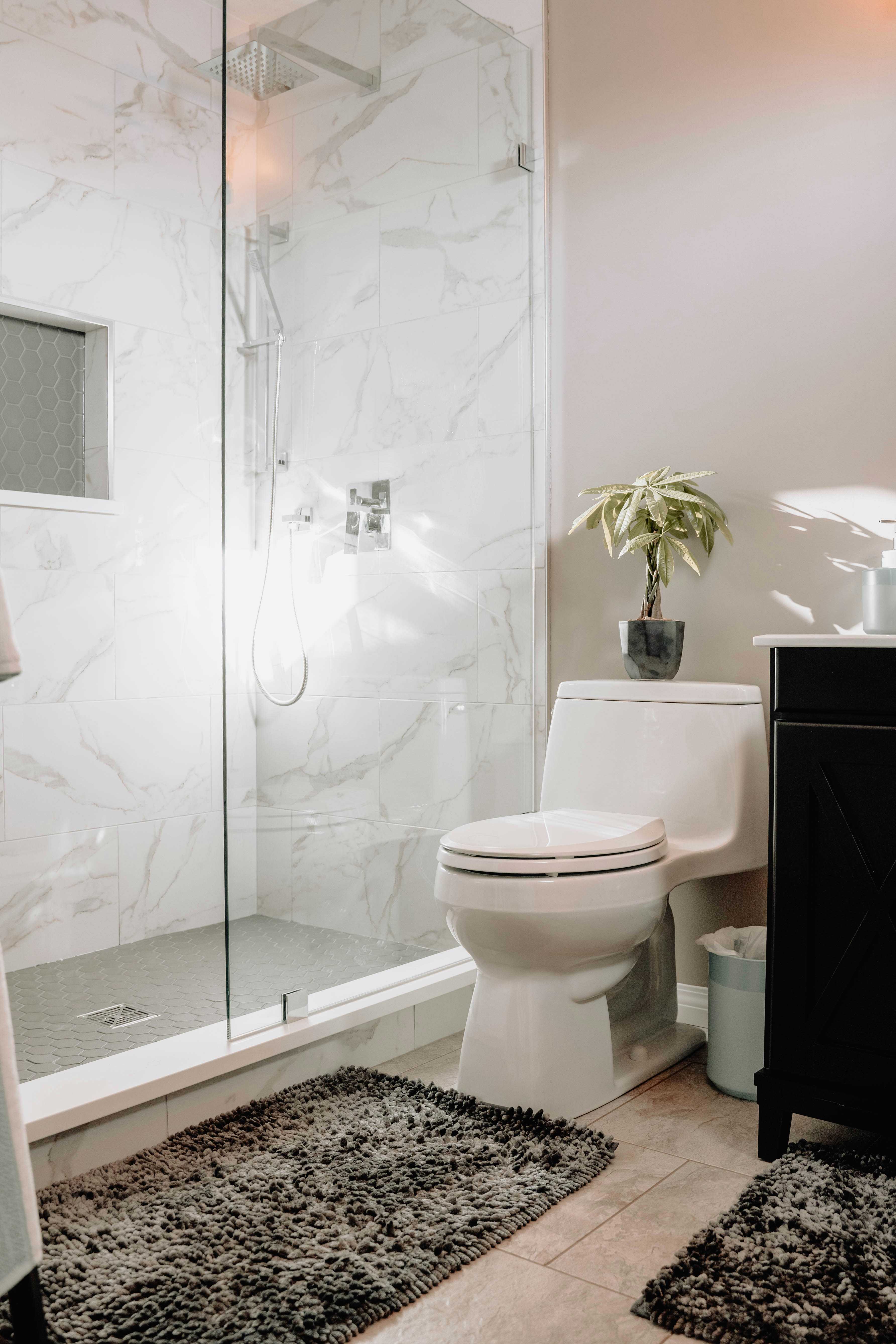
Deciding between a traditional or tankless toilet may seem like a mundane decision, but it can actually have a significant impact on your daily life and overall bathroom experience. With so many options available, it’s important to consider factors such as water usage, maintenance, space requirements, and personal preference. In this article, we will explore the pros and cons of both traditional and tankless toilets, helping you make an informed decision that suits your needs and enhances your bathroom experience.

How Do I Choose Between A Traditional Or Tankless Toilet?

This image is property of images.unsplash.com.

Features and Benefits

When it comes to choosing a toilet, there are several factors to consider. The features and benefits of a toilet can greatly impact your overall satisfaction and convenience. In this article, we will explore the key aspects to consider when making your decision, including functionality, water efficiency, cost, space-saving, maintenance, aesthetics, determining priorities, compatibility with existing plumbing, and seeking professional advice.

Functionality

The functionality of a toilet is essential for a smooth and effective bathroom experience. There are several key factors to consider when evaluating the functionality of a toilet.

Flush Mechanism

One important aspect to consider is the flush mechanism. Traditional toilets typically use a gravity flush system, which relies on the force of gravity to remove waste. Tankless toilets, on the other hand, use pressure-assisted or vacuum-assisted flush mechanisms. These mechanisms provide a powerful and efficient flush, minimizing the risk of clogs and ensuring thorough waste removal.

Water Pressure

Water pressure is another crucial aspect of toilet functionality. Traditional toilets usually rely on the water pressure from the plumbing system to flush waste effectively. Tankless toilets, on the other hand, often have built-in pressure systems, ensuring consistent and powerful flushing regardless of the water pressure in your home.

Clog Resistance

Clogs can be a frustrating and inconvenient problem to deal with. When choosing a toilet, it is important to consider its clog resistance. Traditional toilets with larger water traps and wider waste passages tend to have a higher clog resistance. However, many tankless toilets are specifically engineered to minimize clogs with their pressure-assisted or vacuum-assisted flush mechanisms, providing peace of mind and hassle-free maintenance.

Water Efficiency

Water efficiency is becoming increasingly important as we strive to conserve this precious resource. Choosing a water-efficient toilet can significantly reduce your water consumption and lower your utility bills.

Water Consumption

Traditional toilets often use a higher volume of water per flush, typically around 1.6 gallons or more. In contrast, tankless toilets are designed to be water-efficient and can use as little as 0.8 gallons per flush. By opting for a tankless toilet, you can save significant amounts of water and contribute to a more sustainable lifestyle.

Dual Flush Options

Another water-saving feature to consider is dual flush options. Many tankless toilets offer dual flush functionality, allowing you to choose between a full flush for solid waste or a reduced flush for liquid waste. This flexibility empowers you to use only the necessary amount of water for each flush, further enhancing water efficiency and reducing your environmental footprint.

Smart Features

Innovation in toilet technology has brought about the introduction of smart features. Some tankless toilets come equipped with sensors and intelligent systems that adjust the flush volume based on the waste detected, further improving water efficiency. These smart toilets can automatically adapt to your needs, ensuring optimal water usage without sacrificing flushing power.

Cost

Cost is an important consideration when deciding between a traditional or tankless toilet. While tankless toilets may have a higher upfront cost, it is essential to evaluate the long-term savings they offer.

Initial Price

Typically, tankless toilets have a higher initial price compared to traditional toilets. This is due to the advanced technology and water-saving features they incorporate. However, it is important to consider the long-term savings that can offset this initial investment.

Installation Expenses

When considering the cost, it is essential to factor in installation expenses. Tankless toilets may require professional installation due to their unique plumbing requirements and electrical connections in the case of smart toilets. This additional cost should be considered when evaluating the overall cost of the toilet.

Long-term Savings

Despite the higher upfront cost and potential installation expenses, tankless toilets offer long-term savings that can outweigh the initial investment. The water efficiency of tankless toilets can significantly reduce your water bill over time, leading to substantial savings in the long run. Additionally, the durability and reduced maintenance requirements of tankless toilets can contribute to overall cost savings over their lifespan.

How Do I Choose Between A Traditional Or Tankless Toilet?

This image is property of images.unsplash.com.

Space-saving

Space-saving is a critical consideration, particularly in smaller bathrooms or those with limited space available. Tankless toilets offer several advantages in terms of space-saving.

Compact Size

Tankless toilets are generally more compact compared to traditional toilets. Traditional toilets have a visible water tank behind the bowl, which can take up significant space in your bathroom. In contrast, tankless toilets eliminate the need for a visible tank, allowing for a sleek and minimalistic design that saves valuable floor space.

Wall-mounted Options

If space is a major concern, wall-mounted tankless toilets can be an ideal choice. These toilets are attached to the wall, and the water tank is concealed behind it, freeing up even more floor space. Wall-mounted tankless toilets provide a modern and stylish look to your bathroom while maximizing space efficiency.

Maintenance

Maintenance is an essential aspect to consider when choosing a toilet. The ease of cleaning, repair and replacement, and operating noise are all factors that can influence your overall satisfaction with your chosen toilet.

Cleaning

Cleaning a toilet is a chore that nobody enjoys, but the right choice of toilet can make this task significantly easier. Tankless toilets often have sleek and streamlined designs with fewer nooks and crannies where dirt and bacteria can accumulate. The absence of a visible tank also makes cleaning the exterior of the toilet simpler and more convenient.

Repair and Replacement

In terms of repair and replacement, traditional toilets typically have simpler mechanisms that may be easier to fix or replace if necessary. However, many tankless toilets come with advanced technologies and warranty options that offer peace of mind and ease of repair or replacement, should the need arise. It is important to consider these factors when evaluating the long-term maintenance requirements of your chosen toilet.

Operating Noise

Operating noise can be a concern for some individuals, particularly in households where noise sensitivity is an issue. Traditional toilets may produce more audible flushing noises due to the forceful release of water from the tank. Tankless toilets, on the other hand, often have quieter flushes due to their pressure-assisted or vacuum-assisted flush mechanisms, minimizing disruption and promoting a peaceful bathroom environment.

How Do I Choose Between A Traditional Or Tankless Toilet?

This image is property of images.unsplash.com.

Aesthetics

Aesthetics play a significant role in creating a cohesive and visually pleasing bathroom design. The aesthetics of a toilet can enhance the overall ambiance of the space and should be considered when choosing between a traditional or tankless toilet.

Design Options

Traditional toilets come in a range of designs, including classic and contemporary styles. However, tankless toilets often offer a more modern and minimalist aesthetic due to their sleek and compact designs. Whether you prefer a traditional or modern look, there are various design options available for both types of toilets to complement your bathroom’s overall style.

Match with Bathroom Style

When selecting a toilet, it is crucial to ensure that it matches the existing style of your bathroom. Consider the color, shape, and overall design elements of the toilet to ensure it harmonizes with your bathroom’s aesthetics. Tankless toilets, with their sleek and minimalistic designs, can seamlessly blend into any bathroom style, while traditional toilets can complement more traditional or vintage-inspired bathrooms.

Determining Priorities

To make a well-informed decision between a traditional or tankless toilet, it is important to identify and prioritize your specific needs and preferences. Several factors can influence your choice, including personal preference, usage frequency, budget, and environmental concerns.

Personal Preference

Your personal preference regarding the appearance, functionality, and features of a toilet is a significant factor to consider. Think about what aspects are most important to you and what will contribute to your overall satisfaction and comfort in using the toilet.

Usage Frequency

The frequency of toilet usage in your household should also be taken into account. If you have a high usage frequency, a tankless toilet with enhanced flushing power and water efficiency might be a better choice. Conversely, if toilet usage is relatively low, a more traditional and cost-effective option may suffice.

Budget

Your budget is an important factor in the decision-making process. Tankless toilets often have a higher upfront cost compared to traditional toilets. Evaluate your budget and consider the long-term savings and benefits that a tankless toilet can provide to determine if the initial investment aligns with your financial capabilities.

Environmental Concerns

For individuals concerned with the environment and water conservation, opting for a water-efficient tankless toilet can be a way to contribute to sustainability efforts. By reducing water consumption and minimizing waste, you can play a role in preserving this valuable resource for future generations.

How Do I Choose Between A Traditional Or Tankless Toilet?

Compatibility with Existing Plumbing

When considering a switch from a traditional to a tankless toilet, it is crucial to evaluate the compatibility with your existing plumbing system. Certain considerations and potential modifications may be required to ensure a seamless installation.

Considerations

The compatibility of a tankless toilet with your existing plumbing system depends on various factors, including the plumbing layout, water pressure, and the availability of electrical connections if you choose a smart toilet. Consult with a professional plumber to evaluate the compatibility and make any necessary modifications.

Modifications Required

In some cases, modifications to your existing plumbing may be required to accommodate a tankless toilet. These modifications may include adjusting water pressure, installing additional plumbing lines, or ensuring the appropriate electrical connections for smart toilets. A professional plumber can assess your plumbing system and recommend any necessary modifications to ensure a successful installation.

Seeking Professional Advice

If you are unsure about the decision between a traditional or tankless toilet, it is always beneficial to seek professional advice. Consulting a plumber and researching reputable brands and models can provide valuable insights and help you make an informed decision.

Consulting a Plumber

A professional plumber can provide expert advice based on your specific requirements and the characteristics of your plumbing system. They can assess your needs, evaluate the compatibility of your existing plumbing, and recommend the most suitable toilet options for your situation. Their expertise and experience can be invaluable in guiding you towards the right choice.

Researching Brands and Models

In addition to consulting a plumber, it is essential to conduct your own research on different brands and models of toilets. Explore customer reviews, manufacturer information, and product specifications to gain a comprehensive understanding of the features, capabilities, and reliability of various options. This research will enable you to make an educated decision based on your priorities and preferences.

In conclusion, choosing between a traditional or tankless toilet requires careful consideration of various features and benefits. By evaluating the functionality, water efficiency, cost, space-saving capabilities, maintenance requirements, and aesthetics of both options, you can make an informed decision that aligns with your priorities and specific needs. Don’t hesitate to seek professional advice from a plumber and conduct thorough research to ensure you find the perfect toilet for your bathroom.

How Do I Choose Between A Traditional Or Tankless Toilet?

What Considerations Should I Be Aware Of When Renting In A Homeowners’ Association?

Renting a home in a homeowners’ association can offer many benefits, such as access to community amenities and maintenance services. However, it’s important to be aware of specific considerations to ensure a smooth renting experience. From understanding the association’s rules and regulations to knowing potential fees and restrictions, familiarizing yourself with these key factors will help you make the right decision and enjoy your time in a homeowners’ association rental.

What Considerations Should I Be Aware Of When Renting In A Homeowners Association?

This image is property of images.pexels.com.

Understanding the Homeowners’ Association

Purpose of a homeowners’ association

When considering renting a property within a homeowners’ association (HOA), it’s essential to understand the purpose of the HOA. The primary goal of an HOA is to maintain and enhance the value of the properties within the community. They achieve this by ensuring compliance with the rules and regulations set forth in the HOA’s governing documents, such as covenants, conditions, and restrictions (CCRs) and bylaws. The HOA is responsible for managing common areas, enforcing rules, collecting fees, and addressing any maintenance or repair issues within the community.

Rights and responsibilities of renters in an HOA

As a renter within an HOA, it’s crucial to understand your rights and responsibilities. While you may not have the same level of decision-making power as homeowners, you are still entitled to certain rights outlined in the HOA’s governing documents. These rights may include access to community amenities, the ability to challenge any unfair or discriminatory treatment, and the right to a fair resolution in the event of a dispute with the HOA.

Additionally, renters have certain responsibilities within the community. It is important to comply with the rules and regulations set forth by the HOA to maintain a harmonious living environment. This may include adhering to pet restrictions, abiding by noise ordinances, and properly maintaining the rental property. It’s crucial to be aware of these responsibilities and fulfill them to ensure a positive renting experience within the HOA.

Importance of reviewing HOA rules and regulations

Before renting a property within an HOA, it is essential to thoroughly review the HOA’s rules and regulations. These regulations specify the guidelines for living within the community and outline the expectations for both homeowners and renters. By understanding and abiding by these rules, you can avoid potential disputes with the HOA and ensure a smooth rental experience. Take the time to familiarize yourself with these regulations, paying close attention to any restrictions regarding pets, exterior modifications to the property, noise levels, and the use of community amenities. This knowledge will help you make an informed decision about renting within the HOA and promote a harmonious living environment for all residents.

Financial Considerations

HOA fees and assessments

One of the key financial considerations when renting in an HOA is the payment of HOA fees and assessments. HOA fees are typically paid monthly, quarterly, or yearly and cover the cost of maintaining common areas, amenities, and other shared expenses. It is important to factor these fees into your rental budget to ensure you can meet this financial obligation. Additionally, HOAs may impose special assessments in certain situations, such as unforeseen repair or improvement projects. These one-time fees can significantly impact your finances, so it’s essential to understand the circumstances under which they may be levied.

Budget and reserve funds

Reviewing the HOA’s budget and reserve fund is another important financial consideration. The budget provides insight into the expected income and expenses of the HOA, giving you an understanding of how your monthly fees are allocated. It is beneficial to review the financial stability of the HOA and ensure that the reserve fund is adequately funded. The reserve fund serves as a safety net for major repairs or unexpected expenses and should be robust enough to cover these costs. Adequate funding of the reserve fund indicates that the HOA is proactive in maintaining the community and prevents the need for significant special assessments.

Special assessments

While special assessments can be relatively rare, it is crucial to understand how they may impact your finances as a renter. These one-time fees, as mentioned earlier, are typically imposed when there is an unexpected expense or significant repair project that exceeds the HOA’s budget. As a renter, you may be liable to contribute to these special assessments, depending on the terms of your lease agreement. It is important to have open communication with your landlord to clarify who is responsible for paying these costs and factor them into your financial planning.

What Considerations Should I Be Aware Of When Renting In A Homeowners Association?

This image is property of images.pexels.com.

Restrictions and Regulations

Home exterior and landscaping restrictions

As a renter, you must be aware of the restrictions on home exteriors and landscaping within the HOA. These restrictions are put in place to maintain the overall aesthetic appeal of the community and protect property values. Depending on the specific HOA, you may be limited in making exterior modifications to the rental property. This might include restrictions on painting the house, adding fencing, or making changes to the landscaping. It is crucial to understand these limitations and ensure that any desired modifications comply with the HOA’s guidelines.

Rental restrictions and approval process

Some HOAs may have restrictions on renting properties within the community. These restrictions can be in the form of limits on the number of rentals allowed or specific requirements for leasing, such as obtaining approval from the HOA prior to leasing. As a potential renter, it is important to review the HOA’s governing documents to understand any rental restrictions and ensure compliance. If leasing is allowed, you may be required to submit an application and provide certain documentation to the HOA for approval. Understanding the rental approval process beforehand will help you navigate the rental process smoothly.

Pet restrictions and policies

If you have pets or are considering getting one, it is crucial to be aware of any pet restrictions and policies within the HOA. These restrictions may include limits on the number or size of pets allowed, breed restrictions, and requirements for vaccination records or licensing. It is essential to review the HOA’s governing documents to understand these pet-related restrictions and ensure compliance. Additionally, familiarize yourself with any pet policies, such as leash requirements or designated pet areas, to ensure a harmonious living environment for all residents and their furry companions.

What Considerations Should I Be Aware Of When Renting In A Homeowners Association?

This image is property of images.pexels.com.

What Are The Key Factors To Consider When Designing A Children’s Playroom?

Creating the perfect playroom for your children is an exciting task, full of possibilities and imagination. But with so many options and considerations, it can be overwhelming to know where to start. From safety to functionality, this article will explore the key factors you need to consider when designing a children’s playroom. Whether you’re a parent, guardian, or a design enthusiast looking to create a space that fosters creativity and enjoyment, these factors will help you craft a playroom that is both fun and functional for your little ones. So let’s embark on this design journey together and turn your playroom dreams into a reality! When designing a children’s playroom, there are several key factors that you should consider to create a space that is both functional and enjoyable for your child. From the layout and space to the choice of furniture and the overall theme, each aspect plays a role in creating a welcoming and safe environment. In this article, we will explore these factors in detail, providing you with comprehensive information on how to design the perfect playroom for your little one.

Layout and Space

Room size and shape

The size and shape of the room will significantly impact the layout and design of your child’s playroom. A larger room allows for more freedom to incorporate different play areas and activities, while a smaller space may require more creative thinking to make the most of the available square footage. Consider the dimensions of the room when planning the placement of furniture, storage solutions, and play equipment.

Floor plan and traffic flow

A well-thought-out floor plan is essential for efficient traffic flow and easy access to different areas of the playroom. Take into account the different activities your child engages in and how they move around the space. Arrange furniture and play equipment in a way that allows for smooth navigation and minimizes congestion.

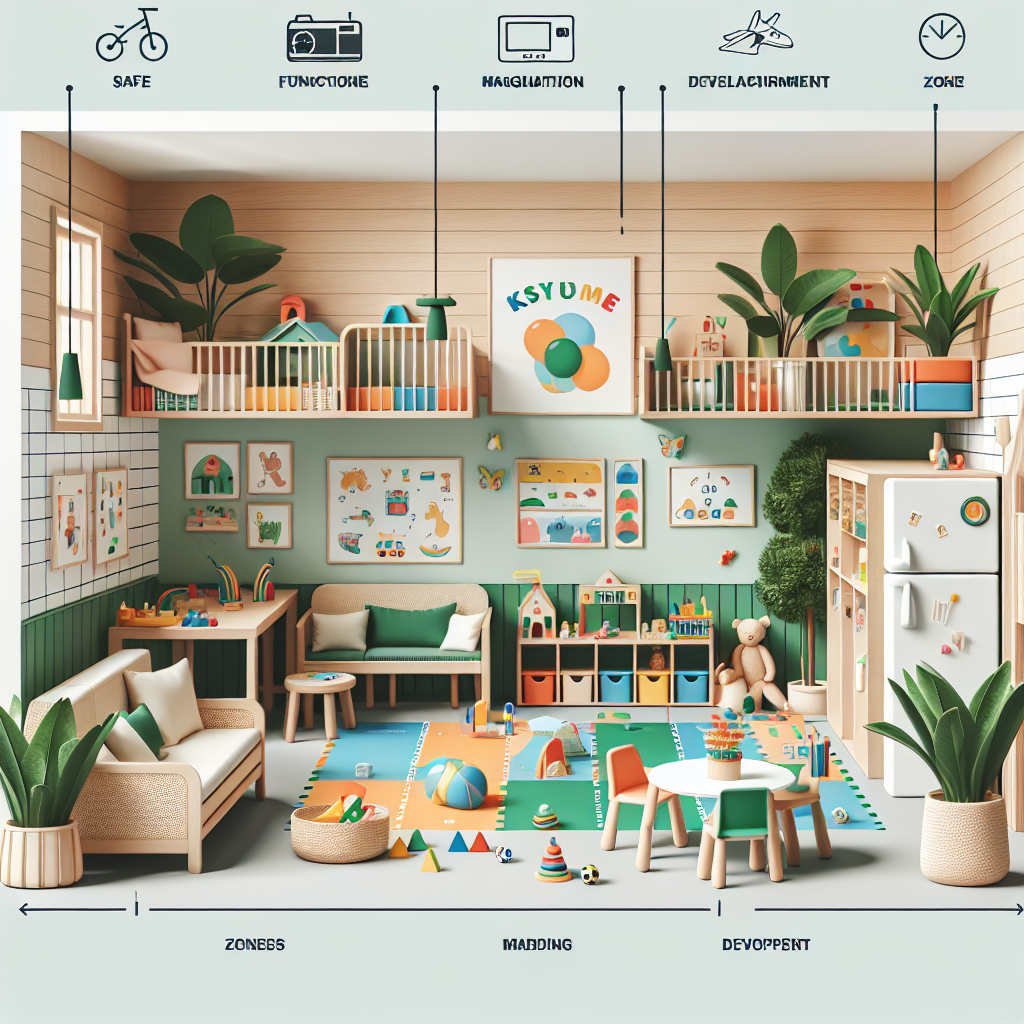
Zoning different areas

Dividing the playroom into different zones can help create an organized and visually appealing space. Consider establishing dedicated areas for different activities, such as a reading corner, an art station, and a play area. Clearly defining these zones will make it easier for your child to understand and navigate the space, promoting independence and creativity.

Safety Measures

Childproofing the space

Childproofing is essential to ensure the safety of your little one in the playroom. Install safety gates to restrict access to stairs or other potentially dangerous areas. Secure heavy furniture to the walls to prevent tipping, and cover electrical outlets. Conduct a thorough check for any sharp edges or choking hazards, and ensure that all toys and equipment meet safety standards.

Choosing non-toxic materials

When selecting materials for the playroom, opt for non-toxic options to minimize the risk of exposure to harmful chemicals. Look for paints and finishes that are low in volatile organic compounds (VOCs) and choose furniture made from sustainable and non-toxic materials like solid wood or low-emission particleboard.

Ensuring proper lighting and ventilation

Adequate lighting and ventilation are essential in any playroom. Natural light is ideal, so maximize the use of windows and consider using light-filtering or blackout curtains to control the amount of light entering the space. Additionally, ensure that the playroom has proper ventilation to maintain a healthy environment for your child.

What Are The Key Factors To Consider When Designing A Childrens Playroom?

This image is property of images.unsplash.com.

Storage Solutions

Consideration of age-appropriate storage

When it comes to storage in a children’s playroom, it’s crucial to consider age-appropriate solutions. Opt for low-height shelves or cubbies that your child can easily access. Baskets and bins are great for organizing toys, crafts, and other items. Incorporate hooks or racks for hanging dress-up clothes or bags. Encouraging your child to participate in the cleanup process by using labeled bins or color-coded storage can also teach them valuable organizational skills.

Utilizing vertical space

Make the most of the vertical space in the playroom by incorporating wall-mounted shelves, hooks, or storage units. This not only maximizes storage capacity but also keeps the floor clear for play. Consider utilizing hanging nets or hammocks for stuffed animals or adding a loft bed with built-in storage for older children.

Labeling and organization

To keep the playroom tidy and organized, label storage bins and shelves. This makes it easy for your child to find and return items to their designated spots. Use clear bins or transparent labels for younger children who may not be able to read yet. Teaching your child the importance of organization and tidiness from a young age will help them develop good habits that can carry into other areas of their life.

Furniture and Seating

Selecting child-sized furniture

Investing in child-sized furniture is a must for creating a comfortable and functional play space. Child-sized tables and chairs allow your little one to comfortably engage in activities like drawing, puzzles, or tea parties. Look for chairs with rounded edges and stable construction to minimize the risk of accidents.

Creating cozy reading nooks

Designing a cozy reading nook helps foster a love for books and encourages quiet time. Include a comfortable chair or bean bag for your child to sit on, along with a bookshelf stocked with age-appropriate books. Add soft lighting, such as a small lamp or string lights, to create a calming ambiance.

Incorporating multipurpose pieces

When space is limited, consider incorporating multipurpose furniture pieces into the playroom. For example, choose a storage ottoman that can double as seating or a play table that also functions as a storage unit. This allows you to maximize functionality while minimizing clutter.

What Are The Key Factors To Consider When Designing A Childrens Playroom?

This image is property of images.unsplash.com.

Color and Theme

Choosing child-friendly colors

When selecting colors for the playroom, opt for child-friendly hues that are visually appealing and stimulating. Bright and vibrant colors like blues, yellows, greens, and pinks are popular choices. Avoid overly bold or dark colors, as they may be visually overwhelming. Additionally, consider using color psychology to create a soothing and energetic balance within the playroom.

Adding whimsical and imaginative elements

Spark your child’s imagination by incorporating whimsical elements into the playroom. Consider adding a mural or wall decals of their favorite characters, animals, or scenes. Use imaginative wallpaper or stencils to create fun patterns. These playful touches will make the playroom feel like a magical space that ignites their creativity.

Incorporating favorite characters or themes

If your child has a favorite character or theme, incorporate it into the playroom design. Whether it’s superheroes, princesses, or outer space, adding elements related to their interests will make the playroom feel personalized and special. Use bedding, wall art, rugs, or curtains to showcase their favorite characters while maintaining a cohesive overall design.

Flooring

Choosing durable and easy-to-clean flooring

Selecting durable and easy-to-clean flooring is essential for a children’s playroom. Opt for materials like hardwood, laminate, or vinyl that can withstand wear and tear. These materials are also easy to clean, which is important when dealing with spills or accidents. Avoid carpeting, as it can trap dirt and allergens and may require frequent cleaning.

Considering soft and padded surfaces

In areas where your child is likely to spend extended periods, such as reading nooks or play areas, consider adding soft and padded surfaces. Incorporate rugs or foam mats to provide a comfortable and safe space for play and relaxation. These surfaces not only protect your child from accidental falls but also add warmth and coziness to the playroom.

Adding rugs for comfort and style

Rugs are an excellent addition to a children’s playroom as they provide both comfort and style. Choose rugs with playful patterns or bright colors that complement the overall theme of the room. In addition to softening the space, rugs also help define different zones and can be easily cleaned or replaced if necessary.

What Are The Key Factors To Consider When Designing A Childrens Playroom?

This image is property of images.unsplash.com.

Lighting and Acoustics

Natural and artificial lighting options

A combination of natural and artificial lighting is ideal for a children’s playroom. Natural light helps create a bright and cheerful atmosphere, so maximize the use of windows and ensure that they are not obstructed by furniture or window treatments. Supplement natural light with overhead lighting, task lighting, and floor or table lamps to provide adequate illumination throughout the playroom.

Controlling glare and shadows

To ensure optimal lighting, minimize glare and shadows in the playroom. Use window coverings that allow you to control the amount of sunlight entering the space. Position lighting fixtures strategically to avoid casting harsh shadows or causing eye strain. Consider using diffusers or lampshades to soften the light and create a more comfortable environment.

Soundproofing and noise reduction solutions

Playrooms can be noisy spaces, so implementing soundproofing and noise reduction solutions is essential. Use soft materials like curtains, rugs, and upholstered furniture to absorb sound and reduce echo. Consider installing acoustic panels or soundproof wallpaper on the walls to minimize noise transfer between rooms. This will create a quieter environment for your child and ensure a more peaceful coexistence with the rest of the household.

Accessibility and Inclusivity

Designing for children with special needs

When designing a playroom, it’s important to consider the needs of all children, including those with special needs. Make the playroom accessible by incorporating features like ramps, wider doorways, or adjustable height furniture. Include sensory elements like textured walls or tactile toys to stimulate different senses. By creating an inclusive environment, you can ensure that every child feels comfortable and welcome in the playroom.

Ensuring easy access for all ages

A well-designed playroom should cater to children of different ages. Ensure that furniture and storage solutions are accessible to all ages, from toddlers to older children. Consider adjustable or convertible furniture that can adapt as your child grows. By providing age-appropriate access, you promote independence and a sense of ownership over the space.

Incorporating sensory elements

Sensory play is crucial for a child’s development, so consider incorporating sensory elements into the playroom. Include items like textured wall panels, sensory bins filled with different materials, or a small water table for sensory exploration. These elements not only provide valuable sensory stimulation but also add an interactive and engaging dimension to the playroom.

What Are The Key Factors To Consider When Designing A Childrens Playroom?

Play Equipment and Toys

Providing a variety of play options

A variety of play options is essential to keep your child engaged and entertained in the playroom. Include a mix of active and quiet play equipment, such as climbing structures, slides, swings, puzzles, building blocks, and board games. Consider rotating toys to keep the playroom fresh and exciting, preventing boredom and encouraging imaginative play.

Considering age-appropriate toys and games

Ensure that the toys and games in the playroom are suitable for your child’s age and developmental stage. Follow recommended age guidelines and avoid small parts or toys that may pose a choking hazard. Incorporating toys that promote learning, creativity, and problem-solving skills can contribute to your child’s development while they play.

Ensuring safe and durable equipment

Safety should be a top priority when selecting play equipment and toys for the playroom. Check for any sharp edges, loose parts, or potential entrapment hazards. Choose durable and sturdy products that can withstand rigorous play. Regularly inspect and maintain the equipment to ensure it remains in good condition and address any safety concerns promptly.

Creative and Artistic Elements

Incorporating art supplies and creativity stations

Encouraging creativity is essential in a children’s playroom. Dedicate an area for art supplies and creativity stations where your child can freely express themselves. Provide a variety of art materials like crayons, markers, paints, and paper. Consider adding an easel or a wall-mounted chalkboard for drawing or painting. This allows your child to explore their artistic side and engage in imaginative play.

Displaying children’s artwork and creations

Celebrate your child’s creativity by displaying their artwork and creations in the playroom. Hang a corkboard or use a string and clothespins to create a gallery wall. This not only showcases their artistic accomplishments but also adds a personal and proud touch to the playroom. Involving your child in the display process can boost their confidence and sense of accomplishment.

Adding interactive and imaginative elements

To foster imaginative play, incorporate interactive elements into the playroom. This can include features like a pretend kitchen or market, a puppet theater, or a dress-up area. By providing props and accessories, you encourage your child to engage in role-playing and storytelling, allowing their imagination to soar.

By considering these key factors when designing a children’s playroom, you can create a space that is safe, functional, and enjoyable for your child. From the layout and space to the choice of furniture and overall theme, each aspect plays a crucial role in shaping an environment that sparks creativity, promotes development, and provides endless hours of fun. So, roll up your sleeves, unleash your creativity, and start creating a playroom that your child will adore.

What Are The Key Factors To Consider When Designing A Childrens Playroom?

How Do I Ensure I’m Offering A Competitive Rental Rate?

Finding the perfect rental rate for your property can be a challenging task, but fear not, because we’ve got you covered! In this article, we will explore some key strategies and tips to help you ensure that you are offering a competitive rental rate. Whether you’re a seasoned landlord or just starting out, these insights will provide you with the confidence and knowledge to attract tenants and maximize your profits. So let’s dive in and discover how you can set a rental rate that stands out in the market!

How Do I Ensure Im Offering A Competitive Rental Rate?

This image is property of images.unsplash.com.

Research the Rental Market

Before setting your rental rate, it’s important to conduct thorough research on the rental market. Start by identifying your target rental market. Determine the type of tenants you want to attract and the specific location or area where you plan to rent out your property. Understanding your target market will help you tailor your rental rate to their needs and preferences.

Next, analyze the demand and supply in the rental market. Look for indicators of a high demand for rental properties, such as low vacancy rates and a growing population. Also, consider the supply of rental properties in the area. If there is an oversupply of similar properties, you may need to adjust your rental rate accordingly to stay competitive.

Another crucial step is to analyze competitors’ rental rates. Look at similar properties in your area and compare their rental rates. Take into account factors such as location, amenities, and condition of the properties. This analysis will give you a benchmark for setting your own rental rate and help you stay competitive in the market.

Evaluate Your Property

Once you have a good understanding of the rental market, it’s time to evaluate your own property. Start by assessing its location and amenities. Properties in desirable locations or with attractive amenities tend to command higher rental rates. Consider factors such as proximity to schools, shopping centers, parks, and public transportation.

Next, take into account the condition and appeal of your property. A well-maintained and visually appealing property is more likely to attract tenants and justify higher rental rates. Consider investing in renovations or upgrades if necessary, to increase the value and appeal of your property.

Additionally, factor in any unique selling points your property has. Does it have a stunning view, a large backyard, or a unique layout? These features can set your property apart from the competition and allow you to justify a higher rental rate.

Lastly, determine the average rental rates for similar properties in your area. This will give you an idea of the market rate and help you set a competitive rental rate for your property.

Calculate Your Costs and Desired Profit

To set a competitive rental rate, it’s crucial to consider your costs and desired profit. Start by determining your operating expenses, which include property management fees, advertising costs, utilities, and any other expenses directly related to renting out your property.

Include mortgage or loan payments in your calculations as well. If you have taken out a loan to purchase the property, it’s important to factor in the cost of the monthly mortgage payment.

Don’t forget to account for property taxes and insurance. These are recurring expenses that can significantly impact your overall costs.

Consider maintenance and repair costs as well. As a landlord, you are responsible for maintaining the property and addressing any repairs that may arise. It’s important to budget for these expenses to ensure you can cover them without compromising your desired profit.

Speaking of profit, determine your desired profit margin. Consider your investment goals and the return you expect from your rental property. This will help you identify how much profit you need to make to achieve your financial objectives.

Consider Competitive Pricing Strategies

To attract potential tenants, it’s important to price your rental at market value. Research what similar properties are renting for in your area and aim to align your rental rate accordingly. Setting your rental rate too high may deter potential tenants, while setting it too low may raise concerns about the quality of the property.

Consider offering price incentives to attract tenants. For example, you can offer reduced security deposits or discounted rent for the first few months. These incentives can make your property more appealing and give you a competitive edge.

Another strategy is to provide value-added services or amenities. Consider including utilities, such as water or internet, in the rental rate to attract tenants who value convenience. Additionally, offering amenities like a gym, pool, or laundry facilities can allow you to justify a higher rental rate.

To maximize your rental income, apply dynamic pricing strategies for peak and off-peak seasons. Adjust your rental rate based on the demand in different seasons to ensure you are maximizing your rental income throughout the year.

Lastly, consider offering long-term rental discounts. Many tenants prefer stability and may be willing to commit to a longer lease if they can get a discounted rental rate. Offering a lower rate for longer leases can help you attract tenants who are looking for a more extended stay.

How Do I Ensure Im Offering A Competitive Rental Rate?

This image is property of images.unsplash.com.

Stay Updated on Market Trends

To ensure you are offering a competitive rental rate, it’s essential to stay updated on market trends. Keep track of rental market fluctuations by regularly monitoring rental ads, attending open houses, and speaking with other landlords in your area. This will give you a firsthand understanding of the current rental rates and demand in the market.

Additionally, monitor economic indicators that may affect rental rates. Factors such as job growth, inflation, and population trends can impact the rental market. Stay informed about local regulations and policies, as changes in legislation can also affect rental rates and demand.

Be aware of changes in property tax rates as well. Property taxes can increase over time and affect your overall operating expenses. By staying aware of these changes, you can adjust your rental rate to account for any increases in property taxes.

Seek Professional Advice

If you find it challenging to navigate the rental market and set a competitive rental rate, don’t hesitate to seek professional advice. Consult with a local real estate agent or property manager who has expertise in the rental market in your area. They can provide valuable insights and help you determine the optimal rental rate for your property.

Consider hiring a professional appraiser to assess the value of your property accurately. An appraiser can provide an unbiased evaluation based on market trends and property condition, ensuring you set a fair and competitive rental rate.

Attending industry conferences or seminars can also be beneficial. These events offer opportunities to learn from experts in the field and gain insights into the current rental market trends. Additionally, joining landlord associations or participating in online forums can provide a platform to exchange ideas and experiences with other landlords, allowing you to learn from their strategies.

How Do I Ensure Im Offering A Competitive Rental Rate?

This image is property of images.unsplash.com.

Gather Feedback from Potential Tenants

To gauge if your rental rates are competitive, it’s important to gather feedback from potential tenants. During property viewings, ask for feedback on your rental rates. This can provide valuable insights into how your rates compare to their expectations and the market.

Consider conducting surveys or questionnaires to gather more specific opinions. Ask tenants about their perceptions of your rental rates compared to similar properties and whether they believe your property offers good value for the price. Take note of any comments or complaints about pricing and use this feedback to evaluate and adjust your rental rates if necessary.

Analyze and Adjust Rental Rates Regularly

Setting your rental rate is not a one-time task. It’s important to regularly analyze and adjust your rental rates based on market conditions and tenant feedback. Monitor the vacancy rate of your rental property – if the property sits vacant for an extended period, it may be an indication that your rental rate is too high.

Reviewing your rental rates annually is a good practice, but you should also consider making adjustments as per market conditions. If the demand for rental properties is high, you may be able to justify increasing your rental rate. Conversely, if the market is more competitive or if tenant feedback suggests your rates are too high, consider lowering them to attract more tenants.

Take into account the feedback and suggestions from your current tenants as well. They can offer insights into whether your rental rates align with their expectations and the market. If several tenants raise concerns about the pricing, it may be an indication that an adjustment is necessary to remain competitive.

Finally, assess the financial performance of your rental property regularly. This includes evaluating your rental income, operating expenses, and desired profit margin. By analyzing your financial performance, you can determine if your rental rates are generating the desired profit and make necessary adjustments if needed.

How Do I Ensure Im Offering A Competitive Rental Rate?

Leverage Online Rental Rate Comparison Tools

To ensure you are offering a competitive rental rate, consider leveraging online rental rate comparison tools. These platforms provide data on rental rates for similar properties in your area, helping you gauge where your rates stand in the market.

Use these tools to compare your property’s features and location with other rentals in the area. Adjust your rental rates based on the market data provided, ensuring you are offering a competitive rate that reflects the value of your property.

However, keep in mind that online rental rate comparison tools are just one source of information. They should be used in conjunction with other research and considerations to set a well-informed rental rate.

Communicate and Market Clearly

When marketing your rental property, it’s crucial to communicate your rental rate clearly and transparently. Clearly state your rental rate in property listings, both online and offline. Avoid any confusion or misunderstandings by being upfront about the cost of renting your property.

Highlight any included utilities or amenities in your marketing materials. If your rental rate includes water, electricity, internet, or any other services, make sure to mention them. Tenants appreciate the convenience of having utilities included, and this can increase the perceived value of your property.

Provide transparency about any additional fees. If there are any fees that tenants need to pay on top of the rental rate, make sure to disclose them upfront. This includes fees for parking, pet deposits, or cleaning services. Being transparent about additional costs will build trust with potential tenants.

Finally, use clear and appealing marketing materials. High-quality photos and detailed descriptions of your property can attract more tenants and justify your rental rate. Showcasing the unique features and advantages of your property will help tenants understand the value they will receive in exchange for the rental rate.

By following these steps and considering various factors, you can ensure you are offering a competitive rental rate that attracts tenants and maximizes your rental income. Regularly assess the rental market, stay informed about trends and regulations, and seek professional advice when needed. With careful research and analysis, you can set a rental rate that is fair, competitive, and aligns with your investment goals.

How Do I Ensure Im Offering A Competitive Rental Rate?

How Can I Integrate Biophilic Design Principles Into My Home?

Imagine creating a space that truly brings the outdoors in, where natural elements reign supreme, and harmony with nature becomes your new design mantra. In this article, you’ll discover the transformative power of biophilic design and explore practical ways to integrate its principles into your home. From incorporating plants and natural materials to maximizing natural light and reconnecting with your surroundings, you’ll uncover the secrets to creating a sanctuary that nurtures both your mind and body. Get ready to embark on a journey of rediscovery as you infuse your home with the beauty and benefits of biophilia.

How Can I Integrate Biophilic Design Principles Into My Home?

This image is property of images.unsplash.com.

Benefits of Biophilic Design

Biophilic design is a concept that emphasizes the connection between humans and nature in the built environment. By incorporating natural elements and creating spaces that mimic nature, biophilic design has numerous benefits for our overall well-being.

Enhances overall well-being

Integrating biophilic design principles into your home can significantly enhance your overall well-being. Research has shown that exposure to nature and natural elements can improve mood, reduce stress, and increase feelings of relaxation. By bringing nature indoors, you create a calming and nurturing environment that promotes a sense of well-being.

Improves air quality and reduces toxins

One of the key benefits of biophilic design is the improvement in indoor air quality. Natural materials, such as wood and natural fibers, can act as air purifiers, removing toxins and pollutants from the air. Additionally, incorporating plants into your home can help filter out harmful airborne particles and increase oxygen levels, leading to cleaner and healthier air for you and your family.

Boosts productivity and creativity

Bringing nature into your living environment can have a positive impact on your productivity and creativity. Studies have shown that exposure to natural elements can enhance cognitive function, improve concentration, and increase productivity. By integrating biophilic design principles, such as maximizing natural light and incorporating natural materials, you create a space that promotes focus, inspiration, and innovative thinking.

Reduces stress and anxiety

In today’s fast-paced and stressful world, finding ways to reduce stress and anxiety is essential for our well-being. Biophilic design can help create a calming and soothing atmosphere that reduces stress levels and promotes relaxation. The presence of plants, natural materials, and water elements can have a grounding effect, providing a sense of tranquility and fostering a connection to nature.

Increases connection to nature

One of the primary goals of biophilic design is to increase our connection to nature. By incorporating elements such as views to the outdoors, natural textures, and nature-inspired color palettes, you can create a space that fosters a deeper connection to the natural world. This connection can enhance our appreciation for the beauty of nature and promote a sense of harmony and well-being.

Incorporating Natural Light

Maximizing natural light sources in your home is a fundamental principle of biophilic design. Natural light has numerous benefits for our well-being, including improved mood, increased vitamin D production, and enhanced visual comfort.

Maximizing natural light sources

To maximize natural light sources, it is essential to ensure that windows are unobstructed and free from heavy window treatments that may block the light. Choose light-colored curtains or blinds that allow for ample light penetration while still providing privacy. Additionally, consider positioning furniture and decor away from windows to avoid blocking the natural light entering your space.

Utilizing light-colored walls and floors

Light-colored walls and floors can help reflect and amplify natural light, making your space feel brighter and more open. Opt for light tones, such as whites, creams, or pastels, to create a visually spacious and well-lit environment. Additionally, choosing reflective surfaces, like glossy finishes or mirrors, can further enhance the natural light in your space.

Avoiding heavy window treatments

Heavy window treatments, such as thick curtains or dark blinds, can hinder the amount of natural light entering your home. Consider opting for sheer or lightweight curtains that allow natural light to filter through while still providing some privacy. Installing window films or shades that diffuse light can also be a great way to maintain privacy while maximizing natural light.

Using Natural Materials

In biophilic design, the use of natural materials is crucial to create a connection to nature and promote a healthy living environment. By choosing sustainable and eco-friendly materials, you can ensure that your home is both aesthetically pleasing and environmentally conscious.

Choosing sustainable and eco-friendly materials

When selecting materials for your home, prioritize those that are sustainable, eco-friendly, and have low environmental impact. Look for certifications like Forest Stewardship Council (FSC) for wood products, Cradle to Cradle (C2C) for overall material sustainability, and Global Organic Textile Standard (GOTS) for fabrics. By choosing these materials, you contribute to a healthier planet while enjoying the beauty of natural elements in your home.

Incorporating wood, stone, and natural fibers

Incorporating natural materials such as wood, stone, and natural fibers can add warmth, texture, and a sense of authenticity to your space. Use wooden furniture, flooring, or accent pieces to bring a touch of nature indoors. Incorporate stone elements like granite countertops or marble tiles to create a natural and luxurious feel. Additionally, consider using natural fibers like jute or hemp for rugs, curtains, or upholstery to add a tactile and organic element to your home.

Avoiding synthetic or toxic materials

To ensure a healthy living environment, it is crucial to avoid synthetic or toxic materials that can off-gas harmful chemicals. Synthetic materials such as vinyl, plastics, or particleboard can release volatile organic compounds (VOCs) into the air, affecting indoor air quality. Opt for natural alternatives such as organic cotton, wool, or bamboo for textiles, and choose non-toxic paints and finishes for walls and furniture.

Bringing in Living Plants

Plants are an essential element of biophilic design, as they not only add visual appeal but also provide a connection to nature and numerous health benefits. Incorporating living plants into your home can improve air quality, reduce stress, and create a peaceful and inviting atmosphere.

Adding indoor potted plants

One of the simplest ways to bring nature indoors is by adding indoor potted plants to your living space. Choose a variety of plants that thrive indoors and are low maintenance, such as peace lilies, snake plants, or pothos. Place them strategically throughout your home, including living areas, bedrooms, and even bathrooms, to enjoy the beauty and benefits of natural greenery.

Creating vertical gardens or green walls

If you have limited floor space, consider creating a vertical garden or green wall. These innovative solutions allow you to incorporate a significant amount of greenery while maximizing space. Install planters or shelving units filled with cascading plants or herbs along a wall or use modular vertical garden systems for an eye-catching and vibrant display of nature.

Utilizing hanging or trailing plants

Hanging or trailing plants can add a unique and whimsical touch to your home while providing a connection to nature. Install hanging planters from the ceiling or place trailing plants on shelves, bookcases, or window sills. Plants like English ivy, string of pearls, or spider plants work well for these applications and can create a lush and vibrant atmosphere.

How Can I Integrate Biophilic Design Principles Into My Home?

This image is property of images.unsplash.com.

Creating Views to the Outdoors

Having views to the outdoors is an essential aspect of biophilic design, as it allows us to connect with nature and experience the beauty of the natural world. By positioning furniture to frame outdoor views and incorporating large windows or glass doors, you can create a seamless transition between indoor and outdoor spaces.

Positioning furniture to frame outdoor views

Strategically position your furniture to frame outdoor views and focal points. Arrange seating areas near windows or glass doors that offer captivating views of gardens, trees, or natural landscapes. By doing so, you create a visual connection to nature from the comfort of your home, allowing you to enjoy the beauty of the outdoors even when you are indoors.

Using large windows or glass doors

Incorporating large windows or glass doors is an effective way to bring the outdoors in and maximize the amount of natural light entering your home. Floor-to-ceiling windows or sliding glass doors not only provide stunning views but also create an illusion of an extended living space by seamlessly merging indoor and outdoor areas. This design feature brings an abundance of natural light, fresh air, and a sense of openness to your home.

Adding a balcony or terrace

If your home allows, consider adding a balcony or terrace to expand your living space and create an outdoor retreat. A well-designed outdoor area can provide a peaceful sanctuary where you can relax, recharge, and connect with nature. Enhance your outdoor space with comfortable seating, potted plants, and natural elements to create a seamless transition between indoor and outdoor living.

Incorporating Water Elements

Water elements are an integral part of biophilic design, as they evoke a sense of tranquility and mimic the soothing sounds of nature. By incorporating indoor water features, natural or artificial ponds, or small waterfalls or fountains, you can create a calming and serene atmosphere in your home.

Installing indoor water features

Indoor water features, such as tabletop fountains or wall-mounted cascades, can add to the visual and auditory experience of your space. The gentle flow of water creates a soothing ambiance and helps mask background noise, promoting a sense of calm and relaxation. Choose water features that fit your space and style, and place them strategically to enhance the overall biophilic design of your home.

Creating a natural or artificial pond

If you have sufficient outdoor space, consider creating a natural or artificial pond in your garden. A pond not only adds visual interest but also provides a habitat for aquatic plants and wildlife, further connecting you to nature. The sound of water, the sight of fish swimming, and the presence of aquatic plants create a tranquil environment that promotes a sense of peace and tranquility.

Integrating a small waterfall or fountain

Small waterfalls or fountains can be incorporated into both indoor and outdoor spaces, adding a touch of elegance and tranquility. The sound of cascading water creates a soothing atmosphere and helps mask background noise, enhancing relaxation and promoting a connection to nature. Choose a size and style that suits your space and preferences, and position it in an area where it can be enjoyed and appreciated.

How Can I Integrate Biophilic Design Principles Into My Home?

This image is property of images.unsplash.com.

Connecting with Nature through Art

Art has the power to evoke emotions, inspire creativity, and bring the beauty of nature into our living spaces. By displaying nature-themed artwork and photography, using wallpaper or murals with natural scenes, or incorporating natural textures and patterns, you can create a space that evokes a sense of awe and wonder.

Displaying nature-themed artwork and photography

Choose artwork and photography that captures the beauty and tranquility of nature. Display paintings, prints, or photographs that depict landscapes, wildlife, or botanical elements. These pieces can serve as focal points in your home, inviting you to pause, contemplate, and appreciate the wonders of the natural world.

Using wallpaper or murals with natural scenes

Consider using wallpaper or murals with natural scenes to create a stunning backdrop in your home. Opt for designs that mimic the look of forests, meadows, or seascapes to promote a sense of being immersed in nature. This visual feature can add depth, texture, and a touch of whimsy to your space, creating a unique and captivating environment.

Incorporating natural textures and patterns

Adding natural textures and patterns to your home can further enhance the biophilic design aesthetic. Choose textiles, such as cushions, throws, or rugs, with patterns inspired by leaves, trees, or flowers. Use natural materials like rattan or jute for furniture or decor accents to add warmth, texture, and a touch of nature to your living space.

Enhancing Indoor Air Quality

Indoor air quality is crucial for our health and well-being, and biophilic design principles can significantly contribute to improving the air we breathe. By adding air-purifying plants, using natural air purifiers like activated charcoal, and optimizing ventilation and airflow, you can create a healthier living environment.

Adding air purifying plants

Certain plants have the ability to purify the air by removing toxins and releasing oxygen. Common examples include the peace lily, spider plant, snake plant, and aloe vera. Place these plants strategically throughout your home to maximize their air-purifying benefits. Not only do they enhance the aesthetic of your space, but they also contribute to cleaner and healthier indoor air.

Using natural air purifiers like activated charcoal

Activated charcoal is a natural air purifier that effectively absorbs toxins, odors, and allergens from the air. Place activated charcoal in small sachets or containers and position them in areas where air circulation is limited, such as closets, bathrooms, or near litter boxes. This simple and cost-effective solution can significantly improve indoor air quality and create a healthier living environment.

Optimizing ventilation and airflow

Proper ventilation and airflow are essential for maintaining good indoor air quality. Ensure that your home has adequate ventilation through windows, vents, or mechanical systems. Regularly clean and maintain these ventilation systems to prevent the buildup of dust or allergens. Additionally, consider using fans or natural ventilation strategies to improve airflow and circulate fresh air throughout your home.

How Can I Integrate Biophilic Design Principles Into My Home?

Designing with Biomorphic Shapes

Biophilic design embraces the use of biomorphic shapes, which are organic and fluid forms inspired by nature. By incorporating curves and organic forms into your furniture and decor, you can create a visually pleasing and harmonious living space.

Incorporating curves and organic forms

Choose furniture and decor pieces with curved lines and organic forms to mimic the shapes found in nature. Sofas with rounded edges, coffee tables with flowing lines, or chairs with fluid contours can create a sense of movement and visual interest in your space. These biomorphic shapes evoke a sense of comfort and relaxation, inviting you to sit, relax, and unwind.

Choosing furniture and decor with organic shapes

Look for furniture and decor items that feature organic shapes, such as tables with tree trunk-like bases, lamps with natural exaggerations, or shelving units with asymmetrical configurations. These unique and nature-inspired designs add character and personality to your home while connecting you to the beauty and unpredictability of the natural world.

Avoiding harsh angular lines

When designing with biophilic principles in mind, it is essential to avoid harsh and rigid angular lines. Instead, opt for softer, more gentle lines and transitions that evoke a sense of fluidity and harmony. This design approach creates a space that feels inviting, soothing, and in tune with nature.

Creating Nature-Inspired Color Palettes

Color plays a vital role in evoking emotions and setting the mood in our living spaces. By using earthy tones like greens, browns, and blues, adding pops of vibrant natural colors, and avoiding overly bright or artificial colors, you can create a nature-inspired color palette that promotes harmony and tranquility.

Using earthy tones like greens, browns, and blues

Earthy tones like greens, browns, and blues are particularly well-suited for creating a nature-inspired color palette. These colors mimic the hues found in forests, meadows, or bodies of water, and evoke a sense of calm and groundedness. Paint your walls in shades of sage green or warm earthy browns, or incorporate these colors through furniture, textiles, or decorative accents to bring a touch of nature to your home.

Adding pops of vibrant natural colors

To add visual interest and energy to your space, consider adding pops of vibrant natural colors. Colors like bright yellows, oranges, or reds can evoke the feeling of a blooming flower or a tropical sunset. Use these colors as accent pieces, such as cushions, artwork, or decorative objects, to create focal points and add a dynamic element to your biophilic design.

Avoiding overly bright or artificial colors

When designing with a biophilic approach, it is essential to avoid overly bright or artificial colors that can feel jarring or disconnected from nature. Instead, opt for muted or soft variations of colors to create a harmonious and balanced atmosphere. Choose colors that remind you of natural elements, such as soft blues for the sky or warm neutrals for the earth, to promote a sense of serenity and a deeper connection to nature.

By incorporating biophilic design principles into your home, you can create a space that not only looks visually stunning but also promotes well-being and enhances your connection to nature. Whether through maximizing natural light, using natural materials, bringing in living plants, creating views to the outdoors, incorporating water elements, showcasing nature-inspired art, enhancing indoor air quality, designing with biomorphic shapes, or using nature-inspired color palettes, every aspect of your home can be transformed into a sanctuary that nurtures your mind, body, and soul. Embrace biophilic design and embark on a journey to create a home that celebrates the beauty and serenity of the natural world.

How Can I Integrate Biophilic Design Principles Into My Home?

How Do I Manage The Challenge Of Noisy Tenants Or Noise Complaints?

Living in close quarters with noisy neighbors can be a frustrating experience, but fear not! In this article, we will explore practical strategies to help you effectively manage noisy tenants or handle noise complaints. We understand how disruptive loud noises can be to your peace of mind, so we’ve got you covered with tips and suggestions that will empower you to address this challenge head-on. So, let’s dive in and discover how you can regain control over your living environment and foster a harmonious atmosphere for everyone involved.

How Do I Manage The Challenge Of Noisy Tenants Or Noise Complaints?

This image is property of images.pexels.com.

Understanding the Impact of Noise Complaints

The importance of addressing noise complaints

As a landlord, it is crucial to understand the impact that noise complaints can have on your rental property and the overall satisfaction of your tenants. Excessive noise can disrupt the peace and quiet that tenants expect in their homes, leading to increased stress, frustration, and even potential health issues. Noise complaints left unaddressed can result in tenant dissatisfaction, high turnover rates, and a tarnished reputation as a landlord. Therefore, it is essential to address noise complaints promptly and effectively to maintain a harmonious living environment for your tenants.


Potential consequences of failing to address noise complaints

Failure to address noise complaints can have several negative consequences for both tenants and landlords. For tenants, living in a noisy environment can significantly impact their quality of life, sleep patterns, and overall well-being. This can lead to increased tension among neighbors, strained relationships, and potential legal disputes. For landlords, ignoring noise complaints can result in a loss of revenue due to tenant turnover, difficulty attracting new tenants, and potential legal liabilities if the noise issue escalates and leads to legal action. By not taking noise complaints seriously, landlords risk jeopardizing the success and profitability of their rental properties.

Preventing Noise Problems in Rental Properties

Setting clear noise policies in lease agreements

One effective way to prevent noise problems in your rental properties is to establish clear noise policies within your lease agreements. These policies should outline acceptable noise levels and quiet hours, ensuring that tenants are aware of the expectations. By setting these guidelines from the beginning, you can minimize the chances of noise issues arising and provide a clear framework for resolving any complaints that may come up later.

Conducting thorough tenant screening processes

Another crucial step in preventing noise problems is conducting thorough tenant screening processes. By thoroughly vetting potential tenants, you can identify individuals with a history of noise-related issues or complaints. This may involve checking references, previous rental history, and conducting background checks. A comprehensive screening process can help you identify responsible tenants who are more likely to adhere to noise regulations and maintain a peaceful living environment.

Educating tenants on acceptable noise levels and quiet hours

In addition to including noise policies in lease agreements, it is essential to educate your tenants on acceptable noise levels and quiet hours. This can be done through informative brochures or a tenant orientation session when they move in. By clearly communicating your expectations and emphasizing the importance of respecting their neighbors’ peace and quiet, tenants are more likely to adhere to the rules and be considerate of others.

Enforcing noise regulations within the property

To prevent noise problems, it is crucial to actively enforce noise regulations within your rental property. Regularly monitor noise levels and address any violations promptly. This may involve issuing warnings, conducting inspections, or implementing fines if necessary. By consistently enforcing the rules, tenants will understand that noise complaints are taken seriously and that there are consequences for disregarding the regulations.

Effective Communication and Mediation

Creating an open line of communication with tenants

Maintaining open lines of communication with your tenants is vital when it comes to addressing noise concerns. Encourage tenants to approach you if they have any noise-related issues and assure them that their concerns will be heard and resolved. By fostering a trusting and approachable relationship, tenants will feel more comfortable coming forward with complaints, allowing for a quicker resolution of the problem.

Listening actively to tenants’ noise concerns

When tenants express noise concerns, it is crucial to listen actively and empathetically. Give them the opportunity to explain their grievances and understand the impact that the noise is having on their daily lives. By actively listening, you demonstrate that you value their concerns and are committed to finding a solution that satisfies all parties involved.

Providing timely responses and updates

After receiving a noise complaint, it is essential to provide timely responses and updates to the affected tenant. Acknowledge their complaint promptly and inform them of the steps you are taking to address the issue. Regularly update them on the progress made and when they can expect the noise problem to be resolved. This level of communication ensures that tenants feel informed and reassured that their concerns are being taken seriously.

Mediating conflicts between noisy tenants and affected neighbors

In situations where conflicts arise between noisy tenants and affected neighbors, it is crucial to act as a mediator. Facilitate a conversation where both parties can express their concerns and grievances and work towards finding a compromise. By playing a neutral role and assisting in finding a resolution, you can prevent the issue from escalating and maintain a harmonious living environment for all tenants.

Implementing Noise Control Measures

Identifying common noise sources in rental properties

To effectively control and minimize noise in your rental properties, it is essential to identify the common noise sources. This may include loud appliances, inadequate sound insulation, or structural issues that contribute to noise transfer between units. By pinpointing these sources, you can focus your efforts on implementing appropriate noise control measures.

Improving sound insulation and acoustics

One effective way to reduce noise problems is to improve the sound insulation and acoustics within your rental properties. This can include adding insulation to walls, ceilings, and floors, installing acoustic panels, or sealing gaps and cracks that allow sound to pass through easily. By investing in these improvements, you can significantly reduce noise transfer and create a quieter living environment.

Installing noise-reducing materials and equipment

Incorporating noise-reducing materials and equipment can also help in controlling noise problems. Consider installing carpets or rugs with sound-absorbing properties, double or triple-glazed windows, and solid-core doors that dampen sound transmission. Additionally, you can provide tenants with white noise machines or soundproofing curtains to further minimize the impact of noise disturbances.

Designing a layout that minimizes noise transfer

When renovating or designing new rental properties, it is important to consider the layout to minimize noise transfer. Position common areas such as kitchens and living rooms away from bedrooms to reduce noise disruption during sleep hours. Additionally, separating units with buffer spaces, such as stairwells or storage areas, can help mitigate noise transfer between neighboring units.

How Do I Manage The Challenge Of Noisy Tenants Or Noise Complaints?

This image is property of images.pexels.com.

Taking Legal Action if Necessary

Understanding local noise ordinances and regulations

To ensure that you are taking appropriate legal action when necessary, it is essential to understand and comply with local noise ordinances and regulations. Familiarize yourself with the specific laws governing noise levels, quiet hours, and the process for handling noise complaints. This knowledge will help you navigate legal challenges effectively and avoid potential penalties or disputes.

Documenting noise incidents and complaints

When considering legal action, it is crucial to document noise incidents and complaints thoroughly. Keep detailed records of the date, time, nature of the noise disturbance, and any actions taken to address the issue. This documentation will serve as valuable evidence if legal action becomes necessary and will help support your case.

Issuing warnings or formal notices to tenants

If noise problems persist despite your efforts to resolve them, it may be necessary to issue warnings or formal notices to tenants. These written communications should clearly outline the noise violations, the steps taken to address the issue, and the consequences of continued non-compliance. By formally documenting the issue, you demonstrate your commitment to enforcing noise regulations and encourage tenants to take the matter seriously.

Consulting with legal professionals when considering eviction

In extreme cases where noise problems cannot be resolved, it may be necessary to consider eviction as a last resort. Consult with legal professionals experienced in tenant-landlord issues to ensure that you follow all necessary legal procedures and requirements. Eviction is a complex process, and seeking legal guidance will help you navigate it effectively and minimize the potential for legal complications.

Handling Noise Complaints from Neighbors

Listening to neighbors’ concerns empathetically

When receiving noise complaints from neighbors, it is essential to listen to their concerns empathetically. Understand that their quality of life may be significantly impacted by the noise disturbances and assure them that their complaints will be addressed promptly. By exhibiting empathy and acknowledging their feelings, you can create a positive relationship and encourage a cooperative approach to resolve the issue.

Gathering evidence and conducting investigations

To effectively address noise complaints from neighbors, gather evidence and conduct thorough investigations. Request specific details from the complaining neighbors, such as the times, dates, and descriptions of the noise disturbances. This information will enable you to identify the source of the problem and take appropriate action to resolve it.

Engaging in dialogue and finding compromise

Engaging in dialogue with both the complaining neighbors and the noisy tenants is crucial in finding a compromise. Facilitate a conversation where both parties can express their concerns and work towards a mutually agreeable solution. By encouraging open communication and fostering compromise, you increase the likelihood of resolving the issue without escalating tensions.

Offering mediation or assistance to affected neighbors

In situations where noise complaints persist or relationships between neighbors become strained, offer mediation or assistance to the affected neighbors. Provide resources or referrals to mediation services that specialize in resolving neighbor disputes. By taking an active role in finding a resolution, you demonstrate your commitment to maintaining a positive living environment for all tenants.

How Do I Manage The Challenge Of Noisy Tenants Or Noise Complaints?

This image is property of images.pexels.com.

Creating a Positive Living Environment

Fostering a sense of community and mutual respect

Creating a positive living environment involves fostering a sense of community and mutual respect among your tenants. Encourage neighborly interactions and promote a culture of respect for each other’s privacy and well-being. By building a strong community bond, tenants are more likely to address noise issues directly and amicably, reducing the need for formal complaints.

Organizing social events to strengthen tenant relationships

Organizing social events within your rental properties can help strengthen tenant relationships and establish a sense of camaraderie. By bringing tenants together in a friendly and relaxed setting, they are more likely to develop personal connections and address noise issues through direct communication. Creating opportunities for tenants to connect fosters a cooperative environment that minimizes the potential for noise problems.

Encouraging tenants to report noise issues promptly

Encourage your tenants to report noise issues promptly by providing a simple and accessible reporting process. Clear communication channels, such as a designated email address or an online portal, can facilitate timely reporting and ensure that noise problems are addressed expeditiously. By motivating tenants to report noise issues, you empower them to take an active role in maintaining a peaceful living environment.

Rewarding responsible tenants for maintaining a quiet environment

Recognize and reward responsible tenants who consistently maintain a quiet and respectful environment. This can be done through periodic acknowledgments or small incentives for their efforts in minimizing noise disturbances. By publicly acknowledging and rewarding responsible behavior, you reinforce the importance of noise control and encourage other tenants to follow suit.

Utilizing Technology to Monitor Noise Levels

Exploring noise monitoring devices and apps

Advancements in technology have made it easier to monitor noise levels and detect disturbances. Exploring noise monitoring devices and apps can help you proactively identify potential noise issues before they become major problems. These tools can provide real-time data on noise levels, allowing you to take immediate action to address any violations of noise regulations.

Installing security cameras with audio capabilities

Security cameras with audio capabilities can be a valuable tool in monitoring noise levels and addressing noise complaints. By capturing audio evidence, you can assess the severity of noise disturbances and take appropriate action to resolve the issue. Additionally, the presence of visible security cameras may deter tenants from engaging in disruptive behavior.

Using noise detection technology to identify problem areas

Noise detection technology has become increasingly sophisticated in recent years. Utilizing this technology can help you identify problem areas within your rental properties that contribute to noise disturbances. By pinpointing these areas, you can implement targeted solutions to address the root cause of the noise problems and prevent future disruptions.

Implementing automated notifications for excessive noise

Automated notifications can be a useful tool in managing noise complaints. By installing systems that automatically send notifications to tenants when noise levels exceed acceptable limits, you provide immediate feedback and reminders to maintain a quiet environment. This proactive approach can help prevent noise issues from escalating and promote tenant awareness of noise regulations.

How Do I Manage The Challenge Of Noisy Tenants Or Noise Complaints?

Working with Property Management Companies

Outsourcing noise complaint management to professionals

If you find it challenging to manage noise complaints effectively, consider outsourcing this responsibility to property management companies. These professionals have experience in dealing with tenant issues, including noise complaints, and can handle the process efficiently. Property management companies can take the burden off your shoulders and ensure that noise complaints are addressed promptly and professionally.

Utilizing property management software for efficient communication

Property management software can streamline communication between landlords, tenants, and property management companies, making noise complaint management more efficient. These platforms provide a centralized hub for tenants to report noise issues and allow landlords and property managers to track and address complaints in a timely manner. By utilizing such software, you can improve the overall management of noise complaints and ensure effective communication.

Leveraging the experience and expertise of property managers

Property managers have the experience and expertise to handle noise complaints effectively. They understand local regulations, have established relationships with contractors and legal professionals, and can navigate the process more efficiently. By leveraging their knowledge and skills, you can ensure that noise complaints are addressed professionally and in compliance with the law.

Ensuring compliance with noise-related regulations

Property management companies can also assist in ensuring compliance with noise-related regulations. They stay up-to-date with local ordinances and can provide guidance on how to manage noise complaints in accordance with the law. By working with property management professionals, you can have peace of mind knowing that your rental properties are in compliance and that noise issues are being handled appropriately.

Seeking Professional Help and Advice

Consulting with legal experts specializing in tenant-landlord issues

When faced with complex noise complaints and legal challenges, it is advisable to consult with legal experts specializing in tenant-landlord issues. These professionals can provide valuable advice on navigating the legal landscape, understanding your rights and obligations as a landlord, and ensuring that you handle noise complaints appropriately. Their expertise will help you make informed decisions and minimize the risk of legal complications.

Engaging noise control consultants or engineers

In cases where noise problems persist despite your efforts, engaging noise control consultants or engineers may be necessary. These professionals can assess your rental property, identify the sources of noise disturbances, and recommend appropriate solutions. By seeking expert advice, you can implement effective noise control measures tailored to your specific property, minimizing the potential for ongoing noise complaints.

Seeking assistance from local housing authorities

Local housing authorities can be a valuable resource when dealing with noise complaints. They can provide guidance on local regulations, mediation services, and dispute resolution processes. Engaging with local housing authorities demonstrates your commitment to resolving noise issues appropriately and can help you resolve conflicts in a fair and objective manner.

Joining landlord associations for guidance and support

Joining landlord associations can provide you with valuable guidance and support when managing noise complaints. These associations often offer educational resources, seminars, and networking opportunities where you can learn from experienced landlords and industry professionals. By connecting with other landlords facing similar challenges, you can gain insights and strategies for effectively managing noise complaints in your rental properties.

In conclusion, effectively addressing noise complaints is vital for landlords to maintain a positive living environment and ensure tenant satisfaction. By implementing proactive measures, fostering open communication, and leveraging technology and professional expertise, landlords can successfully manage noise-related issues and promote a peaceful and harmonious community for their tenants.

How Do I Manage The Challenge Of Noisy Tenants Or Noise Complaints?

How Do I Ensure Proper Ventilation In My Basement?

If you find yourself asking this question, it’s likely that you’re looking for practical solutions to improve the air quality in your basement. Whether you have a finished space that needs fresh air circulation or an unfinished area prone to dampness and musty odors, ensuring proper ventilation is key to maintaining a healthy environment. In this article, we will explore some simple yet effective ways to achieve better airflow in your basement and create a more comfortable and inviting space.

Understanding the Importance of Basement Ventilation

Proper ventilation in a basement is crucial for a variety of reasons. Basements are often prone to excess moisture and poor air quality, which can lead to a range of issues such as mold growth, musty odors, and even health problems. Ventilation helps remove stagnant air, control humidity levels, and prevent the buildup of harmful pollutants. Without adequate ventilation, your basement can become a breeding ground for bacteria and mold, putting both your home and your family’s health at risk. Therefore, it is essential to understand the importance of basement ventilation and take appropriate measures to ensure a well-ventilated space.

Assessing the Current Ventilation System

Before making any changes or improvements to the ventilation in your basement, it is necessary to assess the current system in place. Determine if there are any existing vents, windows, or fans that facilitate air circulation. Check if they are functioning properly and if they are adequately sized to handle the amount of air exchange required. Assessing your current ventilation system will provide a starting point for identifying any shortcomings and making informed decisions about the necessary improvements.

How Do I Ensure Proper Ventilation In My Basement?

This image is property of images.unsplash.com.

Determining Air Quality Needs

Every basement is unique, and the air quality needs may vary depending on factors such as the size of the space, the level of moisture, and the activities conducted in the basement. To ensure proper ventilation, you need to assess these specific air quality needs. Consider the level of humidity, as excessive moisture can lead to mold growth and musty odors. Evaluate the presence of airborne pollutants, such as radon or volatile organic compounds (VOCs), which can be harmful if not properly addressed. By understanding your basement’s air quality needs, you can tailor your ventilation efforts accordingly.

Improving Natural Ventilation

One of the most cost-effective ways to ensure proper basement ventilation is by maximizing natural airflow. It involves creating openings for fresh air to enter the basement and allowing stale air to exit. Utilize existing windows and doors by ensuring they are in good condition and opening them to encourage fresh air circulation. Additionally, consider adding window wells or vents to facilitate a better flow of air. Properly placed vents can create a natural convection current, drawing in fresh air from higher points and expelling stale air from lower points. By improving natural ventilation, you can significantly enhance the air quality in your basement without relying heavily on mechanical systems.


How Do I Ensure Proper Ventilation In My Basement?

This image is property of images.unsplash.com.

Installing Exhaust Fans

In some cases, natural ventilation alone may not be sufficient to adequately ventilate a basement, especially if the space is large or lacks sufficient openings. Installing exhaust fans can significantly increase the air exchange rate and help remove stale air and excess moisture effectively. Place exhaust fans strategically to ensure proper airflow throughout the basement. Consider installing fans near moisture-prone areas, such as laundry rooms or bathrooms, to prevent the accumulation of water vapor. When choosing fans, opt for energy-efficient models and ensure they are sized appropriately for your specific ventilation needs.

Utilizing Window Fans

Window fans can be a cost-effective and efficient way to improve ventilation in a basement. They work by drawing fresh air in through one window while expelling stale air out through another. This creates a cross-ventilation effect, encouraging air circulation and preventing stagnant air from building up in the basement. Window fans are generally easy to install and can be operated manually or with the help of a thermostat or timer. To maximize their effectiveness, use window fans in conjunction with natural ventilation methods to create a balanced airflow system in your basement.

How Do I Ensure Proper Ventilation In My Basement?

This image is property of images.unsplash.com.

Considerations for Dehumidification

Excess moisture is a common issue in basements, and high humidity levels can contribute to mold growth and musty odors. In addition to ventilation, dehumidification can be an essential component of maintaining a dry and healthy basement environment. Consider investing in a dehumidifier specifically designed for basement use. Choose a model with adequate capacity to handle the size of your basement and opt for features such as automatic humidity control and condensate pumps for convenience. Running a dehumidifier alongside proper ventilation will help control humidity levels and significantly reduce the risk of mold and other moisture-related problems.

Preventing Moisture and Mold

Effective ventilation plays a crucial role in preventing moisture and mold growth in your basement. By ensuring proper airflow, you can mitigate excessive humidity and condensation, which are favorable conditions for mold development. In addition to ventilation strategies, there are other preventive measures you can take. Consider using moisture-resistant materials for walls and flooring, such as mold-resistant drywall and epoxy coatings. Use waterproof sealants around windows, pipes, and other potential entry points for moisture. Regularly inspect and repair any leaks or water damage promptly. By paying attention to these details and implementing proper ventilation measures, you can create an environment that is inhospitable to mold growth and moisture-related issues.

How Do I Ensure Proper Ventilation In My Basement?

Regular Maintenance and Inspection

Maintaining a well-ventilated basement requires regular maintenance and inspection. Ensure that all vents, fans, and windows are clean and functioning properly. Regularly clean or replace air filters in your ventilation system to maintain optimal air quality. Inspect the basement for any signs of water leaks, mold growth, or musty odors. Address any issues promptly to prevent them from worsening and compromising the ventilation in your basement. By establishing a routine maintenance schedule and staying vigilant, you can ensure that your basement remains properly ventilated and free from potential hazards.

Consulting with Professionals

For more complex basement ventilation issues or if you are unsure about the best course of action, it is advisable to consult with professionals. Ventilation experts or HVAC contractors can assess your basement, provide expert advice, and recommend appropriate solutions tailored to your specific needs. They can help design and install ventilation systems, address any potential structural concerns, and ensure that your basement ventilation meets industry standards and local building codes. Consulting with professionals will give you peace of mind and help you make informed decisions regarding the ventilation needs of your basement.

In conclusion, ensuring proper ventilation in your basement is essential for maintaining a healthy and comfortable living environment. By understanding the importance of basement ventilation and following the outlined steps, you can significantly improve airflow, control moisture levels, and prevent the growth of mold and other pollutants. Remember to assess your current ventilation system, determine your basement’s specific air quality needs, and utilize a combination of natural ventilation, fans, and dehumidification as necessary. Regular maintenance and inspection are crucial to sustaining proper ventilation, and consulting with professionals can provide expert guidance when needed. By investing time and effort into ensuring proper basement ventilation, you can enjoy a safe, dry, and well-ventilated space for years to come.

How Do I Ensure Proper Ventilation In My Basement?