What Are Best Practices For Dealing With Shared Amenities In A Rental Complex?

In a rental complex, shared amenities can be a wonderful perk for residents, but they can also present unique challenges. From pool maintenance to gym etiquette, navigating these shared spaces requires careful consideration and cooperation. In this article, we will explore some of the best practices for managing and maintaining shared amenities in a rental complex to ensure a harmonious and enjoyable living experience for everyone involved. Whether you are a tenant or a landlord, these tips will help you create an environment where residents can make the most out of the community amenities without any unnecessary conflicts.

Establishing Rules and Regulations

Create a comprehensive set of rules and regulations

When it comes to managing shared amenities in a rental complex, it is crucial to establish a comprehensive set of rules and regulations. These rules should address various aspects such as usage limits, cleaning responsibilities, and safety guidelines. By creating a clear and thorough set of rules, you can ensure that tenants understand their rights and responsibilities when using the shared amenities.

Clearly communicate these rules to all tenants

Once you have established the rules and regulations, the next step is to effectively communicate them to all tenants. This can be done through multiple channels, such as posting notices in common areas, sending out newsletters or emails, and conducting orientation sessions for new tenants. By ensuring that all tenants are aware of the rules, you can minimize misunderstandings and conflicts regarding the use of shared amenities.

Enforce the rules consistently and fairly

Enforcement of the established rules and regulations is essential for maintaining order and fairness in the rental complex. It is important to enforce the rules consistently and fairly for all tenants, regardless of their tenure or personal relationships. By doing so, you create a sense of fairness and promote a positive community atmosphere in which everyone feels respected and treated equally.

Designating Responsibility and Maintenance

Assign specific responsibilities for maintenance and upkeep

To ensure the proper maintenance and upkeep of shared amenities, it is important to assign specific responsibilities to individuals or groups. This could involve designating tenants or hiring staff members to handle tasks such as cleaning, regular inspections, and minor repairs. By clearly outlining these responsibilities, you establish accountability and ensure that the shared amenities are well-maintained.

Establish a system for reporting and addressing issues

In order to effectively address maintenance issues, it is crucial to establish a system for reporting and addressing them promptly. This could involve providing tenants with a designated point of contact, such as a property manager or a maintenance hotline, where they can report any issues or concerns. By having a streamlined system in place, you can ensure that maintenance needs are addressed in a timely manner, minimizing any inconvenience for tenants.

Regularly inspect shared amenities for maintenance needs

Regular inspections of shared amenities are integral to identifying any maintenance needs before they escalate into more significant problems. By conducting routine inspections, you can proactively address issues such as equipment malfunctions, safety hazards, or cleanliness concerns. These inspections should be documented, and any necessary repairs or maintenance should be scheduled and completed promptly.

What Are Best Practices For Dealing With Shared Amenities In A Rental Complex?

This image is property of images.pexels.com.

Establishing Reservations and Scheduling

Implement a fair reservation system for popular amenities

In order to ensure fair access to popular amenities, it is advisable to implement a reservation system. This can be particularly relevant for amenities with limited capacity, such as a gym, pool, or community room. By having a reservation system in place, all tenants have an equal opportunity to enjoy these amenities, without overcrowding or conflicts over availability.

Create a schedule for regular maintenance and cleaning

To maintain a high standard of cleanliness and functionality, it is important to establish a regular maintenance and cleaning schedule for shared amenities. This could involve assigning specific days or time slots for cleaning staff to perform their duties. By adhering to a schedule, you can ensure that the amenities are consistently well-maintained, providing a pleasant experience for all tenants.

Consider time limits or restrictions for certain amenities

In order to promote fair usage and prevent monopolization of amenities, it may be beneficial to set time limits or restrictions on certain amenities. For example, you could implement a time limit for using the shared laundry facilities or establish a maximum number of guests allowed in the community room. These measures help ensure that all tenants have a fair opportunity to enjoy the amenities and prevent any one individual from dominating their use.

Maintaining Cleanliness and Hygiene

Provide clear guidelines for cleanliness

To maintain a clean and hygienic environment within shared amenities, it is important to provide clear guidelines for cleanliness. These guidelines should outline expectations for tenants in terms of proper disposal of trash, personal belongings, and overall cleanliness of the space. By setting clear expectations, tenants can take responsibility for maintaining a clean environment and contribute to a positive living experience for everyone.

Establish a cleaning schedule for shared spaces

In addition to tenant responsibilities, it is crucial to establish a regular cleaning schedule for shared spaces. This could involve hiring professional cleaners to regularly deep clean the amenities or assigning designated staff members who are responsible for routine cleaning tasks. By ensuring that shared spaces are consistently cleaned, you create a welcoming and hygienic environment for all tenants to enjoy.

Ensure proper disposal and recycling options are available

Promoting sustainability and responsible waste management is an important aspect of maintaining cleanliness and hygiene in shared amenities. It is essential to provide proper disposal and recycling options within these spaces. Clearly labeled and conveniently accessible waste bins, recycling facilities, and composting options encourage tenants to dispose of their waste properly, reducing the risk of any unsightly or unhygienic conditions.

What Are Best Practices For Dealing With Shared Amenities In A Rental Complex?

This image is property of images.pexels.com.

Promoting Safety and Security

Install appropriate security measures for shared amenities

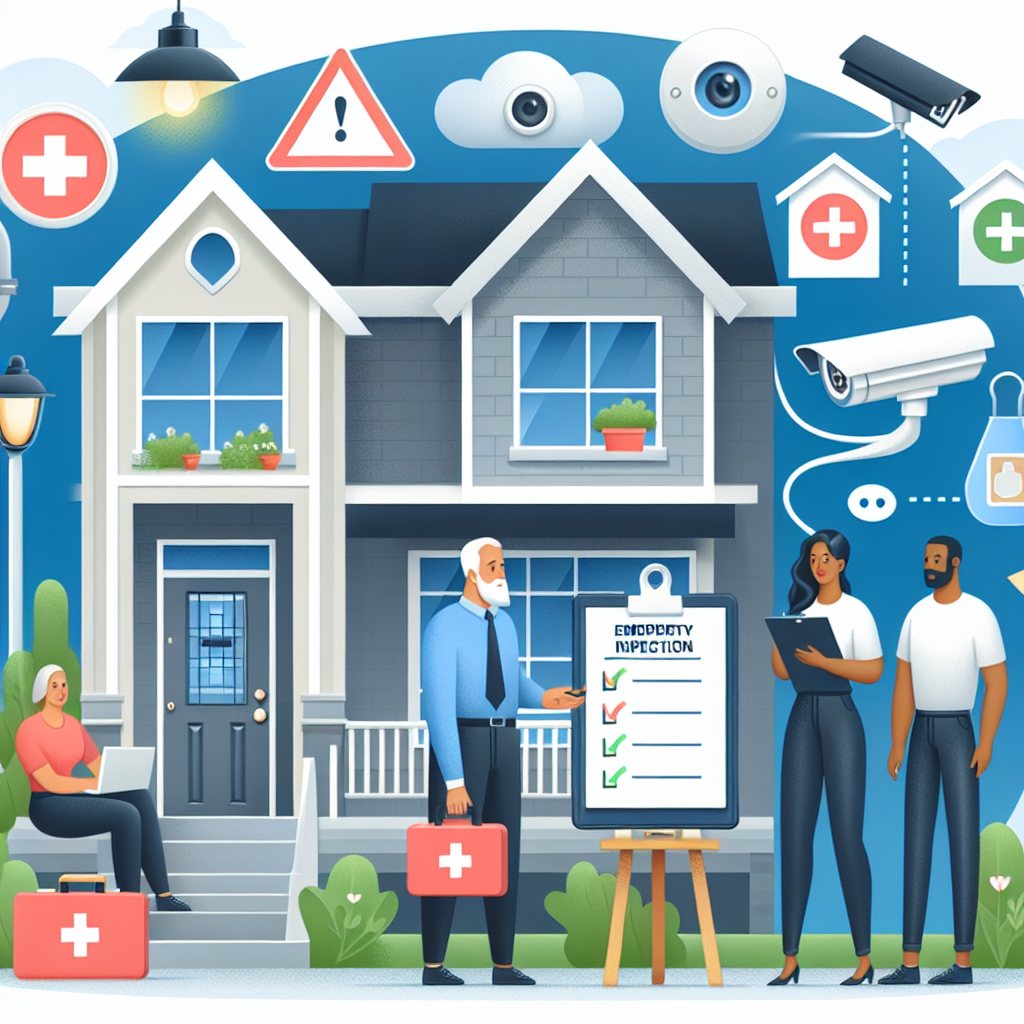
Safety and security are paramount when it comes to shared amenities in a rental complex. Installing appropriate security measures, such as surveillance cameras, properly functioning locks, and adequate lighting, can help deter and prevent any suspicious activities. By making tenants feel safe, you create a conducive environment for them to utilize and enjoy the shared amenities without concerns for their personal safety.

Implement an access control system if necessary

In certain cases, it may be necessary to implement an access control system to ensure that only authorized individuals have access to certain shared amenities. This could involve issuing key fobs or access codes to tenants, enabling them to enter specific areas like the fitness center or rooftop terrace. By implementing an access control system, you can protect the amenities from unauthorized use and maintain a secure environment for all tenants.

Educate tenants about safety precautions and emergency procedures

Alongside physical security measures, it is essential to educate tenants about safety precautions and emergency procedures related to the shared amenities. This could include providing information on fire evacuation plans, proper usage of equipment, and general safety guidelines for each amenity. By arming tenants with this knowledge, you empower them to take responsibility for their own safety and contribute to the overall security of the rental complex.

Encouraging Communication and Cooperation

Establish channels for effective communication between tenants

Promoting open and effective communication between tenants is vital in maintaining a harmonious community within a rental complex. Establishing channels, such as online forums, community newsletters, or regular meetings, encourages tenants to share ideas, address concerns, and foster a sense of belonging. By facilitating communication, you create an environment where tenants can collaborate and work together towards a positive living experience.

Encourage tenants to address concerns or conflicts in a respectful manner

Conflicts or concerns regarding shared amenities are inevitable in a rental complex. However, it is important to encourage tenants to address these issues in a respectful and constructive manner. By creating a culture of open communication and conflict resolution, tenants feel comfortable voicing their concerns, leading to proactive problem-solving and the prevention of further conflicts.

Facilitate community-building events or initiatives

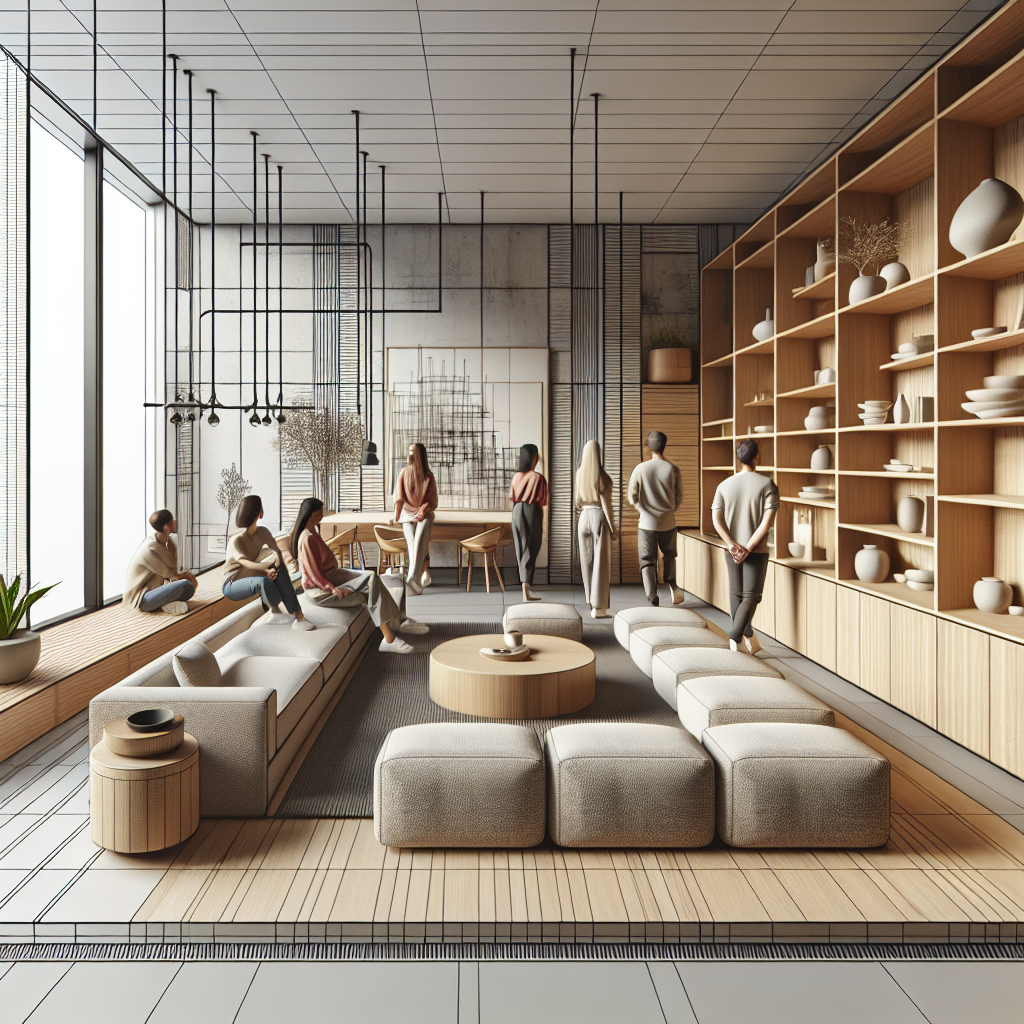
To foster a sense of community and cooperation among tenants, consider organizing community-building events or initiatives. These could include holiday parties, volunteer projects, or fitness classes within the shared amenities. By providing opportunities for tenants to interact and connect with one another, you encourage a supportive and inclusive environment, enhancing the overall living experience.

What Are Best Practices For Dealing With Shared Amenities In A Rental Complex?

This image is property of images.pexels.com.

Setting Limits and Addressing Violations

Clearly define usage limits and restrictions for each amenity

To maintain fair and equitable usage of shared amenities, it is essential to clearly define usage limits and restrictions for each amenity. This could involve specifying the maximum number of guests allowed, setting time limits for usage, or outlining any specific rules unique to each amenity. By clearly communicating these limits, tenants can understand and respect the boundaries, minimizing potential violations.

Address violations promptly and fairly

When violations of the established rules and regulations occur, it is crucial to address them promptly and fairly. This may involve issuing warnings, conducting investigations, or taking appropriate disciplinary actions if necessary. By addressing violations consistently and promptly, you establish a culture of accountability and encourage compliance with the rules, ensuring a harmonious living environment for all tenants.

Implement consequences for repeated or severe violations

In cases of repeated or severe violations, it may be necessary to implement consequences that deter such behavior. This could involve penalties such as fines, temporary suspension of amenity privileges, or even termination of the lease agreement in extreme cases. By enforcing consequences for repeated or severe violations, you maintain order and discourage behaviors that can negatively impact the shared amenities and the overall community.

Providing Adequate Resources and Services

Ensure amenities are well-equipped and maintained

To meet the needs and expectations of tenants, it is crucial to ensure that shared amenities are well-equipped and properly maintained. This could involve regular inspections to identify any equipment repairs or upgrades needed, as well as providing necessary supplies, such as cleaning products or recreational equipment. By investing in the amenities’ upkeep, you contribute to the overall satisfaction and enjoyment of tenants.

Consider offering additional services or resources for tenants’ convenience

To enhance the tenant experience, consider offering additional services or resources that cater to their convenience. This could include amenities such as on-site laundry facilities, package delivery services, or access to high-speed internet. By providing these services, you not only increase tenant satisfaction but also differentiate your rental complex from competitors, making it an attractive option for potential tenants.

Regularly assess the needs and satisfaction of tenants

To continuously improve the shared amenities and services, it is important to regularly assess the needs and satisfaction of tenants. This can be done through surveys, feedback forms, or regular meetings to gauge their preferences, identify areas for improvement, and address any concerns. By actively seeking tenant input, you can make informed decisions and make necessary adjustments to enhance their amenity experience.

What Are Best Practices For Dealing With Shared Amenities In A Rental Complex?

Handling Disputes and Mediation

Establish a process for dispute resolution and mediation

Even with clear rules and regulations in place, disputes among tenants regarding shared amenities may still arise. In such cases, it is crucial to establish a fair and transparent process for dispute resolution and mediation. This could involve providing guidelines for submitting complaints, appointing a designated mediator or committee to handle disputes, and ensuring an impartial and timely resolution process.

Provide a neutral party to handle and arbitrate disputes

To ensure impartiality and fairness in dispute resolution, it is advisable to provide a neutral third party to handle and arbitrate disputes. This could be a property manager, a representative from a community association, or even a professional mediator. By involving a neutral party, you create an environment where all parties involved feel heard and receive a fair and unbiased resolution to their disputes.

Document and keep records of all dispute resolutions

To maintain transparency and accountability, it is important to document and keep records of all dispute resolutions. This includes detailed reports of the issues presented, the steps taken to address them, and the outcomes of the resolutions. By keeping comprehensive records, you create a historical reference for future disputes, facilitate continuous improvement in resolving similar issues, and protect the interests of both tenants and the rental complex.

Continuous Evaluation and Improvement

Regularly review and update the rules and regulations

As the rental complex evolves and tenants’ needs change, it is essential to regularly review and update the rules and regulations governing the shared amenities. This could involve seeking input from tenants, analyzing the effectiveness of current policies, and making necessary revisions. By adapting to the changing needs and circumstances, you ensure that the rules remain relevant and effective in maintaining a positive living environment for all tenants.

Seek feedback from tenants regarding their amenity experience

To gauge tenant satisfaction and identify areas for improvement, it is crucial to actively seek feedback from tenants regarding their amenity experience. This can be done through surveys, suggestion boxes, or regular meetings. By valuing and acting upon their feedback, you demonstrate a commitment to continuous improvement and create an environment where tenants feel heard and appreciated.

Implement necessary improvements based on feedback and needs

Based on the feedback and needs expressed by tenants, it is important to implement necessary improvements to enhance the amenity experience. This could involve making physical modifications or upgrades, adjusting policies or procedures, or even expanding the range of shared amenities offered. By prioritizing tenant feedback and implementing necessary improvements, you create a rental complex that meets the evolving needs and expectations of its residents.

In conclusion, dealing with shared amenities in a rental complex requires the establishment of comprehensive rules and regulations, the designation of maintenance responsibilities, the implementation of reservation systems and cleaning schedules, the promotion of cleanliness and hygiene, the provision of safety and security measures, the encouragement of communication and cooperation, the setting of limits and addressing of violations, the provision of adequate resources and services, the handling of disputes and mediation, and the continuous evaluation and improvement of the amenity experience. By following these best practices, rental complexes can create a harmonious environment where tenants can enjoy and benefit from the shared amenities provided.

What Are Best Practices For Dealing With Shared Amenities In A Rental Complex?

What Are The Advantages Of Built-in Furniture And Fixtures?

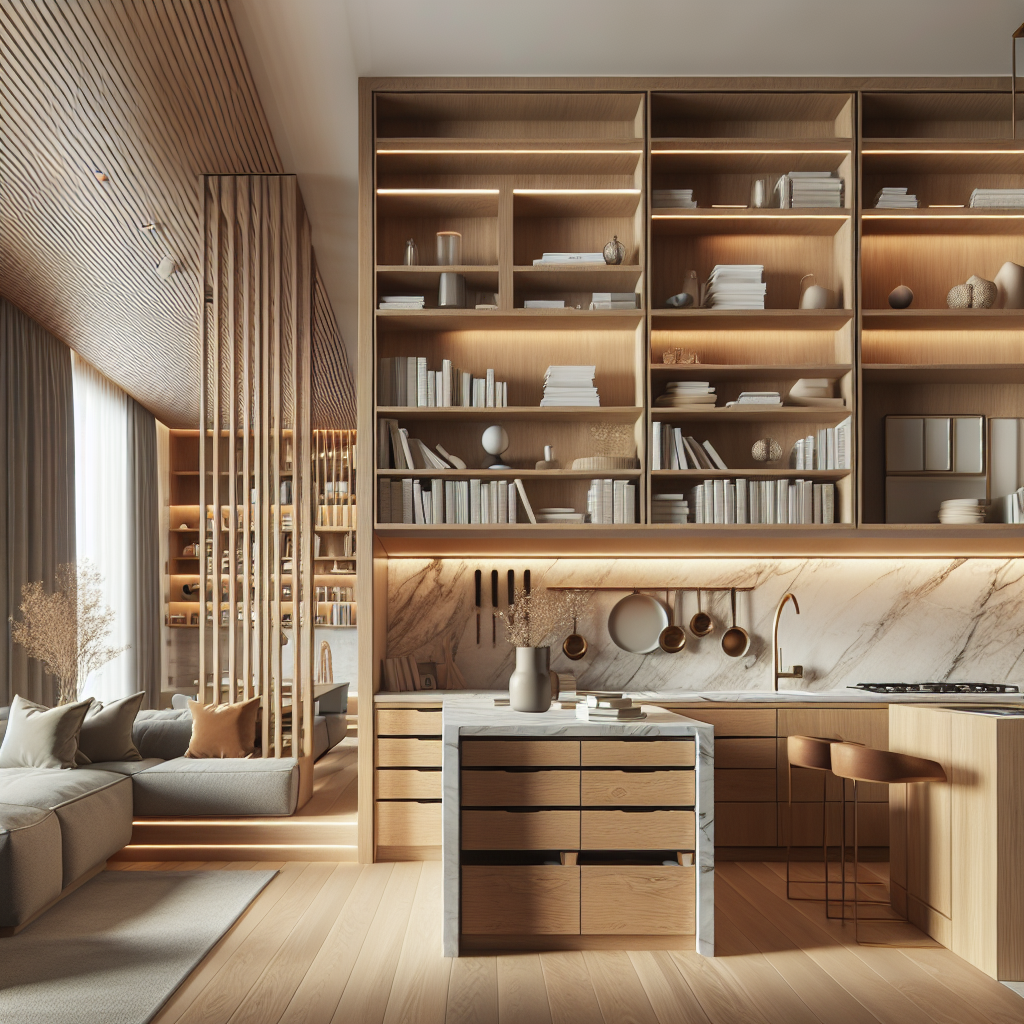
Imagine having furniture and fixtures that seamlessly blend into your living space, creating a harmonious and organized environment. This is exactly what built-in furniture and fixtures offer. By integrating them into your home, you not only save valuable space, but also enhance the overall aesthetic appeal. From custom-made cabinets to fitted wardrobes, the advantages are plentiful. Discover how built-in furniture and fixtures can transform your living space into a functional and stylish sanctuary.

What Are The Advantages Of Built-in Furniture And Fixtures?

This image is property of images.unsplash.com.

Space Optimization

Maximizing limited space

When it comes to maximizing limited space in your home, built-in furniture and fixtures are a game-changer. By utilizing the available space more efficiently, you can optimize every inch and create room for all your belongings. Built-in cabinets, shelves, and closets can be tailored to fit even the most awkward and compact areas, making them a perfect solution for small apartments or rooms with odd shapes.

Customizing for awkward spaces

Built-in furniture offers the perfect solution for those hard-to-decorate awkward spaces in your home. Whether it’s a nook under the stairs, a sloping ceiling, or an alcove, custom-built pieces can be designed to seamlessly fit into these spaces. By making use of these areas, you transform them into functional and aesthetically pleasing parts of your home. No more wasted space or awkward corners!

Creating a seamless look

One of the major advantages of built-in furniture and fixtures is the ability to create a seamless look throughout your home. By customizing the design to match your existing interior, you can achieve a cohesive and harmonious aesthetic. Built-in pieces seamlessly blend with the architecture, giving your home a clean and polished appearance. Say goodbye to mismatched furniture and hello to a well-curated and stylish living space.

Functionality

Tailored storage solutions

Built-in furniture excels in providing tailored storage solutions specifically designed to meet your needs. With built-in closets, cabinets, and shelving units, you have the ability to maximize storage space while keeping everything organized and easily accessible. No more cluttered rooms or searching for misplaced items. Built-in storage ensures that everything has its dedicated place.

Improved organization

With built-in furniture, you can kiss disorganization goodbye. By incorporating smart storage solutions such as drawers, compartments, and dividers, everything can be neatly organized. Each item will have its designated spot, making it easier to locate and retrieve when needed. From kitchen utensils to clothing, built-in furniture helps you maintain order and efficiency in your daily life.
Multi-purpose design

Built-in furniture is famous for its versatility. The ability to integrate multiple functions into a single design is a defining characteristic of built-in pieces. From beds with built-in storage to desks that transform into dining tables, the possibilities are endless. With multi-purpose design, you can make the most out of your space and invest in furniture that serves multiple needs, saving both money and space.

Durability and Longevity

High-quality materials

When it comes to durability and longevity, built-in furniture is a clear winner. By using high-quality materials, such as solid wood or sturdy metal, built-in pieces are designed to withstand the test of time. Unlike ready-made furniture that may be made from cheaper materials, built-in furniture is built to last and can withstand heavy daily use without compromising its structural integrity.

Sturdy construction

Besides the materials used, the construction of built-in furniture also contributes to its durability. Built-in pieces are often assembled on-site, ensuring a tight fit and solid construction. The seamless integration of built-in furniture with your existing space adds to its overall stability. The result is furniture that can withstand movement and heavy loads, providing you with reliable and long-lasting solutions.

Resistant to wear and tear

Due to the durable materials and meticulous construction, built-in furniture is highly resistant to wear and tear. It can withstand the daily wear and tear that comes with regular use, making it ideal for high-traffic areas. Whether it’s kids running around or pets climbing on furniture, built-in pieces are designed to be robust and resilient. With built-in furniture, you can rest assured that your investment will stand the test of time.

Aesthetics

Enhancing interior design

Built-in furniture plays a significant role in enhancing the overall interior design of your home. By integrating seamlessly with the existing architecture, built-in pieces add a touch of elegance and sophistication. The clean lines and customized design of built-in furniture create a visually appealing aesthetic, elevating the style and ambiance of any space.

Creating a cohesive look

With built-in furniture, you have the opportunity to curate a cohesive look throughout your home. By matching the style, finish, and materials of the built-in pieces, you can create a harmonious and unified design. This cohesiveness adds a sense of flow and continuity to your space, making it feel well thought out and put together. Your home becomes a reflection of your personal style and taste.

Increasing property value

Investing in built-in furniture not only enhances the visual appeal of your home but also increases its value. Potential buyers are often drawn to the practicality and functionality that built-in furniture offers. The added storage, organization, and aesthetic appeal can significantly impact the perceived value of your property. Built-in furniture is a smart investment that can yield a higher return when it comes time to sell your home.

What Are The Advantages Of Built-in Furniture And Fixtures?

Customizability

Design flexibility

One of the major advantages of built-in furniture is the flexibility it offers in terms of design. Unlike ready-made furniture, built-in pieces can be customized to fit your specific requirements. You have the freedom to choose the dimensions, materials, finishes, and even the layout. This level of customization ensures that your furniture is perfectly tailored to your needs and tastes, creating a truly personalized space.

Fit for specific needs

Built-in furniture allows you to address specific needs and requirements in your home. Whether it’s a built-in desk for a home office or a custom-built entertainment center, you can design the furniture to suit your lifestyle and preferences. By integrating functionality and aesthetics, built-in pieces become an integral part of your daily routine, catering precisely to your unique needs.

Style matching

With built-in furniture, you have the opportunity to match the style of your existing decor effortlessly. By customizing the design, finishes, and materials, you can seamlessly integrate the built-in pieces with your current interior. This ensures that your furniture becomes an integral part of the overall design, rather than an afterthought. Whether your style is modern, traditional, or eclectic, built-in furniture can be designed to complement and enhance your existing aesthetic.

Ease of Maintenance

Simplifying cleaning

Built-in furniture simplifies your cleaning routine by eliminating hard-to-reach spaces and gaps where dust and dirt can accumulate. The seamless integration of built-in pieces with your walls or floors ensures that there are no hidden corners or crevices to clean. Additionally, the use of high-quality materials makes cleaning a breeze. A quick wipe with a damp cloth is usually all it takes to keep your built-in furniture looking pristine.

Reducing clutter

Built-in furniture provides a solution to reducing clutter in your home. By incorporating ample storage space within the furniture itself, you can keep your belongings organized and hidden away. This eliminates the need for additional storage units and helps keep your living space free from unnecessary clutter. With built-in furniture, you can enjoy a clean and tidy environment with minimal effort.

Minimizing repairs

Built-in furniture is designed to withstand the test of time, minimizing the need for repairs or replacements. The high-quality materials and sturdy construction ensure that your furniture remains in excellent condition for years to come. Unlike ready-made furniture, which may require frequent repairs or parts replacement, built-in pieces are built to last. By investing in built-in furniture, you can save both time and money on repairs in the long run.

What Are The Advantages Of Built-in Furniture And Fixtures?

This image is property of images.unsplash.com.

Cost Efficiency

Investment value

While built-in furniture may require a higher initial investment, it offers long-term cost efficiency. Its durability and longevity mean that you won’t have to replace or repair it as frequently as ready-made furniture. This translates into significant savings over time. Furthermore, built-in furniture adds value to your home, making it a worthwhile investment.

Avoiding frequent replacements

Built-in furniture is built to last, which means you can say goodbye to frequent replacements. By investing in durable materials and sturdy construction, you eliminate the need to continuously update or replace your furniture. This not only saves you money but also reduces waste and minimizes the environmental impact. Built-in furniture is a cost-effective choice that pays off in the long run.

Saving on additional furniture

The multi-purpose design of built-in furniture allows you to save on additional pieces of furniture. Instead of purchasing separate storage units, shelves, or cabinets, you can incorporate all those functions into your built-in pieces. This not only saves money but also reduces the amount of furniture needed in your space, creating a more streamlined and efficient layout.

Increased Storage

Utilizing every inch of space

With built-in furniture, you can maximize the use of every inch of available space. By customizing the design to fit seamlessly into corners, alcoves, or underutilized areas, you can effectively utilize the entire room. No more wasted space or unused corners. Built-in furniture ensures that no area goes to waste, offering you additional storage where you need it the most.

Hiding unsightly clutter

Built-in storage solutions provide the perfect way to hide unsightly clutter. Instead of having items stored in plain view, built-in furniture allows you to tuck away those belongings, keeping your space neat and tidy. From shoes to electronics, everything can be neatly organized behind closed doors or in drawers, preserving the clean and seamless look of your home.

Expanding storage capacity

The customizable nature of built-in furniture enables you to expand your storage capacity without sacrificing valuable floor space. By incorporating vertical storage, such as built-in shelving or floor-to-ceiling cabinets, you can take advantage of the height of your room. This allows you to store more items without cluttering your living space. With built-in furniture, you can enjoy ample storage capacity while maintaining an open and spacious ambiance.

What Are The Advantages Of Built-in Furniture And Fixtures?

This image is property of images.unsplash.com.

Unique Design Opportunities

Showcasing personal style

Built-in furniture provides an excellent opportunity to showcase your personal style and taste. By customizing the design, finishes, and materials, you can create a unique piece that reflects your individuality. Whether it’s a bold color choice, intricate detailing, or a combination of textures, built-in furniture allows you to make a statement and infuse your personality into your living space.

Creating focal points

Built-in furniture can act as a focal point in your home, drawing attention and adding visual interest. By designing a unique built-in piece, such as a bookshelf with an eye-catching design or a decorative fireplace surround, you can create a conversation starter and give your space a touch of character. Built-in furniture becomes more than just functional; it becomes a piece of art.

Seamlessly blending with architecture

Built-in furniture seamlessly blends with the existing architecture of your home, creating a cohesive and visually pleasing look. This level of integration allows the furniture to become a part of the structure itself, enhancing the overall design. Whether it’s a built-in windowsill, a custom-built banquette, or a built-in desk that follows the lines of the wall, the furniture becomes an architectural element, adding depth and dimension to your space.

Eco-Friendly

Reducing waste

Built-in furniture is a sustainable choice that helps reduce waste. Unlike ready-made furniture, which often needs to be replaced after a few years, built-in pieces are built to last. This reduces the amount of furniture entering landfills and minimizes the environmental impact. By investing in built-in furniture, you contribute to a more sustainable future.

Sustainable materials

Many built-in furniture options offer sustainable materials as an option. From solid wood sourced from responsibly managed forests to environmentally friendly finishes, you can choose materials that have a smaller ecological footprint. By opting for sustainable materials, you create a more environmentally conscious home that aligns with your values.

Minimizing environmental impact

Built-in furniture minimizes its environmental impact not just through the materials used, but also through its long lifespan and efficient use of space. By maximizing storage and eliminating the need for additional furniture, built-in pieces contribute to a more sustainable lifestyle. The reduced consumption and waste associated with built-in furniture make it a eco-friendly choice for your home.

In conclusion, built-in furniture and fixtures offer numerous advantages across various aspects of your home. From space optimization and improved functionality to aesthetics, customizability, and cost efficiency, built-in furniture is a smart investment that enhances your living space. Whether you’re looking to maximize storage, showcase your personal style, or minimize environmental impact, built-in furniture offers a solution that suits your needs. With its durability, versatility, and timeless appeal, built-in furniture is a valuable addition to any home.

What Are The Advantages Of Built-in Furniture And Fixtures?

How Do I Manage Safety And Security Concerns In A Multi-unit Rental Property?

In today’s article, you will discover helpful tips on how to effectively manage safety and security concerns in a multi-unit rental property. As a landlord or property manager, ensuring the well-being of your tenants should always be a top priority. From implementing robust security measures to maintaining regular inspections, we will explore practical strategies that will help you create a safe and secure living environment for everyone involved. So, let’s dive in and find out how to provide peace of mind to your tenants in a multi-unit rental property.

Building Security

Installing Security Systems

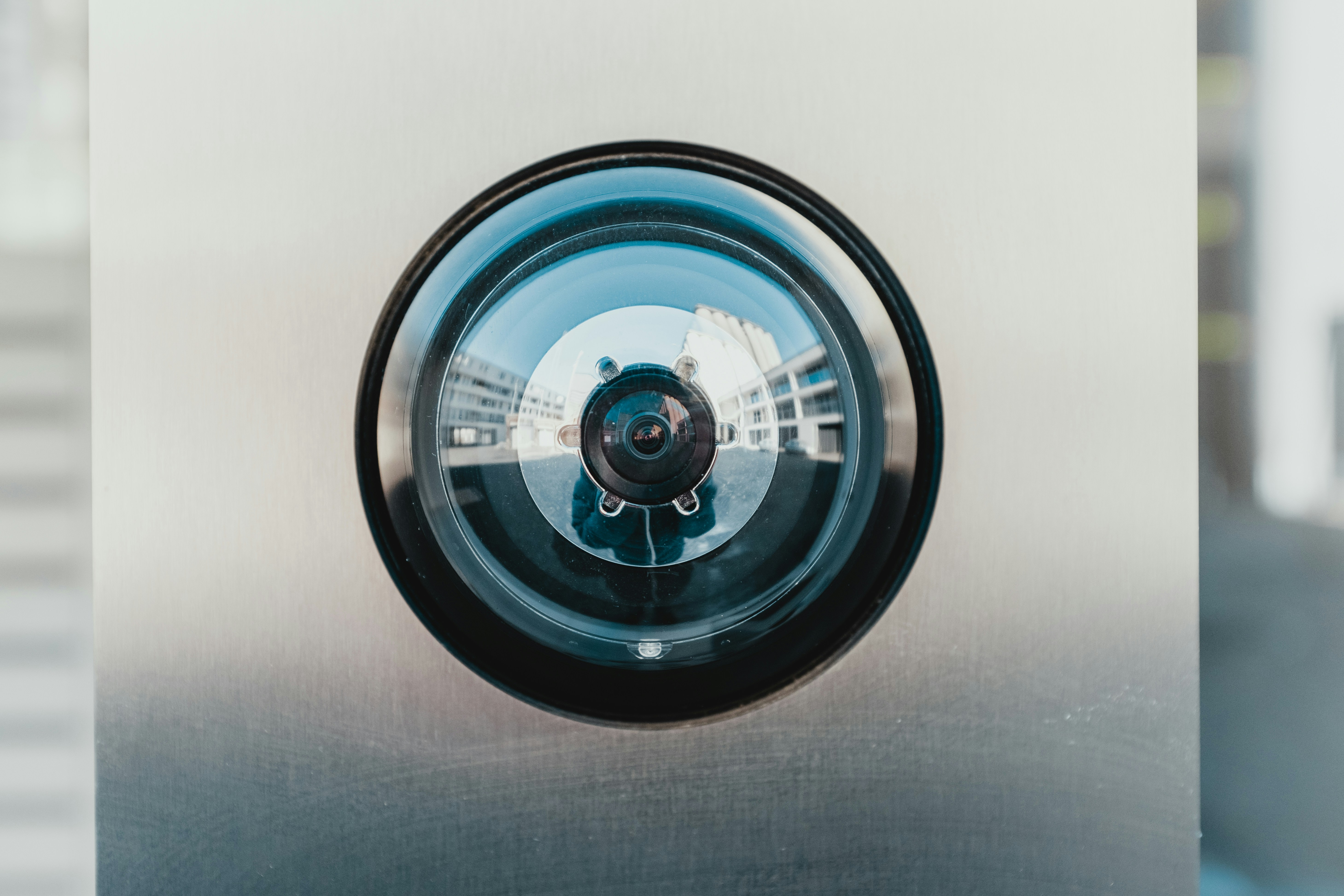
When it comes to ensuring the safety and security of your multi-unit rental property, installing security systems is a crucial step. These systems act as a deterrent and provide a sense of protection for both tenants and property owners. Consider installing security alarms, motion sensors, and security cameras in common areas such as hallways, entrances, and parking lots. These systems can help prevent break-ins, vandalism, and other criminal activities.

Implementing Access Control

Another important aspect of building security is implementing access control measures. This involves restricting access to the property and its various areas to authorized individuals only. Consider installing keyless entry systems or access cards for tenants to enter the building and provide them with unique entry codes. This will help prevent unauthorized individuals from entering the premises and enhance the overall security of the building.

Using Security Cameras

Security cameras are an essential tool for monitoring and recording activities within and around the building. Strategically placing cameras in high-traffic areas and potential blind spots can help deter criminal activities and provide valuable evidence in case of any incidents. Make sure the cameras are of high quality and provide clear images, and ensure that they are regularly maintained and checked for proper functioning.

Tenant Screening Process

Conduct Background Checks

One of the most effective ways to mitigate safety and security concerns is by conducting thorough background checks on prospective tenants. This process involves looking into their criminal history, credit history, and rental history. By doing so, you can identify any potential red flags and make informed decisions about who you allow to rent your property. Background checks help ensure that you are renting to individuals with a clean record and a proven track record of being responsible tenants.

Verify References

In addition to conducting background checks, it is crucial to verify the references provided by prospective tenants. Reach out to previous landlords to gather information about their experience with the applicant, such as their rental behavior, payment history, and any incidents that may have occurred during their tenancy. By doing this, you can gain valuable insights into the tenant’s reliability and suitability for your property.

Require Renters Insurance

Requiring tenants to have renters insurance is another important safety measure. Renters insurance provides financial protection for both the tenant and the property owner in case of accidents, theft, or damages. It ensures that tenants are responsible for their personal belongings and any liabilities that may arise from their actions. By making renters insurance a requirement, you can minimize the financial risks associated with potential incidents and provide an extra layer of protection for your property.

How Do I Manage Safety And Security Concerns In A Multi-unit Rental Property?

This image is property of images.unsplash.com.

Emergency Preparedness

Creating Emergency Response Plans

Being prepared for emergencies is vital in ensuring the safety of your tenants. Create detailed emergency response plans that outline the procedures to be followed in various scenarios such as fires, natural disasters, or medical emergencies. These plans should include evacuation routes, designated meeting points, emergency contact numbers, and clear instructions on how to respond and assist in different situations. Share these plans with your tenants and ensure that they are aware of the protocols to follow in case of emergencies.

Maintaining Emergency Contact Information

Having accurate and up-to-date emergency contact information is crucial for prompt response during emergencies. Keep a record of emergency contacts, including local emergency services, utility providers, and property management team members. Regularly update this information and ensure that it is easily accessible to tenants, either through a dedicated bulletin board or an online platform. Encourage tenants to report any changes in their contact information so that you can always reach them in case of emergencies.

Conducting Regular Drills

Practice makes perfect, and the same applies to emergency preparedness. Conduct regular drills to familiarize tenants with the emergency response plans and procedures. This includes fire drills, evacuation drills, and practicing first aid techniques. By regularly practicing emergency scenarios, you can ensure that everyone is well-prepared and can react quickly and efficiently in case of an actual emergency. Additionally, drills help identify any weaknesses or areas for improvement in the emergency response plans and allow you to address them accordingly.

Safety Inspections

Regular Maintenance Checks

Regular maintenance checks are essential for identifying and addressing potential safety hazards within your rental property. Conduct routine inspections of the building’s infrastructure, including electrical systems, plumbing, and structural integrity. Look for any signs of wear and tear, such as faulty wiring or leaky pipes. Promptly address any maintenance issues to minimize the risk of accidents or property damage.

Fire Safety Inspections

Fire safety is of utmost importance in any rental property. Schedule regular fire safety inspections to ensure that the building meets all the necessary fire safety codes and regulations. Test fire alarms, smoke detectors, and fire extinguishers to ensure they are in proper working condition. Additionally, conduct inspections of fire exits, emergency lighting, and other fire safety equipment. By prioritizing fire safety inspections, you can significantly reduce the risk of fires and protect the lives and property of your tenants.

Electrical System Inspections

Electrical system inspections are crucial for identifying potential hazards and preventing electrical accidents. Engage the services of a qualified electrician to regularly inspect the electrical systems in your rental property. They will assess the condition of wiring, outlets, circuit breakers, and other electrical components. Promptly address any issues, such as exposed wiring or overloaded circuits, to minimize the risk of electrical fires or electrical shocks.

How Do I Manage Safety And Security Concerns In A Multi-unit Rental Property?

This image is property of images.unsplash.com.

Proper Lighting

Installing Adequate Outdoor Lighting

Proper outdoor lighting plays a vital role in deterring criminal activities and enhancing the safety of your rental property. Install adequate lighting in parking lots, walkways, and other outdoor areas to eliminate dark spots where criminal activities may occur. Consider using energy-efficient LED lights that provide bright illumination while minimizing energy consumption. Regularly inspect and maintain outdoor lighting to ensure that all areas are properly lit and functioning effectively.

Ensuring Well-lit Common Areas

Well-lit common areas within the building are essential for tenant safety and security. Ensure that hallways, staircases, elevator lobbies, and other communal spaces have sufficient lighting at all times. Regularly replace any burnt-out bulbs to maintain consistent lighting levels. Well-lit common areas not only improve visibility but also create a welcoming atmosphere for tenants, enhancing their overall sense of security.

Maintaining Proper Indoor Lighting

Proper indoor lighting is not only important for aesthetics but also for ensuring tenant safety. Insufficient lighting can lead to accidents and create an environment where criminal activities can go unnoticed. Install appropriate lighting fixtures in all living spaces, including bedrooms, kitchens, and bathrooms. Ensure that all bulbs are in good working condition and provide enough light to illuminate the entire room. Regularly inspect and replace bulbs as needed to maintain proper indoor lighting.

Secure Entryways

Installing Deadbolt Locks

One of the simplest and most effective ways to secure entryways is by installing deadbolt locks on all doors. Deadbolt locks provide an added layer of security and are more resistant to forced entry compared to traditional locks. Ensure that all entry doors, including the main entrance and individual unit doors, are equipped with deadbolt locks. Regularly check the condition of these locks and promptly repair or replace them if necessary.

Reinforcing Doors and Windows

Weak doors and windows are vulnerable points of entry for unauthorized individuals. Reinforce all entry doors and windows with sturdy frames, high-quality locks, and shatterproof glass. Consider using security film on windows to make them more resistant to breakage. Additionally, reinforce weak entry points such as sliding doors with additional locks or bars to further enhance security. Regularly inspect these areas and address any vulnerabilities promptly.

Adding Security Measures to Entry Points

In addition to deadbolt locks, consider adding additional security measures to entry points to further strengthen security. This may include installing video doorbell systems that allow tenants to see and communicate with visitors before granting entry. Intercom systems can also be installed to verify the identity of individuals before granting access to the building. These additional security measures provide an extra layer of protection and allow tenants to have greater control over who enters the premises.

How Do I Manage Safety And Security Concerns In A Multi-unit Rental Property?

This image is property of images.unsplash.com.

Frequent Communication

Establishing Effective Communication Channels

Maintaining open lines of communication with your tenants is essential for addressing safety and security concerns. Establish effective communication channels such as email lists, newsletters, or a dedicated online platform where you can share updates, important information, and safety reminders. Encourage tenants to reach out to you with any security-related questions or concerns and ensure that their feedback is valued and addressed promptly.

Notifying Tenants of Security Updates

Regularly inform your tenants about any security updates or improvements that are being implemented. This may include notifying them about the installation of new security systems, changes in access control measures, or any other security-related changes. Keeping tenants informed about these updates helps them understand the efforts being made to enhance their safety and reinforces their confidence in the property management’s commitment to security.

Encouraging Reporting of Suspicious Activities

Create an environment where tenants feel comfortable reporting any suspicious activities or concerns. Encourage them to be vigilant and observant of their surroundings and let them know that their reports will be taken seriously. Provide clear instructions on how and where to report such incidents, whether it’s through a dedicated hotline, an online form, or direct communication with property management. By encouraging reporting, you can quickly address potential security threats and take appropriate actions to mitigate risks.

Tenant Education

Providing Safety and Security Guidelines

Empowering tenants with knowledge about safety and security measures is crucial for maintaining a secure rental property. Provide them with comprehensive safety and security guidelines that outline best practices, such as locking entry doors, not sharing access codes, and being cautious about sharing personal information. Explain the importance of adhering to these guidelines and how they contribute to the overall safety and well-being of everyone in the building.

Educating Tenants about Emergency Procedures

Educating tenants about emergency procedures is vital for their safety in critical situations. Conduct regular meetings or seminars where you can train tenants on how to respond to emergencies such as fires, natural disasters, or medical emergencies. Demonstrate the use of fire extinguishers, teach basic first aid techniques, and explain evacuation routes. Provide written materials summarizing the emergency procedures and encourage tenants to keep them readily accessible.

Offering Self-Defense Training

Offering self-defense training programs can empower tenants and provide them with valuable skills to protect themselves if the need arises. Consider partnering with local self-defense instructors or organizations to conduct workshops or classes on self-defense techniques. These programs provide tenants with practical tools and knowledge to enhance their personal safety and security.

How Do I Manage Safety And Security Concerns In A Multi-unit Rental Property?

Hiring Professional Security Services

Contracting Security Guards

For added security, consider contracting professional security guards to patrol the premises. Security guards can monitor the property, respond to incidents, and provide a visible presence that can deter criminal activities. When hiring security guards, ensure that they are licensed, trained, and have experience in providing security services for residential properties. Regularly communicate with security staff to update them on any security-related concerns or changes in procedures.

Engaging Patrol Services

Engaging patrol services can further enhance the security of your rental property. Patrol services involve regular inspections and patrols of the property to identify and address any potential security risks. This may include checking for unauthorized individuals, ensuring that security systems are functioning correctly, and monitoring common areas. By hiring patrol services, you can ensure that your property is constantly monitored, even during periods when security staff may not be present.

Implementing Alarm Monitoring Services

Alarm monitoring services provide an additional layer of protection by immediately alerting the appropriate authorities in case of a breach or emergency. These services involve the installation of alarm systems that connect to a central monitoring station. In the event of an alarm activation, the monitoring station receives an immediate notification and can dispatch the necessary assistance. Implementing alarm monitoring services ensures that any security incidents are responded to quickly and effectively.

Property Maintenance

Maintaining Secure Fences and Gates

Maintaining secure fences and gates is essential for preventing unauthorized access to your rental property. Regularly inspect fences and gates for any signs of damage or weak spots. Repair or replace any broken or deteriorated sections promptly. Ensure that gates are equipped with secure locks and regularly check their functionality. Maintaining secure fences and gates helps create a physical barrier that deters potential intruders and enhances the overall security of the property.

Repairing Broken Locks and Windows

Promptly repairing broken locks and windows is crucial for maintaining the security of the building. Broken locks or windows can be easy entry points for unauthorized individuals, compromising the safety of tenants and their belongings. Regularly inspect all locks and windows, both in common areas and individual units, and address any issues immediately. By keeping locks and windows in good working condition, you can prevent security breaches and enhance the overall safety of your rental property.

Keeping Common Areas Clean and Free from Hazards

Maintaining clean and hazard-free common areas contributes to the safety and well-being of tenants. Regularly inspect common areas such as hallways, staircases, and parking lots for any potential hazards, such as wet floors or loose handrails. Promptly fix any issues or hazards to prevent accidents and injuries. Additionally, ensure that common areas are regularly cleaned to promote a healthy and safe environment for tenants. A well-maintained property not only enhances safety but also enhances the overall living experience for tenants.

In conclusion, managing safety and security concerns in a multi-unit rental property requires a comprehensive approach that encompasses various aspects. By installing security systems, conducting thorough tenant screenings, and implementing emergency preparedness measures, you can create a safe and secure environment for your tenants. Regular safety inspections, proper lighting, and secure entryways further enhance the overall security of the property. Maintaining frequent communication with tenants, providing education on safety guidelines, and hiring professional security services are additional steps that can contribute to the safety and security of your rental property. By prioritizing safety and implementing these measures, you can provide your tenants with peace of mind and ensure a positive and secure living experience.

How Do I Manage Safety And Security Concerns In A Multi-unit Rental Property?

How Can I Protect My Home From Pests During A Renovation?

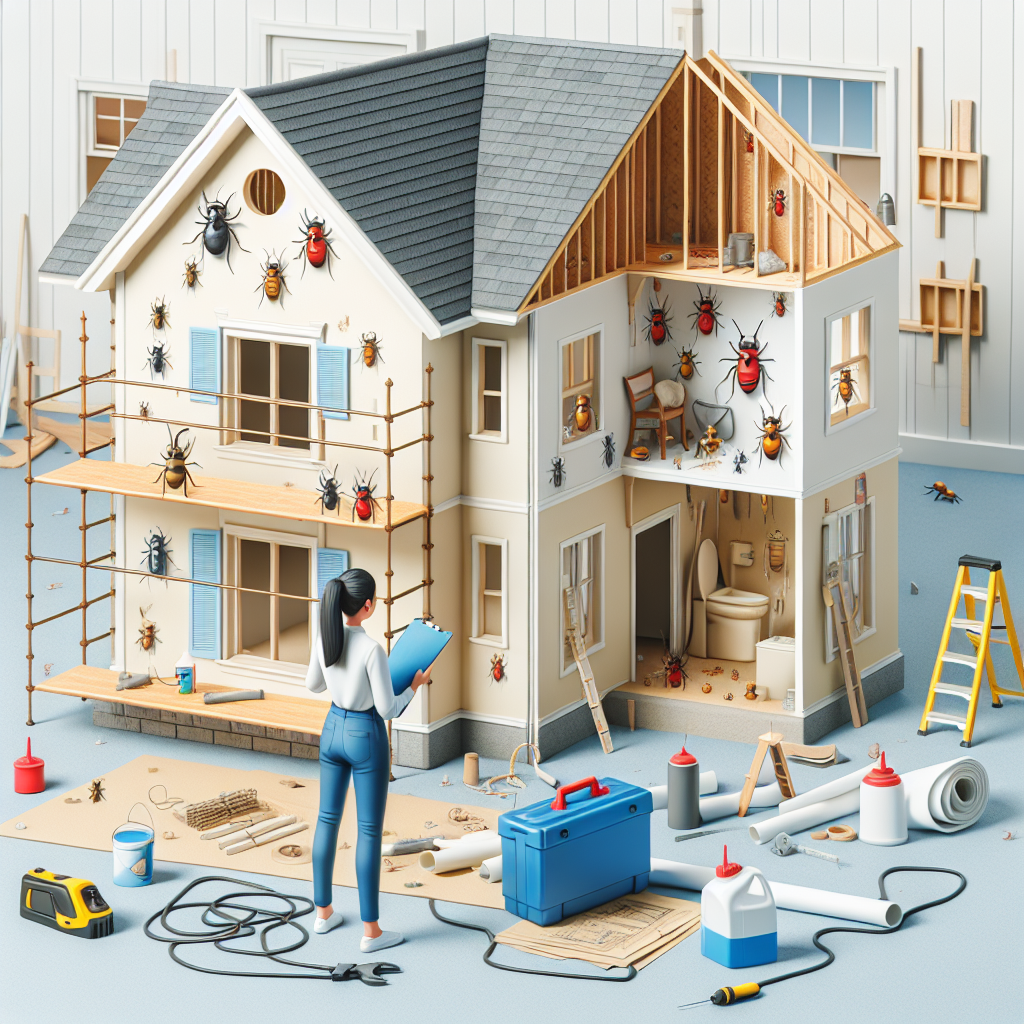
Are you planning a home renovation but worried about the potential pest problems that could arise? Look no further! In this article, we will provide you with some essential tips and tricks to ensure that your home remains pest-free throughout the entire renovation process. From sealing cracks to keeping the construction area clean, we’ve got you covered. So, keep reading to discover how you can protect your home from pests during a renovation and enjoy a stress-free and bug-free project!

Introduction

Renovating your home can be an exciting and fulfilling project, but it can also attract unwanted pests. While pests may seem like a minor inconvenience, they can cause significant damage to your property and even pose health risks. To ensure a smooth and pest-free renovation process, it’s essential to take proactive measures to protect your home. This article will guide you through the necessary steps to identify potential pests, secure the renovation area, use pest-repellent materials, manage waste properly, minimize food sources, implement routine cleaning and maintenance, maintain proper ventilation and insulation, seek professional pest control assistance, and monitor for signs of pest activity.

1. Identify Potential Pests

1.1 Assessing current pest issues

Before starting your renovation project, it’s crucial to assess any existing pest issues in your home. Look out for signs of pests such as droppings, chewed wires or materials, and visible damage. If you notice any signs, it’s advisable to address the problem before continuing with the renovation. Calling a professional pest control company can help you identify the type of pests and develop an effective treatment plan.

1.2 Identifying potential pests that could be attracted to renovation

During the renovation process, certain factors can attract pests. Common pests that might be drawn to renovation areas include rodents, termites, ants, cockroaches, and flies. These pests are often enticed by the disturbance of their natural habitats, easy access to food sources, and increased moisture levels. By understanding the specific pests that could be attracted to your renovation, you can take appropriate measures to prevent infestations.

1.3 Understanding their behavior and habits

Knowing the behavior and habits of potential pests can be beneficial in preventing infestations during a renovation. For example, rodents are adept climbers and can easily gain access through small openings, while termites thrive in moist environments and feed on wood. By understanding these tendencies, you can implement preventive measures specific to the pests you may encounter.

How Can I Protect My Home From Pests During A Renovation?

This image is property of images.pexels.com.

2. Prepare and Secure the Renovation Area

2.1 Clearing the area from debris and materials

Before starting any renovation work, ensure that the area is cleared of debris, such as old building materials, scraps, and other waste. Piles of debris can provide attractive hiding spots and nesting areas for pests. Keeping the area clean and clutter-free will discourage pests from taking up residence in your renovation space.

2.2 Sealing off entry points

Pests can enter your home through even the tiniest cracks or openings. During the renovation, inspect the area for any potential entry points and seal them off. This includes gaps in walls, doors, windows, and floors. Use caulk, weatherstripping, or other appropriate sealants to close off these entryways and prevent pests from infiltrating your home.

2.3 Covering ventilation and plumbing openings

While it’s essential to ensure proper ventilation and functioning plumbing during the renovation, it’s equally important not to overlook these areas as potential entry points for pests. Use fine mesh screens or covers to prevent pests from entering through vents or pipes. This will help safeguard your home from unwanted intruders while maintaining a comfortable and functional living space.

3. Use Pest-Repellent Materials

3.1 Choosing pest-resistant building materials

Selecting the right building materials can significantly reduce the risk of pest infestations. Opt for materials that are naturally pest-resistant or have been treated to repel pests. For example, using pressure-treated wood can help prevent termite damage, while steel or concrete materials are less susceptible to rodent damage. Consult with your contractor or local suppliers to learn about the pest-repellent options available for your renovation project.

3.2 Applying insect-repellent finishes and coatings

Applying insect-repellent finishes and coatings can serve as an additional layer of protection against pests. These products are designed to deter pests from nesting or feeding on surfaces. Consider using paints or coatings that contain insect-repellent properties in high-risk areas such as baseboards, door frames, and window sills.

3.3 Installing pest deterrents

In addition to using pest-repellent materials, installing various pest deterrents can be an effective preventive measure. Examples of pest deterrents include ultrasonic devices that emit high-frequency sounds to deter rodents, motion-activated lights to scare away nocturnal pests, and bird spikes or netting to prevent birds from nesting in undesirable areas. Assess the specific pest risks in your renovation area and consult with professionals to determine the most suitable deterrents for your needs.

How Can I Protect My Home From Pests During A Renovation?

This image is property of images.pexels.com.

4. Proper Waste Management

4.1 Securely storing and disposing of construction waste

During a renovation, there will inevitably be construction waste that needs to be removed. It’s essential to securely store and dispose of the waste to prevent pests from being attracted to it. Use sealed containers or dumpsters to store construction waste until it can be properly disposed of. Leaving waste uncovered or exposed can entice pests to feed and nest, leading to potential infestations.

4.2 Sealing garbage containers

Garbage containers inside and outside your home also need to be properly sealed to prevent pests from accessing them. Use containers with tight-fitting lids and ensure that they are emptied regularly. This will help minimize the availability of food sources for pests and discourage them from establishing themselves near your home.

4.3 Regular waste removal

In addition to securely storing construction waste and sealing garbage containers, regular waste removal is crucial to maintaining a pest-free environment. Coordinate with your waste management service to establish a regular pickup schedule. Prompt removal of waste will help prevent odors and the accumulation of materials that can attract pests.

5. Minimize Food Sources

5.1 Store food in secure and airtight containers

Pests are always on the lookout for accessible food sources. To minimize the risk of attracting pests during a renovation, store all food in secure and airtight containers. This includes pantry items, pet food, and even fruit on countertops. Keep in mind that pests can chew through packaging, so investing in containers specifically designed to keep pests out is a wise choice.

5.2 Clean up food spills immediately

Accidental food spills can occur during the renovation process, and they must be cleaned up promptly. Regularly inspect the renovation area for any food residue or spills, and clean them thoroughly. Even small amounts of food can be enough to entice pests and lead to infestations.

5.3 Avoid leaving pet food out

If you have pets, it’s crucial to avoid leaving their food out for extended periods. Pests such as ants and rodents are attracted to pet food and can quickly seize the opportunity to feast. Establish designated feeding areas for your pets and remove their food bowls once they have finished eating.

How Can I Protect My Home From Pests During A Renovation?

This image is property of images.pexels.com.

6. Implement Routine Cleaning and Maintenance

6.1 Regularly sweep and mop the renovation area

Maintaining cleanliness throughout the renovation process is key to preventing pest infestations. Regularly sweep and mop the renovation area to remove dust, dirt, and potential food sources. Pay special attention to corners, crevices, and hidden areas where pests may seek shelter.

6.2 Remove any standing water

Pests, particularly mosquitoes and flies, are drawn to stagnant water sources. During a renovation, ensure that there are no areas of standing water in or around your home. Promptly address any leaks or plumbing issues that could cause water accumulation, and regularly inspect the renovation area for signs of moisture or water damage.

6.3 Keep the area clutter-free

A cluttered renovation area provides numerous hiding spots for pests. Keep the area organized and clutter-free to minimize potential nesting areas. Properly store tools, materials, and other items when they are not in use. This will not only deter pests but also create a safer and more efficient working environment.

7. Maintain Proper Ventilation and Insulation

7.1 Ensure proper ventilation to reduce moisture

Proper ventilation is essential in preventing excessive moisture, which can attract pests and promote mold growth. Ensure that ventilation systems, such as fans and air vents, are fully functional and effectively removing moist air from the renovation area. If necessary, consider using dehumidifiers to reduce humidity levels.

7.2 Repair any cracks or gaps in walls and floors

Cracks or gaps in walls and floors can provide easy entry points for pests. Regularly inspect the renovation area for any openings and promptly repair them. Use appropriate sealants or fillers to close gaps and cracks, preventing pests from entering your home through these routes.

7.3 Insulate windows and doors

Windows and doors that are not properly insulated can create gaps that allow pests to enter your home. Make sure all windows and doors are tightly sealed and insulated. Weatherstripping or caulking can be used to seal any gaps and prevent pests from accessing your living spaces.

How Can I Protect My Home From Pests During A Renovation?

8. Seek Professional Pest Control Assistance

8.1 Consult with a pest control company

Consulting with a professional pest control company is an excellent way to ensure that your renovation area remains pest-free. They can perform a thorough inspection, identify potential pest risks, and provide expert guidance on preventive measures. They will have the knowledge and experience to deal with any pest-related issues effectively.

8.2 Schedule regular pest inspections

During a renovation, it’s wise to schedule regular pest inspections to stay ahead of any potential problems. A professional pest control technician can inspect your home for signs of pest activity, even in areas that may be hidden or difficult to access. Regular inspections will help detect early signs of infestation and allow for prompt intervention.

8.3 Consider preventative treatments

In some cases, it may be necessary to consider preventative pest treatments during a renovation. This could include applying insecticides or implementing specialized pest control measures to deter pests before they become a problem. Consult with a professional pest control company to determine if preventative treatments are necessary in your situation.

10. Monitor for Signs of Pest Activity

10.1 Regularly inspect renovation area for pest droppings or damage

Monitoring the renovation area for signs of pest activity is crucial to preventing infestations from taking hold. Regularly inspect the area for pest droppings, gnaw marks, chewed wires, or other signs of damage. These signs can indicate the presence of pests and prompt the necessary actions to eliminate them.

10.2 Look out for signs of pests in adjacent areas of the house

Pest issues that arise during a renovation can sometimes spread to adjacent areas of your home. Therefore, it’s important to stay vigilant and monitor these areas for any signs of pest activity. Regularly inspect nearby rooms or spaces to detect early signs of infestation and address them promptly.

10.3 Take immediate action if pest activity is detected

If you notice any signs of pest activity during your renovation, it’s crucial to take immediate action. Contact a professional pest control company to assess the situation and develop an appropriate treatment plan. Acting promptly will help minimize the damage caused by pests and prevent further infestations.

By following these comprehensive guidelines, you can protect your home from pests during a renovation. Remember to assess current pest issues, prepare and secure the renovation area, use pest-repellent materials, manage waste properly, minimize food sources, implement routine cleaning and maintenance, maintain proper ventilation and insulation, seek professional pest control assistance, and monitor for signs of pest activity. With these proactive measures in place, you can ensure a pest-free and successful renovation project.

How Can I Protect My Home From Pests During A Renovation?

How Can I Optimize The Interior Design Of A Rental For Broad Appeal?

Imagine you’ve finally found the perfect rental property, but you want to make sure it appeals to a wide range of potential tenants. Whether you’re a landlord or simply looking to spruce up your own living space, optimizing the interior design of a rental can make a world of difference. From choosing a neutral color palette to incorporating versatile furniture, there are several strategies you can employ to create a space that is both inviting and adaptable. In this article, we will explore the various ways in which you can optimize the interior design of a rental to attract a diverse set of renters and ensure maximum appeal.

Choosing a Neutral Color Scheme

Benefits of a neutral color scheme

When it comes to designing the interior of a rental property, opting for a neutral color scheme can offer numerous benefits. One of the primary advantages is that neutral colors are timeless and versatile, making it easier for potential tenants to envision their own style and furnishings in the space. Neutral colors also create a sense of calm and tranquility, which can contribute to a welcoming atmosphere. Additionally, a neutral color scheme allows for easy coordination with various furniture and decor styles, ensuring that the rental appeals to a wide range of tastes.

Examples of neutral colors

Neutral colors encompass a wide range of hues, from warm to cool tones. Some popular options include shades of white, beige, gray, and taupe. White is a classic choice that can make a space feel bright and airy. Beige and taupe tones add warmth and can create a cozy ambiance. Gray, on the other hand, provides a sophisticated and modern backdrop. It’s important to consider the natural lighting in the rental when choosing a neutral color scheme, as certain shades may appear differently depending on the amount of light in the space.

Using accent colors to add interest

While a neutral color scheme forms the foundation of the rental’s design, incorporating accent colors can add interest and personality to the space. Accent colors can be introduced through furniture, accessories, or artwork. For example, adding throw pillows in vibrant shades of blue or green to a neutral-colored sofa can create a visually appealing contrast. Focusing on a small number of accent colors will help maintain a cohesive look throughout the rental while still allowing for a touch of personalization.

Furniture and Layout

Selecting versatile furniture pieces

When choosing furniture for a rental property, it’s essential to opt for versatile pieces that can accommodate various tenant preferences and lifestyles. Look for furniture that can be easily styled to match different aesthetics, such as a sofa with clean lines and neutral upholstery. Additionally, consider selecting furniture with removable or changeable covers to allow for easy cleaning and maintenance. Investing in quality, multifunctional furniture will ensure longevity and provide flexibility for future tenants.

Using multifunctional furniture

Maximizing the functionality of the rental space is crucial, especially when dealing with limited square footage. Incorporating multifunctional furniture can help optimize the layout and provide additional storage solutions. For example, a sofa with hidden storage compartments or a coffee table that can convert into a dining table offers both comfort and practicality. By choosing furniture that serves multiple purposes, you can create a more efficient and adaptable living environment for your tenants.

Optimizing space with layout

An effective layout can significantly impact the overall functionality and appeal of a rental property. When arranging furniture, consider the flow of the space and aim for a balance between open areas and defined zones. Start by positioning larger furniture pieces against the walls to create a sense of openness in the center of the room. Strategic placement of functional items, like a desk or bookshelf, can delineate specific areas within an open-concept layout. Additionally, avoid overcrowding the space and leave adequate room for easy movement and traffic flow.

How Can I Optimize The Interior Design Of A Rental For Broad Appeal?

This image is property of images.unsplash.com.

Storage Solutions

Maximizing storage space

Storage is a critical consideration in any rental property, as tenants often have belongings they need to stow away. To maximize storage capacity, you can utilize various strategies. Begin by utilizing vertical space by incorporating tall storage units or shelves. This will help free up floor space while providing ample room for organizing and displaying items. Another option is to utilize underutilized areas such as the space under stairs or above cabinets. By being mindful of available storage opportunities, you can offer your tenants practical and efficient storage solutions.

Incorporating functional storage solutions

In addition to traditional storage units, incorporating functional storage solutions can enhance the overall functionality and appeal of the rental. Consider installing hanging organizers in closets to maximize vertical space for shoes and accessories. Utilize storage ottomans that can double as seating and provide hidden storage for blankets or board games. Floating shelves in kitchens or bathrooms can offer additional storage for cookbooks, toiletries, or decorative items. By considering the specific needs of your prospective tenants, you can provide storage solutions that make their lives easier and more organized.

Using decorative storage pieces

Storage solutions don’t have to be purely functional; they can also be aesthetically pleasing. By incorporating decorative storage pieces, you can seamlessly integrate storage into the overall design of the rental. For example, woven baskets can serve both as storage for extra throws or pillows and as stylish accents that add texture to the room. Decorative boxes or trays can be used to corral smaller items, such as remotes or jewelry, while adding a touch of elegance to the space. By combining form and function, you can create storage solutions that enhance the visual appeal of the rental.

Lighting

Importance of good lighting

Lighting is a crucial aspect of interior design that can significantly impact the overall ambiance and functionality of a rental property. Good lighting enhances the space, making it feel inviting and comfortable. Insufficient or poorly placed lighting can create a gloomy and uninviting atmosphere. Additionally, proper lighting is essential for performing daily tasks and activities, such as reading, cooking, or getting ready in the morning. By prioritizing good lighting, you can ensure that your tenants have a positive living experience.

Utilizing natural light

Maximizing natural light is an effective way to create an airy and inviting atmosphere in a rental property. Start by maximizing the amount of natural light that enters the space by keeping windows unobstructed. Avoid heavy window treatments that block light, opting instead for sheer curtains or blinds that provide privacy while still allowing sunlight to filter through. Additionally, strategically placing mirrors across from windows can help reflect natural light throughout the space, making it feel brighter and more spacious. By harnessing the power of natural light, you can create a warm and welcoming environment for your tenants.

Choosing the right artificial lighting

In addition to natural light, incorporating appropriate artificial lighting is essential for creating a well-lit and functional rental space. Start by evaluating the different areas within the property and identifying the specific lighting needs of each area. In areas where task lighting is required, such as the kitchen, bathroom, or workspace, install fixtures that provide bright, focused light. In living spaces, consider using a combination of overhead lighting, wall sconces, and floor or table lamps to create layers of lighting and a cozy ambiance. Opt for warm, soft white bulbs to create a welcoming and inviting atmosphere. By carefully selecting and placing artificial lighting fixtures, you can ensure that the rental is well-lit and visually appealing.

How Can I Optimize The Interior Design Of A Rental For Broad Appeal?

This image is property of images.unsplash.com.

Window Treatments

Enhancing privacy and natural light

Window treatments play a crucial role in providing privacy and controlling the amount of natural light that enters a rental property. Finding the right balance between privacy and natural light is key to creating a comfortable and appealing living environment for your tenants. Consider installing blinds or shades that can be adjusted to allow natural light to filter through while still providing privacy when needed. Sheer curtains can be an excellent choice for maintaining privacy while softly diffusing natural light and creating an ethereal ambiance. By carefully selecting window treatments, you can strike the perfect balance between privacy and natural light in the rental space.

Selecting versatile window treatments

When choosing window treatments, it’s important to consider their versatility and ability to complement various decor styles. Opting for neutral-colored or patterned curtains or blinds allows for easy coordination with different color schemes and furniture styles. Consider durable and low-maintenance materials that are resistant to fading, staining, or warping. Additionally, consider the easy operation of window treatments, ensuring that they can be opened and closed effortlessly by your tenants. By choosing versatile window treatments, you can ensure that the rental is adaptable to different tenant preferences and styles.

Adding visual appeal with curtains

Curtains can do more than just provide privacy and control light; they can also add visual appeal and enhance the overall design of a rental property. Consider using curtains with patterns or textures to introduce visual interest and create a focal point in the room. Floor-to-ceiling curtains can make a space feel larger and more luxurious. Sheer curtains with delicate embroidery or lace can provide a touch of elegance and sophistication. By thinking beyond their functional purpose, curtains can become an integral part of the rental’s design and aesthetics.

Wall Decor

Choosing impactful wall art

Wall decor is an effective way to inject personality and style into a rental property. Choosing impactful wall art can create a focal point, add visual interest, and reflect the overall theme or aesthetic of the space. Opt for artwork that resonates with the rental’s target market, taking into consideration their preferences and tastes. Large-scale paintings or photographs can make a bold statement and become conversation starters. Gallery walls consisting of a collection of smaller art pieces or photographs can add depth and character to a room. By carefully curating the wall decor, you can transform the walls of the rental into captivating artistic displays.

Using mirrors to create a sense of space

Mirrors are a powerful tool in interior design, as they can instantly make a space feel larger and brighter. Incorporating mirrors strategically in a rental property can create a sense of openness and depth. Consider placing a mirror opposite a window to reflect natural light and bring more brightness into the room. Oversized mirrors can serve as statement pieces and make a small space appear more spacious. Mirrored furniture, such as cabinets or console tables, can provide both storage and a reflective surface. By incorporating mirrors, you can enhance the overall aesthetic and functionality of the rental.

Incorporating removable wallpaper

Removable wallpaper is a great option for adding color, pattern, and texture to a rental property without the commitment of traditional wallpaper. It allows you to experiment with different styles and designs while also providing the flexibility to switch it out easily when needed. Whether you opt for a bold and vibrant pattern or a subtle and textured design, removable wallpaper can elevate the overall aesthetics of the rental. Additionally, it can be applied to specific walls or sections of the space to create focal points or define different areas. By embracing removable wallpaper, you can transform the walls of the rental property and add a personalized touch without causing damage or inconvenience.

How Can I Optimize The Interior Design Of A Rental For Broad Appeal?

This image is property of images.unsplash.com.

Flooring

Opting for durable and low-maintenance flooring

Choosing the right flooring for a rental property is key to ensuring longevity and minimizing maintenance costs. Opt for durable and low-maintenance flooring options that can withstand the wear and tear of daily use. Laminate or vinyl flooring is an excellent choice as it mimics the look of hardwood or tile while being easy to clean and resistant to scratches or stains. Additionally, carpet tiles with stain-resistant properties are a practical option for bedrooms or living areas. By investing in robust flooring materials, you can provide your tenants with a durable and hassle-free living environment.

Using area rugs to define spaces

Area rugs are a versatile and effective tool for defining spaces within a rental property. They can be used to create separate zones in open-concept layouts or to add warmth and comfort to specific areas. Opt for rugs that are easy to clean and maintain, such as ones made from synthetic materials. Consider rugs with patterns or textures that complement the overall design of the rental while adding visual interest and depth. By strategically placing area rugs, you can enhance the functionality and aesthetics of the space while allowing for customization by your tenants.

Creating visual interest with flooring patterns

Playing with flooring patterns can add a unique and visually appealing element to a rental property. Depending on the target market and the overall style of the rental, you can opt for different flooring patterns to create a statement or subtly elevate the design. Herringbone or chevron patterns with hardwood or laminate flooring can introduce a sense of sophistication and elegance. Hexagonal or geometric tiles in the bathroom or kitchen can add a modern and contemporary touch. By incorporating flooring patterns, you can elevate the overall design of the rental and create a memorable visual impact.

Accessories and Plants

Adding personality with accessories

Accessories are the finishing touches that can transform a rental property into a home full of personality and character. Incorporating carefully curated accessories allows tenants to make the space their own and infuse it with their unique style. Choose accessories that complement the overall design of the rental while also appealing to a wide range of tastes. Decorative pillows, throws, and rugs can add warmth and texture to a living room or bedroom. Artfully arranged books, vases, or candles can create focal points on shelves or tabletops. By selecting accessories thoughtfully, you can create an inviting and personalized living space.

Incorporating indoor plants

Bringing the outdoors inside by incorporating indoor plants is an effective way to add life, freshness, and visual interest to a rental property. Indoor plants not only improve air quality but also create a sense of tranquility and connection with nature. Consider selecting low-maintenance plant varieties that are suitable for the specific lighting conditions of the rental. Taller plants can be placed in corners or near windows to add height and drama, while smaller plants can be used to accessorize shelves or countertops. By incorporating indoor plants, you can infuse the rental with a vibrant and calming ambiance.

Keeping decor minimal and clutter-free

While accessories and plants can enhance the aesthetics of a rental property, it’s important to maintain a minimal and clutter-free environment. Avoid overcrowding shelves, tabletops, or floor spaces with too many decorative items as it can make the space feel chaotic and overwhelming. Instead, opt for a curated selection of accessories that complement each other and the overall design. By embracing a minimalist approach to decor, you can create a serene and uncluttered living environment that appeals to a broad range of tenants.

How Can I Optimize The Interior Design Of A Rental For Broad Appeal?

Functional Kitchen and Bathroom

Updating hardware and fixtures

The kitchen and bathroom are two key areas in a rental property that greatly impact tenant satisfaction. Updating the hardware and fixtures in these spaces can instantly elevate their appeal and functionality. Consider replacing outdated faucets, cabinet handles, or drawer pulls with newer, sleeker options that align with current design trends. Stainless steel or brushed nickel finishes can add a modern touch, while matte black or brass finishes can create a more luxurious look. By paying attention to the details, you can make the kitchen and bathroom feel fresh and updated.

Enhancing organization and storage

Well-organized and functional kitchens and bathrooms are highly valued by tenants. Incorporate storage solutions that maximize the available space and allow for efficient organization. Install pull-out or slide-out organizers in kitchen cabinets to make accessing pots, pans, or spices more convenient. Utilize wall-mounted or over-the-door storage solutions in the bathroom for toiletries, towels, or cleaning supplies. By enhancing organization and storage options, you can provide your tenants with spaces that are both aesthetically pleasing and practical.

Keeping it clean and well-maintained

A clean and well-maintained kitchen and bathroom are essential for tenant satisfaction. Ensure that these areas receive regular cleaning and upkeep between tenants to maintain a high standard of cleanliness. Pay attention to grout lines, tiles, and countertops, as these can accumulate dirt and grime over time. Fix any plumbing issues promptly and replace or repair any damaged fixtures. By prioritizing cleanliness and maintenance, you can provide your tenants with a comfortable and enjoyable living environment.

Appealing to Different Tastes

Balancing neutral and personalized elements

When targeting a broad range of potential tenants, it’s important to strike a balance between neutral elements and personalized touches. Neutral colors, furniture, and decor provide a blank canvas that tenants can easily project their own style onto. However, incorporating a few personalization opportunities, such as interchangeable throw pillows, removable wallpaper, or customizable shelving, allows tenants to add their own flair to the space without making permanent changes. By finding this balance, you can create a rental property that appeals to a wide range of tastes while still feeling like a home.

Creating a welcoming and cozy atmosphere

To appeal to different tastes, creating a welcoming and cozy atmosphere is key. Consider the use of soft lighting, warm color palettes, and plush textiles to make the rental feel inviting and comfortable. Layering throw blankets and pillows on sofas and beds can add depth and texture. Incorporating an area rug or two can create a sense of warmth and define different areas within the space. By prioritizing comfort and coziness, your rental property can become a haven for tenants with varying preferences and tastes.

Understanding target market preferences

To ensure that your rental property appeals to its target market, it’s important to understand their preferences and design accordingly. Research the demographics and lifestyles of potential tenants in the area and tailor your design choices to their needs. For example, if your target market consists of young professionals, consider incorporating a dedicated workspace and modern amenities such as high-speed internet. If families are your target audience, focus on creating a safe and child-friendly environment with durable furniture and ample storage solutions. By understanding the preferences of your target market, you can design a rental property that meets their specific needs and desires.

In conclusion, optimizing the interior design of a rental property for broad appeal involves carefully considering each aspect of the space. Choosing a neutral color scheme provides a timeless and versatile backdrop that allows tenants to envision their own style in the space. Selecting versatile furniture pieces and using multifunctional furniture maximizes functionality and adaptability. Storage solutions, lighting, window treatments, and flooring all contribute to the overall appeal and functionality of the rental. Accessories, plant life, and keeping the kitchen and bathroom functional and well-maintained add personality and comfort. Balancing neutral and personalized elements, creating a welcoming atmosphere, and understanding target market preferences ensure that the rental property appeals to a wide range of potential tenants. By incorporating these strategies, you can optimize the interior design of your rental property and increase its desirability in the rental market.

How Can I Optimize The Interior Design Of A Rental For Broad Appeal?

What’s The Best Way To Renovate A Staircase?

Whether you’re looking to give your staircase a fresh new look or simply improve its functionality, finding the best way to renovate it can be a daunting task. From choosing the right materials and finishes to ensuring safety and compliance, there are several factors to consider. In this article, we’ll explore different renovation options, share expert tips and advice, and help you make the best decisions for transforming your staircase into a stunning centerpiece of your home. Get ready to discover the secrets of staircase renovation and embark on a journey to create a space that seamlessly blends style and functionality.

Whats The Best Way To Renovate A Staircase?

This image is property of images.pexels.com.

Choosing the Right Design

When it comes to renovating a staircase, one of the first things to consider is the design. The design of your staircase is not only important for aesthetic purposes, but it also plays a role in defining the overall style of your home. You want to choose a design that complements the existing decor and architecture while also reflecting your personal style.

Determining the Style

Before you begin the renovation process, take some time to determine the style you want to achieve. Are you going for a modern, sleek look or a more traditional and classic feel? Consider the overall theme and style of your home, as well as your personal preferences. Once you have decided on the style, you can begin exploring different staircase designs that align with your vision.

Considering Safety

In addition to the style, safety should also be a top priority when renovating a staircase. Ensure that the design you choose complies with local building codes and safety regulations. Consider the height and width of the steps, as well as the placement of handrails and balusters. Safety should never be compromised for the sake of aesthetics.

Assessing the Space

Before diving into the renovation process, assess the space where your staircase is located. Take note of any limitations or constraints that may affect the renovation. Consider the size and shape of the area, as well as the surrounding elements such as walls and doorways. This will help you determine the feasibility of certain design choices and adjustments that may need to be made to accommodate the renovation.

Inspecting and Preparing the Staircase

Once you have chosen the design and assessed the space, the next step is to inspect and prepare the staircase for renovation. This involves a thorough inspection of the existing structure, removing old finishes, and repairing any damages.

Thorough Inspection

Before proceeding with any renovations, it is crucial to conduct a thorough inspection of the staircase. Look for any signs of structural damage, such as loose or rotten treads, cracks in the risers, or wobbly handrails. Identify areas that need attention and make a note of them for future repairs.

Removing old Finishes

If your staircase has existing finishes such as paint or carpet, it is important to remove them before proceeding with the renovation. This will provide a clean and blank canvas for the new design. Use appropriate tools and techniques to safely strip away any old finishes, ensuring not to damage the underlying structure.

Repairing Damages

During the inspection, if any damages are identified, it is essential to address them before moving forward with the renovation. Repair any loose or damaged treads and risers, tighten loose handrails or balusters, and fix any structural issues that may compromise the safety and stability of the staircase. By addressing these repairs early on, you can ensure that your renovated staircase will be sturdy and durable.

Replacing or Repairing Treads and Risers

One of the key components of renovating a staircase is replacing or repairing the treads and risers. These are the parts of the staircase that you step on and can significantly impact both the aesthetic and usability of the staircase.

Selecting the Material

When it comes to selecting the material for your treads and risers, there are various options to choose from. Wood is a popular choice for its natural beauty and durability. However, other materials such as laminate, vinyl, or even metal can also be considered depending on your design preferences and budget. Consider factors such as maintenance requirements, durability, and overall aesthetic appeal when making your decision.

Measuring and Cutting

Before installing new treads and risers, accurate measurements need to be taken to ensure a proper fit. Measure the dimensions of each step, taking into account any variations in size. Once the measurements are complete, carefully cut the new treads and risers to the correct size. Accuracy is key to ensure a seamless installation and a professional finish.

Installing New Treads and Risers

With the measurements and cutting complete, it’s time to install the new treads and risers. Begin by securing the risers in place, ensuring they are level and plum. Once the risers are set, attach the treads securely, making sure they are evenly spaced and aligned. Use appropriate tools and techniques to ensure a secure and sturdy installation.

Refinishing the Staircase

To truly transform the look of your staircase, refinishing is an essential step in the renovation process. This involves stripping the old finish, sanding and smoothing the surfaces, and applying a new finish that complements your chosen design.

Stripping the Old Finish

To start the refinishing process, the old finish needs to be stripped away. This can be done using chemical strippers or sanding techniques, depending on the type of finish and the level of removal required. Take care to follow safety precautions and wear protective equipment when working with chemical strippers. Ensure that the surface is clean and free from any residue before moving on to the next step.

Sanding and Smoothing

After the old finish has been removed, the surface of the staircase needs to be sanded and smoothed to create a clean and even surface. Use sandpaper or a sanding machine to remove any rough spots, imperfections, or previous layers of finish. Take your time and work methodically to achieve a smooth and uniform finish.

Applying New Finish

Once the surfaces have been sanded and smoothed, it’s time to apply a new finish to the staircase. This can be a stain, paint, or clear protective coating, depending on your design preferences. Follow the manufacturer’s instructions for the chosen finish, and apply it evenly and carefully to ensure a professional-looking result. Allow sufficient drying time between coats and ensure proper ventilation during the application process.

Whats The Best Way To Renovate A Staircase?

This image is property of images.pexels.com.

Enhancing Safety and Functionality

While renovating a staircase, it is important to prioritize safety and functionality. There are several enhancements that can be made to improve the overall safety and usability of your staircase.

Adding Handrails and Balusters

If your existing staircase does not have handrails or balusters, it is highly recommended to add them during the renovation. Handrails provide stability and support while navigating the stairs, especially for individuals with mobility issues or those carrying heavy objects. Balusters, or spindles, help prevent falls by creating a barrier between the steps. Choose designs and materials that complement your overall aesthetic while ensuring functionality and safety.

Improving Lighting

Another important aspect to consider is the lighting of your staircase. Well-placed lighting can significantly enhance safety and visibility, especially during nighttime. Consider installing wall sconces, recessed lighting, or even motion sensor lights to illuminate the stairs and ensure clear visibility. Proper lighting not only improves safety but also adds a touch of ambiance to the overall staircase design.

Installing Carpet or Non-Slip Treads

For added safety and comfort, consider installing carpet or non-slip treads on your staircase. These provide traction and reduce the risk of slips and falls, especially in households with young children or elderly individuals. Choose materials that are durable, easy to clean, and complement your overall design.

Updating the Look

Renovating a staircase is an excellent opportunity to update its look and breathe new life into your home. There are various ways to achieve this, including painting or staining, adding decorative elements, and replacing or refinishing staircase components.

Painting or Staining

One of the simplest and most effective ways to update the look of your staircase is by painting or staining it. This allows you to customize the color and finish to match your design preferences. Consider using bold colors or stains that complement the overall theme of your home. Ensure proper surface preparation and follow the manufacturer’s instructions for the chosen product to achieve a professional-looking finish.

Adding Decorative Elements

To add a touch of personality and style to your staircase, consider adding decorative elements such as ornate newel posts, decorative brackets, or intricate handrail designs. These elements can be chosen to match the style of your home or act as a statement piece that adds character to the staircase. Incorporate your personal taste and preferences while ensuring that the decorative elements enhance the overall aesthetic appeal.

Replacing or Refinishing Staircase Components

If your staircase has outdated or worn-out components, such as newel posts, handrails, or balusters, consider replacing or refinishing them to update the look. This allows you to customize the design and materials to match your overall vision. Whether you choose to replace them entirely or refinish the existing components, ensure that they are sturdy, safe, and align with the overall design of the staircase.

Whats The Best Way To Renovate A Staircase?

This image is property of images.pexels.com.

Cost Considerations

Before embarking on a staircase renovation, it is important to consider the associated costs. This includes setting a budget, obtaining multiple quotes, and deciding whether to undertake the renovation as a DIY project or hire professional help.

Setting a Budget

Begin the renovation process by setting a realistic budget for your staircase project. Consider factors such as the extent of the renovation, desired materials, and the cost of labor. Research the prices of various materials, finishes, and components to get an idea of the overall cost. It is important to have a clear understanding of your budget to avoid any financial stress during the renovation.

Getting Multiple Quotes

To ensure that you are getting the best value for your money, it is recommended to obtain multiple quotes from different contractors or suppliers. This allows you to compare prices, services, and materials offered by different professionals. Consider their expertise, reputation, and customer reviews when making your decision. Remember that the cheapest option may not always be the best, so evaluate the quotes holistically to make an informed choice.

Considering DIY vs. Professional Help

When it comes to renovating a staircase, you may choose to undertake the project as a DIY endeavor or hire professional help. While DIY projects can save money, they require a certain level of skill, time, and effort. If you are not confident in your abilities or lack the necessary tools and knowledge, it is advisable to hire a professional to ensure a quality result. However, if you have the necessary expertise and are comfortable with the task, a DIY renovation can be a rewarding and cost-effective option.

Tips and Tricks for a Successful Renovation

To ensure a successful staircase renovation, here are a few tips and tricks to keep in mind:

Measure Twice, Cut Once

Before making any cuts or adjustments, double-check your measurements to ensure accuracy. Measure twice and cut once to avoid any costly mistakes or material wastage.

Take Safety Precautions

Safety should always be a top priority when working on a staircase renovation. Use appropriate safety equipment, follow safety guidelines, and take necessary precautions to avoid accidents or injuries.

Plan for Disruption

Staircase renovations can disrupt the flow of your home temporarily. Plan accordingly by creating alternate pathways or arranging temporary accommodations if needed. Consider the timing of the renovation to minimize inconvenience for you and your family.

Whats The Best Way To Renovate A Staircase?

Maintaining the Renovated Staircase

After completing the renovation, it is important to maintain the newly renovated staircase to ensure its longevity and continued aesthetic appeal.

Regular Cleaning and Maintenance

Regularly clean the staircase to remove dust, dirt, and debris. Use a soft cloth or brush to gently clean the surfaces, paying attention to any hard-to-reach areas. Avoid using abrasive cleaners or harsh chemicals that may damage the finishes or materials.

Addressing Wear and Tear

Over time, even a well-maintained staircase may experience wear and tear. Monitor the condition of the treads, risers, handrails, and other components regularly. Address any signs of damage promptly to prevent further deterioration and ensure the safety of the staircase.

Periodic Inspections

Schedule periodic inspections to assess the condition of the staircase and identify any potential issues. This can help catch any problems early on and prevent costly repairs or replacements in the future. Engage a professional if needed to conduct a thorough inspection and provide appropriate recommendations.

Conclusion

Renovating a staircase is an exciting opportunity to transform the look and functionality of your home. By choosing the right design, inspecting and preparing the staircase, replacing or repairing treads and risers, refinishing the staircase, enhancing safety and functionality, updating the look, considering cost implications, following tips and tricks, and maintaining the renovated staircase, you can achieve a successful staircase renovation. With careful planning, attention to detail, and a bit of creativity, your staircase can become a stunning focal point that adds value and charm to your home for years to come.

Whats The Best Way To Renovate A Staircase?

What Strategies Can Be Employed To Manage Negative Online Reviews?

In a world where online reviews have a significant impact on a business’s reputation, managing negative feedback has become crucial. This article explores effective strategies that can be employed to handle negative online reviews. By addressing customer concerns promptly, maintaining transparency, and actively seeking feedback, businesses can not only minimize the impact of negative reviews but also turn them into opportunities for growth and improvement.

What Strategies Can Be Employed To Manage Negative Online Reviews?

This image is property of images.pexels.com.

Monitor and Respond Promptly

When it comes to managing negative online reviews, one of the most important strategies is to monitor and respond promptly. This means actively keeping an eye on your reviews and notifications and addressing any negative feedback in a timely manner. Here are some key steps to follow:

Set up Notifications

Make sure you have notifications set up for any platforms or review sites where your business is listed. This way, you will receive alerts whenever a new review or comment is posted. By staying on top of these notifications, you can promptly address any negative feedback and prevent it from escalating further.

Designate a Dedicated Team

Consider designating a dedicated team within your organization to handle online reviews and customer feedback. This team should have the necessary skills and knowledge to address customer concerns professionally and effectively. By having a dedicated team, you ensure that negative reviews are not overlooked or ignored.

Respond Professionally

When responding to negative online reviews, it’s crucial to maintain a professional tone and approach. Avoid getting defensive or confrontational, as this can potentially escalate the situation further. Instead, focus on addressing the customer’s concerns, offering solutions, and demonstrating empathy. Remember, your response will be visible to other potential customers, so it’s important to showcase your commitment to excellent customer service.

Address the Issue and Apologize

Negative reviews can be an opportunity to show your commitment to customer satisfaction. Here are some key steps to address the issue and apologize:

Acknowledge the Complaint

Start by acknowledging the customer’s complaint and demonstrating that you have understood their concerns. This shows that you take their feedback seriously and are actively working towards finding a resolution.

Offer a Sincere Apology

Apologizing sincerely is essential in managing negative online reviews. Take responsibility for any mistakes or shortcomings on your part, and apologize to the customer for any inconvenience or dissatisfaction they may have experienced. A sincere apology can go a long way in diffusing tension and demonstrating your commitment to resolving the issue.

Provide a Solution

Offer a solution or resolution to the customer’s complaint. This could involve addressing the specific issue they encountered, offering a refund or replacement, or providing additional assistance to make things right. By going above and beyond to rectify the situation, you show your dedication to customer satisfaction and may even turn a dissatisfied customer into a loyal advocate for your brand.

Encourage Positive Reviews

In addition to managing negative reviews, it’s important to actively encourage positive reviews from satisfied customers. Here’s how you can do it:

Provide Outstanding Customer Service

The foundation of positive reviews lies in excellent customer service. By consistently delivering exceptional experiences to your customers, you increase the likelihood of receiving positive feedback. Train your staff to provide attentive and personalized service, go the extra mile to meet customer needs, and resolve any issues promptly and effectively.

Offer Incentives for Reviews

Consider offering incentives for customers to leave reviews. This could be in the form of discounts on future purchases, exclusive offers, or entry into a giveaway. However, it’s important to ensure that these incentives do not violate any platform’s guidelines or policies regarding incentivized reviews.

Engage with Satisfied Customers

Engaging with satisfied customers not only encourages them to leave positive reviews but also strengthens your relationship with them. Respond to positive reviews with gratitude and appreciation. This shows that you value their feedback and further encourages others to share their positive experiences. Additionally, consider reaching out to customers directly to thank them for their support and ask if they would be willing to leave a review.

Monitor Your Online Reputation

To effectively manage negative online reviews, it’s crucial to monitor your online reputation proactively. Here are some key steps to help you monitor your online reputation:

Search for Brand Mentions

Regularly search for brand mentions on search engines, social media platforms, and other relevant online platforms. This will help you identify any discussions or conversations related to your brand, enabling you to address any negative comments or reviews effectively.

Track Review Platforms

Stay updated on the reviews and ratings your business receives on various review platforms such as Google, Yelp, and industry-specific review sites. Set up alerts or use tools specifically designed for managing online reviews to receive notifications whenever new reviews are posted. This way, you can promptly address any negative feedback and take appropriate actions.

Gather Feedback from Customers

Don’t limit your online reputation management to only monitoring online reviews. Actively seek feedback from your customers through surveys, feedback forms, or follow-up emails. By gathering feedback directly from your customers, you gain valuable insights into areas where you can improve and address any potential negative experiences before they turn into reviews.

What Strategies Can Be Employed To Manage Negative Online Reviews?

This image is property of images.pexels.com.

Flag and Report Fake Reviews

In the online world, it’s not uncommon to come across fake reviews. To maintain the integrity of your online reputation, it’s important to flag and report such reviews. Here’s how:

Identify Suspicious Reviews

Be vigilant in identifying suspicious reviews that may be fake. Look for patterns such as multiple negative reviews originating from the same IP address or reviews that seem overly positive or excessively negative without providing specific details. Additionally, consider the timing of the review in relation to product launches, promotions, or other events.

Flag the Problematic Content

Most review platforms have mechanisms in place for users to flag reviews that violate their guidelines. If you believe a review to be fake or in violation of the platform’s policies, use the appropriate flagging feature to bring it to the platform’s attention.

Report to the Platform

In addition to flagging the problematic content, report the suspected fake review to the platform. Provide any evidence or supporting information you may have to support your claim. The platform’s moderation team will then evaluate the reported review and take appropriate action.

Learn from Negative Feedback

Negative feedback can provide valuable insights and opportunities for growth. Here’s how you can learn from negative feedback:

Analyze Common Complaints

Identify patterns and common complaints among negative reviews. This helps you pinpoint areas of improvement within your business. Analyzing common complaints can also reveal any recurring issues in your products or services, enabling you to address them proactively.

Assess Internal Processes

Evaluate your internal processes, from customer service to product development, to identify areas where improvements can be made. Assess whether there are any training gaps that need to be addressed, or if there are operational issues that may be contributing to negative experiences. By addressing internal processes, you can reduce the likelihood of negative reviews in the future.

Implement Improvements

Use the insights gained from negative feedback to implement necessary improvements. This could involve updating training protocols, enhancing product quality, or improving communication channels. Regularly review and reassess your processes to ensure that the changes you implement are effective in addressing customer concerns and improving overall customer satisfaction.

What Strategies Can Be Employed To Manage Negative Online Reviews?

This image is property of images.pexels.com.

Utilize Online Reputation Management Tools

There are various online reputation management tools available that can streamline and enhance your efforts. Here are a few tools to consider:

Use Social Mention

Social Mention is a free online tool that allows you to monitor mentions of your brand across various social media platforms. It provides real-time analysis and insights, including sentiment analysis and top keywords associated with your brand. By monitoring social media conversations, you can respond promptly to any negative mentions and engage with your audience effectively.

Employ Google Alerts

Google Alerts is a useful tool for monitoring brand mentions across the internet. Set up alerts for your brand name, product names, or any relevant keywords, and you will receive email notifications whenever those terms are mentioned online. This allows you to stay informed about what is being said about your brand and address any negative reviews in a timely manner.

Try ReviewTrackers

ReviewTrackers is a comprehensive online review management platform that helps businesses monitor, analyze, and respond to customer reviews across multiple review sites. It offers features such as review monitoring, sentiment analysis, and review reporting, providing you with actionable insights to manage your online reputation effectively.

Foster a Strong Online Presence

Having a strong online presence is crucial for managing online reviews effectively. Here are some strategies to foster a strong online presence:

Establish a Brand Voice

Define and establish a consistent brand voice across all your online platforms. This includes your website, social media profiles, and any other online channels. Having a clear and consistent brand voice helps build trust and credibility with your audience and ensures a cohesive brand experience.

Create Valuable Content

Publishing valuable and relevant content can help establish your expertise and authority in your industry. Create blog posts, articles, videos, or other forms of content that provide value to your target audience. This not only attracts potential customers but also contributes to a positive online reputation.

Engage on Social Media

Active engagement on social media platforms is essential for managing your online reputation. Regularly monitor your social media accounts, respond to comments and messages promptly, and actively engage with your audience. By being responsive and engaging, you show that you value customer feedback and are committed to providing excellent customer service.

What Strategies Can Be Employed To Manage Negative Online Reviews?

Seek Assistance from Professionals

Sometimes, managing your online reputation can be overwhelming or require expertise beyond your team’s capabilities. In such cases, it may be beneficial to seek assistance from professionals. Here are some options to consider:

Hire Reputation Management Services

Reputation management services specialize in managing online reputations for businesses. They have the expertise and resources to monitor, analyze, and address online reviews effectively. Consider partnering with a reputable reputation management service to ensure comprehensive and proactive management of your online reputation.

Consult with PR Agencies

Public relations (PR) agencies are skilled in managing external communications and can help craft appropriate responses to negative reviews or crises. They can provide guidance and assist in developing strategies to protect and enhance your brand’s reputation. PR agencies can also help with media relations and crisis management, should the need arise.

Engage with Digital Marketing Experts

Digital marketing experts can help you develop and implement effective online reputation management strategies. They can assist with search engine optimization (SEO), content creation, social media management, and other digital marketing techniques that positively impact your online reputation. Collaborating with digital marketing experts can help you stay on top of industry trends and make data-driven decisions.

Continuously Update and Monitor Your Approach

Finally, managing online reviews requires ongoing effort and adaptation. Here’s how you can continuously update and monitor your approach:

Stay Up-to-Date with Trends

Keep yourself informed about the latest trends and developments in online reputation management. Stay updated on changes to review platforms’ policies, industry best practices, and new tools or techniques that can enhance your efforts. Regularly research and educate yourself to stay ahead of the curve.

Modify Strategies as Needed

Be flexible and willing to modify your strategies based on feedback and results. If certain approaches are not yielding desired outcomes, be open to revising them. Continuously monitor your efforts, gather insights, and make informed adjustments to optimize your online reputation management strategies.

Regularly Review and Improve

Schedule regular reviews of your online reputation management efforts. Assess the impact of your strategies, review the effectiveness of the tools you are using, and analyze the results you have achieved. Use these evaluations to identify areas for improvement and make necessary changes to continuously enhance your online reputation management approach.

By implementing these strategies and maintaining an active and vigilant approach, you can effectively manage negative online reviews and protect and enhance your brand’s online reputation. Remember, a proactive and customer-centric mindset is key, and consistently providing exceptional experiences will generate positive reviews and solidify your reputation in the digital realm. So, embrace the challenge, prioritize customer satisfaction, and watch your online reputation thrive.

What Strategies Can Be Employed To Manage Negative Online Reviews?

How Can I Create A Zen Or Relaxation Space In My Home?

If you find yourself longing for a peaceful oasis amidst the hustle and bustle of everyday life, creating a Zen or relaxation space in your home might be the perfect solution. With just a few simple tweaks and additions, you can transform any corner of your home into a tranquil sanctuary, where you can escape from the stresses of the outside world. Whether you have a spare room or just a cozy nook, this article will show you how to cultivate a serene environment that resonates with calmness and serenity. So, get ready to unlock the secrets of creating your very own Zen haven in the comfort of your own home.

Choosing the Right Room

Consideration of space

When creating a Zen or relaxation space in your home, it’s important to choose a room that offers enough space to accommodate your needs. Consider a room that is slightly tucked away from the hustle and bustle of everyday life, providing you with a sense of privacy and tranquility. A smaller, more enclosed room can create a cozy and intimate atmosphere, while a larger room may allow for more movement and flexibility during your relaxation activities. Take a moment to visualize how you want your space to feel and function, and choose a room that aligns with those intentions.

Location within your home

The location of your Zen or relaxation space within your home is another important factor to consider. You may want to choose a room that is away from high-traffic areas, such as the living room or the kitchen, to minimize distractions and create a peaceful environment. If possible, choose a room that receives plenty of natural light, as this can enhance the serenity of the space. Additionally, consider the accessibility of the room and how easily you can access it whenever you need a moment of relaxation.

Decluttering and Simplifying

Remove unnecessary items

Before you can truly create a Zen or relaxation space in your home, it’s crucial to declutter and remove unnecessary items. Begin by assessing the items in the room and deciding what is truly essential for your relaxation practice. Remove any items that may cause distractions or create visual clutter. Decluttering not only creates a more visually appealing space, but it also helps to declutter your mind and promote a sense of calmness.

Organizing and storage solutions

Once you have decluttered your space, it’s time to organize and find storage solutions for the items you have decided to keep. Invest in storage containers, shelves, or baskets to keep items neatly organized and out of sight. By having a designated place for each item, you can maintain the sense of simplicity and tidiness in your Zen or relaxation space. Consider incorporating storage solutions that align with the overall aesthetic of the room, such as bamboo or wooden containers, to further enhance the tranquil atmosphere.

How Can I Create A Zen Or Relaxation Space In My Home?

This image is property of images.unsplash.com.

Color and Lighting

Calming color scheme

The color scheme of your Zen or relaxation space plays a significant role in creating a soothing and Zen-like atmosphere. Opt for a calming color palette consisting of soft, neutral tones such as whites, beiges, or pastel shades. These colors promote relaxation and create a sense of serenity. Avoid bright and vibrant colors, as they can be overly stimulating and distract from the peaceful ambiance you are trying to achieve. By using a calming color scheme, you can create a visually harmonious space that promotes a sense of tranquility and inner peace.

Natural and soft lighting

Lighting is another crucial aspect that can greatly impact the overall ambiance of your Zen or relaxation space. Whenever possible, maximize natural lighting by positioning your space near windows or using sheer curtains to allow sunlight to filter through. Natural light not only provides a warm and inviting atmosphere but also has numerous health benefits. In addition to natural light, incorporate soft lighting options such as floor lamps, string lights, or dimmers to create a cozy and relaxing environment. Avoid using harsh or bright overhead lights, as they can create a more intense and less calming atmosphere.

Natural Elements

Indoor plants

Bringing nature indoors is a wonderful way to create a Zen or relaxation space in your home. Incorporate indoor plants to add a touch of greenery and natural beauty to your room. Plants not only improve air quality but also have a calming effect on the mind and body. Choose plants that are known for their ability to purify the air, such as snake plants or peace lilies. Additionally, consider the care requirements of each plant and choose ones that are low-maintenance and easy to care for. By surrounding yourself with plants, you can create a serene and natural environment that promotes relaxation and tranquility.

Water features

The sound of flowing water can have a soothing and meditative effect on the mind and body. Consider incorporating a water feature, such as a tabletop fountain or a small indoor pond, into your Zen or relaxation space. The gentle sound of water can help drown out background noise and create a calming ambiance. Additionally, the sight of water flowing can be visually appealing and add a serene element to your room. Just make sure to choose a water feature that fits within the size and aesthetics of your space, and maintain it regularly to prevent any issues or disruptions.

How Can I Create A Zen Or Relaxation Space In My Home?

This image is property of images.unsplash.com.

Comfortable Seating and Flooring

Comfy cushions and chairs

Comfortable seating is essential when creating a Zen or relaxation space in your home. Invest in plush cushions, floor pillows, or a meditation chair to provide a cozy and supportive seating option. Consider choosing cushions in earthy tones or soft fabrics to further enhance the calming ambiance of your room. If you have enough space, you can also incorporate a comfortable armchair or a hammock for moments of relaxation or reading. Remember, the key is to create a seating area that invites you to unwind and helps you find comfort and tranquility.

Soft and warm flooring

The flooring in your Zen or relaxation space should also contribute to the overall comfort and peacefulness of the room. Opt for soft and warm flooring options such as plush carpets, area rugs, or bamboo mats. These materials not only provide a cozy and tactile sensation under your feet but also add a natural element to the space. Steer clear of hard, cold flooring materials such as tiles or concrete, as they can create a less inviting and less relaxing atmosphere. By choosing soft and warm flooring, you can create a space that is not only visually soothing but also physically comforting.

Soothing Scents

Essential oils and diffusers

Adding soothing scents to your Zen or relaxation space can greatly enhance the ambiance and promote relaxation. Consider using essential oils and diffusers to release calming aromas into the air. Lavender, chamomile, and sandalwood are popular choices known for their relaxation properties. Place a diffuser strategically in your room and experiment with different scents to find the ones that work best for you. Essential oils can also be used in massage oils, bath salts, or candles to further enhance the sensory experience and create a peaceful atmosphere.

Incense and scented candles

In addition to essential oils, you can also incorporate incense or scented candles into your Zen or relaxation space. These aromatic elements not only provide a gentle and constant source of fragrance but also create a calming and serene ambiance through their soft glow. Opt for natural, non-toxic incense or candles made from soy or beeswax to minimize any potential harmful effects. Choose scents that you find personally soothing, such as lavender, vanilla, or jasmine. Remember to always prioritize safety by keeping a close eye on burning candles and ensuring proper ventilation in the space.

How Can I Create A Zen Or Relaxation Space In My Home?

This image is property of images.unsplash.com.

Sound and Music

White noise machines

To create a peaceful and serene atmosphere in your Zen or relaxation space, consider using white noise machines. These devices produce a consistent sound that can help mask any unwanted noises or distractions from the surrounding environment. The gentle hum or soothing waves of a white noise machine can create a calming atmosphere and promote relaxation. Additionally, the constant sound can help focus your mind during meditation or mindfulness practices. Experiment with different white noise options, such as rain, ocean waves, or forest sounds, to find the ones that work best for you.

Relaxing music or nature sounds

Another way to enhance the auditory experience in your Zen or relaxation space is by incorporating relaxing music or nature sounds. Choose calming melodies or instrumental music that promotes relaxation and tranquility. Alternatively, opt for nature sounds such as gentle rain, chirping birds, or flowing water to create a serene and peaceful ambiance. Experiment with different genres or soundscapes to find the ones that resonate with you and support your relaxation practice. Consider using speakers or headphones to ensure high-quality sound and immerse yourself fully in the auditory experience.

Mindful Decor

Minimalistic art

The decor in your Zen or relaxation space should be minimalistic and intentionally chosen to create a sense of calmness and tranquility. Avoid cluttering the walls with excessive artwork or decorations, and instead opt for a few carefully selected pieces that resonate with your personal aesthetics. Choose artwork that evokes a sense of peace, serenity, and mindfulness, such as nature-inspired paintings, abstract pieces, or calming photographs. The key is to create a visually pleasing and harmonious environment that allows your mind to relax and focus on the present moment.

Incorporating natural materials

In addition to minimalistic art, incorporating natural materials into your Zen or relaxation space can further enhance the overall aesthetic and create a grounded and soothing atmosphere. Choose furniture or decor items made from eco-friendly materials such as bamboo, rattan, or reclaimed wood. These materials not only add a touch of natural beauty but also have a calming and earthy quality to them. Consider adding woven baskets, stone sculptures, or seashells to bring in elements of nature and create a connection to the outside world.

How Can I Create A Zen Or Relaxation Space In My Home?

Creating a Meditation Space

Comfortable cushions or mats

If you intend to use your Zen or relaxation space for meditation, it’s important to create a designated area specifically for this practice. Invest in comfortable meditation cushions or mats that provide proper support and encourage good posture during meditation. Choose cushions or mats that are the right height and firmness for you, and place them in a quiet and peaceful corner of your room. Having a dedicated meditation space can signal to your mind and body that it’s time to relax and focus inward.

Quiet and peaceful ambiance

When creating a meditation space within your Zen or relaxation room, it’s crucial to ensure a quiet and peaceful ambiance. Choose a corner or area of the room away from any potential sources of noise or distractions. Consider using soundproofing techniques such as curtains, acoustic panels, or even a white noise machine to further minimize disturbances. Ensure that the lighting in your meditation space is soft and soothing, and create a sense of tranquility through minimalistic decor and natural elements. By creating a dedicated space for meditation, you can cultivate a deeper sense of focus and mindfulness.

Maintaining the Space

Regular cleaning and organizing

Once you have created your Zen or relaxation space, it’s important to maintain its serenity and cleanliness. Regularly clean and declutter the room to prevent a buildup of dust, dirt, or unnecessary items. Adopting a regular cleaning routine will not only keep your space physically clean but also contribute to a sense of order and peace in your mind. Take a few minutes each day to tidy up, wipe surfaces, and ensure that everything is in its designated place. By incorporating maintenance into your daily or weekly routine, you can sustain the peacefulness and tranquility of your space.

Replacing worn-out items

Over time, certain items in your Zen or relaxation space may become worn out or lose their functionality. It’s important to periodically assess the condition of these items and determine if they need to be replaced. Check the quality and comfort of cushions, pillows, chairs, or other seating options to ensure they continue to provide the necessary support and comfort. Replace any broken or malfunctioning items such as diffusers, speakers, or water features to maintain the overall ambiance of the space. By regularly updating and replacing worn-out items, you can continue to enjoy a serene and peaceful environment in your Zen or relaxation space.

In conclusion, creating a Zen or relaxation space in your home involves thoughtful consideration of space, decluttering and simplifying, color and lighting choices, incorporation of natural elements, comfortable seating and flooring, soothing scents, sound and music, mindful decor, creating a designated meditation space, and maintaining the space through regular cleaning and replacing worn-out items. By following these guidelines and infusing your personal touch, you can create a serene and peaceful sanctuary within your home where you can retreat, unwind, and embrace moments of tranquility and self-care.

How Can I Create A Zen Or Relaxation Space In My Home?

How Do I Ensure The Privacy Of My Tenants?

As a landlord, it is important to prioritize the privacy of your tenants. After all, creating a safe and comfortable living space is a crucial aspect of renting out property. But how exactly can you ensure their privacy? From implementing secure access systems to respecting their personal space, this article will provide you with practical tips and solutions, enabling you to maintain the privacy of your tenants while fostering a positive landlord-tenant relationship.

How Do I Ensure The Privacy Of My Tenants?

This image is property of images.unsplash.com.

Proper Screening Process

When it comes to ensuring the privacy of your tenants, a proper screening process is crucial. Conducting thorough background checks is an essential step in understanding your potential tenant’s history and ensuring the safety and privacy of your other tenants. A background check can provide valuable insights into a person’s criminal records, credit history, and employment verification. By reviewing this information, you can make informed decisions and choose tenants who are trustworthy and have a track record of respecting privacy.

In addition to a background check, conducting reference checks is equally important. By reaching out to previous landlords or employers, you can gain valuable insights into the potential tenant’s behavior, reliability, and respect for privacy. Speaking with previous references can shed light on the candidate’s previous rental history and how they have treated their living spaces in the past. This step helps minimize the risk of selecting tenants who may violate the privacy of others or cause disturbances.

Secure Lease Agreement

A secure lease agreement is a vital tool in maintaining the privacy of your tenants. It is crucial to have a lease agreement that includes clear privacy policies. Clearly outlining what constitutes a violation of privacy and the consequences for such actions helps set expectations and boundaries from the start. Privacy policies should address issues such as unauthorized entry into another tenant’s unit, installation of surveillance measures, and guidelines for accessing personal information.

Including a confidentiality clause in the lease agreement is another essential component. This clause ensures that tenants understand the importance of keeping their neighbors’ personal information confidential. It prohibits tenants from sharing or disclosing sensitive information without proper consent. By establishing these guidelines in the lease agreement, you create an atmosphere of respect and privacy for all tenants.

Secure Data Storage

In an increasingly digital world, protecting personal information is critical. As a landlord, it is your responsibility to ensure secure data storage practices. Implementing data encryption measures is a key step in safeguarding tenant information. Encryption converts sensitive data into an unreadable format, making it significantly harder for unauthorized individuals to access and misuse personal information. By securely storing tenant data, you reduce the risk of privacy breaches and identity theft instances.

Furthermore, it is essential to take measures to protect personal information from physical theft as well. This includes storing physical documents containing personal information in locked cabinets or secure storage spaces. Limiting access to these areas and ensuring they are only accessible to authorized personnel helps maintain the privacy and integrity of your tenants’ personal information.

Secure Premises

Creating a secure premises is vital in upholding the privacy of your tenants. To maintain the privacy of common areas, establish clear guidelines about their use and access. This includes designating certain areas as private, such as individual mailboxes or storage units, and ensuring that only authorized individuals have access. Regularly monitoring these areas and promptly addressing any privacy breaches helps instill confidence in your tenants.

Additionally, securing entry points into the building is crucial. Implementing electronic access systems, such as key cards or security codes, can help restrict entry to authorized tenants and personnel. Regularly maintaining and updating these systems ensures that unauthorized individuals cannot gain access to the building, minimizing the risk of privacy violations.

How Do I Ensure The Privacy Of My Tenants?

This image is property of images.unsplash.com.

Disclosure of Surveillance Measures

Transparency is key when it comes to surveillance measures on your premises. Informing tenants about the presence of video surveillance is crucial to respecting their privacy. By clearly communicating the purpose, location, and usage of surveillance cameras, tenants are aware of their surroundings and can make informed decisions about their actions. It is important to strike a balance between surveillance for security purposes and respecting individual privacy rights.

When implementing video surveillance, it is recommended to use visible cameras in common areas rather than covert or hidden cameras. Visible cameras make tenants aware of their presence, providing a sense of security while also being mindful of their privacy. Clearly displaying signage stating the presence of surveillance cameras can further reinforce awareness and deter potential misconduct.

Maintenance of Privacy Features

Ensuring the privacy of tenants also involves maintaining the privacy features within their units. Regular inspection of window treatments, such as blinds or curtains, is important to identify any damage or faults that could compromise privacy. Promptly responding to tenant requests for repairs or replacement of privacy features helps to maintain a safe and private living environment for all residents.

In addition to window treatments, it is crucial to address and repair any damages to doors, locks, or other security features within the units. A quick response to maintenance issues not only shows your commitment to tenant privacy but also helps prevent potential security breaches.

How Do I Ensure The Privacy Of My Tenants?

This image is property of images.unsplash.com.

Respecting Tenant Boundaries

Respecting tenant boundaries is a foundational aspect of ensuring privacy. One important way to respect privacy is by giving prior notice for entry into a tenant’s unit. While the specific notice period may vary by local regulations, providing tenants with ample notice before entering their space shows respect for their privacy and allows them to prepare accordingly.

It is also important to establish and enforce quiet hours within the building to minimize disruptions and create a peaceful living environment. By clearly communicating and enforcing quiet hours, you demonstrate your commitment to maintaining a respectful and private atmosphere for all tenants.

Handling Tenant Complaints

Addressing tenant complaints in a timely and confidential manner is essential for maintaining privacy. Provide confidential methods for tenants to submit complaints, such as dedicated email addresses or anonymous suggestion boxes. This encourages tenants to report privacy concerns without fear of retaliation or judgment.

When privacy concerns are raised, it is crucial to investigate and resolve them promptly. Taking privacy complaints seriously and conducting thorough investigations helps build trust and reassures tenants that their privacy concerns are being addressed. Communicate the outcome of the investigation to tenants while respecting the privacy of all parties involved.

How Do I Ensure The Privacy Of My Tenants?

Managing Access to Tenant Information

As a landlord, it is your responsibility to manage access to tenant information securely. Restricting access to personal data helps prevent unauthorized individuals from obtaining sensitive information. Only authorized personnel should have access to tenant records and personal information.

Implementing password protection for digital records is crucial in protecting tenant information. It is essential to establish strong password policies and regularly update passwords to minimize the risk of unauthorized access. Training staff on data security best practices is also important to ensure that everyone who handles sensitive information understands their responsibility in maintaining privacy.

Educating Tenants on Privacy

Educating tenants about privacy helps create a culture of awareness and mutual respect within the community. Providing educational materials and resources on privacy rights and responsibilities can help tenants understand their rights and how they can contribute to maintaining a private and secure living environment.

Privacy awareness programs can also be implemented to further educate tenants on best practices for protecting their own privacy and respecting the privacy of others. These programs can include workshops, presentations, or online resources to provide tenants with the knowledge and skills required to be proactive in safeguarding their personal information and respecting the privacy of their neighbors.

By implementing these comprehensive measures, you can ensure the privacy of your tenants while creating a trustworthy and secure living environment. Prioritizing tenant privacy helps build a strong community where residents feel safe, respected, and confident in their chosen home.

How Do I Ensure The Privacy Of My Tenants?

How Do I Pick The Right Ceiling Fan For My Space?

Choosing the perfect ceiling fan for your space can seem like a daunting task, but fear not! This article is here to guide you through the process and help you make an informed decision. We will explore various factors to consider, such as the size of your room, ceiling height, and desired airflow. By the time you finish reading, you’ll be equipped with all the knowledge you need to select the ideal ceiling fan that will not only keep you cool but also enhance the aesthetic appeal of your space. So let’s get started on this exciting journey of finding the perfect ceiling fan for you!

How Do I Pick The Right Ceiling Fan For My Space?

This image is property of images.unsplash.com.

Size of the Room

Determining the room dimensions

When choosing a ceiling fan, the first step is to determine the size of the room. Measure the length and width of the room using a tape measure. This will help you determine the appropriate size of the fan that will fit and work efficiently in the given space.

Calculating the square footage

Once you have the room dimensions, calculate the square footage of the room by multiplying the length and width measurements. This will give you an idea of the size of the room and help you select a fan that can effectively cool the entire space.

Choosing the appropriate fan size

After calculating the square footage, refer to a ceiling fan size guide to determine the appropriate fan size for your room. Typically, rooms less than 75 square feet require a fan with a blade span of 29-36 inches. For larger rooms, you may need a fan with a blade span of 42-54 inches. Choosing the right size fan ensures optimal airflow and cooling for your specific room.

Ceiling Height

Measuring the ceiling height

Ceiling height is an important factor to consider when choosing a ceiling fan. Measure the distance from the floor to the ceiling to determine the height of your room. This measurement will help you determine the fan drop needed for proper clearance and airflow.

Considering the ideal clearance

The ideal clearance between the floor and the fan should be at least 7 feet to ensure safety and proper air circulation. If you have low ceilings, consider choosing a low-profile or hugger fan that is specifically designed to be installed in spaces with limited ceiling height.

Selecting the correct fan drop

For rooms with high ceilings, it is important to choose a fan with the appropriate drop to ensure proper airflow. Fan drop refers to the distance between the ceiling and the lowest point of the fan. Longer downrods can be used to lower the fan for improved air circulation in rooms with tall ceilings.

Mounting Options

Understanding the different mounting options

Ceiling fans offer various mounting options to accommodate different ceiling types and heights. The most common mounting options include standard mounting, flush mounting, and angled mounting. It’s important to understand these options to select the one that suits your specific ceiling type.

Identifying the suitable mounting type

Choose the appropriate mounting type based on your ceiling height and type. Standard mounting is suitable for ceilings that are 8-9 feet high, whereas flush mounting is ideal for low ceilings where the fan needs to be mounted directly against the ceiling. Angled mounting is used for sloped or vaulted ceilings, allowing the fan to be installed parallel to the ground.

Considering angled or sloped ceilings

If you have an angled or sloped ceiling, it’s crucial to select a ceiling fan with a mounting system designed to support such ceilings. Look for fans with sloped ceiling adapters or ball-and-socket systems that allow the fan to be mounted securely and level on an angled surface.

Style and Design

Matching the fan with the room’s decor

Ceiling fans come in a variety of styles and designs, allowing you to find one that complements the overall decor of your room. Consider the aesthetic of your space and choose a fan that blends seamlessly with the existing style. Whether your room has a modern, traditional, or rustic theme, there is a fan out there to suit your taste.

Considering the fan blade design

Fan blade design not only affects the overall look of the fan but also influences its performance and airflow. Straight blades provide a sleek and contemporary look, while angled or curved blades can create a more traditional or vintage appearance. Keep in mind that the number of blades can also impact the fan’s efficiency and airflow.

Choosing the appropriate finish

The finish of your ceiling fan can enhance its visual appeal and help it blend with the room’s decor. From brushed nickel and matte black to antique bronze and white, choose a finish that complements the color scheme and style of your space. Additionally, consider the durability and resistance to wear and tear of the finish.

How Do I Pick The Right Ceiling Fan For My Space?

This image is property of images.unsplash.com.

Energy Efficiency

Looking for energy-efficient certifications

When selecting a ceiling fan, it is worth considering models that are energy-efficient. Look for certifications such as Energy Star, which indicates that the fan meets strict energy efficiency guidelines. Energy-efficient fans not only help reduce electricity consumption but also save you money on your utility bills.

Checking the fan’s energy consumption

Review the energy consumption specifications of different ceiling fans to compare their efficiency. Look for fans with lower wattage ratings, as they consume less energy while still providing effective cooling. Choosing an energy-efficient fan will not only benefit the environment but also reduce your household’s carbon footprint.

Opting for fans with integrated LED lights

Ceiling fans with integrated LED lights are an excellent choice for those looking to maximize energy efficiency. LED lights consume less energy compared to traditional incandescent or fluorescent lights. Not only do they help reduce your electricity usage, but they also provide ample lighting in your space.

Noise Level

Considering noise-free or low-noise fans

No one wants a ceiling fan that disrupts the peace and quiet of a room. When choosing a fan, consider models that are specifically designed to operate silently or have low noise levels. These fans are equipped with noise-reducing features that ensure a whisper-quiet operation, allowing you to enjoy the cool breeze without any annoying background noise.

Checking noise ratings

To gauge the noise level of a ceiling fan, check the noise rating provided by the manufacturer. Some fans are labeled with a noise rating in decibels (dB) or sones. The lower the noise rating, the quieter the fan will be. Reading reviews and customer feedback can also provide insights into the fan’s noise level during real-world use.

Opting for quieter motor technologies

Ceiling fans with DC (direct current) motors or advanced motor technologies tend to be quieter compared to fans with traditional AC (alternating current) motors. DC motors are known for their silent operation and energy efficiency. Choosing a fan with a quiet motor ensures a peaceful environment in your room while the fan operates.

How Do I Pick The Right Ceiling Fan For My Space?

This image is property of images.unsplash.com.

Fan Controls and Features

Understanding the different control options

Ceiling fans offer a variety of control options to suit individual preferences. Common control options include wall-mounted controls, remote controls, and pull chains. Understanding the different control options will help you decide which one is most convenient for you.

Deciding between wall-mounted or remote controls

Wall-mounted controls are fixed on the wall and allow you to adjust the fan speed and light settings conveniently. Remote controls, on the other hand, offer the convenience of operating the fan from anywhere in the room. Consider your personal preference and ease of use when deciding between the two control options.

Exploring additional features like fan direction and variable speeds

Many ceiling fans provide additional features that enhance their functionality. One such feature is the ability to change the direction of the fan’s rotation. This feature allows for both cooling airflow during warmer months and gentle air circulation during colder months. Variable speeds are also beneficial, as they allow you to adjust the fan’s speed to your desired comfort level.

Performance and Airflow

Evaluating the airflow efficiency

When selecting a ceiling fan, consider its airflow efficiency, which directly impacts the fan’s cooling capabilities. Look for fans that are specifically designed to move a higher volume of air while consuming less energy. These fans are more efficient at circulating air, ensuring optimal cooling and comfort in your space.

Checking the fan’s CFM rating

CFM (cubic feet per minute) is a measurement of how much air a fan moves. The higher the CFM rating, the more air the fan can circulate. Check the CFM rating of different fans to determine how well they will cool your room. For optimal performance, choose a fan with a CFM rating appropriate for the size of your room.

Considering the blade pitch and number of blades

The blade pitch and number of blades also play a role in a fan’s performance and airflow. The blade pitch refers to the angle at which the blades are set. Typically, a greater blade pitch results in better airflow. Additionally, the number of fan blades can impact the air movement. Fans with fewer blades tend to generate a stronger breeze, while fans with more blades create a gentler airflow.

How Do I Pick The Right Ceiling Fan For My Space?

Budget and Pricing

Setting a budget

Before exploring different ceiling fan options, it is important to set a budget. Determine how much you are willing to spend on a ceiling fan and stick to that budget. Setting a budget will help you narrow down your options and prevent overspending.

Exploring different price ranges

Ceiling fans come in a wide range of prices, so there is something available for every budget. From budget-friendly options to high-end designer fans, you can find a fan that fits your desired price range. Consider the features, performance, and durability of each fan within your price range to make an informed decision.

Considering the long-term cost savings

While some ceiling fans may have a higher upfront cost, they can result in long-term cost savings. Energy-efficient fans, for example, consume less electricity and can significantly reduce your monthly energy bills. Additionally, fans with higher-quality materials and construction tend to have a longer lifespan, reducing the need for frequent replacements and repairs.

Installation and Maintenance

Identifying the level of installation expertise required

Consider the level of installation expertise required for the ceiling fan you are considering. Some fans may require professional installation, while others can be easily installed by a competent DIYer. Carefully read the installation instructions provided by the manufacturer to determine whether you are comfortable installing the fan yourself or if you should hire a professional.

Considering professional installation

If you are unsure or uncomfortable with the installation process, it is best to hire a professional electrician or handyman to install the ceiling fan for you. They have the expertise and knowledge to ensure a safe and proper installation. Professional installation can give you peace of mind and save you time and potential headaches.

Understanding the maintenance needs

Like any other appliance, ceiling fans require regular maintenance to keep them in optimal working condition. Dusting the blades regularly, cleaning the fan housing, and tightening any loose screws are some of the basic maintenance tasks. It is important to follow the manufacturer’s instructions for cleaning and maintaining your specific fan model to ensure its longevity and performance.

Choosing the right ceiling fan for your space involves considering various factors such as room size, ceiling height, mountings options, style, energy efficiency, noise level, controls, performance, budget, installation, and maintenance requirements. By understanding these factors and making informed decisions, you can select a ceiling fan that not only complements your room’s decor but also provides optimal comfort and airflow for years to come.

How Do I Pick The Right Ceiling Fan For My Space?