What’s The Process For Evicting A Tenant Legally?

So, you find yourself in a situation where you need to evict a tenant, but you’re not quite sure how to go about it. Don’t worry, we’ve got you covered. In this article, we will walk you through the process of legally evicting a tenant step by step, ensuring that you have all the information you need to navigate this potentially complex situation smoothly. Whether you’re a landlord dealing with problematic tenants or a tenant facing eviction, this article will provide you with the guidance and knowledge you need to understand the legal process and protect your rights. Let’s get started!

Understanding the Basics of Tenant Eviction

Definition of Tenant Eviction

Tenant eviction refers to the legal process of removing a tenant from a rental property due to various reasons, such as non-payment of rent, violation of lease terms, or damage to the property. This process involves following specific legal procedures to protect both the landlord and the tenant’s rights.

Importance of Legal Eviction

Performing a legal eviction is crucial for landlords to ensure they are following the proper procedures and abiding by the law. Engaging in a legal eviction process helps protect both parties from potential lawsuits or legal complications. It gives landlords a clear and lawful way to regain possession of their property while also respecting the rights of the tenant.

Types of Tenancy

Understanding the different types of tenancies is essential in the eviction process. The two most common types are fixed-term tenancy and month-to-month tenancy. In a fixed-term tenancy, both the landlord and tenant agree to a specific period for the lease, such as one year. A month-to-month tenancy, on the other hand, allows either party to terminate the lease with proper notice.

Grounds for Eviction

There are several valid grounds for eviction, and it is vital to understand them before initiating the process. Non-payment of rent is a common reason for eviction, as well as violation of lease terms, illegal activities, damage to the property, or failure to vacate after the lease ends. Each jurisdiction may have specific laws regarding permissible grounds for eviction, so it is essential to check local regulations.

Pre-Eviction Steps

Review the Lease Agreement

Before starting the eviction process, it is crucial to review the lease agreement thoroughly. Familiarize yourself with the terms and conditions outlined in the contract, such as the notice period required for termination and any specific clauses related to eviction. This step ensures that you are acting within the legal framework established by the lease.

Communicate with the Tenant

Open and clear communication with the tenant is an important first step in addressing issues that may lead to eviction. Discussing concerns in a friendly and professional manner can often help resolve problems before they escalate. Clearly explain the issues and give the tenant an opportunity to rectify the situation or provide an explanation.

Serve a Notice to Quit

If the issues persist despite communication, serving a notice to quit is the next step. This formal notice informs the tenant that their tenancy is being terminated and that they must vacate the premises within a specified timeframe. The notice to quit should adhere to local regulations to ensure its validity.

Seek Legal Advice

Seeking legal advice is highly recommended to ensure you are following the correct legal procedures. Consult with an attorney who specializes in landlord-tenant law to guide you through the eviction process. They can assist in drafting necessary documents, understanding local laws, and representing you in court if needed.

Whats The Process For Evicting A Tenant Legally?

This image is property of images.unsplash.com.

Filing a Lawsuit and Court Process

Initiating the Lawsuit

If the tenant fails to vacate the property after the notice period expires, you may need to file a lawsuit to proceed with the eviction. The lawsuit begins by filing a complaint in the appropriate court, outlining the reasons for eviction and providing supporting evidence.

Preparing the Eviction Complaint

When preparing the eviction complaint, ensure it includes all relevant details, such as the tenant’s name, the address of the property, the lease agreement details, the grounds for eviction, and any documentation supporting your case. Provide a clear and concise statement of the facts to present a strong argument.

Serving the Complaint to the Tenant

After the complaint is filed, it must be properly served to the tenant. Depending on the jurisdiction, this may require personal service by a process server or certified mail. Ensure that the tenant receives the complaint within the required timeline to proceed with the eviction process.

Court Proceedings

Once the complaint is served, the court will schedule a hearing to review the case. Both parties will have the opportunity to present their arguments and any supporting evidence. It is essential to come prepared with documentation to strengthen your case.

Eviction Judgment

If the judge rules in your favor, they will issue an eviction judgment. This judgment provides legal authorization for the tenant’s eviction and typically specifies a date by which the tenant must vacate the property willingly. Failure to comply may result in further legal action, such as involving law enforcement.

Writ of Execution

If the tenant fails to vacate after the eviction judgment, you may need to obtain a writ of execution. This document empowers law enforcement to physically remove the tenant from the property if necessary. The specific procedures for obtaining a writ of execution may vary depending on your jurisdiction.

Tenant’s Opportunity to Respond

Tenant’s Right to Answer

Once the eviction lawsuit is filed, the tenant has the right to respond to the complaint. They can submit a written answer specifying their defenses or disputed facts. It is important to consider the tenant’s response and evaluate its validity to address any potential challenges in court effectively.

Tenant’s Defenses

The tenant may raise various defenses in their response, such as claiming they have paid the rent, disputing the condition of the property, or arguing that the eviction is retaliatory. Understanding and refuting these defenses requires careful review of the lease agreement, rent receipts, communication records, and any other relevant documents.

Counterclaims or Setoffs

In some instances, tenants may counterclaim against the landlord or request a setoff of rent to address grievances they believe justify withholding rent or seeking compensation. These counterclaims need to be carefully evaluated, and if necessary, legal advice should be sought to determine the best course of action.

Whats The Process For Evicting A Tenant Legally?

This image is property of images.unsplash.com.

Possibility of Settlement or Mediation

Negotiating with the Tenant

Before going to court, there may be an opportunity to negotiate with the tenant to reach a mutually acceptable resolution. This can involve mediating issues, adjusting lease terms, or arranging a repayment plan. Open and respectful dialogue can often lead to an agreement that avoids the time, cost, and stress of a full eviction process.

Mediation Services

Mediation services can be valuable in facilitating constructive conversations between landlords and tenants. A neutral third party mediator can help foster a respectful atmosphere and guide the discussion towards a fair resolution. Mediation allows both parties to express their concerns and work towards finding a compromise.

Settlement Agreement

If an agreement is reached during negotiations or mediation, it is crucial to draft a settlement agreement that clearly outlines the terms and conditions agreed upon by both parties. This document can provide a practical and legally binding alternative to a court-ordered eviction.

The Physical Eviction Process

Obtaining a Warrant of Possession

If the tenant fails to comply with the eviction judgment or an agreement, you may need to obtain a warrant of possession. This court order grants law enforcement the authority to physically remove the tenant from the property.

Notifying the Sheriff or Constable

Once you have the warrant of possession, you must notify the local sheriff’s office or constable to arrange for the physical eviction. They will coordinate a date and time for the eviction to take place, acting within the bounds of the law and respecting the rights of both parties.

Executing the Eviction

On the designated date, the sheriff’s office or constable will carry out the eviction by removing the tenant from the property. Depending on the circumstances, the tenant may be allowed a short period to gather personal belongings before vacating.

Removal of Tenant’s Belongings

Following the eviction, the tenant’s belongings may need to be removed from the property. Local laws generally dictate how these belongings should be handled, such as storage period requirements or conditions for disposal. Be sure to follow these guidelines to avoid any legal complications.

Whats The Process For Evicting A Tenant Legally?

This image is property of images.unsplash.com.

Post-Eviction Procedures

Securing the Property

After the tenant is removed, securing the property is essential to protect it from damage or unauthorized entry. Change the locks, repair any damage caused during the eviction process, and ensure all utilities are functioning properly.

Documenting Damages

Thoroughly document any damages to the property caused by the tenant before making any repairs. Take photographs, make notes, and keep copies of invoices or repair estimates. This documentation will be crucial if you need to claim compensation for the damages.

Recovering Unpaid Rent

If the eviction was due to unpaid rent, you may need to pursue legal action to recover the outstanding amount. Consult your attorney to explore the best course of action, whether it is through small claims court, collections agencies, or wage garnishment.

Returning Security Deposit

If the tenant provided a security deposit at the start of the lease, it is important to follow the legal requirements for returning it. In most cases, landlords must return the deposit within a certain timeframe, often accompanied by an itemized list of deductions (if any) for damages or unpaid rent.

Potential Challenges and Legal Considerations

Tenant Bankruptcy

If the tenant files for bankruptcy during the eviction process, it can complicate matters. Bankruptcy laws protect tenants from immediate eviction, and the process may require involvement from bankruptcy courts. Consult an attorney experienced in bankruptcy law to navigate this situation effectively.

Retaliation Claims

Tenants may claim retaliation if they believe the eviction is in response to complaints they made about the property, violations of their rights, or their exercise of legal rights. Familiarize yourself with local laws surrounding retaliation claims to ensure your actions are not seen as retaliatory.

Anti-Discrimination Laws

It is crucial to comply with anti-discrimination laws during the eviction process. You must treat all tenants fairly and equally, irrespective of their race, color, religion, sex, national origin, disability, or familial status. Understand and follow the requirements set forth by federal, state, and local fair housing laws.

Legal Assistance for Landlords

Navigating the eviction process and understanding the associated legalities can be challenging for landlords. It is highly recommended to seek legal assistance and advice from an attorney specializing in landlord-tenant law to ensure compliance with local laws and protection of your rights.

Whats The Process For Evicting A Tenant Legally?

Evictions During Special Circumstances

Evicting Tenants during COVID-19

The COVID-19 pandemic has introduced unique challenges in the eviction process. Depending on the jurisdiction, there may be specific restrictions or moratoriums in place to protect tenants during this time. It is crucial to stay informed about the latest regulations and legal requirements before initiating an eviction during the pandemic.

Eviction Moratoriums

In times of financial hardship or crises, eviction moratoriums may be implemented to temporarily suspend or restrict eviction proceedings. These moratoriums aim to provide relief to tenants while preventing a surge in homelessness. Familiarize yourself with the regulations in your jurisdiction to understand the impact of eviction moratoriums on your rights as a landlord.

Government Assistance Programs

Government assistance programs may be available to support both landlords and tenants during difficult times. These programs can offer financial assistance, mediation services, or rental assistance to help tenants fulfill their obligations and landlords to maintain their properties. Explore the options available in your area and provide necessary information to tenants to access these programs.

Conclusion

Understanding the basics of tenant eviction is crucial for landlords to navigate the process legally and effectively. From reviewing the lease agreement to following appropriate procedures, communicating with tenants, and seeking legal advice, each step plays a vital role in a successful eviction. By approaching the process in a friendly and professional manner, landlords can balance their rights with the well-being and legal protections of their tenants.

Whats The Process For Evicting A Tenant Legally?

How Do I Design A Functional Laundry Room?

Are you tired of a cluttered and inefficient laundry room? Look no further than this article, where you will find expert tips and tricks on how to design a functional laundry room that will streamline your laundry routine. From organizing supplies to maximizing space, we will walk you through the process step by step, ensuring that your laundry room becomes a haven of efficiency and convenience. Get ready to transform your laundry experience and say goodbye to the days of rummaging through piles of clothes and searching for misplaced detergent.

Planning and Layout

When designing a functional laundry room, it’s important to start with careful planning and layout considerations. Assess the space and requirements of your laundry room to determine the best layout for your needs. Take into account the size of your appliances, the amount of storage you require, and any additional features you desire, such as a folding station or hanging rod. Once you have a clear idea of your needs, determine the location of your laundry room within your home, considering factors such as proximity to bedrooms or bathrooms. Additionally, think about any plumbing and electrical needs that will be necessary to ensure the proper functionality of your laundry room. Finally, create a detailed floor plan that includes all of these elements, allowing you to envision the final result and make any necessary adjustments before proceeding to the next steps.

Storage Solutions

Storage is one of the key elements that can greatly enhance the functionality of a laundry room. When choosing cabinets and shelves, opt for options that maximize vertical space, utilizing the full height of the room. This will help you make the most of the available space and keep your laundry supplies organized and easily accessible. Consider adding a folding station to provide a dedicated area for folding clothes. This can be a countertop or a table specifically designed for this purpose. Another useful addition is a hanging rod, which allows you to air-dry delicate garments or hang freshly ironed clothes. Maximizing storage efficiency can be achieved through the use of storage bins or baskets, label them clearly to ensure everything has its place.

How Do I Design A Functional Laundry Room?

This image is property of images.pexels.com.

Appliances and Fixtures

Selecting the right appliances is crucial for a functional laundry room. Consider the size of your laundry loads and choose a washer and dryer that can accommodate your needs. Front-loading machines are often more energy-efficient and provide additional space for folding or sorting clothes on top of them. Depending on your specific needs, you may also want to consider additional appliances such as a drying rack for delicates or a dedicated area for ironing. When choosing appliances, energy efficiency should also be taken into consideration to reduce both environmental impact and utility expenses. Additionally, selecting a laundry sink that meets your requirements such as size and functionalities is important. Finally, installing appropriate lighting is essential to ensure that the laundry room is well-lit and functional.

Optimizing Workflow

Creating separate work zones within your laundry room is key to optimizing workflow. Consider designating specific areas for sorting and folding, ensuring that this process flows smoothly and efficiently. When planning your laundry room layout, it’s important to ensure convenient access to supplies such as detergents, fabric softeners, and stain removers. Having these items within easy reach will streamline your laundry routine and save you time. Additionally, designate a space for ironing, whether it’s a dedicated ironing board or a folding station with a heat-resistant surface. To increase functionality and flexibility, consider incorporating a utility cart that can be easily moved around the room, providing additional storage or a portable surface for sorting or folding clothes.

How Do I Design A Functional Laundry Room?

This image is property of images.pexels.com.

Laundry Room Essentials

To make your laundry room truly functional, there are a few essential elements to consider. Installing a laundry chute or a laundry hamper can streamline the process of collecting dirty clothes and help keep your laundry room organized. Including a countertop or workspace provides a designated area for tasks such as folding or pre-treating stains. Incorporating a drying rack allows you to air-dry delicate or handwash-only garments without taking up valuable floor space. Furthermore, adding a hanging space for air-drying clothes is particularly useful for items that need to maintain their shape or avoid shrinkage. Finally, don’t forget to allocate a space for dirty laundry, whether it’s a hamper or a dedicated section within your storage solutions.

Flooring and Walls

When it comes to flooring and walls in the laundry room, durability and ease of cleaning are key. Choose flooring materials that can withstand the wear and tear of a busy laundry room, such as waterproof laminate, vinyl, or tile. These options are easy to clean and can handle potential spills or water leaks. It’s also worth considering soundproofing options, especially if your laundry room is located in a shared area or near bedrooms. Adequate soundproofing can help reduce noise disturbances for yourself and others in your home. As for the walls, selecting paint or wallpaper that is moisture-resistant and easy to clean is essential. Additionally, installing backsplashes or tiles behind sinks and countertops can add an extra layer of protection and make cleaning easier.

How Do I Design A Functional Laundry Room?

This image is property of images.pexels.com.

Ventilation and Air Circulation

Proper ventilation and air circulation are crucial for a functional laundry room. Installing a ventilation system, such as an exhaust fan or vent, helps remove excess moisture and odors from the room, preventing the buildup of mold and mildew. A dehumidifier can also be beneficial in controlling humidity levels, especially in areas with high moisture. Adequate air circulation is important not only for the overall comfort of the space but also for drying clothes more efficiently. Consider using natural ventilation by incorporating windows or skylights if possible. This allows fresh air to circulate and helps to reduce moisture and humidity levels naturally. By prioritizing ventilation and air circulation, you can ensure a healthier and more pleasant laundry room environment.

Laundry Room Organization

Efficient organization is the key to maintaining a functional laundry room. Create a system for sorting and labeling your laundry, whether it’s by color, fabric type, or any other criteria that suits your needs. Use bins, baskets, and labels to keep everything tidy and easily accessible. Implement an inventory management system to keep track of your laundry supplies and prevent running out of essentials. Organize cleaning supplies in a designated area, such as a storage cabinet or shelf, ensuring they are easily accessible when needed. Consider designating a specific space for ironing, whether it’s a dedicated ironing board or a fold-down ironing surface. By implementing these organizational strategies, you’ll find that your laundry routine becomes more efficient and enjoyable.

How Do I Design A Functional Laundry Room?

Multifunctionality and Flexibility

When designing a laundry room, it’s beneficial to consider its potential for multifunctionality and flexibility. Think about how this space can serve other purposes in addition to laundry. For example, you may want to incorporate a pet care station, complete with a wash basin or grooming area. Adding additional storage that can be used for other purposes, such as sports equipment or seasonal items, maximizes the functionality of the room. It’s also important to allow for future modifications to accommodate changing needs or preferences. Flexibility in the design and layout will ensure that your laundry room remains functional and adaptable in the long run.

Aesthetics and Personalization

While functionality is essential, it’s also important to create a laundry room that reflects your personal style and preferences. Start by choosing a color scheme that is both visually appealing and soothing. Consider using lighter shades to create a bright and fresh atmosphere or opt for bolder colors to add energy and personality. Adding decorative elements, such as artwork, plants, or storage containers, can enhance the visual appeal of the space. Include personal touches, such as photographs or sentimental objects, to make the laundry room feel more inviting. Remember to ensure a cohesive design by choosing complementary finishes and materials throughout the room. By paying attention to aesthetics and personalization, you can create a laundry room that is not only functional but also a pleasant and welcoming space to spend time in.

How Do I Design A Functional Laundry Room?

How Do I Determine If A Property Is A Good Candidate For A Rental?

Are you considering investing in a rental property, but unsure how to determine if it’s a good fit? Look no further! This article will guide you through the key factors to consider when evaluating a property as a potential rental. From location and market demand to property condition and rental rates, we’ll help you make an informed decision and find the perfect investment opportunity for you. Let’s dive in and learn how to assess if a property is a good candidate for a rental!

How Do I Determine If A Property Is A Good Candidate For A Rental?

This image is property of images.unsplash.com.

Location

Neighborhood amenities

When considering whether a property is a suitable candidate for a rental, one key aspect to assess is the neighborhood amenities. Take a look at the nearby facilities, such as grocery stores, restaurants, parks, and entertainment options. These amenities can greatly enhance the appeal of the property to potential renters. A neighborhood with easy access to a variety of amenities will generally be more desirable, making it easier to attract and retain tenants.

Proximity to schools and universities

Another crucial factor to consider when evaluating a property’s rental potential is its proximity to schools and universities. Living in close proximity to educational institutions is highly sought after by families and students, as it offers convenience and ease of access. Keep in mind that properties located near esteemed schools and universities often experience constant demand and may yield higher rental income.

Transportation accessibility

Transportation accessibility is a vital consideration for determining the rental potential of a property. Assess the proximity to public transportation options, such as bus stops, subway stations, or train lines. A property that offers easy commuting to various locations, including workplaces and popular destinations, will be enticing to potential tenants. Additionally, properties located near major roadways or highways may also be advantageous for renters who rely on personal vehicles.

Property Type

Single-family home

Single-family homes can be excellent candidates for rental properties due to the privacy and space they provide. Potential renters often prioritize having their own yard and standalone dwelling, making single-family homes appealing for families or those who prefer more autonomy. Additionally, single-family homes generally retain their value well and offer potential for appreciation over time.

Condominium or townhouse

Condominiums and townhouses offer unique advantages as rental properties. These types of properties often provide amenities like swimming pools, fitness centers, and secure parking, which can be major selling points for potential tenants. Additionally, condos and townhouses typically require less maintenance than single-family homes, as the homeowners’ association (HOA) fees often cover exterior upkeep, landscaping, and shared facilities.

Multi-unit property

Multi-unit properties, such as duplexes, triplexes, or apartment buildings, can be highly profitable rental investments. With multiple units under one roof, they offer the potential for increased cash flow by renting out each individual unit. However, managing multi-unit properties can be more demanding, requiring effective property management and attentive tenant relations.

Market Demand

Demographic trends

Analyzing demographic trends is essential when evaluating a property’s suitability for rental. Consider factors such as population growth, age distribution, and income levels in the area. Understanding the target demographic for the property can help determine its rental demand and potential profitability. For example, if the area has a growing population of young professionals, properties with modern amenities and proximity to urban centers may be in higher demand.

Job growth and employment opportunities

Job growth and employment opportunities play a significant role in the demand for rental properties. Areas with a strong and diverse job market tend to attract more tenants, as people relocate or temporarily work in the region. Consider the industries prevalent in the area and the stability of employment opportunities. Locations with thriving sectors, such as technology, healthcare, or education, are usually promising for rental investments.

Rental demand in the area

Assessing the rental demand in the area is crucial for determining if a property is a good candidate for a rental. Research rental vacancy rates, as low vacancy indicates a higher demand for rental properties in the area. Additionally, understanding the average rental rates will help estimate the potential rental income. Consider factors like rental trends, population growth, and the presence of large employers that attract renters to the area.

Maintenance and Repairs

Age and condition of the property

The age and condition of the property are important factors to consider when evaluating its rental potential. Newer properties or those that have been well-maintained tend to attract tenants more easily and require less immediate investment in repairs or renovations. Older properties may have more maintenance issues, which can impact the profitability of the rental venture. Conduct a thorough inspection of the property to identify any potential maintenance concerns.

Cost of repairs and renovations

When assessing the property’s rental potential, it is crucial to estimate the cost of repairs and renovations that may be required. Consider both immediate repairs and potential ongoing maintenance. Calculate the expenses associated with addressing any structural issues, updating outdated features, or improving the property’s overall appeal. Understanding these costs will help determine the feasibility of investing in and renting out the property.

Potential for ongoing maintenance

Consider the potential for ongoing maintenance when determining the rental suitability of a property. Certain types of properties, such as those with large yards or complex structures, may require more frequent maintenance and upkeep. Properties with a higher potential for ongoing maintenance could impact your time commitment and financial investment. Assess whether you have the resources, such as time, skills, or the ability to hire professionals, to handle the property’s maintenance needs effectively.

How Do I Determine If A Property Is A Good Candidate For A Rental?

This image is property of images.unsplash.com.

Rental Income Potential

Rental rates in the area

Understanding the rental rates in the area is crucial for estimating the rental income potential. Research the current market rates for properties similar to the one you are considering. This information will give you a sense of what tenants are willing to pay for similar properties in the neighborhood. Higher rental rates suggest a strong rental market, increasing the potential return on your investment.

Comparative rental analysis

Performing a comparative rental analysis can help determine if a property is a good candidate for a rental. Compare the property you are considering with other similar properties in the area. Look at factors such as location, property type, size, amenities, and condition. This analysis will help you determine how competitive your rental property will be and whether it aligns with the market demand in the area.

Vacancy rates

Vacancy rates are a crucial aspect to consider when assessing a property’s rental income potential. Low vacancy rates indicate a higher demand for rental properties, which increases the likelihood of consistent rental income. Research the historical and current vacancy rates in the area to gauge the market’s stability and desirability for potential tenants.

Property Management

Time commitment and responsibilities

Consider the time commitment and responsibilities associated with managing the property. Rental properties require regular attention for tasks such as tenant screening, lease management, maintenance, and emergency repairs. Assess whether you have the time and willingness to handle these responsibilities or if you would prefer to hire a professional property manager.

Ability to hire a property manager

Hiring a property manager can alleviate the day-to-day responsibilities of managing a rental property. Consider whether you have the ability and budget to hire a property manager. Property managers handle tasks such as rent collection, maintenance coordination, and tenant communications. By delegating these responsibilities to a professional, you can focus on other endeavors while still benefiting financially from the rental property.

Knowledge of landlord-tenant laws

Understanding landlord-tenant laws is essential when considering a property for rental. Familiarize yourself with the local and state regulations regarding tenant rights, eviction processes, lease agreements, and property maintenance obligations. Maintaining compliance with these laws will not only protect your investment but also ensure a positive and legally sound landlord-tenant relationship.

How Do I Determine If A Property Is A Good Candidate For A Rental?

This image is property of images.unsplash.com.

Financing Options

Mortgage loan qualification

When determining if a property is a good candidate for a rental, consider your ability to qualify for a mortgage loan. Speak with mortgage lenders or financial advisors to assess your eligibility based on factors such as credit score, income, and existing debt. Understanding your financing options and limitations will help you determine if investing in a rental property is feasible.

Down payment requirements

Evaluate the down payment requirements for purchasing the property. Rental properties often require a larger down payment compared to primary residences. Consider your financial resources and decide if you have sufficient funds to meet the down payment requirements. It is essential to have a clear understanding of the financial commitment involved in both the purchase and ongoing expenses of the rental property.

Interest rates and terms

Interest rates and loan terms can greatly impact the financial viability of a rental property investment. Consult with mortgage lenders to understand the current interest rates and loan options available to you. Lower interest rates could potentially increase your cash flow from rental income, while favorable loan terms can help minimize monthly mortgage payments. Be sure to consider the long-term financial implications and select a loan that aligns with your investment goals.

Insurance Considerations

Risk assessment

Before finalizing any rental property investment, conduct a thorough risk assessment. Identify potential hazards or risks unique to the property, such as proximity to flood zones, fire risks, or high-crime areas. Understanding and mitigating these risks will help you secure the appropriate insurance coverage and protect your investment.

Property insurance coverage

Securing comprehensive property insurance coverage is vital for protecting your rental property. Consult with insurance providers to understand the coverage options available. Adequate property insurance can protect against perils such as fire, theft, vandalism, and natural disasters. Additionally, consider purchasing rental income insurance to safeguard against potential rental income loss due to unforeseen circumstances.

Liability coverage

Liability coverage is essential for rental properties to protect against potential lawsuits or claims. This coverage helps cover legal expenses and damages if a tenant or visitor is injured on the property. Consult with insurance providers to ensure you have sufficient liability coverage based on the specific risks associated with your rental property.

How Do I Determine If A Property Is A Good Candidate For A Rental?

Tax Implications

Income tax deductions

Rental properties come with several tax deductions that can help lower your overall tax liability. Expenses such as mortgage interest, property taxes, insurance premiums, repairs, and maintenance costs can be deducted from your rental income. Consult with a tax professional to fully understand the available deductions and how they can optimize your tax situation.

Depreciation benefits

Depreciation is another significant tax benefit associated with rental properties. Over time, the value of the property is assumed to decrease due to wear and tear. This allows you to deduct a portion of the property’s value each year as a non-cash expense. Depreciation benefits can further reduce your taxable rental income, increasing your cash flow and ROI.

Capital gains taxes

When selling a rental property, capital gains taxes may come into play. Consider the potential tax implications of selling the property in the future. A tax professional can guide you through strategies to minimize the tax burden or any potential exemptions or exclusions that may apply.

Future Growth and Appreciation

Real estate market projections

Assessing the future growth potential of the real estate market is crucial when evaluating a property’s rental suitability. Research market projections, economic indicators, and development plans in the area. Understanding the potential for growth and appreciation will help you make informed decisions and select a rental property with long-term profitability.

Development plans in the area

Consider any upcoming development plans or initiatives within the vicinity of the property. Infrastructure improvements, commercial developments, or government investments can significantly impact the desirability and value of the rental property. Research these plans to determine if they align with your investment goals and can contribute to the property’s long-term appreciation.

Potential for property value increase

Lastly, analyze the potential for property value increase when determining if a property is a good candidate for a rental. Factors such as location, market trends, and demand for properties in the area can influence the property’s appreciation potential. Properties in neighborhoods experiencing growth and revitalization are more likely to see an increase in value over time, providing a favorable return on investment.

In conclusion, determining if a property is a good candidate for a rental involves evaluating various aspects. Consider factors such as location, property type, market demand, maintenance requirements, rental income potential, property management options, financing, insurance considerations, tax implications, and future growth prospects. By thoroughly analyzing these factors and conducting comprehensive research, you can make informed decisions and select a rental property that aligns with your investment goals and maximizes your potential returns.

How Do I Determine If A Property Is A Good Candidate For A Rental?

What Are The Pros And Cons Of Different Cabinet Materials?

You’ve made the decision to renovate your kitchen, and now you’re faced with the challenging task of choosing the right cabinet materials. With a plethora of options available, it can be overwhelming to figure out what would work best for your space. In this article, we’ll explore the pros and cons of different cabinet materials, helping you make an informed decision that suits both your style and functionality needs. From the timeless elegance of wood to the sleek and modern appeal of glass, we’ll guide you through the qualities and considerations of each material, so you can create the kitchen of your dreams.

Wood

Variety of Options

Wood offers a wide variety of options when it comes to cabinet materials. From oak to maple to cherry, there are endless choices that can match any style and preference. Each type of wood has its own unique grain and color, allowing you to find the perfect match for your kitchen or bathroom cabinets.

Appearance

One of the major advantages of wood is its natural beauty. The warm and inviting look of wood can instantly enhance the overall aesthetic of any space. The natural grains and textures add character and charm that cannot be replicated by other materials. Whether you prefer a rustic and cozy vibe or a more modern and sleek look, wood can provide the perfect foundation for your cabinets.

Stability

Wood is known for its stability, making it a suitable choice for long-lasting cabinets. It is less prone to warping or cracking compared to other materials, ensuring that your cabinets will remain in good condition for years to come. This stability is especially important in areas with fluctuating temperatures or levels of humidity.

Durability

Wood cabinets are highly durable and can withstand the rigors of daily use. They can handle the weight of heavy appliances and resist damage from accidental bumps and scratches. Investing in solid wood cabinets can be a long-term solution, as they have the potential to last for decades with proper care and maintenance.

Sustainability

Wood is also a sustainable material when sourced responsibly. Many manufacturers use practices that ensure the conservation of forests and the protection of the environment. Utilizing wood from certified sustainable forests can be a conscious choice that helps reduce the impact on the planet. Additionally, wood is biodegradable, making it an environmentally friendly option for those concerned about the end-of-life impact of their cabinets.

Maintenance

While wood cabinets offer many advantages, they do require regular maintenance to keep them looking their best. Cleaning with a gentle wood cleaner and periodically applying a protective finish can help maintain their appearance and extend their lifespan. It’s also important to avoid excessive moisture, as it can cause damage to the wood over time. Proper care and maintenance will ensure that your wood cabinets continue to impress for years to come.

MDF (Medium Density Fiberboard)

Affordability

MDF is a cost-effective option for those looking to save money on cabinet materials. It is generally less expensive than solid wood, making it a popular choice for budget-conscious homeowners. If you’re working with a limited budget but still want to achieve a high-quality look, MDF can be an excellent alternative.

Uniformity

One of the advantages of MDF is its uniformity. Unlike solid wood, which can have natural variations in color and grain, MDF provides a consistent and smooth surface. This uniformity makes it easier to achieve a seamless and flawless finish, especially if you’re planning on painting the cabinets.

Smooth Finish

MDF is known for its smooth and even finish, which is perfect for achieving a sleek and modern look. This smoothness allows for easier application of paint or laminate, resulting in a polished and professional appearance. If you prefer a clean and polished aesthetic, MDF can be a great choice for your cabinets.

Resistant to Warping and Cracking

Another advantage of MDF is its resistance to warping and cracking. Unlike natural wood, which can be affected by changes in humidity or temperature, MDF remains stable and maintains its shape over time. This stability ensures that your cabinets will stay in excellent condition for years without the risk of warping or cracking.

Limited Moisture Resistance

While MDF is resistant to warping and cracking, it does have limitations when it comes to moisture resistance. Excessive moisture can cause MDF to swell or deteriorate, making it less suitable for areas prone to high humidity or water exposure. It’s important to ensure proper ventilation and avoid direct contact with moisture to maintain the durability of MDF cabinets.

What Are The Pros And Cons Of Different Cabinet Materials?

This image is property of images.pexels.com.

Particle Board

Cost-Effectiveness

Particle board is one of the most cost-effective cabinet materials available. It is made from compressed wood particles, resulting in a lower price point compared to other materials. If you’re on a tight budget and looking for an affordable option, particle board can be a suitable choice for your cabinets.

Versatility

Particle board offers great versatility in terms of design and customization. It can be easily cut and shaped, allowing for the creation of various cabinet styles and configurations. Whether you prefer a seamless and contemporary look or a more traditional and ornate design, particle board can be tailored to meet your specific preferences.

Smooth Surface

One of the advantages of particle board is its smooth surface. This smoothness allows for easy application of paint, laminate, or veneer, resulting in a polished and finished look. Whether you choose to keep the natural appearance of the particle board or cover it with another material, the smooth surface provides a clean and consistent base for your cabinets.

Susceptibility to Moisture Damage

Particle board is not as moisture-resistant as other materials, making it more susceptible to water damage. Exposure to excessive moisture can cause particle board to swell or warp, compromising the integrity of the cabinets. It’s important to keep particle board cabinets away from areas prone to water spills or high humidity levels to prevent damage.

Limited Durability

While particle board cabinets are cost-effective, they may not offer the same level of durability as other materials. The wood particles are bound together with adhesive, which can weaken over time. As a result, particle board cabinets may be more susceptible to damage from impacts or heavy objects. It’s essential to handle particle board cabinets with care to avoid potential breakage or other issues.

Not Ideal for Heavy Appliances

Particle board cabinets may not be the best choice for heavy appliances. The material may not have the same load-bearing capacity as other sturdier materials, such as plywood or solid wood. If you plan on installing heavy appliances, it’s important to consider alternative cabinet materials that can provide the necessary support and stability.

Plywood

Strength and Stability

Plywood is renowned for its strength and stability, making it a reliable choice for cabinet construction. It consists of multiple layers of wood veneer stacked and glued together, creating a sturdy and robust material. Plywood cabinets can withstand heavy loads and resist warping or cracking, ensuring long-lasting durability.

Resistance to Moisture and Heat

One of the key advantages of plywood is its resistance to moisture and heat. Unlike solid wood, plywood has a lower tendency to swell or warp when exposed to moisture or changes in temperature. This makes it an ideal choice for areas with high humidity, such as kitchens or bathrooms. Additionally, plywood can handle the heat generated by kitchen appliances without losing its structural integrity.

Wide Range of Options

Plywood offers a wide range of options in terms of thickness and grade. The thickness of plywood can be customized based on your cabinet design and requirements. Additionally, plywood is available in different grades, ranging from A to D, depending on its quality and appearance. This versatility allows you to select the perfect plywood for your specific needs.

Expensive

One of the potential drawbacks of plywood is its cost. Compared to materials like particle board or MDF, plywood tends to be more expensive. However, the increased durability and longevity of plywood cabinets can offset the initial investment. If you prioritize long-term performance and are willing to invest more, plywood can be a worthwhile choice.

Potential for Formaldehyde Emission

Some plywood products may contain formaldehyde, a chemical that can be released into the air in small amounts over time. This can potentially affect indoor air quality. However, there are plywood options available that meet strict emission standards, ensuring the safety of your cabinets. It’s important to choose plywood that is certified to have low formaldehyde emissions to minimize any potential health risks.

Requires Proper Sealing

To maintain the moisture and heat resistance of plywood cabinets, it is essential to properly seal the edges and surfaces. Sealing helps protect the wood from moisture penetration and enhances its overall durability. Regular maintenance, such as resealing when necessary, can prolong the lifespan of the cabinets and ensure their optimal performance.

What Are The Pros And Cons Of Different Cabinet Materials?

This image is property of images.pexels.com.

Laminate

Affordability

Laminate cabinets are known for their affordability. They are a cost-effective alternative to pricier materials like solid wood or stainless steel. If you’re on a budget or looking for a more economical option, laminate cabinets can provide excellent value for money.

Aesthetic Options

One of the advantages of laminate cabinets is the wide range of aesthetic options available. Laminate is a synthetic material that can mimic the look of various materials, including wood, stone, or even metal. Whether you prefer a classic oak finish or a contemporary high-gloss look, laminate can provide the desired aesthetic without the high price tag.

Easy Maintenance

Laminate cabinets are incredibly easy to maintain. The smooth surface makes them resistant to staining, and they can be easily wiped clean with a damp cloth. Unlike other materials that require specific cleaning products or treatments, laminate cabinets require minimal effort to keep them looking their best. This convenience makes laminate a popular choice for busy households.

Scratch and Stain Resistance

Laminate cabinets are known for their scratch and stain resistance. The hardwearing surface can withstand daily use without showing signs of wear. This is particularly beneficial in high-traffic areas such as the kitchen, where cabinets are prone to accidental scratches or spills. With laminate cabinets, you can have peace of mind knowing that they will maintain their pristine appearance over time.

Limited Heat Resistance

While laminate cabinets are durable in most aspects, they have limited heat resistance. Direct contact with hot pots or pans can cause the laminate to peel or warp. It’s important to use trivets or hot pads to protect the cabinet surfaces from extreme heat. With proper care and caution, you can prevent heat-related damage and prolong the lifespan of your laminate cabinets.

Susceptible to Moisture Damage

Laminate cabinets, especially those with a particle board core, may be susceptible to moisture damage. Prolonged exposure to water or high humidity can cause the laminate to separate from the substrate or swell. It’s crucial to address any spills or moisture immediately to prevent damage and ensure the longevity of your laminate cabinets.

Difficult to Repair

In the event of damage to a laminate cabinet, repairs can be challenging. The nature of laminate makes it difficult to repair visible chips or scratches seamlessly. In some cases, the entire affected panel may need to be replaced, which can be time-consuming and costly. It’s important to handle laminate cabinets with care to minimize the risk of damage and the need for repairs.

Stainless Steel

Modern and Sleek Appearance

Stainless steel cabinets are well-known for their modern and sleek appearance. They add a touch of sophistication and elegance to any kitchen or bathroom. The clean lines and reflective surface of stainless steel cabinets create a contemporary and stylish look that is highly sought after by many homeowners.

Durability

Stainless steel is an incredibly durable material, making it an excellent choice for cabinets. It is resistant to dents, scratches, and corrosion, ensuring that your cabinets will maintain their pristine appearance over time. Stainless steel cabinets can withstand the rigors of daily use and are less prone to damage compared to other materials.

Resistance to Heat and Stains

Another advantage of stainless steel cabinets is their heat and stain resistance. Stainless steel can handle high temperatures without warping or discoloration, making it perfect for the kitchen environment. The smooth surface also resists stains, making it easy to wipe clean after cooking or food preparation. With stainless steel cabinets, you can enjoy both style and functionality.

Expensive

One of the drawbacks of stainless steel cabinets is their cost. Stainless steel is a premium material, which reflects in its price. However, the durability and longevity of stainless steel cabinets can justify the investment in the long run. If you value durability and aesthetics and are willing to pay a higher price, stainless steel cabinets can provide an excellent return on investment.

Prone to Scratches

While stainless steel is highly durable, it is not completely impervious to scratches. Over time, the surface of stainless steel cabinets may develop visible scratches or scuff marks, especially with frequent use. While these scratches can contribute to the brushed or industrial look of stainless steel, some homeowners may prefer cabinets that retain their pristine appearance for longer periods.

Noisy

Stainless steel cabinets can produce more noise compared to other materials. When pots, pans, or other kitchen tools are placed inside the cabinets, the metal-on-metal contact can create rattling or clanging sounds. Adding protective padding or liners to the shelves and drawers can help reduce noise and create a quieter storage area.

Requires Regular Cleaning

Stainless steel cabinets require regular cleaning to maintain their luster and shine. Fingerprints, smudges, and water spots can become more visible on the reflective surface, making frequent cleaning necessary. However, cleaning stainless steel is a relatively simple task that can be easily incorporated into your regular cleaning routine.

What Are The Pros And Cons Of Different Cabinet Materials?

This image is property of images.pexels.com.

Glass

Contemporary Look

Glass cabinets offer a contemporary look that can instantly elevate the visual appeal of any space. The translucent nature of glass adds an element of elegance and sophistication to kitchen or bathroom cabinets. Glass cabinets can create a sense of openness and spaciousness, making them an excellent choice for smaller or darker areas.

Visually Expands Space

One of the advantages of glass cabinets is their ability to visually expand the space. The transparency of glass allows light to pass through, creating an illusion of more space and making the area appear brighter and larger. This can be particularly beneficial in small kitchens or bathrooms, where maximizing the sense of openness is desired.

Easy to Clean

Glass cabinets are incredibly easy to clean. Unlike other materials that require specific cleaning products or techniques, glass can be wiped clean with a glass cleaner or a mixture of vinegar and water. The smooth surface is resistant to stains and spills, making glass cabinets a low-maintenance option for those who prioritize convenience.

Fragility

One of the main considerations when choosing glass cabinets is their fragility. Glass is inherently delicate and can be prone to breakage if not handled with care. It’s important to be mindful of potential impacts or accidents that could result in shattered glass. Incorporating safety measures such as tempered glass or reinforced framing can help reduce the risk of breakage.

Shows Fingerprints and Smudges

One of the challenges of glass cabinets is that they can show fingerprints and smudges more prominently than other materials. Regular use can leave visible marks on the glass surface, requiring more frequent cleaning to maintain their pristine appearance. However, the aesthetic appeal of glass cabinets often outweighs the need for a little extra cleaning effort.

Lacks Privacy

Glass cabinets offer little to no privacy compared to materials like wood or stainless steel. If you’re someone who prefers to have your stored items hidden from view, glass cabinets may not be the best choice. However, glass cabinets can be an opportunity to showcase your prized possessions or neatly organized items for a visually appealing display.

Requires Careful Handling

Due to their fragile nature, glass cabinets require careful handling during installation and maintenance. Special attention must be paid to avoid accidental impacts or rough handling that could result in breakage. It’s important to work with experienced professionals to ensure proper installation and to handle glass cabinets with caution throughout their lifespan.

Thermofoil

Cost-Effectiveness

Thermofoil cabinets are known for their cost-effectiveness. Thermofoil is a vinyl material that is heat-sealed onto a medium-density fiberboard (MDF) or particle board core, resulting in a lower production cost compared to other materials like solid wood or stainless steel. If you’re looking for an affordable option that provides a finished look, thermofoil cabinets can be a viable choice.

Variety of Finishes

Thermofoil cabinets offer a wide variety of finishes to choose from. Whether you prefer a glossy or matte look, a solid color or a wood grain finish, thermofoil can provide the desired aesthetic. The range of finishes allows for greater customization, making it easier to find the perfect match for your kitchen or bathroom decor.

Moisture Resistance

One of the advantages of thermofoil cabinets is their moisture resistance. The vinyl material used in thermofoil is highly resistant to water, making it suitable for areas prone to high humidity or occasional spills. This moisture resistance helps prevent warping or damage, ensuring the longevity of your cabinets in wet environments.

Susceptible to Heat Damage

While thermofoil cabinets excel in moisture resistance, they are more vulnerable to heat damage. Excessive heat, such as direct contact with hot pans or steam, can cause the vinyl to bubble or delaminate from the substrate. It’s important to use trivets or hot pads to protect the surfaces of thermofoil cabinets from heat-related issues.

Vulnerable to Peeling

Thermofoil cabinets can be susceptible to peeling or delamination over time. The edges or corners may be more prone to peeling, especially in areas with high use or frequent contact. Choosing thermofoil cabinets with properly sealed edges and reinforcing vulnerable areas can help mitigate this risk and prolong the lifespan of your cabinets.

Limited Repairability

In the event of damage to thermofoil cabinets, repairs can be challenging. The vinyl material can be difficult to repair seamlessly, especially if the damage is extensive or in a highly visible area. As a result, replacing the affected cabinet or component may be the more practical solution. Regular maintenance and careful use can help minimize the need for repairs and extend the lifespan of your thermofoil cabinets.

What Are The Pros And Cons Of Different Cabinet Materials?

Melamine

Affordability

Melamine cabinets are widely known for their affordability. Melamine is a resin-coated particle board or MDF, resulting in a lower production cost compared to other materials like wood or stainless steel. If you’re working with a tight budget but still want a durable and functional cabinet option, melamine cabinets can be an excellent choice.

Moisture and Stain Resistance

One of the advantages of melamine cabinets is their resistance to moisture and stains. The resin coating provides a protective barrier that prevents water absorption and minimizes the risk of damage from spills or humidity. Melamine cabinets are also resistant to staining, making them easy to clean and maintain their appearance over time.

Durability

Melamine cabinets are highly durable and can withstand the rigors of daily use. The resin coating adds a layer of protection against scratches, impacts, and other potential damage. Whether you have a busy household with constant activity in the kitchen or bathroom, melamine cabinets can stand up to the demands and continue looking their best.

Limited Aesthetic Options

One of the potential drawbacks of melamine cabinets is the limited range of aesthetic options. Melamine is primarily available in solid colors or simple wood grain finishes. While this simplicity may appeal to some, it may not offer the same level of customization or design flexibility as other cabinet materials. If you’re looking for a more distinctive or unique look, it’s important to consider alternative options.

Potential for Chipping or Scratching

While melamine cabinets are durable, they can still be susceptible to chipping or scratching. The particle board or MDF core may be more prone to damage from impacts or abrasions. It’s important to handle melamine cabinets with care and avoid rough treatment to minimize the risk of chipping or scratching.

Difficult to Repair

In the event of damage to melamine cabinets, repairs can be challenging. The resin coating can make it difficult to seamlessly repair visible chips or scratches. Depending on the extent and location of the damage, replacing the affected cabinet or component may be the more practical solution. Regular maintenance and gentle handling can help minimize the need for repairs and extend the lifespan of your melamine cabinets.

Conclusion

When it comes to choosing the material for your cabinets, it’s essential to consider factors such as affordability, appearance, durability, and maintenance requirements. Wood offers a variety of options, natural beauty, stability, durability, and sustainability. MDF provides affordability, uniformity, a smooth finish, and resistance to warping and cracking. Particle board offers cost-effectiveness, versatility, a smooth surface, but is susceptible to moisture damage and has limited durability. Plywood provides strength and stability, resistance to moisture and heat, a wide range of options, but can be expensive and potentially emit formaldehyde. Laminate is affordable, offers aesthetic options, easy maintenance, scratch and stain resistance, but has limited heat resistance and can be susceptible to moisture damage and difficult to repair. Stainless steel offers a modern appearance, durability, resistance to heat and stains, but is expensive, prone to scratches, noisy, and requires regular cleaning. Glass provides a contemporary look, visually expands space, easy cleaning, but is fragile, shows fingerprints and smudges, lacks privacy, and requires careful handling. Thermofoil offers cost-effectiveness, a variety of finishes, moisture resistance, but is susceptible to heat damage, vulnerable to peeling, and has limited repairability. Melamine provides affordability, moisture and stain resistance, durability, but has limited aesthetic options, potential for chipping or scratching, and can be difficult to repair.

Consider your budget, desired look, as well as the level of durability and maintenance you’re willing to invest in. Each material has its own set of pros and cons, and it’s important to weigh them against your specific needs and preferences. Whether you choose wood for its timeless beauty, stainless steel for its modern appeal, or melamine for its affordability, selecting the right cabinet material can make a significant difference in the overall aesthetic and functionality of your kitchen or bathroom space.

What Are The Pros And Cons Of Different Cabinet Materials?

What Are Common Hidden Costs Associated With Rental Properties?

Are you considering renting a property but worried about the potential hidden costs? In this article, we will explore the common expenses that tenants often overlook when renting a property. From maintenance fees to additional utilities, understanding these hidden costs will help you make an informed decision and ensure that your renting experience is stress-free. So, let’s dive in and uncover the hidden expenses associated with rental properties!

What Are Common Hidden Costs Associated With Rental Properties?

This image is property of images.unsplash.com.

Maintenance and Repairs

Regular Maintenance

Regular maintenance is an essential aspect of owning a rental property. As a landlord, you have the responsibility to ensure that the property remains in good condition and meets the standards required for housing. Regular maintenance tasks may include routine inspections, servicing of HVAC systems, plumbing repairs, and addressing any wear and tear issues that arise. By investing time and effort into regular maintenance, you can prevent more significant problems from occurring down the line and ensure the longevity of your property.

Emergency Repairs

No matter how well-maintained your rental property is, unexpected emergencies can still arise. From a burst pipe to a broken furnace, these emergencies require immediate attention and can be a major financial burden. Emergency repairs not only disrupt your tenants but also strain your budget. It’s crucial to set aside funds specifically for these unforeseen circumstances to avoid stress and unexpected expenses. Having a contingency fund will help you address any emergencies promptly and minimize the impact on your rental property’s operations.

Upgrades and Improvements

To attract quality tenants and maintain the value of your rental property, periodic upgrades and improvements are necessary. Updating appliances, installing energy-efficient features, or renovating outdated areas can enhance the overall appeal and comfort of the property. While these upgrades can be costly, they can also increase the rental value and attract tenants willing to pay higher rents. It’s important to carefully plan and budget for these upgrades to ensure they align with your long-term goals and provide a return on investment.

Insurance and Taxes

Property Insurance

Property insurance is a crucial aspect of protecting your rental property from unexpected events such as fires, vandalism, or natural disasters. This insurance typically covers the physical structure of the property, as well as any contents within it that you own. It’s essential to find comprehensive property insurance that suits your specific needs as a landlord. While these insurance premiums contribute to the ongoing expenses of your rental property, they provide peace of mind and protect your investment in case of any unfortunate events.

Liability Insurance

In addition to property insurance, liability insurance is equally important for rental property owners. Liability insurance protects you from potential lawsuits or claims filed by tenants or visitors who may be injured or experience property damage while on your premises. Accidents can happen, and liability insurance provides coverage for legal and medical expenses that may arise from such incidents. While liability insurance may add to your monthly expenses, it safeguards your finances and shields you from potential legal implications.

Property Taxes

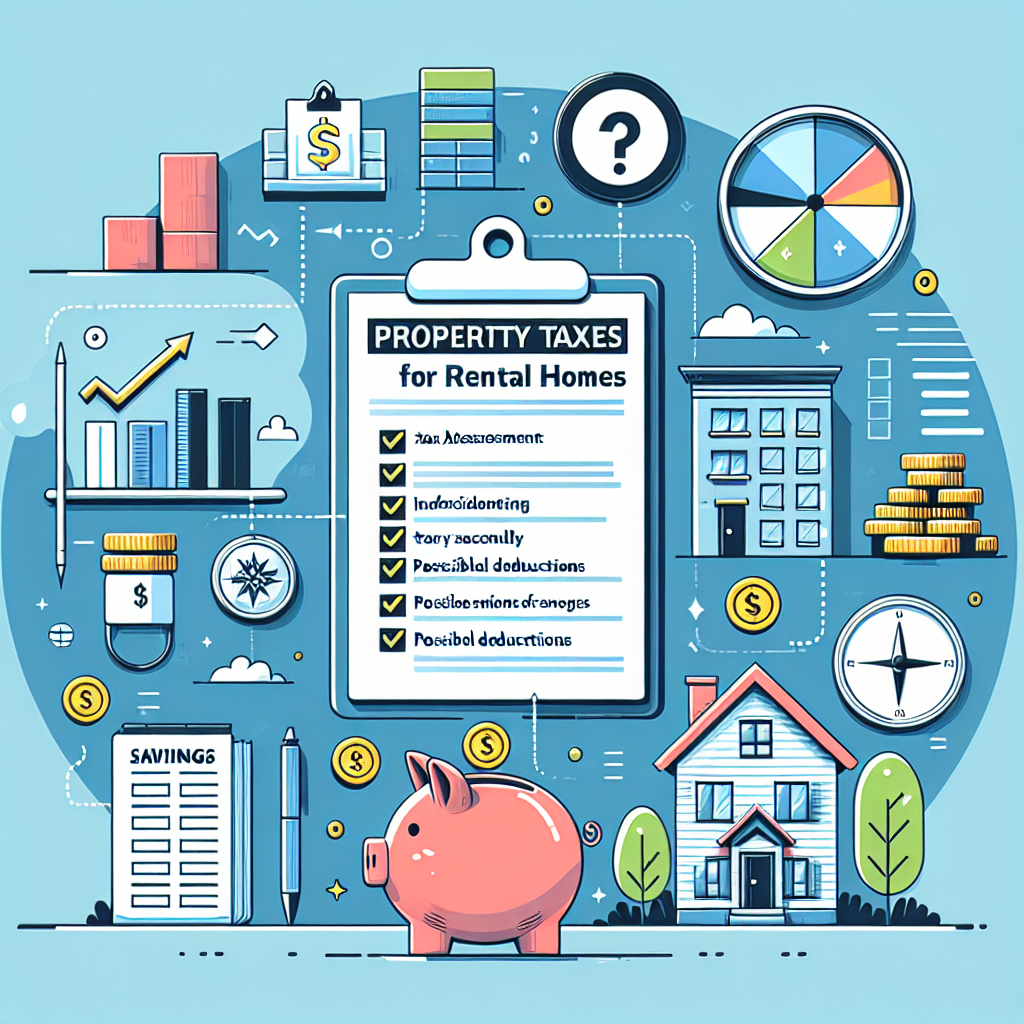
Property taxes are a recurring expense that every rental property owner must consider. The amount of property tax you owe is based on the assessed value of your property and the tax rate determined by your local jurisdiction. Property taxes fund local government services such as schools, infrastructure, and public safety. It’s essential to understand the property tax rates in your area and include them in your budget. Proper financial planning and understanding of property tax laws will help you accurately estimate and account for this expense.

Property Management Fees

Monthly Management Fees

If you choose to hire a property management company to handle the day-to-day operations of your rental property, you should be prepared for the associated monthly management fees. These fees cover services such as marketing and advertising vacancies, tenant screening, lease signing, rent collection, maintenance coordination, and accounting. While hiring a property management company can alleviate the stresses of being a hands-on landlord, it’s important to account for these fees and determine if the services provided align with your needs and expectations.

Leasing Fees

When a property management company secures a new tenant for your rental property, they will typically charge a leasing fee. This fee is a one-time charge for their efforts in finding a qualified tenant, screening them, and completing the lease agreement. Leasing fees can vary based on the rental market and the specific services provided by the property management company. It’s important to clarify and understand the leasing fees before entering into an agreement with a property management company to avoid any surprises or hidden costs.

Maintenance Markup

Some property management companies may charge a maintenance markup on top of the actual cost of repairs or maintenance. This markup is often used to compensate for the time and effort spent by the property management company in coordinating and overseeing the repairs. While it’s reasonable for property management companies to charge for their services, it’s important to review the maintenance markup and understand the specifics before signing a contract. Comparing different property management companies and their fee structures will help you make an informed decision and mitigate any potential hidden costs.

Vacancy Loss

Marketing and Advertising

When a rental property sits vacant, there’s a loss of rental income. To minimize this loss and attract potential tenants quickly, effective marketing and advertising are crucial. Advertising fees, such as listing your property on rental platforms or print publications, can be an additional expense to consider. It’s essential to allocate a marketing budget to ensure proper exposure of your rental property and generate interest from potential tenants. Utilizing online platforms, social media, and professional photography can help you stand out and fill vacancies more efficiently.

Lost Rental Income

During the periods when your rental property is vacant, you not only incur marketing expenses but also experience a direct loss of rental income. It’s important to incorporate this potential income loss into your financial planning. Having a buffer in your budget to account for vacancies will help you cover your expenses during these periods without affecting your overall financial stability. Additionally, by aiming for consistent tenant retention and providing excellent service, you can minimize the frequency and duration of vacancies, thereby reducing the impact on your rental property’s profitability.

What Are Common Hidden Costs Associated With Rental Properties?

This image is property of images.unsplash.com.

Utilities and Services

Water and Sewer

As a landlord, it’s common to include water and sewer services in the rental payments made by your tenants. However, it’s important to note that these utility expenses are still your responsibility. Depending on local regulations and your lease agreements, you may have to pay these bills directly or allocate funds to cover them. Properly monitoring water usage and promptly addressing any leaks or plumbing issues can help reduce these expenses and conserve resources. It’s important to communicate clearly with your tenants about the responsibility for utility costs to avoid any misunderstandings or disputes.
Trash Collection

In many areas, landlords are responsible for providing trash collection services for their rental properties. These services ensure that garbage is properly disposed of and maintain the cleanliness and sanitation of the property. The cost of trash collection can vary depending on the size of the property and the specific services offered by waste management companies. Understanding the local regulations and negotiating favorable contracts with waste management providers can help control these costs and ensure efficient waste disposal for your rental property.

Landscaping

Maintaining the exterior of your rental property is not only visually appealing but also contributes to the overall value and curb appeal. Landscaping costs can include routine lawn care, tree and shrub maintenance, and seasonal services such as fertilizer application and pest control. Whether you handle the landscaping tasks yourself or hire a professional landscaping service, it’s important to include these expenses in your budget. Regular maintenance and periodic enhancements to the outdoor spaces can attract quality tenants and create a positive living environment.

Snow Removal

If you live in an area that experiences snowy winters, snow removal is a necessary expense for rental property owners. Clearing snow from walkways, driveways, and parking areas helps ensure the safety and accessibility of your rental property for both tenants and visitors. You may choose to handle snow removal personally or hire a professional snow removal service. Regardless of your approach, accounting for this expense in your budget is crucial to avoid unexpected costs and maintain the functionality of your rental property during the winter months.

Internet and Cable

In today’s digital age, many tenants expect access to reliable internet and cable services. While it’s common for tenants to directly set up and pay for these services, some landlords choose to include them in the rental package. Offering internet and cable services can be a competitive advantage and attract tenants who value convenience. However, it’s important to research the costs associated with these services, understand the potential impacts on your rental income, and factor them into your budget. Clear communication with tenants regarding the responsibility for these expenses is essential to avoid misunderstandings.

HOA Fees and Special Assessments

Monthly HOA Fees

If your rental property is part of a homeowners association (HOA) or a condo association, you can expect monthly HOA fees. These fees cover the costs associated with maintaining common areas, amenities, and shared facilities. It’s important to understand the specific HOA fees associated with your property and budget for them accordingly. HOA fees can vary significantly depending on the scope of services and amenities provided by the association. Considering these fees when setting the rental price ensures that you cover your expenses while offering a competitive and desirable rental property.

Special Assessments

In addition to the regular monthly HOA fees, there may be occasions when special assessments are levied by the HOA. Special assessments are additional charges imposed by the HOA to cover unexpected expenses or major repairs. These assessments are typically divided among the property owners within the association, including rental property owners. It’s important to stay informed about any potential special assessments and plan for them in your budget. Being prepared for these one-time expenses will prevent financial strain and allow you to fulfill your obligations as a member of the homeowners association.

What Are Common Hidden Costs Associated With Rental Properties?

This image is property of images.unsplash.com.

Legal Fees and Evictions

Attorney Fees

Occasionally, landlords may find themselves in situations where legal advice or representation is necessary. From reviewing lease agreements to handling disputes or evictions, seeking assistance from an attorney is often unavoidable. Legal fees can quickly add up, and it’s important to account for them in your budget. Developing a relationship with a reputable attorney who specializes in landlord-tenant law can be valuable and provide you with peace of mind, knowing that you have reliable guidance and support whenever legal matters arise.

Eviction Costs

While eviction is a situation every landlord hopes to avoid, it’s essential to acknowledge the possibility and plan accordingly. The process of evicting a tenant can be complex and costly. Legal fees, court costs, and loss of rental income during the eviction process can significantly impact your finances. Understanding the eviction laws specific to your area, carefully screening potential tenants, and having proper lease agreements in place can help prevent eviction situations. However, being prepared for the potential costs associated with evictions will allow you to handle these situations efficiently if they ever arise.

Appliances and Furnishings

Appliances Replacement

As a landlord, the responsibility to provide working appliance falls on you. Appliances such as refrigerators, stoves, dishwashers, and washing machines have a finite lifespan and may require replacement during a tenancy. These replacements can be unexpected and costly. It’s important to factor appliance replacement costs into your long-term financial planning. Additionally, regularly servicing and maintaining appliances can help extend their lifespan and minimize the frequency of replacements, thus reducing your overall expenses.

Furniture and Furnishings

Fully furnished rental properties offer convenience and a potential competitive advantage in certain markets. However, furnishing a rental property comes with its own set of costs. Investing in quality furniture and furnishings requires an upfront expense that may not be immediately recovered through rental income. It’s important to consider the return on investment and weigh the benefits against the costs before deciding to furnish your rental property. Proper budgeting and careful selection of durable and functional furnishings will help ensure that your investment in furniture adds value to both your property and your tenants’ experience.

What Are Common Hidden Costs Associated With Rental Properties?

Pet Damage and Cleaning Costs

Pet-Related Damages

Allowing pets in your rental property can attract a wider pool of potential tenants, but it also comes with the risk of pet-related damages. From scratched floors to stained carpets, pets can cause wear and tear that may require repairs or replacements. It’s important to evaluate the potential risks and liabilities associated with allowing pets, and include these considerations in your lease agreements. Collecting a pet deposit or implementing specific pet-related guidelines can help mitigate the costs of any damages caused by tenants’ pets. Conducting regular inspections and promptly addressing any damage can prevent additional expenses and maintain the condition of your rental property.

Professional Cleaning

Between tenants, thorough cleaning is necessary to ensure that your rental property is in optimal condition for new occupants. While tenants are expected to maintain cleanliness during their tenancy, a deep cleaning is often required to remove any accumulated dirt or grime. This cleaning expense can be a hidden cost, especially if it requires the hiring of professional cleaners. Deducting the cleaning cost from the security deposit can help cover these expenses, but it’s important to budget for any additional cleaning costs that may arise. Timely and proper cleaning not only enhances the marketability of your rental property but also contributes to its overall upkeep and value.

Rental Property Inspections

Pre and Post-Tenancy Inspections

Conducting pre and post-tenancy inspections is an important part of managing a rental property. Before a tenant moves in, a pre-tenancy inspection helps document the condition of the property and establish a baseline for reference. This inspection ensures that any existing damage or issues are identified and addressed before the tenant assumes responsibility. Similarly, a post-tenancy inspection is conducted once the tenant vacates the property to assess any damages beyond normal wear and tear. These inspections help determine the appropriate deductions from the security deposit and ensure that the property is restored to its original condition for the next tenant.

Official Inspections

In addition to the pre and post-tenancy inspections conducted by the landlord or property management company, there may be official inspections required by local authorities or regulatory agencies. These inspections may be for compliance with building codes, safety standards, or to obtain necessary certifications or permits. Failing to meet the requirements of these inspections can result in fines or legal consequences. It’s crucial to research and familiarize yourself with the inspection requirements specific to your area and factor in any costs associated with these inspections. Regular maintenance and timely repairs will help ensure the successful completion of official inspections and avoid any penalties or delays.

Owning a rental property is an investment that requires careful financial planning and management. By understanding and accounting for these common hidden costs, you can ensure the long-term profitability and success of your rental property. Proper budgeting, regular maintenance, and open communication with tenants and service providers will help you navigate these costs and maintain a mutually beneficial landlord-tenant relationship. Remember, being proactive in addressing hidden costs will save you both time and money in the long run.

What Are Common Hidden Costs Associated With Rental Properties?

How Can I Integrate Vintage Elements Into A Modern Home?

Ah, the perfect blend of old and new. The question that has been on your mind lately – how can you seamlessly bring vintage elements into your modern home? As you navigate the world of interior design, you might find yourself drawn to the charm and character of vintage pieces, longing to infuse your space with a touch of nostalgia. But fear not, my friend, for I have the answers you seek. In this article, we will explore creative ways to integrate vintage elements into a modern home, adding a unique and timeless allure to your living space. So, let us embark on this delightful journey of design and discover the secrets to achieving a harmonious fusion of past and present.

How Can I Integrate Vintage Elements Into A Modern Home?

This image is property of images.pexels.com.

Choosing Vintage Elements

Furniture

When it comes to choosing vintage elements for your modern home, furniture is a great place to start. Look for timeless pieces that have a unique design and are built to last. From mid-century modern sofas to antique dining tables, vintage furniture can add character and charm to any space. Consider the functionality and comfort of the furniture as well, ensuring that it fits seamlessly into your everyday life.

Lighting

Vintage lighting fixtures can instantly transform the atmosphere of a room. Look for chandeliers, pendant lights, and table lamps with a retro-inspired design. These pieces not only provide functional lighting but also serve as statement pieces that add a touch of nostalgia. Whether you prefer opulent crystal chandeliers or industrial-inspired pendant lights, vintage lighting can bring warmth and personality to your modern home.

Accessories

To add a vintage touch to your home, consider incorporating vintage accessories. These can include items such as antique telephones, typewriters, and radios. Vintage accessories not only serve as conversation starters but also add a sense of history and nostalgia to your space. Look for items that reflect your personal style and interests, and display them in a way that creates visual interest and tells a story.

Artwork

Artwork is an excellent way to infuse vintage elements into a modern home. Look for paintings, prints, or photographs that depict scenes or styles from a bygone era. Whether it’s a classic landscape painting or a retro-inspired pop art piece, vintage artwork can create a focal point in your space and add a touch of cultural significance. Consider your personal taste and the overall aesthetic of your home when choosing vintage artwork to ensure it complements your existing decor.

Blending Vintage with Modern Design

Create a focal point

When integrating vintage elements into a modern home, it’s essential to create a focal point that highlights the vintage piece. This can be achieved by placing a statement vintage item, such as a unique antique armchair or an intricately carved wooden sideboard, in a prominent position in the room. By making the vintage piece the center of attention, you can effectively blend it with the modern design without overwhelming the space.

Mix and match styles

To achieve a seamless blend of vintage and modern design, mix and match different styles. For example, pair a sleek and contemporary sofa with a vintage coffee table or combine mid-century modern chairs with a modern dining table. By juxtaposing different styles, you create an eclectic and visually stimulating space that reflects your unique tastes.

Consider scale and proportion

When combining vintage and modern elements, consider the scale and proportion of the furniture and accessories. Ensure that the vintage pieces you choose are proportionate to the size of the room and the other furniture in the space. For example, placing a small vintage side table next to a large modern sofa may create an imbalance. By carefully considering the scale and proportion of your vintage and modern pieces, you can create a harmonious and visually pleasing design.

Use a neutral color palette

To create a cohesive and balanced look when blending vintage and modern design, opt for a neutral color palette. Neutral colors such as whites, grays, and earth tones provide a timeless backdrop that allows the vintage elements to shine. Additionally, a neutral color palette creates a sense of calm and sophistication that complements both vintage and modern styles. You can incorporate pops of color through accent pieces, such as throw pillows or artwork, to add vibrancy and interest to the space.

Incorporating Vintage Patterns and Textures

Wallpaper

One way to incorporate vintage patterns into your modern home is through the use of wallpaper. Whether you choose a floral pattern reminiscent of the Victorian era or a bold geometric print from the 1960s, wallpaper can instantly add a vintage touch to any room. Consider using wallpaper on an accent wall or in a smaller space, such as a powder room or study, to create a statement without overwhelming the entire room.

Textiles

Vintage textiles, such as curtains, rugs, and upholstery fabrics, can add texture and visual interest to a modern space. Look for fabrics with intricate patterns or unique textures that reflect the style of a specific era. Whether you choose a vintage Persian rug for your living room or reupholster a chair in a retro-inspired fabric, vintage textiles can create a sense of coziness and warmth, while also adding a distinctive character to your home.

Flooring

If you’re looking for a more substantial way to incorporate vintage elements into your modern home, consider updating your flooring. Vintage-inspired flooring options, such as reclaimed hardwood or patterned tiles, can add charm and character to your space. Whether you choose a herringbone pattern for your entryway or colorful encaustic tiles for your kitchen, vintage flooring can serve as a foundation for the rest of your design, tying the vintage elements together with the modern aesthetic.

Repurposing Vintage Items

Old doors as tabletops

Repurposing vintage items is an eco-friendly and creative way to incorporate vintage elements into your modern home. Consider using old doors as tabletops for your dining or coffee table. The distressed wood and unique details of vintage doors can add character and visual interest to your space, while also providing a conversation starter. Sand the surface of the door, add a protective topcoat, and secure it to a sturdy base to create a unique and functional vintage-inspired table.

Vintage suitcases as storage

Vintage suitcases can be repurposed as stylish and functional storage solutions in your modern home. Stack them on top of each other to create a unique side table or use them to store blankets, books, or other items. The worn leather or retro patterns of vintage suitcases add a touch of nostalgia to your space while also providing practical storage options. Display them in your living room, bedroom, or even your home office to add a vintage-inspired touch.

Antique window frames as wall art

Instead of traditional artwork, consider using antique window frames as decorative wall art. These vintage pieces can showcase your creativity and add architectural interest to your space. Hang the window frame on your wall and adorn it with a wreath, a vintage-inspired botanical print, or a collection of pressed flowers. The unique shape and rustic charm of antique window frames create a focal point that reflects your love for vintage design and adds a touch of originality to your modern home.

Vintage crates as shelving

Another way to repurpose vintage items is by using old wooden crates as shelves. Stack the crates vertically or horizontally and secure them to the wall to create a unique and functional storage solution. Vintage crates can be used in various rooms, from the kitchen to the living room, and can hold books, plants, or decorative items. The weathered wood and vintage details of the crates add rustic charm to your space and create an interesting display for your favorite items.

How Can I Integrate Vintage Elements Into A Modern Home?

This image is property of images.pexels.com.

Creating a Vintage-inspired Color Scheme

Choose a retro color palette

When designing a vintage-inspired color scheme, start by selecting colors commonly associated with a specific era. For example, if you’re aiming for a 1950s retro look, opt for pastel colors such as mint green, powder blue, and soft pink. If you prefer a 1970s vibe, consider earthy tones like mustard yellow, burnt orange, and olive green. By choosing a color palette that reflects the style of your chosen era, you can create a cohesive and authentic vintage-inspired look.

Use accent colors to add vibrancy

To add pops of color and vibrancy to your vintage-inspired color scheme, incorporate accent colors. These can be bolder hues that complement your chosen retro color palette. For example, if you have a predominantly neutral color scheme, consider adding accents of bold red or vibrant turquoise. These accent colors can be introduced through accessories, artwork, or even furniture upholstery. By strategically incorporating accent colors, you can elevate the overall visual impact of your vintage-inspired design.

Consider the mood of the space

When creating a vintage-inspired color scheme, consider the mood you want to evoke in each room. Different colors evoke different emotions, and by choosing colors that align with the desired atmosphere, you can enhance the overall ambiance of your space. For example, soft pastels can create a serene and nostalgic feel, while bold and saturated colors can create a more vibrant and energetic ambiance. Consider the function of the room and how you want to feel when in it, then choose colors that support that mood.

Embracing Vintage Architecture

Restore original architectural features

If you’re lucky enough to have original architectural features in your home, embrace them and allow them to shine. Whether it’s crown molding, intricate ceiling medallions, or ornate woodwork, these elements provide a glimpse into the history and craftsmanship of your home. Restore these vintage architectural features by repairing any damage, repainting or refinishing them, and highlighting their beauty through appropriate lighting and furniture placement. Embracing these elements not only adds value to your home but also creates a unique and authentic vintage feel.

Add vintage-inspired architectural elements

If your home doesn’t have original vintage architectural features, consider adding vintage-inspired elements to recreate that nostalgic charm. Look for elements such as decorative cornices, vintage-style wainscoting, or reclaimed wood paneling. These architectural accents can be installed on walls, ceilings, or even as room dividers to create a sense of vintage elegance and add visual interest to your space. By incorporating vintage-inspired architectural elements, you can infuse your modern home with the character and charm of a bygone era.

How Can I Integrate Vintage Elements Into A Modern Home?

This image is property of images.pexels.com.

Combining Vintage and Modern Fabrics

Mixing patterned upholstery

To combine vintage and modern fabric, mix patterned upholstery in your furniture pieces. Pair a bold floral print on an antique armchair with a solid-colored modern sofa. Alternatively, mix different patterns in throw pillows and cushions, combining vintage-inspired florals or stripes with contemporary geometric prints. By strategically layering patterns, you create a visually exciting and dynamic space that reflects your unique style.

Layering textiles for depth

Another way to combine vintage and modern fabrics is by layering textiles to add depth and texture to your space. Mix different fabrics such as linen, velvet, or jacquard in your curtains, rugs, and upholstery. For example, drape a vintage-inspired lace curtain over a modern sheer curtain to create a layered and romantic window treatment. Layering textiles allows you to blend vintage and modern fabrics seamlessly while adding visual interest and a cozy atmosphere to your home.

Adding vintage-inspired throw pillows and blankets

To easily infuse vintage elements into your modern home, add vintage-inspired throw pillows and blankets to your sofas and beds. Look for fabrics with intricate designs, such as damask or chenille, in colors that complement your existing decor. Vintage-inspired textiles can add a touch of elegance and comfort to your space, while also providing opportunities to experiment with different patterns and textures.

Styling Vintage Collections

Curate a cohesive collection

When styling vintage collections, it’s essential to curate a cohesive and visually appealing display. Choose a theme or a specific type of vintage item to create a sense of cohesion. For example, if you have a collection of vintage cameras, arrange them on a shelf or display them in a glass case. By grouping similar items together, you create a curated display that showcases your collection and adds a touch of personality to your space.

Display vintage items as focal points

To make the most of your vintage collections, display them as focal points in your home. Place them strategically on shelves, mantels, or even as a centerpiece on a dining table. By highlighting your vintage items, you draw attention to their unique qualities and create a visual impact. Additionally, vintage collections can serve as a conversation starter and a reflection of your personal style and interests.

Create a gallery wall

If you have a collection of vintage artwork, photographs, or smaller items, consider creating a gallery wall to showcase them. Arrange the pieces in a visually pleasing layout, either symmetrically or asymmetrically, and hang them at eye level. A gallery wall not only allows you to display your vintage items but also adds a focal point to your space while showcasing your unique taste and appreciation for vintage design.

How Can I Integrate Vintage Elements Into A Modern Home?

Vintage-Inspired Lighting

Use vintage-style light fixtures

One of the easiest ways to incorporate vintage elements into your modern home is by using vintage-style light fixtures. Look for chandeliers, pendant lights, or sconces with antique-inspired designs. Whether you choose a chandelier with crystal accents or a pendant light with a vintage filament bulb, vintage-style light fixtures can add a touch of glamour and nostalgia to any room. Install them in areas where they can shine as statement pieces and provide ambient lighting.

Repurpose vintage items as lighting

For a more creative approach, consider repurposing vintage items as lighting fixtures. Convert vintage birdcages into unique pendant lights or repurpose old wine barrels as ceiling lights. By thinking outside the box and repurposing vintage items, you can create one-of-a-kind lighting solutions that add personality and charm to your modern home.

Incorporate vintage-inspired lampshades

To add a subtle vintage touch to your lighting, incorporate vintage-inspired lampshades. Look for lampshades with lace detailing, floral patterns, or unique shapes that reflect the style of a specific era. Whether you’re updating a table lamp in the living room or adding a bedside lamp in the bedroom, vintage-inspired lampshades can instantly transform the look and feel of your space while adding a touch of nostalgia.

Accessories and Decorative Accents

Vintage mirrors

Incorporating vintage mirrors into your modern home can add elegance and depth to your space. Look for ornate frames with intricate detailing or antique silver or gold finishes. Hang vintage mirrors in hallways or above mantels to create a statement and visually expand the space. Vintage mirrors not only serve a functional purpose but also add a touch of glamour and sophistication to your home.

Vintage clocks

Add a touch of vintage charm to your modern home with vintage clocks. Look for antique wall clocks or retro-inspired desk clocks. These timeless pieces not only provide functional timekeeping but also serve as decorative accents that add character to your space. Place a vintage clock in a prominent position, such as above a fireplace or on a stylish console table, to create a focal point and infuse your space with a touch of nostalgia.

Vintage vases

Vintage vases can be used as decorative accents to add a touch of elegance and nostalgia to your space. Look for unique shapes, intricate detailing, or vintage-inspired patterns. Display vintage vases on entryway tables, mantels, or as centerpieces on dining tables. Whether you fill them with fresh flowers or leave them empty to showcase their beauty, vintage vases can add a touch of sophistication and whimsy to your modern home.

Vintage ceramics

Incorporating vintage ceramics into your modern home can add warmth and personality to your space. Look for antique pottery, porcelain, or ceramic pieces with intricate designs or unique textures. Whether you choose vintage teapots, vases, or ceramic figurines, vintage ceramics can serve as decorative accents that reflect your love for history and craftsmanship. Display them on shelves, sideboards, or coffee tables to create a visually interesting and nostalgic display.

How Can I Integrate Vintage Elements Into A Modern Home?

How Do I Manage Property Taxes For Rental Homes?

Owning a rental property can be a great investment, but it also comes with its fair share of responsibilities. One aspect that often confuses landlords is how to manage property taxes for their rental homes. Understanding the process and staying on top of your tax obligations is essential to ensure that you are not paying more than necessary. In this article, we will guide you through the basics of managing property taxes for rental homes, providing you with the knowledge and confidence to handle this aspect of your investment with ease. So let’s dive in and unravel the complexities of property taxes, empowering you to make informed decisions and maximize your rental property’s potential.

How Do I Manage Property Taxes For Rental Homes?

This image is property of images.pexels.com.

Understanding Property Taxes

What are property taxes?

Property taxes are levies imposed by local governments on the owners of residential or commercial properties. These taxes are used to fund various public services such as schools, infrastructure development, and public safety. Property taxes are typically calculated based on the assessed value of the property and the tax rate set by the local government.

How are property taxes calculated?

Property taxes are usually calculated by multiplying the assessed value of the property by the tax rate. The assessed value is determined by the local taxing authority and may be based on factors such as property size, location, and improvements. The tax rate is set by the local government and is expressed as a percentage of the assessed value.

To understand how your property taxes are calculated, you can usually find information on the local government’s website or contact the local tax assessor’s office. It’s important to note that property tax rates and assessment methods can vary between jurisdictions, so it’s crucial to understand the specific rules and regulations in your area.

Importance of understanding property taxes

Understanding property taxes is essential for rental property owners to ensure that they are properly managing their finances and maximizing their returns. By having a clear understanding of how property taxes are calculated and the potential exemptions or deductions available, you can better plan and budget for these expenses.

Having a good grasp of property taxes also allows you to assess the profitability and viability of an investment property. By evaluating property taxes alongside other expenses and potential rental income, you can make informed decisions about rental rates and the financial feasibility of acquiring or maintaining a rental property.

Recordkeeping and Documentation

Keeping organized records

When it comes to property taxes, maintaining organized records is crucial. By keeping all relevant documents and receipts in one place, you can easily access and reference them when needed. This includes records such as purchase documents, closing statements, renovation costs, and any other expenses related to the property.

Organizing your records can help you identify potential deductions, exemptions, or discrepancies in assessment notices. It also makes it easier to prepare your tax returns and respond to any tax inquiries or audits in the future. Utilizing digital recordkeeping tools or software can further streamline the process and ensure that your records are secure and easily accessible.

Tracking property tax payments

Tracking your property tax payments is equally important to avoid any penalties or late fees. Property tax due dates can vary depending on your location, so it’s crucial to note these deadlines and set reminders for yourself. Consider setting up automatic payments or scheduling recurring reminders to ensure timely payment of your property taxes.

Additionally, keeping a record of your past tax payments can be beneficial for accounting and budgeting purposes. You can track your payment history and refer to it when preparing your financial statements or evaluating your property’s performance.

Saving relevant documentation

In addition to organizing records and tracking payments, it’s essential to save relevant documentation related to your property taxes. This includes assessment notices, tax bills, receipts for tax payments, and any correspondence with the tax authorities. Saving these documents will serve as evidence of your compliance and can be helpful when reviewing assessments, claiming deductions, or addressing any disputes.

By keeping these records in a safe and easily accessible location, you can reduce the stress and potential complications that may arise when dealing with property taxes. Remember to retain these documents for the appropriate duration based on your local tax laws or seek guidance from a professional advisor.

Hiring a Professional

Considerations for hiring a property tax professional

If managing property taxes becomes overwhelming or complex, it may be beneficial to hire a property tax professional. When seeking a professional, consider their qualifications, experience, and knowledge of local tax laws and regulations. Look for professionals who specialize in property taxes and have a track record of successfully assisting clients with similar concerns.

Benefits of hiring a property tax professional

Hiring a property tax professional can provide numerous benefits. They can analyze your property assessments, identify potential inaccuracies or discrepancies, and guide you through the process of challenging assessments if necessary. These professionals can also assist in exploring available exemptions and deductions, ensuring that you take full advantage of any tax-saving opportunities.

Moreover, property tax professionals can help you navigate complex tax laws and regulations, potentially saving you time, money, and stress. They can keep you informed about changes in tax regulations, ensure compliance with filing deadlines, and handle any communication or disputes with tax authorities on your behalf.

Finding a reliable property tax professional

When searching for a reliable property tax professional, consider seeking recommendations from other rental property owners or real estate professionals. You can also conduct online research to find reputable professionals in your area. Take the time to interview potential candidates, ask for references, and inquire about their fee structure and services.

A reliable property tax professional should have a clear understanding of the local tax laws, be responsive to your inquiries and concerns, and have a proven track record of delivering favorable results for their clients. Ultimately, finding the right professional will provide peace of mind and ensure that your property taxes are managed efficiently and effectively.

Understanding Assessment Notices

What is an assessment notice?

An assessment notice is a document sent by the local tax assessor’s office that outlines the assessed value of your property and the corresponding property tax amount. This notice is typically sent annually or periodically based on the local taxing authority’s assessment cycle.

The assessment notice serves as an official record of your property’s assessed value, which is a key factor in determining the amount of property taxes you owe. It is important to review the assessment notice carefully to ensure accuracy and understand any changes in the assessed value or tax rate.

Importance of reviewing assessment notices

Reviewing your assessment notice is crucial to ensure that the assessed value is fair and accurate. Mistakes or discrepancies in the assessment can result in overpaying your property taxes. By carefully reviewing the assessment notice, you can identify any errors, such as incorrect property dimensions, improper valuation methods, or inaccurate information about the property’s condition.

If you believe that the assessed value on the notice does not reflect the market value of your property or is based on incorrect information, it is essential to take timely action. Challenging inaccurate assessments can potentially lead to a reduction in your property taxes, resulting in significant savings over time.

Challenging inaccurate assessments

If you believe that your assessment is inaccurate, you have the right to challenge it through the appeals process. The specific procedure for challenging an assessment may vary depending on your jurisdiction, so it’s important to familiarize yourself with the local rules and deadlines.

Typically, you will need to gather evidence to support your claim, such as recent appraisals, sales data of comparable properties, or inspection reports. Presenting this evidence to the tax assessor’s office or filing a formal appeal can help rectify any errors and ensure that your property tax liability is based on a fair and accurate assessment.

It’s recommended to consult with a property tax professional or seek legal advice if you plan to challenge an assessment. They can provide guidance on the process, help gather the necessary evidence, and ensure that you meet all the requirements and deadlines.

How Do I Manage Property Taxes For Rental Homes?

This image is property of images.pexels.com.

Researching Tax Exemptions and Deductions

Exploring available tax exemptions

Tax exemptions are provisions that reduce or eliminate the portion of property taxes owed on specific properties or for certain purposes. Many jurisdictions offer exemptions for properties such as primary residences, historical landmarks, or properties owned by certain nonprofit organizations.

To take advantage of available exemptions, research the tax laws in your jurisdiction and identify the eligibility criteria for each exemption. Submit the necessary documentation or applications to claim the exemptions. Keep in mind that exemptions may need to be renewed periodically or may have specific restrictions or qualification requirements.

Understanding and utilizing tax exemptions can significantly reduce your property tax burden and increase your cash flow. By taking the time to research and claim applicable exemptions, you can maximize your tax savings and improve the profitability of your rental property.

Understanding rental property tax deductions

In addition to exemptions, rental property owners can also benefit from various tax deductions. Rental property tax deductions allow you to reduce your taxable rental income by deducting certain expenses associated with owning and operating the property.

Common rental property tax deductions include mortgage interest, property management fees, repairs and maintenance costs, and property insurance premiums. It’s essential to keep detailed records and receipts for these deductible expenses to support your claims and ensure compliance with tax regulations.

Consult with a tax professional or utilize tax software to ensure that you are aware of all the deductions available to you as a rental property owner. They can guide you through the process of claiming deductions and help maximize your tax savings.

Maximizing tax savings through exemptions and deductions

To maximize your tax savings, consider combining tax exemptions and deductions. By identifying all eligible exemptions and carefully tracking deductible expenses, you can minimize your overall property tax liability and increase your investment returns.

Keep in mind that tax laws and regulations can change over time. Stay updated on any revisions or additions to the available exemptions and deductions to ensure that you are taking full advantage of all applicable tax-saving opportunities. Regularly review your property’s eligibility for exemptions and consult with a tax professional to optimize your tax strategy.

Budgeting for Property Taxes

Including property taxes in rental income calculations

When calculating your rental income, it’s important to account for property taxes as a recurring expense. Failure to consider property taxes can lead to inaccurate financial projections and affect your profitability.

To include property taxes in your rental income calculations, estimate the annual property tax amount based on the current assessment or previous tax bills. Divide this annual amount by 12 to determine the monthly property tax expense. Subtract this expense from your monthly rental income to determine your net cash flow.

By factoring property taxes into your rental income calculations, you can ensure that you set appropriate rental rates, accurately assess your property’s cash flow, and plan your finances effectively.

Creating a property tax reserve fund

To mitigate the impact of potential tax rate increases or unexpected property tax assessments, consider creating a reserve fund specifically for property taxes. This fund serves as a buffer to cover any unforeseen spikes in property taxes or periods of vacancy when you may be solely responsible for the payment.

Determine a reasonable amount to set aside each month or allocate a portion of your rental income to the reserve fund. This will help you build up savings over time and ensure that you have the necessary funds to pay your property taxes without affecting your overall financial stability.

Accounting for potential tax rate changes

Tax rates can fluctuate over time due to changes in local government policies or economic conditions. It’s important to account for potential tax rate changes when budgeting for property taxes.

Stay informed about any proposed or approved changes to tax rates in your area. Periodically reassess your property’s assessed value and consider the potential impact of reassessments or changes in tax rates on your tax liability. This proactive approach will allow you to adjust your budgeting and financial planning accordingly.

By accounting for potential tax rate changes, you can avoid financial surprises and ensure that you are prepared to meet your property tax obligations.

How Do I Manage Property Taxes For Rental Homes?

This image is property of images.pexels.com.

Paying Property Taxes on Time

Understanding tax payment deadlines

To avoid penalties and interest, it is crucial to understand the tax payment deadlines in your jurisdiction. The due dates for property tax payments can vary depending on local regulations, but they are typically set annually or semi-annually.

Refer to the tax bills or assessment notices you receive to determine the due dates for your property taxes. Mark these dates on your calendar or set up reminders to ensure you allocate sufficient time to make the payment.

Setting up reminders for tax payments

To help you stay organized and avoid late payments, consider setting up reminders for your property tax payments. Utilize digital calendars, task management apps, or email notifications to alert you of upcoming due dates. Set these reminders in advance to provide yourself with ample time to gather the necessary funds and make the payment.

Another option is to enroll in automatic payment plans offered by local tax authorities or your financial institution. This allows the taxes to be automatically deducted from your designated account on the due dates, ensuring timely payment without requiring manual intervention.

Avoiding penalties and interest

Paying your property taxes on time is crucial to avoid incurring penalties and interest. Late payments can result in additional fees, fines, or even legal actions by the tax authority.

The penalties and interest for late property tax payments can vary depending on local regulations. Familiarize yourself with the specific penalties for late payments in your jurisdiction and the consequences of non-compliance. By paying your property taxes on time, you can save money and maintain a positive relationship with the tax authorities.

Considering Local Tax Laws and Rules

Researching local property tax laws

Local property tax laws can vary significantly, so it’s important to research and understand the specific regulations in your area. Familiarize yourself with the assessment process, tax rates, deadlines, exemptions, and other relevant factors that impact your property taxes.

Review the local government’s website, consult tax professionals or your tax assessor’s office for detailed information regarding property tax laws. Stay updated on any changes or revisions to these laws and ensure that you are complying with all the requirements.

Knowing the appeal process

Being familiar with the appeal process is crucial if you wish to challenge an assessment or dispute your property taxes. Each jurisdiction may have different rules and procedures for appeals, so it’s important to understand the specific steps involved.

Research the appeal process outlined by the local tax assessor’s office or consult with a property tax professional for guidance. Prepare the necessary documentation and evidence to support your case and ensure that you adhere to the appeal deadlines. By knowing the appeal process, you can navigate any disputes or disagreements regarding your property taxes effectively.

Staying updated on changes in tax regulations

Tax laws and regulations are subject to change, so it’s important to stay updated on any revisions or additions that impact property taxes. Changes may include adjustments to tax rates, exemptions, assessment methods, or filing requirements.

Regularly review local government websites, news sources, or consult with tax professionals to stay informed about changes in tax regulations. Engage in professional development opportunities or attend seminars or workshops to enhance your understanding of property tax laws and ensure compliance.

By staying updated on changes in tax regulations, you can proactively adjust your financial planning, maximize tax savings, and avoid any potential penalties or non-compliance issues.

How Do I Manage Property Taxes For Rental Homes?

Utilizing Property Management Software

Benefits of property management software

Property management software can be a valuable tool for effectively managing property taxes. This software offers numerous benefits, such as streamlining recordkeeping, automating payment reminders, and providing comprehensive financial reports.

By utilizing property management software, you can easily track income and expenses, generate reports for tax purposes, and stay organized in one centralized system. This software often includes features specifically designed for property tax management, simplifying the process and reducing the likelihood of errors or oversights.

Features to look for in property management software

When considering property management software, look for features that specifically cater to property tax management. Some key features to consider include:

  • Expense tracking: The software should allow you to record and categorize expenses, making it easier to identify deductible items and track property tax payments.
  • Document management: Look for software that enables you to store and organize relevant documents, such as tax bills, receipts, and assessment notices. This ensures that all documentation is easily accessible when needed.
  • Automated reminders: Property management software should provide reminders and notifications for upcoming tax payment deadlines. This feature helps you stay on top of your obligations and avoid penalties.
  • Financial reporting: Comprehensive financial reports, including income and expense statements, cash flow analysis, and tax summaries, can help you assess your property’s financial performance and simplify tax preparation.

By selecting property management software with these features, you can streamline your property tax management and ensure accurate recordkeeping, resulting in a more efficient and stress-free process.

Managing property taxes effectively with software

Once you have implemented property management software, take advantage of its features to effectively manage your property taxes. Regularly update the software with any changes to property assessments, tax rates, or payment amounts to maintain accurate records.

Utilize the software’s reporting capabilities to generate tax-related reports, making it easier to prepare your income tax returns or respond to any tax inquiries. Enter your tax payment deadlines into the software and set up reminders to ensure timely payments.

Remember to regularly back up your software data and store it securely to protect your financial records and ensure business continuity. By leveraging the capabilities of property management software, you can effectively manage your property taxes and streamline your overall property management processes.

Seeking Professional Advice

Consulting with a real estate attorney

When dealing with complex property tax matters, it may be necessary to consult with a real estate attorney. Real estate attorneys specialize in property law and can provide valuable guidance on legal matters related to property taxes.

A real estate attorney can review documents, contracts, and other legal instruments to ensure compliance with property tax laws. They can guide you through challenging assessments, handling disputes with tax authorities, or represent you in court if necessary.

Consulting with a real estate attorney can give you peace of mind and ensure that you are making informed decisions while navigating the intricacies of property taxes.

Engaging a certified public accountant

Certified public accountants (CPAs) are another valuable resource when it comes to managing property taxes. CPAs possess in-depth knowledge of tax laws and regulations and can provide expert advice on tax planning and compliance.

Engage a CPA to assist you in preparing your tax returns and optimizing your tax strategy. They can ensure that you are taking advantage of all applicable exemptions and deductions while complying with tax laws. CPAs can also help you navigate complex financial matters, such as depreciation calculations, capital gains taxes, or tax implications of selling or exchanging properties.

Collaborating with a CPA ensures that you receive accurate and up-to-date advice to minimize your tax liability and maximize your investment returns.

Collaborating with a tax advisor

Collaborating with a tax advisor, such as an enrolled agent or a tax consultant, can provide additional expertise and support in managing your property taxes. These professionals specialize in tax matters and can provide comprehensive tax planning and compliance services.

Tax advisors can review your financial situation, assess your property taxes, and develop customized strategies to optimize your tax savings. They can provide guidance on tax implications when acquiring or disposing of rental properties, structure your investments to minimize tax liabilities, and ensure compliance with applicable tax laws.

Working with a tax advisor allows you to leverage their expertise and experience to effectively manage your property taxes and navigate any complex tax issues with confidence.

In conclusion, managing property taxes for rental homes requires a comprehensive understanding of the tax regulations, diligent recordkeeping, and proactive planning. By familiarizing yourself with property tax calculations, assessment notices, available exemptions and deductions, and local tax laws, you can effectively manage your property taxes and optimize your tax savings. Consider hiring a professional if needed, utilize property management software, and seek advice from real estate attorneys, CPAs, or tax advisors to ensure compliance, maximize returns, and minimize any potential financial risks. With the right knowledge and resources, you can confidently navigate the complexities of property taxes and make informed financial decisions for your rental homes.

How Do I Manage Property Taxes For Rental Homes?

What’s The Best Strategy For Updating An Old Fireplace?

Looking to give your old fireplace a modern facelift? Discover the best strategies for updating your outdated hearth in this article. Whether you’re looking for a budget-friendly solution or wanting to make a bold statement, we’ve got you covered. From new paint colors to trendy tile patterns, we’ll guide you through the process of transforming your old fireplace into a stunning focal point that will leave you feeling warm and cozy all winter long. So, let’s get started and bring new life to your old fireplace with these exciting design tips!

Whats The Best Strategy For Updating An Old Fireplace?

This image is property of images.pexels.com.

Research and Planning

Before embarking on your fireplace makeover project, it’s important to start with thorough research and planning. Evaluating the current condition of your fireplace is the first step. Take a close look at its structure, functionality, and overall appearance. Identify any areas that need improvement or repair.

Next, it’s time to research different fireplace styles. Explore various designs and aesthetics to find the one that suits your taste and complements the overall aesthetic of the room. Consider factors such as the materials used, the shape and size of the fireplace, and whether you prefer a traditional or modern look.

Once you have a clear idea of the style you want to achieve, it’s essential to set a budget for the project. Determine how much you are willing to spend and allocate funds for materials, labor costs, and any unforeseen expenses that may arise during the process. By setting a budget from the beginning, you can ensure that you stay on track and avoid overspending.

Fireplace Makeover Ideas

Now that the research and planning phase is complete, it’s time to explore some fireplace makeover ideas. These ideas will help transform your old fireplace into a stunning focal point that enhances the overall ambiance of the room.

Painting the Fireplace

One of the easiest and most cost-effective ways to update an old fireplace is by painting it. Choose a suitable paint color that matches your desired aesthetic. Before painting, make sure to prepare the surface by cleaning it thoroughly and removing any loose debris. Applying high-temperature paint is essential to prevent damage from heat exposure. Additionally, consider using a faux finish to add texture and depth to the painted surface.

Updating the Mantel

The mantel plays a crucial role in the overall appearance of the fireplace. Consider different materials such as wood, stone, or metal for the mantel. If you have an existing mantel, repurposing it can be a sustainable and cost-effective option. Alternatively, you can install a floating mantel shelf for a modern and minimalist look. To add a personal touch, consider adding decorative elements like candles, artwork, or framed photos to the mantel.

Adding a Fireplace Insert

If your old fireplace lacks efficiency and heating capabilities, adding a fireplace insert can be a great solution. Research different types of inserts, such as gas or electric, and determine which one is best suited for your needs. Consider factors like heating efficiency, ease of use, and aesthetic appeal. It’s crucial to ensure proper ventilation and safety measures when installing a fireplace insert, so consulting with a professional is highly recommended.

Installing a New Surround

The surround of the fireplace plays a significant role in its overall design. Choose a suitable surround material that complements the style you want to achieve. Whether it’s tile, stone, brick, or a combination, ensure it matches the aesthetic of the room. Measure the fireplace opening accurately to ensure a proper fit, and securely install the surround to prevent any potential hazards.

Refacing the Fireplace

Refacing the fireplace requires careful consideration of whether it is the best option for your particular situation. Evaluate the current condition of the facing and determine if it can be improved with a new material. Choose a suitable material such as brick veneer, tile, or stone for the new facing, which will give your fireplace a fresh and updated look. Remember to remove the existing facing carefully and install the new facing securely.

Replacing the Hearth

The hearth is not only a functional element of the fireplace but also adds to its visual appeal. When updating an old fireplace, consider replacing the hearth with a new material that matches your desired style. Decide on the type, such as tile, stone, or brick, and measure and cut the new hearth material to fit perfectly. Remove the old hearth carefully, ensuring that any necessary modifications are made to accommodate the new one. Finally, install the new hearth securely to achieve a polished and cohesive look.

Whats The Best Strategy For Updating An Old Fireplace?

This image is property of images.pexels.com.

Safety Considerations

Throughout the fireplace makeover process, it’s crucial to prioritize safety. If you’re unsure about any aspect of the project, consult with a professional to ensure all safety guidelines are followed. Proper ventilation is essential to prevent carbon monoxide buildup, so make sure there is sufficient airflow. It’s also important to adhere to local building codes and regulations to ensure the project is up to standard. Consider adding safety features like a screen or doors to prevent accidental burns or damage to the surrounding area.

Whats The Best Strategy For Updating An Old Fireplace?

This image is property of images.pexels.com.

Finalizing the Update

Once you have completed your fireplace makeover, it’s important to properly clean and maintain the updated fireplace. Regularly remove any dust or debris to keep it looking pristine. Consider adding finishing touches and decor, such as artwork, plants, or decorative logs, to enhance the overall aesthetic. If you’re not confident in your DIY skills or if you’re planning major renovations, it’s worth considering professional help to ensure the project is executed flawlessly. Finally, sit back, relax, and enjoy the refreshed fireplace for years to come. It will undoubtedly be a beautiful and inviting centerpiece in your home.

Whats The Best Strategy For Updating An Old Fireplace?

What Are The Benefits And Challenges Of Renting Out A Basement Apartment?

Are you considering renting out a basement apartment but unsure of the pros and cons? Look no further, as this article will provide you with a comprehensive overview of the benefits and challenges that come with this endeavor. Whether you are a homeowner looking to optimize your unused space or a prospective tenant seeking affordable housing, understanding the potential advantages and obstacles of renting out a basement apartment is crucial. From increased rental income and added privacy to potential legal and safety concerns, we’ll explore all the important factors that you need to consider before taking the plunge into basement apartment rentals.

What Are The Benefits And Challenges Of Renting Out A Basement Apartment?

This image is property of images.unsplash.com.

Benefits of Renting Out a Basement Apartment

Renting out a basement apartment can bring numerous benefits to homeowners. From providing an extra source of income to offering affordable housing options, here are the key advantages to consider:

Extra Source of Income

One of the primary benefits of renting out a basement apartment is the opportunity it offers for an extra source of income. By converting your basement into a livable space and renting it out, you can enjoy a steady cash flow. This additional income can help not only cover the mortgage costs but also allow you to pay off home-related expenses, build up your savings, and even fund home improvements.

Increased Property Value

Renting out a basement apartment can also lead to increased property value. Having a finished basement that can serve as a separate living space or rental unit enhances the overall appeal of your property. This, in turn, can result in a higher appraisal value and make your property more marketable. Furthermore, if you ever decide to sell your home, having a basement apartment can be seen as a long-term investment and may increase its sale potential.

Affordable Housing Option

Basement apartments can offer affordable housing options for tenants. With the rising costs of living, having an accessible rent option can be highly desirable for many individuals or small families. Renting out a basement space typically comes at a lower cost compared to renting an entire house or apartment. Additionally, tenants can benefit from reduced utility and maintenance costs since basements usually have lower square footage.
Flexibility for Homeowners

Renting out a basement apartment provides homeowners with a greater degree of flexibility. For instance, you can leverage the usage of space in your basement to accommodate your personal needs. Whether it’s turning it into a home office, a personal gym, or a play area for your children, the flexibility is in your hands. Additionally, you have the freedom to choose tenants that align with your preferences and requirements. Moreover, you have control over the rental period, allowing you to adjust as needed.

Potential Tax Benefits

Renting out a basement apartment can also offer potential tax benefits. Certain expenses incurred from managing the rental property can be deductible, reducing your taxable income. Tax deductions specific to rental properties, such as repairs, mortgage interest, insurance premiums, or depreciation benefits, can provide financial advantages. These deductions can offset the costs associated with maintaining the rental unit, leading to additional savings for homeowners.

Challenges of Renting Out a Basement Apartment

While there are many benefits to renting out a basement apartment, it is important to be aware of the potential challenges involved. From legal and regulatory compliance to maintenance and repairs, here are the key hurdles to consider:

Legal and Regulatory Compliance

One of the primary challenges of renting out a basement apartment is navigating the legal and regulatory requirements. It is essential to understand zoning and building codes to ensure that your basement unit meets all the necessary standards. Obtaining proper permits is crucial before renting out the space, as failing to do so can lead to penalties or legal issues. Compliance with safety standards, such as fire and electrical codes, is of utmost importance for the well-being of your tenants.

Initial Investment and Renovations

Converting your basement into a livable space and preparing it for renting out requires an initial investment. Basement waterproofing is crucial to prevent water damage and maintain a safe living environment. Creating a separate entrance for the apartment can provide privacy for both the tenants and homeowners. Installing safety measures, such as smoke detectors and proper lighting, is vital for ensuring tenant safety. Additionally, insulation and soundproofing are essential to provide comfort and prevent noise issues.

Limited Natural Light and Ventilation

Basement apartments often face challenges with limited natural light and ventilation. It is important to consider this aspect when preparing the space for rent. Strategically placed windows and light fixtures can enhance the brightness and make the area more inviting. Adequate ventilation is crucial to prevent stale air and moisture buildup, which can lead to mold or other health issues. By providing proper airflow and natural light, you can create a pleasant living space for your tenants.
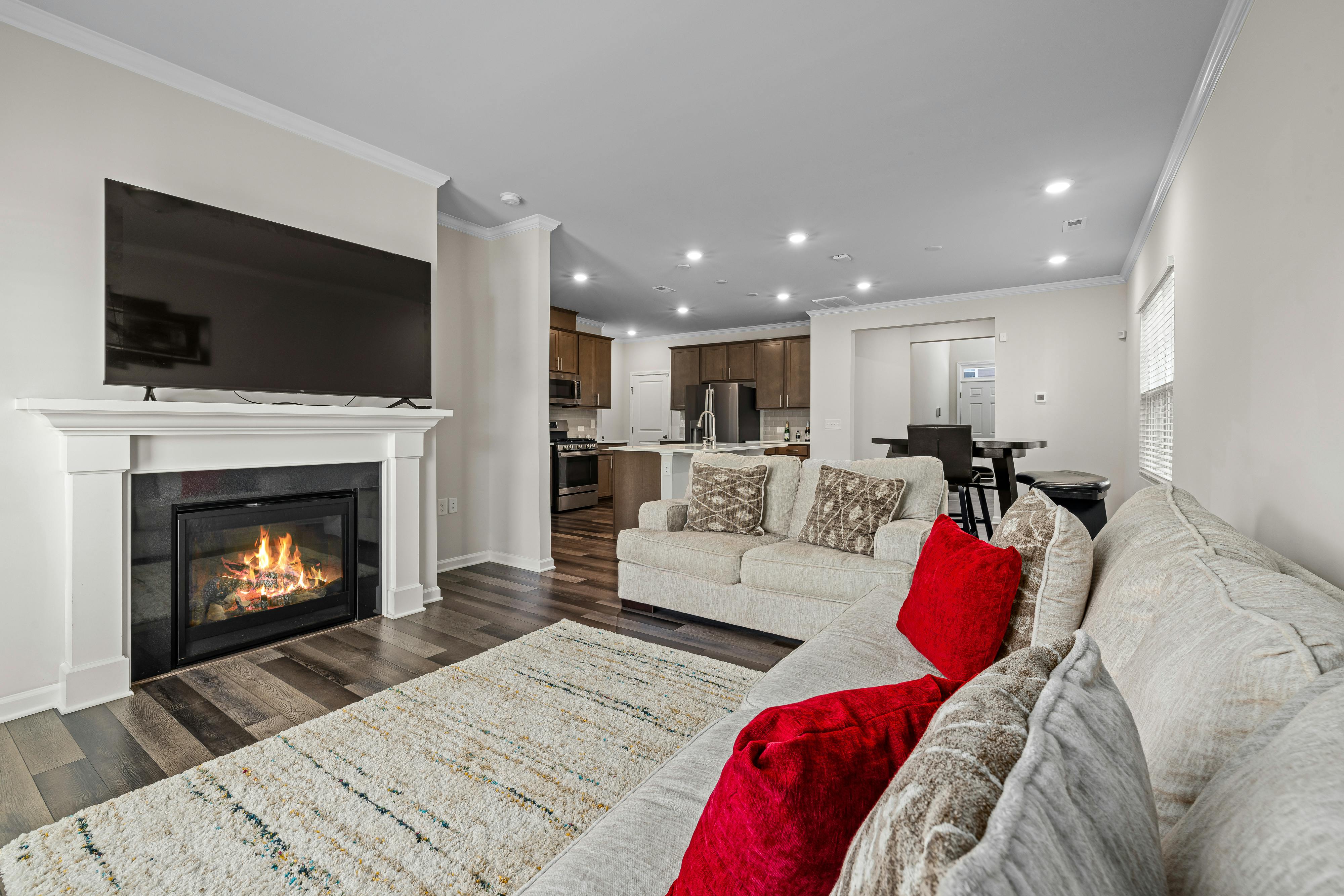
Noise and Privacy Concerns

Another challenge of renting out a basement apartment is dealing with noise and privacy concerns. Soundproofing measures, such as installing insulation or carpeting, can help reduce noise transmission between the basement unit and the rest of the house. Additionally, creating a separate entrance and ensuring adequate sound barriers can provide privacy for both the tenants and homeowners. Addressing these concerns can contribute to a harmonious living environment for everyone involved.

Maintenance and Repairs

Renting out a basement apartment also brings maintenance and repair responsibilities. Regular maintenance tasks, such as cleaning common areas and maintaining the exterior, are essential to keep the property in good condition. Being responsive to tenant complaints and promptly addressing repairs is crucial for tenant satisfaction and retention. Controlling water damage and implementing preventive measures, such as proper drainage systems and maintenance of plumbing fixtures, is essential for avoiding costly repairs. Balancing the costs associated with maintenance and repairs while ensuring the quality of the rental unit is a challenge that homeowners must navigate.

In conclusion, renting out a basement apartment can provide homeowners with numerous benefits, including an extra source of income, increased property value, affordable housing options, flexibility, and potential tax benefits. However, it is important to consider the challenges associated with legal compliance, initial investment and renovations, limited natural light and ventilation, noise and privacy concerns, as well as maintenance and repairs. By carefully considering these factors, homeowners can make informed decisions and create a successful and rewarding rental experience.


What Are The Benefits And Challenges Of Renting Out A Basement Apartment?

This image is property of images.unsplash.com.

How Do I Choose Between Wall Tiles And Paint For My Bathroom?

Are you facing the dilemma of whether to opt for wall tiles or paint for your bathroom? It’s a common question that many homeowners often find themselves pondering. Both wall tiles and paint have their own unique appeal and practicality, making the decision a tough one. In this article, we will explore the factors you should consider when choosing between wall tiles and paint for your bathroom, ultimately helping you make an informed and confident decision that suits your taste, budget, and lifestyle.

Cost

Initial Cost

When it comes to considering the cost of wall tiles versus paint for your bathroom, it’s important to consider both the initial cost and the long-term investment. While wall tiles may have a higher upfront cost compared to paint, they provide a durable and long-lasting solution that can save you money in the long run. The initial cost of wall tiles can vary depending on the type and quality you choose, but it’s worth investing in higher-quality tiles that can withstand moisture and daily wear and tear.

Maintenance Cost

In terms of maintenance cost, wall tiles are generally more cost-effective compared to paint. Tiles are resistant to stains, scratches, and water damage, which means you won’t need to repaint or touch up your walls frequently. In contrast, painted walls may require regular repainting to maintain their appearance and protect against moisture damage. This can result in extra costs over time, making wall tiles a more economical choice.

Life Expectancy

Wall tiles have a significantly longer life expectancy compared to paint. While paint may require repainting every few years, well-maintained wall tiles can last for decades. Investing in high-quality tiles and proper installation can ensure that your bathroom walls will remain visually appealing and functional for years to come. This longevity can offset the initial cost and make wall tiles a wise investment in terms of durability and longevity.

Aesthetics

Color Options

When it comes to color options, wall tiles offer a wide variety of choices. From neutral tones to bold and vibrant colors, you can find tiles that suit your personal style and complement the overall design of your bathroom. In contrast, paint provides a seemingly endless range of colors, allowing you to customize your bathroom according to your preferences. Whether you desire a sleek, modern look or a warm and cozy ambiance, both wall tiles and paint offer an abundance of color options to cater to your aesthetic desires.

Patterns and Textures

One of the significant advantages of wall tiles is the ability to incorporate patterns, textures, and designs. From intricate mosaic patterns to textured surfaces, wall tiles can add depth and visual interest to your bathroom walls. On the other hand, while paint can’t provide the same level of intricate patterns and textures, it does offer a smooth and seamless finish. The choice between wall tiles and paint ultimately depends on whether you prefer the visual impact of patterns and textures or the simplicity of a smooth, painted wall.

Visual Impact

In terms of visual impact, both wall tiles and paint have their strengths. Wall tiles can create a luxurious and sophisticated ambiance, adding a touch of elegance to your bathroom. The various sizes, shapes, and finishes of tiles allow you to create visually stunning designs and focal points in your space. On the other hand, paint can provide a clean and cohesive look, allowing your bathroom fixtures and accessories to stand out. Ultimately, the visual impact of wall tiles versus paint depends on the overall style and atmosphere you want to create in your bathroom.

How Do I Choose Between Wall Tiles And Paint For My Bathroom?

This image is property of images.pexels.com.

Durability

Water Resistance

One of the primary considerations for bathroom walls is their ability to withstand water and moisture. Wall tiles excel in this area, as they are highly resistant to water damage. Tiles are typically made from materials like ceramic, porcelain, or natural stone, which can repel water and prevent moisture from seeping into the walls. Painted walls, while protected by waterproof paint, may still be susceptible to water damage over time. If you prioritize water resistance and want to ensure the longevity of your bathroom walls, wall tiles are the ideal choice.

Stain Resistance

Another advantage of wall tiles is their excellent stain resistance. Tiles are resistant to most stains, including those caused by bathroom products like toothpaste, hair dye, or makeup. In contrast, painted walls can be more susceptible to staining, requiring regular cleaning and maintenance. The easy-to-clean nature of tiles makes them a practical choice for bathrooms, particularly those with high traffic or where accidents are more likely to occur.

Scratch Resistance

When it comes to durability, wall tiles are also highly resistant to scratches and abrasions. Their hard surface makes them less prone to visible marks and damage caused by daily use and cleaning. Painted walls, however, can be more susceptible to scratches, especially in high-traffic areas like bathrooms. If you want to maintain a pristine and damage-free appearance, choosing wall tiles is a wise choice for their superior scratch resistance.

Installation

Complexity

The complexity of installation is a crucial consideration when deciding between wall tiles and paint for your bathroom. Installing wall tiles requires more skill, precision, and time compared to painting. Each tile needs to be carefully placed, aligned, and grouted, which can involve intricate techniques and tools. On the other hand, painting walls is a relatively straightforward process that most homeowners can handle themselves. If you’re looking for a simple and quick installation, painting may be the more suitable option for your bathroom.

Time Required

The time required for installation is another factor to consider. Tiling a bathroom wall can be a time-consuming process, as it involves multiple steps such as cleaning, measuring, laying the tiles, and grouting. The drying time for adhesive and grout can also prolong the installation process. Conversely, painting a bathroom can typically be completed in a shorter amount of time. If you have a tight schedule or need a quick bathroom makeover, painting may be a more efficient choice.

Professional Assistance

For those who are not experienced in DIY projects or don’t have the time and patience to install wall tiles themselves, professional assistance may be necessary. Hiring a tile installer can ensure that your bathroom walls are installed correctly, minimizing the risk of mistakes or future issues. On the other hand, painting walls is a relatively easy task that many homeowners can handle without professional help. If you prefer a hassle-free installation process, painting may be the more convenient option.

How Do I Choose Between Wall Tiles And Paint For My Bathroom?

This image is property of images.pexels.com.

Maintenance

Cleaning

When it comes to cleaning, both wall tiles and painted walls have their advantages. Tiles are generally easier to clean as their hard and smooth surface repels dirt and grime, making it easy to wipe them clean with a damp cloth or mild cleaning solution. Painted walls, while requiring regular cleaning, may be more susceptible to staining and wear over time. The choice between wall tiles and paint in terms of cleaning depends on your preference for minimum maintenance and ease of cleaning.

Repair and Replacement

In the unfortunate event that your bathroom walls require repair or replacement, wall tiles offer more convenience. With tiles, individual damaged tiles can be easily replaced without affecting the entire wall. This selective repair option can save you time and money by avoiding the need for extensive repainting or wall repairs. In contrast, repairing and repainting a damaged painted wall may involve more labor and cost. If you want the flexibility of easily repairing or replacing specific sections of your bathroom walls, wall tiles are the more practical choice.

Long-Term Care

In terms of long-term care, wall tiles generally require less attention compared to painted walls. Tiles are highly durable and resistant to fading, chipping, and damage over time. Once they are installed and properly sealed, they will maintain their appearance and functionality for years with minimal upkeep. Painted walls, however, may require repainting every few years to keep them looking fresh and to protect against wear and tear. If you prefer a low-maintenance option that will require less long-term care, wall tiles are the way to go.

Versatility

Design Flexibility

When it comes to design flexibility, wall tiles offer a vast range of possibilities. From different sizes, shapes, and colors to a variety of textures and patterns, tiles allow you to create a customized look that suits your personal style. Whether you prefer a sleek and modern aesthetic or a more traditional and intricate design, you can achieve it with wall tiles. In contrast, paint offers fewer design options, primarily limited to different colors. If you prioritize design flexibility and want to unleash your creativity, wall tiles provide endless opportunities.

Use in Wet Areas

The ability to use wall tiles in wet areas is a significant advantage. Tiles are water-resistant and can handle the humidity and moisture commonly found in bathrooms. This makes them an ideal choice for shower walls, bathtub surrounds, and areas prone to splashes. Painted walls, while moisture-resistant when properly sealed, may not be as suitable for wet areas and can be prone to peeling or water damage. If you want to ensure the longevity and functionality of your bathroom walls in these areas, wall tiles are the superior option.

Compatibility with Different Styles

Another key advantage of wall tiles is their compatibility with different styles and bathroom themes. Whether you want a rustic, contemporary, or eclectic look, there are tiles available to suit your desired aesthetic. Tiles can seamlessly integrate into various decorative styles and complement your bathroom fixtures and accessories. On the other hand, while painted walls can also be customized to match different styles, they may not offer the same level of versatility and visual impact as wall tiles. If you value adaptability and want your bathroom walls to harmonize with different styles over time, wall tiles are the more flexible choice.

How Do I Choose Between Wall Tiles And Paint For My Bathroom?

This image is property of images.pexels.com.

Functionality

Hygiene and Cleanliness

When it comes to hygiene and cleanliness, wall tiles have a clear advantage. The non-porous surface of tiles prevents the growth of bacteria, molds, and mildew, making them highly hygienic and easy to maintain. Additionally, tiles can handle regular cleaning and disinfecting without fading or deteriorating. Painted walls, while they can be cleaned and disinfected, may be more susceptible to mold and mildew growth, particularly in high-moisture areas. If cleanliness and hygiene are top priorities for your bathroom, wall tiles are the optimal choice.

Moisture Management

Proper moisture management is essential in bathrooms to protect against water damage and the growth of mold and mildew. Wall tiles excel in this area, as their water-resistant properties prevent moisture from seeping into the walls. This can help maintain a dry and healthy environment, reducing the risk of structural damage and health issues caused by mold and mildew. Painted walls, even with waterproof paint, may not provide the same level of moisture management and can be more susceptible to damage over time. If you want to ensure effective moisture management in your bathroom, wall tiles are the superior option.

Protection of Walls

In addition to moisture management, wall tiles offer excellent protection for your bathroom walls. With their durable and scratch-resistant surface, tiles can protect against accidental bumps, scratches, and other forms of wear and tear. This added layer of defense helps maintain the integrity of your walls and ensures they remain visually appealing for years. Painted walls, while providing a smooth surface, may be more prone to scratches and damage. If you want to safeguard your bathroom walls from daily use and potential accidents, wall tiles are the more functional choice.

Longevity

Resale Value

When considering the longevity of your bathroom walls, wall tiles can positively impact the resale value of your home. High-quality tiles that are properly installed and well-maintained can enhance the overall aesthetics and appeal of your bathroom, making it more attractive to potential buyers. The durability and timeless nature of tiles can also convey a sense of luxury and quality, potentially increasing the value of your property. Painted walls, while they can be visually appealing, may not have the same lasting impression as wall tiles in terms of resale value. If you want to maximize the long-term investment and potential resale value of your bathroom, wall tiles are the ideal choice.

Timelessness

Timelessness is an essential factor when selecting materials for your bathroom walls. Wall tiles have a classic and timeless appeal that can withstand changing design trends. Whether you choose neutral tones or bold patterns, tiles have a timeless quality that can adapt to different styles and design preferences. In contrast, painted walls may be subject to trends and can require frequent repainting to keep up with changing tastes. If you want a long-lasting and timeless look for your bathroom walls, wall tiles offer a lasting solution that won’t go out of style.

Wear and Tear

When it comes to wear and tear, wall tiles are highly durable and resistant to damage. The hard and resilient surface of tiles can withstand daily use, cleaning, and potential accidents without showing visible signs of wear. Painted walls, however, may be more susceptible to scuffs, scratches, and general wear over time. They may require more frequent touch-ups and repainting to maintain their original appearance. If you want your bathroom walls to maintain their pristine condition and resist wear and tear, wall tiles are the more resilient option.

How Do I Choose Between Wall Tiles And Paint For My Bathroom?

Personal Preference

Individual Style

Personal style is an essential factor when deciding between wall tiles and paint for your bathroom. Wall tiles offer a wide range of design options, allowing you to create a unique and personalized space that reflects your style and taste. From sleek and modern to rustic and traditional, tiles can be customized to suit a variety of preferences. Painted walls, while they can also be customized with different colors, may not offer the same level of personalization and visual impact as wall tiles. If you want to showcase your individual style and create a bathroom that resonates with your personality, wall tiles are the perfect choice.

Tactile Experience

Another aspect to consider is the tactile experience of your bathroom walls. Wall tiles offer a textured and three-dimensional surface that can add depth and sensory appeal to your space. Running your fingers along the grooves and patterns of tiles can provide a tactile experience that is both visually and physically stimulating. Painted walls, while smooth and visually pleasing, may not offer the same tactile sensation. If you appreciate the tactile experience of different textures and surfaces, wall tiles can enhance the overall sensory experience of your bathroom.

Enjoyment and Satisfaction

Ultimately, the choice between wall tiles and paint comes down to your personal enjoyment and satisfaction. Consider how each option makes you feel and how it contributes to your overall bathroom experience. Wall tiles have a luxurious and visually appealing quality that can elevate the ambiance of your bathroom, creating a space where you can relax and unwind. Painted walls, on the other hand, can offer a simpler and more straightforward aesthetic that appeals to your personal taste. Reflect on what brings you the most enjoyment and satisfaction in terms of appearance, functionality, and overall experience to make the right choice for your bathroom.

Environmental Impact

Sustainability

Sustainability is increasingly important in today’s world, and it’s essential to consider the environmental impact of the materials you choose for your bathroom walls. Wall tiles, particularly those made from recycled or eco-friendly materials, can be a sustainable option. Many manufacturers offer tiles that are produced using environmentally friendly processes and contain recycled content, reducing the demand for new resources. Painted walls, while they can be environmentally friendly if using low VOC (volatile organic compound) paints, may contribute to waste if repainting is necessary over time. If sustainability is a priority in your selection process, opt for wall tiles made from eco-friendly materials.

Eco-Friendly Options

In addition to sustainability, wall tiles offer various eco-friendly options that can contribute to a greener bathroom. Natural stone tiles, such as slate or marble, are sustainable choices as they are harvested from the earth without the need for extensive manufacturing processes. Additionally, tiles with coatings and finishes that promote energy efficiency, such as solar-reflective glazes, can help reduce the need for excessive cooling in your bathroom. Painted walls, while they may offer low VOC paint options, may not have the same level of eco-friendliness as wall tiles. If you want to minimize your environmental footprint and make eco-conscious choices, wall tiles provide an array of options.

Waste Generation

Minimizing waste generation is another aspect to consider when choosing materials for your bathroom walls. Wall tiles, with their longevity and durability, can significantly reduce waste over time. Once installed, tiles can last for years and may only require selective replacement in case of damage. Painted walls, however, may require more frequent repainting, resulting in the generation of paint cans and other waste materials. If you want to minimize waste generation and prioritize a sustainable approach, wall tiles are the more responsible choice for your bathroom walls.

In conclusion, choosing between wall tiles and paint for your bathroom is a decision that involves considering multiple factors. From cost and aesthetics to durability and functionality, each option has its pros and cons. Ultimately, your personal preferences, budget, and desired outcome will determine the best choice for your bathroom walls. Whether you opt for the timeless elegance of wall tiles or the simplicity of painted walls, both options offer unique benefits that can transform your bathroom into a beautiful and functional space.

How Do I Choose Between Wall Tiles And Paint For My Bathroom?