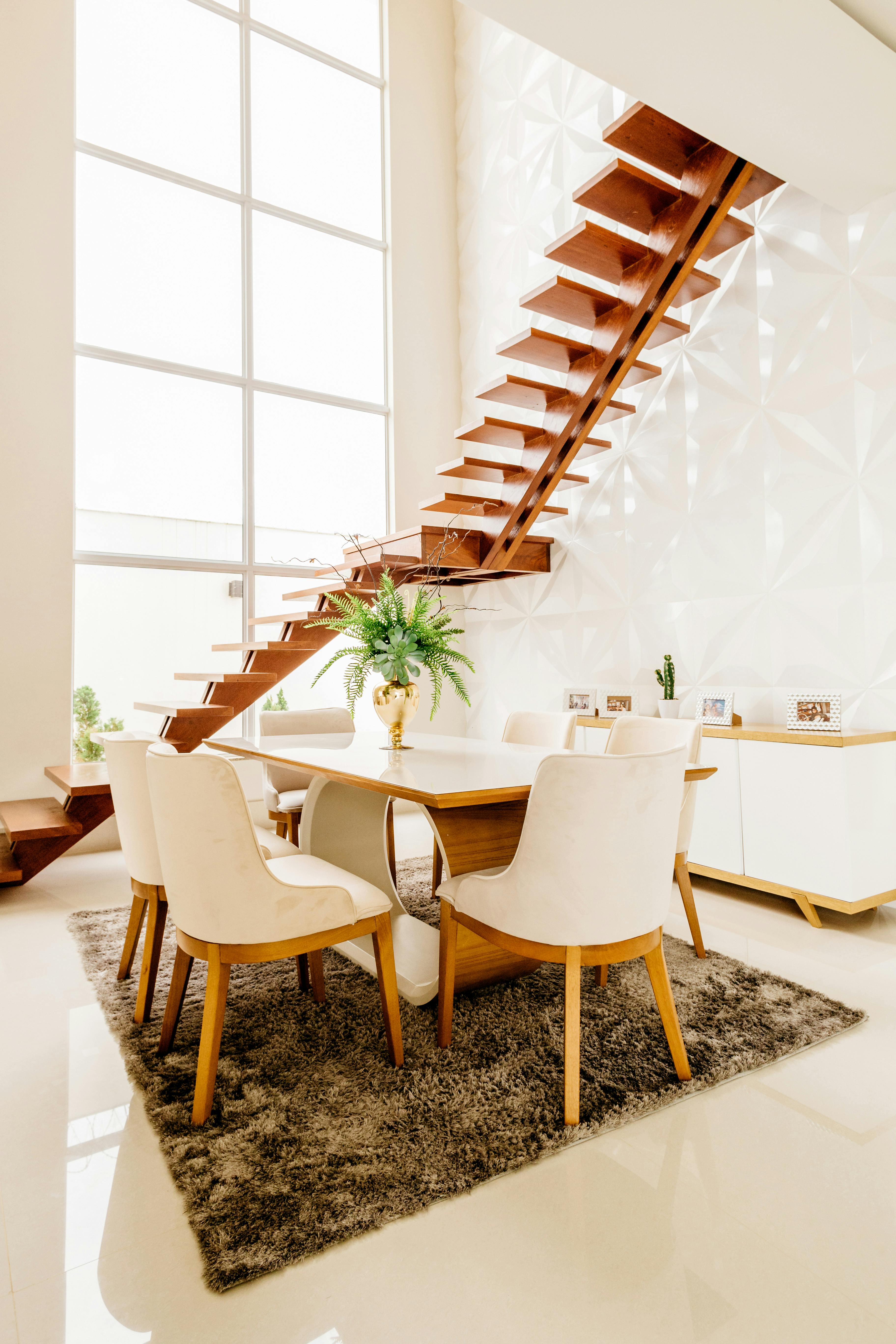
How Can I Address Seasonal Challenges With A Rental Property?

Owning a rental property can be a rewarding investment, providing a steady stream of income throughout the year. However, as the seasons change, so do the challenges that come with managing and maintaining your property. From the scorching heat of summer to the bitter cold of winter, each season presents its own set of issues that need to be addressed to ensure the comfort and satisfaction of your tenants. In this article, we will explore some practical tips and strategies to help you effectively address these seasonal challenges and keep your rental property in top-notch condition all year round. So, let’s dive in and discover how you can tackle these seasonal hurdles with ease!

How Can I Address Seasonal Challenges With A Rental Property?

This image is property of images.unsplash.com.

1. Maintaining the Exterior

1.1 Cleaning and repairing gutters

To maintain the exterior of your rental property, it is important to regularly clean and repair the gutters. Clogged gutters can result in water damage to the property, including the foundation, walls, and roof. By cleaning the gutters at least twice a year, you can prevent water from overflowing and causing costly repairs.

1.2 Winterizing pipes and outdoor faucets

Before the winter season arrives, it is crucial to winterize the pipes and outdoor faucets of your rental property. Freezing temperatures can cause pipes to burst, leading to extensive water damage. To avoid this, ensure that all outdoor faucets are turned off and any hoses are disconnected and properly stored. Additionally, insulate exposed pipes with foam pipe insulation or heat tape to further protect them from freezing.

1.3 Clearing snow and ice from walkways and driveways

Maintaining safe walkways and driveways is essential to ensure the safety of your tenants during the winter season. Regularly clearing snow and ice from these areas not only prevents slips and falls but also helps to avoid any potential liability issues. Provide your tenants with the necessary tools, such as snow shovels or ice melt, to assist them in keeping these areas clear.

1.4 Inspecting and maintaining the roof

Regularly inspecting and maintaining the roof is crucial in addressing seasonal challenges with your rental property. Check for any signs of damage, such as loose or missing shingles, leaks, or weakened areas. Addressing these issues promptly can prevent further damage and costly repairs. Consider hiring a professional roof inspector to conduct a thorough examination on a regular basis to ensure the longevity of your property.

1.5 Checking and sealing windows and doors

Properly sealed windows and doors are crucial for maintaining energy efficiency and preventing drafts in your rental property. Check for any cracks, gaps, or damaged seals and promptly repair or replace them. Sealing these openings not only helps in temperature control but also reduces energy costs. Consider using weatherstripping or caulking to ensure a tight seal and prevent any air leaks.

2. Managing Heating and Cooling Systems

2.1 Ensuring proper insulation

Proper insulation is key to maintaining a comfortable indoor environment and reducing energy consumption. Ensure that your rental property is adequately insulated, especially in attics, walls, and basements. Consider adding insulation to the property if needed, as it can significantly contribute to energy efficiency and tenant satisfaction.

2.2 Installing programmable thermostats

Installing programmable thermostats in your rental property can help in managing heating and cooling systems efficiently. These thermostats allow tenants to set specific schedules for temperature adjustments, ensuring optimal comfort while minimizing energy wastage. By encouraging your tenants to use these thermostats, you can help them save on energy costs and reduce the overall environmental impact.

2.3 Regularly servicing HVAC systems

Regular servicing of heating, ventilation, and air conditioning (HVAC) systems is crucial to ensure their optimal performance. Schedule professional maintenance inspections and cleanings at least once a year to address any potential issues and ensure that the systems are operating efficiently. Promptly address any tenant-reported HVAC concerns to keep your tenants comfortable throughout the year.

2.4 Using energy-efficient heating and cooling methods

In addition to regular maintenance, consider implementing energy-efficient heating and cooling methods in your rental property. This can include installing energy-efficient appliances, such as Energy Star-rated HVAC systems or smart thermostats. Additionally, encourage your tenants to adopt energy-efficient habits, such as closing curtains during hot summer days or using ceiling fans instead of air conditioning whenever possible.

2.5 Monitoring energy consumption

To effectively manage heating and cooling systems in your rental property, it is essential to monitor energy consumption. Keep track of energy bills and analyze usage patterns to identify areas for improvement. If you notice any significant spikes in energy consumption, investigate the cause and take appropriate measures to address the issue. Providing energy consumption guidelines to your tenants can also help in promoting responsible energy usage.

3. Preventing Pest Infestations

3.1 Sealing cracks and holes in walls and foundation

Preventing pest infestations starts with sealing any cracks and holes in the walls and foundation of your rental property. Pests, such as rodents and insects, can enter through these small openings, causing damage and health hazards. Conduct regular inspections and promptly seal any openings with caulk or other suitable materials to prevent pests from entering.

3.2 Removing outdoor debris and overgrown vegetation

Outdoor debris and overgrown vegetation can attract pests to your rental property. Keep the exterior clean and tidy by regularly removing debris such as fallen leaves, branches, or garbage. Additionally, trim overgrown vegetation and maintain a well-kept lawn to deter pests from finding shelter or food sources near the property.

3.3 Storing food securely

Securely storing food is essential in preventing pest infestations. Advise your tenants to keep all food items in sealed containers or pantry shelves, and to promptly clean up any spills or crumbs. Proper food storage reduces the likelihood of attracting pests such as ants, cockroaches, or rodents that can cause significant damage.

3.4 Regularly inspecting and treating for pests

Regularly inspecting your rental property for signs of pest infestations is crucial in addressing potential problems promptly. Look for signs of pest activity, such as droppings, nests, or chewed materials. If you notice any indications of pests, promptly contact a professional pest control service to assess the situation and implement appropriate treatments.

3.5 Hiring professional pest control if necessary

If the infestation is severe or persists despite preventive measures, it may be necessary to hire professional pest control services. Engaging professional pest control can effectively eliminate pests and prevent future infestations. Ensure that your tenants are aware of your commitment to addressing any pest issues promptly and encourage them to report any concerns in a timely manner.

4. Dealing with Seasonal Property Maintenance

4.1 Performing regular property inspections

Regular property inspections are crucial in maintaining the overall condition of your rental property. Conduct inspections at least twice a year to identify any maintenance or repair needs. Look for issues such as damaged walls, floors, or fixtures, as well as any signs of potential hazards or safety concerns. Promptly address any identified issues to ensure the safety and satisfaction of your tenants.

4.2 Cleaning or replacing air filters

Properly functioning air filters are essential for maintaining good indoor air quality and the efficient operation of HVAC systems. Set a schedule for cleaning or replacing air filters in your rental property as recommended by the manufacturer. This will help prevent the buildup of dust, allergens, and debris, ensuring clean and healthy air for your tenants.

4.3 Checking safety devices such as smoke detectors and carbon monoxide detectors

Safety devices, such as smoke detectors and carbon monoxide detectors, play a crucial role in protecting your tenants. Regularly check these devices to ensure they are in good working condition, and replace batteries as needed. Conduct tests to verify that the alarms are functioning properly, providing your tenants with peace of mind and maintaining compliance with safety regulations.

4.4 Cleaning and maintaining outdoor amenities (patios, decks, pools)

Outdoor amenities, such as patios, decks, and pools, require regular cleaning and maintenance to ensure their longevity and safety. Clear any debris, such as leaves or dirt, from these areas, and regularly inspect for any damage or wear. Promptly address any repairs or necessary upgrades to ensure that your tenants can enjoy these outdoor spaces to the fullest.

4.5 Repairing and repainting walls and surfaces as needed

Walls and surfaces are prone to wear and tear over time, especially in rental properties. Regularly inspect walls and surfaces for any damage, such as scratches, holes, or peeling paint. Promptly address any needed repairs or repainting to maintain the aesthetics of your rental property and keep it in excellent condition.

How Can I Address Seasonal Challenges With A Rental Property?

This image is property of images.unsplash.com.

5. Managing Tenant Responsibilities

5.1 Communicating seasonal maintenance expectations

Establish clear lines of communication with your tenants by clearly communicating your expectations regarding seasonal property maintenance. Provide them with a comprehensive list of tasks they are responsible for during different seasons, such as snow removal, yard maintenance, or reporting any maintenance issues promptly. Encourage open communication and address any questions or concerns they may have.

5.2 Providing guidelines for snow removal and yard maintenance

Snow removal and yard maintenance are common responsibilities for tenants during the winter and warmer months. Provide your tenants with guidelines on how to properly remove snow, including shoveling techniques, using de-icing products, and ensuring safe pathways. Similarly, establish guidelines for yard maintenance, including mowing the lawn, weeding, and watering plants, to ensure the property’s curb appeal.

5.3 Offering resources and suggestions for energy-efficient practices

Help your tenants reduce their energy consumption and utility bills by offering resources and suggestions for energy-efficient practices. Provide information on simple changes they can make, such as using LED light bulbs, adjusting thermostat settings, or unplugging electronics when not in use. Encourage them to practice responsible energy usage to benefit both the environment and their wallets.

5.4 Addressing tenant complaints or concerns promptly

Promptly addressing tenant complaints or concerns is essential in maintaining a positive landlord-tenant relationship. Actively listen to their concerns and work with them to find feasible solutions. Whether it’s a maintenance issue, pests, or any other concern, make sure to take appropriate actions in a timely manner to address their needs and ensure a comfortable living environment.

5.5 Enforcing lease terms related to property care

Lease terms related to property care serve as a binding agreement between you and your tenants. Clearly state the responsibilities of the tenants regarding property maintenance and care, and ensure that they understand and comply with these terms. Enforce lease terms consistently to maintain the integrity of the property and protect your investment.

6. Handling Winter Rental Vacancies

6.1 Preparing the property for a vacant period

When facing winter rental vacancies, it is important to properly prepare the property for the vacant period. Take steps such as shutting off the water supply, draining the pipes, and setting the thermostat in a suitable range to prevent frozen pipes and excessive energy consumption. Clean the property thoroughly and ensure that all windows and doors are properly sealed to maintain its condition during the vacancy.

6.2 Marketing the property effectively in the off-season

Marketing the rental property effectively during the off-season is crucial to attract prospective tenants. Highlight any unique features or amenities that make the property desirable during winter months, such as a fireplace or proximity to winter recreational activities. Utilize various advertising platforms, both traditional and online, to reach potential tenants who may be searching for a rental property during the winter season.

6.3 Adjusting rental rates or offering incentives

During the winter season, rental demand may decrease, making it necessary to adjust rental rates or offer incentives to attract tenants. Evaluate the local rental market and consider competitive pricing strategies. Offering discounted rental rates or incentives, such as a month of free rent or waived application fees, can entice prospective tenants to choose your property over others.

6.4 Conducting regular check-ins and maintenance during extreme weather events

During extreme weather events, it is important to conduct regular check-ins and maintenance on the property, especially if it is vacant. Monitor weather forecasts and be prepared to address any potential issues, such as snow accumulation or ice damage. Arrange for snow removal and, if necessary, hire professionals to conduct periodic inspections to mitigate any risks or problems caused by extreme weather conditions.

6.5 Setting clear expectations for winter lease terms

Before entering into winter lease agreements, it is important to set clear expectations for both you and the tenants regarding winter-related responsibilities. Clearly outline who is responsible for snow removal, ice control, and any additional maintenance tasks specific to the winter season. Draft a winter addendum or supplement to the lease agreement to ensure that all parties are on the same page and there is no ambiguity regarding these expectations.

How Can I Address Seasonal Challenges With A Rental Property?

This image is property of images.unsplash.com.

7. Ensuring Safety and Emergency Preparedness

7.1 Installing and maintaining proper lighting for outdoor spaces

Proper lighting for outdoor spaces is essential for safety and security purposes. Install motion-sensor lights near entrances, walkways, and parking areas to deter potential intruders and provide a well-lit environment for your tenants. Regularly inspect and maintain outdoor lighting to ensure that it is functioning properly and replace any burnt-out bulbs promptly.

7.2 Providing emergency contact information to tenants

To ensure the safety of your tenants, provide them with emergency contact information in case of any unexpected situations. Share contact details for local emergency services, such as police, fire department, and medical services. Additionally, provide them with your own contact information or that of a property manager who can be reached in case of property-related emergencies.

7.3 Educating tenants about fire safety and emergency evacuation plans

Fire safety should be a priority in any rental property. Educate your tenants about fire safety measures, including the location and proper use of fire extinguishers, smoke detectors, and carbon monoxide detectors. Create and share an emergency evacuation plan, ensuring that tenants know the designated meeting areas and evacuation routes in case of a fire or other emergencies.

7.4 Checking for and addressing potential fire hazards

Regularly check for potential fire hazards in your rental property to prevent accidents or property damage. Ensure that electrical outlets are not overloaded, and all wiring is in good condition. Inspect heating appliances, chimneys, and fireplaces to verify that they are in proper working order and have been regularly maintained. Address any identified fire hazards promptly to maintain a safe living environment.

7.5 Having a plan for extreme weather events and natural disasters

Extreme weather events and natural disasters can pose significant risks to your rental property and tenants’ safety. Have a plan in place to deal with such situations, including protocols for securing the property, notifying tenants of impending hazards, and providing emergency resources. Stay informed about local weather alerts and communicate any necessary precautions or evacuation procedures to your tenants.

8. Managing Landscaping and Outdoor Spaces

8.1 Adjusting landscaping practices for different seasons

Landscaping practices should vary with the changing seasons to ensure a well-maintained and visually appealing property. Adjust watering schedules and the types of plants based on seasonal needs. Plant cold-tolerant and drought-resistant plants in winter, and consider adding colorful annuals or flowering shrubs in spring and summer to enhance the property’s curb appeal.

8.2 Pruning and maintaining trees and shrubs

Regular pruning and maintenance of trees and shrubs are necessary for their health and aesthetics. Prune dead or diseased branches to promote growth and prevent potential hazards. Maintain a safe distance between trees and the property to prevent damage from falling branches during storms. Hire professional arborists if necessary to ensure proper tree care and maintenance.

8.3 Implementing a regular lawn care and watering schedule

Maintaining a healthy lawn requires a regular care and watering schedule. Set guidelines for your tenants regarding lawn care tasks such as mowing, fertilizing, and weed control. Ensure that tenants understand the optimal watering schedule for maintaining a lush, green lawn while promoting water conservation practices.

8.4 Addressing drainage issues in the yard

Addressing drainage issues in the yard is crucial to prevent water accumulation and potential damage. Inspect the property regularly for signs of poor drainage, such as pooling water or excessive erosion. Implement appropriate drainage solutions, such as French drains or grading adjustments, to redirect water away from the property and ensure proper runoff.

8.5 Investing in durable and weather-resistant outdoor furniture

Investing in durable and weather-resistant outdoor furniture can save you money in the long run and provide a more enjoyable outdoor experience for your tenants. Choose materials such as teak, aluminum, or synthetic wicker that are resistant to weather elements and require minimal maintenance. Regularly inspect and clean outdoor furniture to ensure its longevity and appeal.
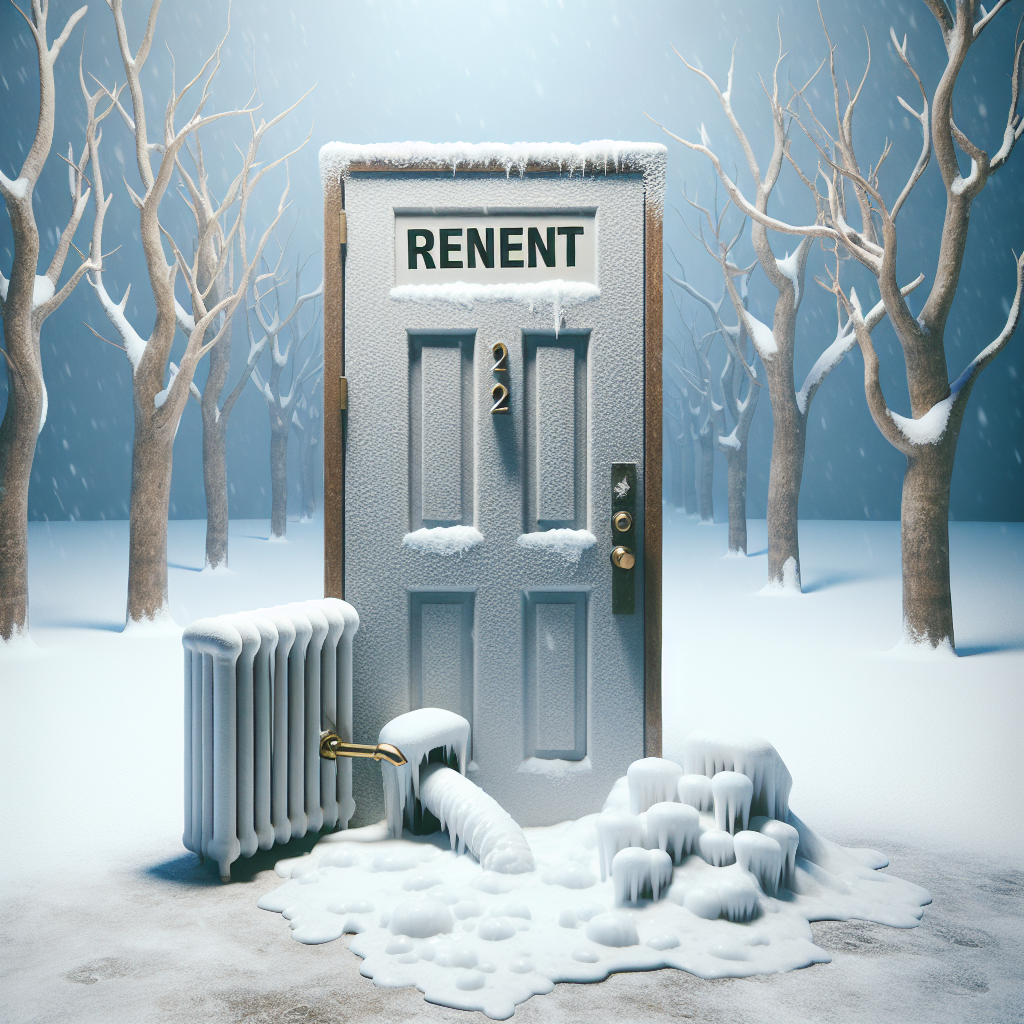
How Can I Address Seasonal Challenges With A Rental Property?

9. Resolving Common Winter Property Issues

9.1 Preventing and addressing frozen pipes

Frozen pipes can lead to significant damage and costly repairs. Take preventive measures such as insulating exposed pipes and allowing faucets to drip during extremely cold temperatures to prevent freezing. If a frozen pipe does occur, instruct your tenants on immediate actions to take, such as shutting off the main water supply and using safe thawing methods. Promptly address any pipe issues to prevent further damage.

9.2 Managing ice dams on the roof

Ice dams can form on roofs during the winter season, leading to leaks and damage to the property. Ensure that attic insulation and ventilation are properly maintained to prevent the formation of ice dams. Instruct your tenants to keep gutters clear of snow and ice and remove any accumulated snow from the roof to minimize the risk of ice dam formation.

9.3 Dealing with power outages and electrical concerns

Power outages can be disruptive and pose safety risks, particularly during the winter months. Ensure that your rental property is equipped with backup power sources, such as generators or battery-powered emergency lights, to support essential systems during outages. Instruct your tenants on what actions to take in case of a power outage and provide contact information for reporting any electrical concerns.

9.4 Preventing and managing mold growth

Mold growth can occur due to excess moisture in the property, typically in areas with poor ventilation or water leaks. To prevent mold growth, promptly address any water leaks or moisture issues. Educate your tenants on the importance of proper ventilation, especially in bathrooms and kitchens, and encourage them to report any signs of mold or excessive moisture so that you can address the problem promptly and effectively.

9.5 Addressing interior humidity and ventilation issues

Maintaining proper humidity levels and ventilation is important for the overall comfort and health of your rental property. Properly functioning exhaust fans in bathrooms and kitchens help remove excess moisture, minimizing the risk of mold and mildew growth. If necessary, consider installing dehumidifiers to manage high humidity levels. Educate your tenants on proper ventilation practices to promote a healthy living environment.

10. Engaging Professional Property Management Services

10.1 Assessing the benefits of professional property management

Engaging professional property management services can bring numerous benefits for landlords, especially when it comes to dealing with seasonal challenges. Professional property managers can handle routine maintenance, tenant communication, rent collection, and more, allowing you to focus on other aspects of your life or business. Assess the benefits of property management to determine if it aligns with your goals and preferences.

10.2 Finding reputable property management companies

When considering professional property management services, it is important to find reputable companies that have a proven track record. Research property management companies in your area and review their credentials, client testimonials, and industry affiliations. Interview multiple companies and ask for references before making a final decision. Ensure that the company aligns with your values and has experience managing properties similar to yours.

10.3 Evaluating the cost-effectiveness of outsourcing property care

Evaluate the cost-effectiveness of outsourcing property care to professional management services. Consider the various tasks and responsibilities involved in managing your rental property and compare them with the fees associated with property management services. Factor in the potential benefits of saved time and reduced stress that professional management can provide. Analyze your financials and determine if the convenience and expertise offered by professional management outweigh the associated costs.

10.4 Understanding the services provided by property management firms

Understand the services provided by property management firms before entering into any agreements. Property management services can vary, so it is important to have a clear understanding of what is included in their scope of work. Common services provided by property management firms include tenant screening, rent collection, property maintenance, lease management, and financial reporting. Assess your needs and ensure that the company you choose can meet your specific requirements.

10.5 Ensuring proper communication and collaboration with property managers

Effective communication and collaboration with property managers are essential for a successful working relationship. Clearly communicate your expectations, preferences, and any specific requirements to your property manager. Establish channels of communication that work for both parties and ensure that regular updates and reports are provided. Foster an open and collaborative partnership to ensure that your rental property is well-maintained and managed to your satisfaction.
How Can I Address Seasonal Challenges With A Rental Property?

What Are Some Popular Home Styles And Architectural Features?

Are you curious about the various home styles and architectural features that are currently trending? Look no further! In this article, we will take a closer look at some of the most popular styles and features making waves in the housing industry today. From the sleek and modern designs of contemporary homes to the timeless charm of traditional architecture, we will explore the diverse range of options available for you to consider. Whether you are dreaming about a cozy cottage or a luxurious mansion, this article aims to inspire and inform, helping you make the best choices for your dream home. Have you ever wondered about the different types of home styles and architectural features? Whether you are looking to build a new home or simply appreciate the beauty of different designs, understanding popular home styles and architectural features can be both informative and fascinating. In this article, we will explore some of the most popular home styles and the unique architectural features that make them stand out.

What Are Some Popular Home Styles And Architectural Features?

This image is property of images.unsplash.com.

Craftsman

Craftsman homes are known for their distinctive design and craftsmanship. These homes originated in the early 20th century and are characterized by their low-pitched gable roofs, large front porches, and exposed rafters. The use of natural materials such as wood and stone is prominent in Craftsman homes, giving them a warm and inviting feel. Inside, you will often find built-in cabinetry, cozy fireplaces, and intricate woodwork that adds to the overall charm of these homes.

Contemporary

Contemporary homes, also known as modern homes, are known for their sleek and minimalist design. These homes embrace the principle of simplicity and emphasize clean lines and open spaces. Large windows are a common feature in contemporary homes, allowing for plenty of natural light to fill the space. The use of unconventional materials such as glass, steel, and concrete is also prevalent in contemporary architecture. Overall, contemporary homes offer a stylish and streamlined aesthetic that appeals to those with a modern taste.

Colonial

Colonial homes are a classic and timeless style that originated in the 18th century. These homes often feature symmetrical facades, typically two or three stories tall, and a central front door with decorative accents. The windows of Colonial homes are often evenly spaced and adorned with shutters. Inside, you will find a formal layout with multiple rooms and a central staircase. Colonial homes exude elegance and charm, making them a popular choice for those who appreciate traditional architecture.

Mediterranean

Mediterranean homes draw inspiration from the coastal regions of Italy, Spain, and Greece. These homes are characterized by their stucco exteriors, red tile roofs, and arched windows and doorways. Mediterranean homes often feature outdoor living spaces such as courtyards and terraces to take advantage of the pleasant climate. Ornate details such as wrought iron accents and colorful tiles add to the exotic and vibrant appeal of Mediterranean homes.

What Are Some Popular Home Styles And Architectural Features?

This image is property of images.unsplash.com.

Mid-Century Modern

Mid-Century Modern homes became popular in the mid-20th century and are known for their bold and innovative designs. These homes often have flat or low-pitched roofs, large windows, and open floor plans. Mid-Century Modern homes emphasize the connection between indoor and outdoor spaces, with features such as sliding glass doors and expansive patios. This architectural style is characterized by its clean lines, geometric shapes, and integration of natural materials like wood and stone. Mid-Century Modern homes offer a unique blend of retro charm and contemporary style.

Ranch

Ranch-style homes, also known as ramblers, emerged in the 20th century and are popular for their single-story layout and spaciousness. These homes typically have a long, low profile with wide facades. Ranch homes often feature an attached garage, an open floor plan, and large windows that invite ample natural light. The exterior of Ranch-style homes is typically made of materials such as brick, wood, or siding. These homes provide a comfortable and casual living environment that appeals to those seeking a laid-back lifestyle.

What Are Some Popular Home Styles And Architectural Features?

This image is property of images.unsplash.com.

Victorian

Victorian homes are known for their ornate and elaborate designs, originating in the Victorian era during the late 19th century. These homes often feature asymmetrical facades, vibrant color schemes, and decorative trim and detailing. Victorian homes may include multiple stories and towers, creating a grand and extravagant appearance. Inside, you will find high ceilings, intricate woodwork, and stained glass windows. Victorian homes exude elegance and charm, transporting you back to a bygone era.

Vaulted Ceiling

A vaulted ceiling is an architectural feature that adds height and drama to a room. These ceilings are characterized by their arched or curved shape, creating a visually appealing and spacious atmosphere. Vaulted ceilings are often found in homes with cathedral-style architecture, offering a sense of grandeur. The additional height provided by a vaulted ceiling allows for the inclusion of large windows to maximize natural light and create an open and airy feel. Whether adorned with exposed wooden beams or showcasing a smooth and seamless design, a vaulted ceiling adds a touch of sophistication and elegance to any home.

Now that you have familiarized yourself with some popular home styles and architectural features, you can appreciate the unique characteristics and beauty of each. Whether you prefer the cozy charm of a Craftsman home, the sleekness of a contemporary design, or the elegance of a Victorian masterpiece, there is a home style to suit every taste and preference. So go ahead and explore the rich world of architecture, and who knows, you may just find your dream home style along the way!

What Are Some Popular Home Styles And Architectural Features?

How Do I Ensure I’m In Compliance With Fair Housing Laws?

Are you concerned about staying on the right side of the law when it comes to fair housing? It’s essential to know and follow the regulations to create a safe and inclusive environment. In this article, we will explore some practical tips and guidelines to help you ensure that you are in compliance with fair housing laws. From understanding the protected classes to avoiding discriminatory practices, you will gain valuable insights to protect yourself and your tenants from legal complications. So, let’s get started on your journey to maintaining a fair and equitable space for everyone involved.

Understanding Fair Housing Laws

The Basics of Fair Housing Laws

Fair housing laws are regulations put in place to ensure that everyone has an equal opportunity to rent, buy, or live in housing regardless of their race, color, religion, sex, national origin, familial status, or disability. These laws aim to eradicate discrimination in the housing market and promote equality and fairness for all individuals. As a housing provider, it is crucial to understand and comply with these laws to avoid legal consequences and create a welcoming environment for all potential tenants.

Protected Classes

Fair housing laws protect various classes of individuals from discrimination. These protected classes include race, color, religion, sex, national origin, familial status, and disability. It is important to remember that these classes may differ based on your specific local or state laws. Discrimination against individuals based on any of these protected classes is strictly prohibited in all aspects of housing, including advertising, tenant screening, leasing, and eviction processes. To ensure compliance, familiarize yourself with both federal and local fair housing laws to understand the full scope of protected classes in your jurisdiction.

Exemptions to Fair Housing Laws

While fair housing laws aim to provide equal housing opportunities for all, there are certain exemptions that may apply in specific cases. For example, some owner-occupied buildings with four or fewer units are exempt from federal fair housing laws, although certain states may still have regulations that cover these dwellings. Religious organizations and private clubs that provide housing for their members may also be exempt under certain circumstances. However, it is crucial to consult with legal professionals or fair housing experts to determine the specific exemptions that may apply in your situation and location.

Know Your Responsibilities as a Housing Provider

Advertising and Marketing

When advertising and marketing your rental properties, it is essential to comply with fair housing laws. The advertisements should not contain any language, images, or preferences that indicate a preference or discrimination based on any protected classes. Avoid using discriminatory phrases or codes like “perfect for young professionals” or “suitable for couples only.” Instead, focus on describing the features and amenities of the property itself. By ensuring that your advertisements are inclusive and do not discriminate against any protected classes, you create a fair housing environment from the very beginning of the tenant selection process.

Tenant Screening and Selection

Tenant screening is a critical process that helps housing providers select qualified tenants while remaining free from any discriminatory practices. Establish objective criteria that apply to all applicants, such as credit score requirements, background checks, and income verification. Avoid asking questions or requesting information that may indirectly discriminate against individuals based on protected classes. It is vital to implement these screening practices consistently and avoid treating applicants differently based on any protected characteristic. By applying fair and consistent tenant screening procedures, you can ensure compliance with fair housing laws.

Reasonable Accommodations and Modifications

Under fair housing laws, housing providers are required to make reasonable accommodations or modifications for individuals with disabilities. A reasonable accommodation is a change or exception to a rule or policy that may be necessary to provide equal housing opportunities for disabled individuals. This could include allowing a service animal, providing reserved parking, or making structural modifications to accommodate accessibility needs. As a housing provider, it is important to respond to requests for reasonable accommodations promptly and engage in an interactive process with the tenant to determine the most suitable accommodation that meets their needs.

Handling Complaints and Disputes

In the event of a fair housing complaint or dispute, it is essential to handle the situation respectfully and efficiently. Establish clear procedures for tenants to file complaints and ensure that these procedures are easily accessible. Investigate all complaints thoroughly and take appropriate action to address any violations of fair housing laws. It is recommended to consult with legal counsel or fair housing experts to guide you through the process and ensure compliance. By handling complaints and disputes with care, you demonstrate your commitment to fair housing practices and maintain a positive reputation as a housing provider.

How Do I Ensure Im In Compliance With Fair Housing Laws?

This image is property of images.unsplash.com.

Developing Fair Housing Policies and Procedures

Establishing Non-Discriminatory Practices

Developing fair housing policies and procedures is essential for promoting a discrimination-free housing environment. Start by thoroughly understanding fair housing laws and incorporating them into your policies. Train your staff to treat all tenants and applicants equally, regardless of their protected class. Implement transparent and standardized procedures for advertising, tenant screening, leasing, maintenance, and other aspects of property management to ensure consistency and minimize the risk of discrimination. By establishing non-discriminatory practices, you create a foundation of fairness and equality within your housing operations.

Documenting Policies and Procedures

Documenting your fair housing policies and procedures is crucial for ensuring consistency and accountability throughout your organization. This documentation should clearly outline your commitment to fair housing principles, describe the steps involved in various processes, and provide guidance to your staff. Any modifications or updates to policies should also be documented for future reference. By maintaining comprehensive documentation, you not only demonstrate your dedication to fair housing practices but also have a reference point to review and improve your procedures over time.

Training and Education for Staff

Proper training and education for staff are essential to ensure their understanding of fair housing laws and their implementation. Conduct regular training sessions to educate your staff on fair housing regulations, the importance of equality and non-discrimination, and the specific policies and procedures in place at your organization. Cover key topics such as recognizing and avoiding discriminatory practices, handling accommodation requests, and providing excellent customer service to all tenants and applicants. By investing in staff training, you equip your team with the knowledge and skills necessary to maintain compliance and create an inclusive housing environment.

Avoiding Discriminatory Practices

Steering and Biased Treatment

Steering is a discriminatory practice in which housing providers try to direct or guide individuals towards or away from specific housing options based on their protected class. Biased treatment involves treating individuals differently due to their protected class, either favorably or unfavorably. Both steering and biased treatment are strictly prohibited under fair housing laws. To avoid engaging in these practices, it is important to treat all individuals equally and without regard to their protected class. This means providing the same information and opportunities to everyone during the housing selection process, regardless of their characteristics.

Disparate Impact

Disparate impact refers to policies or practices that may have a discriminatory effect on a protected class, even if there is no explicit intent to discriminate. It occurs when seemingly neutral rules or criteria disproportionately impact individuals based on their protected class. To prevent disparate impact, it is important to regularly review your policies and practices to ensure they do not unjustly disadvantage any protected classes. If you identify any potential disparities, make necessary adjustments to create a more fair and equitable housing environment.

Familial Status Discrimination

Fair housing laws protect individuals with children, pregnant individuals, or those in the process of adopting or securing legal custody of children. Familial status discrimination includes practices such as refusing to rent to families with children or imposing additional restrictions on families with children that are not imposed on other tenants. To avoid familial status discrimination, ensure that your policies treat all individuals equally, regardless of whether they have children. Be mindful of any limitations you impose on tenants or families and ensure they are reasonable and consistent with fair housing regulations.

Disability Discrimination

Disability discrimination refers to unfair treatment of individuals with disabilities or failure to provide reasonable accommodations or modifications to meet their needs. As a housing provider, you have a legal obligation to make reasonable accommodations for individuals with disabilities, unless it would cause an undue burden on your operations or fundamentally alter the nature of the housing. To avoid disability discrimination, respond promptly to accommodation requests, engage in an interactive process with the tenant to determine suitable accommodations, and take proactive steps to ensure your properties are accessible to individuals with disabilities.

Race, Color, and National Origin Discrimination

Fair housing laws protect individuals from discrimination based on their race, color, and national origin. It is crucial to avoid any practices that treat individuals differently or make housing decisions based on these characteristics. This includes avoiding discriminatory statements, preferences, or actions that could be perceived as biased against or in favor of individuals based on their race, color, or national origin. When interacting with tenants and applicants, treat everyone equally and with respect, regardless of these protected characteristics.

Sexual Orientation and Gender Identity Discrimination

While federal fair housing laws do not explicitly include sexual orientation and gender identity as protected classes, many states and localities have enacted regulations that prohibit discrimination based on these characteristics. It is important to stay informed about the specific laws in your jurisdiction and ensure that your policies and practices align with these protections. By treating all individuals fairly and with respect, regardless of their sexual orientation or gender identity, you create an inclusive and welcoming housing environment for everyone.

How Do I Ensure Im In Compliance With Fair Housing Laws?

This image is property of images.unsplash.com.

Understanding Reasonable Accommodations and Modifications

Definitions and Examples

Reasonable accommodations are changes, exceptions, or adjustments to the rules, policies, practices, or services provided by a housing provider to ensure equal housing opportunities for individuals with disabilities. Examples of reasonable accommodations may include allowing a service animal in a “no pets” policy, providing accessible parking spaces, or making modifications to a unit to accommodate accessibility needs. It is important to understand that reasonable accommodations should be tailored to meet the specific needs of the individual with a disability, and what may be reasonable for one person may not be reasonable for another.

Requesting and Evaluating Accommodation Requests

As a housing provider, you should have a clear process in place for individuals to request accommodations. Make sure that this process is easily accessible and well-publicized to all tenants and applicants. When an accommodation request is received, promptly engage in an interactive dialogue with the individual to understand their specific needs and evaluate the reasonableness of the request. Seek any necessary documentation or verification related to the disability and the need for the accommodation, but avoid intrusive or unnecessary inquiries. It is essential to evaluate each request on a case-by-case basis, keeping in mind the obligation to provide equal housing opportunities to individuals with disabilities.

Implementing Reasonable Accommodations

Once a reasonable accommodation request is approved, it is important to implement and maintain the accommodation for the individual. This may involve making physical modifications to the property, adjusting policies or procedures, or providing additional support or services. Document the accommodation provided and any communication with the individual to ensure a clear record of compliance. Regularly communicate with the tenant to ensure that the accommodation is effective and meets their needs. By implementing reasonable accommodations, you demonstrate your commitment to fair housing and create an inclusive environment for individuals with disabilities.

Implementing Effective Tenant Screening Procedures

Establishing Objective Criteria

Establishing objective criteria for tenant screening is crucial to avoid discriminatory practices. These criteria should apply uniformly to all applicants and focus on factors directly related to a tenant’s ability to fulfill their rental obligations. Examples of objective criteria include minimum credit scores, income-to-rent ratios, and satisfactory rental references. Avoid asking questions or considering factors that may indirectly discriminate against protected classes, such as marital status or religious beliefs. By using objective criteria, you ensure fair treatment for all applicants and minimize the risk of discrimination.

Avoiding Discrimination in Tenant Selection

When selecting tenants, it is important to avoid any discriminatory practices and treat all applicants equally. This means not making decisions based on protected classes such as race, religion, or national origin. Focus solely on the objective criteria established for tenant screening and evaluate applicants solely on their qualifications and ability to meet rental obligations. Do not make assumptions or stereotypes based on an applicant’s protected class. By implementing fair and non-discriminatory tenant selection practices, you create equal housing opportunities for all individuals.

Consistency in Application Processing

Consistency is key in the tenant application processing to ensure fairness and avoid potential discrimination claims. Treat all applications in the same manner, following the established procedures and criteria. Avoid giving preferential treatment to certain applicants or implementing different standards based on applicants’ protected classes. By consistently applying your application processing procedures, you minimize the risk of discrimination and create a transparent and fair tenant selection process.

How Do I Ensure Im In Compliance With Fair Housing Laws?

This image is property of images.unsplash.com.

Importance of Maintaining Accurate Records

Documenting Fair Housing Compliance

Maintaining accurate records of your fair housing efforts is crucial for demonstrating compliance and protecting yourself against potential claims. Document all interactions with tenants and applicants, including accommodation requests, complaints, and any actions taken to address them. Keep copies of written communications, applications, rental agreements, and other relevant documents. This documentation serves as evidence of your commitment to fair housing practices and can help you respond to complaints or disputes effectively.

Retention of Records

It is important to establish a record retention policy that aligns with state and local requirements to ensure you retain the necessary records for the appropriate duration. Some jurisdictions may have specific rules regarding the retention of fair housing records. Generally, it is advisable to retain fair housing records for a minimum of two to three years. Retaining records for a sufficient period allows you to refer back to documentation if needed and provides a historical record of your compliance efforts.

Recordkeeping Best Practices

Maintaining organized and consistent recordkeeping practices is essential for efficient fair housing compliance. Establish a centralized system or filing structure dedicated to fair housing records, making it easily accessible to authorized staff members. Regularly review and update your records to ensure accuracy and completeness. Train your staff on proper recordkeeping procedures and emphasize the importance of maintaining confidential and secure records. By implementing recordkeeping best practices, you can efficiently manage fair housing compliance and quickly retrieve necessary information when needed.

Providing Fair Housing Training and Education

Training for Staff and Management

Providing comprehensive fair housing training for your staff and management is crucial to ensure a deep understanding of fair housing laws and their application. This training should cover key topics such as recognizing and avoiding discrimination, understanding protected classes, and handling accommodation requests. Train your staff on the importance of fair housing compliance and the potential consequences of non-compliance. Regularly update training materials to reflect any changes in fair housing laws or regulations. By investing in staff and management training, you create a knowledgeable and responsive team that can effectively implement fair housing practices.

Educating Tenants and Applicants

Educating tenants and applicants about fair housing is an essential part of creating an inclusive housing environment. Provide informational materials, such as brochures or handouts, that explain fair housing laws and their protections. Include this information in application packets and make it readily available on your website or in common areas of your properties. Encourage tenants and applicants to report any fair housing concerns or violations and assure them that they will be handled promptly and fairly. By educating tenants and applicants, you empower them to understand their rights and contribute to a fair housing community.

How Do I Ensure Im In Compliance With Fair Housing Laws?

Seeking Legal Counsel and Professional Advice

Consulting with Fair Housing Experts

Seeking legal counsel or professional advice from fair housing experts can be invaluable in ensuring compliance with fair housing laws. These experts have in-depth knowledge of the specific laws and regulations in your jurisdiction and can provide guidance tailored to your individual circumstances. They can review your policies and procedures, conduct training sessions, and assist in resolving any fair housing disputes or complaints. By consulting with fair housing experts, you gain access to specialized knowledge and support to navigate the complexities of fair housing compliance.

Understanding Local and State Laws

In addition to federal fair housing laws, it is essential to understand the local and state laws that may further regulate fair housing practices. Laws and protected classes can vary significantly from one jurisdiction to another. Familiarize yourself with the specific regulations in your area to ensure compliance. Stay updated on any changes or additions to the local or state fair housing laws and adjust your policies and practices accordingly. By understanding and adhering to the laws in your specific area, you minimize the risk of non-compliance and legal implications.

Resolving Compliance Issues

In the event of fair housing compliance issues, it is crucial to respond promptly and appropriately. If you receive a complaint or notice of a violation, consult with legal counsel to ensure that you handle the situation correctly. Address the issue promptly by investigating the complaint and taking any necessary corrective action. Cooperate fully with fair housing authorities during their investigation. Implement any recommended changes or improvements to prevent future issues. Resolving compliance issues proactively and cooperatively demonstrates your commitment to fair housing and can help mitigate potential penalties or legal consequences.

Common Fair Housing Violations and Penalties

Types of Violations

Fair housing violations can take many forms, including discriminatory advertising, biased tenant screening practices, failure to provide reasonable accommodations, or discriminatory eviction processes. Violations can also occur through disparate impact, where seemingly neutral policies or practices have a discriminatory effect on a protected class. It is important to be aware of these potential violations and take proactive steps to prevent any discriminatory practices within your organization.

Potential Civil and Criminal Penalties

Violations of fair housing laws can lead to severe civil and criminal penalties. Civil penalties may include fines, damages, injunctive relief, or mandatory fair housing training. These penalties can range from thousands to millions of dollars, depending on the nature and extent of the violations. In some cases, fair housing violations can also result in criminal penalties, leading to fines and imprisonment. The severity of the penalties emphasizes the importance of strict compliance with fair housing laws and the necessity of implementing comprehensive fair housing policies and procedures.

Mitigating Risk and Liability

To mitigate the risk and liability associated with fair housing violations, it is vital to prioritize fair housing compliance within your organization. Establish comprehensive policies and procedures that adhere to fair housing laws and regularly review and update them as needed. Train your staff and management on fair housing principles and provide ongoing education to ensure their understanding and adherence to these laws. Create a culture of fairness, equality, and inclusivity within your organization and emphasize the importance of treating all individuals equally. By actively working to mitigate the risk and liability associated with fair housing violations, you protect both your organization and the individuals you serve.

In conclusion, understanding fair housing laws is crucial for housing providers to ensure compliance and create an inclusive and welcoming environment for all individuals. By familiarizing yourself with the basics of fair housing laws, protected classes, and exemptions, you establish a strong foundation to navigate the complexities of fair housing practices. Knowing your responsibilities as a housing provider, including advertising and marketing, tenant screening and selection, and handling complaints and disputes, allows you to implement fair and non-discriminatory practices in all aspects of your operations. Developing fair housing policies and procedures, avoiding discriminatory practices, and understanding reasonable accommodations and modifications further contribute to compliance and equality. By implementing effective tenant screening procedures, maintaining accurate records, providing fair housing training and education, seeking legal counsel when needed, and proactively mitigating risks, you minimize the potential for violations and penalties. Implementing fair housing practices not only aligns with legal requirements but also fosters a positive and inclusive housing environment where everyone is treated with dignity and respect.

How Do I Ensure Im In Compliance With Fair Housing Laws?

How Can I Make My Home More Accessible For Elderly Family Members?

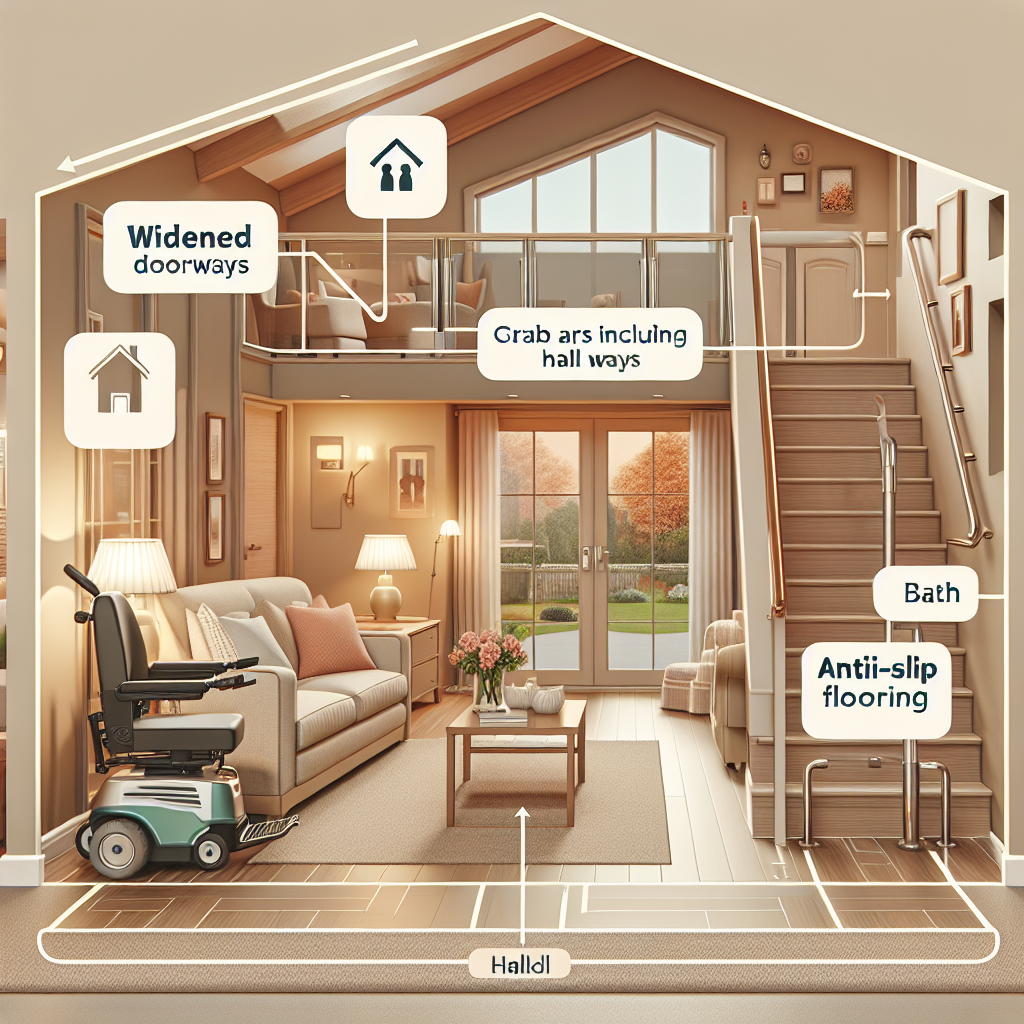
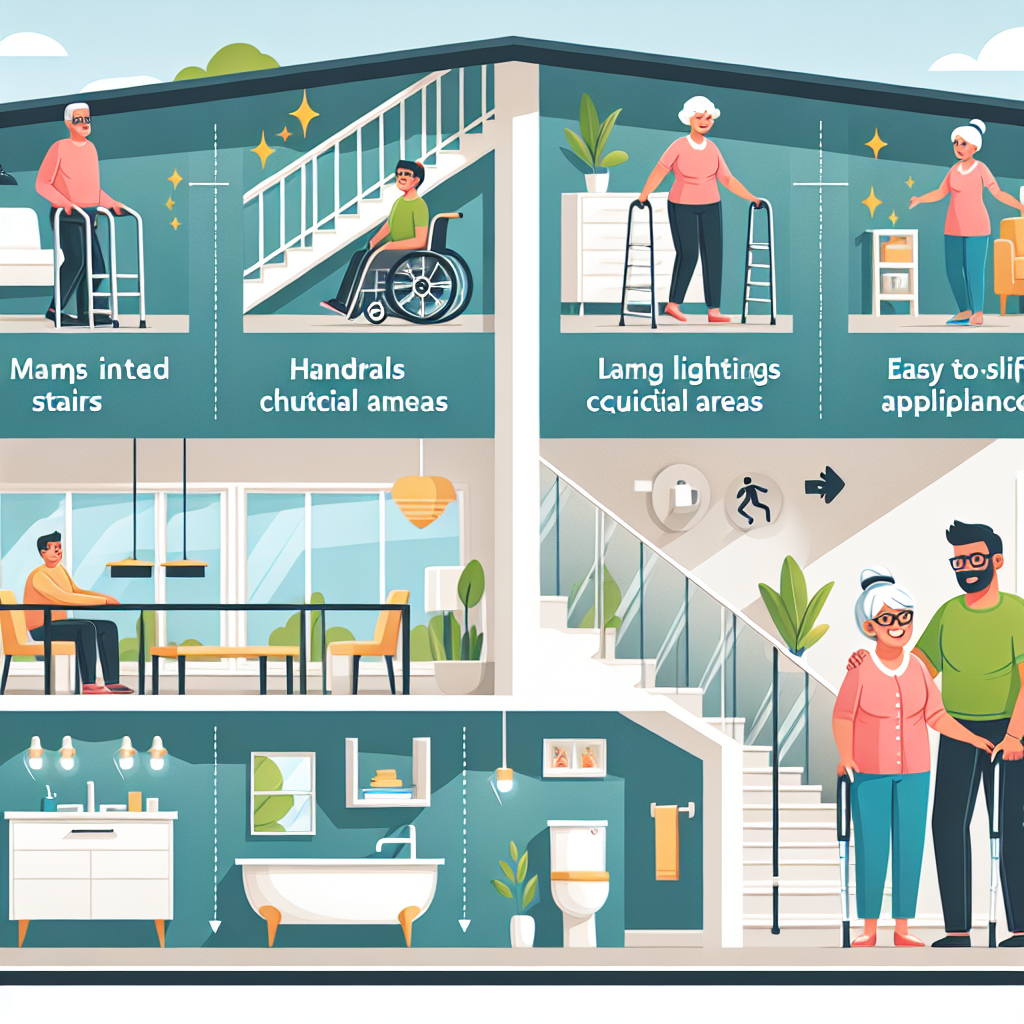
If you have elderly family members who visit or live with you, making your home more accessible for them can greatly improve their quality of life and promote their independence. There are several simple modifications you can make to ensure their safety and comfort, such as installing grab bars in the bathroom, removing tripping hazards, and providing adequate lighting throughout the house. By implementing these changes, you can create a welcoming and inclusive space that allows your elderly family members to move around with ease and enjoy their time with you.

How Can I Make My Home More Accessible For Elderly Family Members?

This image is property of images.unsplash.com.

Lighting

Increase natural light

Increasing natural light in your home can greatly improve accessibility for elderly family members. Open up curtains and blinds to let the natural sunlight flood in. Consider removing any obstacles near windows to allow for unobstructed views and maximum light. Additionally, you can trim trees or bushes outside the windows to allow more sunlight to enter the room. Natural light not only brightens up the space, but it also improves visibility and reduces the risk of accidents.

Improve indoor lighting

In areas where natural light may be limited, it’s important to have adequate indoor lighting. Ensure that all rooms have sufficient light fixtures with appropriate brightness levels. Replace any burnt-out bulbs promptly. Consider using bright LED or CFL bulbs, as they provide better illumination and are energy-efficient. Adding lamps or installing track lighting can also help to brighten up darker areas of your home. Well-lit spaces can significantly enhance the safety and mobility of your elderly family members.

Install motion sensor lights

Install motion sensor lights in key areas of your home to increase accessibility and convenience for your elderly family members. Motion sensor lights can automatically detect movement and illuminate the area, making it easier for them to navigate at night or in dimly lit spaces. Install these lights near staircases, hallways, and entrances to provide instant illumination when needed. Motion sensor lights not only improve safety but also save energy by automatically turning off when no motion is detected.

Flooring

Remove rugs and tripping hazards

To make your home more accessible for elderly family members, it’s important to remove rugs and other tripping hazards. Rugs can be a major cause of falls and accidents, as they can easily slide or bunch up. Remove any loose or wrinkled rugs, as well as carpets with worn-out padding. If you still want the aesthetic appeal of rugs, consider using non-slip mats or securing them firmly to the floor with double-sided tape. By eliminating tripping hazards, you can create a safer environment for your loved ones.

Use non-slip flooring

Consider using non-slip flooring throughout your home to enhance accessibility. Certain types of flooring, such as hardwood or tile, can become slippery and increase the risk of falls. Opt for flooring options that offer more traction like vinyl, rubber, or cork. These materials provide a better grip and reduce the likelihood of slips, especially in areas prone to moisture like bathrooms and kitchens. Non-slip flooring is an effective way to promote stability and ensure the safety of your elderly family members.

Install ramps or chair lifts

For elderly family members with mobility challenges, installing ramps or chair lifts can greatly improve accessibility. Ramps can provide a smooth and gradual incline, allowing for easy access to the home’s entrance or between different levels. Chair lifts are a great option for individuals who have difficulty climbing stairs. These lifts can safely transport your loved ones up and down the stairs with ease. Consider consulting a professional to determine the most suitable options and ensure proper installation for maximum accessibility.

Stairs

Install handrails on both sides

Installing handrails on both sides of the staircase is important to enhance safety and accessibility. Handrails provide stability and support, allowing your elderly family members to maintain their balance while ascending or descending stairs. Ensure that the handrails are securely attached to the wall and are at an appropriate height. Consider using contrasting colors for the handrails to make them more visible. With the added support of handrails, navigating stairs becomes easier and safer.

Add non-slip treads

To further improve safety on stairs, add non-slip treads to the steps. These adhesive strips or mats can be applied to the surface of each step, providing increased traction and reducing the likelihood of slipping. Non-slip treads are especially beneficial in areas that might get wet or slippery, such as outdoor stairs or bathrooms. Ensure that the treads are firmly attached and regularly check for any signs of wear or peeling. By addressing potential hazards on stairs, you can create a more accessible environment for your elderly family members.

Consider a stair lift

If your elderly family members have difficulty using the stairs, consider installing a stair lift. A stair lift is a motorized chair that moves along a rail, allowing individuals to be comfortably seated and transported up and down the stairs. This eliminates the need for strenuous climbing or descending and provides a safe and convenient solution. Stair lifts can be customized to fit various staircase configurations and can greatly enhance the accessibility and independence of your loved ones.

Bathrooms

Install grab bars

Installing grab bars in bathrooms is essential for creating a safer and more accessible space for elderly family members. Grab bars provide stability and support, especially in areas where balance may be compromised, such as near toilets and showers. Install grab bars securely on the walls, ensuring they can support the weight of an individual. Opt for designs that are easy to grip and consider using contrasting colors to make them more visible. By incorporating grab bars, you can greatly enhance the safety and confidence of your loved ones in the bathroom.

Replace tubs with walk-in showers

Traditional bathtubs can pose significant challenges for elderly individuals. Consider replacing them with walk-in showers to improve accessibility. Walk-in showers have a low or no threshold entry, eliminating the need to step over a high bathtub wall. This reduces the risk of falls and provides easy access for individuals with mobility issues or those using mobility aids. Install hand-held showerheads and non-slip flooring in the shower area for added convenience and safety. Walk-in showers are a practical and accessible alternative to traditional bathtubs.

Use raised toilet seats

Toilets that are too low can make it difficult for elderly family members to use the bathroom independently. Installing raised toilet seats can greatly improve accessibility and comfort. Raised toilet seats increase the height of the toilet and make it easier for individuals with mobility limitations to sit down and stand up. Choose seats with sturdy construction and secure fastening mechanisms to ensure stability. Raised toilet seats are simple yet effective modifications that can greatly enhance the accessibility of your bathroom.

How Can I Make My Home More Accessible For Elderly Family Members?

This image is property of images.unsplash.com.

Bedrooms

Lower bed height

Lowering the height of the bed in the bedrooms can significantly improve accessibility for elderly family members. Beds that are too high can make it challenging for individuals with limited mobility to get in and out of bed independently. Consider using a lower-profile bed frame or removing the box spring to decrease the overall height. Ensure that the mattress is still comfortable and supportive. Lowering the bed height can greatly enhance the ease of use and safety for your loved ones in the bedroom.

Provide easy access to belongings

Arrange the bedroom in a way that provides easy access to belongings for elderly family members. Store frequently used items within reach, eliminating the need to bend down or stretch. Install shelving or organizers that can be easily accessed without strain. Consider incorporating closet systems with adjustable rods and shelves, allowing for personalization based on individual needs. By making belongings easily accessible, you promote independence and convenience for your elderly family members in their own bedroom.

Install bed rails

Installing bed rails can provide added safety and support to prevent falls and accidents in the bedroom. Bed rails are mounted on the side of the bed, creating a barrier and allowing individuals to hold on while getting in or out of bed. Choose bed rails with sturdy construction that can be securely attached to the bed frame. Ensure that the rails do not present any entrapment hazards and have easy-to-use mechanisms for releasing. Bed rails are a valuable addition to the bedroom, offering peace of mind and enhanced accessibility for your loved ones.

Kitchen

Lower counters and cabinets

Adjusting the height of counters and cabinets in the kitchen can greatly improve accessibility for elderly family members. Lowering the height allows individuals with limited mobility or wheelchair users to comfortably access surfaces and storage. Consider installing countertops with adjustable heights or modifying existing ones by lowering the height of the cabinets. This can also be accomplished by creating designated areas with lower counters and cabinets for easy reach. By making the kitchen more accessible, you promote independence and ensure a comfortable cooking and dining experience.

Use lever handles on faucets

Replacing traditional faucet handles with lever handles can make a significant difference in the accessibility of your kitchen. Lever handles are easier to grip and operate, requiring less strength and dexterity. This is particularly beneficial for elderly family members who may have arthritis or other hand limitations. Lever handles provide a more user-friendly approach to using faucets, making it easier to control water flow and temperature. By incorporating lever handles, you create a more accessible kitchen environment for your loved ones.

Install reachable storage solutions

Ensure that storage solutions in the kitchen are within easy reach for elderly family members. Consider installing pull-out shelves or drawers in lower cabinets, allowing items to be conveniently accessed without the need for bending or stretching. Use adjustable or rotating shelves in upper cabinets to bring items within reach. Utilize wall-mounted racks or magnetic strips for storing commonly used kitchen tools and utensils. By making storage solutions reachable, you create a more accessible and ergonomic kitchen space for your loved ones.

How Can I Make My Home More Accessible For Elderly Family Members?

This image is property of images.unsplash.com.

Doors and Passageways

Widen doorways

Widening doorways is an effective way to improve accessibility for elderly family members, especially for those using walkers or wheelchairs. Widened doorways provide a more spacious passage, allowing for easier maneuverability and reducing the risk of collisions or entanglement. Consult with a professional to assess the structural feasibility of widening the doorways in your home. This modification can greatly enhance accessibility and independence, ensuring a smooth transition between rooms for your loved ones.

Remove obstacles in hallways

Clearing obstacles in hallways is essential for creating a safe and accessible pathway for elderly family members. Remove any furniture, clutter, or decorative items that obstruct the passageway. Ensure that electrical cords and wires are securely tucked away or routed along the walls to prevent tripping hazards. Install appropriate lighting to ensure visibility and eliminate any dimly lit areas. By maintaining clear and obstacle-free hallways, you promote easy navigation and reduce the risk of accidents for your loved ones.

Install automatic door openers

Installing automatic door openers can greatly enhance accessibility and convenience for elderly family members. These devices utilize sensors or push buttons to automatically open and close doors, eliminating the need for manual operation. Automatic door openers can be especially helpful for individuals with limited strength or mobility. Consider installing them in key areas such as main entrances, bedrooms, or bathrooms. By incorporating automatic door openers, you create a more accessible home environment for your loved ones.

Furniture

Choose ergonomic and supportive pieces

Selecting ergonomic and supportive furniture is crucial for creating a comfortable and accessible living environment for elderly family members. Opt for chairs and sofas with firm cushioning and proper lumbar support to promote good posture and reduce back strain. Choose furniture with adjustable features like recliners or lift chairs that can accommodate different comfort preferences and mobility needs. Always prioritize stability and avoid furniture that may be unstable or unsafe. By choosing the right furniture, you provide a supportive and comfortable seating experience for your loved ones.

Use furniture risers

Using furniture risers can make it easier for elderly family members to sit and stand up from chairs or sofas. Furniture risers are designed to elevate the height of furniture, reducing the distance individuals need to lower or lift themselves. These can be particularly useful for individuals with knee or hip issues. Choose furniture risers that are sturdy and can support the weight of the furniture. Ensure that the furniture remains stable and secure after the risers are installed. By incorporating furniture risers, you improve accessibility and independence in the living area.

Ensure comfortable seating

Ensuring comfortable seating throughout your home is essential for elderly family members. Arrange furniture in a way that encourages proper posture and provides ample support. Use cushions or pillows to enhance comfort and alleviate pressure points. Consider adding seat cushions with gel or memory foam to provide additional support and relieve discomfort. Regularly assess and replace worn-out or sagging cushions to maintain optimal comfort. By prioritizing comfortable seating, you create a more inviting and accessible living space for your loved ones.

How Can I Make My Home More Accessible For Elderly Family Members?

Safety Measures

Install smoke and carbon monoxide detectors

To prioritize the safety of your elderly family members, install smoke and carbon monoxide detectors in key areas of your home. These devices provide early warning signs of potential fire or carbon monoxide poisoning. Install them near bedrooms, kitchens, and living areas. Make sure to regularly test and replace batteries to ensure their functionality. Consider interconnected alarms, so when one alarm is triggered, all alarms in the house will sound together. By having properly functioning detectors, you create a safer living environment for your loved ones.

Secure loose cords and wires

Loose cords and wires can present tripping hazards for elderly family members. Ensure that all cords are properly secured and out of the main walkways. Use cable management solutions like tape or cord covers to route cables along walls or baseboards. Organize and label cords to avoid confusion and potential accidents. Additionally, keep an eye out for any loose or exposed wires that may pose electrical hazards and promptly have them repaired by a professional. By securing cords and wires, you reduce the risk of falls and create a safer home environment.

Use non-slip bath mats

Using non-slip bath mats in bathrooms is essential for preventing slips and falls, especially in wet areas. Place non-slip mats near shower stalls, bathtubs, and bathroom sinks to provide a secure foothold. Ensure that the mats have a grippy surface on the bottom to prevent them from shifting or sliding. Regularly clean and dry the mats to maintain their effectiveness. Additionally, consider using non-slip decals or strips in the bathtub or shower floor for extra traction. Non-slip bath mats are a simple yet impactful safety measure to enhance accessibility in the bathroom.

Technology

Consider smart home devices

Smart home devices can greatly enhance the accessibility and convenience of your home for elderly family members. Voice-controlled assistants like Amazon Alexa or Google Home can allow for hands-free control of lights, appliances, and other features within your home. Smart thermostats can automatically adjust temperature settings, ensuring a comfortable environment without the need for manual adjustments. Smart locks and security systems provide added convenience and security. By integrating smart home devices, you can streamline tasks and create a more accessible living environment.

Use medical alert systems

Medical alert systems provide an added layer of safety and peace of mind for elderly family members living independently. These systems typically consist of a wearable emergency pendant or wristband that can be activated to call for help in case of emergencies. When the emergency button is pressed, a monitoring center is alerted, and assistance can be dispatched promptly. Choose a medical alert system that suits the specific needs and preferences of your loved ones. By utilizing medical alert systems, you ensure that help is just a button press away whenever it may be needed.

Install video doorbells

Video doorbells offer convenience and security by allowing you to see and communicate with visitors at your front door. Elderly family members can benefit from this technology by being able to visually identify who is at the door without the need to physically answer it. This eliminates the potential risk of opening the door to unknown individuals. Some video doorbell systems also offer motion detection and recording features, providing an extra layer of security. By installing video doorbells, you enhance accessibility and safety while staying connected to your home’s front entrance.

How Can I Make My Home More Accessible For Elderly Family Members?

What’s The Best Approach To Handling Wear And Tear Vs. Damage Disputes?

Are you unsure about the best way to navigate wear and tear versus damage disputes? Look no further! In this article, we explore the most effective approach to resolving these common disputes. Whether you’re a tenant, landlord, or simply someone caught in the middle, we’ve got you covered. By the end, you’ll have a clear understanding of how to handle these situations with ease and fairness. So, let’s dive in and find the best solution for your wear and tear vs. damage dilemma!

Whats The Best Approach To Handling Wear And Tear Vs. Damage Disputes?

This image is property of images.unsplash.com.

Understanding the Difference between Wear and Tear and Damage

Defining Wear and Tear

Understanding the difference between wear and tear and damage is essential for both landlords and tenants. Wear and tear refers to the natural deterioration that occurs over time with normal use and aging. It includes minor scuffs, fading, or other signs of regular use that do not impact the functionality or value of the property. Examples of wear and tear may include worn carpets, faded paint, or loose cabinet handles. It is important to distinguish wear and tear from damage to ensure fair treatment for both parties involved.

Recognizing Damage

In contrast to wear and tear, damage refers to any harm or destruction that exceeds normal use and goes beyond the expected wear of the property. Damage can be caused by accidents, neglect, or intentional actions that result in significant harm to the property. Examples of damage may include broken windows, holes in walls, or severe stains on the carpets. Recognizing and differentiating damage is crucial in resolving disputes and determining responsibility for repairs.

Inspecting and Documenting the Property

Conducting Regular Inspections

To effectively determine the extent of wear and tear or damage, regular inspections of the property are crucial. Landlords should conduct thorough inspections before and after each tenancy to assess the condition of the property and document any pre-existing damages. Regular inspections also provide an opportunity to identify any maintenance issues that may require attention, preventing further deterioration.

Taking Detailed Photographs

Photographic evidence serves as a valuable tool when assessing the condition of the property. Landlords should take detailed photographs of each room and key areas, capturing both the overall condition and any existing damages. These photographs should be dated and saved as part of the property’s records. In the event of a dispute, clear photographic evidence can help establish the state of the property before and after a tenancy.

Keeping Written Records

In addition to photographs, maintaining written records is essential in documenting the property’s condition. Landlords should create a checklist that includes descriptions of each room’s features and note any existing damages. It is also crucial to keep a record of any repairs or maintenance performed during the tenancy period. Thoroughly documenting the property’s condition and any changes over time provides a reliable reference for resolving disputes and assessing responsibility.

Establishing Clear Lease Agreement Terms

Defining Wear and Tear in Lease Agreement

To avoid confusion and disputes, lease agreements should clearly define the concept of wear and tear. Including specific language that outlines what is considered normal wear and tear can prevent misunderstandings and misinterpretations. This clarity ensures that both parties have a shared understanding of what constitutes acceptable wear and tear.

Listing Potential Damages

To protect the landlord’s interests, lease agreements should also include a comprehensive list of potential damages. Listing specific examples of damages, such as broken windows, stains, or significant wall damage, clarifies the expectations regarding tenant responsibilities. This proactive approach helps tenants understand their obligations and can effectively discourage negligent or intentional damage.

Including Clauses for Deposit Deductions

Lease agreements should contain clear clauses regarding the deductions that may be made from the security deposit to cover damages. By including these clauses, both parties are made aware of the potential financial consequences of damaging the property. Specific provisions outlining the conditions under which deductions may occur, such as excessive dirtiness or broken appliances, safeguard the rights of both landlords and tenants.

Communicating with Tenants

Setting Expectations from the Beginning

Clear communication regarding the condition of the property and expectations is vital from the beginning of the tenancy. Landlords should have an open conversation with tenants, discussing the difference between wear and tear and damage. By setting clear expectations and providing examples, tenants can understand their responsibilities and take necessary precautions for maintaining the property in good condition.

Promptly Addressing Issues

Maintaining a proactive approach to addressing maintenance issues is crucial in preventing minor problems from escalating into major damages. Landlords should encourage tenants to report any issues promptly, allowing for timely repairs or necessary interventions. By promptly addressing these concerns, tenants feel supported and are more likely to take responsibility for minor repairs, minimizing the potential for disputes.

Maintaining Open Dialogue

Establishing a healthy relationship built on open communication is key to handling wear and tear vs. damage disputes. Landlords should maintain regular contact with tenants, creating an environment where concerns can be freely discussed. Through open dialogue, both parties can address any emerging problems or potential areas of dispute, fostering a more cooperative and understanding atmosphere.

Whats The Best Approach To Handling Wear And Tear Vs. Damage Disputes?

This image is property of images.unsplash.com.

Negotiating Disputes Amicably

Encouraging Dialogue

In the event of a dispute regarding wear and tear or damage, it is essential to encourage open and respectful dialogue. Both landlords and tenants should strive to understand each other’s perspectives, discussing the issues at hand in a calm and courteous manner. By creating a space for negotiation, disputes can often be resolved amicably, avoiding unnecessary legal actions.

Considering Mediation or Arbitration

If direct negotiation fails to reach a satisfactory resolution, mediation or arbitration can be a useful alternative. These alternative dispute resolution methods involve a neutral third party who helps facilitate a discussion and find a mutually agreeable solution. Mediation or arbitration can save both landlords and tenants time, money, and stress, providing a fair and unbiased perspective to resolve the dispute.

Seeking Legal Guidance if Necessary

In more complex disputes where efforts to negotiate or mediate have been unsuccessful, seeking legal guidance may be necessary. Consulting with a qualified attorney who specializes in landlord-tenant disputes can provide valuable insight and guidance. Legal professionals can help navigate the complexities of local laws, ensuring that both parties are aware of their rights and obligations.

Evaluating Age and Normal Usage

Considering the Aging Factor

When assessing wear and tear, it is crucial to consider the age of the property. Age can impact the expected level of wear and tear, as older properties may naturally show signs of deterioration due to regular usage. Understanding that older properties may have more wear and tear allows for a fair assessment and helps avoid unreasonable expectations.

Understanding Expected Wear and Tear

Each type of property may have its own set of expected wear and tear conditions. By familiarizing oneself with standard wear and tear for the specific property type, landlords can establish reasonable expectations. For example, in a rental property with carpeted floors, reasonable wear and tear would include some minor fraying or slight discoloration over time.

Identifying Excessive Damage

While wear and tear is expected, excessive damage is not. Landlords must be able to differentiate between normal wear and tear and excessive damage that goes beyond what is considered acceptable. Excessive damage may be characterized by significant destruction, intentional misuse, or neglect by the tenant. Identifying excessive damage is crucial for assigning responsibility and determining appropriate actions.

Whats The Best Approach To Handling Wear And Tear Vs. Damage Disputes?

This image is property of images.unsplash.com.

Assessing Workmanship and Quality

Determining the Quality of Previous Work

To accurately assess the condition of the property, landlords should consider the quality of previous work or renovations. If the property has undergone recent repairs or improvements, it is essential to evaluate the craftsmanship and materials used. Poor quality work may increase the likelihood of damage or wear and tear occurring relatively quickly. Considering the quality of previous work helps establish a fair assessment of the condition of the property.

Discerning between Usual and Poor Craftsmanship

In addition to evaluating previous work, it is important to discern between usual wear and tear and poor craftsmanship. Poor quality work may result in premature deterioration or damages that are beyond normal expectations. By recognizing the impact of poor craftsmanship on the property’s condition, landlords can differentiate between wear and tear caused by natural aging and damage resulting from subpar work.

Accounting for Existing Conditions

When evaluating wear and tear or damage, landlords should consider any pre-existing conditions or deficiencies in the property. Existing conditions refer to issues that were present before the tenant occupied the property. By accounting for pre-existing conditions, landlords can establish a fair assessment of the property’s condition, differentiating between damages caused by the current tenant and those that were already present.

Determining Timeframes and Duration

Considering Reasonable Lifespan

A crucial factor in determining wear and tear vs. damage is considering the reasonable lifespan of each element of the property. Different components, such as appliances, fixtures, or flooring, have varying lifespans. Assessing the condition of these elements in relation to their expected lifespan can help differentiate between normal wear and tear and damage that requires repair or replacement.

Recognizing Gradual Deterioration

Over time, properties naturally deteriorate due to regular use, exposure to the elements, and aging. Recognizing the gradual deterioration that occurs over extended periods is essential in defining wear and tear. It is important to consider the cumulative effect of usage and the gradual changes that may occur as part of the property’s natural aging process.

Identifying Sudden or Accidental Damage

While wear and tear typically occur gradually, sudden or accidental damages can happen at any time. It is important to distinguish between damages that are a result of sudden incidents, such as flooding or accidental breakage, and those that are a result of ongoing wear and tear. Identifying sudden or accidental damage helps determine the nature and cause of the harm, allowing for appropriate measures to be taken.

Whats The Best Approach To Handling Wear And Tear Vs. Damage Disputes?

Consulting Experts or Professionals

Engaging Property Inspectors

In complex disputes or situations where a more objective assessment is necessary, engaging the services of a qualified property inspector can be invaluable. Property inspectors can thoroughly evaluate the property and provide an unbiased perspective on the condition, helping to determine whether damages are a result of wear and tear or negligence. Their expertise can facilitate fair assessments and resolution.

Seeking Assistance from Repair Specialists

In cases where specific repairs or damages require specialized knowledge, seeking assistance from repair specialists is advisable. Repair specialists, such as licensed plumbers, electricians, or carpenters, can provide expert opinions on the causes and extent of damages. Their input can assist in determining whether damages are a result of normal wear and tear or require targeted repairs due to neglect or misuse.

Obtaining Appraisals or Valuations

In situations where disputes revolve around financial assessments, obtaining appraisals or valuations from qualified professionals can assist in reaching a resolution. Real estate appraisers or valuers can assess the property’s condition, taking into account factors such as wear and tear, age, and existing damages. Their expertise provides an unbiased evaluation that can aid in determining liability and fair compensation.

Conclusion

Handling wear and tear vs. damage disputes requires clear communication, regular inspections, and a fair understanding of the property’s condition. Defining wear and tear, identifying damage, and establishing clear lease agreement terms are essential in preventing disputes. Open dialogue, negotiation, and, if necessary, seeking legal guidance can lead to amicable resolutions. Evaluating age, normal usage, workmanship, and quality are crucial in determining the nature of damages. Considering timeframes, consulting experts, and maintaining fairness and transparency promotes a reasonable approach to resolving disputes. By following these guidelines, both landlords and tenants can ensure a harmonious and fair rental experience.

Whats The Best Approach To Handling Wear And Tear Vs. Damage Disputes?

How Do I Care For And Maintain Natural Stone Surfaces In My Home?

Maintaining the natural stone surfaces in your home shouldn’t be a daunting task. With a few simple tips and tricks, you’ll be able to preserve the beauty of your marble, granite, or quartz countertops effortlessly. From regular cleaning to avoiding harsh chemicals, this article will guide you through the proper care and maintenance of your natural stone surfaces, ensuring they remain stunning and durable for years to come. So, let’s dive in and discover how you can easily care for and maintain these exquisite surfaces in your home.

How Do I Care For And Maintain Natural Stone Surfaces In My Home?

This image is property of images.pexels.com.

Types of Natural Stone Surfaces

Natural stone surfaces can add a touch of elegance and sophistication to any home. From marble to granite, slate to travertine, and limestone, there are various types of natural stone surfaces available to suit different aesthetic preferences and needs. Each type of stone has its own unique characteristics and maintenance requirements, so it’s important to understand how to care for and maintain these surfaces properly.

Marble

Marble is known for its luxurious appearance and timeless beauty. It is a metamorphic rock that has been used for centuries in various architectural and decorative applications. To keep your marble surfaces looking their best, it’s essential to follow specific maintenance guidelines.

Granite

Granite is a durable and versatile natural stone that is often used in kitchens and bathrooms. It is known for its resistance to scratches, heat, and stains, making it a popular choice for countertops and flooring. Proper care and maintenance can help prolong the life and beauty of your granite surfaces.

Slate

Slate is a fine-grained rock that comes in a range of earthy colors, making it a popular choice for both indoor and outdoor applications. Its natural texture adds a rustic yet sophisticated touch to any space. Understanding how to maintain your slate surfaces will ensure that they remain stunning for years to come.

Travertine

Travertine is a type of limestone that has a unique porous texture. It comes in a variety of colors, ranging from creamy beige to golden hues. Travertine is commonly used in flooring, countertops, and backsplashes. Following specific maintenance practices will help retain the natural beauty of your travertine surfaces.

Limestone

Limestone is a sedimentary rock that often features unique fossilized patterns. It is a versatile stone that can be used in a wide range of applications, including flooring, walls, and fireplace surrounds. Regular care and maintenance will help preserve the inherent beauty of limestone.

General Cleaning and Maintenance

Regardless of the type of natural stone surface you have in your home, there are some general cleaning and maintenance practices that apply to all of them. By incorporating these practices into your routine, you can keep your stone surfaces looking their best for years to come.

Sweep or Dust Regularly

Regularly sweeping or dusting your natural stone surfaces is essential to prevent the accumulation of dirt and debris that can scratch or dull their appearance. Use a soft broom or non-abrasive dusting cloth to gently remove loose dirt and dust.

Use pH-Neutral Cleaners

When it comes to cleaning natural stone surfaces, it’s important to use pH-neutral cleaners specifically formulated for stone. These cleaners are gentle and non-abrasive, making them safe for regular use without causing damage or stripping away the stone’s natural beauty.

Avoid Harsh Chemicals

Avoid using harsh chemicals or abrasive cleaners on your natural stone surfaces, as they can cause irreversible damage. This includes products containing bleach, vinegar, ammonia, or citrus-based ingredients. Stick to stone-specific cleaners to ensure the longevity of your surfaces.

Clean up Spills Immediately

Accidents happen, and when spills occur on natural stone surfaces, it’s crucial to clean them up promptly. Certain substances, such as acidic liquids like citrus juices or wine, can etch or stain the stone if left untreated. Blot the spill with a soft cloth or paper towel and clean the area with a pH-neutral cleaner as soon as possible.

Avoid Dragging Heavy Objects

Avoid dragging heavy objects across your natural stone surfaces, as this can cause scratches or cracks. Instead, use furniture pads or sliders to prevent direct contact between the object and the stone. This simple precaution can go a long way in preserving the beauty of your surfaces.

Specific Maintenance for Marble Surfaces

Marble surfaces require specific maintenance techniques to retain their natural beauty and shine. Here are some guidelines to help you care for your marble surfaces effectively.

Seal the Surface Regularly

Marble is a porous stone that can be prone to staining if not properly sealed. It’s essential to apply a high-quality stone sealer regularly to create a protective barrier against spills and stains. Follow the manufacturer’s instructions for the recommended frequency of sealing based on your specific marble surface.

Avoid Acidic Cleaners

Marble is sensitive to acidic substances, so it’s important to avoid using acidic cleaners, including vinegar or lemon-based products. These can etch the surface of the marble and cause permanent damage. Stick to pH-neutral cleaners specifically formulated for marble.

Remove Stains with Poultice

If your marble surfaces develop stubborn stains, a poultice can often help remove them. A poultice is a mixture of a cleaning agent and absorbent material that helps draw out stains from the stone. Follow the manufacturer’s instructions for the specific poultice product you’re using.

Buff and Polish to Restore Shine

Over time, marble surfaces may lose their natural shine and develop a dull appearance. To restore their luster, use a marble polish specifically designed for this purpose. Follow the instructions on the product, and be sure to use a soft cloth or buffing pad to avoid scratching the surface.

Specific Maintenance for Granite Surfaces

Granite surfaces are highly resilient, but proper maintenance is still required to keep them looking their best. Here are some specific guidelines to help you care for and maintain your granite surfaces.

Seal the Surface

While granite is less porous than marble, it’s still important to seal it regularly to protect against stains and other damage. Follow the manufacturer’s instructions for the recommended frequency of sealing based on your specific granite surface.

Clean with Mild Soap and Water

For day-to-day cleaning of your granite surfaces, a simple solution of mild dish soap and water is sufficient. Avoid using abrasive cleaners or scrub brushes, as these can scratch or dull the surface. Gently wipe the surface with a soft cloth or sponge and rinse thoroughly.

Remove Stains with Baking Soda Paste

If your granite surfaces develop stubborn stains, create a paste using baking soda and water. Apply the paste to the stained area, cover it with plastic wrap, and let it sit overnight. In the morning, remove the paste with a plastic scraper or soft brush, and rinse the area thoroughly.

Avoid Abrasive Cleaners

To maintain the longevity and beauty of your granite surfaces, avoid using abrasive cleaners or scrubbing pads. These can cause scratches or dull the finish. Stick to gentle, non-abrasive cleaning methods to ensure the preservation of your granite surfaces.

How Do I Care For And Maintain Natural Stone Surfaces In My Home?

This image is property of images.pexels.com.

Specific Maintenance for Slate Surfaces

Slate surfaces require specific care and maintenance to preserve their natural appearance and durability. Follow these guidelines to keep your slate surfaces looking beautiful.

Seal the Surface

Slate is a porous stone, so proper sealing is essential to protect it from stains and moisture damage. Apply a high-quality stone sealer according to the manufacturer’s instructions and reapply as recommended.

Clean with pH-Neutral Cleaners

For regular cleaning of your slate surfaces, use pH-neutral cleaners specifically formulated for stone. Avoid using acidic or abrasive cleaners, as they can damage the surface of the slate. Gently wipe the surface with a soft cloth or sponge, and rinse thoroughly.

Remove Stains with Diluted Hydrogen Peroxide

If your slate surfaces develop stains, you can remove them with a diluted hydrogen peroxide solution. Mix equal parts hydrogen peroxide and water, apply the solution to the stained area, and let it sit for about 10 minutes. Scrub gently with a soft brush or sponge, and rinse thoroughly.

Avoid Oil-based Products

Slate is susceptible to oil-based stains, so it’s important to avoid using oil-based cleaning or maintenance products on your slate surfaces. These can penetrate the stone and be difficult to remove, resulting in long-lasting stains. Stick to stone-specific cleaners and avoid any oil-based substances.

Specific Maintenance for Travertine Surfaces

Travertine surfaces have their own unique set of care and maintenance requirements. By following these guidelines, you can ensure that your travertine surfaces remain beautiful and functional for years to come.

Seal the Surface

Travertine is a porous stone, so sealing is crucial to protect it from staining and damage. Apply a high-quality stone sealer according to the manufacturer’s instructions. The frequency of sealing will depend on the specific travertine surface, so follow the recommended timeline.

Clean with Stone-specific Cleaners

When cleaning your travertine surfaces, use stone-specific cleaners that are gentle and non-abrasive. Avoid using acidic or abrasive cleaners, as these can damage the surface. Gently wipe the surface with a soft cloth or sponge, and rinse thoroughly.

Remove Stains with Baking Soda and Water Paste

If your travertine surfaces develop stains, create a paste using baking soda and water. Apply the paste to the stained area, cover it with plastic wrap, and let it sit overnight. In the morning, remove the paste with a plastic scraper or soft brush, and rinse the area thoroughly.

Polish Regularly

To maintain the shine and beauty of your travertine surfaces, it’s important to polish them regularly. Use a stone-specific polish and follow the manufacturer’s instructions. Remember to use a soft cloth or buffing pad to avoid scratching the surface.

How Do I Care For And Maintain Natural Stone Surfaces In My Home?

This image is property of images.pexels.com.

Specific Maintenance for Limestone Surfaces

Limestone surfaces require specific care to ensure their longevity and beauty. Follow these guidelines to properly maintain your limestone surfaces.

Seal the Surface

Limestone is a porous stone, so sealing is crucial to protect it from stains and damage. Apply a high-quality stone sealer according to the manufacturer’s instructions. The frequency of sealing will vary depending on the specific limestone surface, so follow the recommended timeline.

Clean with Mild Detergent and Water

For day-to-day cleaning of your limestone surfaces, use a mild detergent or stone-specific cleaner diluted with water. Avoid using acidic or abrasive cleaners, as these can damage the surface. Gently wipe the surface with a soft cloth or sponge, and rinse thoroughly.

Remove Stains with Hydrogen Peroxide and Ammonia Solution

If your limestone surfaces develop stains, create a solution using equal parts hydrogen peroxide and ammonia. Apply the solution to the stained area, scrub gently with a soft brush or sponge, and rinse the area thoroughly. Avoid using vinegar-based cleaners, as they can etch the surface of the limestone.

Avoid Vinegar-based Cleaners

Limestone is sensitive to acidic substances, including vinegar. Avoid using vinegar-based cleaners on your limestone surfaces, as they can cause etching and other damage. Stick to pH-neutral or stone-specific cleaners to ensure the preservation of your limestone.

Preventing Damage and Stains

Taking preventive measures can go a long way in protecting your natural stone surfaces from damage and unsightly stains. Here are some tips to help you prevent potential issues:

Use Coasters and Trivets

To protect your natural stone surfaces from ring marks or heat damage, use coasters and trivets for glasses, mugs, and hot pots or pans. These simple accessories create a barrier between the stone surface and possible sources of damage.

Place Mats or Rugs in High-Traffic Areas

Areas with high foot traffic, such as hallways or entryways, can be prone to scratches and wear. Place mats or rugs in these areas to minimize direct contact between shoes and the stone surface. This can help prevent scratches and prolong the life of your natural stone surfaces.

Utilize Cutting Boards

When preparing food in the kitchen, always use cutting boards to protect your natural stone countertops from knife scratches. Avoid cutting or chopping directly on the surface to prevent potential damage.

Avoid Extreme Temperature Changes

Natural stone surfaces can be sensitive to extreme temperature changes. Avoid placing hot items directly on the surface, as this can cause thermal shock and lead to cracks or discoloration. Similarly, avoid exposing the stone to extreme cold, especially in outdoor applications, as it can weaken the surface.

How Do I Care For And Maintain Natural Stone Surfaces In My Home?

Dealing with Scratches and Chips

Even with proper care, scratches and chips may occur on natural stone surfaces. Here are some steps you can take to address minor damage:

Use Stone Repair Kits for Minor Damage

Stone repair kits are available for minor scratches or chips on natural stone surfaces. Follow the instructions provided with the kit to repair the damage effectively. These kits typically include materials such as epoxy resin or color-matching compounds to fill in the damaged area.

Consult Professionals for Extensive Damage

If your natural stone surfaces experience extensive damage, such as deep scratches or large chips, it’s best to consult a professional stone restoration specialist. They have the expertise and tools necessary to assess the damage and provide the best solution for repair or restoration.

When to Seek Professional Help

While regular maintenance and preventive measures can help keep your natural stone surfaces in excellent condition, there may be instances when professional assistance is necessary. Here are some situations where it’s advisable to seek professional help:

Deep Stains and Discoloration

If your natural stone surfaces develop deep stains or discoloration that cannot be removed with standard cleaning methods, it’s best to consult a professional. They have access to specialized techniques and products to effectively remove stubborn stains and restore the stone’s original appearance.

Extensive Damage or Cracks

If your natural stone surfaces experience extensive damage or develop cracks, it’s crucial to seek professional assistance. Repairing or restoring these issues requires specific knowledge and expertise to ensure a successful outcome.

Installation or Restoration Services

Whether you’re considering installing new natural stone surfaces or restoring existing ones, professional services can make a significant difference. Professional installers and restoration specialists have the necessary experience and tools to handle these tasks efficiently and ensure long-lasting results.

In conclusion, caring for and maintaining natural stone surfaces in your home is essential to preserve their beauty and longevity. By following the specific maintenance guidelines according to the type of stone, you can enjoy stunning and durable surfaces for years to come. Remember to incorporate general cleaning and maintenance practices, prevent damage and stains, and seek professional help when needed. With proper care, your natural stone surfaces will continue to enhance the elegance and appeal of your home.

How Do I Care For And Maintain Natural Stone Surfaces In My Home?

How Can I Minimize Vacancies Between Tenants?

Finding good, reliable tenants can be a challenging task for any landlord or property manager. However, once you have successfully placed tenants in your property, the last thing you want is to have long periods of vacancy between tenants. Not only does this result in lost income, but it also adds extra stress and effort to finding new tenants. In this article, we will explore some effective strategies that can help you minimize vacancies between tenants and keep your rental properties occupied with reliable, long-term tenants.

Effective Marketing Strategies

Online Advertising

One of the most effective marketing strategies for minimizing vacancies between tenants is online advertising. With the majority of people searching for rental properties online, it is crucial to have a strong online presence. Utilize popular rental listing websites, social media platforms, and your own property management website to advertise your vacancies. Make sure to include high-quality photos and detailed descriptions to attract potential tenants. The more exposure your rental property gets online, the higher the chances of finding a new tenant quickly.

High-Quality Photos and Descriptions

When advertising your rental property online, it is essential to include high-quality photos and detailed descriptions. Photos that showcase the best features of your property can generate more interest from potential tenants. Make sure to capture each room from different angles and highlight any unique selling points. In addition, provide accurate and detailed descriptions that cover the important aspects of the property, such as the number of bedrooms and bathrooms, amenities, and any special features. By providing attractive visuals and informative descriptions, you can grab the attention of potential tenants and increase the likelihood of securing a new tenant quickly.

Use Social Media

Social media platforms have become powerful tools for marketing in various industries, and the rental market is no exception. Through platforms like Facebook, Instagram, and Twitter, you can reach a wide audience and engage with potential tenants. Create engaging and visually appealing posts that showcase your rental property and its desirable features. Encourage your current tenants to share posts or write reviews, as positive word-of-mouth can attract more potential tenants. Regularly update your social media accounts with new vacancies or any special offers to keep potential tenants engaged and interested.

Targeted Marketing

Targeted marketing involves focusing on specific demographics or niche markets that are likely to be interested in your rental property. By understanding the preferences and needs of your target audience, you can tailor your marketing efforts to attract the right tenants. For example, if your property is located near a university, you can target students by advertising on campus bulletin boards or posting flyers in popular student hangouts. Alternatively, if your property is family-friendly, consider advertising in local parenting groups or websites. By reaching out to the right audience, you can increase the chances of finding a new tenant quickly.

Competitive Pricing

Research Local Rental Market

To minimize vacancies between tenants, it is crucial to research the local rental market to determine the appropriate rental rates for your property. Look at similar properties in the area and compare their prices. By understanding the current market trends and pricing, you can set competitive rental rates that attract potential tenants. Setting your rental rates too high can lead to longer vacancy periods, while setting them too low may undervalue your property. Strike a balance by offering competitive prices that align with the current market conditions.

Consider Market Demand

Apart from researching local rental rates, it is important to consider the market demand for rental properties in your area. Take note of any factors that can affect the demand, such as the proximity to amenities, transportation, schools, and job opportunities. By understanding what potential tenants are looking for in a rental property, you can make informed decisions when it comes to pricing and marketing. For example, if there is high demand for properties near a popular tourist destination, you might consider offering short-term rentals or adjusting your rental rates accordingly.

Offer Competitive Rental Rates

Competitive rental rates play a significant role in attracting potential tenants and minimizing vacancies. While it is essential to cover your expenses and make a profit, it is also important to remain competitive in the market. Consider offering rental rates that are slightly below the average to make your property more attractive to potential tenants. Additionally, offering incentives such as a discount for longer lease terms or including utilities in the rental price can give you an edge over other properties in the market. By offering competitive rental rates, you increase the chances of finding a new tenant quickly.

Flexible Lease Terms

In addition to offering competitive rental rates, providing flexible lease terms can help minimize vacancies between tenants. Some potential tenants may be looking for short-term rentals, while others may prefer longer lease terms. By offering flexibility in your lease agreements, you can accommodate a wider range of potential tenants. Consider offering month-to-month leases, six-month leases, or even the option to renew the lease at the end of the term. This flexibility can attract tenants who may not be willing to commit to a long-term lease and reduce the chances of having a vacant property.

How Can I Minimize Vacancies Between Tenants?

This image is property of images.pexels.com.

Streamlined Application Process

Simplify Application Documents

To minimize vacancies between tenants, it is crucial to have a streamlined and simplified application process. Simplify the application documents to avoid overwhelming potential tenants and streamline the process. Only ask for essential information such as full name, contact information, employment details, and references. Avoid requesting unnecessary documents or excessive paperwork, as this can discourage potential tenants from applying. By simplifying the application process, you make it easier for potential tenants to apply, increasing the chances of securing a new tenant quickly.

Offer Online Applications

In today’s digital age, offering online applications can significantly speed up the application process. Create an online application form on your property management website or utilize third-party platforms that specialize in rental applications. This allows potential tenants to fill out and submit their applications remotely, saving time and resources for both parties. Online applications also provide an opportunity for potential tenants to attach any necessary documents, such as proof of income or references, electronically. By offering online applications, you make it easier and more convenient for potential tenants to apply, ultimately minimizing vacancies.

Prompt Communication

Another crucial aspect of the application process is prompt communication with potential tenants. Respond to inquiries and applications as quickly as possible to maintain a positive impression and keep potential tenants engaged. Promptly acknowledge receipt of applications and inform potential tenants about the next steps in the process. Clear and consistent communication helps build trust and shows potential tenants that you value their interest in your property. By establishing efficient communication, you can increase the chances of securing a new tenant quickly and minimize vacancies.

Tenant Screening Procedures

Thorough Background Checks

Tenant screening procedures are essential to ensure you find reliable and responsible tenants for your rental property. Conducting thorough background checks is crucial in assessing a potential tenant’s rental history, employment history, and any criminal records. Verify the information provided by the applicant and look for any red flags that may indicate potential issues down the line. Inquire about their previous rental experiences and contact previous landlords to gather more information. By conducting thorough background checks, you can minimize the risk of renting to unreliable tenants and reduce the chances of experiencing vacancy periods due to problematic tenants.

Credit and Income Verification

In addition to background checks, credit and income verification are important aspects of tenant screening procedures. Request potential tenants to provide their credit reports and verify their income through pay stubs or employment verification letters. The financial stability of a potential tenant can indicate their ability to pay rent consistently and on time. A good credit score and stable income can provide reassurance that a tenant is likely to fulfill their financial obligations. By carefully verifying credit and income, you reduce the risk of renting to tenants who may have difficulty paying rent and ensure a more stable tenancy.

Reference Checks

Reference checks are invaluable in assessing a potential tenant’s character and reliability. Reach out to the references provided by the applicant, such as previous landlords or personal references. Ask about the applicant’s rental history, behavior, and any issues they may have encountered. This provides insight into their suitability as a tenant and helps verify the information provided by the applicant. Additionally, consider conducting online searches or utilizing tenant screening services to gather more information about potential tenants. By conducting thorough reference checks, you can make informed decisions when selecting tenants and minimize vacancies caused by problematic tenants.

How Can I Minimize Vacancies Between Tenants?

This image is property of images.pexels.com.

Maintaining a Well-Maintained Property

Regular Property Inspections

Maintaining a well-maintained property is crucial for tenant satisfaction and minimizing vacancies. Conduct regular property inspections to identify any maintenance issues or repairs that need attention. Schedule inspections at appropriate intervals, such as every six months or annually, to ensure that any potential issues are addressed promptly. Regular inspections not only help identify maintenance needs but also allow for early detection of any potential lease violations. By staying proactive and addressing maintenance issues promptly, you can provide tenants with a well-maintained property and reduce the chances of vacancies caused by tenant dissatisfaction.

Prompt Repairs and Maintenance

Promptly responding to repair requests and conducting necessary maintenance is essential for maintaining a well-maintained property. Address repair requests as quickly as possible to minimize inconvenience for your tenants and ensure they feel valued. Create a system for tenants to report maintenance issues easily, such as an online portal or a dedicated phone line. Establish relationships with reliable contractors or maintenance personnel to ensure prompt and efficient service. By being responsive to repair and maintenance needs, you create a positive tenant experience and increase tenant satisfaction, leading to longer tenancies.

Responsive Property Management

Effective property management plays a vital role in maintaining a well-maintained property and retaining tenants. Be proactive in addressing tenant concerns and resolving any issues that may arise. Maintain regular communication with your tenants to stay up-to-date with their needs and ensure their satisfaction. Respond to emails, calls, and messages as promptly as possible to show your tenants that their concerns are valued. By providing responsive property management, you create a positive tenant experience and increase the likelihood of long-term tenancies.

Effective Communication

Clear Expectations

Clear and effective communication is key to maintaining a positive relationship with tenants and minimizing vacancies. From the initial lease agreement to ongoing communication, it is important to set clear expectations. Clearly outline the terms and conditions of the lease agreement, including rent due dates, maintenance responsibilities, and any rules or policies. Make sure tenants understand their rights and obligations, and communicate any changes or updates regarding the property promptly. By setting clear expectations, you can avoid misunderstandings and potential conflicts that may lead to vacancies.

Regular Updates on Property

Keeping tenants informed about any updates or changes regarding the property is essential for maintaining open and transparent communication. Regularly communicate with your tenants about any planned maintenance or repairs, upcoming events in the neighborhood, or any relevant changes that may affect their living experience. Utilize email newsletters, online portals, or community notice boards to relay this information. By providing regular updates, you show your tenants that you are proactive and engaged, strengthening the tenant-landlord relationship and minimizing vacancies.

Addressing Tenant Concerns

Promptly addressing tenant concerns is crucial for maintaining tenant satisfaction and minimizing vacancies. Encourage tenants to communicate any issues or concerns they may have and establish a system for reporting problems. Respond to concerns as quickly as possible and take appropriate action to address them. Whether it’s a maintenance issue, a noisy neighbor, or a dispute with a fellow tenant, show your tenants that their concerns are heard and taken seriously. By addressing tenant concerns promptly and effectively, you create a positive living environment and increase the likelihood of tenant retention.

How Can I Minimize Vacancies Between Tenants?

This image is property of images.pexels.com.

Tenant Retention Strategies

Renewal Incentives

Tenant retention is not just about finding new tenants but also about keeping your current tenants satisfied. Offering renewal incentives can encourage tenants to renew their leases and minimize vacancies. Consider offering incentives such as a discounted rent rate for lease renewals, upgrades or improvements to the property, or extended lease terms. These incentives not only show your appreciation for your current tenants but also make it more enticing for them to stay. By implementing renewal incentives, you increase the likelihood of retaining tenants and reduce the risk of having a vacant property.

Responsive and Attentive Property Management

Being responsive and attentive to your tenants’ needs is crucial for tenant retention. Show your tenants that you value their tenancy by promptly responding to their inquiries, requests, and concerns. Take proactive measures to address any issues that arise and ensure that necessary repairs or maintenance are conducted as soon as possible. Regularly check in with your tenants to gauge their satisfaction and address any potential problems before they escalate. By providing responsive and attentive property management, you create a positive tenant experience and increase the likelihood of long-term tenancies.

Maintaining Good Relationships

Building and maintaining good relationships with your tenants can significantly contribute to tenant retention. Be approachable, friendly, and respectful in your interactions with tenants. Take the time to get to know your tenants personally and show genuine interest in their well-being. Celebrate milestones, such as birthdays or lease anniversaries, to make your tenants feel valued and appreciated. Regularly communicate with your tenants to stay informed about their needs and concerns. By maintaining good relationships, you foster a sense of loyalty and increase the chances of retaining tenants.

Quick Turnaround Time

Efficient Move-Out Process

Minimizing vacancies between tenants requires an efficient move-out process. Once a tenant gives notice to vacate, promptly schedule a move-out inspection to assess any damages or necessary repairs. Clearly communicate the expectations for move-out cleaning to the tenant beforehand to avoid misunderstandings. Complete the move-out inspection promptly and return the security deposit in a timely manner, following state regulations. By having an efficient move-out process, you can quickly turn over the property for new tenants, reducing the vacancy period.

Preparation for New Tenants

Preparing the rental property for new tenants is crucial for minimizing vacancies. Once the previous tenant moves out, conduct any necessary repairs or maintenance tasks promptly. Deep clean the property to ensure it is in excellent condition for the next tenant. Check all appliances, fixtures, and systems to ensure they are in working order. Consider repainting or updating any areas that require attention. By thoroughly preparing the property for new tenants, you create a positive first impression and increase the likelihood of finding a new tenant quickly.

Prompt Property Showings

Once the property is ready for new tenants, promptly schedule showings to attract potential tenants. Respond to inquiries about the property and schedule showings as quickly as possible, accommodating potential tenants’ schedules. Showcase the property’s best features during the showings and be prepared to answer any questions potential tenants may have. Follow up with potential tenants after the showings to maintain their interest and provide any additional information they may need. By conducting prompt property showings, you increase the chances of finding a new tenant quickly and minimize vacancies.

How Can I Minimize Vacancies Between Tenants?

Building a Positive Reputation

Provide Quality Service

Building a positive reputation is essential for attracting potential tenants and minimizing vacancies. Provide quality service to your tenants by addressing concerns promptly, maintaining the property well, and being responsive to their needs. When tenants have a positive experience renting from you, they are more likely to recommend your property to others, leading to a larger pool of potential tenants. By consistently providing quality service, you establish a positive reputation that can help minimize vacancies between tenants.

Positive Tenant Reviews and Testimonials

Encouraging tenants to leave positive reviews and testimonials can build trust and credibility for your rental property. Ask satisfied tenants to share their positive experiences online or provide written testimonials that you can showcase on your property management website. Potential tenants often rely on reviews and testimonials to gauge the quality of a rental property and the level of service they can expect. By having positive tenant reviews and testimonials, you increase the chances of attracting new tenants and minimizing vacancies.

Building Trust and Credibility

Building trust and credibility is crucial when it comes to minimizing vacancies between tenants. Establish and maintain open and transparent communication with your tenants. Be honest and reliable in your interactions and follow through on your commitments. By fulfilling your obligations and being transparent, you build trust with your tenants. Also, adhere to all applicable laws and regulations, and maintain a professional demeanor in all aspects of property management. By consistently building trust and credibility, you create a positive reputation that can attract potential tenants and reduce vacancy periods.

Offering Desirable Amenities

Upgraded Appliances and Features

Offering desirable amenities and upgraded appliances can make your rental property more appealing to potential tenants. Consider investing in energy-efficient appliances, modern fixtures, or smart home features. These upgrades not only enhance the overall value of the property but also make it more attractive to prospective tenants. Upgraded features can increase tenant satisfaction and encourage longer lease terms, ultimately minimizing vacancies.

Pet-Friendly Policies

Considering pet-friendly policies can open up a larger pool of potential tenants. Many individuals and families have pets, and accommodating their furry companions can make your rental property more appealing. Implement clear pet policies, including any restrictions or additional fees, to ensure a harmonious living environment for all tenants. By offering pet-friendly policies, you increase the chances of attracting tenants with pets and minimize the risk of having a vacant property.

Additional Services or Facilities

Providing additional services or facilities can set your rental property apart from the competition and attract potential tenants. Consider offering amenities such as a fitness center, swimming pool, or shared workspace area. If your property is located in a desirable neighborhood, provide information about nearby attractions, restaurants, or parks. By offering additional services or facilities, you enhance the overall living experience for tenants and make your property more attractive. This can ultimately minimize vacancies and contribute to tenant satisfaction.

By implementing effective marketing strategies, offering competitive pricing, streamlining the application process, conducting thorough tenant screening, maintaining a well-maintained property, practicing effective communication, employing tenant retention strategies, ensuring a quick turnaround time, building a positive reputation, and offering desirable amenities, you can minimize vacancies between tenants and increase the overall success of your rental property.

How Can I Minimize Vacancies Between Tenants?

What Are The Considerations For Installing A Backyard Swimming Pool?

So, you’re thinking about installing a backyard swimming pool? Well, before you jump into the deep end of this decision, there are a few important things to keep in mind. From budget and space requirements to maintenance and legal obligations, there are various considerations that need to be taken into account. In this article, we will explore these factors, providing you with valuable insights to help you make an informed choice about whether a backyard swimming pool is the right fit for you. Get ready to make a splash and dive into the world of backyard oasis possibilities!

Choosing the Right Type of Pool

In-ground vs. Above-ground

When it comes to choosing the right type of pool for your backyard, you have two main options to consider: in-ground or above-ground. Each has its own advantages and considerations that you should keep in mind.

In-ground pools are a popular choice for many homeowners due to their durability and aesthetically pleasing design. They can be customized to fit any size or shape, allowing you to create the perfect oasis in your backyard. On the other hand, above-ground pools are often more affordable and easier to install and maintain. They can be a great option if you’re looking for a budget-friendly pool that still provides hours of summer fun.

Traditional vs. Natural

Another factor to consider when choosing a pool is whether you prefer a traditional or natural design. Traditional pools typically have a concrete or fiberglass finish and may include features such as diving boards or slides. These pools are often seen in suburban neighborhoods and provide a classic look and feel.

On the other hand, natural pools are becoming increasingly popular for those who want a more eco-friendly and aesthetically pleasing option. Natural pools use plants and filters to keep the water clean, creating a more natural and serene environment. These pools blend seamlessly with their surroundings and can provide a unique and tranquil swimming experience.

Size and Shape

The size and shape of your pool will depend on your available space and personal preferences. Consider how you envision using your pool – whether it’s for exercise, relaxation, or entertaining guests. If you have a small backyard, a smaller pool or a lap pool might be the best option to maximize space. Larger backyards can accommodate larger pools with various features such as waterfalls or hot tubs.

When choosing the shape of your pool, think about the design aesthetic you want to achieve and how it will fit into your overall backyard landscape. Rectangular and oval shapes are classic choices, while freeform or kidney-shaped pools can add a unique touch to your outdoor space. Take into account the size and shape of your backyard, as well as any existing structures or landscaping that may influence the design.

Determining the Ideal Location

Available Space and Accessibility

Before installing a swimming pool, you need to determine the ideal location in your backyard. Consider the available space and accessibility for construction and maintenance. Make sure there is enough space to accommodate the pool and any necessary equipment, such as a pool pump or filtration system.

Accessibility is also essential for daily use and maintenance. Ensure that the pool is easily accessible from your home and other outdoor areas. Creating a seamless flow between your pool and the rest of your backyard will enhance the overall experience of owning a swimming pool.

Sunlight Exposure

The amount of sunlight exposure your pool receives is crucial for several reasons. First, sunlight is essential for maintaining the water temperature and preventing the growth of algae and bacteria. Consider the sun’s path throughout the day and choose a location that gets a good amount of direct sunlight.

Second, sunlight can also play a role in the overall ambiance of your pool. If you enjoy swimming in warm and well-lit pools, choose a location that receives ample sunlight. On the other hand, if you prefer a more shaded and cooler swimming experience, consider a location that is partially shaded by nearby trees or structures.

Proximity to Trees and Shrubs

While trees and shrubs can add beauty and privacy to your backyard, they can also create maintenance challenges for your pool. Falling leaves, branches, and pollen can quickly dirty your pool and clog the filtration system. Consider the proximity of trees and shrubs to the pool and choose a location that minimizes the potential for debris to fall into the water.

Additionally, the root systems of trees and shrubs can pose a threat to the pool’s structure. The roots can cause cracks or damage to the pool’s foundation over time. Be mindful of any large trees or shrubs that could potentially cause problems for your pool and choose a location that minimizes these risks.

What Are The Considerations For Installing A Backyard Swimming Pool?

This image is property of images.unsplash.com.

Understanding Local Regulations and Permits

Building Codes and Zoning Requirements

Before installing a swimming pool, it’s essential to understand and comply with any local building codes and zoning requirements. These regulations are in place to ensure the safety and proper installation of the pool. Contact your local building department or jurisdiction to find out the specific requirements for your area.

Building codes may dictate the size and location of the pool, fencing requirements, and other safety measures. Zoning requirements may limit where you can install a pool on your property and may have setbacks or distance requirements from neighboring structures or property lines. It’s crucial to be aware of these regulations to avoid any potential fines or legal issues.

Permitting Process

In addition to understanding the building codes and zoning requirements, you will likely need to obtain permits before installing a swimming pool. The permitting process ensures that your pool meets all safety and construction standards set by the local authorities.

Contact your local building department to find out the specific requirements for obtaining a pool permit. The process may involve submitting detailed plans and specifications for the pool, paying a fee, and scheduling inspections at various stages of the installation process. It’s important to start the permitting process well in advance to avoid delays in construction.

Safety Regulations

Safety should be a top priority when it comes to installing a swimming pool. Local regulations may require certain safety measures to be in place, such as proper fencing and barrier systems. Fencing around the pool area helps prevent unauthorized access, especially in households with children or pets.

Other safety regulations may include specifications for pool covers, alarms, and safety equipment. Installing these safety features not only helps prevent accidents but also ensures that your pool meets all necessary legal requirements. Be sure to familiarize yourself with the safety regulations in your area and follow them accordingly.

Setting a Realistic Budget

Initial Installation Costs

When planning to install a swimming pool, it’s crucial to set a realistic budget. The initial installation costs can vary significantly depending on factors such as the type and size of the pool, site preparation, and additional features you may want to incorporate.

In-ground pools generally have higher installation costs due to the excavation and construction involved. Above-ground pools are often more budget-friendly, but keep in mind that additional costs may be incurred for site preparation and landscaping. Consider all these factors and consult with pool designers or contractors to get accurate cost estimates for your specific project.

Maintenance and Upkeep Expenses

The cost of owning a pool goes beyond the initial installation. You should also consider the ongoing maintenance and upkeep expenses associated with owning a swimming pool. This includes regular cleaning, water treatment, and equipment maintenance.

Chemical balancing is important for ensuring the safety and cleanliness of the pool water. This involves regularly testing and adjusting the pH levels and adding appropriate chemicals to prevent the growth of algae and bacteria. Additionally, regular cleaning of the pool, including skimming debris and vacuuming, is essential to keep the water clear and prevent clogging of the filtration system.

Additional Features and Accessories

When setting a budget for your pool, don’t forget to account for any additional features or accessories you may want to include. This could include features such as waterfalls, fountains, or a hot tub. It’s important to factor in the cost of these additions, as they can significantly impact the overall budget.

Consider your priorities and what features would enhance your pool experience. Whether it’s a diving board for the kids, a slide for some fun, or an elegant lighting system for evening swims, make sure to include these costs in your budget planning.

What Are The Considerations For Installing A Backyard Swimming Pool?

This image is property of images.unsplash.com.

Considering the Maintenance Requirements

Chemical Balancing and Water Treatment

Proper chemical balancing and water treatment are essential for the health and safety of your pool. This involves testing the water regularly to ensure the pH level is within the appropriate range and adjusting it as needed. You will also need to add chemicals such as chlorine or bromine to sanitize the water and prevent the growth of algae and bacteria.

Regular water testing should be done to maintain the correct chemical levels. This can be done using test kits or automated systems available on the market. Understanding how to measure and adjust chemical levels is crucial to keep your pool water clean and safe for swimming.

Cleaning and Filtration Systems

Keeping your pool clean and free of debris is a vital part of pool maintenance. Skimming the surface of the water and manually removing leaves or other debris is necessary to prevent the clogging of the filtration system. Regular brushing of the pool walls and floor helps to prevent the buildup of algae or other contaminants.

The filtration system plays a crucial role in removing impurities and keeping the water clear. It is important to clean or backwash the filter regularly to remove any trapped debris and ensure proper function. It’s important to understand the type of filtration system you have and the recommended maintenance schedule to keep it running efficiently.

Regular Inspections and Repairs

Regular inspections can help identify any potential issues before they become major problems. You should inspect the pool equipment, such as pumps, motors, and heaters, for any signs of damage or wear. Look for leaks, cracks, or rust that may indicate the need for repairs or replacements.

Regular maintenance and inspections can help extend the lifespan of your pool and equipment, and prevent costly repairs or replacements down the line. It’s a good idea to establish a maintenance schedule and keep a record of any maintenance or repairs performed on your pool.

Ensuring Safety and Security Measures

Fencing and Barriers

Safety should be a top priority when it comes to owning a swimming pool. Installing proper fencing and barriers is essential to prevent accidents and unauthorized access to the pool area. Local regulations may require specific fencing height and material requirements, so it’s important to familiarize yourself with these regulations and comply accordingly.

The fence should completely enclose the pool area and have a self-latching gate to prevent children or pets from entering without supervision. Consider using a fence with minimal gaps or openings to increase safety. Additionally, decorative or removable fencing should be avoided as it may compromise the security of the pool area.

Railing and Ladder Stability

The stability of the pool’s railing and ladder is crucial for ensuring safe entry and exit from the pool. These structures should be securely installed and regularly inspected for any signs of loose bolts or damage. A sturdy railing and ladder prevent accidents and provide additional support when entering or exiting the pool, especially for those who may have mobility limitations.

Consider the material and design of the railing and ladder for durability and safety. Stainless steel or other high-quality materials are often recommended for their resistance to corrosion and long-term stability. Regular maintenance and inspections should be performed to ensure their continued safety.

Alarms and Safety Equipment

In addition to physical safety measures, installing alarms and safety equipment can provide an extra layer of protection. Pool alarms can alert you if someone enters the pool area, especially if you have children or pets. These alarms can range from door/window alarms to perimeter motion detectors, depending on your specific needs.

Other safety equipment includes life rings, first aid kits, and safety signs. It’s important to have these items readily available by the pool in case of emergencies. Regularly check the condition and functionality of the safety equipment to ensure it is always in working order.

What Are The Considerations For Installing A Backyard Swimming Pool?

This image is property of images.unsplash.com.

Choosing the Right Materials and Equipment

Pool Liner Options

The pool liner is an essential component of in-ground pools and plays a significant role in its durability and aesthetics. There are various options available, including vinyl, fiberglass, and concrete. Each has its advantages and considerations to keep in mind when choosing the right pool liner for your specific needs.

Vinyl liners are popular due to their affordability and ease of installation. They are available in various patterns and colors, allowing you to customize the look of your pool. Fiberglass liners are known for their durability and low maintenance. They provide a smooth and non-porous surface, making them resistant to algae and stains. Concrete liners offer maximum customization options as they can be shaped and finished to achieve the desired design.

Pump and Filtration Systems

The pump and filtration system are the heart of any pool’s circulation and filtration system. A properly functioning and efficient system is essential for keeping the water clean and clear. When choosing a pump and filtration system, consider factors such as the size of your pool, flow rate requirements, and energy efficiency.

Variable speed pumps are becoming more popular due to their energy-saving features. They allow you to adjust the pump’s speed to meet the specific needs of your pool, reducing energy consumption. When it comes to filtration systems, sand filters are commonly used for their affordability and effectiveness in removing debris. However, cartridge filters and diatomaceous earth filters are also options to consider depending on your specific needs and budget.

Heating and Lighting

Adding features such as heating and lighting can extend the usability and appeal of your pool. A heating system allows you to enjoy your pool beyond the summer months by maintaining a comfortable water temperature. There are various options available, including gas, electric, and solar heating systems. Each has its advantages and considerations in terms of initial cost and ongoing energy expenses.

Lighting is another important consideration, especially if you plan to use your pool in the evening or want to create a captivating ambiance. LED lights are a popular choice for their energy efficiency and ability to create vibrant color effects. Consider the type and placement of lighting to achieve the desired effect and enhance the overall aesthetics of your pool.

Considering the Long-Term Impact

Resale Value

Installing a swimming pool can have a significant impact on the resale value of your home. While a well-designed and high-quality pool can increase the value and appeal of your property, it’s important to consider the preferences of potential buyers in your area.

Some buyers may see a pool as a desirable feature, especially in warmer climates or in areas with high demand for outdoor recreational amenities. However, others may view it as a maintenance burden or a safety concern, particularly if they have young children. Consider the real estate market in your area and consult with a local real estate agent to understand how a pool may affect the resale value of your home.

Energy Efficiency

Energy efficiency is a consideration not only for the heating and filtration systems but also for the overall operation of your pool. Installing energy-efficient equipment and implementing energy-saving practices can help reduce your pool’s energy consumption and lower your utility bills.

In addition to choosing energy-saving pump and filtration systems, consider using a pool cover to reduce heat loss and limit evaporation. Regular maintenance, including keeping the pool clean and properly balanced, can also help optimize energy efficiency. Seeking advice from pool professionals or experts in energy-efficient practices can provide valuable insights on reducing your pool’s environmental impact.

Environmental Impact

Swimming pools can have varying degrees of environmental impact, depending on factors such as water usage, chemical usage, and energy consumption. It’s important to be mindful of these factors and take steps to minimize your pool’s impact on the environment.

Water conservation is an important aspect to consider. Installing a water-efficient filtration system, using a pool cover to reduce evaporation, and implementing water-saving practices can help reduce the amount of water needed to maintain your pool. Additionally, using environmentally friendly and biodegradable pool chemicals can help minimize the impact on local ecosystems.

Conserving energy and reducing carbon footprint should also be a consideration. Opting for energy-saving equipment and practicing energy-efficient habits can help reduce the energy consumption of your pool. Exploring alternative energy sources, such as solar heating, can further minimize your pool’s environmental impact.

What Are The Considerations For Installing A Backyard Swimming Pool?

Exploring Additional Features and Enhancements

Waterfalls and Fountains

Water features such as waterfalls and fountains can add a touch of elegance and tranquility to your pool. The sound of flowing water can create a soothing and relaxing atmosphere. Waterfalls and fountains come in various styles and sizes, allowing you to customize the look and feel of your pool.

Consider the overall aesthetics of your pool and backyard when choosing a water feature. Whether you want a grand waterfall cascading into the pool or a small fountain adding a subtle touch, these additions can enhance your pool experience and create a stunning visual impact.

Pool Covers and Enclosures

Pool covers and enclosures offer both practical and aesthetic benefits. A pool cover helps conserve water, reduce heat loss, and minimize the amount of debris that enters the pool. It also serves as a safety measure, especially for households with children or pets.

Pool enclosures provide additional benefits such as protection from leaves, insects, and extreme weather conditions. They can extend the swimming season by creating a sheltered and controlled environment around the pool. Additionally, pool enclosures can offer privacy and security, allowing you to enjoy your pool oasis without the prying eyes of neighbors.

Outdoor Entertainment Areas

Creating an outdoor entertainment area around your pool can enhance the overall experience and make it a focal point of your backyard. Consider adding amenities such as outdoor seating, dining areas, or a patio to create a space for relaxation, socializing, and entertaining.

Outdoor kitchens or bars can also be incorporated into the pool area, allowing you to prepare and enjoy meals or refreshing drinks without having to leave the poolside. Adding shading options such as pergolas or umbrellas can provide relief from the sun and create a comfortable space for lounging.

Seeking Professional Advice and Assistance

Consulting with Pool Designers and Contractors

Installing a swimming pool is a significant investment, both financially and in terms of your backyard’s overall aesthetics and functionality. To ensure that you make the right decisions and achieve your desired results, it’s important to seek professional advice and assistance.

Consulting with pool designers and contractors can provide valuable insights and expertise in the planning and installation process. They can help you determine the best type, size, and location for your pool, as well as recommend features and materials that suit your specific needs and budget.

Getting Multiple Quotes

When planning to install a swimming pool, it’s important to get multiple quotes from different pool designers and contractors. This allows you to compare prices and services to ensure you’re getting the best value for your investment. Be sure to provide each professional with the same specifications and requirements, so you can make an accurate comparison.

When reviewing the quotes, consider factors such as the reputation and experience of the professionals, the quality of materials and equipment they propose to use, and the timeline for completion. Don’t solely focus on the price, but rather consider the overall value and expertise that each professional brings to the project.

Reference Checks and Reviews

Before hiring a pool designer or contractor, it’s a good idea to check their references and read reviews from past clients. This will give you an idea of their professionalism, reliability, and the quality of their work. Ask for references from previous pool installations and contact those individuals to get their feedback and insights.

Additionally, online reviews and testimonials can provide valuable information about the reputation and customer satisfaction of a pool professional. Look for reviews on reputable websites or social media platforms to gather a well-rounded perspective on the individual or company. This will help ensure that you choose a pool designer or contractor who will deliver the results you desire.

In conclusion, installing a backyard swimming pool requires careful consideration and planning. From choosing the right type of pool to ensuring compliance with local regulations, there are various factors to keep in mind. Additionally, factors such as budget, maintenance requirements, and safety measures should be thoroughly evaluated. Seeking professional advice and assistance can help ensure a successful pool installation that meets your needs and enhances your outdoor living space. With proper planning and research, you can create a backyard oasis that provides years of enjoyment for you and your family.

What Are The Considerations For Installing A Backyard Swimming Pool?

What Are The Pros And Cons Of Offering Month-to-month Leases?

Living arrangements can be a major decision, and one aspect to consider is the length of a lease agreement. This article takes a closer look at the pros and cons of offering month-to-month leases. By examining the flexibility and freedom they provide, as well as potential concerns such as fluctuating rental rates, this exploration aims to help you make an informed choice when it comes to finding your ideal living situation.

Pros

Flexibility for Tenants

Month-to-month leases provide tenants with a great deal of flexibility. This arrangement allows for short-term living arrangements, making it perfect for individuals who may need temporary housing for various reasons. Whether you’re relocating for work, in between permanent housing options, or simply enjoy the freedom of being able to move on short notice, a month-to-month lease can cater to your needs. This flexibility allows you to easily relocate, without having to worry about breaking a long-term lease agreement or facing financial penalties.

Minimal Commitment

With month-to-month leases, you don’t have the long-term commitment that comes with traditional lease agreements. This is especially beneficial if you’re unsure about how long you will need to stay in a particular location or if you have plans to relocate in the near future. Month-to-month leases provide the flexibility to move out without any legal or financial implications. This minimal commitment can provide peace of mind and allow you to adapt to changing circumstances with ease.

Opportunity for Higher Rent

For landlords, month-to-month leases offer the opportunity to adjust rental prices more frequently. In a high-demand market, a landlord can take advantage of the increased demand and raise the rent accordingly. This flexibility allows landlords to maximize their rental income and ensure that they are charging a fair and competitive price based on the current market value. Furthermore, being able to adjust rent prices on a more frequent basis enables landlords to stay aligned with any changes in the housing market and maintain a profitable rental property.

Easier Tenant Screening Process

With month-to-month leases, landlords have the ability to evaluate tenant suitability more frequently. This means that landlords can regularly assess tenants to ensure their suitability for the rental property. By screening tenants more often, landlords can quickly identify any potential issues, such as a history of late payments or disruptive behavior, and take appropriate action. This reduces the risk of being stuck with problematic tenants for an extended period of time and allows landlords to maintain a safe and harmonious living environment for all residents.

Easy Eviction Process

One of the significant advantages of month-to-month leases for landlords is the easy eviction process. If a tenant becomes problematic, whether by failing to pay rent or violating the terms of the lease agreement, eviction procedures can be initiated swiftly and without significant legal complications. This expedites the process of removing a problematic tenant from the property and enables landlords to act promptly to maintain a safe and peaceful environment for other residents. The simple eviction process provides landlords with greater control and the ability to address any issues before they escalate.

What Are The Pros And Cons Of Offering Month-to-month Leases?

This image is property of images.unsplash.com.

Cons

Higher Risk for Landlords

While month-to-month leases offer benefits for tenants, they do come with higher risks for landlords. The lack of a long-term commitment means that landlords face the possibility of more frequent tenant turnover. This constant turnover can result in increased administrative tasks, such as advertising the property, screening potential tenants, and preparing lease agreements. Additionally, the risk of having periods of vacancy between tenants may lead to a loss of rental income for landlords. These uncertainties make month-to-month leases less attractive for some landlords who prefer stable, long-term tenancy.

Fluctuating Income

With the higher turnover rate associated with month-to-month leases, landlords may experience more fluctuating income. The income generated from rental properties can vary from month to month, depending on the number of tenants staying at any given time. This unpredictability can make it challenging for landlords to plan and budget their finances effectively. Landlords who rely on a consistent and stable rental income may find month-to-month leases less desirable due to the potential income fluctuations they may experience.

More Turnover

As mentioned earlier, month-to-month leases often result in more frequent turnover of tenants. This constant turnover can create additional work for landlords, as they must continually advertise the property, screen potential tenants, and prepare new lease agreements. This administrative burden can be time-consuming and may lead to increased expenses for landlords. Additionally, the process of preparing a property for new tenants, such as cleaning and repairs, may need to be done more frequently, further adding to the workload for landlords.

Potential for Vacancies

With the higher turnover rate associated with month-to-month leases, there is a greater potential for vacancies. When tenants move out, there may be a period of time where the property is unoccupied, resulting in a loss of rental income for landlords. Finding new tenants quickly to minimize these vacancies can be challenging, especially in a competitive rental market. Landlords may need to invest additional time, effort, and resources into advertising and attracting new tenants to ensure a consistent rental income.

Limited Stability

Month-to-month leases provide limited stability for both tenants and landlords. For tenants, the unpredictability of the duration of occupancy can create uncertainty and make it difficult to establish a sense of belonging or community in the rental property. Additionally, tenants may face challenges in finding new housing quickly if they are unexpectedly asked to vacate the premises. For landlords, the lack of a long-term tenant relationship means that they must constantly adapt to new tenants and potentially deal with fluctuating income and administrative tasks. This limited stability may not be ideal for individuals seeking long-term stability in their living or investment arrangements.

In conclusion, offering month-to-month leases has its pros and cons. The flexibility it provides for tenants, minimal commitment, opportunity for higher rent, easier tenant screening process, and easy eviction process are significant advantages. However, there are also drawbacks such as higher risk for landlords, fluctuating income, more turnover, potential for vacancies, and limited stability. It is essential for both tenants and landlords to carefully consider their individual needs and circumstances before deciding whether a month-to-month lease is the right option for them.

What Are The Pros And Cons Of Offering Month-to-month Leases?

This image is property of images.unsplash.com.

How Can I Transform My Garage Into A Functional Living Space?

Have you ever looked at your garage and wondered how you could turn it into something more than just a space for parking cars and storing old boxes? If you’re yearning for an extra room or an additional living area, transforming your garage into a functional living space might just be the solution. By making a few strategic adjustments and utilizing some creative design ideas, you can easily convert your garage into a versatile and practical area that not only adds value to your home but also provides endless possibilities for comfortable living.

Planning and Design

Evaluate the Space

The first step in transforming your garage into a functional living space is to thoroughly evaluate the space you have available. Take measurements of the garage and note any specific features, such as windows or existing plumbing. Consider the size and shape of the garage and how it will best accommodate the desired living space. This evaluation will help you make informed decisions regarding layout and design.

Consider the Purpose

When planning your garage conversion, it is essential to consider the purpose of the space. Think about how you envision using the area and what activities or functions it will serve. This could include anything from a home office or guest bedroom to a gym or entertainment room. Determining the purpose will guide your design choices and ensure that the finished living space meets your needs.

Create a Layout

Once you have evaluated the space and determined its purpose, it’s time to create a layout. Consider where you will place key elements such as furniture, appliances, and storage solutions. Think about how to maximize space efficiency and create a seamless flow within the room. Keep in mind factors like natural light, traffic patterns, and functionality when designing the layout.

Set a Budget

Before diving into your garage conversion, it’s vital to establish a budget. Determine how much you are willing to spend on materials, labor, and any necessary permits. Setting a budget will help you stay on track and make informed decisions throughout the conversion process. Be sure to research the costs of materials and any professional services you may need to ensure your budget aligns with your desired outcome.

How Can I Transform My Garage Into A Functional Living Space?

This image is property of images.unsplash.com.

Garage Conversion Process

Check Permits and Regulations

Before starting any renovations, it’s crucial to check with your local authorities to determine if you need any permits or if there are specific regulations regarding garage conversions. Each area may have different requirements, so it’s essential to understand and comply with these guidelines to avoid any legal issues or complications down the road.

Clear Out the Garage

To start the conversion process, clear out the garage completely. Remove all items, including vehicles, storage items, and any unnecessary clutter. This blank canvas will allow you to envision and plan the new living space effectively. Clearing out the garage will also give you the opportunity to identify any structural or safety issues that need addressing before moving forward.

Address Structural and Safety Issues

Once the garage is cleared, carefully inspect the space for any structural or safety issues. Look for cracks in the walls or flooring, signs of water damage, and any other potential concerns. Addressing these issues early on is crucial to ensure the safety and longevity of your new living space. Consult with professionals if needed to properly address any structural or safety concerns.

Insulate and Weatherproof

To create a comfortable and energy-efficient living space, it’s essential to insulate and weatherproof the garage. Insulation will help regulate temperature and reduce noise transmission. Install insulation in the walls, ceiling, and potentially the floor, depending on your design plans. Additionally, weatherproofing measures such as sealing gaps and adding weatherstripping to doors and windows will prevent drafts and keep the space comfortable year-round.

Install Plumbing and Electrical Systems

If your desired living space requires plumbing or electrical systems, this is the time to install them. Consult with professionals to ensure proper installation and adherence to safety codes. This may include adding plumbing for a laundry room or bathroom, as well as electrical outlets and wiring for lighting and appliances. Hiring professionals will ensure the work is done correctly and up to code.

Add Windows and Doors

To bring in natural light and create a welcoming atmosphere in your garage conversion, consider adding windows and doors. Windows will not only provide natural light but also offer the opportunity for ventilation and views. Choose windows that complement the style of your new living space while providing adequate insulation and security. Additionally, selecting suitable doors will add both functionality and visual appeal to your transformed garage.

Choose Flooring and Lighting

Selecting the right flooring and lighting is crucial in creating a functional and aesthetically pleasing living space. Consider the intended use of the room when choosing flooring options. Hardwood, laminate, carpet, or tile are popular choices depending on your style and preferences. Ensure that the flooring is durable and easy to maintain. Lighting should be chosen to provide adequate illumination throughout the space, considering both general lighting and task-specific lighting needs.

Paint and Decorate

Once the main renovations are complete, it’s time to add your personal touch to the space. Choose a color scheme that reflects your style and complements the overall design of the living area. Paint the walls and ceiling with care, paying attention to detail and ensuring a smooth and even finish. Consider incorporating decorative elements such as artwork, plants, and accessories to create a warm and inviting atmosphere. Your choice of decor will help make the space feel like a true extension of your home.

How Can I Transform My Garage Into A Functional Living Space?

This image is property of images.unsplash.com.

Garage Living Space Ideas

Home Office or Workspace

Transforming your garage into a home office or workspace can be a great way to utilize the available space in a practical and productive way. Consider incorporating a desk, comfortable seating, and storage solutions to create an efficient and inspiring work environment. Adequate lighting and organization systems are also crucial for enhancing productivity and reducing clutter.

Guest Bedroom

Converting your garage into a guest bedroom can provide a cozy and private space for visitors. Consider adding a comfortable bed, bedside tables, and storage for guests to store their belongings. Creating a welcoming and well-designed guest bedroom ensures that your visitors feel at home and have all the essential amenities.

Entertainment Room or Game Room

If you enjoy hosting friends and family, converting your garage into an entertainment room or game room may be the ideal option for you. Consider incorporating a lounge area, a TV or projector for movie nights, and game tables for activities such as billiards or foosball. It’s essential to create a comfortable and inviting space that encourages relaxation and entertainment.

Gym or Exercise Space

For those looking to prioritize their health and fitness, transforming the garage into a gym or exercise space is a fantastic idea. Consider installing exercise equipment such as treadmills or weightlifting stations, along with mirrors and proper ventilation. Providing a dedicated area for exercise will make it easier to maintain a consistent fitness routine and lead a healthier lifestyle.

Craft or Hobby Room

If you have a creative side or a particular hobby, converting your garage into a craft or hobby room can provide an inspiring and organized space for your artistic endeavors. Consider installing shelves and storage solutions for organizing supplies, as well as a large workspace for DIY projects. Adequate lighting, comfortable seating, and proper ventilation are also essential in this type of living space.

Additional Living Room

If your family needs extra space to relax and unwind, transforming your garage into an additional living room is a practical solution. Consider creating a comfortable seating area, incorporating entertainment systems, and adding storage for books and games. Designing a cozy and functional living room will provide the perfect space for family gatherings and quality time together.

Children’s Playroom

Converting your garage into a playroom allows your children to have a designated space for play and imagination. Consider incorporating storage solutions for toys, soft flooring or carpets for comfort, and child-friendly furniture. Creating a fun and safe environment in the playroom will spark creativity and keep your children entertained for hours.

Laundry Room

If your current laundry area is cramped or lacks functionality, transforming your garage into a laundry room can provide the perfect solution. Consider installing plumbing, cabinets, and countertops for sorting and folding clothes. Proper ventilation is crucial to prevent moisture buildup and mold growth. Design the laundry room to be efficiently organized, making tasks like washing and ironing easier and more enjoyable.

Storage Solutions

Utilizing your garage for additional storage is a practical way to maximize the available space and declutter your home. Consider adding shelves, cabinets, and overhead storage systems to keep items neatly organized and easily accessible. By creating designated storage areas, you can free up space in other areas of your home and keep belongings stored safely.

How Can I Transform My Garage Into A Functional Living Space?

This image is property of images.unsplash.com.

Furniture and Storage Options

Choose Space-Saving and Multi-Functional Furniture

In a garage conversion where space is often limited, it’s essential to choose furniture that is space-saving and multi-functional. Opt for pieces that can serve multiple purposes, such as a sofa bed for a guest bedroom or a desk with built-in storage for a home office. Folding or stackable furniture can also be a great option for flexible use of the space.

Install Built-In Cabinets and Shelves

To maximize the storage potential in your garage conversion, consider installing built-in cabinets and shelves. Customized storage solutions can be tailored to your specific needs and ensure that every inch of space is utilized effectively. Built-in cabinets and shelves can provide ample storage for items such as books, electronics, and personal belongings.

Utilize Wall Space for Storage

When converting your garage into a living space, it’s essential to make the most of the vertical wall space. Consider installing wall-mounted shelves, pegboards, or hanging storage systems to keep items off the floor and organized. Wall-mounted storage solutions not only provide functionality but can also enhance the aesthetics of the room.

Consider Overhead Storage Systems

An often-overlooked area for storage in a garage conversion is the overhead space. Install an overhead storage system or shelving units to utilize the vertical space above. This can be a great solution for storing items that are not frequently used, such as seasonal decorations or sports equipment. Overhead storage systems keep these items out of the way while still allowing easy access when needed.

How Can I Transform My Garage Into A Functional Living Space?

Heating, Cooling, and Ventilation

Insulate the Walls and Ceiling

To ensure a comfortable living environment, it’s crucial to properly insulate the walls and ceiling of your garage conversion. Insulation helps regulate temperature and reduces outside noise. Consult with professionals to determine the appropriate type and thickness of insulation for your specific needs. Proper insulation will keep the space warm in winter and cool in summer.

Install a Heating System

Depending on your region’s climate, it may be necessary to install a heating system in your garage conversion. Choose a heating system that is efficient and suited to the size of the room. Options may include a central heating system connected to the existing home, electric baseboard heaters, or a separate heating unit specifically designed for the converted space. Proper heating will ensure year-round comfort in your transformed living area.

Add Air Conditioning or Fans

If your garage conversion gets hot during the summer months, adding air conditioning or fans can make the space more comfortable. Consider installing a ductless mini-split air conditioning system for efficient cooling. Ceiling fans or portable fans can also help circulate air and provide relief from heat. Proper ventilation and air circulation are essential for maintaining a pleasant living environment.

Ensure Proper Ventilation

Proper ventilation is crucial in any living space, including a converted garage. Ensure that your garage has adequate ventilation to maintain air quality and prevent moisture buildup. Consider installing vents or exhaust fans to remove stale air and promote fresh airflow. Ventilation is especially important in areas such as a laundry room or gym where moisture levels may be higher.

How Can I Transform My Garage Into A Functional Living Space?

Finishing Touches

Add Window Treatments for Privacy

To ensure privacy and control light levels in your garage conversion, consider adding window treatments. Blinds, curtains, or shades can be used to regulate natural light while still providing privacy when needed. Choose window treatments that complement the overall design of the space while serving their functional purpose.

Include Comfortable Seating and Blankets

To create a cozy and inviting living space, be sure to include comfortable seating options and soft blankets. These elements will make your garage conversion feel warm and welcoming, encouraging relaxation and enjoyment. Choose seating that matches the style and function of the room, whether it be a plush sofa for a living room or a comfortable office chair for a home office.

Accessorize with Plants and Artwork

To add life and personality to your transformed garage, incorporate plants and artwork into the space. Indoor plants not only enhance the aesthetics, but they also improve air quality and bring a sense of nature indoors. Hang artwork on the walls or display sculptures and decorative pieces to add visual interest and reflect your personal style.

Consider Soundproofing Options

If you plan to use your garage conversion for activities that produce noise, consider soundproofing the space to minimize disruptions in the rest of your home. There are various soundproofing techniques available, such as installing sound-absorbing insulation, using acoustic panels on the walls, and adding weatherstripping to doors and windows. Proper soundproofing will ensure a peaceful living environment for both you and your family.

By following these comprehensive steps and considering the various ideas and options outlined above, you can transform your garage into a functional and enjoyable living space. With careful planning and design, your garage conversion will provide you with an additional area that meets your specific needs and enhances your home’s overall functionality and appeal. So why not take advantage of your existing garage space and unlock its true potential? Start planning your garage conversion today and enjoy the benefits of a versatile and stylish living area.