How Can I Create A Compelling Rental Property Listing?

Are you looking to create a rental property listing that stands out from the rest? Look no further! In this article, we will explore the key elements to consider when creating a compelling rental property listing. From catchy headlines to vibrant descriptions, we have you covered. Whether you are an experienced landlord or new to the rental market, these tips will help you attract prospective tenants and fill your property quickly. So, let’s dive in and discover how you can create a rental property listing that grabs attention and leads to successful rentals.

How Can I Create A Compelling Rental Property Listing?

This image is property of images.unsplash.com.

Crafting an Attention-Grabbing Headline

Including Pertinent Property Details

When it comes to creating a compelling rental property listing, the headline is the first thing that potential renters will see. It is essential to craft a headline that grabs their attention and entices them to click and explore further. One way to do this is by including pertinent property details in the headline. For example, you could mention the number of bedrooms and bathrooms, the location, or any unique features that the property offers. By providing key details upfront, you can pique the interest of potential renters and make them want to learn more.

Detailed Property Description

Highlighting Key Features

Once you have caught the attention of potential renters with your headline, it is crucial to provide them with a detailed property description. This is your chance to showcase the key features of the property and convince renters why they should consider it as their next home. Highlight any amenities, such as a swimming pool or fitness center, that set your property apart from others. By emphasizing these unique selling points, you can increase the appeal of your rental listing and attract more potential renters.

Providing Information on Square Footage

In addition to highlighting key features, it is essential to provide information on the square footage of the rental property. Renters want to know how much space they will have to work with and whether it will meet their needs. Be sure to include the total square footage and break down the sizes of individual rooms if possible. This will give potential renters a better understanding of the layout and help them visualize themselves living in the space.

Describing the Layout

Describing the layout of the rental property is another crucial aspect of the property description. Renters want to know how the space is laid out and how they can utilize it. Are there separate living and dining areas? Is the kitchen open concept? Providing this information will give potential renters a sense of how the space flows and whether it aligns with their preferences.

Mentioning Recent Renovations

If the rental property has undergone any recent renovations or updates, be sure to mention them in your property description. Renters are often attracted to properties that have been well-maintained and modernized. Whether it’s a newly renovated bathroom or updated kitchen appliances, highlighting these improvements can help make your rental property stand out from the competition.

High-Quality Photos

Choosing the Right Lighting

When it comes to creating an effective rental property listing, high-quality photos are a must. They give potential renters a visual representation of the property and can greatly influence their decision-making process. One crucial aspect of capturing great photos is choosing the right lighting. Natural light is always best, so try to schedule your photo session during the daytime when the property is well-lit. Avoid using flash or harsh artificial lighting as it can make the photos look less appealing.

Capturing the Best Angles

To showcase the rental property effectively, it’s important to capture the best angles in your photos. Consider using a wide-angle lens to capture as much of the space as possible. Stand in each room and try different angles to find the most flattering shots. For example, photographing a room from a corner can give it a more spacious and open feel.

Showcasing Each Room

When taking photos for your rental property listing, make sure to showcase each room. Potential renters want to see the entire space, not just specific areas. Take photos of the bedrooms, bathrooms, kitchen, living room, and any additional spaces such as a home office or laundry room. By providing a comprehensive view of the property, you can give potential renters a better understanding of its layout and features.

Including Exterior and Surrounding Areas

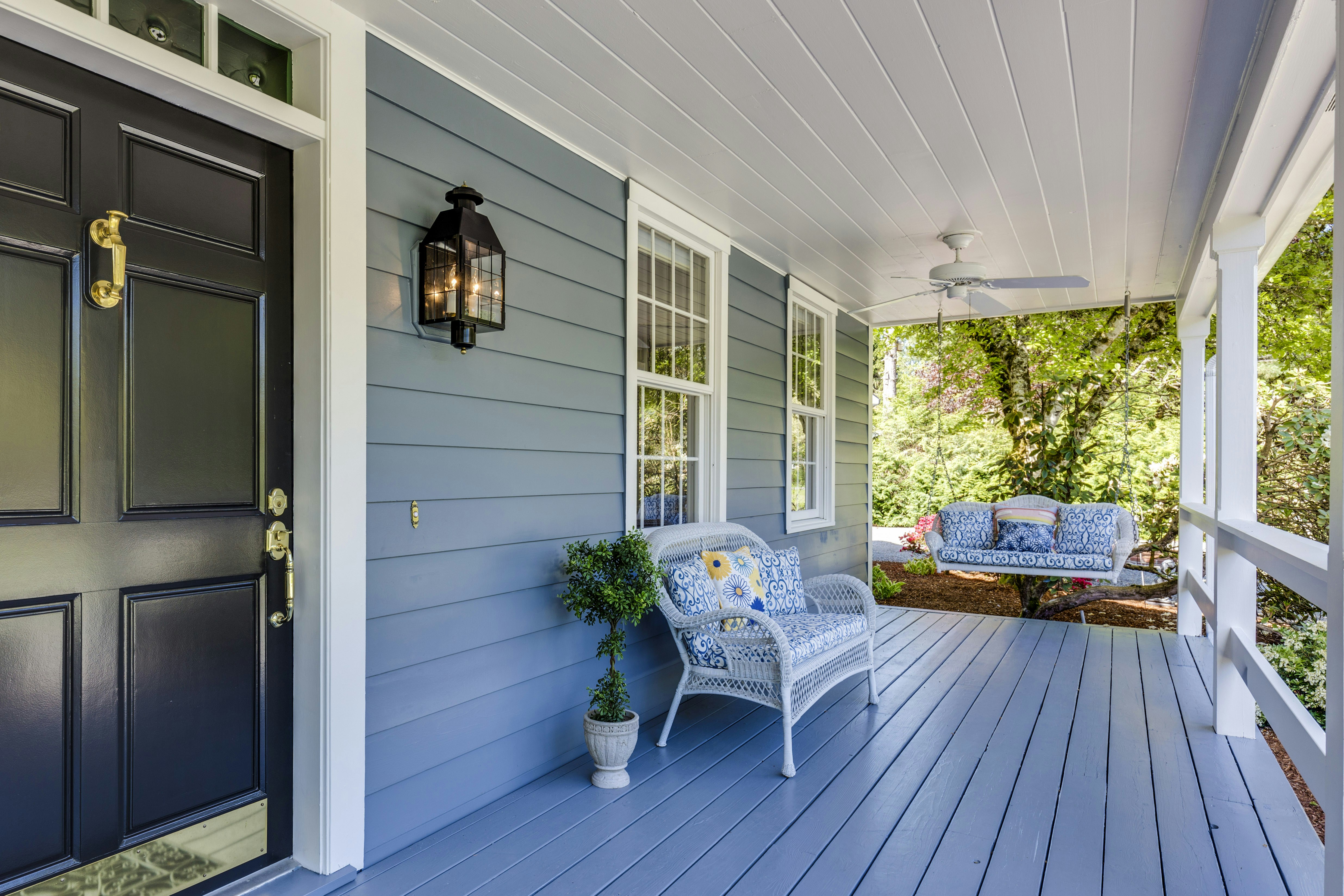
In addition to capturing the interior of the rental property, it’s also crucial to include photos of the exterior and surrounding areas. Take pictures of the front of the property, the backyard, any communal areas or amenities, and any nearby attractions such as parks or shopping centers. By showcasing the exterior and surroundings, you can give potential renters a complete picture of what the property has to offer.

Accurate Rental Pricing

Conducting Market Research

Setting accurate rental pricing is crucial for attracting potential renters. Conducting market research is an essential step in determining the right rental price for your property. Research similar rental properties in the same area to get an idea of the average rental rates. Consider factors such as size, amenities, and location when comparing prices. By understanding the market value of your rental property, you can set a competitive rental price that will attract potential renters.

Considering Location and Amenities

When determining the rental price, take into account the location of your property and any amenities it offers. Properties in desirable locations or those with sought-after amenities can justify a higher rental price. For example, if your property is located in a prime neighborhood with easy access to schools, shopping centers, and transportation, it may command a higher rental price than properties in less desirable locations.

Setting a Competitive Rental Price

After conducting market research and evaluating the location and amenities of your property, it’s time to set a competitive rental price. It’s important to find a balance between maximizing your rental income and attracting potential renters. Setting a price that is too high may deter interested renters, while setting a price that is too low may leave you missing out on potential income. Consider all the factors discussed and set a rental price that reflects the value of your property while being competitive with similar listings in the area.

Being Open to Negotiation

Keep in mind that potential renters may try to negotiate the rental price. It’s essential to be open to negotiation and willing to consider reasonable offers. By being flexible and open to finding common ground, you can increase your chances of securing a tenant while still getting a fair rental price for your property.
How Can I Create A Compelling Rental Property Listing?

This image is property of images.unsplash.com.

Detailed Amenities and Benefits

Listing Appliances and Furnishings

When listing the amenities and benefits of your rental property, be sure to include any appliances and furnishings that are included. This information is crucial as it can save potential renters the hassle and expense of having to furnish the property themselves. Make a detailed list of all the appliances, such as a refrigerator, stove, dishwasher, and washer/dryer. Additionally, mention any furnishings that are included, such as a dining table and chairs, sofas, or bedroom furniture. By providing this information upfront, you can attract renters who are looking for a more convenient renting experience.

Highlighting Utilities and Services

In addition to appliances and furnishings, it’s important to highlight the utilities and services that are included in the rental. Renters want to know what they are responsible for and what is covered by the landlord. Clearly state which utilities, such as water, electricity, or gas, are included in the rental price. Also, mention any additional services, like cable or internet, that may be provided. By providing this information, you can give potential renters a clear understanding of what they can expect in terms of monthly expenses.

Mentioning Nearby Facilities and Attractions

Another important aspect of creating a compelling rental property listing is mentioning nearby facilities and attractions. Highlight any amenities in the vicinity, such as schools, parks, shopping centers, or restaurants. Also, mention any attractions that may be of interest, such as a beach or hiking trails. By showcasing the convenience and lifestyle benefits of the location, you can attract potential renters who are looking for an ideal living environment.

Emphasizing Safety and Security

Safety and security are major concerns for potential renters. Include any safety features that your rental property offers, such as a gated community, security cameras, or a secure entrance system. Mention any additional measures, like 24/7 security personnel or a neighborhood watch program. By emphasizing the safety and security of the property, you can help potential renters feel more confident and comfortable in choosing your property as their next home.

Clear Rental Terms and Conditions

Stating Lease Duration

In your rental property listing, it’s important to clearly state the lease duration. Specify whether the property is available for a short-term or long-term lease. If there are any specific requirements or limitations regarding the lease duration, be sure to mention them as well. By providing this information upfront, you can attract renters who are seeking a lease that aligns with their needs and preferences.

Outlining Rental Application Process

To ensure a smooth rental application process, it’s essential to outline the required steps and documents in your rental property listing. Clearly state what potential renters need to do to submit an application and be considered for tenancy. Provide information on any application fees, background checks, or credit checks that may be required. By providing a clear and transparent application process, you can attract serious and qualified applicants.

Specifying Monthly Rent and Security Deposit

One of the most important aspects of any rental property listing is to specify the monthly rent and security deposit. Clearly state the amount of the monthly rent and how it can be paid, whether it’s through check, bank transfer, or an online payment platform. Additionally, specify the amount of the security deposit and any conditions or guidelines regarding its refund. By providing this information upfront, you can attract potential renters who can afford the rental price and are prepared to meet the financial obligations.

Including Pet and Smoking Policies

Pets and smoking policies are essential aspects that potential renters consider when searching for a rental property. Clearly state whether pets are allowed and if any restrictions or additional fees apply. Also, mention your smoking policy, whether smoking is allowed in the property or if it is strictly prohibited. By being transparent about these policies, you can attract potential renters who align with your preferences and avoid any misunderstandings or conflicts down the line.

How Can I Create A Compelling Rental Property Listing?

This image is property of images.unsplash.com.

Effective Call to Action

Encouraging Potential Renters to Schedule a Viewing

A compelling rental property listing should include an effective call to action that encourages potential renters to schedule a viewing. Clearly state the benefits of visiting the property in person and experiencing it firsthand. Encourage potential renters to imagine themselves living in the space and make them feel excited about the possibilities. By creating a sense of urgency and actively inviting potential renters to schedule a viewing, you can increase the chances of converting them into actual tenants.

Providing Contact Information

Don’t forget to provide clear and easily accessible contact information in your rental property listing. Include your name, phone number, and email address. If you have a website or online listing platform, provide the link for potential renters to access more information or submit inquiries. By making it easy for potential renters to contact you, you can ensure that interested parties can easily reach out and ask any questions they may have.

Including Availability for Questions

In addition to providing contact information, it’s essential to explicitly state that you are available to answer any questions potential renters may have. This shows that you are committed to providing excellent customer support and that you genuinely care about the needs of potential tenants. Invite potential renters to reach out with any questions or concerns and assure them that you will promptly respond. By being responsive and informative, you can create a positive impression and build trust with potential renters.

Engaging Keywords and Phrases

Applying SEO Strategies

To ensure that your rental property listing reaches as many potential renters as possible, it’s important to apply SEO (Search Engine Optimization) strategies. Use engaging keywords and phrases throughout the listing that potential renters are likely to search for. For example, include terms such as “spacious,” “renovated,” or “prime location” to highlight attractive features of the property. Consider what potential renters are looking for and incorporate those keywords strategically to optimize your listing’s visibility in search engine results.

Using Descriptive and Persuasive Language

Another way to create a compelling rental property listing is by using descriptive and persuasive language. Instead of simply listing features and amenities, paint a vivid picture for potential renters by using sensory words and creating an emotional connection. For example, instead of saying “large bedroom,” say “a serene sanctuary with ample space for relaxation.” By using descriptive and persuasive language, you can make your rental property listing more engaging and appealing to potential renters.
How Can I Create A Compelling Rental Property Listing?

Proper Formatting and Organization

Creating an Easy-to-Read Structure

To ensure that potential renters can easily navigate and comprehend your rental property listing, it’s important to create an easy-to-read structure. Use clear headings, subheadings, and bullet points to organize the information. This makes it easier for potential renters to skim through the listing and find the information that is most relevant to them. Avoid large blocks of text and consider using bold or italic font to emphasize key details. By creating a well-structured listing, you can enhance readability and make a positive impression on potential renters.

Using Bullet Points and Subheadings

Bullet points and subheadings are powerful tools for organizing information and making it more digestible for potential renters. Use bullet points to list the key features, amenities, and benefits of the rental property. This allows potential renters to quickly scan and understand what the property has to offer. Additionally, use subheadings to separate different sections of the listing, such as property description, pricing, and rental terms. By incorporating bullet points and subheadings, you can improve the readability and overall organization of your rental property listing.

Utilizing White Spaces

In addition to using bullet points and subheadings, it’s important to utilize white spaces in your rental property listing. White spaces refer to areas of the page that are left blank or have minimal content. By incorporating white spaces, you can give potential renters’ eyes a rest and make the listing visually appealing. White spaces also help to emphasize important information and make the listing feel less cluttered. By utilizing white spaces effectively, you can create a clean and visually appealing rental property listing.

Proofreading for Grammar and Spelling Errors

Before finalizing your rental property listing, make sure to proofread it thoroughly for grammar and spelling errors. Grammatical and spelling mistakes can give a negative impression and undermine the credibility of your listing. Take the time to carefully review each section and fix any errors that you find. Alternatively, consider asking a trusted friend or colleague to review the listing for you. By ensuring that your rental property listing is error-free, you can present your property in the best possible light and attract potential renters.

Responsive and Informative Customer Support

Being Prompt and Courteous in Communication

When potential renters reach out with inquiries, it’s important to be prompt and courteous in your communication. Respond to emails, phone calls, or messages in a timely manner to show that you value their interest. Be polite, professional, and helpful in your interactions. By providing excellent customer support, you can create a positive impression and build trust with potential renters.

Providing Additional Information upon Request

In addition to being responsive, it’s important to be willing to provide additional information upon request. Potential renters may have specific questions or concerns about the property, such as parking availability, noise levels, or maintenance policies. Be prepared to address these inquiries and provide any additional information that potential renters may need to make an informed decision. By being knowledgeable and accommodating, you can further increase your chances of attracting potential renters and securing a lease agreement.

In conclusion, creating a compelling rental property listing requires careful attention to detail and a customer-centric approach. Craft an attention-grabbing headline that includes pertinent property details to capture the interest of potential renters. Provide a detailed property description that highlights key features, unique selling points, square footage, and recent renovations. Use high-quality photos to showcase the property in the best light, including the right lighting, angles, and a comprehensive view of each room and the exterior. Accurate rental pricing is crucial, so conduct market research, consider location and amenities, set a competitive rental price, and be open to negotiation. Detail the amenities and benefits of the rental property, including appliances and furnishings, utilities and services, nearby facilities and attractions, and safety and security measures. Clearly outline the rental terms and conditions, including lease duration, the rental application process, monthly rent, security deposit, and any pet and smoking policies. Create an effective call to action that encourages potential renters to schedule a viewing, provides contact information, and invites questions. Incorporate engaging keywords and phrases, apply SEO strategies, and use descriptive and persuasive language. Ensure proper formatting and organization, such as creating an easy-to-read structure, using bullet points and subheadings, utilizing white spaces, and proofreading for grammar and spelling errors. Finally, provide responsive and informative customer support, with prompt and courteous communication and additional information upon request. By following these guidelines, you can create a comprehensive and compelling rental property listing that attracts potential renters and helps you secure the perfect tenant for your property.

How Can I Create A Compelling Rental Property Listing?

What Are The Best Plants For Indoor Air Purification?

Are you looking for an easy and natural way to improve the air quality in your indoor space? Look no further! In this article, we will explore the best plants for indoor air purification. Discover how these green companions can remove harmful toxins from the air, increase humidity levels, and create a refreshing atmosphere. Say goodbye to stale air and hello to a healthier living environment with the help of these stunning plants!

Benefits of indoor plants for air purification

Indoor plants are not only aesthetically pleasing but also provide numerous benefits for air purification. By introducing plants into your home or office space, you can significantly improve indoor air quality, reduce harmful toxins, and increase humidity levels. Let’s explore each of these benefits in detail.

Improving indoor air quality

One of the most significant advantages of having indoor plants is their ability to improve the quality of the air you breathe. Plants naturally remove carbon dioxide from the air and release oxygen through photosynthesis. This process helps to replenish oxygen levels and creates a healthier environment for you to breathe. Additionally, some indoor plants have been found to filter out harmful pollutants such as formaldehyde, benzene, and xylene, which are commonly found in indoor environments.

Reducing harmful toxins

Indoor spaces can be filled with various toxins, such as volatile organic compounds (VOCs), which are emitted by common household items like furniture, carpets, and cleaning products. These pollutants can have adverse effects on your health, causing respiratory issues, skin irritations, and even more severe long-term effects. Fortunately, certain indoor plants have been proven to absorb and break down these toxins, effectively reducing their presence in the air.

Increasing humidity

Dry indoor air can lead to discomfort, particularly for individuals with respiratory problems or dry skin. Indoor plants can help combat this issue by releasing moisture through a process known as transpiration. This natural process increases humidity levels, making the air more comfortable and improving overall respiratory health. Having plants in your indoor spaces can also help alleviate symptoms of dry skin and reduce the likelihood of respiratory infections.

Factors to consider when choosing indoor plants

When selecting indoor plants for air purification, there are several factors to consider. Understanding the light requirements, watering needs, and potential toxicity of plants is essential for maintaining a healthy and thriving indoor garden.

Light requirements

Different plants have varying light requirements. Some thrive in bright, direct sunlight, while others prefer shade or low-light conditions. Before purchasing indoor plants, assess the amount of natural light available in your space. This will help you choose plants that are better suited to your environment and ensure they receive the proper lighting for their growth.

Watering needs

Each plant has specific watering requirements. Some plants prefer moist soil, while others thrive in drier conditions. It is important to understand the watering needs of the plants you choose, as overwatering or underwatering can lead to root rot or dehydration. Consider factors such as the plant’s size, type, and the humidity levels in your space when determining a watering schedule.

Toxicity for pets or children

If you have pets or children in your household, it is crucial to consider the potential toxicity of indoor plants. Some plants can be harmful or even toxic if ingested, causing digestive issues or allergic reactions. Before bringing plants into your home, research their toxicity level and ensure they are safe for your furry friends or little ones. Opting for pet-friendly and child-safe plants will provide peace of mind and a worry-free indoor garden experience.

What Are The Best Plants For Indoor Air Purification?

This image is property of images.pexels.com.

Top 5 easy-to-care-for plants for air purification

If you’re new to indoor gardening or simply prefer low-maintenance plants, these top 5 easy-to-care-for plants for air purification are perfect choices. These plants are known for their resilience and ability to thrive with minimal effort.

Snake plant

Snake plants, also known as Sansevieria, are excellent air purifiers and one of the easiest plants to care for. They thrive in various lighting conditions, including low-light areas, and require infrequent watering. Snake plants are known for removing toxins such as formaldehyde, benzene, and xylene from the air, making them a fantastic addition to any indoor space.

Spider plant

Spider plants, scientifically named Chlorophytum comosum, are another low-maintenance option that helps purify the air. They are well-known for their ability to remove harmful gases like carbon monoxide and formaldehyde from the air. Spider plants thrive in bright, indirect light and only require occasional watering. They are also non-toxic and safe for pets, making them a popular choice among pet owners.

Peace lily

Peace lilies, or Spathiphyllum, not only add beauty to any room with their elegant white blooms but also work wonders for air purification. These plants can remove toxins like formaldehyde, benzene, and trichloroethylene from the air while thriving in low to medium light conditions. Peace lilies prefer moist soil and will let you know when they need watering by drooping their leaves – a helpful indicator for beginners.

Aloe vera

Aloe vera plants are well-known for their medicinal properties, but they also excel at air purification. They are particularly effective at removing benzene and formaldehyde from the air. Aloe vera plants thrive in bright, indirect sunlight and require infrequent watering. Their succulent leaves also act as a moisture reservoir, making them more forgiving to slight neglect.

Dracaena

Dracaena is a genus of plants with over 40 different species, all known for their air purification qualities. These plants effectively remove toxins like formaldehyde, trichloroethylene, and benzene from the air. Dracaena plants vary in their light requirements, with some preferred in bright light and others more adaptable to low-light conditions. Proper watering is essential for Dracaena, as they prefer their soil to dry out slightly between waterings.

Top 5 low-light plants for air purification

If your indoor space lacks natural light, don’t worry – you can still enjoy the benefits of air purification with these top 5 low-light plants. These plants thrive in areas with minimal sunlight while helping to cleanse the air around you.

Chinese evergreen

Chinese evergreen, scientifically known as Aglaonema, is a popular choice for low-light environments. It is incredibly adaptable and can tolerate a variety of light conditions, including fluorescent lighting. Aside from being an excellent air purifier, this plant has attractive, variegated foliage that adds a touch of elegance to any room.

Pothos

Pothos, or Epipremnum aureum, is a versatile plant that can tolerate both low-light and brightly lit environments. It is an excellent choice for beginners, as it is forgiving and easy to care for. Pothos plants come in various leaf colors, including golden, jade, and marble, making them a visually appealing addition to any indoor space.

ZZ plant

ZZ plants, scientifically known as Zamioculcas zamiifolia, have become incredibly popular in recent years due to their ability to thrive in low-light conditions. These plants have glossy, dark green leaves that add visual interest to any room. ZZ plants are also drought-tolerant, making them drought-resistant and perfect for those who tend to forget about watering their plants.

Cast iron plant

The cast iron plant, or Aspidistra elatior, lives up to its name by being one of the most durable and tough indoor plants available. It can tolerate almost any lighting condition, including low-light areas. This plant’s thick and leathery leaves contribute to its ability to withstand neglect and prosper with minimal care.

Parlor palm

The parlor palm, also known as Chamaedorea elegans, is a small palm plant that thrives in low-light environments. Its lush green fronds add a tropical touch to any room while effectively removing toxins such as formaldehyde and xylene from the air. Parlor palms are relatively easy to care for and require consistently moist soil for optimal growth.

What Are The Best Plants For Indoor Air Purification?

This image is property of images.pexels.com.

Top 5 plants for removing specific toxins

Certain plants have proven to be highly effective in removing specific toxins present in indoor spaces. By selecting these plants, you can target and eliminate specific pollutants, creating a healthier environment.

Golden pothos for formaldehyde

Golden pothos, a variety of the pothos plant (Epipremnum aureum), is known for its ability to remove formaldehyde from the air. Formaldehyde is a common indoor pollutant emitted by various household materials, including wood products and insulation. Golden pothos is an attractive trailing vine with heart-shaped leaves, making it a beautiful addition to any indoor space.

Bamboo palm for benzene

Bamboo palm, scientifically known as Chamaedorea seifrizii, is an ideal plant for removing benzene, a toxic compound commonly found in gasoline, detergents, and plastics. This palm plant thrives in bright, indirect light and requires consistent watering to maintain its health. Bamboo palms also add a touch of tropical elegance to indoor spaces.

Boston fern for xylene

Boston ferns, or Nephrolepis exaltata, are known for their exceptional ability to purify the air by removing xylene. Xylene is a solvent found in various building materials, paints, and adhesives. Boston ferns require bright, indirect light and high humidity levels to thrive, making them ideal choices for bathrooms or areas with naturally high humidity.

English ivy for mold

English ivy, scientifically known as Hedera helix, is highly effective at removing mold particles from the air. Mold spores are a common allergen and can cause respiratory issues, especially in individuals with existing respiratory conditions. English ivy can adapt to various lighting conditions, including low-light areas, making it a versatile option for air purification.

Areca palm for toluene

Areca palms, or Dypsis lutescens, are excellent at removing toluene from the air. Toluene is found in paint thinners, varnishes, and certain cleaning products. Areca palms require bright, indirect light and consistently moist soil to thrive. With their feathery, arching fronds, they bring a touch of the tropics into any space.

Plants that increase humidity while purifying air

In addition to their air-purifying qualities, certain plants can also increase humidity levels in indoor spaces. This is particularly beneficial in dry environments or during the colder months when central heating can dry out the air. Consider these plants to help maintain optimal humidity levels in your home or office.

Boston fern

In addition to its air-purifying properties, Boston ferns are known for their ability to increase humidity through transpiration. The moisture released by the plants as part of their natural processes helps to improve indoor moisture levels, making them ideal for dry environments.

English ivy

English ivy not only removes mold particles from the air but also provides a slight boost to humidity levels. Its ability to thrive in both low- and medium-light conditions makes it a versatile choice for increasing humidity in various indoor spaces.

Areca palm

The Areca palm, being native to tropical regions, naturally thrives in high humidity environments. By introducing an Areca palm into your indoor space, you can create a more humid atmosphere while enjoying its air-purifying qualities.

Dracaena

Dracaena plants, particularly the Massangeana variety, effectively purify the air while releasing moisture into the surrounding environment. This can help combat dryness and increase humidity levels, creating a more comfortable space for you to live or work in.

Rubber plant

Rubber plants, scientifically known as Ficus elastica, are excellent at increasing humidity levels. Their large leaves release moisture into the air, raising humidity while effectively purifying the air of toxins. Rubber plants prefer bright, indirect light and regular watering for optimal growth.

What Are The Best Plants For Indoor Air Purification?

This image is property of images.pexels.com.

Plants for improving sleep quality and reducing stress

Indoor plants can also contribute to creating a calm and relaxing environment that promotes better sleep quality and reduces stress levels. The following plants have soothing properties and can help create a tranquil atmosphere.

Lavender

Lavender, a fragrant herb known for its relaxing properties, can significantly improve sleep quality and reduce stress levels. Its aromatic scent has a calming effect, making it ideal for placing in bedrooms or areas where you wish to induce relaxation.

Jasmine

Jasmine is another plant that offers a delightful fragrance and calming effects. Its scent has been shown to promote better sleep quality and reduce anxiety. Placing a jasmine plant near your bedside or in an area where you unwind can create a soothing atmosphere.

Valerian

Valerian is a herb known for its sedative properties, making it an excellent choice for improving sleep quality. While not traditionally grown indoors, it is possible to find potted valerian plants in some nurseries. Placing a valerian plant in your bedroom can help create a serene space conducive to restful sleep.

Aloe vera

Aloe vera not only purifies the air but also emits oxygen at night. Increased oxygen levels in your bedroom can promote better sleep, making aloe vera an ideal plant for improving sleep quality. Its low-maintenance nature and soothing green color make it a popular choice for bedrooms.

Snake plant

Snake plants, known for their air purification properties, also release oxygen at night. This makes them an excellent choice for improving sleep quality as they contribute to better air quality by night as well. Their unique leaf structure adds visual interest to any room while promoting relaxation.

Plants that require minimal maintenance

If you lead a busy lifestyle or have limited time for plant care, selecting indoor plants that require minimal maintenance is crucial. These plants are resilient, forgiving, and can survive with minimal attention.

ZZ plant

The ZZ plant requires little care and thrives in low-light conditions, making it perfect for busy individuals or those with limited access to natural light. Its waxy, dark green leaves add a touch of elegance to any space, and it only requires infrequent watering.

Snake plant

As previously mentioned, snake plants are incredibly resilient and forgiving. They can tolerate a wide range of lighting conditions and require minimal watering. Snake plants are known for their ability to withstand neglect and can go for extended periods without water.

Pothos

Pothos, apart from its air purification qualities, is an easy-to-care-for plant that can tolerate neglect and low-light conditions. It only requires occasional watering and will continue to thrive even when subjected to irregular care.

Dracaena

Dracaena plants are known for being low-maintenance and adaptable. They can tolerate various lighting conditions and only require moderate watering. With their attractive foliage and air purification capabilities, they are an excellent choice for those seeking a hassle-free indoor plant.

Spider plant

Spider plants are forgiving and can adapt to a wide range of environmental conditions. They are known to thrive in both bright and low light and require moderate watering. Spider plants also produce small plantlets, making them easy to propagate and share with friends and family.

What Are The Best Plants For Indoor Air Purification?

Plants that are safe for pets and children

For households with pets or children, it is crucial to choose indoor plants that are non-toxic and safe in case of accidental ingestion. Here are five plants that pose little to no threat to your furry friends or little ones.

Areca palm

Areca palms are safe for pets and children and, in addition to their air-purifying qualities, provide a touch of tropical elegance to any room. However, it is still important to prevent pets or children from chewing on the leaves or ingesting any part of the plant to avoid potential digestive issues.

Spider plant

Spider plants, as mentioned earlier, are not only easy to care for but also non-toxic to pets and children. They can be displayed in hanging baskets or placed on high shelves to prevent access by curious pets or little hands.

Boston fern

Boston ferns are another safe option that provides a touch of lush greenery and air purification. As long as the ferns are kept out of reach, pets and children can enjoy a safe and healthy environment.

Bamboo palm

Bamboo palms are non-toxic to pets and children, making them an excellent choice for households with furry friends or little ones. Their graceful fronds and air-purifying qualities make them an attractive addition to any indoor space.

Parlor palm

Parlor palms are safe for both pets and children and offer the added benefit of increasing humidity levels while purifying the air. Their compact size and ease of care make them a popular choice for households with limited space or beginners in indoor gardening.

Maintenance tips for indoor plants

To ensure your indoor plants thrive and continue to provide the desired benefits, it is essential to follow proper maintenance procedures. Focus on proper watering, regular cleaning, and the occasional pruning and fertilizing.

Proper watering

Understanding the watering needs of your indoor plants is crucial for their overall health. Overwatering can lead to root rot and other issues, while underwatering can cause dehydration and stunted growth. Research the specific watering requirements of each plant you own, taking into account factors such as the plant’s size, type, and environmental conditions. Use your finger or a moisture meter to test the soil’s moisture level before watering. Remember, it is often better to underwater than to overwater.

Regular cleaning

Indoor plants can accumulate dust on their leaves, which can hinder their ability to photosynthesize effectively. Regularly dust or wipe down the leaves with a damp cloth to remove any buildup. This not only keeps your plants looking their best but also ensures optimal performance.

Pruning and fertilizing

Pruning is necessary to remove dead or damaged leaves and stems. It also helps shape the plants and encourage healthier growth. Use clean pruning shears and make clean cuts to avoid injuring the plant. Additionally, some plants benefit from occasional fertilization to provide them with essential nutrients. Research the specific fertilizer requirements of your plants and follow the recommended guidelines for best results.

By following these maintenance tips and providing the necessary care, you can enjoy the benefits of your indoor plants for years to come. Remember to observe your plants closely and make any adjustments to their care routines as needed.

What Are The Best Plants For Indoor Air Purification?

How Do I Handle A Situation Where A Tenant Wants To Break The Lease Early?

So your tenant wants to break the lease early, huh? Don’t worry, you’re not alone in facing this situation. Dealing with a tenant wanting to terminate the lease before the agreed-upon term can be challenging, but it’s important to approach it with a calm and friendly demeanor. In this article, we’ll explore different strategies to handle this situation tactfully and ensure a smooth transition for both parties involved. From open communication to negotiating an amicable solution, we’ve got you covered. Let’s dive in and find the best way to handle this scenario!

Understanding the Lease Agreement

Reviewing the signed lease agreement is the first step in handling a situation where a tenant wants to break the lease early. As a landlord, it is important to familiarize yourself with the terms and conditions outlined in the lease agreement. Pay close attention to any clauses related to early termination, as these will determine how you can proceed.

Identifying the terms and conditions related to early termination

Once you have reviewed the lease agreement, it is crucial to identify the terms and conditions related to early termination. Some leases may have penalties or fees for breaking the lease early, while others may require a notice period or the finding of a new tenant. Understanding these specific requirements will help guide your next steps in addressing the tenant’s request.

Open Communication with the Tenant

Listening to the tenant’s reasons for wanting to break the lease is an essential part of handling this situation. By giving them an opportunity to express their concerns, you can better understand their perspective and explore potential solutions. It is important to approach this conversation with empathy and the willingness to find a resolution that works for both parties.

Discussing the options available

After listening to the tenant, it is crucial to discuss the options available. Communicate with the tenant about the various possibilities, such as finding a new tenant, negotiating a compromise, or considering a buyout or lease termination agreement. By involving the tenant in the decision-making process, you can ensure that their concerns are addressed and that they feel heard.

How Do I Handle A Situation Where A Tenant Wants To Break The Lease Early?

This image is property of images.pexels.com.

Explaining the consequences of breaking the lease

During the conversation with the tenant, it is important to explain the consequences of breaking the lease. This may include financial penalties, the loss of their security deposit, or potential legal action. By providing clear and transparent information, you can help the tenant understand the potential ramifications of their decision.

Negotiating a compromise

In some cases, it may be possible to negotiate a compromise that benefits both parties. This could involve finding a new tenant to take over the lease, allowing the tenant to sublet the property, or adjusting the lease terms to accommodate the tenant’s needs. By being open to compromise, you can work towards a solution that minimizes the impact on both the tenant and yourself as the landlord.

Reviewing Local Laws and Regulations

Researching local landlord-tenant laws is an important step in handling a situation where a tenant wants to break the lease early. Familiarize yourself with the legal rights and obligations of both parties to ensure that you are compliant with the law. Understanding the relevant laws will help you navigate the situation and make informed decisions.

Understanding the legal rights and obligations of both parties

Once you have reviewed the local laws and regulations, it is crucial to understand the legal rights and obligations of both parties. This includes knowing the notice periods required for lease termination, the procedures for finding a new tenant, and any restrictions on penalties or fees. By being knowledgeable about your legal rights and obligations, you can ensure that you handle the situation in a fair and lawful manner.

How Do I Handle A Situation Where A Tenant Wants To Break The Lease Early?

This image is property of images.pexels.com.

Finding a New Tenant

If the tenant wishes to break the lease early, one option to consider is finding a new tenant. Advertising the rental property through various channels, such as online listings, social media platforms, and local publications, can help attract potential tenants. Once you start receiving inquiries, it is essential to screen prospective tenants thoroughly to ensure they meet your rental criteria.

Advertising the rental property

To find a new tenant, effective advertising is key. Take high-quality photos of the property and write a detailed and enticing description that highlights its features. Use online rental platforms, such as rental listing websites and social media groups, to reach a wide audience. Additionally, consider posting flyers in local community centers, supermarkets, and bulletin boards.

Screening prospective tenants

When screening prospective tenants, focus on their rental history, credit score, and employment status. Conduct reference checks to gather information about their previous rental experiences and verify their income stability. It is essential to strike a balance between finding a new tenant promptly and ensuring they are a suitable fit for the property.

Ensuring a smooth transition

Once a suitable tenant has been selected, it is crucial to ensure a smooth transition. Conduct a move-in inspection with the new tenant and provide them with all necessary information, such as utility contacts, maintenance procedures, and emergency contacts. Clear communication and professionalism during this process will help both the new tenant and yourself as the landlord.

How Do I Handle A Situation Where A Tenant Wants To Break The Lease Early?

This image is property of images.pexels.com.

Offering a Buyout or Lease Termination Agreement

Another option to consider when a tenant wants to break the lease early is offering a buyout or lease termination agreement. This involves providing the tenant with a financial settlement to compensate for their early departure. Offering a mutually agreeable amount can incentivize the tenant to terminate the lease without any further complications.

Considering a financial settlement

When considering a financial settlement, evaluate the remaining lease term, the tenant’s specific circumstances, and the potential cost of finding a new tenant. The settlement could cover expenses such as advertising, cleaning, repairs, and potential rental income loss. By offering a fair and reasonable settlement, you can potentially avoid legal disputes or protracted negotiations.

Drafting a lease termination agreement

If both parties agree to a buyout or lease termination, it is crucial to draft a clear and comprehensive lease termination agreement. This agreement should outline the terms, conditions, and agreed-upon settlement amount. It should also release both parties from any further obligations under the original lease. Consult with a real estate attorney to ensure that the agreement is legally binding and enforceable.

Documenting the Tenant’s Request

Throughout the process of handling a tenant’s request to break the lease, it is essential to maintain written communication. Documenting the tenant’s request, along with any discussions, agreements, or compromises made, creates a paper trail that can protect both parties. This documentation can be valuable evidence if any disputes arise in the future.

How Do I Handle A Situation Where A Tenant Wants To Break The Lease Early?

Maintaining written communication

All communication with the tenant should be in writing to avoid misunderstandings or disputes. Use email or written letters to document conversations and agreements. Be clear and concise in your communication to ensure that both parties have a complete understanding of the discussions and agreements reached.

Creating a paper trail

In addition to written communication, it is important to keep copies of any relevant documents, such as the lease agreement, lease termination agreement, correspondence, and legal notices. Organize these documents in a secure and accessible manner, as they may be needed for reference or in a legal context.

Seeking Legal Advice

If the situation becomes complex or contentious, it is advisable to seek legal advice from a real estate attorney. Consulting with an attorney who specializes in landlord-tenant law can provide valuable insights and guidance throughout the process. They can help you understand your legal options, assess potential liabilities, and ensure compliance with applicable laws.

Consulting with a real estate attorney

Choose a reputable and experienced real estate attorney to discuss the situation and any potential legal implications. Provide them with all relevant documents and details to help them assess your case accurately. By working with an attorney, you can navigate the legal complexities with confidence and protect your rights as a landlord.

How Do I Handle A Situation Where A Tenant Wants To Break The Lease Early?

Understanding the legal options and implications

During the consultation with the attorney, it is crucial to gain a thorough understanding of your legal options and the implications of each course of action. They can advise you on the best approach to take, keeping in mind the specific circumstances and the applicable laws in your jurisdiction. Their expertise can help you make informed decisions and minimize potential risks.

Mitigating Damages

While handling a situation where a tenant wants to break the lease early, it is important to take reasonable steps to minimize any financial losses. This involves making efforts to re-rent the property as soon as possible to avoid a prolonged vacancy period. Actively marketing the property, conducting frequent showings, and offering incentives to prospective tenants can help attract new renters.

Taking reasonable steps to minimize financial losses

To mitigate financial losses, respond promptly to inquiries from potential tenants and schedule showings promptly. Consider adjusting the rent slightly or offering move-in incentives to attract new renters quickly. It may also be beneficial to hire a reputable property management company to handle the screening and rental process on your behalf.

Documenting efforts to re-rent the property

Throughout the process of finding a new tenant, it is crucial to document your efforts diligently. Keep a record of all rental inquiries, showings, and applications received. This documentation will serve as evidence that you have taken reasonable steps to minimize financial losses and re-rent the property promptly.

Processing the Lease Termination

Once an agreement has been reached or a lease termination has been obtained, it is important to execute an official lease termination agreement. This agreement should be signed by both parties and clearly outline the terms and conditions of the lease termination. Additionally, it is essential to return the tenant’s security deposit in accordance with local laws and settle any outstanding financial obligations.

Executing an official lease termination agreement

The lease termination agreement should clearly state the date of termination, any financial settlements, and the release of both parties from any further obligations under the lease. Both the landlord and the tenant should carefully review the agreement before signing it. Once executed, make sure to provide each party with a copy for their records.

Returning the security deposit

In most jurisdictions, returning the tenant’s security deposit in a timely manner is a legal requirement. Deduct any valid expenses, such as unpaid rent or damages beyond normal wear and tear, and provide the tenant with an itemized list of these deductions. Return the remaining deposit promptly to avoid any potential disputes or legal complications.

Settling any outstanding financial obligations

Before concluding the lease termination process, it is essential to settle any outstanding financial obligations. This may include unpaid rent, utility bills, or other agreed-upon expenses. Clearly communicate the amount owed and the deadline for payment. If the tenant fails to fulfill their financial obligations, you may need to explore legal options to recover the due amount.

Handling Disputes and Eviction

In some situations, conflicts may arise during the handling of a tenant’s request to break the lease early. It is important to approach these disputes with professionalism and a commitment to finding a resolution. If necessary, consider mediation or negotiation to reach a mutually agreeable outcome. In cases where disputes cannot be resolved, it may be necessary to initiate the eviction process in accordance with local laws and regulations.

Resolving conflicts through mediation or negotiation

When disputes arise, it is advisable to attempt mediation or negotiation to resolve the conflict. This can involve working with a neutral third party, such as a professional mediator, to facilitate communication and find common ground. By engaging in open and respectful dialogue, you can increase the chances of finding a mutually acceptable solution.

Initiating the eviction process if necessary

If all attempts at resolving the dispute fail, and the tenant refuses to adhere to the terms of the lease or lease termination agreement, it may be necessary to initiate the eviction process. Familiarize yourself with the eviction procedures specified in local laws and regulations. Follow these procedures carefully to ensure a fair and lawful eviction process. It is advisable to consult with a real estate attorney to guide you through the legal requirements and implications of eviction.

Handling a situation where a tenant wants to break the lease early can be challenging, but by following these guidelines and maintaining open and respectful communication, you can navigate the process with fairness and professionalism. Remember to prioritize understanding and empathy while also protecting your rights and abiding by local laws to achieve the best outcome for both parties involved.

How Can I Add Character To A Plain Room?

Are you tired of living in a plain and dull room? Yearning for some excitement and personality? Well, look no further! In this article, we will explore various creative and easy ways for you to add character to your plain room. From vibrant color schemes to unique furniture pieces, you’ll discover how to transform your space into a true reflection of your personality and style. So, let’s dive in and explore the wonderful world of room transformation!

Use Color

Paint the walls

One of the easiest ways to add character to a plain room is by painting the walls in vibrant colors. Instead of sticking to neutral shades, opt for bold and eye-catching colors that reflect your personality and style. Consider using colors like deep blue, fiery red, or sunny yellow to create an inviting and energetic atmosphere. Painting an accent wall in a contrasting color can also make a statement and add visual interest to the room.

Add colorful accents

If repainting the walls seems like a daunting task, you can still infuse color into the room by adding colorful accents. Choose accessories such as throw pillows, curtains, or lampshades in vibrant hues that complement the overall color scheme of the room. These pops of color will instantly liven up the space and make it feel more personalized and inviting.

Use vibrant textiles

Another way to incorporate color into a plain room is by using vibrant textiles. Consider adding a colorful area rug that complements the existing furniture and decor. You can also use patterned or textured curtains to add visual interest to the windows. Don’t be afraid to mix and match different patterns and colors to create a unique and eclectic look that reflects your personal style.

Bring in Texture

Use textured wall coverings

To add depth and visual interest to a plain room, consider using textured wall coverings. Textured wallpaper, such as grasscloth or embossed designs, can create a luxurious and sophisticated look. Another option is to apply a texture paint or use techniques like stucco or Venetian plaster to create a textured effect on the walls. These textured surfaces will not only add character but also create a tactile experience in the room.

Incorporate textured furniture

Adding textured furniture can also bring character to a plain room. Look for pieces with unique textures, such as a velvet sofa or a rattan chair. Incorporating furniture made from different materials like wood, metal, or leather can also create an interesting mix of textures. These textured furniture pieces will not only enhance the visual appeal of the room but also add a layer of comfort and coziness.

Add texture with rugs and pillows

Rugs and pillows are an excellent way to introduce texture into a room. Opt for rugs with textured patterns, such as shaggy or woven designs, to add depth to the floor. Layering different textured rugs can also create a visually appealing and cozy look. Additionally, choose pillows with different fabrics like faux fur, velvet, or woven materials to add texture to the seating areas. These texture-rich elements will make the room feel more inviting and visually captivating.

How Can I Add Character To A Plain Room?

This image is property of images.pexels.com.

Add Statement Furniture

Choose a bold sofa or chair

If you want to make a bold statement in a plain room, consider choosing a sofa or chair in a vibrant color or a unique design. A bold blue velvet sofa or a retro-inspired chair in a striking pattern can instantly become the focal point of the room. Pair these statement furniture pieces with neutral or complementary accents to create a balanced and visually appealing space.

Use unique or vintage pieces

Incorporating unique or vintage furniture pieces is another great way to add character to a plain room. Look for one-of-a-kind pieces at thrift stores, flea markets, or antique shops. These furniture items often have interesting shapes, textures, or details that can instantly elevate the style of the room. Mixing vintage or unique furniture with modern pieces will create a dynamic and visually captivating space.

Invest in a standout piece

If you’re willing to invest in a standout furniture piece, consider splurging on a high-quality and visually impactful item. This could be a designer chair, a statement-making coffee table, or a luxurious bedframe. By investing in a standout piece, you create a focal point in the room and elevate the overall aesthetic. This investment will not only add character but also ensure the longevity and durability of the furniture.

Display Artwork

Hang a gallery wall

One of the most effective ways to add character to a plain room is by hanging a gallery wall. Choose a variety of artworks, including paintings, photographs, and prints, to create an eclectic and visually captivating display. Experiment with different frame styles, sizes, and arrangements to create a personalized gallery wall that reflects your taste and style. This wall of art will not only add color and visual interest but also serve as a conversation starter.

Showcase a large statement piece

If you prefer a more minimalistic approach, you can still add character to a plain room by showcasing a large statement piece of artwork. This could be a striking painting, a unique sculpture, or an oversized photograph. Hang or display this piece in a prominent place where it can become the focal point of the room. The large statement artwork will not only add personality to the space but also create a sense of drama and visual impact.

Include personal photographs

Adding personal photographs to the room is another way to infuse character and a sense of nostalgia. Choose your favorite photos and display them in stylish frames on a gallery wall, a shelf, or a side table. The personal photographs will not only make the room feel more intimate but also serve as a reminder of cherished memories. Consider printing the photos in black and white for a timeless and sophisticated look.

How Can I Add Character To A Plain Room?

This image is property of images.pexels.com.

Experiment with Lighting

Install unique light fixtures

Lighting plays a crucial role in setting the mood and adding character to a plain room. Opt for unique light fixtures that stand out and make a statement. Whether it’s a modern chandelier, a vintage-inspired pendant, or an artistic floor lamp, choose fixtures that complement the overall style of the room. These unique light fixtures will not only provide functional lighting but also create a visually captivating focal point.

Use different types of lighting

To create a layered and dynamic lighting scheme, incorporate different types of lighting sources. Combine overhead lights with task lighting, such as desk lamps or floor lamps, to provide focused illumination in specific areas. You can also use accent lighting, such as wall sconces or picture lights, to highlight artwork or architectural features. By using different types of lighting, you can create a warm and inviting ambiance while adding character to the room.

Add a floor or table lamp

For a quick and easy way to add character to a plain room, place a statement floor or table lamp in a strategic location. Whether it’s a sleek and modern design or a vintage-inspired piece, a beautifully crafted lamp can instantly enhance the atmosphere and style of the room. Choose a lamp that reflects your personal taste and complements the existing decor. The added lighting element will not only illuminate the space but also serve as a decorative accessory.

Introduce Patterns

Use patterned wallpaper

Patterned wallpaper is an excellent way to add character and visual interest to a plain room. Choose wallpaper with bold and vibrant patterns, such as geometric shapes, floral designs, or intricate motifs. Apply the patterned wallpaper to an accent wall or the entire room to create a dramatic and visually captivating backdrop. This patterned element will instantly transform the room and give it a unique personality.

Add patterned curtains or blinds

Another way to introduce patterns into a plain room is by using patterned curtains or blinds. Opt for curtains or blinds with bold prints or intricate patterns that complement the color scheme and style of the room. These patterned window treatments will not only add character but also serve as a focal point in the room. Consider choosing patterns that evoke a specific mood or style, such as bohemian, modern, or traditional.

Decorate with patterned accessories

If you prefer a more subtle approach, you can add character to a plain room by incorporating patterned accessories. Choose patterned throw pillows, blankets, or rugs that complement the existing furniture and decor. Look for patterns like stripes, chevron, or polka dots to create a cohesive and visually appealing look. These patterned accessories will add a playful and stylish touch to the room without overwhelming the overall design.

How Can I Add Character To A Plain Room?

This image is property of images.pexels.com.

Bring in Natural Elements

Incorporate indoor plants

Bringing in indoor plants is a great way to add character and a sense of tranquility to a plain room. Choose plants that thrive indoors and complement the overall aesthetic of the space. Whether it’s a large leafy plant in a corner, a collection of smaller potted plants on a shelf, or a hanging plant in a macrame holder, the greenery will instantly liven up the room and create a connection to nature.

Use natural materials like wood or stone

Incorporating natural materials like wood or stone can instantly add warmth and character to a plain room. Choose wooden furniture pieces, such as a reclaimed wood coffee table or a wooden accent chair, to bring the beauty of nature indoors. Consider using stone elements, such as a fireplace surround or a stone feature wall, to create a rustic and earthy vibe. These natural materials will add texture and visual interest while creating a calming and inviting atmosphere.

Display seashells or other natural objects

For a coastal or nature-inspired theme, consider displaying seashells or other natural objects in a plain room. Place seashells in glass vases, arrange driftwood on a shelf, or showcase a collection of rocks or feathers on a side table. These natural elements will not only add character but also create a sense of tranquility and connection to the outdoors. Choose objects that hold special meaning to you or evoke pleasant memories to personalize the space even further.

Play with Mirrors

Hang a large mirror

Mirrors can instantly add character and create the illusion of space in a plain room. Hang a large mirror on a blank wall to reflect light and make the room appear bigger and brighter. Choose a stylish frame that complements the overall style of the room, whether it’s a sleek and modern design or an ornate vintage frame. The large mirror will not only enhance the aesthetics of the room but also serve as a functional accessory.

Use a collection of smaller mirrors

For a more eclectic and artistic look, consider using a collection of smaller mirrors to create a visually captivating display. Choose mirrors in different shapes, sizes, and frame styles to add visual interest and reflect light from various angles. Arrange the mirrors in a gallery-style arrangement on a wall or scatter them throughout the room to create a sense of depth and dimension. This collection of mirrors will not only add character but also serve as a decorative statement.

Install a mirrored feature wall

To make a bold statement and add character to a plain room, consider installing a mirrored feature wall. Covering an entire wall with mirrored panels can create a dramatic and glamorous effect. The mirrored wall will reflect light, colors, and other decorative elements in the room, making it appear more dynamic and visually appealing. This feature wall will undoubtedly become the centerpiece of the room and add a touch of luxury and sophistication.

How Can I Add Character To A Plain Room?

Personalize with Accessories

Display meaningful objects

Adding meaningful objects to a plain room is a wonderful way to infuse character and a sense of personal touch. Display items that hold sentimental value, such as family heirlooms, travel souvenirs, or handmade crafts, on shelves or in glass display cases. These meaningful objects will not only tell a story but also make the room feel more inviting and reflect your unique personality. Choose items that evoke positive emotions and create a sense of nostalgia.

Use unique shelving or display units

Instead of traditional bookcases or shelves, consider using unique shelving or display units to add character to a plain room. Look for unconventional designs, such as ladder bookshelves, floating shelves with intricate designs, or modular shelving systems. These unique shelving units will not only provide functional storage but also serve as decorative elements that showcase your books, collectibles, or artwork. Choose a design that complements the overall style of the room and adds visual interest.

Add personal touches with decorative items

To personalize a plain room and make it truly yours, add decorative items that reflect your interests and hobbies. Whether it’s sports memorabilia, vintage cameras, or a collection of vinyl records, these decorative items will add character and tell your story. Display them on shelves, mantels, or side tables to create focal points and spark conversations. These personal touches will not only make the room feel more like home but also express your unique personality and passions.

Utilize Wall Decor

Hang tapestries or textiles

Hanging tapestries or textiles on the walls is a great way to add character and create visual interest in a plain room. Look for tapestries with vibrant patterns, intricate designs, or meaningful symbols that resonate with you. These textile wall hangings provide texture, warmth, and a touch of bohemian charm. Hang them on a large blank wall or use them to define specific areas of the room, such as a reading nook or a cozy seating area.

Use floating shelves or bookcases

Floating shelves or bookcases can not only provide functional storage but also serve as a decorative element on the walls. Choose floating shelves in different sizes and arrange them in an asymmetrical pattern for a modern and artistic look. Display books, plants, or decorative objects on the shelves to add character and create a visually captivating display. Alternatively, opt for a stylish bookcase with unique design features to enhance the aesthetics of the room.

Create a statement wall with art or mirrors

If you want to make a bold statement and add character to a plain room, consider creating a statement wall using art or mirrors. Choose a wall and hang a collection of artwork or mirrors in various sizes and arrangements. Mix different art styles, frame colors, or mirror shapes to create a visually captivating display. This statement wall will become the focal point of the room and add a touch of creativity and personality.

How Can I Add Character To A Plain Room?

What Are Best Practices For Setting Up Utility Payments?

You’ve decided to take control of your utility payments and want to ensure that you’re setting them up in the most efficient and effective way possible. With so many options and methods available, it can be overwhelming to navigate the world of utility payments. Fortunately, this article explores the best practices for setting up utility payments, offering you valuable insights and tips to streamline your process and make sure you never miss a payment again.

Choosing the Right Utility Provider

When it comes to choosing the right utility provider for your needs, conducting thorough research is crucial. Start by identifying the available providers in your area. This can be as simple as contacting your local government or using online resources. Once you have a list of options, take the time to compare their pricing and plans. Look for any hidden fees or additional charges that may impact your overall costs. It’s also important to check customer reviews to gauge the satisfaction levels of current customers. Don’t forget to assess the reputation and reliability of each provider. Look for any history of service disruptions or poor customer service. Choosing a reliable and reputable utility provider ensures a smooth and hassle-free experience.

Understanding Utility Costs and Usage

Understanding your utility costs and usage patterns is essential for effective budgeting. Start by analyzing your past utility consumption. Look at your bills over the past year to identify any trends or patterns in your usage. This will give you a baseline to estimate your future usage. However, it’s important to consider seasonal fluctuations as well. For example, your electricity usage may be higher during the summer months due to increased air conditioning usage. Additionally, take into account variations in rates. Some providers may have different rates during specific times of the day or offer time-of-use plans. By understanding your costs and usage, you can make informed decisions about your utility expenses.

What Are Best Practices For Setting Up Utility Payments?

This image is property of images.unsplash.com.

Budgeting for Utility Expenses

Budgeting for utility expenses is a crucial step in managing your finances effectively. Start by prioritizing your utility payments. Make sure to allocate enough funds to cover your essential utilities before considering other expenses. Determining an affordable monthly budget is another important aspect. Calculate your average monthly utility costs and ensure that you allocate enough funds in your budget to cover these expenses. It’s also wise to allocate additional funds for potential increases in utility rates or unexpected usage. Lastly, setting aside emergency funds for utility-related emergencies, such as repairs or unexpected bills, can provide financial security and peace of mind.

Setting Up Automatic Payments

Setting up automatic payments can streamline your utility payment process and help you avoid late fees or missed payments. Start by exploring online payment options. Most utility providers offer online platforms where you can set up and manage your payments. Registering for AutoPay programs is another valuable option to consider. These programs allow your utility bills to be automatically deducted from your bank account or charged to your credit card on a predetermined schedule. Linking your bank account or credit card to your utility provider’s online payment platform is necessary for setting up automatic payments. Lastly, scheduling payment reminders can help ensure that you have enough funds in your account to cover your upcoming bills.

What Are Best Practices For Setting Up Utility Payments?

This image is property of images.unsplash.com.

Utilizing Energy Conservation Strategies

Implementing energy conservation strategies not only helps the environment but can also reduce your utility expenses. Start by using energy-efficient appliances. Look for appliances with the Energy Star label, as they are designed to consume less energy while still providing the same level of performance. Practicing effective energy management is another important aspect. Turn off lights and unplug electronic devices when not in use, adjust your thermostat to energy-saving settings, and be conscious of your water usage. Monitoring your energy usage regularly can also help you identify areas where you can make improvements. Moreover, consider adopting renewable energy sources such as solar panels or wind turbines, which can further reduce your reliance on traditional utility providers and potentially even generate excess electricity to sell back to the grid.

Keeping Track of Billing and Payments

Keeping track of your utility billing and payments is crucial for maintaining financial organization and spotting any errors or discrepancies. Start by organizing your paper and digital records. Create a filing system where you can store physical copies of your bills and other important documents. Additionally, take advantage of digital record-keeping by saving electronic copies of your bills and statements in a designated folder on your computer or cloud storage. Regularly review your bills and scrutinize each line item for accuracy. If you notice any errors, contact your utility provider to rectify the situation. Monitoring your payment history can also help you identify any missed or late payments. Lastly, verify the meter readings on your bills to ensure they are accurate and reflect your actual usage.

What Are Best Practices For Setting Up Utility Payments?

This image is property of images.unsplash.com.

Managing Upcoming Billing Changes

Managing upcoming billing changes is necessary when moving to a new address or transferring utility services. Ensure that you notify your providers in advance of any address changes to avoid disruption in service. It’s also important to update your contact information, such as your phone number or email address, to ensure you receive important notifications or billing information. If you are transferring your utility services from one provider to another, handle account transfers diligently. Ensure that all necessary paperwork is completed and provide any required information promptly to avoid any delays or service interruptions. By staying proactive and prepared, you can navigate upcoming billing changes with ease.

Understanding Payment Options and Deadlines

Understanding the various payment options and deadlines is essential for avoiding late payment penalties and maintaining good standing with your utility provider. Explore different payment methods offered by your provider, such as online payments, check payments, or payment apps. Learning about electronic funds transfer (EFT) can also be advantageous, as it allows you to automate your payments directly from your bank account. Familiarize yourself with the billing cycles and due dates associated with your utility provider. Set reminders or create a calendar system to ensure you never miss a payment. By understanding your payment options and deadlines, you can ensure timely and hassle-free payments.

What Are Best Practices For Setting Up Utility Payments?

Seeking Assistance and Financial Support

In times of financial difficulty, seeking assistance and financial support can provide relief and help you maintain your essential utility services. Research utility assistance programs that are available in your area. These programs are often designed to help low-income households cover their utility expenses. Applying for government subsidies or grants is another option worth exploring. Many governments offer financial assistance programs specifically for utility costs. Additionally, reach out to non-profit organizations that may provide assistance or refer you to relevant resources. If you are struggling to pay your utility bills, consider negotiating payment plans with your provider. Many providers are willing to work with you to develop a manageable payment schedule based on your financial situation.

Communicating with Utility Providers

Establishing open lines of communication with your utility providers is essential for addressing any issues or concerns that may arise. Make sure you have the necessary contact information for your providers, including their phone numbers and email addresses. If you encounter any issues with your utility services, promptly notify your provider. Whether it’s a billing discrepancy or a problem with your meter readings, addressing concerns early helps ensure a quicker resolution. Similarly, if you suspect a faulty meter or inaccurate readings, report them to your utility provider as soon as possible. Lastly, if you need to request service disconnections or reconnections due to moving or other circumstances, communicate your needs clearly to your provider. Open and timely communication is key to maintaining a positive relationship with your utility provider.

What Are Best Practices For Setting Up Utility Payments?

What Are The Benefits Of Installing A Skylight Or Roof Window?

Imagine being able to enjoy the beauty of natural sunlight streaming into your home, filling every corner with warmth and brightness. With the installation of a skylight or roof window, you can easily transform any space into an oasis of natural light. Not only does this add a touch of elegance to your home, but it also brings a plethora of benefits. From reducing the need for artificial lighting during the day, to improving mood and overall well-being, a skylight or roof window can truly enhance your living environment in more ways than one. Say goodbye to dimly lit rooms and hello to the many advantages of bringing the outdoors in.

Increased natural lighting

Enhanced brightness and illumination

Installing a skylight or roof window in your home can bring in an abundance of natural light, instantly brightening up your interior space. Natural lighting has a unique way of creating a warm and inviting atmosphere, making your home feel more spacious and open. With the increased brightness and illumination provided by a skylight, you can say goodbye to dark and gloomy rooms, and instead, enjoy a well-lit environment that is both aesthetically pleasing and functional.

Reduction of energy costs

By harnessing natural light from the sun, you can significantly reduce your dependency on artificial lighting during the day. This translates into lower energy consumption and subsequently, reduced energy costs. Since skylights and roof windows allow for ample sunlight to enter your home, you can make the most of this free and sustainable light source, saving money on your electricity bills while reducing your carbon footprint.

Improvement of mood and well-being

The presence of natural light has been linked to an array of physical and psychological benefits. Exposure to sunlight triggers the release of serotonin in the brain, which is known as the “feel-good” hormone that promotes a positive mood and overall well-being. With a skylight or roof window, you can welcome the energizing effects of natural light into your home, enhancing your mood and creating a more uplifting and enjoyable living environment.

Improved ventilation

Better air circulation

A skylight or roof window can serve as a valuable means of improving air circulation within your home. By opening up these windows, you can create a natural airflow that helps to remove stagnant air, allowing fresh air to enter your living space. Improved ventilation not only contributes to a more comfortable and pleasant interior environment but also helps to eliminate airborne pollutants, allergens, and odors, promoting a healthier living environment for you and your family.

Removal of stale air and odors

Unpleasant smells and odors can often linger in closed spaces, but with a skylight or roof window, you can effectively combat this issue. Opening these windows allows for the release of stagnant air, ensuring a constant flow of fresh air that carries away any unwanted odors, leaving your home smelling clean and fresh.

Prevention of moisture buildup

Moisture buildup in enclosed areas can lead to various issues such as mold growth and condensation. However, by installing a skylight or roof window, you can prevent the accumulation of excess moisture. These windows act as natural vents, facilitating the escape of moisture-laden air and reducing the risk of mold and mildew growth. By ensuring proper ventilation, you can maintain a dry and healthy living environment for you and your loved ones.

What Are The Benefits Of Installing A Skylight Or Roof Window?

This image is property of images.unsplash.com.

Energy efficiency

Passive solar heating

A skylight or roof window not only brings in natural light but also assists in passive solar heating. During colder months, the sun’s rays penetrate through the glass and help warm up your home, reducing the need for artificial heating. This can result in significant energy savings and a more sustainable way of maintaining comfortable temperatures inside your residence.

Reduced reliance on artificial lighting and cooling

With a skylight or roof window, you can minimize your reliance on artificial lighting, as these windows allow an ample amount of natural light to flood into your home. This not only reduces energy consumption but also creates a pleasant and inviting atmosphere. Additionally, during hot summer days, opening up your skylight or roof window can promote natural ventilation, reducing the need for air conditioning and further decreasing your energy usage.

Enhanced aesthetics

Stunning views of the sky and surroundings

Imagine lying in bed and gazing up at a starry night sky or enjoying breakfast while admiring the beauty of a blue sky. With a skylight or roof window, you can bring the outdoors indoors and enjoy stunning views of the sky and surroundings from the comfort of your own home. This breathtaking connection with nature adds a touch of beauty and serenity to your living space, creating a truly unique and immersive environment.

Added architectural interest and style

Beyond the aesthetic benefits of natural lighting and sky views, installing a skylight or roof window can also add architectural interest and style to your home. These windows are available in various designs and materials, allowing you to choose one that perfectly complements your interior and exterior decor. Whether you opt for a sleek and modern design or a more traditional and rustic style, a skylight or roof window can elevate the overall aesthetic appeal of your home.

What Are The Benefits Of Installing A Skylight Or Roof Window?

This image is property of images.unsplash.com.

Increased property value

Desirable feature for potential buyers

When it comes to selling your home, certain features can significantly increase its value and appeal to potential buyers. A skylight or roof window is one such feature that adds desirability and allure to a property. Potential buyers often seek homes that offer an abundance of natural light and a connection with nature, making the presence of a skylight a standout asset that can set your home apart from others on the market.

Boosts overall appeal and marketability

In addition to increased property value, a skylight or roof window can significantly boost the overall appeal and marketability of your home. The unique combination of enhanced natural lighting, improved ventilation, and stunning views contributes to creating an attractive and inviting living space that is sure to catch the eye of potential buyers. By investing in a skylight or roof window, you not only add value to your home but also increase its marketability in a competitive real estate market.

Health benefits

Exposure to natural sunlight and Vitamin D synthesis

Exposure to natural sunlight plays a crucial role in our overall health and well-being. Sunlight is a vital source of Vitamin D, an essential nutrient that promotes the absorption of calcium, supports bone health, and strengthens the immune system. By installing a skylight or roof window, you can ensure regular exposure to natural sunlight, allowing your body to naturally synthesize Vitamin D and reap its numerous health benefits.

Potential relief for certain health conditions

For individuals with certain health conditions such as seasonal affective disorder (SAD) or chronic fatigue syndrome, the presence of a skylight or roof window can offer potential relief. Natural light has been shown to improve mood, increase energy levels, and alleviate symptoms associated with these conditions. By incorporating a skylight into your home, you can create a brighter and more uplifting environment that may positively impact your overall health and well-being.

What Are The Benefits Of Installing A Skylight Or Roof Window?

This image is property of images.unsplash.com.

Connection with nature

Bringing the outdoors indoors

One of the most enchanting aspects of installing a skylight or roof window is the opportunity to bring the outdoors indoors. With a clear view of the sky and surrounding landscape, you can establish a greater connection with nature from the comfort of your own home. Whether it’s observing a passing cloud, admiring a vibrant sunset, or simply stargazing, a skylight or roof window allows you to experience the wonders of nature right within your living space.

Observation of weather patterns and natural phenomena

With a skylight or roof window, you become an observer of weather patterns and natural phenomena. Witness the change in colors during sunrise and sunset, track the movement of clouds, or marvel at the first snowfall of winter. These windows provide an opportunity to experience the beauty and diversity of nature, adding an element of intrigue and fascination to your daily life.

Privacy and discretion

Customizable features for desired level of privacy

Privacy is a crucial consideration when choosing windows for your home. Skylights and roof windows offer a range of customizable features to meet your desired level of privacy. From blinds and shades to remote-controlled blackout options, you have control over the amount of light and privacy you need at any given time. Creating a balance between natural lighting and personal privacy, these customizable features enhance the functionality of skylights and roof windows.

Stylish alternative to traditional windows

In addition to privacy, skylights and roof windows provide a stylish alternative to traditional windows. These innovative windows offer a unique aesthetic appeal that can transform the look and feel of any room. By incorporating a skylight or roof window into your home, you introduce a sense of sophistication and modernity, adding a touch of elegance to your living space.

What Are The Benefits Of Installing A Skylight Or Roof Window?

Increased livable space

Expanding visual and physical space

Installing a skylight or roof window has the remarkable ability to expand both visual and physical space within your home. By introducing natural light from above, these windows create an illusion of a larger interior, making your rooms feel more spacious and airy. This increased perception of space can have a transformative effect, enhancing the overall livability and comfort of your home.

Creation of unique and usable areas

The addition of a skylight or roof window opens up new possibilities for creating unique and usable areas within your home. Transform an attic into a cozy reading nook bathed in sunlight or convert a dimly lit room into a vibrant home office. These windows provide an opportunity to reimagine your living space, allowing you to make the most of every corner by infusing it with natural light and creating functional areas that truly reflect your lifestyle.

Minimized noise pollution

Sound insulation benefits

Noise pollution can be a significant concern, especially if you live in a busy or noisy neighborhood. One of the advantages of installing a skylight or roof window is the sound insulation benefits they provide. These windows are designed to reduce noise transmission, creating a more quiet and peaceful environment inside your home. Whether it’s the sound of raindrops or the bustling city traffic, you can enjoy a greater sense of tranquility within your living space.

Enjoyment of tranquility and peace

With minimized noise pollution, you can fully embrace a sense of tranquility and peace that is often sought after in the sanctuary of your own home. The serenity provided by a skylight or roof window allows you to disconnect from the chaos of the outside world and immerse yourself in a peaceful environment that fosters relaxation and rejuvenation.

In conclusion, the benefits of installing a skylight or roof window extend far beyond aesthetics. These windows offer enhanced natural lighting, improved ventilation, energy efficiency, and increased property value. They also provide health benefits, a connection with nature, privacy, increased livable space, and minimized noise pollution. From the beauty and brightness of natural light to the therapeutic effects of Vitamin D synthesis, a skylight or roof window can truly transform your living space and enhance your overall well-being. So why not let the sunshine in and create a home that is filled with light, freshness, and the wonders of the world outside?

What Are The Benefits Of Installing A Skylight Or Roof Window?

How Can I Address Accessibility And Disability Accommodations In My Rental?

Have you ever wondered how you can ensure accessibility and disability accommodations in your rental property? It’s an important consideration that can greatly impact the lives of individuals with disabilities. By taking a few simple steps, you can make your rental more inclusive and welcoming for all tenants. In this article, we will explore different strategies and resources that can help you address accessibility and disability accommodations in your rental, creating a more inclusive living space for everyone.

Understand the Legal Obligations

Ensuring accessibility and disability accommodations in your rental property is not just the right thing to do, but it is also a legal requirement. Before you begin making any modifications or implementing accommodation measures, it is crucial to fully understand your legal obligations. This involves researching local laws and regulations, familiarizing yourself with fair housing laws, and knowing the Americans with Disabilities Act (ADA). It’s always a good idea to consult with a legal professional who specializes in disability law to ensure you are well-informed and compliant with all legal requirements.

Conduct an Accessibility Evaluation

To effectively address accessibility and disability accommodations in your rental, it is essential to conduct a thorough evaluation of the property. This evaluation should cover physical accessibility, communication accessibility, and potential accommodation needs. Start by assessing the physical accessibility of the property, including entrances, pathways, and common areas. Evaluate whether all aspects of the property are easily accessible for individuals with disabilities. Next, assess the communication accessibility by considering the availability of alternative communication methods such as Braille or sign language interpretation. Finally, determine potential accommodation needs by understanding the specific requirements of different disabilities. If necessary, seek expert advice from disability advocates or accessibility consultants to ensure a comprehensive evaluation.

How Can I Address Accessibility And Disability Accommodations In My Rental?

This image is property of images.pexels.com.

Make Necessary Modifications

Once you have identified areas that require improvement, it is time to make the necessary modifications to your rental property. This includes ramp and entrance modifications to provide wheelchair accessibility, widening doorways to accommodate mobility devices, and installing grab bars and handrails for extra support. Lowering countertops and cabinets can make kitchen areas more accessible, while adapting bathroom features, such as installing accessible shower stalls and grab bars, can greatly enhance accessibility for individuals with disabilities. Improving lighting and color contrast can also increase visibility and enhance accessibility for individuals with visual impairments. Additionally, it is important to invest in communication accessibility by providing text-to-speech devices or offering sign language interpretation services. Don’t forget to ensure there is accessible parking available for tenants with disabilities.

Offer Flexible Lease Terms

Creating flexibility in lease terms is a crucial aspect of addressing accessibility and disability accommodations in your rental. By allowing reasonable modification requests, such as installing grab bars or lowering countertops, you are enabling individuals with disabilities to adapt the space according to their specific needs. Consider offering extended lease terms for tenants who may require additional time for modifications or accommodations. It is also important to permit assistance animals in accordance with the law, as these animals may provide essential support for individuals with disabilities. Lastly, ensure that accessible parking spaces are available for tenants who require them.

How Can I Address Accessibility And Disability Accommodations In My Rental?

This image is property of images.pexels.com.

Communicate Accommodation Options

To attract prospective tenants with disabilities, it is essential to effectively communicate the accommodation options available in your rental property. Start by including detailed accessibility information in your rental listings. Provide information about the modifications and accommodations you have implemented to make the property accessible. During showings, highlight these accommodations to potential tenants and answer any questions they may have regarding accessibility. By openly addressing accessibility concerns and being transparent about the accommodations you offer, you can boost tenant confidence and attract a wider pool of applicants.

Establish an Accessible Complaint Process

It is important to establish a clearly outlined complaint process to address any accessibility concerns or issues that may arise. Set up a procedure that makes it easy for tenants to submit complaints and clearly communicate how and where they should submit their concerns. Respond promptly and professionally to all complaints, acknowledging the issue and outlining your plan to address it. It is essential to follow through with the necessary actions to rectify the problem and ensure that it does not reoccur. By establishing and adhering to a complaint process, you ensure that tenant concerns regarding accessibility are heard, taken seriously, and resolved promptly.

How Can I Address Accessibility And Disability Accommodations In My Rental?

This image is property of images.pexels.com.

Training and Awareness

Educating yourself and your staff on disability rights, accommodations, and etiquette is vital to creating an inclusive and accessible rental environment. Invest in disability awareness training programs that provide information on disability rights, accessible communication, and appropriate interactions with individuals with disabilities. This training will enable you and your staff to better understand the needs and rights of individuals with disabilities, ensuring a respectful and inclusive rental experience. Continuously improving your knowledge and awareness of accessibility issues will help you stay up to date with any changes in legislation or best practices.

Consider Professional Assistance

If you are unsure about the best course of action or need guidance in making your rental property more accessible, consider consulting with accessibility consultants or disability organizations. These professionals specialize in assessing accessibility needs and can provide expert advice on modifications and accommodations. They can guide you in prioritizing areas of improvement and help you navigate complex accessibility requirements. By seeking professional assistance, you can ensure that your rental property meets the highest standards of accessibility and complies with all relevant regulations.

How Can I Address Accessibility And Disability Accommodations In My Rental?

Utilize Available Resources

There are various government assistance programs, nonprofit organizations, and grants or funding opportunities that can support you in making accessibility modifications to your rental property. Explore these available resources to access financial aid or receive assistance in navigating the process of improving accessibility. Government assistance programs, such as tax credits or grants, can provide financial support for accessibility modifications. Nonprofit organizations often offer resources, guidance, and even financial aid to landlords looking to make their properties more accessible. Researching and utilizing these resources can make the process more affordable and manageable.

Document Accommodation Efforts

Throughout the process of addressing accessibility and disability accommodations in your rental property, it is important to maintain thorough documentation. Keep records of all accommodation request correspondence, including the specific modifications or accommodations requested and the actions taken to address them. This documentation will serve as evidence of your compliance with accessibility laws and as a reference for future inquiries. Additionally, keep records of all accessibility modifications made to the property, along with the associated costs and any relevant permits or inspections. Lastly, document staff training and education on disability rights and accommodations, including the dates, topics covered, and attendees. Maintaining comprehensive documentation ensures transparency, accountability, and legal compliance.

Addressing accessibility and disability accommodations in your rental property is not only a legal requirement but also a moral responsibility. By understanding your legal obligations, conducting a thorough evaluation, making necessary modifications, offering flexible lease terms, effectively communicating accommodation options, establishing an accessible complaint process, investing in training and awareness, seeking professional assistance, utilizing available resources, and documenting your efforts, you can create a welcoming and inclusive environment for individuals with disabilities. By prioritizing accessibility, you not only enhance the quality of life for tenants with disabilities but also contribute to a more inclusive society.

How Can I Address Accessibility And Disability Accommodations In My Rental?

How Do I Ensure Good Drainage In My Backyard Or Garden?

If you’ve ever found yourself dealing with soggy soil or standing water in your backyard or garden, you’re not alone. Proper drainage is essential for maintaining healthy plants and preventing water damage to your property. But how do you ensure good drainage in your outdoor space? In this article, we’ll explore some simple yet effective techniques that will help you keep your backyard or garden well-drained and thriving. So, say goodbye to muddy messes and hello to a flourishing outdoor oasis!

How Do I Ensure Good Drainage In My Backyard Or Garden?

This image is property of images.unsplash.com.

1. Assessing the Current Drainage Situation

1.1 Examining the Terrain

Before addressing any drainage issues in your backyard or garden, it is essential to assess the current terrain. Take note of any slopes, depressions, or uneven areas that could potentially hinder proper water drainage. Understanding the natural contours of the land will help you identify areas that may require additional attention when it comes to improving drainage.

1.2 Identifying Problem Areas

Observing and identifying problem areas is crucial in determining the specific areas in your backyard or garden that experience drainage issues. Look for signs of pooling or standing water after rainfall, as these areas are likely to have poor drainage. Additionally, pay attention to areas where erosion is a problem, as this may indicate water flow issues.

1.3 Observing Groundwater Levels

Understanding the groundwater levels in your backyard or garden is essential for assessing the overall drainage situation. Pay attention to any areas where water seeps to the surface or if the soil feels constantly damp. These may indicate high groundwater levels and could contribute to poor drainage.

1.4 Checking for Pooling or Standing Water

A clear indication of poor drainage is the presence of pooling or standing water in your backyard or garden. Take note of areas that consistently collect water after rainfall or have stagnant water even days after the precipitation. These areas will require immediate attention to prevent further damage or issues associated with excess water.

2. Importance of Proper Drainage

2.1 Preventing Soil Erosion

Proper drainage plays a vital role in preventing soil erosion. When water is not adequately drained, it can wash away topsoil, which is essential for healthy plant growth. Erosion can result in the loss of nutrients and negatively impact the stability of your backyard or garden’s landscape. Implementing effective drainage techniques can help minimize and prevent soil erosion.

2.2 Avoiding Waterlogged Roots

Good drainage is crucial for the health of plants and their root systems. When soil becomes waterlogged, it deprives plant roots of oxygen, leading to suffocation and root rot. By ensuring proper drainage, you can avoid waterlogged conditions, allowing plants to thrive and develop healthy root systems.

2.3 Reducing Mosquito Breeding

Stagnant water caused by poor drainage creates an ideal breeding ground for mosquitoes. These pests not only cause discomfort but also pose health risks through the transmission of diseases such as dengue fever and West Nile virus. Implementing effective drainage techniques helps eliminate stagnant water, minimizing mosquito breeding and the associated risks.

2.4 Minimizing Structural Damage

Excessive water and poor drainage can cause significant damage to the structures in your backyard or garden. When water accumulates around foundations, it can lead to cracks and structural instability. Additionally, excess water can damage paved surfaces, such as patios or walkways, compromising their integrity. Proper drainage helps minimize the risk of costly structural damage.


3. Understanding Drainage Techniques

3.1 Grading and Recontouring the Land

One of the most effective ways to improve drainage is through grading and recontouring the land. This technique involves altering the slope and elevation of the land to ensure proper water flow away from structures and vulnerable areas. By reshaping the terrain, you can create natural channels that direct water away from problem areas.

3.2 Installing Surface Drains

Surface drains are an effective solution for areas prone to pooling or standing water. These drains are typically installed at low points in the landscape or areas with poor natural drainage. Surface drains collect water and channel it away from the problematic areas, ensuring proper and efficient drainage.

3.3 Implementing French Drains

French drains are subsurface drainage systems that are commonly used to redirect water away from specific areas. They consist of a perforated pipe wrapped in a permeable fabric and placed in a trench filled with gravel. The pipe collects excess water and directs it away from the problem area, effectively improving drainage.

3.4 Creating Rain Gardens

Rain gardens are unique landscaping features that serve both aesthetic and functional purposes. These gardens are designed to collect and absorb rainwater runoff, thereby preventing excessive water accumulation. By utilizing native plants with deep root systems, rain gardens help facilitate drainage and filter out pollutants, making them a sustainable drainage solution.

3.5 Utilizing Dry Wells

Dry wells, also known as soakaways, are underground structures designed to collect and store excess water for gradual absorption into the surrounding soil. They are particularly useful for areas with high water tables or compacted soils. Dry wells provide an effective solution for managing excess water and reducing the risk of waterlogging.

4. Soil Preparation for Better Drainage

4.1 Enhancing Organic Matter Content

Improving the organic matter content of your soil is crucial for enhancing drainage. Organic matter, such as compost or well-rotted manure, improves soil structure and increases its ability to retain and drain water effectively. By incorporating organic matter into your soil, you can create a more favorable environment for plant growth and improve overall drainage.

4.2 Improving Soil Texture

Soil texture plays a significant role in determining drainage capabilities. Heavy clay soils have poor drainage, while sandy soils drain water too quickly. It is essential to strike a balance by improving soil texture to ensure optimal drainage. Adding amendments like perlite or vermiculite can improve drainage in clay soils, while incorporating organic matter helps retain moisture in sandy soils.

4.3 Adding Drainage Materials

In certain cases, the addition of specific drainage materials can help improve overall drainage. For example, incorporating crushed gravel or coarse sand into the soil can enhance drainage by creating pathways for water to flow freely. These materials improve soil porosity and allow water to permeate the soil more effectively.

4.4 Avoiding Compaction

Compacted soil significantly hinders drainage by preventing water from infiltrating the ground. Avoid activities that lead to soil compaction, such as heavy foot traffic or using heavy machinery on wet soil. Implementing practices like using stepping stones or installing pathways can help distribute weight and prevent soil compaction, ensuring proper drainage.

How Do I Ensure Good Drainage In My Backyard Or Garden?

This image is property of images.unsplash.com.

5. Planning Effective Landscaping

5.1 Selecting Proper Plant Species

Choosing the right plant species for your backyard or garden is essential for maintaining good drainage. Some plants are better adapted to waterlogged conditions, while others thrive in well-drained soil. Research and select plant species that are suited to the specific drainage conditions in your area to ensure their successful growth and minimize water-related issues.

5.2 Grouping Plants Based on Water Requirements

To optimize drainage and irrigation, group plants with similar water requirements together. Some plants prefer moist soil, while others thrive in drier conditions. By grouping plants accordingly, you can efficiently tailor your watering practices and prevent overwatering or underwatering, both of which can negatively impact drainage.

5.3 Installing Mulch

Mulching is a useful technique for improving drainage in your backyard or garden. Mulch helps retain soil moisture and prevents its rapid evaporation, thus reducing water runoff. Additionally, mulch acts as a barrier, reducing soil erosion and protecting plant roots from extreme temperatures. Organic mulches, such as wood chips or straw, are particularly effective for improving drainage.

5.4 Building Raised Beds

Raised beds provide excellent drainage for gardens in areas with poor soil conditions. By elevating the planting area, you can ensure that excess water drains away more efficiently. Raised beds also enable better control over soil composition and prevent soil compaction, further enhancing drainage. Consider constructing raised beds to improve drainage and optimize growing conditions for your plants.

5.5 Creating Swales

Swales are shallow, broad channels designed to direct water flow away from problem areas. They are commonly used in sloping landscapes to divert water and prevent erosion. By excavating a swale along the base of a slope, you can capture and redirect water to a suitable drainage outlet, ensuring proper drainage throughout your backyard or garden.

6. Rainwater Harvesting Systems

6.1 Installing Rain Barrels

Rain barrels are an excellent solution for harvesting rainwater while also promoting good drainage. These barrels collect and store rainwater runoff, preventing it from pooling or creating drainage issues. The collected rainwater can then be used for various purposes, such as watering plants or washing outdoor equipment, helping minimize the demand for potable water.

6.2 Constructing Rain Chains or Downspouts

Rain chains and downspouts offer decorative alternatives to traditional gutter downspouts while allowing for proper water drainage. These chains or downspouts provide a visual element while guiding rainwater from the roof directly into a designated drainage area. By incorporating rain chains or downspouts, you can effectively manage rainwater runoff and prevent drainage problems.

6.3 Designing Rainwater Collection Systems

For more extensive rainwater harvesting, consider designing a comprehensive rainwater collection system. These systems divert rainwater from roofs or other surfaces into collection tanks or underground reservoirs for later use. By capturing and storing rainwater, you not only promote effective drainage but also reduce water consumption and contribute to sustainable water management.

How Do I Ensure Good Drainage In My Backyard Or Garden?

This image is property of images.unsplash.com.

7. Dealing with Excess Water

7.1 Diverting Water with Channels or Trenches

In situations where excess water becomes an issue, the diversion of water using channels or trenches can be an effective solution. By strategically excavating channels or trenches, you can redirect water away from vulnerable areas towards designated drainage outlets. This technique prevents water from stagnating or causing damage and ensures adequate drainage throughout your backyard or garden.

7.2 Employing Sump Pumps

For areas with consistently high water tables or excessive groundwater, sump pumps may be necessary to manage the excess water. Sump pumps are typically installed in a sump pit or basin and automatically remove water that collects in the pit. These pumps efficiently and continuously pump out excess water, preventing water accumulation and maintaining proper drainage.

7.3 Consulting with a Professional Drainage Expert

In cases where drainage issues are persistent or complex, it may be beneficial to consult with a professional drainage expert. These experts have the knowledge and experience to assess your specific drainage needs and recommend appropriate solutions. A drainage expert can provide customized advice and help implement drainage strategies tailored to your backyard or garden.

8. Maintenance and Regular Inspections

8.1 Clearing Debris and Blockages

Regular maintenance is essential for ensuring effective drainage in your backyard or garden. Clear debris, such as fallen leaves or grass clippings, from drainage channels, surface drains, or gutters, as these can obstruct the flow of water. Regularly check and remove any blockages to maintain proper water flow and minimize drainage issues.

8.2 Checking Drainage Pipes and Outlets

Inspect your drainage pipes and outlets regularly to ensure they are free from any obstructions or damage. Ensure that the pipes are securely connected and not leaking. Additionally, check that the outlets are clear and allow water to flow freely away from problem areas. Regular inspections can prevent potential drainage problems and identify any issues before they worsen.

8.3 Adjusting Grading if Necessary

Over time, the grading of your backyard or garden may change, potentially affecting drainage. If you notice areas where water is pooling or flowing in unexpected directions, consider adjusting the grading to improve drainage. Proper grading ensures that water flows away from structures and vulnerable areas, preventing water damage and maintaining efficient drainage.

How Do I Ensure Good Drainage In My Backyard Or Garden?

9. Sustainable Drainage Solutions

9.1 Using Permeable Pavement

Permeable pavement is designed to allow water to infiltrate the ground, promoting effective drainage. This type of pavement consists of a porous surface that allows rainwater to pass through and replenish groundwater. By utilizing permeable pavement in your backyard or garden, you can minimize water runoff and contribute to sustainable drainage practices.

9.2 Planting Rain Gardens and Bioswales

Planting rain gardens and bioswales is an eco-friendly approach to managing runoff and improving drainage. These features are designed to capture and filter rainwater, allowing it to slowly infiltrate the soil and prevent excessive water accumulation. Rain gardens and bioswales incorporate native plants that are adapted to thrive in wetter environments, further enhancing their sustainability.

9.3 Installing Green Roofs

Green roofs present an innovative solution for managing excess water while simultaneously providing numerous other benefits. These roofs are covered in vegetation, which absorbs rainwater and slows down the rate of runoff. Green roofs help reduce stormwater runoff, improve air quality, and provide insulation, making them ideal for enhancing drainage and promoting sustainable practices.

10. Seeking Professional Help

10.1 Hiring Drainage Consultants

When dealing with complex drainage issues, consulting with drainage consultants can provide valuable expertise and insight. Drainage consultants specialize in assessing and designing drainage systems tailored to your specific needs. They can conduct thorough assessments, recommend effective solutions, and guide you through the installation process, ensuring long-term drainage success.

10.2 Consulting with Landscape Architects

Landscape architects are professionals who specialize in designing and planning outdoor spaces, including efficient drainage systems. By consulting with a landscape architect, you can ensure that your backyard or garden is meticulously designed to optimize drainage while also considering aesthetic and functional aspects. Their expertise will help ensure a well-planned and visually appealing outdoor environment.

10.3 Engaging with Soil Engineers

Soil engineers possess in-depth knowledge of soil properties and behaviors, making them valuable resources for addressing drainage concerns. These professionals can conduct soil tests, analyze soil composition and structure, and provide recommendations for soil improvement techniques. Working with a soil engineer ensures that your drainage strategies are rooted in a scientific understanding of your specific soil conditions.

In conclusion, maintaining good drainage in your backyard or garden is crucial for preserving the health and integrity of your landscape. By assessing the current drainage situation, understanding the importance of proper drainage, implementing appropriate drainage techniques, preparing the soil, planning effective landscaping, utilizing rainwater harvesting systems, addressing excess water, performing regular maintenance, exploring sustainable drainage solutions, and seeking professional help when needed, you can ensure optimal drainage and create a thriving outdoor space. Emphasizing proper drainage not only enhances the aesthetic appeal of your backyard or garden but also contributes to the long-term sustainability and viability of your outdoor environment.

How Do I Ensure Good Drainage In My Backyard Or Garden?

How Can I Create An Outdoor Living Space Suitable For All Seasons?

Transforming your outdoor area into a versatile living space that can be enjoyed all year round is easier than you might think! Whether you love basking in the summer sun, cozying up next to a crackling fire in the fall, or embracing the refreshing chill of winter, with a few clever design choices, you can create an outdoor oasis that suits every season. From incorporating weather-resistant furniture to adding a touch of warmth with outdoor heaters or fire pits, there are endless possibilities to make your outdoor living space a haven throughout the year. Let’s explore some creative ideas to bring your outdoor space to life, no matter the season.

How Can I Create An Outdoor Living Space Suitable For All Seasons?

This image is property of images.pexels.com.

Choosing the Right Location

When it comes to creating an outdoor living space that is suitable for all seasons, choosing the right location is crucial. Consider the sun exposure of the area – you want to find a spot that gets ample sunlight throughout the day. This will ensure that you can enjoy your outdoor space even during the colder months when the sun provides much-needed warmth.

In addition to sun exposure, take into account wind direction. A windy area can make it unpleasant to spend time outdoors, especially during colder seasons. Look for a location that is shielded from strong winds, such as against a fence or near a building. This will create a more comfortable environment for you to relax and enjoy your outdoor space throughout the year.

Lastly, evaluate the privacy of the area. Whether you live in a densely populated neighborhood or near a busy street, privacy is essential for creating a tranquil and cozy outdoor living space. Consider fencing, shrubs, or trellises to create a barrier between your outdoor space and the surrounding areas. This will provide you with the solitude and relaxation you seek.

Selecting the Ideal Furniture

Choosing the right furniture is essential for creating a comfortable and functional outdoor living space that can be enjoyed throughout the seasons. Opt for durable and weather-resistant materials, such as teak, aluminum, or synthetic wicker. These materials can withstand various weather conditions, ensuring that your furniture remains in good condition year-round.

Additionally, choose versatile and multi-functional pieces of furniture. This will allow you to adapt your outdoor space to different needs and occasions. Look for furniture that can be easily rearranged, such as modular seating options or tables with folding leaves. This flexibility will ensure that your outdoor living space is always ready for any occasion, whether it’s a cozy gathering or a larger social event.

Consider storage options for different seasons. If you live in an area with harsh winters, it’s important to have a plan for storing your outdoor furniture during the colder months. Look for furniture that can be easily disassembled or folded for compact storage. Alternatively, invest in outdoor storage containers or sheds to protect your furniture from the elements when not in use.

Adding Comfortable Seating

Comfortable seating is a must-have for any outdoor living space. Provide cozy seating options that invite you to relax and unwind. Look for outdoor sofas, armchairs, or lounge chairs with plush cushions and ergonomic designs. These will ensure that you and your guests can sit back and enjoy the beauty of your outdoor space for extended periods.

Incorporate cushions and pillows for extra comfort. Outdoor cushions and pillows not only add a touch of style and color to your seating area but also make it more comfortable. Choose weather-resistant materials that can withstand rain and sun exposure. Don’t be afraid to mix and match patterns and textures to create a visually appealing and inviting seating area.

Consider adding heating or cooling elements to your outdoor seating area. Depending on the climate in your area, you may need to provide additional warmth or cooling during certain seasons. Patio heaters or electric heaters can help extend the usability of your outdoor space during colder months. On the other hand, misting systems or portable fans can provide relief during hot summer days.

Installing Shade Solutions

When creating an outdoor living space suitable for all seasons, shade is essential. Utilize awnings or canopies to provide shade and protection from the sun. These retractable shade solutions are versatile and can be adjusted according to the weather and your preferences. They allow you to enjoy your outdoor space even on sunny days without being exposed to direct sunlight.

Consider pergolas or gazebos as more permanent shade options. These structures not only provide shade but also add architectural interest to your outdoor space. You can grow climbing plants like vines or wisteria on a pergola to create a natural and beautiful shade solution. Gazebos, on the other hand, offer a fully enclosed space that can be enjoyed in any weather.

Explore retractable shade options, such as umbrellas or shade sails. These solutions are flexible and can be easily adjusted or removed when not needed. Umbrellas are a popular choice for smaller outdoor spaces or areas that require more targeted shade, while shade sails provide a modern and stylish touch to larger outdoor areas.

How Can I Create An Outdoor Living Space Suitable For All Seasons?

This image is property of images.pexels.com.

Enhancing with Lighting

Outdoor lighting plays a crucial role in creating a welcoming and enchanting outdoor living space. Install outdoor lighting fixtures to add ambiance and illuminate your outdoor space. Consider soft, warm lighting options such as string lights, lanterns, or sconces. These create a cozy and inviting atmosphere that can be enjoyed during any season.

String lights are a popular choice for outdoor spaces as they can be easily draped or hung on fences, pergolas, or trees. Lanterns can be placed on tables or hung from hooks to provide a soft and intimate glow. Additionally, incorporating sconces on walls or posts adds both practical lighting and aesthetic appeal to your outdoor living space.

Incorporate torches or fire pits to create a warm and inviting atmosphere. These features not only provide additional lighting but also serve as a focal point for gatherings or relaxing evenings outdoors. Fire pits, in particular, are perfect for cooler seasons, as they provide warmth and create a cozy ambiance. Consider options with built-in seating to optimize both comfort and functionality.

Incorporating Heating Elements

To ensure your outdoor living space is suitable for all seasons, incorporating heating elements is essential. Install an outdoor fireplace or fire pit to add warmth and ambiance to your outdoor area. These features not only provide heat but also create a focal point for gathering and socializing. There’s nothing quite like gathering around a crackling fire on a cool evening.

Consider patio heaters or electric heaters for a more convenient heating option. Patio heaters are available in various styles, from freestanding to wall-mounted, and they provide efficient heating for larger outdoor areas. Electric heaters, on the other hand, are compact and easy to move, making them ideal for smaller spaces or areas that require targeted heating.

Explore options like heated seating or radiant heat for added comfort. Heated seating options, such as chairs or benches with built-in heating elements, can provide warmth even on chilly nights. Radiant heat systems installed under flooring or in walls provide an efficient and invisible heating solution, ensuring your entire outdoor space stays cozy.

How Can I Create An Outdoor Living Space Suitable For All Seasons?

This image is property of images.pexels.com.

Creating a Dining Area

Having a designated dining area in your outdoor living space allows you to enjoy meals al fresco and encourages socializing. Choose a suitable dining table and chairs that can withstand outdoor conditions. Look for materials like teak or aluminum that are resistant to moisture, mold, and UV exposure. Opt for designs that are easy to clean and maintain.

Consider the layout of your dining area to promote social interaction. Round or oval tables are great for encouraging conversation and making everyone feel included. Rectangular tables provide a more formal and structured setup, ideal for larger gatherings or formal dinners. Take into account the spacing and arrangement of chairs to ensure comfort and easy movement.

To enhance the dining experience, consider adding additional features like a bar counter or a buffet table. These can serve as additional food preparation or serving areas, making outdoor dining more convenient and enjoyable. If space allows, consider incorporating a pergola or canopy above the dining area to provide shade during the day and create an intimate atmosphere in the evening.

Adding Outdoor Cooking Facilities

To truly make your outdoor living space suitable for all seasons, adding outdoor cooking facilities is a great option. Install a built-in grill or outdoor kitchen to elevate your outdoor cooking experience. Built-in grills offer convenience, durability, and are often designed with features like side burners and storage space. They become a focal point for outdoor entertaining and are great for hosting barbecues or cookouts.

Consider portable options like a barbecue or asado grill. Portable grills allow you to have the flexibility to move your cooking station around your outdoor space depending on your needs. Asado grills, in particular, provide a unique and traditional way of cooking that adds a touch of authenticity and flavor to your outdoor meals.

Incorporate additional cooking appliances like pizza ovens or smokers. These appliances can expand your culinary possibilities and allow you to explore new cooking techniques in your outdoor space. Whether you’re making homemade pizzas or slow-smoking a rack of ribs, these additions will take your outdoor cooking to the next level.

How Can I Create An Outdoor Living Space Suitable For All Seasons?

Including Water Features

Water features add a sense of tranquility and serenity to your outdoor living space. Incorporate a small pond or fountain to create a soothing atmosphere. The gentle sound of flowing water can create a relaxing environment and drown out any unwanted noise from the surroundings. Consider adding plants, such as water lilies or water irises, to enhance the natural beauty of your water feature.

If space is limited, opt for a portable water feature like a tabletop fountain. These small and compact fountains can be placed on tables, ledges, or other surfaces to create a calming effect. They are also easy to move or store when not in use, making them a versatile addition to your outdoor space.

Install a versatile water feature like a waterfall. Waterfalls not only provide a visually stunning focal point but also offer the benefit of white noise, which can help create a serene and peaceful environment. Whether it’s a small cascading waterfall or a larger, multi-tiered design, incorporating a waterfall will add a touch of elegance to your outdoor living space.

Maintaining and Protecting the Space

Maintaining and protecting your outdoor living space is essential to ensure its longevity and year-round usability. Regularly clean and store furniture during extreme weather conditions. Wipe down surfaces, remove any debris, and apply appropriate cleaning products to maintain the condition of your furniture. Store cushions and pillows in a dry, covered area to prevent mold or mildew growth.

Apply sealant or protective coatings to outdoor surfaces. This includes surfaces like wooden decks, stone patios, or metal furniture. These coatings help protect against UV damage, moisture, and mold, prolonging the lifespan of your outdoor features. Regularly inspect and reapply sealant or coatings as needed.

Keep plants well-maintained and protected during colder seasons. Trim any dead or damaged branches, and cover delicate plants with burlap or specialized covers to protect them from frost or freezing temperatures. Proper pruning, watering, and fertilizing will ensure that your plants thrive and provide a lush backdrop to your outdoor living space throughout the seasons.

Creating an outdoor living space suitable for all seasons requires careful consideration and planning. By following these guidelines and incorporating the outlined elements, you’ll be able to enjoy your outdoor space no matter the weather. Remember to choose the right location, select durable furniture, provide comfortable seating, install shade solutions and lighting, incorporate heating elements, create a dining area and outdoor cooking facilities, include water features, and maintain and protect your space. With these steps, you’ll be well on your way to creating an outdoor oasis that can be enjoyed all year round.

How Can I Create An Outdoor Living Space Suitable For All Seasons?

How Do I Determine The Best Length For A Lease Agreement?

Choosing the right length for a lease agreement can be a daunting task. With so many factors to consider, it’s easy to feel overwhelmed. However, fear not! In this article, we will guide you through the process of determining the best length for your lease agreement. From weighing the pros and cons of short-term versus long-term leases to considering market trends and the needs of your tenants, you’ll gain valuable insights that will help you make an informed decision. So, let’s dive in and find out how to find the perfect lease agreement length for your situation.

Factors to Consider in Determining Lease Agreement Length

When deciding on the length of a lease agreement, there are several important factors to take into consideration. Each factor plays a crucial role in determining the most suitable length for your specific situation. By carefully evaluating these factors, you can make an informed decision that aligns with your goals and needs.

How Do I Determine The Best Length For A Lease Agreement?

This image is property of images.pexels.com.

The Nature of the Property Being Leased

The type and characteristics of the property being leased are important factors to consider. Is the property a residential space, commercial office space, or industrial facility? The nature of the property will impact the ideal lease length. For example, residential leases tend to be shorter in duration, typically ranging from 6 months to 1 year, while commercial leases may span several years.

Additionally, the condition and age of the property should be taken into account. If the property is in a state of disrepair or is expected to require renovations, a shorter lease term may be more appropriate. On the other hand, if the property is well-maintained and offers modern amenities, a longer lease term may be preferred.

Specific features or requirements of the property, such as specialized equipment or unique infrastructure, may also influence the lease length. It is essential to evaluate whether the property meets your needs in terms of functionality and if any modifications or additions would be necessary during the course of the lease.

Market Conditions

Market conditions play a significant role in lease agreement length. It is crucial to evaluate current market trends, including rental rates and property demand, to determine the most suitable lease duration. If the market is experiencing high demand and rising rental rates, committing to a longer lease term could help secure a more favorable rate and protect against future increases.

Supply and demand dynamics are also important considerations. If the market has a shortage of available properties, locking in a longer lease may be advantageous to ensure your business has a stable location. Conversely, in a market with excess supply, shorter lease terms provide flexibility to explore other options as they become available.

Market stability should also be taken into account. If the market is volatile or experiencing significant economic fluctuations, a shorter lease term allows for more adaptability in case of unforeseen circumstances.

Long-term Business Goals

Consider your long-term business goals when determining the length of a lease agreement. If your business has specific growth strategies in place, such as plans for expansion or relocation, it is important to align the lease duration with these goals. Longer lease terms provide stability and continuity, while shorter terms offer flexibility to adapt to changing business needs.

Market positioning is another crucial aspect to consider. If your business relies on a specific location or targets a niche market, a longer lease term may be advantageous to establish and maintain a strong market presence. However, if your business operates in a fast-paced industry where agility is key, a shorter lease term may be more suitable to accommodate potential changes in market dynamics.

Financial Considerations

Financial considerations are a significant aspect when determining lease agreement length. Evaluate the lease expenses and rental rates in comparison to your budget and cash flow projections. Ensure that the lease duration aligns with your financial capabilities and does not strain your resources.

Return on investment is another crucial factor to consider. If the property offers long-term value or potential for appreciation, a longer lease term may provide a more favorable return on investment. Additionally, some landlords may require collateral or security deposits for longer lease terms, which should be evaluated in relation to your financial stability.

How Do I Determine The Best Length For A Lease Agreement?

This image is property of images.pexels.com.

Flexibility and Adaptability

Flexibility and adaptability are essential factors to consider in lease agreement length. Businesses are constantly evolving, and the lease duration should accommodate these changes. Evaluate if the property can support potential changes in your business needs, such as scalability or downsizing. Having renewal or termination options within the lease agreement allows you to adjust the terms according to your evolving requirements.

Tenant’s Track Record

The tenant’s track record is an important factor for landlords and may influence the lease duration. Demonstrating business stability, a positive credit history, and financial strength can impact the landlord’s confidence in entering into a longer lease agreement. Landlords are more likely to offer favorable lease terms to tenants who have a proven ability to meet their lease obligations consistently.

How Do I Determine The Best Length For A Lease Agreement?

This image is property of images.pexels.com.

Legal and Regulatory Requirements

Legal and regulatory requirements should be carefully considered when determining the length of a lease agreement. Zoning regulations, building codes, health, and safety standards, as well as accessibility guidelines, may impose certain limitations or requirements that impact the lease duration. It is crucial to ensure that the lease agreement complies with all relevant legal and regulatory frameworks.

Exit Strategy

Having a well-defined exit strategy is vital when determining lease agreement length. Balancing long-term commitment with flexibility is important to protect your interests in case unforeseen circumstances arise. Evaluate the lease termination options available to you and consider whether lease assignments or subleases are feasible alternatives in case you need to exit the agreement before its expiration.

How Do I Determine The Best Length For A Lease Agreement?

Negotiation with Stakeholders

Efficient negotiation with stakeholders is essential in determining lease agreement length. Open communication with the landlord or property owner allows both parties to understand each other’s needs and reach a mutually beneficial agreement. Throughout the negotiation process, it is important to consider the interests and perspectives of all stakeholders to achieve the most suitable lease duration.

Professional Advice

Seeking professional advice is crucial when determining lease agreement length. Engaging a real estate agent with expertise in commercial or residential leases can provide valuable insights and guidance throughout the decision-making process. Additionally, consulting with a lease attorney can help ensure the lease agreement is legally sound and protects your rights and interests. If needed, a financial consultant can also provide valuable input regarding the financial implications of the lease duration.

In conclusion, determining the best length for a lease agreement requires careful evaluation of various factors. Consider the nature of the property, market conditions, long-term business goals, financial considerations, flexibility and adaptability needs, tenant’s track record, legal and regulatory requirements, the exit strategy, negotiation with stakeholders, and seek professional advice. By thoroughly assessing these factors, you can make an informed decision that aligns with your objectives and sets your business up for success.

How Do I Determine The Best Length For A Lease Agreement?